Top 4 Natural Monuments around Duvenstedter Brook
Best natural monuments around Duvenstedter Brook are found within one of Hamburg's largest nature reserves, covering 785 hectares. This area is characterized by diverse ecosystems, including moorlands, swamp forests, and heathlands. The reserve is dedicated to nature conservation, supporting a rich biodiversity of flora and fauna. It offers extensive hiking and cycling paths, making it a significant natural area for exploration.
Best natural monuments around Duvenstedter Brook
- The most popular natural monuments is View of the Duvenstedter Brook, a…
Last updated: November 24, 2026
Northernmost Point of Hamburg (Mainland)
Highlight • Monument
Translated by Google •
Tip by

uprooted giant
Highlight • Natural Monument
Translated by Google •
Tip by

Sign up now to discover places like this
Get recommendations on the best single tracks, peaks, & plenty of other exciting outdoor places.
Cross-leaved Heath in Duvenstedter Brook
Highlight • Natural
Translated by Google •
Tip by

Pistol-Shaped Tree Root in Duvenstedter Brook
Highlight • Natural Monument
Translated by Google •
Tip by

Majestic Dead Tree on the Meadow
Highlight • Natural Monument
Translated by Google •
Tip by

Sign up for free to discover even more natural monuments around Duvenstedter Brook.
Already have an account?
Start today with a free account
Your next adventure awaits.
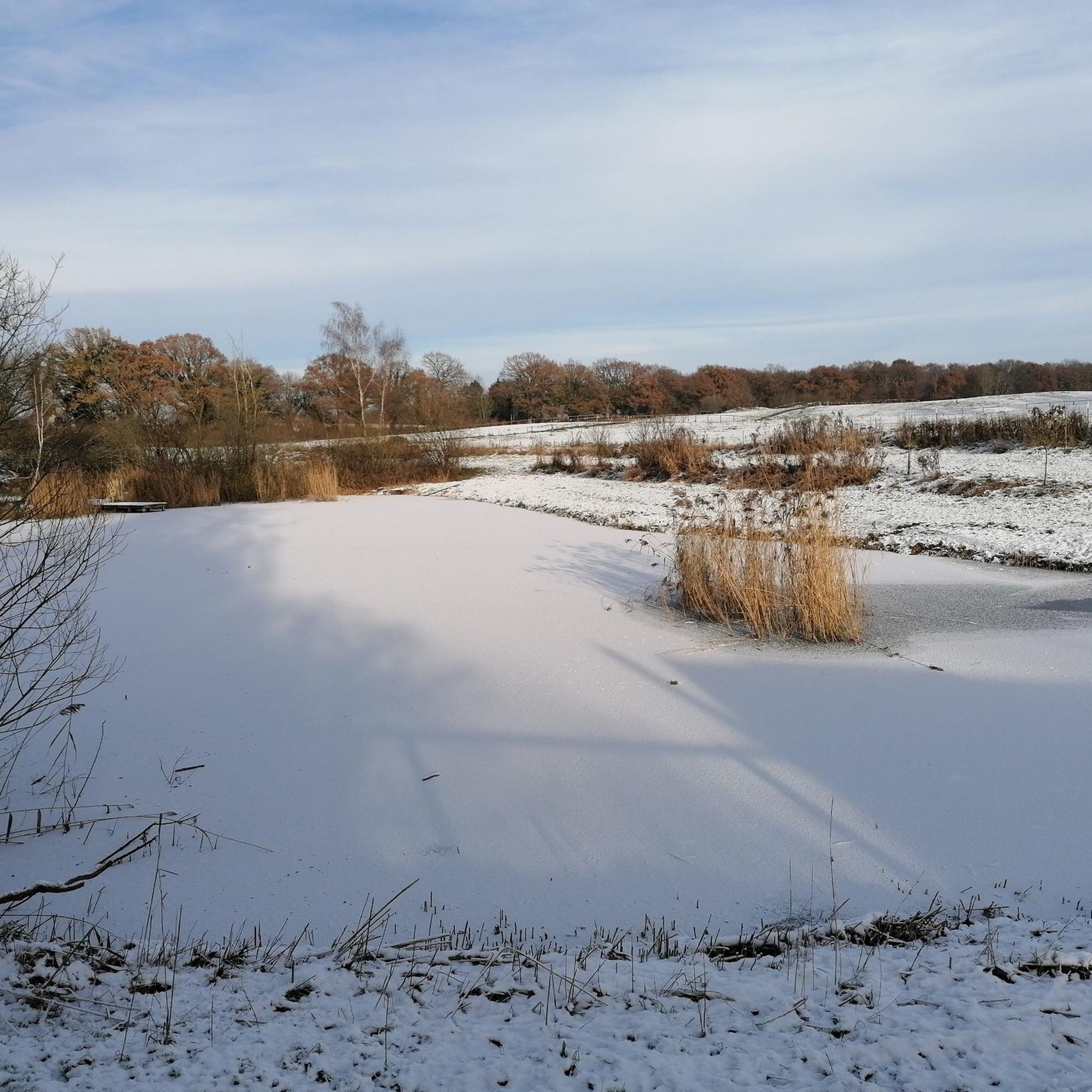
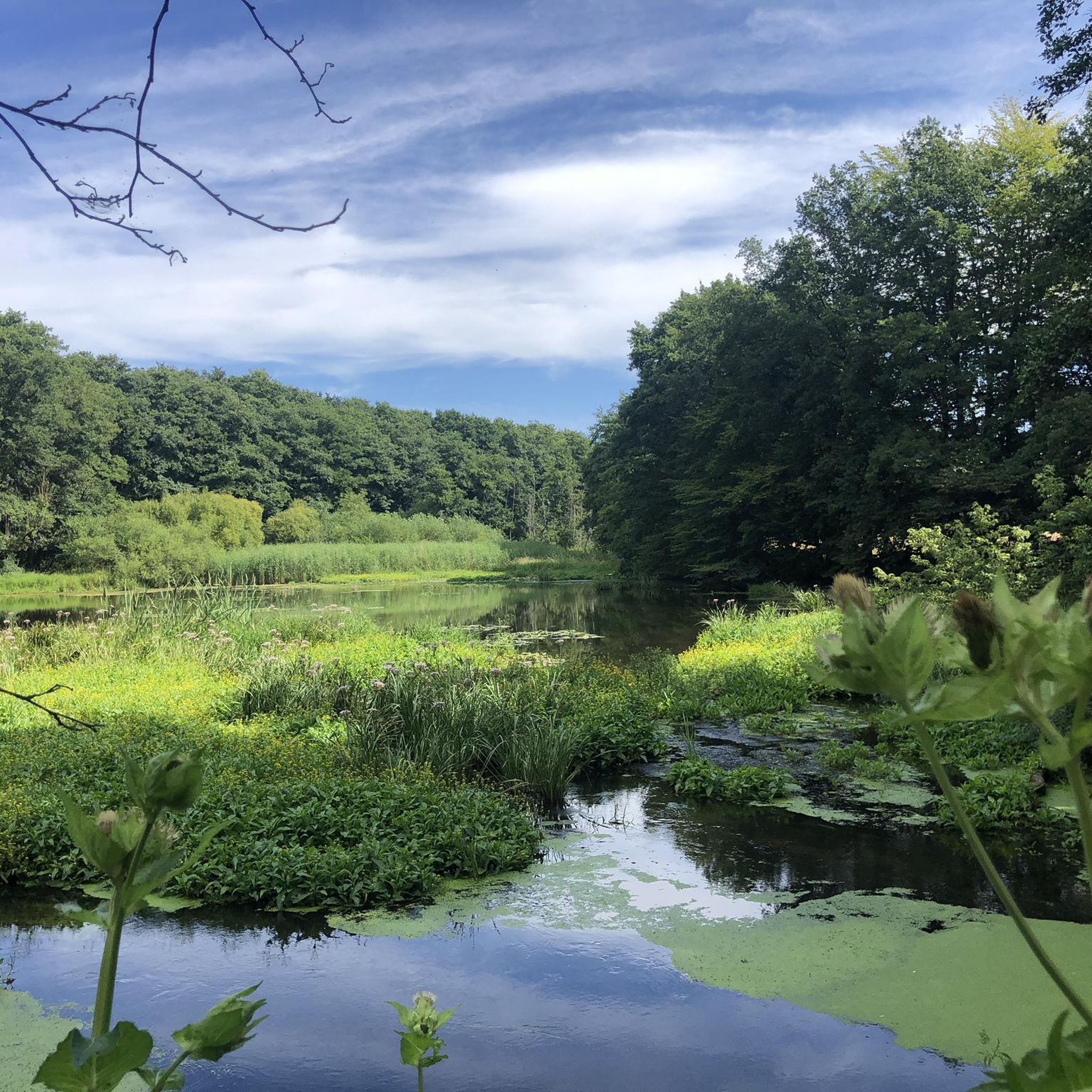
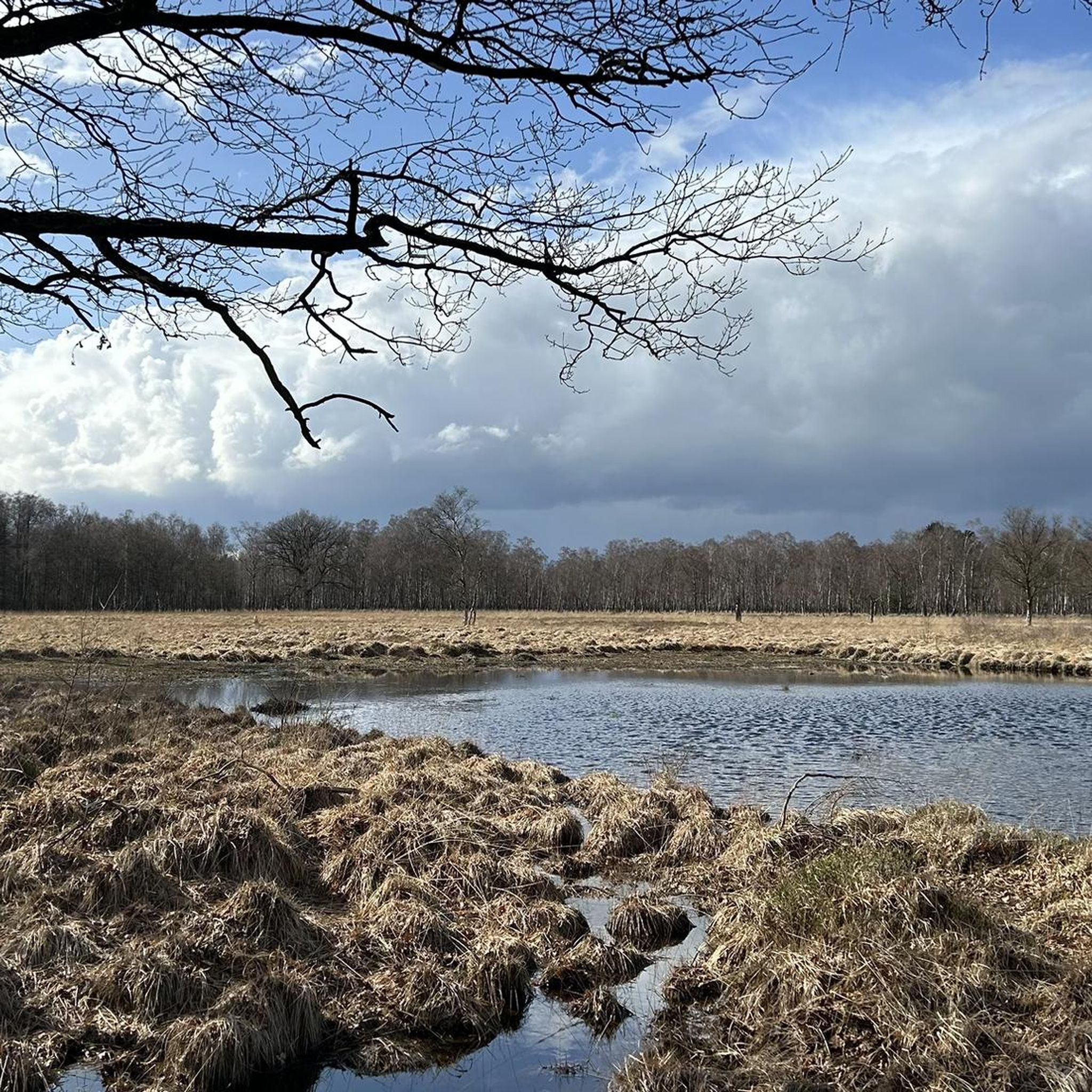
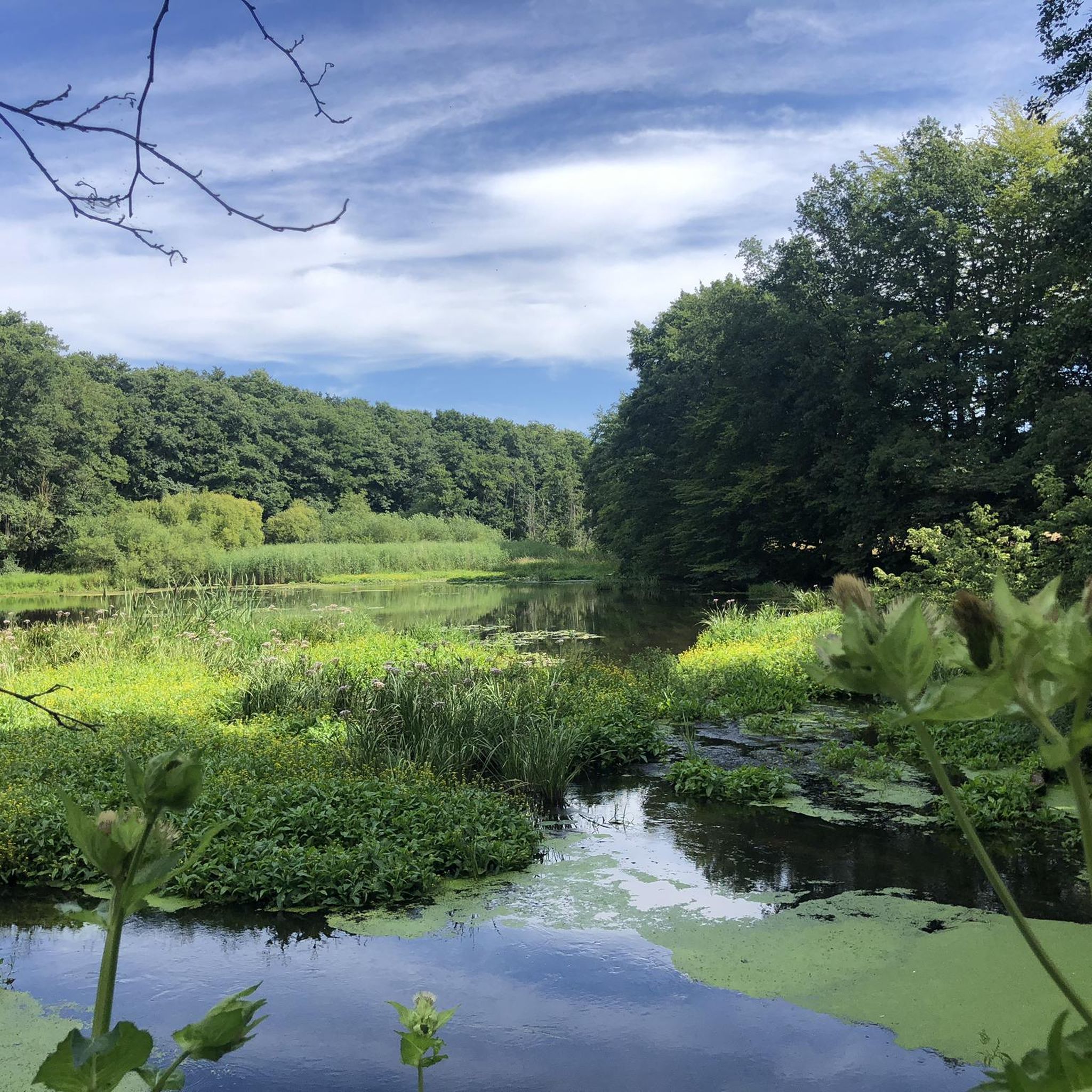
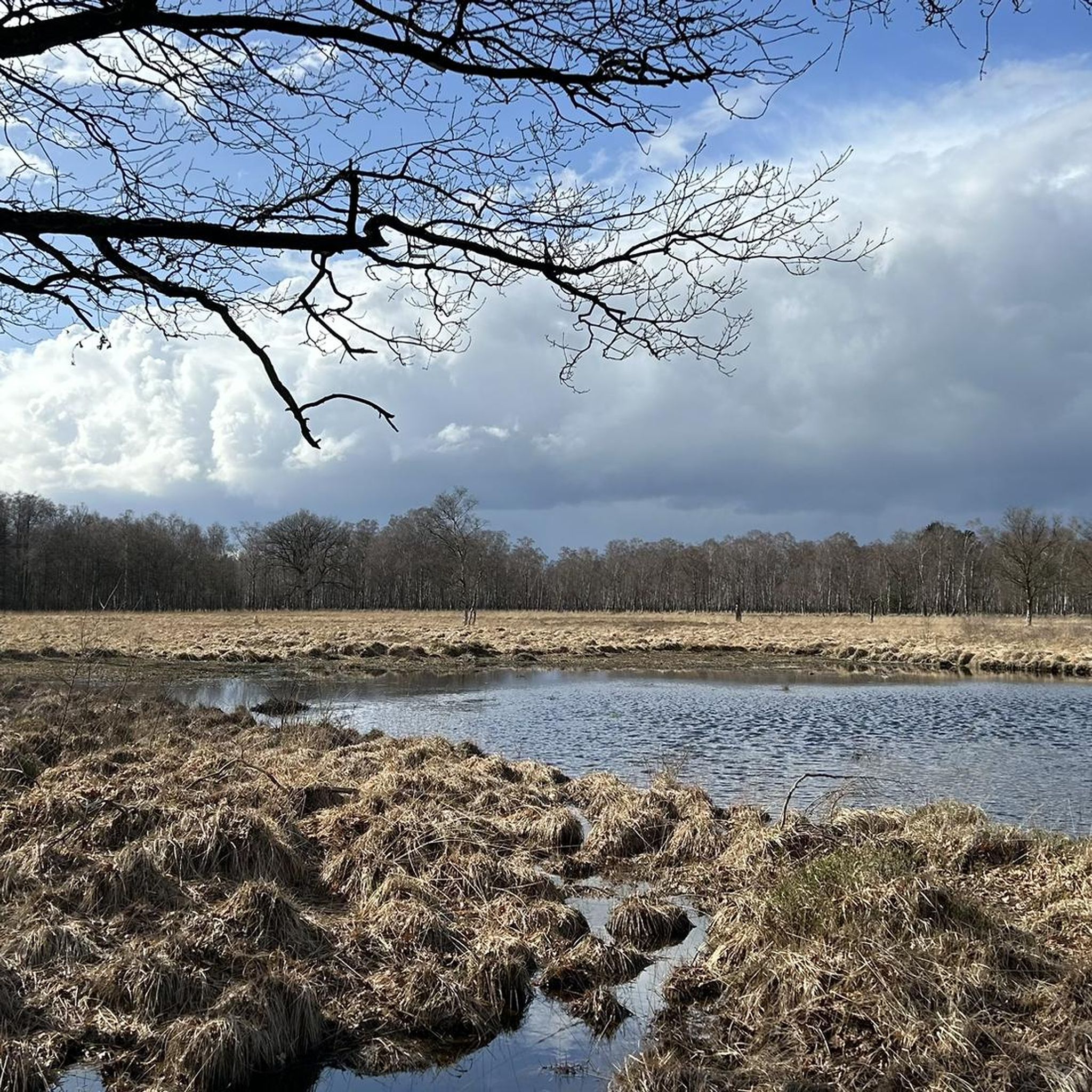
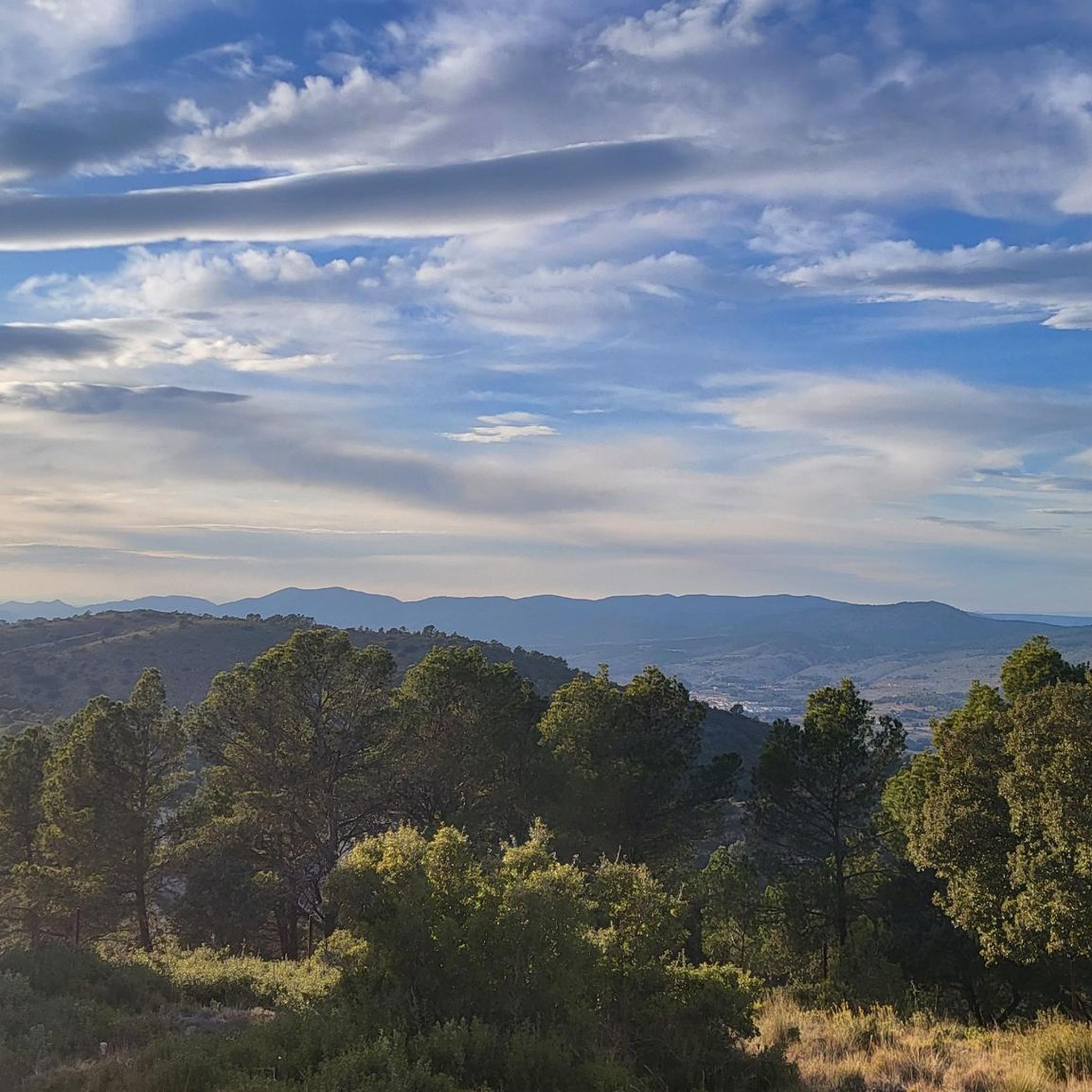
Tips from the Community

Endless path at the end of the border wall
0
0
Sociable fallow deer in the far distance
0
0
Picturesque landscape
0
0
Wide view from the border wall across the landscape
0
0

The northernmost point of Hamburg is officially the small North Sea island of Scharhörn. In the Hamburg city area on the mainland, however, it is located here. Unfortunately, it is not a spectacular place visually, but geographically and therefore of course an absolute highlight. https://de.wikipedia.org/wiki/Hamburg Scharhörn is a German island in the innermost corner of the Heligoland Bay and part of an exclave of the Free and Hanseatic City of Hamburg (Neuwerk district). The island is considered Hamburg's northernmost point and is about 43 hectares in size. Scharhörn, the surrounding mudflats and sea area are in "Zone I" of the Hamburg Wadden Sea National Park and are a geotope of supra-regional importance. Apart from a bird watcher, the island is uninhabited and can only be reached via a mudflat hiking trail from Neuwerk. https://de.wikipedia.org/wiki/Scharh%C3%B6rn
4
0

Tree root in the shape of a pistol cocked for firing. Funny.
1
0
Tree root in the shape of a pistol cocked for firing. Funny.
0
0

This tree, which is unfortunately already dead, stands alone in a beautiful forest meadow. It looks very majestic and beautiful.
1
0
Frequently Asked Questions
What are the primary natural features and ecosystems to explore in Duvenstedter Brook?
Duvenstedter Brook is renowned for its diverse ecosystems, which are considered its main natural monuments. These include extensive moorlands and peat bogs with unique plant life like sphagnum moss and sundews, atmospheric swamp forests dominated by birch and alder, and vibrant heathlands that burst with color from flowering bell heather in summer. These varied habitats collectively support a rich biodiversity.
Where can I best observe wildlife in Duvenstedter Brook?
Duvenstedter Brook is an excellent location for wildlife observation. You can spot large populations of Red Deer and Fallow Deer, especially during their rutting seasons in autumn. The Crane Meadow at Duvenstedter Brook is a prime spot for observing cranes, particularly in spring during their nesting season. The reserve is also an EU bird sanctuary, home to 104 breeding bird species, including birds of prey and woodpeckers. The Birch Grove at Duvenstedter Brook also offers numerous vantage points for animal observation.
Are there specific viewpoints or scenic spots within the natural monuments?
Yes, several spots offer picturesque views and unique perspectives. The Moorpfad Alter Grenzwall provides narrow paths through beautiful moorland with views of birch forests, sedges, and swamps. The Cross-leaved Heath in Duvenstedter Brook offers wide views across the landscape. Additionally, the Crane Meadow at Duvenstedter Brook is a designated lookout point for birdwatching.
What is the best time of year to visit Duvenstedter Brook's natural monuments?
The best time to visit depends on what you wish to experience. Spring is ideal for observing cranes and cotton grass. Summer brings vibrant blooms in the heathlands, especially bell heather. Autumn is spectacular for witnessing the red and fallow deer rutting seasons. The diverse birdlife can be observed throughout the year, making it a rewarding destination in any season.
Are there family-friendly options for exploring the natural monuments?
Absolutely. Many areas within Duvenstedter Brook are suitable for families. The Crane Meadow at Duvenstedter Brook, Birch Grove at Duvenstedter Brook, and Cross-leaved Heath in Duvenstedter Brook are all categorized as family-friendly. The reserve offers extensive hiking and cycling paths that are generally easy to navigate, providing opportunities for children to explore nature and spot wildlife.
What kind of outdoor activities can I do near the natural monuments?
Duvenstedter Brook offers a variety of outdoor activities. You can enjoy hiking on numerous trails, including easy loops like the "View of the Duvenstedter Brook loop from Bargteheide-Land" or "Viewpoint at Mühlenteich – Wohldorfer Wald Nature Reserve loop from Wohldorfer Wald." There are also dedicated running trails, such as the "Brook Field Path – Small hill with grove of trees loop from Wohldorfer Wald." For more details on routes, you can explore the Hiking around Duvenstedter Brook or Running Trails around Duvenstedter Brook guides.
Are there easy walking trails to access the natural monuments?
Yes, Duvenstedter Brook features many easy walking trails. The reserve's extensive network of paths makes it accessible for leisurely strolls. Examples of easy hikes include the "View of the Duvenstedter Brook loop from Duvenstedter Brook" and the "View of the Ammersbek – Wohldorfer Forest loop from Wohldorfer Wald." You can find more options in the Easy hikes around Duvenstedter Brook guide.
What unique natural phenomena can be observed in the moorlands?
The moorlands and peat bogs are dynamic ecosystems where you can observe specialized plant species adapted to nutrient-poor, acidic conditions. Look for sphagnum moss cushions, cotton grass, white beak-sedge, cranberries, bog-rosemary, and fascinating carnivorous plants like sundews. These areas also showcase the ongoing ecological process where moor forests attempt to colonize the open moor.
What do visitors particularly enjoy about Duvenstedter Brook?
Visitors frequently highlight the opportunity for animal observation, especially the impressive deer populations and the majestic cranes. Many appreciate the atmospheric experience of the diverse landscapes, from the humid summer air in the birch groves to the picturesque views across the heathlands. The sense of being immersed in a well-preserved natural environment, despite its proximity to urban areas, is also a significant draw.
Is there a specific natural monument that stands out for its unique appearance?
The uprooted giant is a natural monument that stands out due to its dramatic appearance, showcasing the powerful forces of nature. It's a striking example of how wind or storms can reshape the forest landscape, leaving behind an impressive natural sculpture.
Is Duvenstedter Brook accessible by public transport?
While the guide does not specify exact public transport routes, Duvenstedter Brook is a well-known nature reserve in Hamburg, implying various access points. The BrookHus information center often serves as a starting point, and local public transport options typically connect to such significant regional attractions. It's advisable to check local transport schedules for the most convenient routes to the reserve's entrances.
Are there any historical or cultural landmarks within the natural monuments?
While Duvenstedter Brook is primarily celebrated for its natural heritage, the Northernmost Point of Hamburg (Mainland) is a geographical landmark within the area. Although not a historical monument in the traditional sense, it holds a unique significance for locals and offers a point of interest for those exploring the region.
Most popular routes around Duvenstedter Brook
Most popular attractions around Duvenstedter Brook

Get inspired with the komoot mobile app


Explore more
Extend your search for the best caves by checking out these guides of the top ones around Duvenstedter Brook:
