Top 9 Natural Monuments around Leudal
Natural monuments around Leudal showcase a diverse landscape characterized by stream valleys, forests, and heathlands. This region, often referred to as the "Garden of Limburg," features a unique terraced landscape formed by meandering streams. It holds ecological importance, with areas designated as Natura 2000 sites, supporting varied flora and fauna. The area also integrates historical and archaeological sites within its natural settings.
Best natural monuments around Leudal
- The most popular natural monument is Leudal Nature Reserve, a forest and…
Last updated: June 26, 2026
Leudal Nature Reserve
Highlight • Forest
Translated by Google •
Tip by

Litsberg Sand Dune and the Leubeek
Highlight • Natural Monument
The …
Translated by Google •
Tip by

Sign up now to discover places like this
Get recommendations on the best single tracks, peaks, & plenty of other exciting outdoor places.
Sign up for free
The Leudal
Highlight • Forest
Translated by Google •
Tip by

Busjop Burial Mounds
Highlight • Historical Site
Translated by Google •
Tip by

Busjop Burial Mounds
Highlight • Historical Site
Translated by Google •
Tip by
Sign up for free to discover even more natural monuments around Leudal.
Sign up for free
Already have an account?
Start today with a free account
Your next adventure awaits.
Login or Signup



Tips from the Community

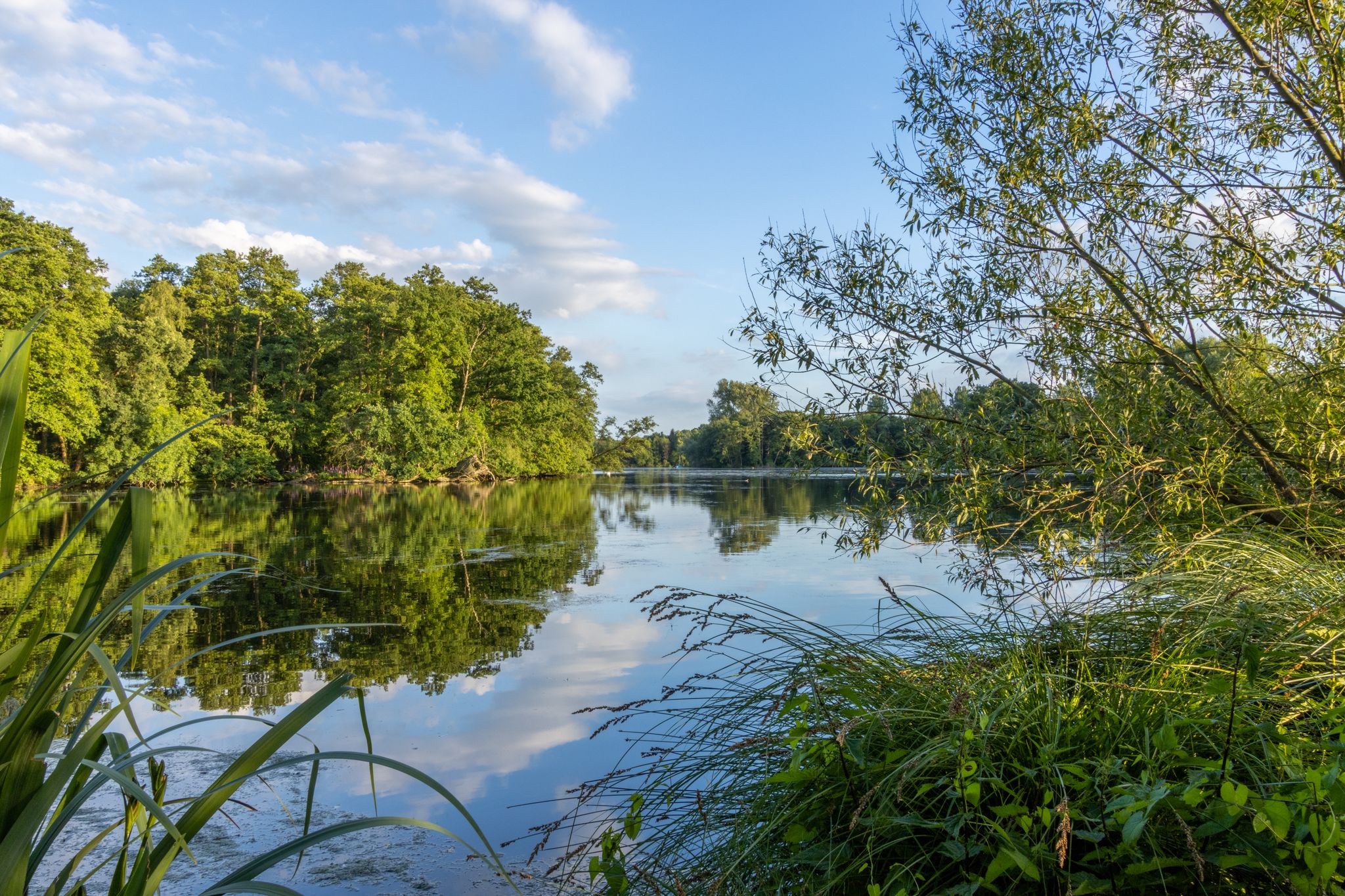
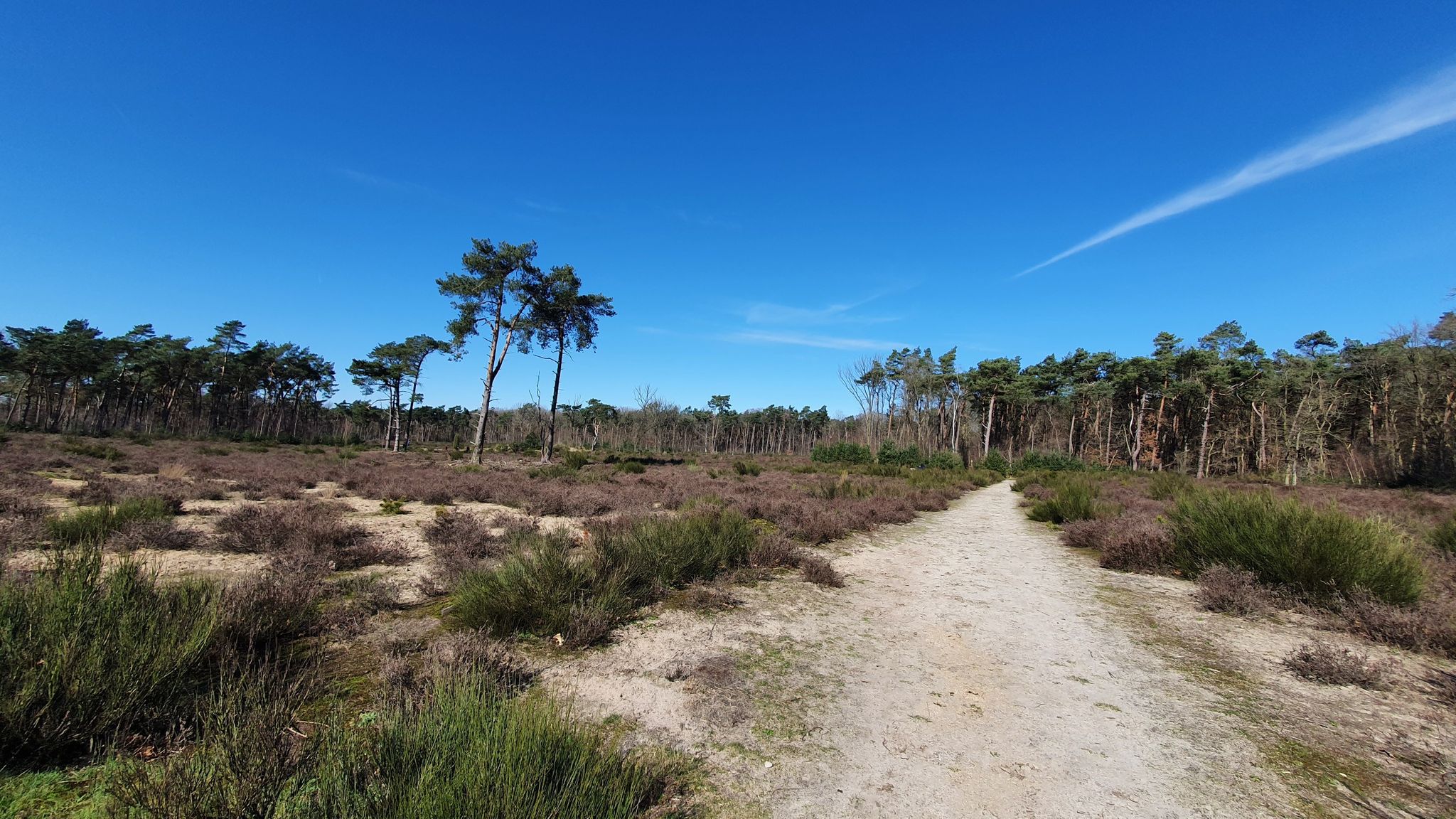
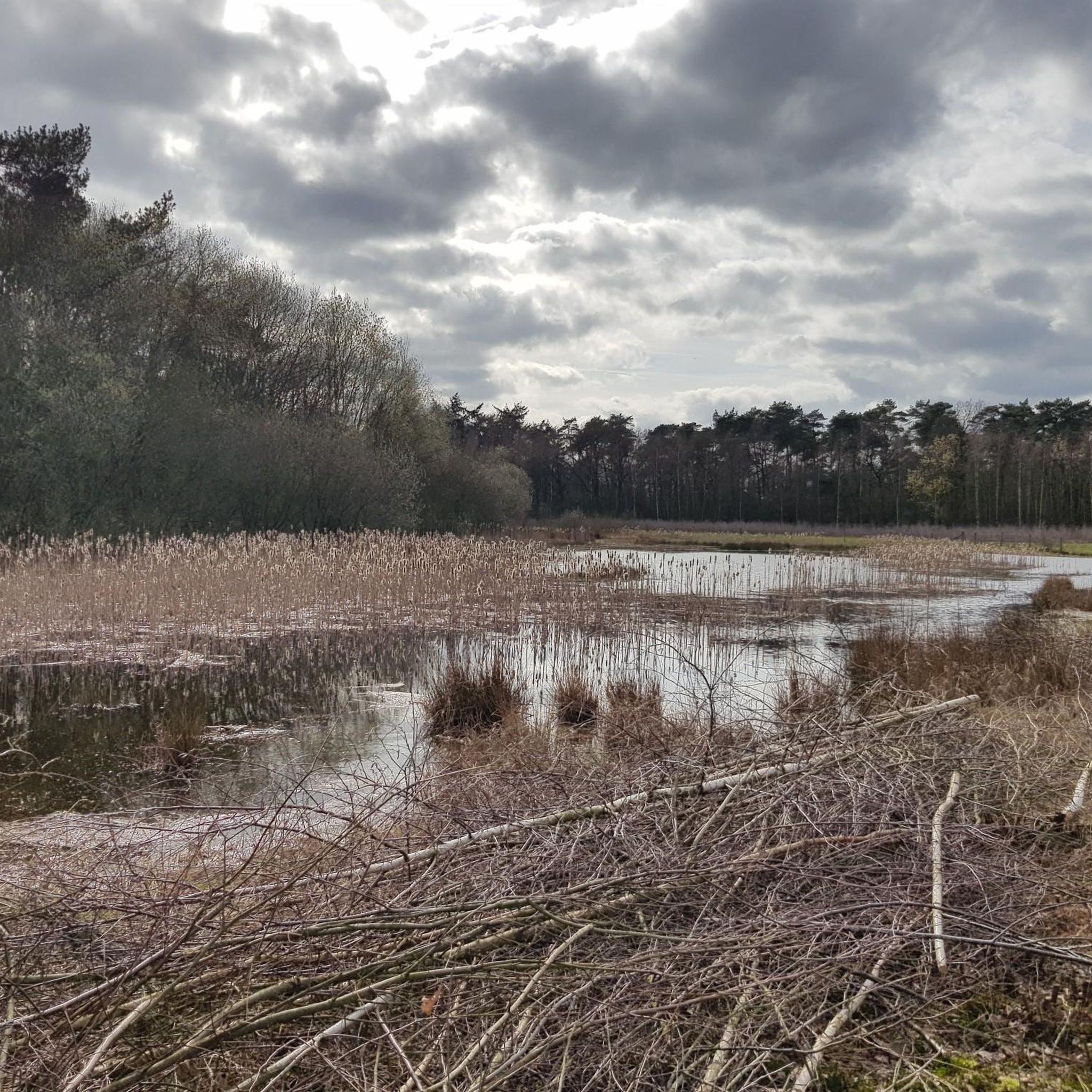
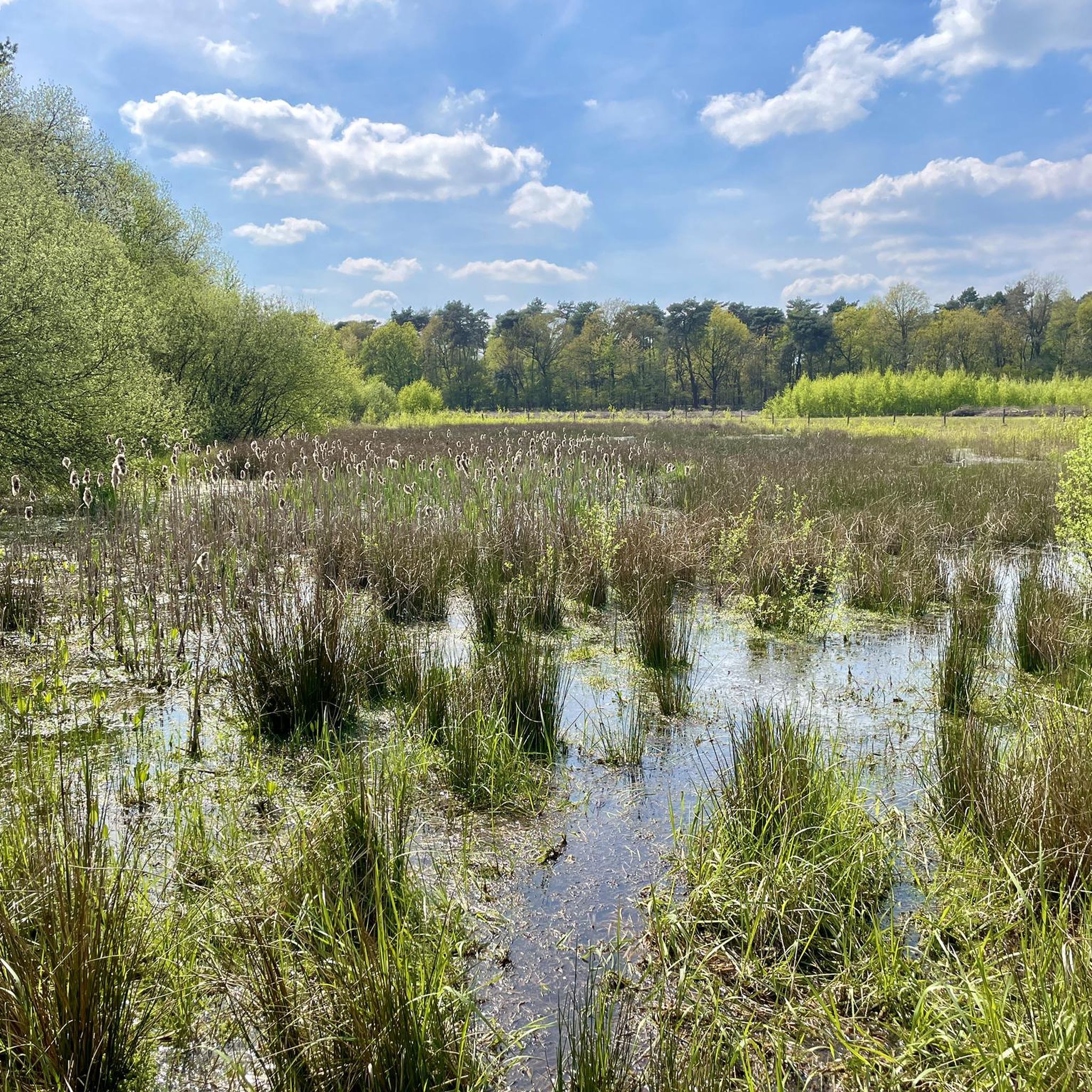
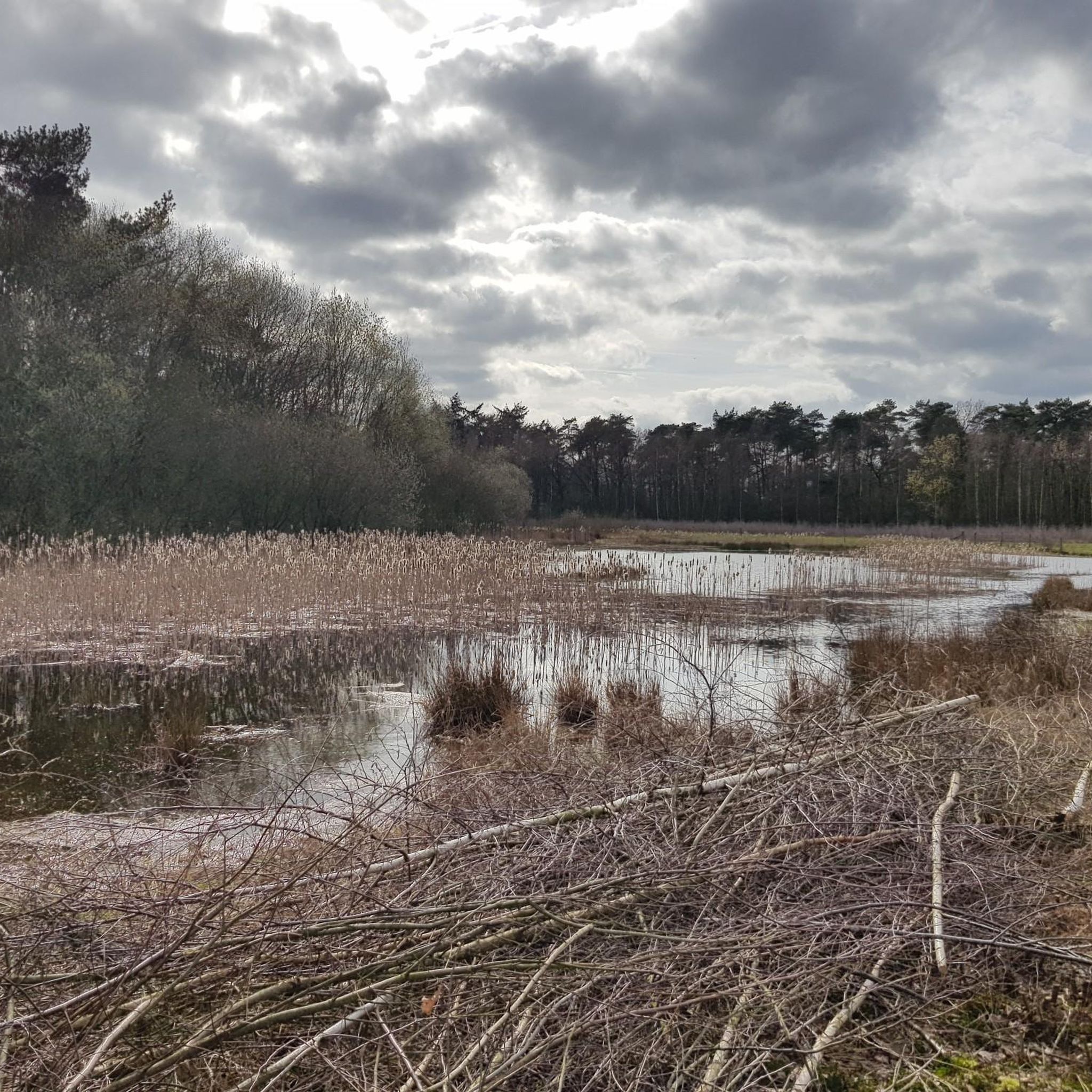
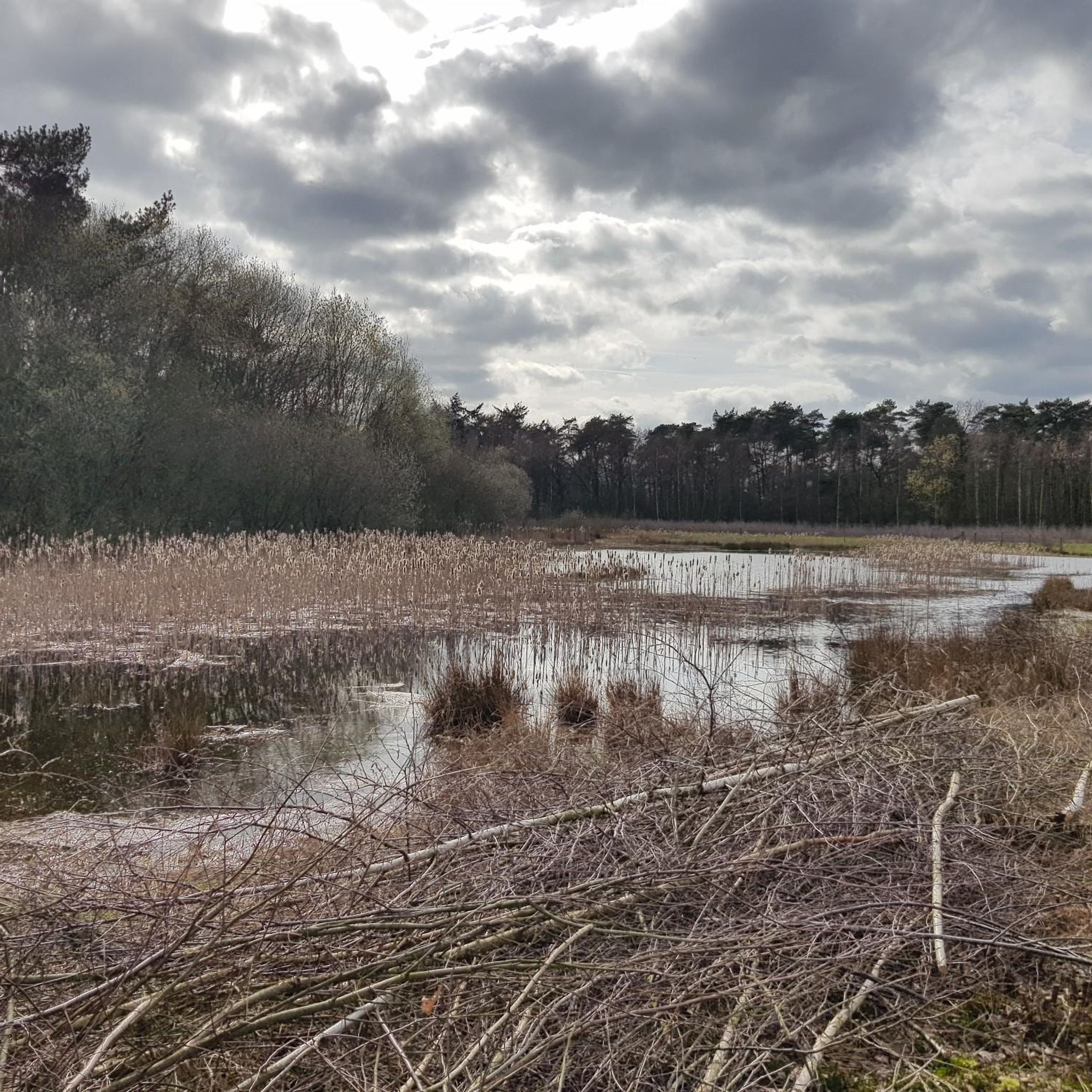
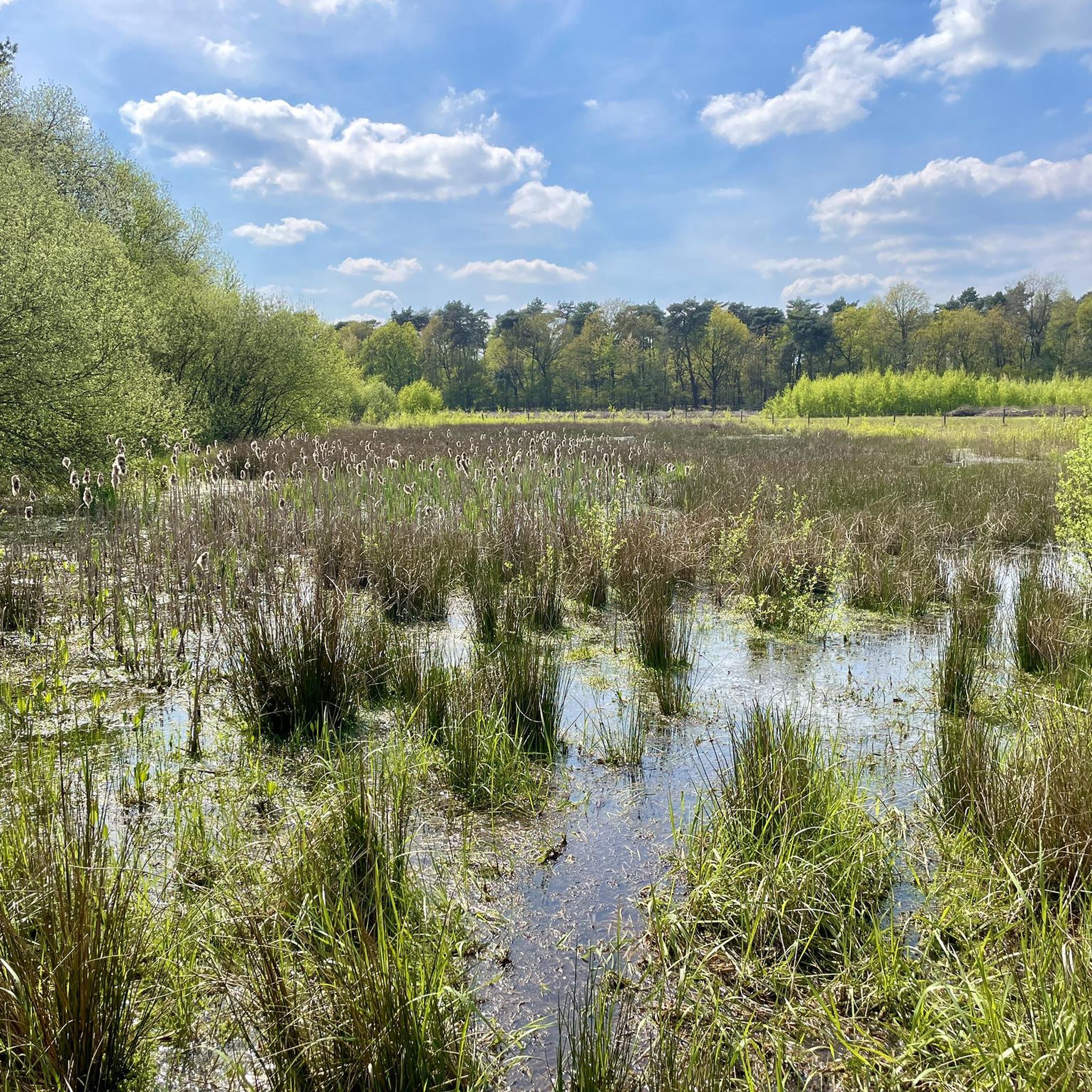
The Leudal is a 900-hectare nature reserve consisting primarily of forests with scattered grasslands, fields, and patches of heathland. Three streams flow through the area: the Leubeek, the Zelsterbeek, and the Haelensche Beek; for this reason, the Leudal is also known as the "Three Rivers Land." Approximately 500 hectares of the area are managed by the Dutch Forestry Commission (Staatsbosbeheer). Source: https://www.leumolen.nl/Entree/Start%20Leumolen/DeLeumolen.htm
4
0
3,000 years ago, the ashes of the dead were buried after cremation at the Busjop Burial Field. The ashes were then placed in an urn or cloth, and the whole area was covered with a low mound of sods. Each individual received his or her own burial monument. By repeatedly creating a new mound near another, a vast burial or urn field was created. Over the course of five centuries, a "death landscape" of more than fifty burial mounds developed here. In 1951, the burial field was partially investigated, after which the urns and cremated remains ended up in the National Museum of Antiquities in Leiden. Due to the growth of trees and brambles, the mounds disappeared from view for a long time and fell into oblivion. In 2010-2011, the Dutch Forestry Commission, in collaboration with the Cultural Heritage Agency of the Netherlands, cleared the forest, creating an open landscape. This ultimately led to the rediscovery and restoration of seventeen burial mounds. Source: https://www.visitnoordlimburg.nl/nl/grafveld-busjop
4
0
3,000 years ago, the ashes of the dead were buried after cremation at the Busjop Burial Field. The ashes were then placed in an urn or cloth, and the whole area was covered with a low mound of sods. Each individual received his or her own burial monument. By repeatedly creating a new mound near another, a vast burial or urn field was created. Over the course of five centuries, a "death landscape" of more than fifty burial mounds developed here. In 1951, the burial field was partially investigated, after which the urns and cremated remains ended up in the National Museum of Antiquities in Leiden. Due to the growth of trees and brambles, the mounds disappeared from view for a long time and fell into oblivion. In 2010-2011, the Dutch Forestry Commission, in collaboration with the Cultural Heritage Agency of the Netherlands, cleared the forest, creating an open landscape. This ultimately led to the rediscovery and restoration of seventeen burial mounds. Source: https://www.visitnoordlimburg.nl/nl/grafveld-busjop
3
0
The municipality of Leudal is named after the Leudal nature reserve, which forms the heart of the municipality. Due to its green character, this municipality is sometimes called the Garden of Limburg. The Leudal nature reserve is located between the villages of Haelen, Roggel, Neer, Nunhem, and Heythuysen and covers approximately 900 hectares. 500 hectares of this area is managed as a reserve by the Dutch Forestry Commission (Staatsbosbeheer). In addition to the stream valleys that have formed the nature reserve, the area also boasts beautiful sights such as the Sint Ursulamolen windmill. Due to its unique character, the Leudal nature reserve has been designated Natura 2000, safeguarding its biodiversity. The stream valleys in the Leudal are picturesquely beautiful. The Zelsterbeek and Leubeek streams meander among the trees. Over centuries, water has eroded the stream valleys so deeply that they have created ravines. At the transition from higher to lower ground, runoff has carved out hollow paths. The stream valleys create the Leudal landscape with unique flora and fauna. It consists largely of forests of hazel, birch, and willow, and the kingfisher, which catches fish in the streams, lives in the banks. Source and more information: https://www.hartvanlimburg.nl/nl/natuurgebied-het-leudal
4
0

Very varied area for walking.
0
0

Fascinating how many centuries ago the dead were buried.
0
0

You can enjoy walking in the Leudal. There are many winding paths, through the forest or along the streams
2
0

The Leudal is always worth a hike, we just love being here. Narrow paths - lonely, quiet and always accompanied by the water.
3
0
Frequently Asked Questions
What unique natural features can I expect to see in the Leudal area?
Leudal, often called the "Garden of Limburg," is characterized by its expansive Leudal Nature Reserve, which features deeply carved stream valleys formed by the meandering Zelsterbeek and Leubeek streams. You'll also find forests, marshes, and heathlands. A notable geological feature is the Litsberg Sand Dune, offering panoramic views, with the Leubeek flowing at its base.
What historical sites are integrated within the natural monuments of Leudal?
Within the natural setting of Leudal, you can explore the Busjop Burial Mounds, an ancient urn field dating from the Late Bronze Age to the Early Iron Age. Additionally, while not strictly natural, the historic Sint Ursula Mill (Leumolen) and the remains of St. Elisabeth Mill are integral to the landscape, showcasing human interaction with the natural waterways.
What makes the Leudal Nature Reserve ecologically important?
The Leudal Nature Reserve is a 900-hectare area with Natura 2000 status, signifying its importance for diverse flora and fauna. Its unique terraced landscape and stream valleys support a rich biodiversity, including kingfishers that can be spotted along the banks of the streams.
Are there easy hiking trails suitable for beginners or families in the Leudal natural monuments?
Yes, Leudal offers many easy hiking trails suitable for families and beginners. For example, you can find routes like the "Leubeek – Leudal Nature Reserve loop" or the "De Busjop Forest Café – Boscafé de Busjop loop." These are typically well-marked and allow for relaxed exploration of the varied landscape. You can find more easy hiking options in the Easy hikes around Leudal guide.
Can I find dog-friendly trails within the natural monuments of Leudal?
Many trails within the Leudal Nature Reserve are dog-friendly, allowing you to explore the forests, heathlands, and stream valleys with your canine companion. It's always advisable to keep dogs on a leash, especially in areas with wildlife or near livestock, and to check local signage for specific regulations.
What kind of cycling opportunities are available around Leudal's natural monuments?
Leudal is an excellent destination for cycling, offering both traditional cycling and gravel biking routes. You can explore the natural monuments and surrounding areas on routes like the "Neerbeekbrug – Leubeek and Watermill loop" for gravel biking or the "St. Elisabeth Mill – De Hoop Mill (Horn) loop" for general cycling. Discover more options in the Gravel biking around Leudal and Cycling around Leudal guides.
Where can I find marked hiking routes in the Leudal Nature Reserve?
The Leudal Nature Reserve is well-equipped with numerous marked routes. Many of these trails start near the Leudal visitor center, which also provides information and facilities. The area is very popular for walking, with varied landscapes to explore.
What is the best time of year to visit the natural monuments in Leudal?
Leudal's natural monuments are beautiful year-round. Spring brings blooming flora, while summer offers lush greenery and pleasant temperatures for outdoor activities. Autumn showcases vibrant fall colors, and even winter can be picturesque with frosty landscapes. The choice depends on your preferred activities and scenery.
Are there facilities like parking or public transport access near the Leudal natural monuments?
Yes, the Leudal Nature Reserve is accessible, with parking available, particularly near the Leudal visitor center. While public transport options might be more limited directly to the heart of the reserve, major towns in the Leudal municipality offer connections, and from there, local transport or cycling can get you closer to the natural areas.
What do visitors enjoy most about exploring the natural monuments in Leudal?
Visitors frequently praise the varied and surprising landscape of Leudal, noting its picturesque beauty and tranquil atmosphere. Many appreciate the well-maintained trails for walking and cycling, the opportunity for a nice break at sand excavations, and the unique experience of walking along the meandering streams. The combination of nature, history, and recreational activities makes it a popular destination.
Can I spot wildlife in the Leudal Nature Reserve?
Yes, the Leudal Nature Reserve, with its diverse ecosystems and Natura 2000 status, is home to various plant and animal species. Birdwatchers might be lucky enough to spot kingfishers along the stream banks, and the forests and heathlands provide habitats for other local wildlife.
Are there any cafes or refreshment stops near the natural monuments in Leudal?
Yes, there are refreshment stops available. For instance, the Leudal visitor center often has facilities, and places like Boscafé de Busjop are mentioned as good starting points for walks, implying they offer refreshments. These spots provide a convenient place to rest and refuel during your exploration.
Most popular routes around Leudal
Most popular attractions around Leudal

Get inspired with the komoot mobile app


Explore more
Extend your search for the best caves by checking out these guides of the top ones around Leudal:
