Réserve Naturelle de Sixt-Passy
Réserve Naturelle de Sixt-Passy
Top 6 Mountain Passes around Réserve Naturelle de Sixt-Passy
Best mountain passes around Réserve Naturelle de Sixt-Passy offer access to diverse landscapes within Haute-Savoie, France. This region features alpine meadows, rocky karst plateaus, and significant natural features. The passes provide routes through the terrain, connecting various points of interest and offering views of the Mont Blanc Massif. The area is known for its natural environment and varied hiking opportunities.
Best mountain passes around Réserve Naturelle de Sixt-Passy
- The most popular mountain pass is Col d'Anterne, a mountain pass…
Last updated: July 10, 2026
Mont Buet
Highlight • Summit
Translated by Google •
Tip by

Col d'Anterne
Highlight • Mountain Pass
Translated by Google •
Tip by

Sign up now to discover places like this
Get recommendations on the best single tracks, peaks, & plenty of other exciting outdoor places.
Sign up for free
Pas de Sales
Highlight • Mountain Pass
Translated by Google •
Tip by
Dérochoir Pass
Highlight (Segment) • Mountain Pass
Translated by Google •
Tip by

Col de Pierre Carrée
Highlight • Mountain Pass
Tip by

Sign up for free to discover even more mountain passes around Réserve Naturelle de Sixt-Passy.
Sign up for free
Already have an account?
Start today with a free account
Your next adventure awaits.
Login or Signup
Popular around Réserve Naturelle de Sixt-Passy
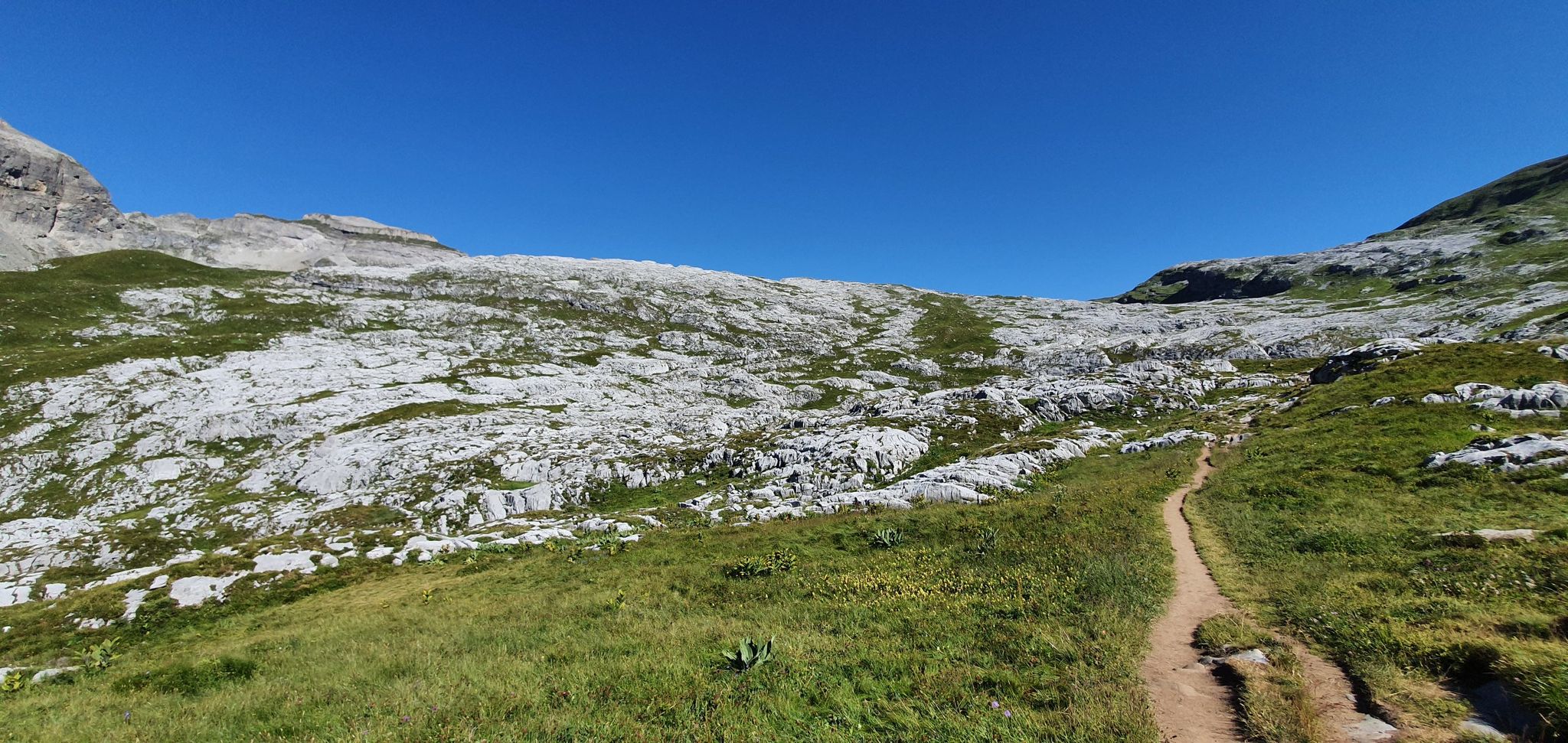
Hiking in the heart of nature reserves – Le Tour des Fiz
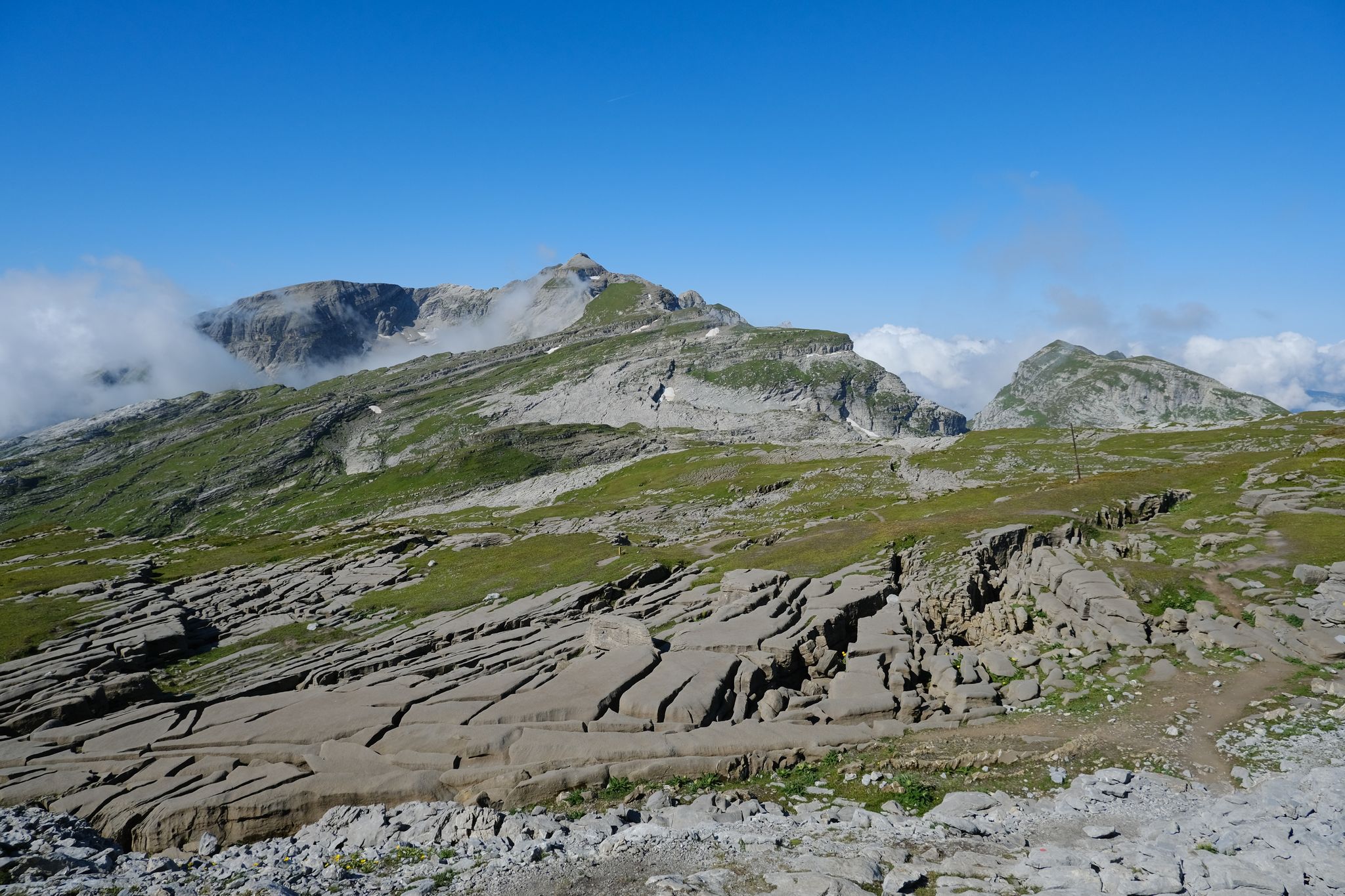
Immerse yourself in the French Alps from Samoëns to Entremont-le-Vieux – GR 96
Road Cycling Routes around Réserve Naturelle de Sixt-Passy
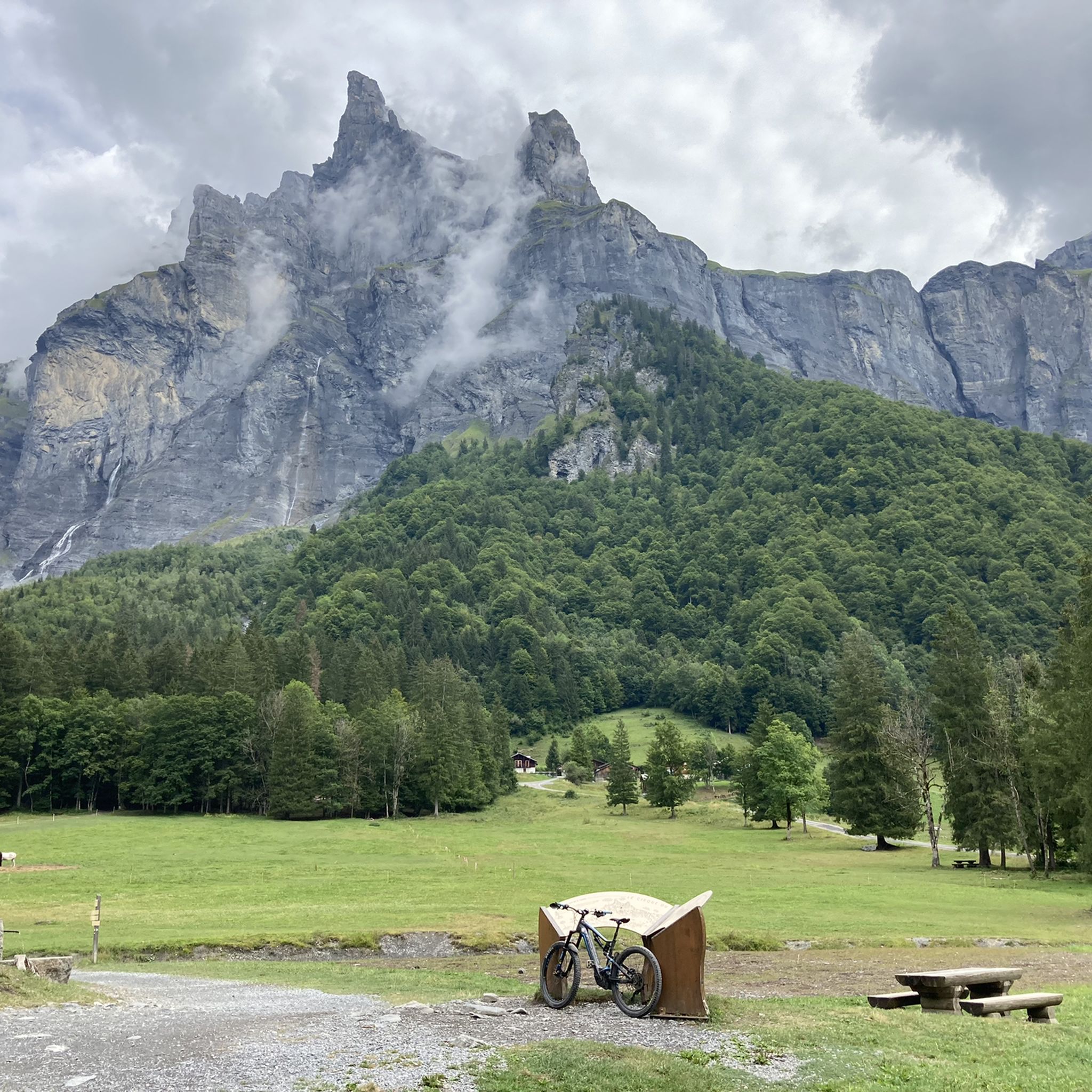
MTB Trails around Réserve Naturelle de Sixt-Passy
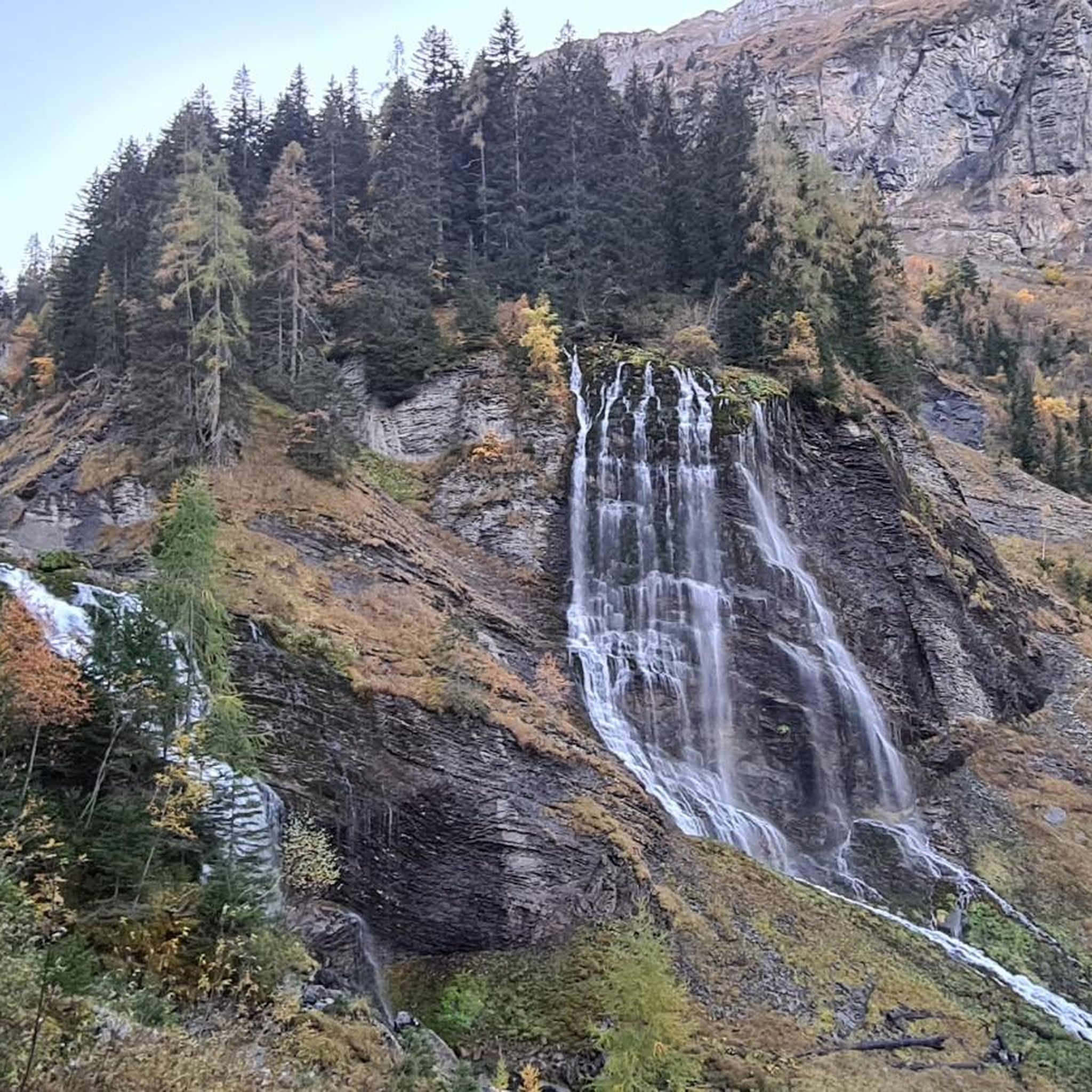
Cycling around Réserve Naturelle de Sixt-Passy
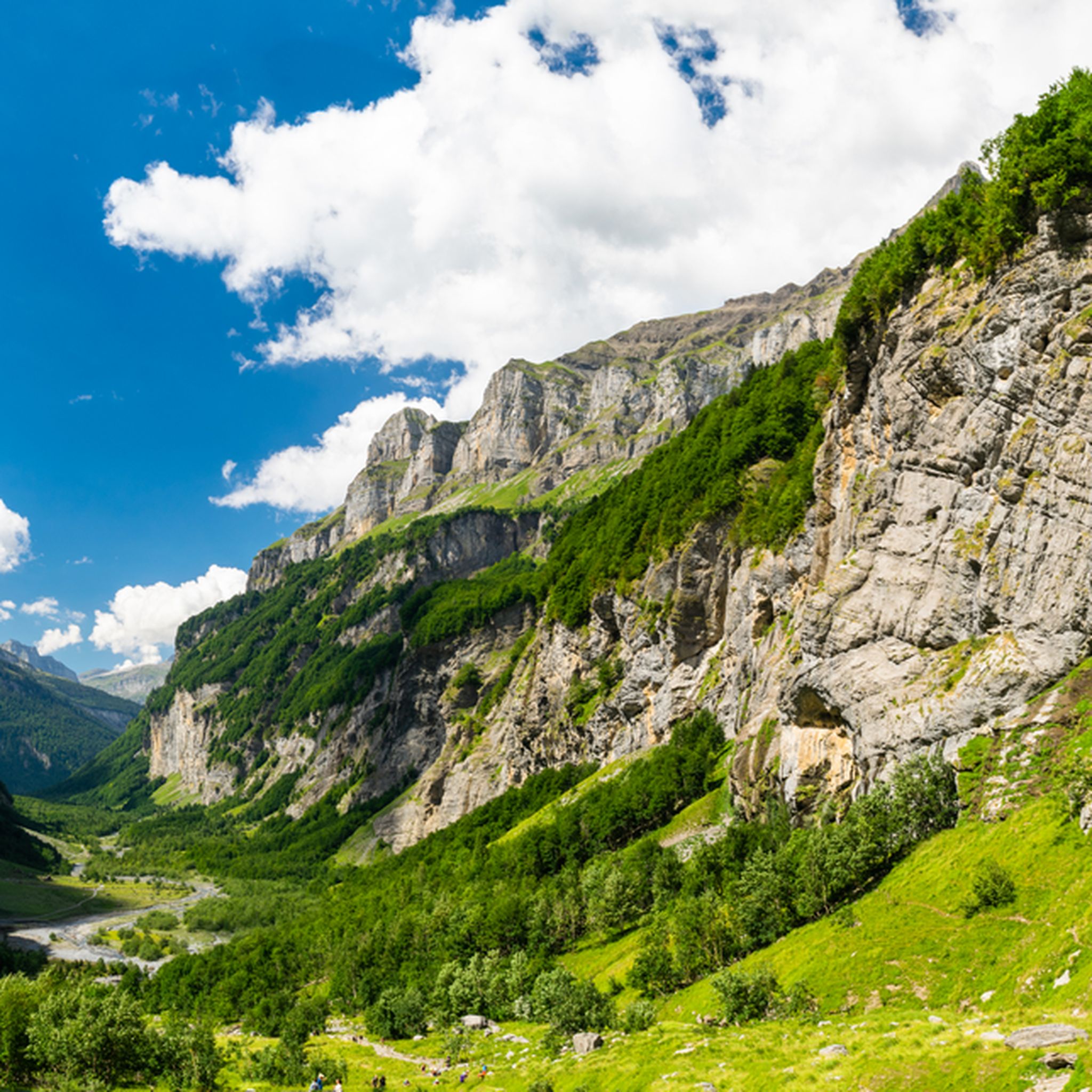
Hiking around Réserve Naturelle de Sixt-Passy
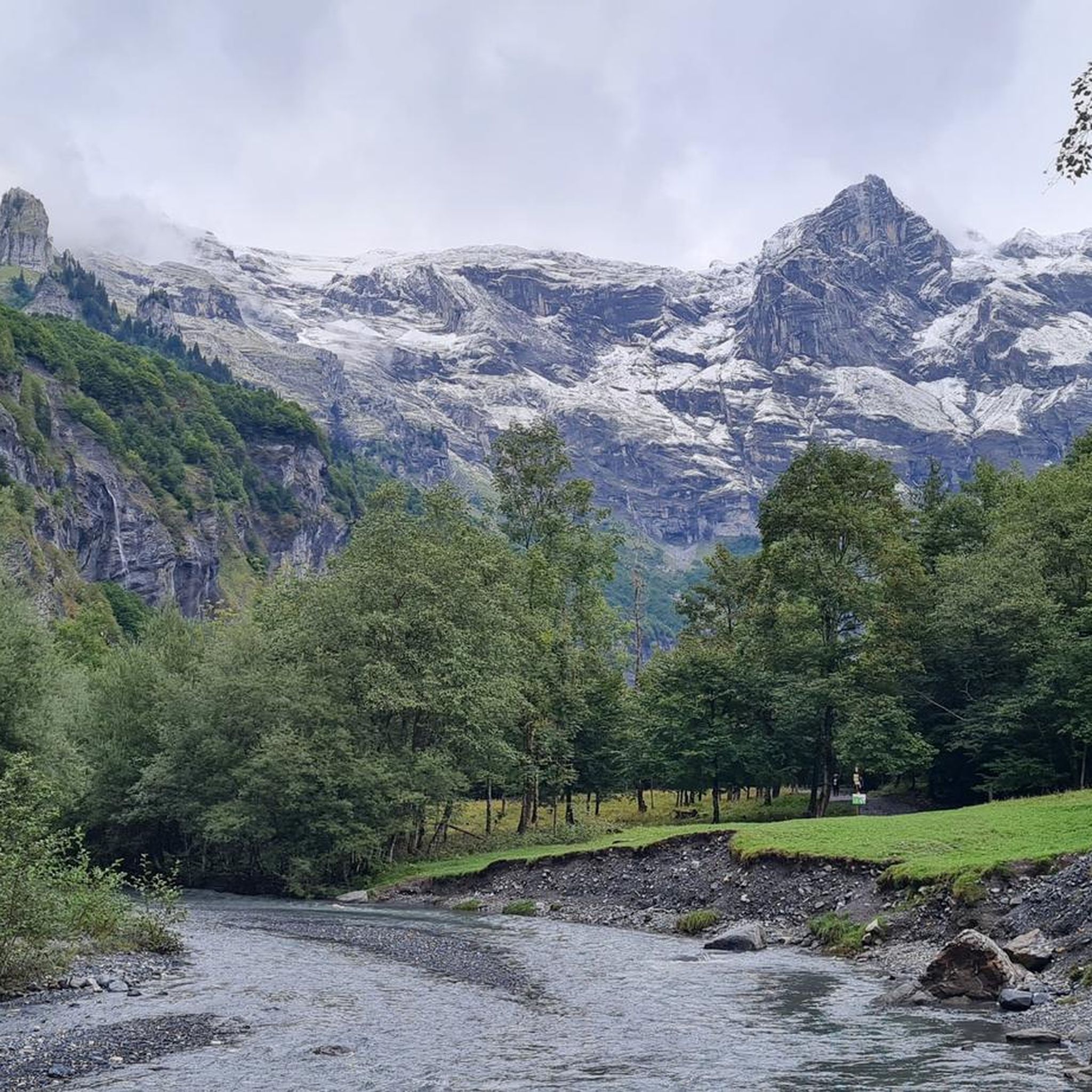
Running Trails around Réserve Naturelle de Sixt-Passy

Mountain Hikes around Réserve Naturelle de Sixt-Passy
Gravel biking around Réserve Naturelle de Sixt-Passy
Other adventures around Réserve Naturelle de Sixt-Passy


Tips from the Community

On Mont Buet you are directly opposite Mont Blanc and have a good view of it. From the Refuge de la Pierre a Berard it takes about 3 hours to reach the summit
1
0

Mont Buet is a huge mountain, nestled on the remote Swiss side of the Chamonix valley. The mountain itself is an expanse of rock, with steep walls or open scree slopes. The summit itself is a fantastic and ambitious goal for any aspiring mountain runner, as the ascent can be done with little technical difficulty. It is still very much a mountain, and necessary precautions must be taken. Bring the right equipment, choose good conditions and only go if you have the appropriate experience. This summit, however, will reward you with unbeatable views of the Mont Blanc massif, the Chamonix valley, and even the Matterhorn on a good day.
1
0
An imposing mountain, 3100 meters high, offering an elevation gain of 2000 meters from most angles. You will be rewarded with some of the most beautiful views of the valley, an unspoiled perspective of Mont Blanc, and even the Matterhorn. The summit is barren and isolated, truly an authentic alpine environment. This mountain has been used as a training ground for Mont Blanc for decades, but it is a worthy climb in its own right.
1
0

The summit is incredible, it is a first choice belvedere on the Mont Blanc massif and the Aiguilles Rouges. Several access routes, the easiest from the Pierre à Bérard refuge simply requires a few scree climbs in the delity shale. More technical, the north ridge requires a bit of climbing and is very dizzying, but it is very well equipped with cables. The summit is very often snow-covered and may require specific mountain equipment if the tracks are not made in the snow or if the conditions are unfavourable.
1
0

Technical descent area, well equipped with ropes, pegs and ladders. It is easier to go up than down for those prone to vertigo. Wonderful trail to do in dry weather.
3
0
The Col de Pierre Carré is located a little further in the trail and indicated by a signpost - the landscape is in any case magnificent
0
0


In the heart of the Sixt-Passy Nature Reserve, the Col d'Anterne is a must in Haute-Savoie. At 2,257 meters above sea level, the views of the Mont-Blanc massif and the Pormenaz lake are breathtaking!
0
0
Frequently Asked Questions
What are some of the most scenic mountain passes in the Réserve Naturelle de Sixt-Passy?
The region offers several passes with breathtaking views. Col d'Anterne, at 2,257 meters, provides magnificent panoramic views of the Aiguilles Rouges and the Mont Blanc Massif, often including the tranquil Lac d'Anterne. The Dérochoir Pass and Col de la Portette offer 360° views of the Mont Blanc range, the Fiz, and the unique Désert de Platé.
Are there any mountain passes suitable for less experienced hikers or families?
While many passes in the Réserve Naturelle de Sixt-Passy are challenging, the Col de la Golèse is known for being wide open and more easily accessible. It serves as a starting point for various hikes and offers accommodation and catering at its refuge. For easy hikes in the general area, you can explore options like the Horseshoe Circus loop from Sixt-Fer-à-Cheval, which is about 5.3 km. Find more easy hikes in the region on the Easy hikes around Réserve Naturelle de Sixt-Passy guide.
Which mountain passes offer opportunities for wildlife spotting?
The area around Col d'Anterne is known for its diverse wildlife, including marmots and ibex. The Réserve Naturelle de Sixt-Passy as a whole is rich in wildlife, making many trails suitable for observing local fauna.
What are the most challenging mountain passes in the region?
The Passage du Dérochoir and Col de la Portette are part of challenging hiking routes within the Désert de Platé sector. The Dérochoir Pass is particularly known for its immense rocky scree, requiring some climbing over slabs with chains, ropes, and stairs. These sections are often compared to a via ferrata and are recommended for experienced hikers due to their technical and strenuous nature.
Are there any mountain passes with historical significance?
The Col de Cou / Col de Coux, located on the border between Switzerland and France, has historical significance as a popular route for smugglers and a passage for those fleeing during World War II.
What kind of natural features can I expect to see around these mountain passes?
You can expect to see diverse landscapes, from alpine meadows and tranquil glacial lakes like Lac d'Anterne to rocky karst plateaus such as the Désert de Platé. Waterfalls like La Pleureuse and La Sauffraz are also notable features on approaches to passes like Col d'Anterne.
What outdoor activities can I do near these mountain passes?
The Réserve Naturelle de Sixt-Passy is ideal for hiking and running. You can find numerous trails, from easy walks to difficult multi-day routes. For example, there are challenging running trails like the Refuge de la Vogealle loop (18.5 km) or various hiking routes such as the Lake Anterne – Col d'Anterne loop (18.6 km). Explore more options on the Hiking around Réserve Naturelle de Sixt-Passy guide or the Running Trails around Réserve Naturelle de Sixt-Passy guide.
When is the best time to visit the mountain passes in Réserve Naturelle de Sixt-Passy?
The best time to visit is generally during the warmer months, from late spring to early autumn, when trails are clear of snow and ice. Some high-altitude passes, like Mont Buet, can retain snow until at least July, making them inaccessible without specialized mountain equipment earlier in the season. Autumn is particularly renowned for birdwatching at passes like Col de Cou / Col de Coux during migration.
Are there any mountain huts or refuges available at or near the passes?
Yes, several passes offer facilities. The Col d'Anterne area has the Refuge d'Anterne, providing a place to rest and eat. Similarly, the Col de la Golèse has a mountain hut offering accommodation and catering. These refuges can be essential for longer hikes or overnight stays.
What do visitors enjoy most about the mountain passes in Réserve Naturelle de Sixt-Passy?
Visitors frequently highlight the stunning panoramic views, especially of the Mont Blanc Massif and the Fiz mountain range. The opportunity for a complete change of scenery in an exceptional natural environment, along with the chance to spot diverse wildlife like marmots and ibex, is also highly appreciated. The challenging and adventurous nature of some trails, such as the Dérochoir Pass, also draws experienced hikers.
Is it possible to reach Switzerland via any of these passes?
Yes, the Col de Cou / Col de Coux lies on the border between Switzerland and France, connecting Champéry in Switzerland to Morzine in France. The Col de la Golèse also serves as a gateway to neighboring Switzerland via the Col de Coux, making it a potential route for cross-border journeys.
Most popular routes around Réserve Naturelle de Sixt-Passy
Most popular attractions around Réserve Naturelle de Sixt-Passy

Get inspired with the komoot mobile app


Explore more
See even more epic mountain passes by checking out these guides around Réserve Naturelle de Sixt-Passy:
