Top 6 Natural Monuments around Parc natural de Mondragó
Best natural monuments around Parc natural de Mondragó are located on the southeastern coast of Mallorca, within a protected natural reserve established in 1992. This area features diverse landscapes, including wetlands, pine forests, and coastal formations. The park is recognized for its ecological value and offers opportunities to explore various natural features. Visitors can experience a protected Mediterranean landscape.
Best natural monuments around Parc natural de Mondragó
- The most popular natural monument is Cala Mondragó Beach, a beach known…
Last updated: May 14, 2026
Cala Mondragó Beach
Highlight • Beach
Songbirds, including the rare stonechat, are …
Translated by Google •
Tip by

S'Amarador Beach
Highlight • Beach
Translated by Google •
Tip by

Sign up now to discover places like this
Get recommendations on the best single tracks, peaks, & plenty of other exciting outdoor places.
Sign up for free
View of Cala Mondragó
Highlight • Viewpoint
Translated by Google •
Tip by

Path to the Mirador de ses Fonts de n'Alis viewpoint
Highlight (Segment) • Viewpoint
Translated by Google •
Tip by

Solimina Coastal Steps and Viewpoint
Highlight • Structure
Translated by Google •
Tip by

Sign up for free to discover even more natural monuments around Parc natural de Mondragó.
Sign up for free
Already have an account?
Start today with a free account
Your next adventure awaits.
Login or Signup
Popular around Parc natural de Mondragó
Tips from the Community

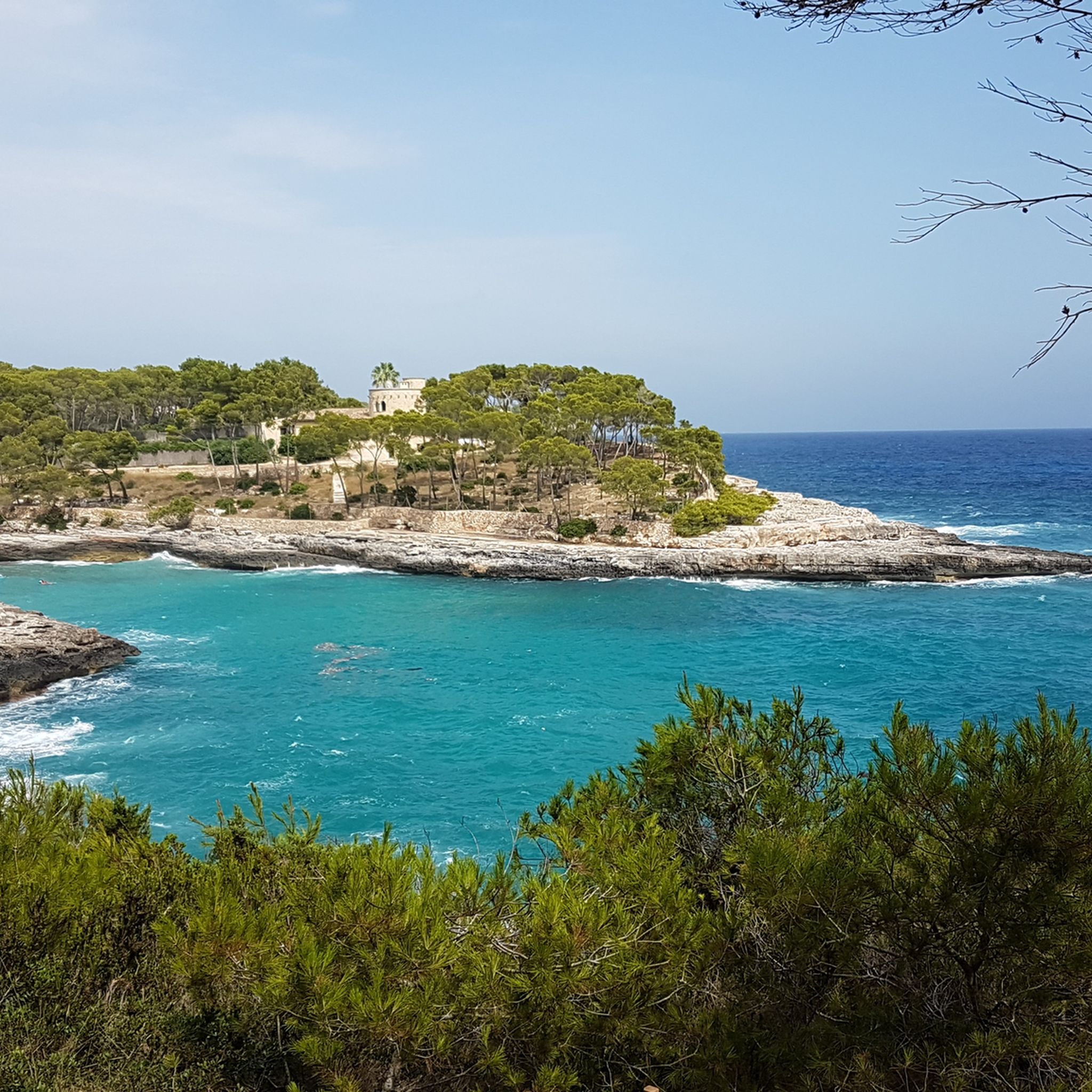
This beautiful natural beach is located in the Mondrago Bay, a bay of the same name, in the Mondrago Nature Park. It is four years prettier than the local beach coves in Cala d'Or.
1
0

There are turtles to discover along the way, which is a great motivation for children to walk to the beach and much nicer than walking along the road 😉
0
0

"For many, it is not only the most beautiful beach in Spain, but in all of Europe. Located in the middle of a national park, s'Amarador is a fine sandy bay in the southeast of Mallorca and a small paradise for bathers, holidaymakers, and locals. As one of two beaches in Cala Mondragó, it is sheltered in the southern part of the bay. Bathers experience a special feeling due to the lack of development. Barely surrounded by hotels, it offers a small oasis of peace and relaxation. Instead, the bay is framed by rocky cliffs and pine groves. The beach slopes gently into the water and is a natural beauty. Turquoise water that sparkles in the sun and many lush green Mallorcan plants surround it. The beach is just 150 meters long and 50 meters wide. Along the cliffs, you reach the neighboring beach in the bay of Mondragó. It is called Cala de ses Fonts de n'Alís and is separated from the bay only by a rock. s'Amarador is separated. The stunning location in the Mondragó Natural Park and its child-friendly conditions make s'Amarador particularly attractive for families. https://www.holamallorca.com/de/mallorca/reisefuehrer/straende/strand-s-amarador.htm
2
0
The declaration of the bay and its surrounding area as a nature reserve in 1992 contributed significantly to the positive development of the area, as the new status protected it from development and mass tourism.
2
0

Hiking or trail shoes are recommended.
2
0

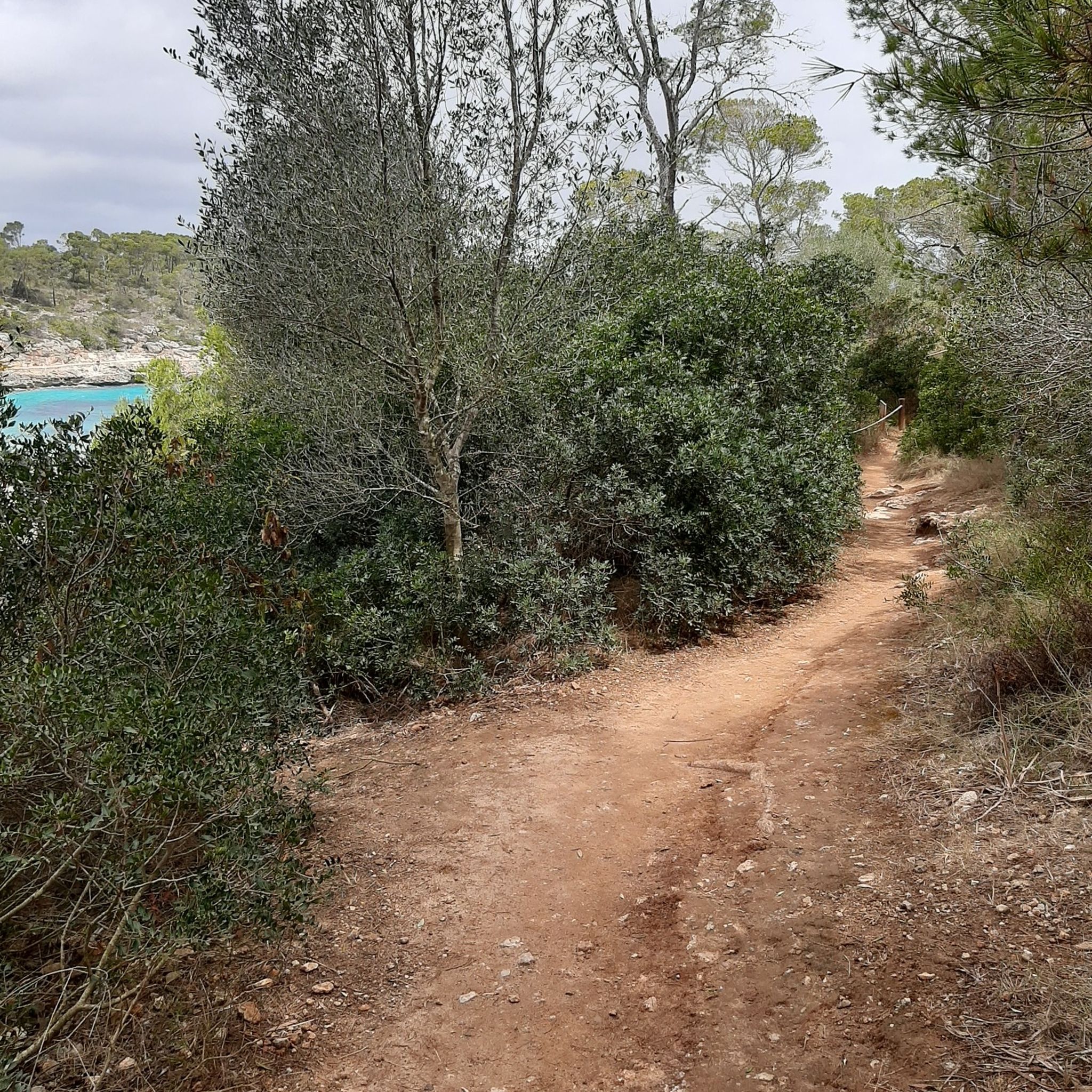
Down the steps and a little to the right... and just enjoy the nature 🤗 Perfect photo stop. Komoot says there's a path along the coast here: That's definitely nonsense!
2
1

Here, with a bit of luck, you may see the Greek tortoise 🐢. It is a species that was introduced to the Balearic Islands many centuries ago when man arrived in the archipelago. It has acclimatised perfectly and is now part of the native fauna. It lives among bushes where it finds shelter from the high summer temperatures and the cold in winter. Adult tortoises can grow up to 20 cm long and females are usually larger than males. A population of tortoises that inhabits the natural park has been monitored for many years and specimens from wildlife rescue centres or bred in captivity are often released into the wild here.
3
1

Very beautiful area, now heavily fenced off with ropes, but still very enjoyable
5
1
Frequently Asked Questions
What are the most popular natural monuments to visit in Parc natural de Mondragó?
Among the most popular natural monuments, Cala Mondragó Beach is highly favored for its shallow, turquoise waters and fine white sand, ideal for swimming. Another must-see is S'Amarador Beach, known for its tranquil atmosphere, clear waters, and unique dune systems backed by pine forests. Both offer picturesque settings within the park.
Are there family-friendly natural monuments or activities in Parc natural de Mondragó?
Yes, Parc natural de Mondragó is very family-friendly. Both Cala Mondragó Beach and S'Amarador Beach are excellent for families, offering safe swimming in shallow waters. The Path to the Mirador de ses Fonts de n'Alis viewpoint is also a signposted, easy route suitable for families, leading through former agricultural land and offering views of a small lagoon.
What kind of wildlife can I spot in Parc natural de Mondragó?
Parc natural de Mondragó is a designated bird protection zone, especially known for its wetlands like Ses Fonts de n'Alis. This area attracts numerous species of aquatic birds, including common coots, grey herons, and mallards, making it a prime spot for birdwatching. You might also spot songbirds like the rare stonechat, and observe diverse plant life, including wildflowers in the dune communities and various trees in the forests.
Are there hiking trails near the natural monuments in Parc natural de Mondragó?
Yes, the park offers well-marked trails connecting various natural monuments. For easy walks, you can explore routes like the one from Ses Fonts de n'Alis viewpoint to the beach. For more options, you can find several easy hiking routes around the area, such as the Cala Mondragó Beach – Cala Mondragó Viewpoint loop. Discover more hiking trails in the region on the Easy hikes around Parc natural de Mondragó guide.
What are the best spots for scenic views and photography in the park?
The park's coastline is characterized by stunning cliffs, offering dramatic scenic views. The Solimina Coastal Steps and Viewpoint provides excellent opportunities for photography with its steps leading to panoramic coastal vistas. Additionally, viewpoints along the Path to the Mirador de ses Fonts de n'Alis offer beautiful perspectives of the lagoon and surrounding landscapes.
Are there any historical or cultural sites among the natural monuments?
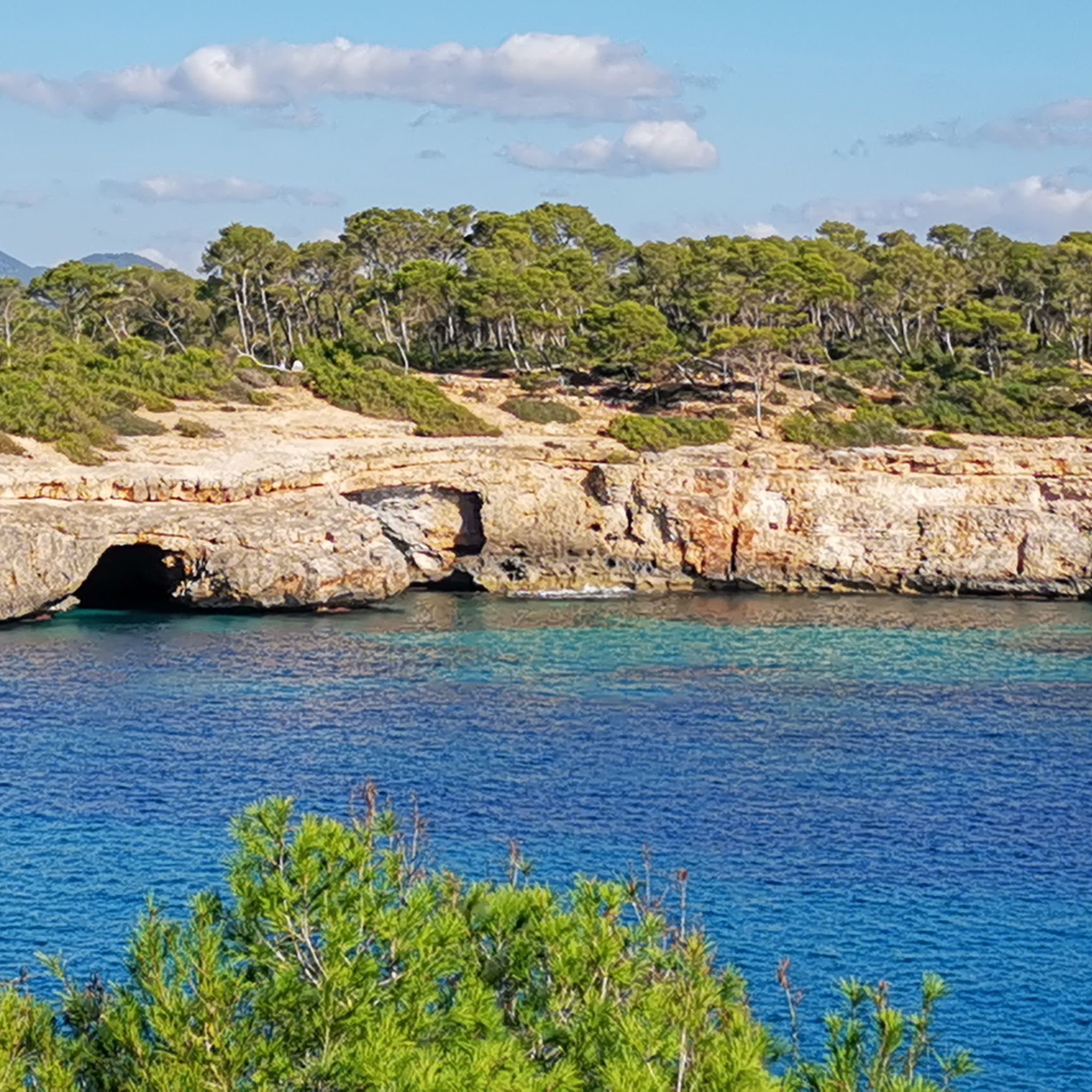
While primarily known for its natural beauty, the park does hold some historical interest. The Cave of the Narrow of Time is an old cave believed to have been used for funerary purposes during the Talaiotic period. It's not easy to find, but offers a glimpse into the region's ancient past.
What is the best time of year to visit Parc natural de Mondragó?
The spring months are particularly pleasant for visiting Parc natural de Mondragó. During this time, the weather is mild, and the dune communities and forests come alive with diverse plant life and wildflowers, adding vibrant colors to the landscape. The beaches are also less crowded, offering a more tranquil experience.
Can I go wild swimming or snorkeling at the natural monuments?
Yes, the pristine waters of the park are ideal for swimming and snorkeling. Cala Mondragó Beach and S'Amarador Beach are both excellent choices for a refreshing dip, with clear, calm waters. S'Amarador is particularly recommended by visitors for snorkeling.
How long should I plan for a visit to the natural monuments in Parc natural de Mondragó?
The duration of your visit depends on your interests. You could spend a full day exploring the various beaches, wetlands, and viewpoints, enjoying swims and walks. If you plan to hike several trails or engage in birdwatching, you might consider allocating more time. A shorter visit could focus on one or two key natural monuments like Cala Mondragó and S'Amarador beaches.
Are there options for running or cycling near the natural monuments?
Yes, beyond hiking, the area around Parc natural de Mondragó offers opportunities for running and cycling. You can find various running trails, including moderate to difficult routes like the 'Itineraries of the Mondrago Natural Park'. For cyclists, there are gravel biking routes available, such as the 'Porto Petro Harbor – Porto Petro Marina loop'. More details can be found in the Running Trails around Parc natural de Mondragó and Gravel biking around Parc natural de Mondragó guides.
What are the unique natural features of the park besides its beaches?
Beyond its renowned beaches, Parc natural de Mondragó is home to significant wetland areas like Ses Fonts de n'Alis, which features a small lagoon and is crucial for birdlife. The park also boasts impressive coastal cliffs, unique dune systems with diverse plant life, and varied vegetation including wild olive and pine forests, and juniper groves. These diverse habitats contribute to its ecological richness.
Most popular routes around Parc natural de Mondragó
Most popular attractions around Parc natural de Mondragó

Get inspired with the komoot mobile app


Explore more
Extend your search for the best caves by checking out these guides of the top ones around Parc natural de Mondragó:
