Top 8 Natural Monuments around ZEC Estaca de Bares
Best natural monuments around ZEC Estaca de Bares are found in a significant natural area located in Galicia, Spain. This region marks the northernmost point of the Iberian Peninsula, serving as a geographical divide between the Atlantic Ocean and the Cantabrian Sea. It is recognized for its ecological value, unique ecosystem, and rugged coastal features, including its importance as a bird migration route. The area is part of the Natura 2000 network, underscoring its conservation status.
Best natural monuments around…
Last updated: May 14, 2026
Punta de Estaca de Bares
Highlight • Viewpoint
Translated by Google •
Tip by

Estaca de Bares Lighthouse ⛱️
Highlight • Monument
Tip by

Sign up now to discover places like this
Get recommendations on the best single tracks, peaks, & plenty of other exciting outdoor places.
Sign up for free
Loiba Cliff, Picón
Highlight • Viewpoint
Translated by Google •
Tip by

The most beautiful bench in the world
Highlight • Viewpoint
Translated by Google •
Tip by

Mirador Banco Loiba – Nominated 'Best Bench in the World'
Highlight • Viewpoint
Tip by
Sign up for free to discover even more natural monuments around ZEC Estaca de Bares.
Sign up for free
Already have an account?
Start today with a free account
Your next adventure awaits.
Login or Signup
Tips from the Community

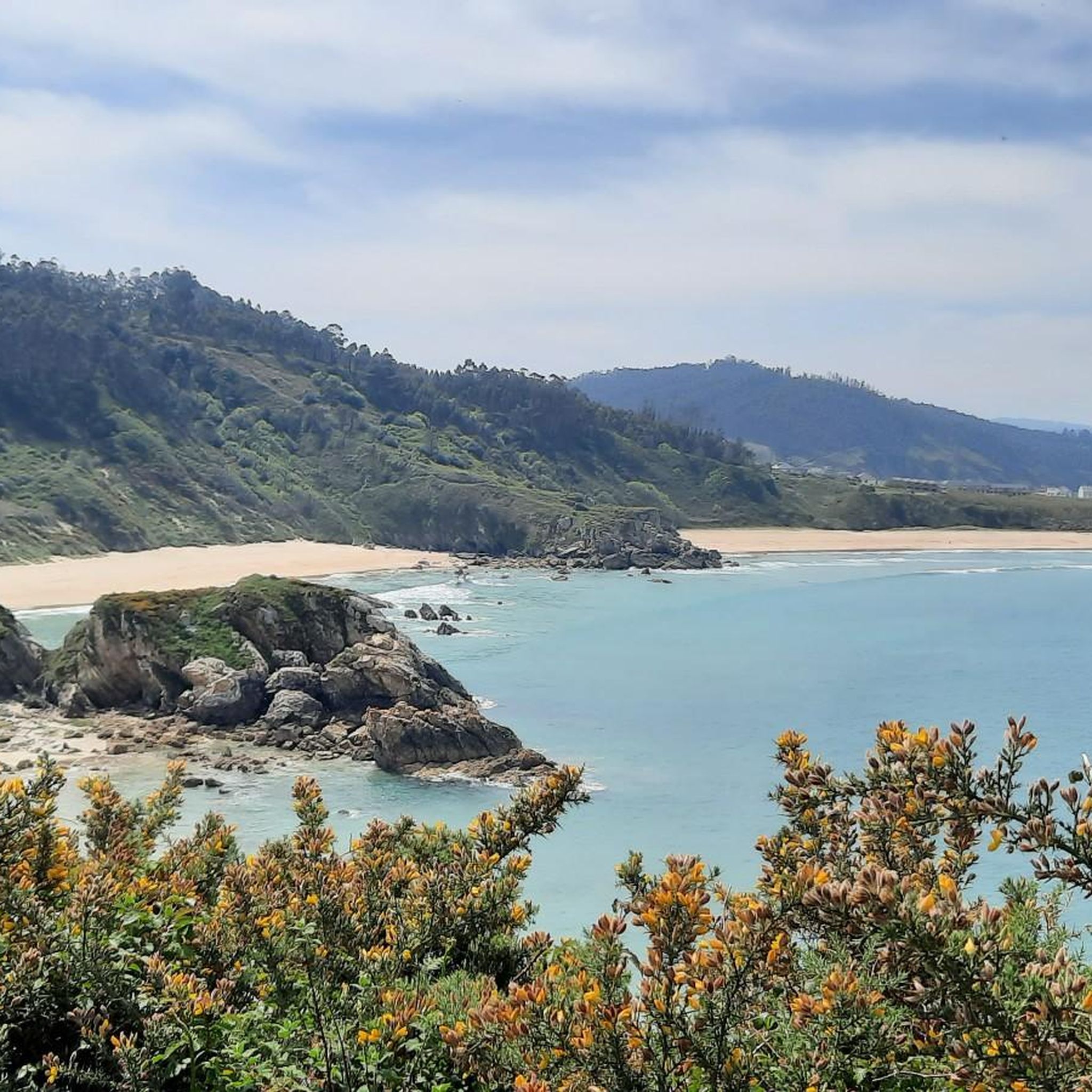
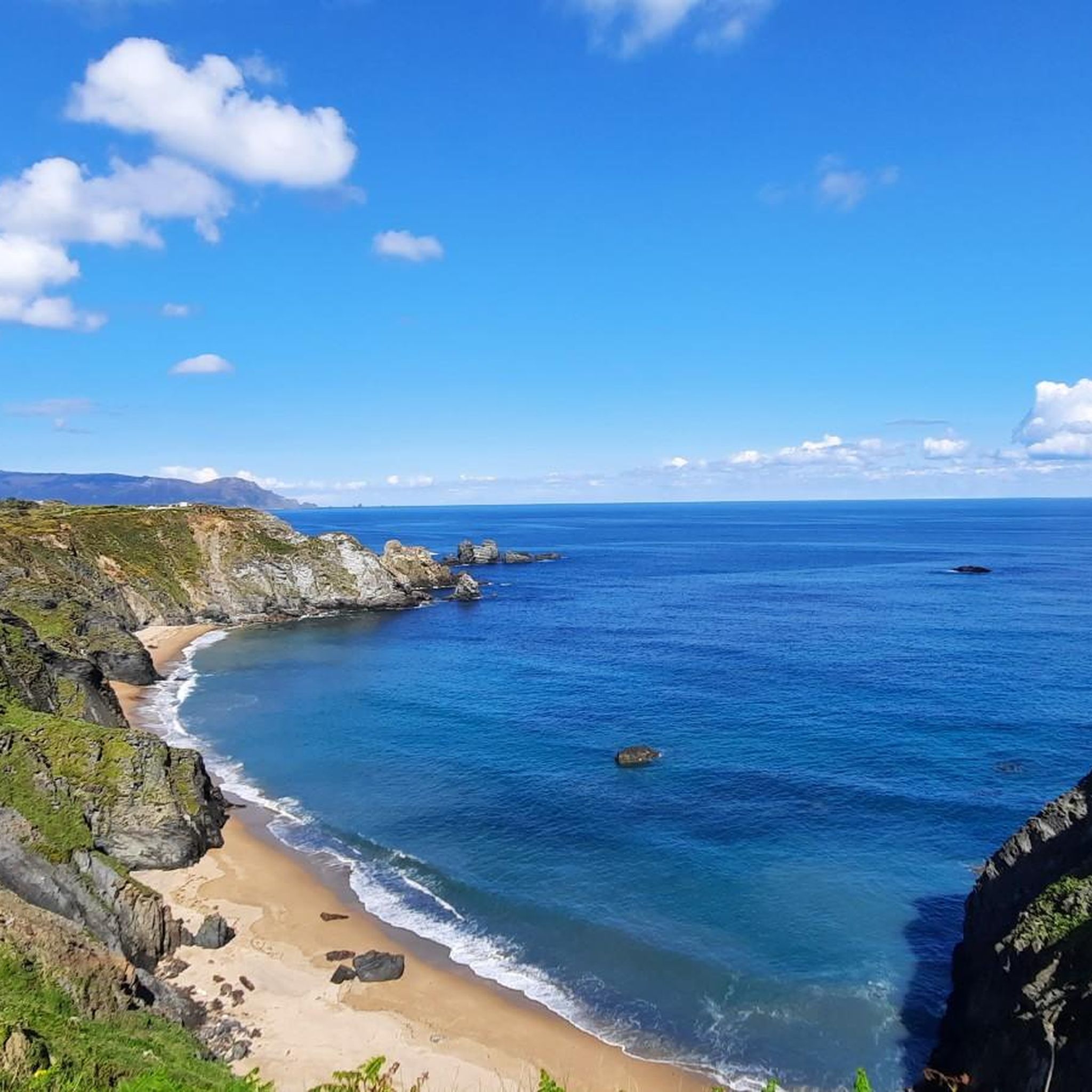
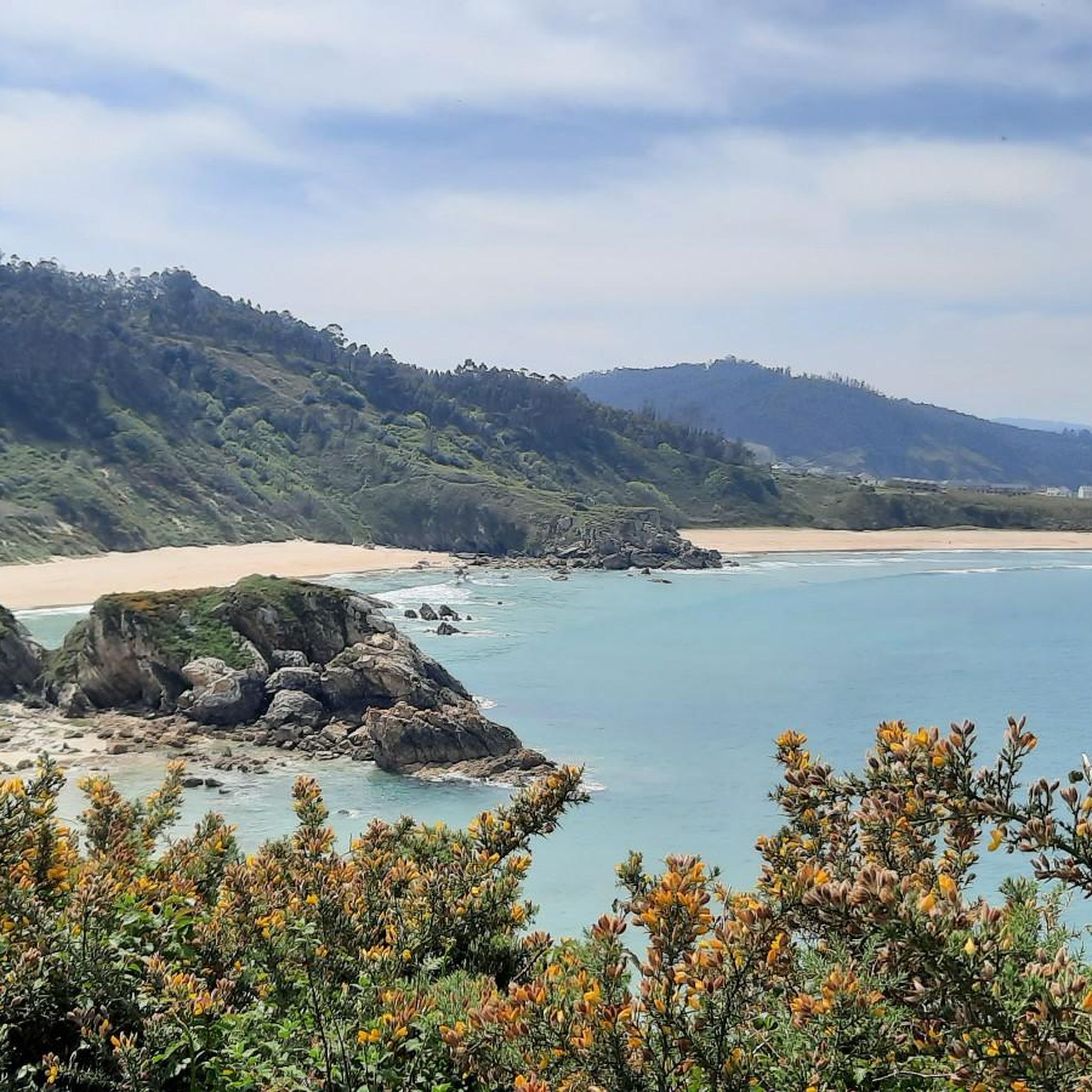
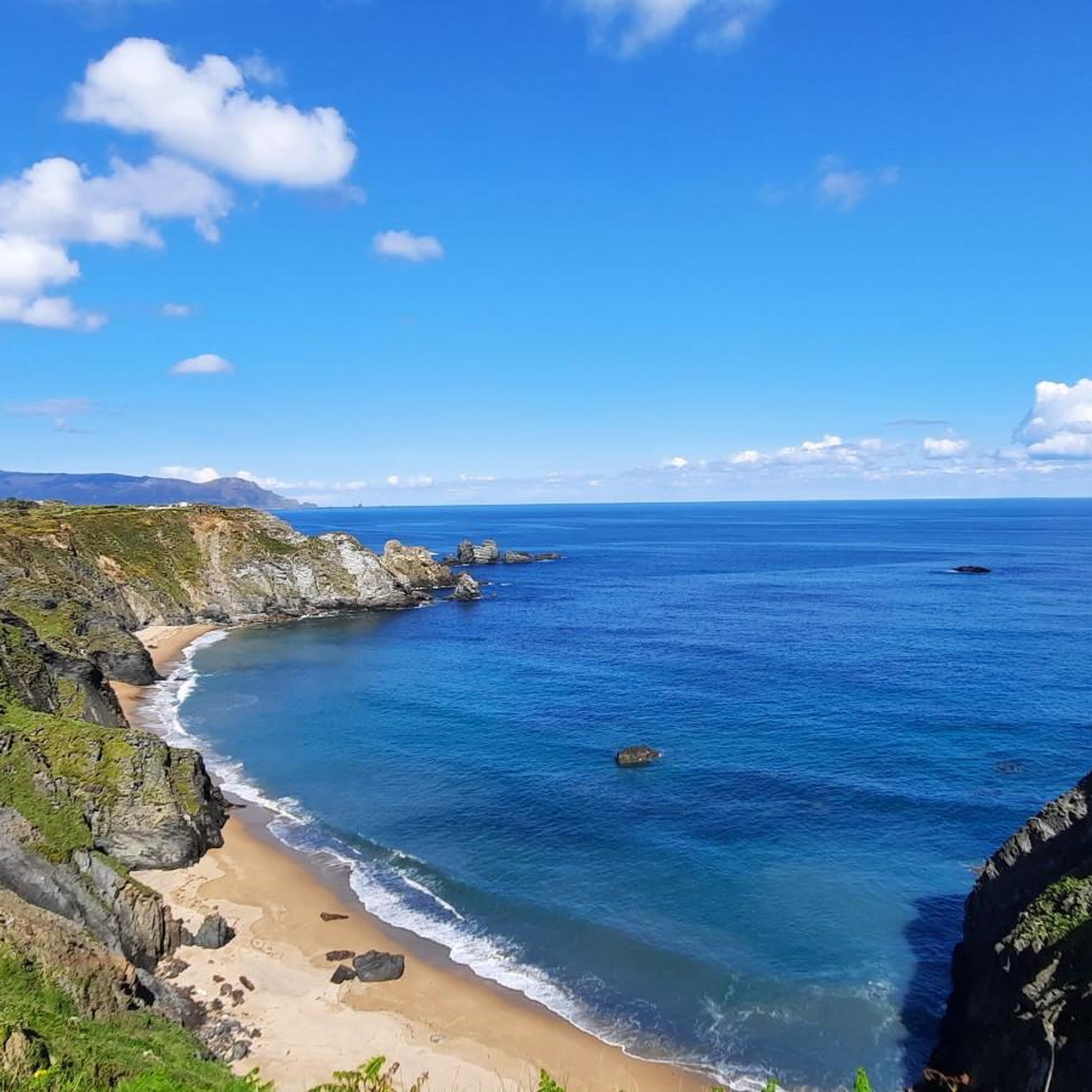
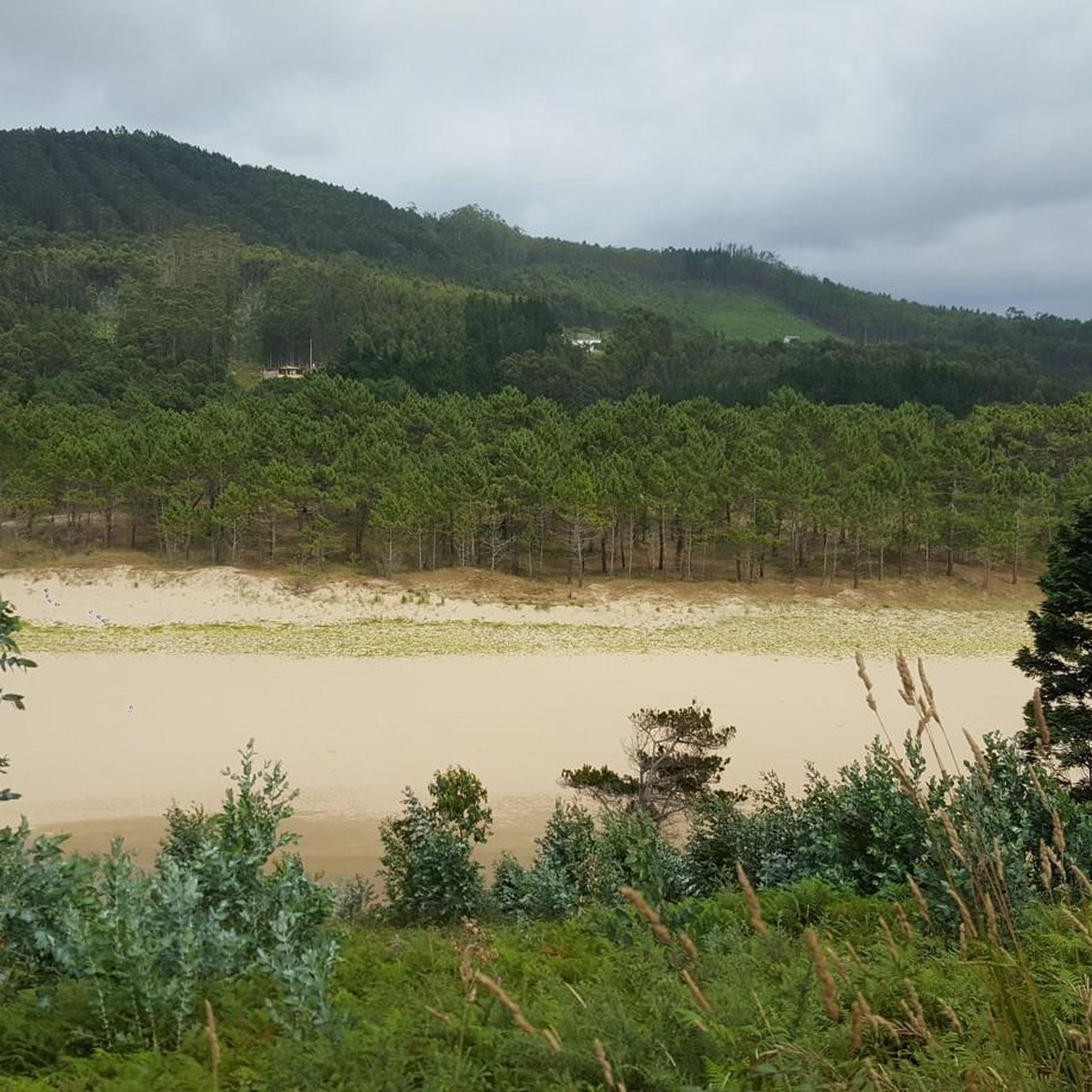
The Cantabrian Route does not go up to Cabo de la Estaca de Bares, the milestones continue directly towards the Esteiro estuary, another hidden gem in the repertoire of dune beaches on the Galician Cantabrian coast. The Camino crosses the sandy beaches of the estuary via a wooden walkway, passes by the O Picón tower and reaches the “most beautiful bench in the world”, placed on a natural balcony on the coast at the entrance to the Ortigueira estuary, between the Estaca de Bares and Cape Ortegal. The viewpoint is not only landscape, it combines the sound of the waves, the contemplation of the movement of the waves fifty meters high, the coastal islets, the coastal wall melted in the mist of foam that floats in the air after colliding with the rocks, light, colors, it is a place with a special magic, especially when the weather allows you to enjoy a good sunset. The Nature Trail ends shortly after, passing through Espasante beach and closing the route at the viewpoint where the Santa Eulalia de Ladrid church is located, in the environmental environment of the protected natural space of the Ortigueira-Ladrid estuary, included in the Network Natura as a Special Protection Area for Birds. The return to Viveiro is along the same path, instead of returning through Os Castros, you can go around Monte da Croa to the east towards O Porto do Espasante and travel through the seductive coastal landscapes again until the end of the long day of cycling in Viveiro.
0
0


Good views from the cliff. Especially if there is no fog
4
3
They call it the most beautiful bank in the world... at sunset it has incredible views.
5
0

I just don't have the words to describe it. From the small inconspicuous bench you have a magnificent view! 😀😀😀
3
0
You can't get any further north in Spain on foot. If you stand there and look to the left you can see the Bay of Biscay, on the right the Atlantic. Overpower😀
5
0

It is well worth riding, and at the end walking, the rugged trail out to the Punta de Estaca de Bares, to touch the northernmost point of Spain and the Iberian Peninsula
0
0
The northernmost lighthouse on the Iberian Peninsula, it is located on a plateau called Ventureiro, 101 meters high on the so-called "Punta de la Estaca de Bares", from which the imaginary border where the Atlantic Ocean and the Cantabrian Sea meet is named. The tower has a height of 33 meters; the lighthouse light has a range of 25 nautical miles and continues in operation since September 1, 1850. https://es.wikipedia.org/wiki/Faro_de_Estaca_de_Bares Besides the wild natural beauty of the area the unique location makes it a must-visit for those interested in the key significant geographic points of Spain, and Europe.
0
0
Frequently Asked Questions
What unique natural features define the ZEC Estaca de Bares region?
The ZEC Estaca de Bares is a significant natural area where the Atlantic Ocean and the Cantabrian Sea meet, marking the northernmost point of the Iberian Peninsula. This unique geographical position creates a dramatic landscape of rugged cliffs and powerful seas. It's also known for its high rainfall, which contributes to a distinct ecosystem, including low-lying gorse and heather vegetation, and even wetland areas.
What are some of the most popular viewpoints in the ZEC Estaca de Bares area?
Visitors particularly enjoy the panoramic views from Punta de Estaca de Bares, which is the northernmost point of mainland Spain. Another highly rated spot is Loiba Cliff, Picón, often praised for its gigantic cliffs and stunning coastal vistas, especially at sunset. The Mirador Banco Loiba – Nominated 'Best Bench in the World' also offers exceptional views.
What is the significance of the Estaca de Bares Lighthouse?
The Estaca de Bares Lighthouse ⛱️ is the northernmost lighthouse on the Iberian Peninsula. Situated 101 meters high on the Punta de la Estaca de Bares, it marks the imaginary border between the Atlantic Ocean and the Cantabrian Sea. Operating since 1850, it's a significant landmark combining both man-made history and natural beauty.
Are there opportunities for birdwatching in ZEC Estaca de Bares?
Yes, ZEC Estaca de Bares is internationally recognized as a crucial migratory route for hundreds of thousands of birds, making it one of Europe's best birdwatching spots. From late August to early December, especially with north or northwest winds, you can observe countless seabirds and landbirds passing through. There's even a permanent ornithological station in the area.
What kind of outdoor activities can I do near these natural monuments?
The region offers various outdoor activities, particularly hiking and cycling. You can find numerous routes, including easy hikes and more challenging cycling tours. For example, there are easy hiking loops like the 'View of Estaca de Bares Coast – View of O Porto de Bares loop' or moderate hikes such as the 'Medieval defense tower – Loiba Cliff, Picón loop'. For more details, explore the hiking guide or the cycling guide for ZEC Estaca de Bares.
Are there easy hiking trails suitable for all skill levels around the natural monuments?
Yes, there are several easy hiking trails. For instance, you can enjoy the 'Loiba Cliff, Picón – View from the Loiba Bench loop' which is just over 1 km, or the 'Estaca de Bares Lighthouse ⛱️ – Punta de Estaca de Bares loop' at about 2.5 km. These are great options for a relaxed walk to experience the natural beauty. You can find more easy routes in the easy hikes guide.
What is the best time to visit ZEC Estaca de Bares for its natural monuments?
The best time to visit depends on your interests. For birdwatching, late August to early December is ideal due to bird migration. Generally, the area experiences high rainfall, so be prepared for changing weather. Visiting during clearer weather allows for better enjoyment of the panoramic coastal views, especially at viewpoints like Loiba Cliff, Picón.
What do visitors enjoy most about the natural monuments in ZEC Estaca de Bares?
Visitors frequently highlight the dramatic coastal landscapes and the feeling of being at the edge of the continent. The meeting point of the Atlantic and Cantabrian seas at Punta de Estaca de Bares is often described as 'overpowering' and offers 'good views from the cliff'. The 'most beautiful bench in the world' at Loiba also receives praise for its 'incredible views' and 'special magic', especially at sunset.
Are there any unique coastal features or ecosystems to observe?
Beyond the dramatic cliffs, the distinct weather conditions with high rainfall have fostered a rich and unique ecosystem. You can observe low-lying gorse and heather vegetation, and even wetland areas with reeds in more sheltered parts. The strong sea has also led to interesting mooring systems for boats along the coast of Loiba, where launches are attached to jetty walls by pulley wheels to prevent them from being swept away.
Can I find secluded beaches near the natural monuments?
Yes, the protected space also encompasses the coast of Loiba, which is known for its gigantic cliffs that safeguard secluded beaches. While not explicitly detailed in the highlights, the rugged coastline suggests opportunities to discover hidden coves and beaches, offering a more tranquil experience away from the main viewpoints.
Is the ZEC Estaca de Bares region part of any conservation efforts?
Yes, the ZEC Estaca de Bares is a highly protected area. It has been declared an Area of National Natural Interest and is part of the Natura 2000 network. This designation underscores its importance for conservation due to its unique geographical position, ecological value, and role as a crucial migratory route for birds.
Most popular routes around ZEC Estaca de Bares
Most popular attractions around ZEC Estaca de Bares

Get inspired with the komoot mobile app


Explore more
Extend your search for the best caves by checking out these guides of the top ones around ZEC Estaca de Bares:
