Riserva naturale integrale Saline di Trapani e Paceco
Riserva naturale integrale Saline di Trapani e Paceco
Top 4 Natural Monuments around Riserva naturale integrale Saline di Trapani e Paceco
Best natural monuments around Riserva naturale integrale Saline di Trapani e Paceco offer a unique landscape shaped by traditional salt production. This area, spanning approximately 1,000 hectares, features shallow coastal evaporation ponds, canals, and basins. It is recognized as an internationally important wetland system, supporting diverse avifauna and specialized halophytic flora. The reserve combines industrial heritage with significant natural biodiversity, providing a distinct environment for exploration.
Best natural monuments around Riserva naturale integrale Saline di Trapani e Paceco
- The most…
Last updated: September 30, 2026
Trapani and Paceco Salt Pans
Highlight • Natural Monument
Translated by Google •
Tip by

Trapani Salt Pans and Salt Museum
Highlight (Segment) • Natural Monument
The salt pans of Trapani and Paceco represent a remnant of Nature taken away from urban expansion 26 years ago thanks to the establishment …
Translated by Google •
Tip by

Sign up now to discover places like this
Get recommendations on the best single tracks, peaks, & plenty of other exciting outdoor places.
Culcasi Salt Pans with museum and restaurant
Highlight • Natural Monument
Translated by Google •
Tip by

Salina Culcasi
Highlight • Natural Monument
Translated by Google •
Tip by

Start today with a free account
Your next adventure awaits.
Popular around Riserva naturale integrale Saline di Trapani e Paceco
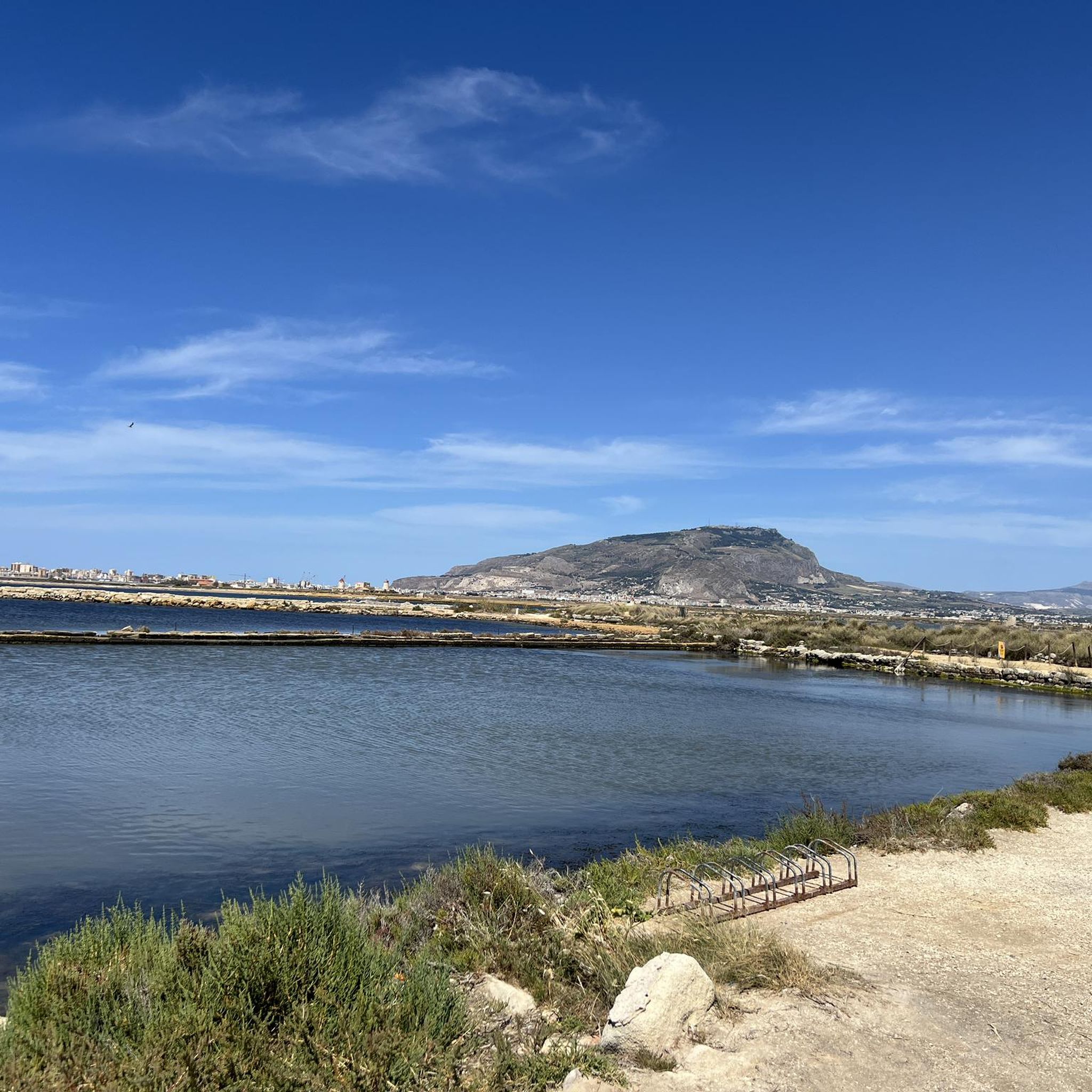
Cycling around Riserva naturale integrale Saline di Trapani e Paceco
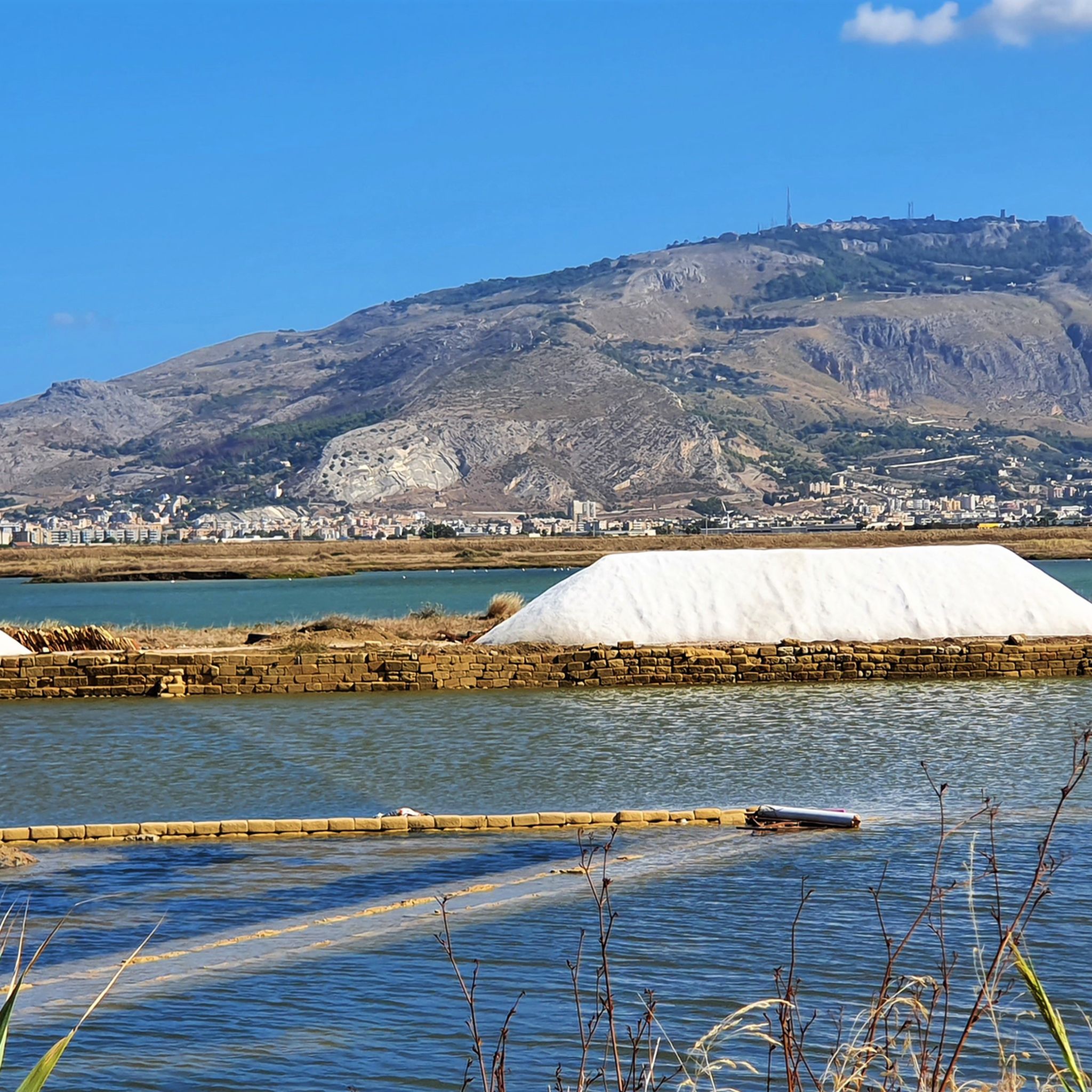
Road Cycling Routes around Riserva naturale integrale Saline di Trapani e Paceco
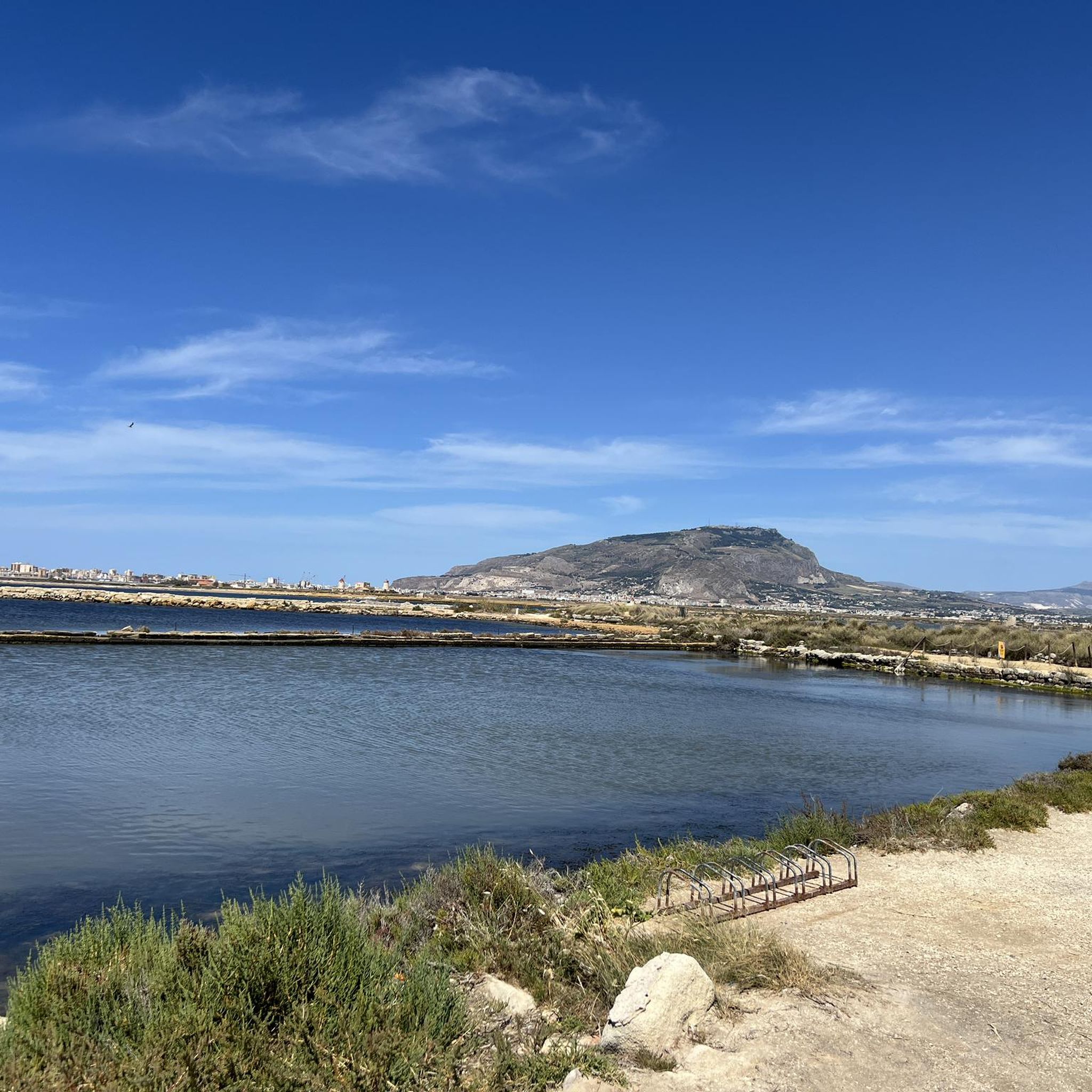
Hiking around Riserva naturale integrale Saline di Trapani e Paceco
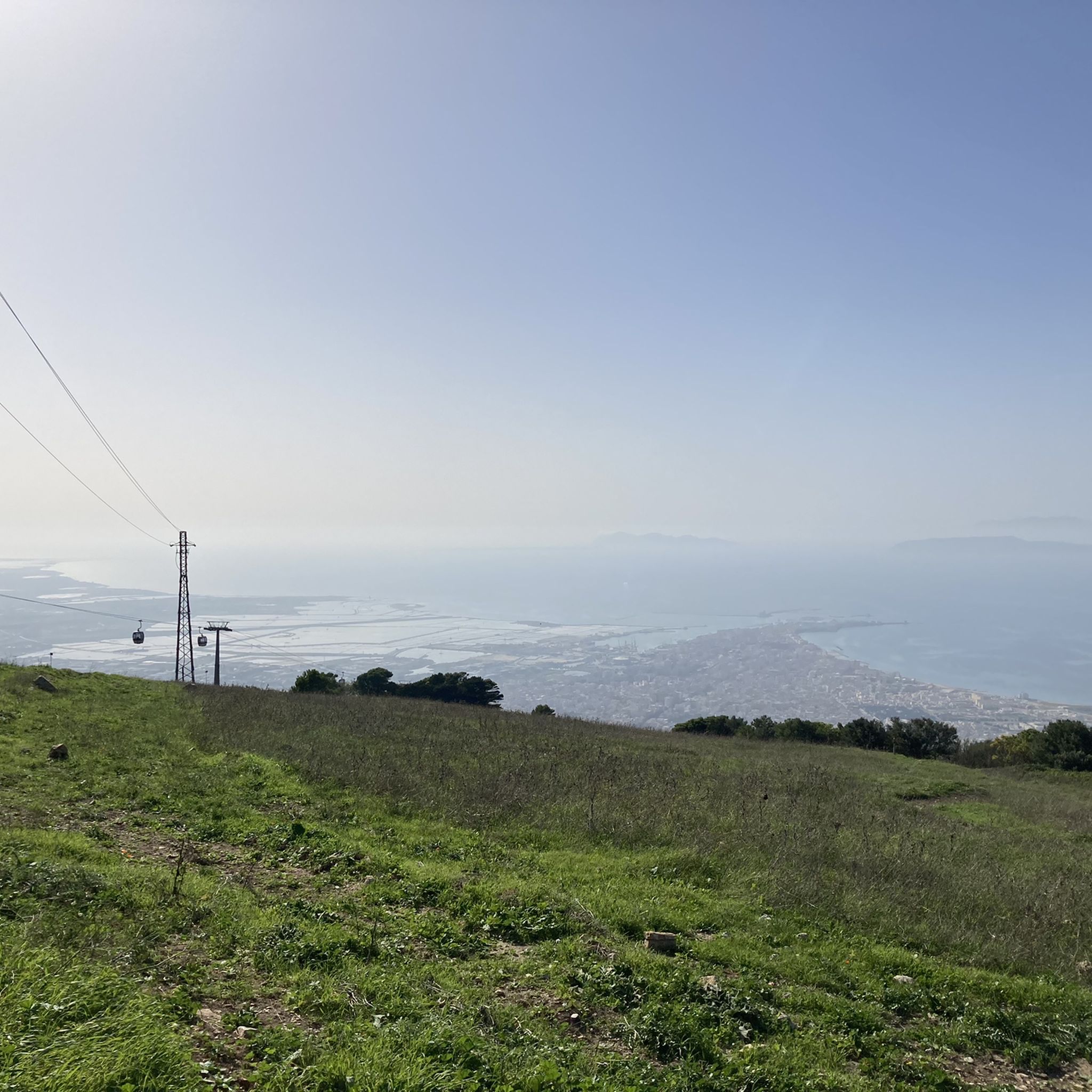
MTB Trails around Riserva naturale integrale Saline di Trapani e Paceco
Running Trails around Riserva naturale integrale Saline di Trapani e Paceco
Tips from the Community

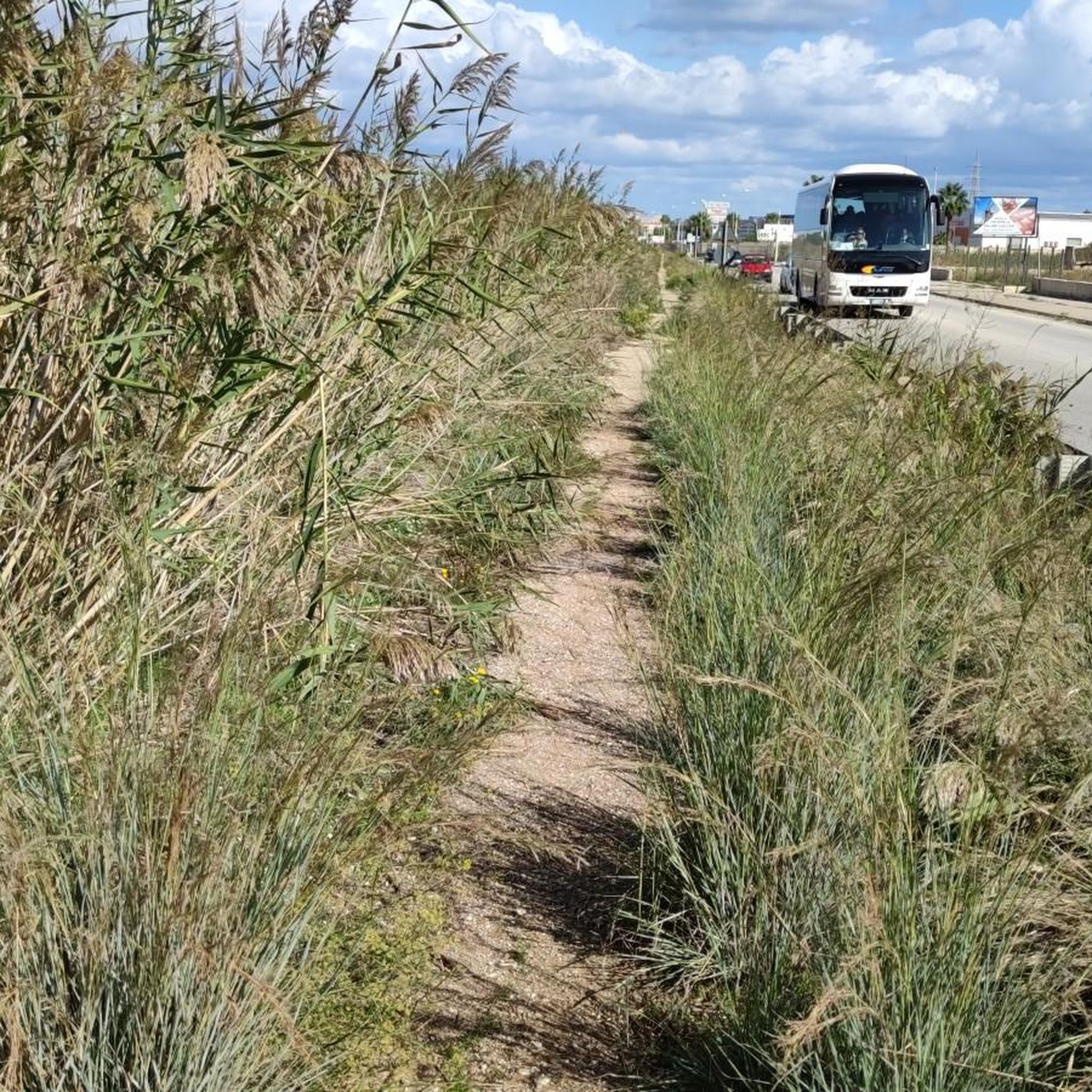
The way from Trapani to the Nubia Salt Museum is unsightly and long on foot along the main road. I recommend going there by car and looking at the salt pans on site.
0
0

An important natural product is extracted from the sea's saltwater here. Only through the power of the elements, sun and wind, which evaporate the water in the saltworks' shallow basins, does pure salt remain. Even today, you won't find a kitchen without salt to season dishes. But in earlier times, it had an additional significance: It was important for preserving food—making it so precious that salt was called "white gold."
1
1

It is possible to take advantage of guided tours of the salt mines starting from the museum
0
0

A road bike tour through the salt pans of Trapani and Paceco offers a fascinating insight into the millennia-old tradition of salt production. The flat and well-paved roads lead directly through the quiet basin landscapes, past old windmills that are still used today to regulate water. The vast, open landscape and the shimmering salt create an impressive backdrop that makes every ride an unforgettable experience. In addition to the rich history, the region is also an important resting place for migratory birds such as flamingos, which can be observed during the ride. A special highlight on the route is the Calendula maritima, a rare plant that grows exclusively in this region and is a symbol of local nature conservation. A short stop at the salt museum in one of the windmills is worthwhile to learn more about the importance of salt and the people who have worked with it for thousands of years. This route offers a perfect mix of exercise, cultural experience and enjoyment of nature—ideal for road cyclists who are looking for something special off the beaten track.
0
0

Unmissable show on the salt pans of Trapani and Paceco at sunset is a real spectacle.
17
0

The salt pans of Trapani and Paceco are custodians of a great natural heritage of biodiversity.
4
0

Salt pans of Trapani and Paceco The salt pans of Trapani and Paceco represent a remnant of Nature taken away from urban expansion 26 years ago thanks to the establishment of the Reserve; in addition to being among the last remaining productive salt pans in Sicily, they are also a treasure trove of biodiversity, in which production activities and nature conservation coexist. Here is concentrated a great naturalistic heritage recognized as a Special Protection Area (ITA010028) and Special Conservation Area (ITA010007), IBA and Ramsar Site, but also an area of high landscape, architectural and ethno-anthropological value. Source: wwfsalineditrapani.it/
3
0

If we are talking about 'Riserva naturale orientata Saline di Trapani e Paceco', we must also mention endemic plant species that can only survive here in salt marshes and soils with a high concentration of salt. Such a plant is the sea marigold - Calendula maritima, which occurs only on the coast of Sicily, on the mainland between Marsala and Monte Cofano, and on the two nearby islets, Isola Grande dello Stagnone and Isola la Formica. This plant is on the IUCN World Red List of Critically Threatened Plant Species. TRAPANI PROVINCE HAS CHOSEN THIS PLANT AS ITS OFFICIAL SYMBOL!
5
0
Frequently Asked Questions
What unique natural features can I expect to see in the Riserva naturale integrale Saline di Trapani e Paceco?
The reserve is primarily known for its extensive salt pans, which are shallow coastal evaporation ponds that change color from pink to red to golden, especially at sunset. It also features unique halophytic flora adapted to the brackish environment, such as Chenopodiaceae and the rare Calendula maritima. You can also find the unusual 'Mushroom of Malta' here.
Is the Riserva naturale integrale Saline di Trapani e Paceco a good destination for birdwatching?
Yes, the reserve is an internationally important wetland system and a crucial stopover point for migratory birds. It hosts an impressive 208 to 229 recorded bird species, including pink flamingos, white herons, black-winged stilts, avocets (the reserve's symbol), and spoonbills. Birdwatching is particularly rewarding during spring and autumn migration periods.
What historical elements are integrated into the natural landscape of the Saline di Trapani e Paceco?
The landscape is deeply shaped by centuries of traditional salt production. Historic windmills, some of which are among the most beautiful in Europe, are an integral part of the scenery. These mills were historically used for pumping water and grinding salt, and they continue to offer a picturesque element to the salt pans, such as at Culcasi Salt Pans with museum and restaurant.
Are there family-friendly natural monuments to visit in the area?
Absolutely. Many of the natural monuments in the reserve are suitable for families. For instance, the Trapani and Paceco Salt Pans and the Salt Pans of the Trapani and Paceco Nature Reserve are great for observing the landscape and birdlife. The Culcasi Salt Pans with museum and restaurant also offers guided tours and a restaurant, making it an engaging stop for all ages.
What is the best time of year to visit the Saline di Trapani e Paceco?
The reserve is captivating year-round, but spring and autumn are ideal for birdwatching due to migratory patterns. Summer allows visitors to witness the traditional salt harvesting process. The changing colors of the salt pans are particularly stunning at sunset, regardless of the season.
Can I observe the traditional salt harvesting process?
Yes, the traditional salt harvesting process is primarily carried out during the summer months. Visitors can often witness the breaking of the salt crust and the formation of white salt mounds, especially at sites like the Salt Pans of the Trapani and Paceco Nature Reserve, where sea salt production is still active.
Are there hiking or walking paths available near the natural monuments?
Yes, there are various routes for walking and hiking in the vicinity. For example, you can find easy to moderate hiking trails like the 'Trapani Cathedral – Trapani Cathedral loop from Trapani' or the 'Church of San Pietro – Majestic Tree in the Park loop from Riserva naturale integrale Saline di Trapani e Paceco'. You can explore more options on the Hiking around Riserva naturale integrale Saline di Trapani e Paceco guide.
Where can I learn more about the history of salt production in the region?
You can delve into the history of salt production at the Culcasi Salt Pans with museum and restaurant, which offers guided tours in Italian and English. Additionally, the Salt Museum located in the Salina Culcasi area is recognized in the European Union's guide on Mediterranean museums, highlighting the cultural significance of salt cultivation.
What do visitors particularly enjoy about the natural monuments in this reserve?
Visitors are often captivated by the stunning visual spectacle of the salt pans, especially at sunset, as described for the Trapani and Paceco Salt Pans. The rich history of salt extraction, the diverse birdlife, and the unique blend of industrial heritage with natural biodiversity are also highly appreciated. The well-preserved windmills add to the unique Mediterranean landscape.
Are there cycling routes around the Riserva naturale integrale Saline di Trapani e Paceco?
Yes, the area offers several cycling opportunities. You can find routes like the 'Trapani and Paceco Salt Pans – Trapani Gate loop' or the 'Natural Reserve Saline di Trapani e Paceco — Ring tour', which are suitable for touring bicycles. For more detailed information and route options, refer to the Cycling around Riserva naturale integrale Saline di Trapani e Paceco guide.
Are there any specific viewpoints recommended for experiencing the salt pans?
The Salt Pans of the Trapani and Paceco Nature Reserve is highlighted as a natural monument and viewpoint where visitors can observe the traditional sea salt production process and the expansive salt pans. Many spots along the 'Via del Sale' (the coastal stretch from Trapani to Marsala) also offer excellent panoramic views, especially during sunset.
What makes the flora of the Saline di Trapani e Paceco unique?
The flora is unique due to its adaptation to the highly brackish environment. It includes specialized halophytic plants like Chenopodiaceae and Salicornia. A particularly notable species is the Calendula maritima (Maritime Calendula), which is critically threatened and found almost exclusively on the coast of Sicily and nearby islets. The 'Mushroom of Malta,' a rare parasitic plant, also thrives here.
Most popular routes around Riserva naturale integrale Saline di Trapani e Paceco
Most popular attractions around Riserva naturale integrale Saline di Trapani e Paceco

Get inspired with the komoot mobile app


Explore more
Extend your search for the best caves by checking out these guides of the top ones around Riserva naturale integrale Saline di Trapani e Paceco:
