Top 20 Natural Monuments around Parco nazionale del Vesuvio
Best natural monuments around Parco nazionale del Vesuvio showcase a unique ecosystem and geological marvels surrounding Mount Vesuvius, an active volcano. The park, a UNESCO Man and the Biosphere Reserve, features diverse landscapes ranging from the arid volcanic terrain of the Gran Cono to the dense chestnut and holm oak woods of Mount Somma. Its 54 kilometers of trails reveal rich biodiversity, including varied plant species and exceptional animal life. This area offers a blend of dramatic volcanic features and…
Last updated: May 14, 2026
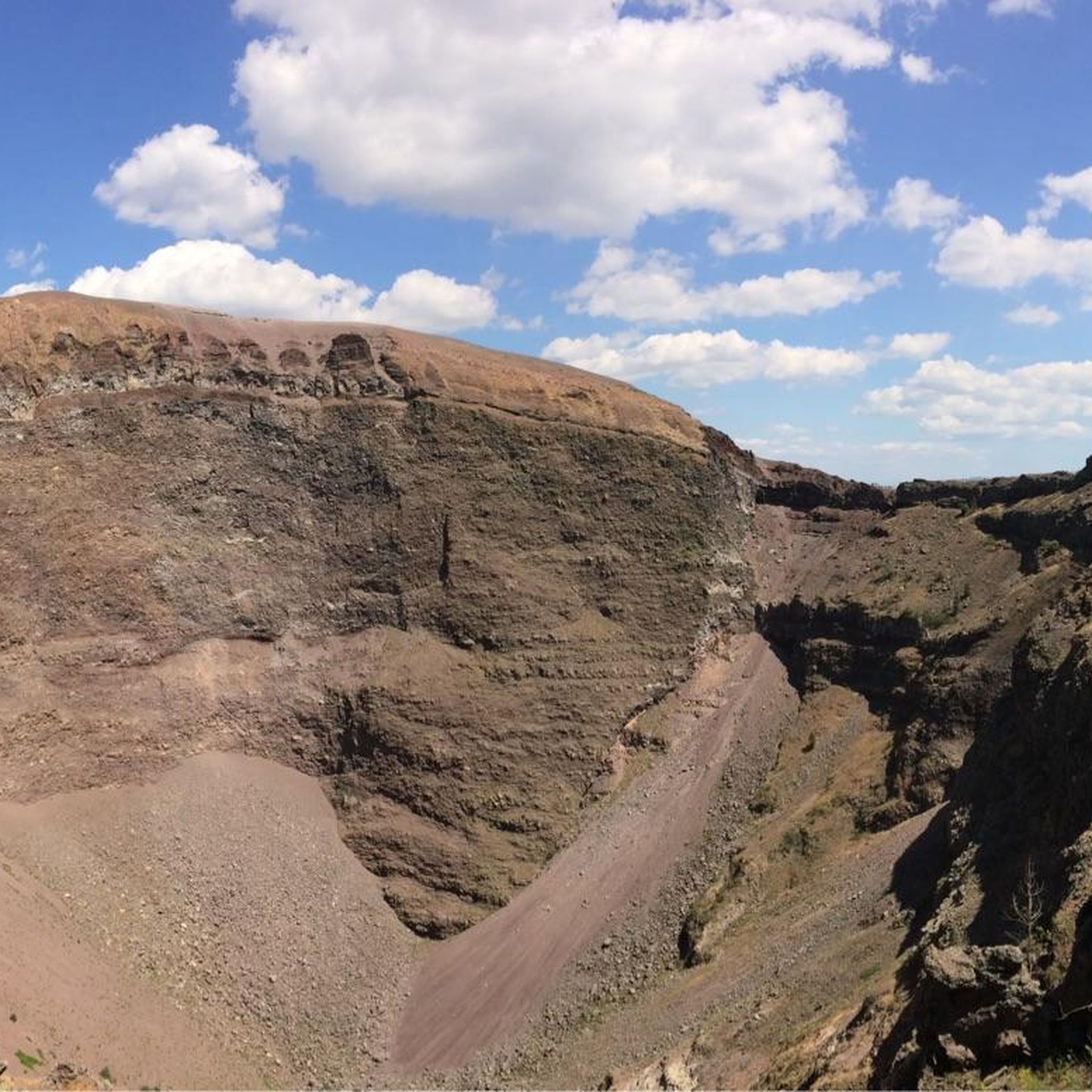
Crater of Mount Vesuvius
Highlight • Volcano
Translated by Google •
Tip by

Cognoli Summit and Valle dell'Inferno
Highlight • Summit
Translated by Google •
Tip by

Sign up now to discover places like this
Get recommendations on the best single tracks, peaks, & plenty of other exciting outdoor places.
Sign up for free
Grotta Fissure
Highlight (Segment) • Cave
Translated by Google •
Tip by

Largo Angelo Prisco Memorial
Highlight • Monument
Translated by Google •
Tip by
Vesuvius National Park, Naples, Italy 🌋
Highlight • Volcano
Tip by

Sign up for free to discover even more natural monuments around Parco nazionale del Vesuvio.
Sign up for free
Already have an account?
Start today with a free account
Your next adventure awaits.
Login or Signup
Popular around Parco nazionale del Vesuvio

Tips from the Community

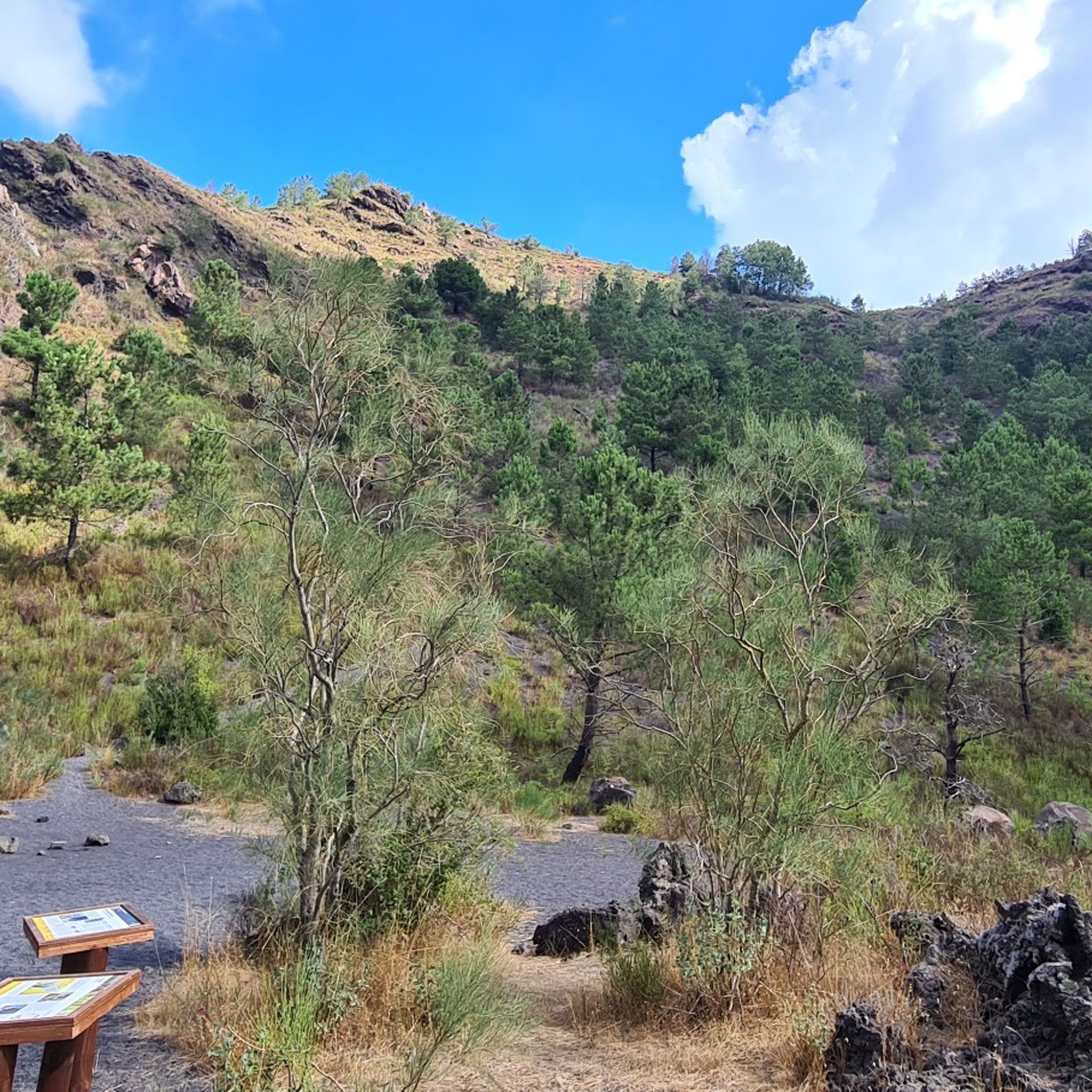
The very panoramic itinerary allows you to enjoy the most suggestive and wild scenery of Somma-Vesuvius, crossing forest environments, scrubland up to bare lava rock. The starting point is located along the road that from the Medici Palace of Ottaviano continues towards the volcanic complex. A barrier prohibiting vehicular traffic marks the beginning of the route, the first stretch of the path, common with path no. 1, winds along asphalted hairpin bends, and then turns into a dirt path. The plant landscape consists initially of a thick pine forest of stone pine and then in a mesophilous forest, with essences such as chestnut, Neapolitan alder, Neapolitan maple, holm oak, black locust. Among the nesting birds, the minute lesser spotted woodpecker, rare and localized in Campania, has only recently colonized the Vesuvius Park. After more than 1 km of walking on a steep climb you reach Largo Angelo Prisco dedicated to the young financier murdered by poachers in 1995 which represents the closest destination. From the Largo, path no. 1 branches off to the left, while the itinerary continues on the right on a slight climb, entering, between twists and turns, into a shady chestnut grove where the numerous species of mushrooms present give off an intense and pleasant fragrance.
0
0

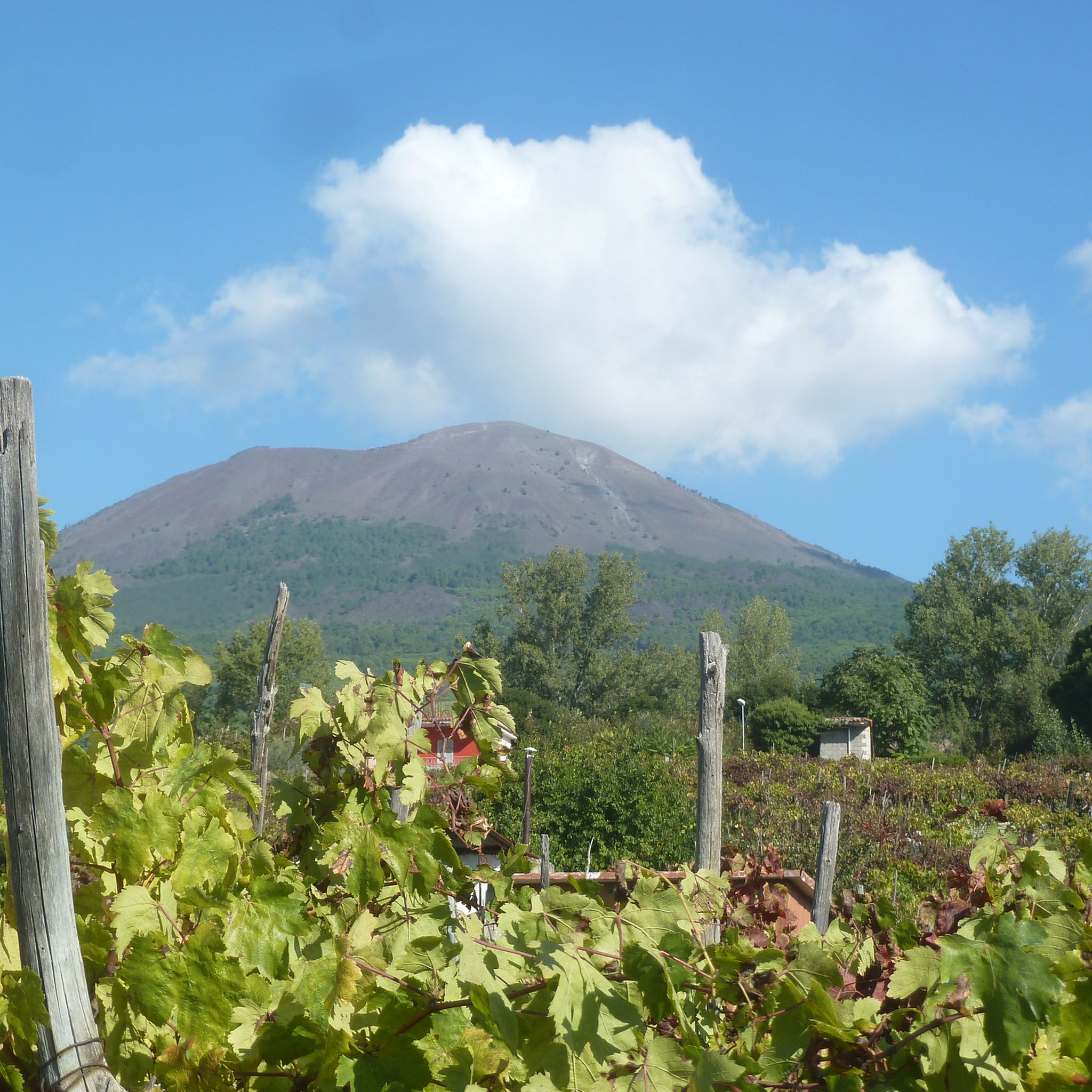
The volcano symbol of the city of Naples, is still active, its last eruption dates back to 79 years ago.
0
0

The clearing commemorates the homonymous financier murdered by poachers in 1995. From this small clearing created between gorse and conifers, the plaque dedicated to the memory of Priscus marks the point of separation between the two paths 1 and 2.
20
0

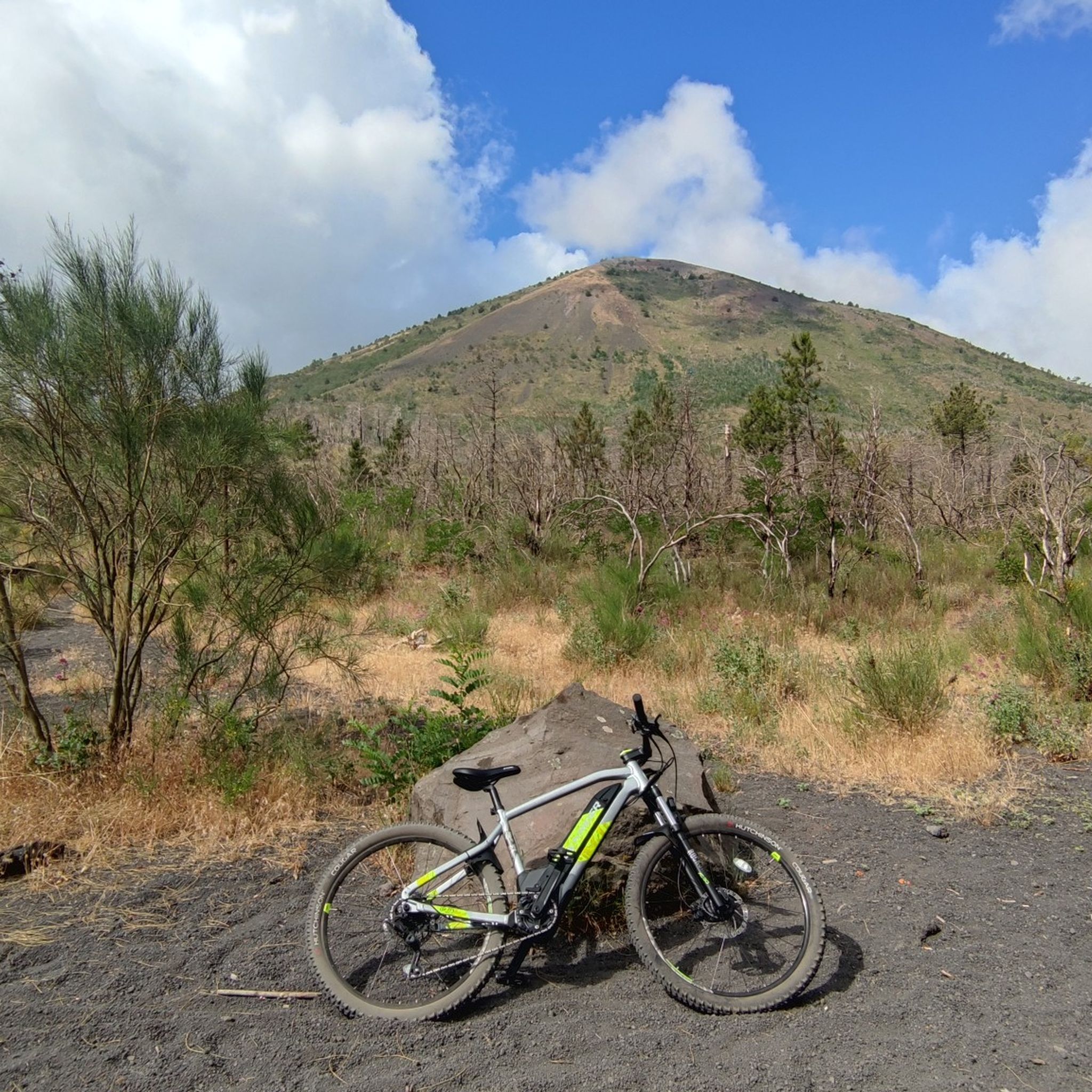
Spectacular place, some stretches are to be done by pushing due to the bottom composed of pyroclastic sand, which makes it difficult to grip the bike.
4
0

Panoramic view of the Hell Valley
8
0
Bifurcation of the paths .. right towards the Cognoli di Ottaviano.
5
0
Spectacular Single Track in the valley of hell, pay attention to the pyroclastic sand bottom that makes you lose grip on the bike.
4
0
Frequently Asked Questions
What are the most popular natural monuments to visit in Parco nazionale del Vesuvio?
Visitors highly appreciate the unique geological features of the park. Among the most popular are the Crater of Mount Vesuvius, where you can hike to the edge of the active volcano for panoramic views. Another favorite is Cognoli Summit and Valle dell'Inferno, offering wild scenery through forests and scrubland. The Grotta Fissure is also a unique spot, providing a panoramic view of the "Hell's Valley" from a small lava gap.
What kind of natural features can I expect to see in Parco nazionale del Vesuvio?
The park is a land of dramatic contrasts. You'll encounter the rugged, arid volcanic terrain of Mount Vesuvius's Gran Cono, alongside the lush, dense chestnut and holm oak woods of Mount Somma. The landscape features ancient pinewoods, striking lava formations, and open meadows adorned with wildflowers like red valerian. The mineral-rich volcanic soil supports a vibrant array of plant life, making for a diverse natural experience.
Are there family-friendly natural monuments or trails in the park?
While some trails can be challenging, there are options suitable for families. The hike to the Crater of Mount Vesuvius is a memorable experience for many, though it involves an uphill climb. For easier walks, consider exploring parts of Mount Somma, known as the "green lung" of the park, with its dense woods. Always check specific trail difficulties before heading out.
What is the best time of year to visit the natural monuments around Parco nazionale del Vesuvio?
Spring and autumn are generally the best times to visit. The weather is milder, making hiking more comfortable, and the vegetation is particularly vibrant. In spring, you can see numerous wildflowers, including up to 23 species of orchids on Mount Somma. Summer can be very hot, especially on the exposed slopes of Vesuvius, while winter can bring colder temperatures and sometimes snow at higher elevations.
What outdoor activities can I do near these natural monuments?
The Parco nazionale del Vesuvio offers a variety of outdoor activities, primarily hiking. You can explore numerous trails that wind through diverse landscapes, from volcanic rock to dense forests. For detailed hiking routes, including options like "The great cone of Vesuvio – loop tour" or "Crater of Mount Vesuvius – Mount Vesuvius Crater loop," you can find more information in the Hiking around Parco nazionale del Vesuvio guide. There are also road cycling routes available in the surrounding areas, detailed in the Road Cycling Routes around Parco nazionale del Vesuvio guide.
What kind of wildlife can be observed in Parco nazionale del Vesuvio?
The park is home to a rich biodiversity, protecting exceptional animal species. You might spot rare butterflies, and it's a significant area for migratory birds. Common sightings include buzzards, sparrowhawks, kestrels, peregrine falcons, and common ravens. The dense woods of Mount Somma and the varied volcanic landscapes provide diverse habitats for these species.
Are there any less crowded trails or hidden gems to explore?
While the Crater of Mount Vesuvius is very popular, exploring the trails on Mount Somma, often referred to as the "green lung" of the park, can offer a quieter experience. Areas like the Cognoli Summit and Valle dell'Inferno provide a wilder, more secluded feel, winding through forest environments and scrubland. These trails allow for a deeper appreciation of the park's diverse flora away from the main tourist paths.
What should I wear when hiking to the natural monuments?
When hiking in Parco nazionale del Vesuvio, especially to the Crater of Mount Vesuvius or other trails, it's advisable to wear sturdy, comfortable hiking shoes. Layers of clothing are recommended as temperatures can change, particularly at higher elevations. A hat, sunglasses, and sunscreen are also important due to sun exposure, especially on the open volcanic slopes. Bring plenty of water, regardless of the season.
What are the difficulty levels of the trails in Parco nazionale del Vesuvio?
The trails within the park vary in difficulty. For instance, the path to the Crater of Mount Vesuvius is generally considered intermediate, involving an uphill climb. The Grotta Fissure is rated as challenging due to its terrain. However, there are also easier hiking options available, such as the "Crater of Mount Vesuvius – Mount Vesuvius Crater loop from Vesuvius National Park" which is rated easy. Always check the specific trail details and difficulty ratings before embarking on a hike.
Are there any historical or cultural aspects tied to the natural monuments?
Absolutely. The entire Vesuvius National Park is deeply intertwined with history. Mount Vesuvius itself is famous for its eruption in 79 AD, which buried Pompeii and Herculaneum. The park's unique ecosystem and geological marvels have shaped human culture in the region for millennia. The dramatic landscape serves as a living laboratory where nature, history, and human culture converge, making the entire area a significant natural and historical monument.
Can I bring my dog on the trails to the natural monuments?
While specific regulations can vary, generally, dogs are permitted on many trails within national parks, often on a leash. It's best to check the most current park regulations or signage at trailheads for specific rules regarding pets, especially around sensitive natural areas or the main crater access points. Always ensure your dog is well-behaved and that you clean up after them.
What do visitors enjoy most about the natural monuments in Parco nazionale del Vesuvio?
Visitors are consistently impressed by the breathtaking panoramic views, especially from the Crater of Mount Vesuvius, which offers sweeping vistas of the Bay of Naples and the Campania region. The unique experience of walking along the crater of an active volcano is a major draw. Many also appreciate the diverse scenery, from the rugged volcanic landscapes to the lush forests of Mount Somma, and the sense of history and natural power that permeates the entire park.
Most popular routes around Parco nazionale del Vesuvio
Most popular attractions around Parco nazionale del Vesuvio

Get inspired with the komoot mobile app


Explore more
Extend your search for the best caves by checking out these guides of the top ones around Parco nazionale del Vesuvio:
