Εθνικό Θαλάσσιο Πάρκο Ζακύνθου
Εθνικό Θαλάσσιο Πάρκο Ζακύνθου
Top 14 Natural Monuments around Εθνικό Θαλάσσιο Πάρκο Ζακύνθου
Best natural monuments around Εθνικό Θαλάσσιο Πάρκο Ζακύνθου are found within a critical natural heritage site in Greece, established for the protection of endangered loggerhead sea turtles and Mediterranean monk seals. This area encompasses marine zones, nesting beaches, wetlands, and islets, showcasing diverse ecosystems. It is characterized by sandy shores, dramatic sea caves, and unique geological formations. The park's natural features contribute to its ecological significance and offer varied landscapes for exploration.
Best natural monuments around Εθνικό Θαλάσσιο Πάρκο Ζακύνθου
…Last updated: October 13, 2026
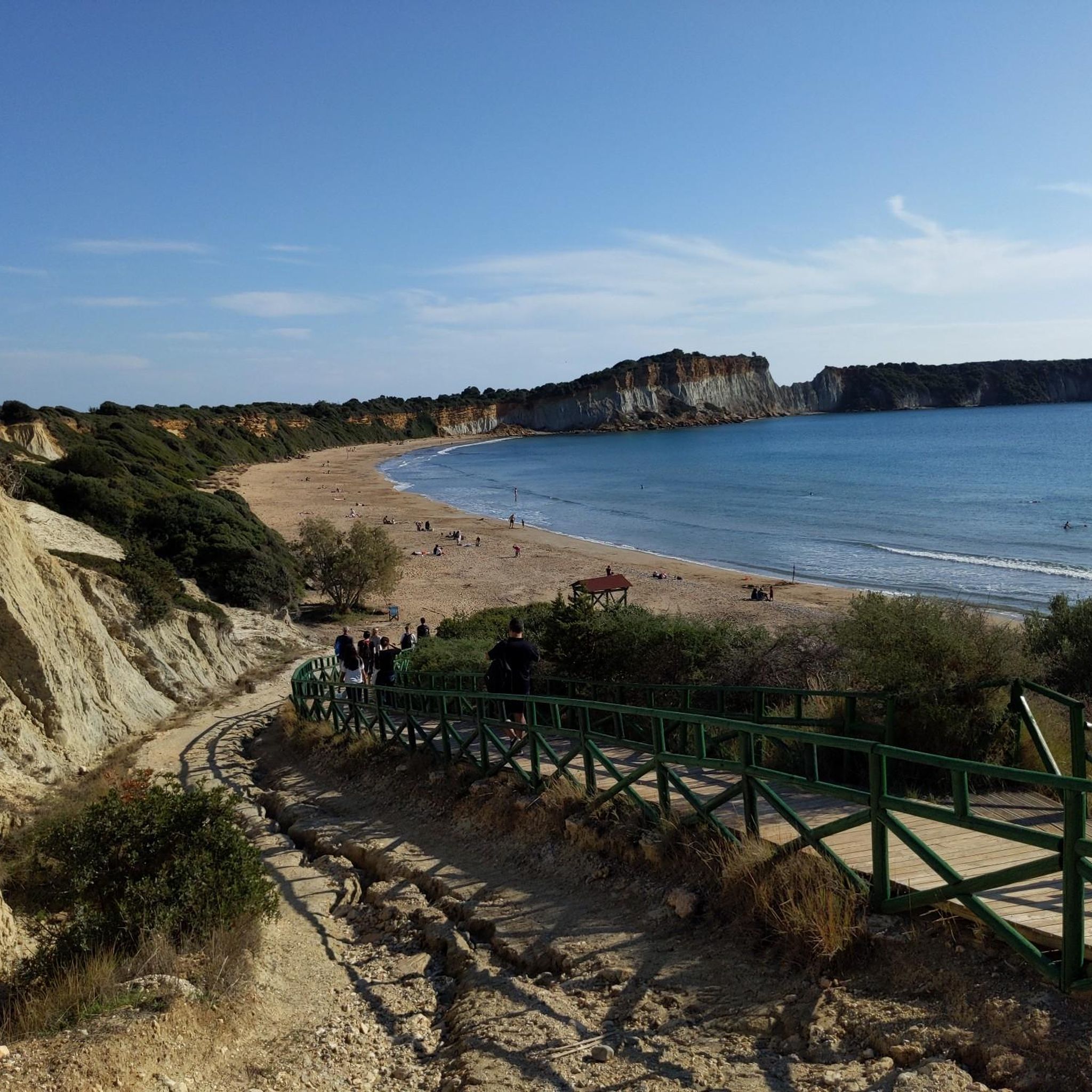
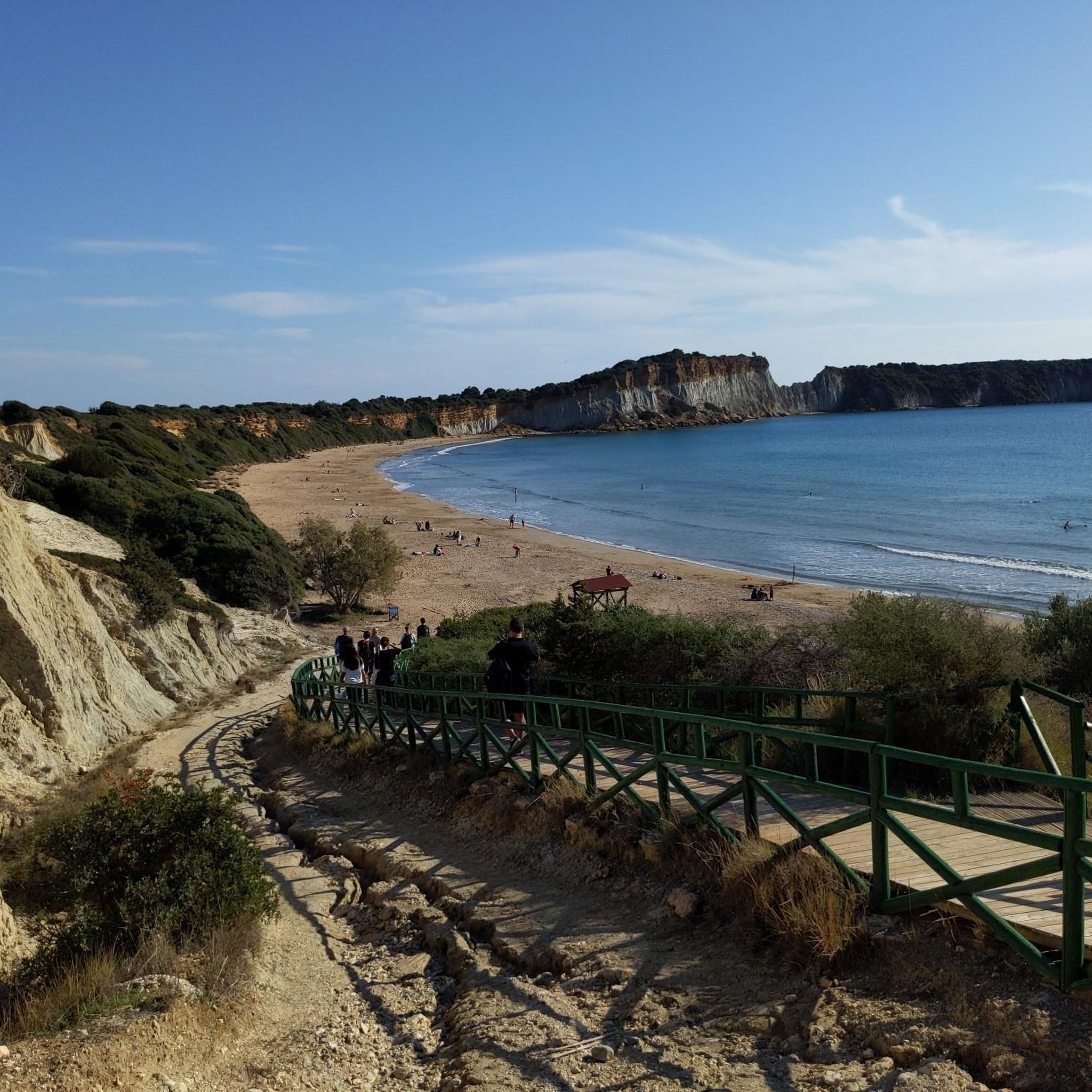
Gerakas Beach
Highlight • Beach
Translated by Google •
Tip by

Zante Turtle Center
Highlight • Structure
Translated by Google •
Tip by

Sign up now to discover places like this
Get recommendations on the best single tracks, peaks, & plenty of other exciting outdoor places.
Loggerhead Sea Turtle Nesting Site – Kalamaki Beach
Highlight • Beach
Translated by Google •
Tip by

Eroded cliffs at Zakynthos National Marine Park
Highlight • Natural Monument
Translated by Google •
Tip by

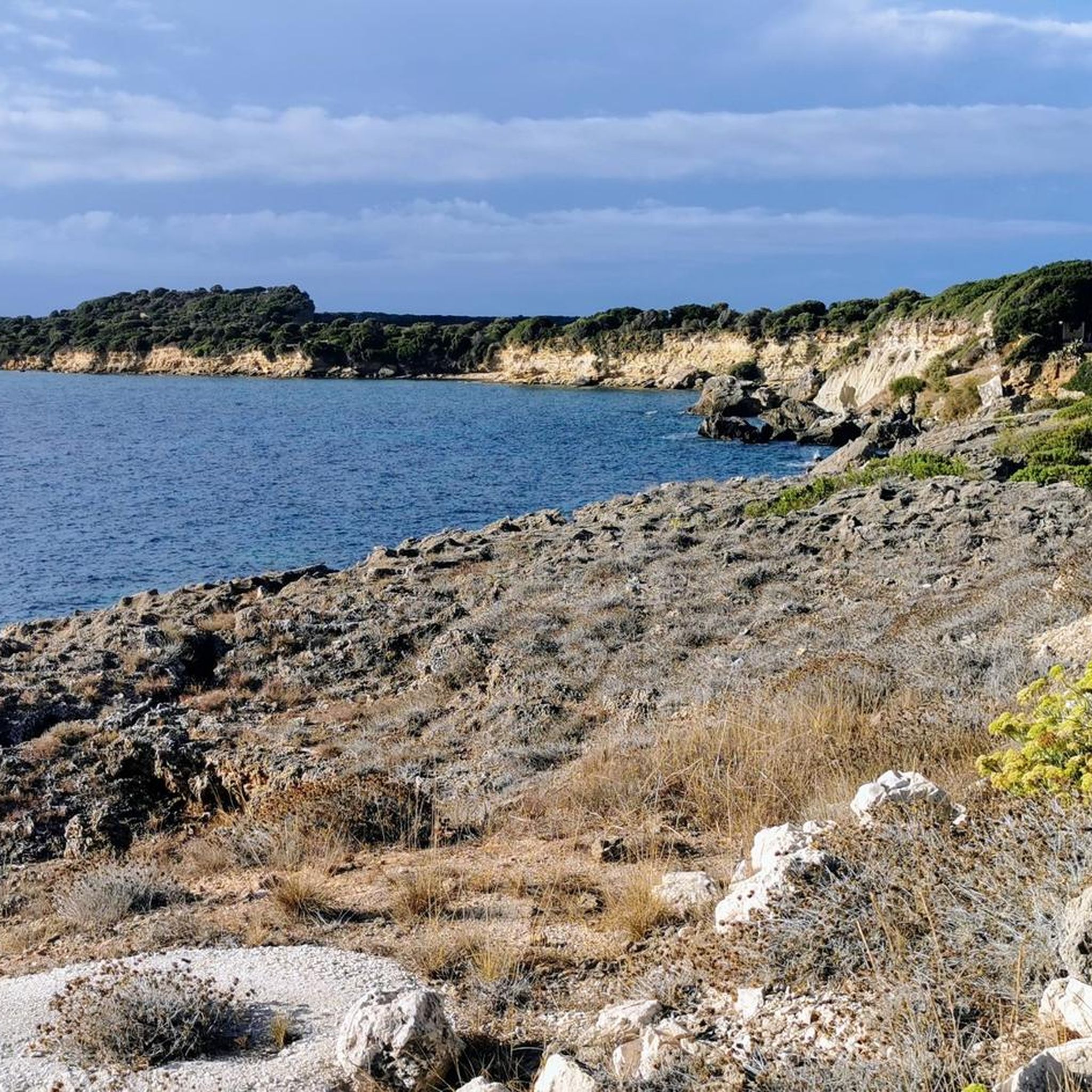
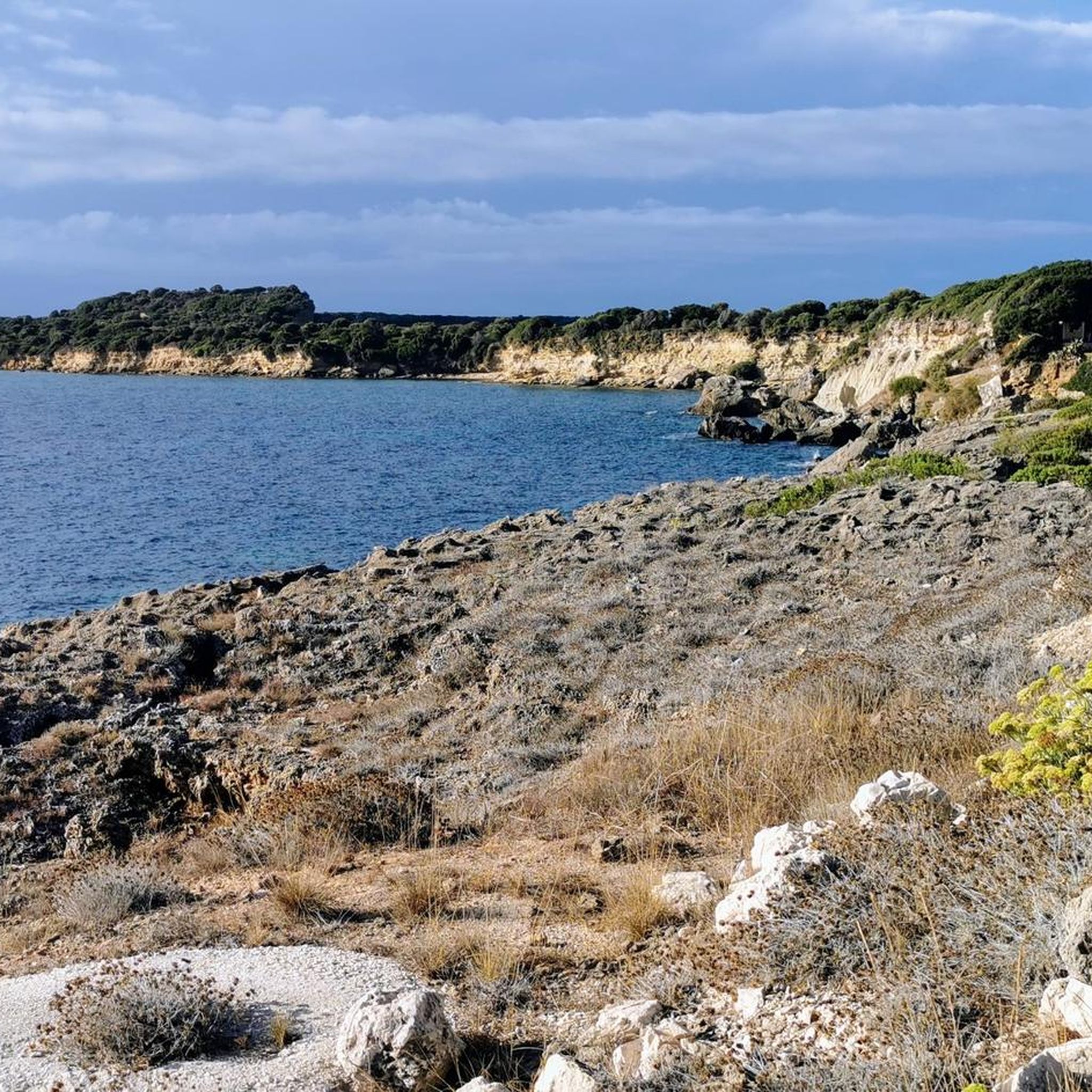
Limni Keriou Beach
Highlight • Beach
Translated by Google •
Tip by

Sign up for free to discover even more natural monuments around Εθνικό Θαλάσσιο Πάρκο Ζακύνθου.
Already have an account?
Start today with a free account
Your next adventure awaits.
Tips from the Community

Narrow gravel beach with plenty of shade next to the harbor and views of Marathonisi island.
0
0

The narrow beach consists mainly of pebbles, but after a few meters in the shallow water it turns into fine sand. Numerous pine trees line the shore and provide natural shade. It is considered family-friendly and offers a direct view of the nearby island of Marathonissi.
0
0
The Zakynthos Sea Turtle Rescue & Information Center, often simply called Zante Turtle Center, is located near Gerakas Beach. The center is dedicated to the protection of the endangered loggerhead sea turtle (Caretta caretta) and to education about sustainable tourism. Admission is free, but donations are welcome. Opening hours: Daily from 09:00 to 20:00 (Season from April to October).
2
0
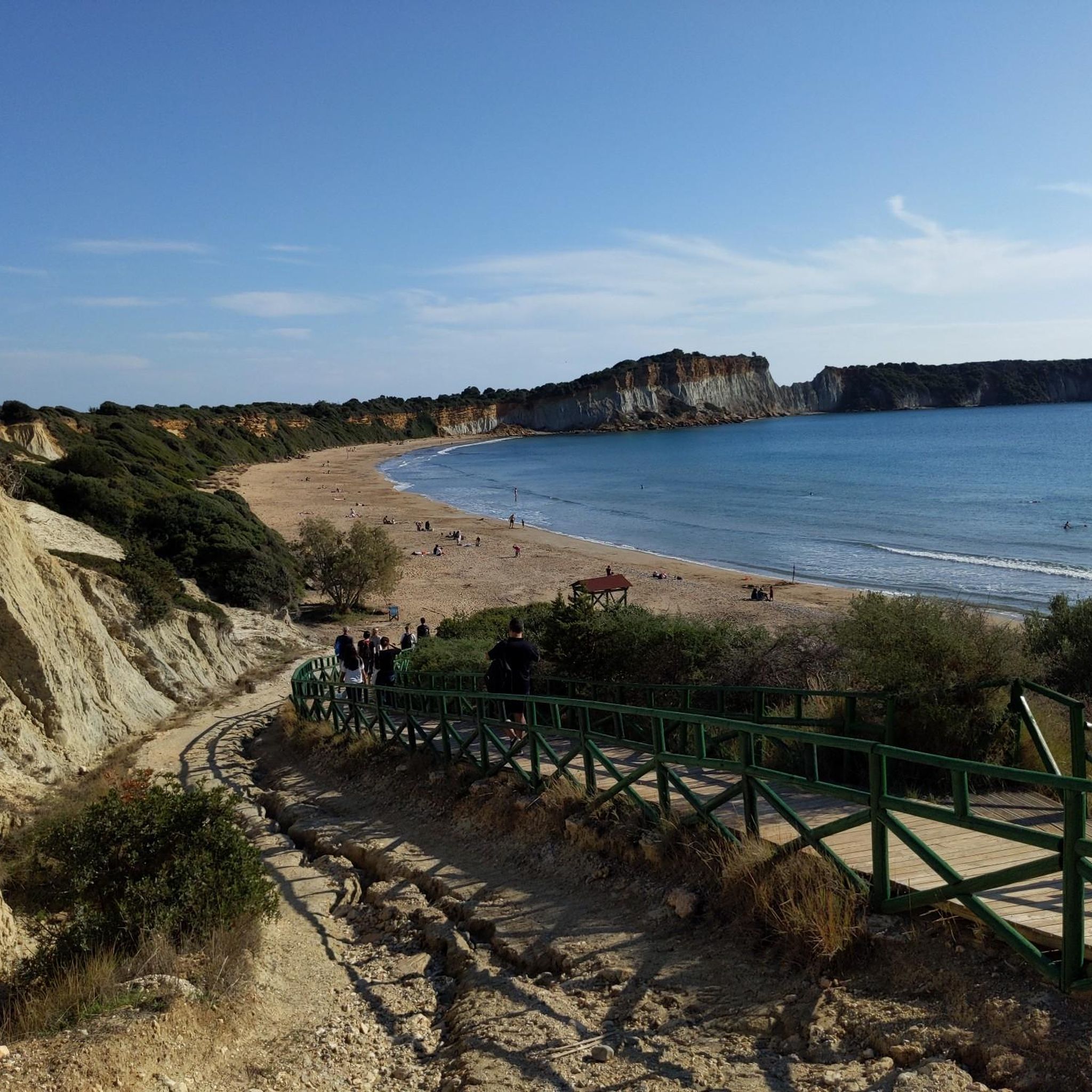
The park was founded in 1999 to protect the endangered loggerhead sea turtle (Caretta caretta) and the Mediterranean monk seal. The mentioned "white cliffs" and striking geological formations are found in various places within or directly adjacent to the park, such as at the southeastern end of the island (Cape Gerakas). Here you can find impressive white sandstone and clay formations shaped by erosion.
3
0
Gerakas Beach is considered one of the most beautiful and natural beaches in the region. It is located at the southernmost tip of the Vasilikos peninsula and is particularly known for its role as an important nesting area for the endangered loggerhead sea turtle (Caretta caretta). The beach is part of the National Marine Park of Zakynthos. To protect the turtle nests, access is time-limited (usually from 7:00 AM to sunset). You will find fine golden sand and crystal-clear, very shallow water here, making the beach ideal for families with children. The impressive clay cliffs in the background are also characteristic. Turtle Information Center: Near the parking lot is the Zakynthos Sea Turtle Rescue & Information Center.
2
0
Kalamaki beach is part of the National Marine Park of Zakynthos, which was founded in 1999 to protect these animals. The turtles often return after about 20 to 30 years to the exact beach where they themselves hatched to lay their eggs. Pairing season: End of March to early June. Nesting season: From mid-May to August, females come to the beach at night to dig their nests. Hatching season: From the end of July to October (sometimes until November), the young hatch and migrate to the sea.
0
0

I already was here in July. its a beautiful little Beach village with some really nice coffees. I can only recommended a visit here + they have a really good Diveshop/ school here ( NeroSport ) where I also got my license over 10 years ago.
0
0
Frequently Asked Questions
What are some of the most significant natural monuments to visit in the National Marine Park of Zakynthos?
The National Marine Park of Zakynthos is home to several important natural monuments. Key among them are the nesting beaches of Laganas Bay, such as Gerakas Beach and Kalamaki Beach, which are crucial for the endangered loggerhead sea turtle. Another must-see is Mizithres Rocks, known for its dramatic cliffs and panoramic views. Marathonisi Islet, often called 'Turtle Island' due to its shape and nesting sites, also offers unique natural beauty and sea caves.
Can I see loggerhead sea turtles at the natural monuments in Zakynthos?
Yes, the National Marine Park of Zakynthos is primarily dedicated to the protection of the loggerhead sea turtle (Caretta caretta). You can observe their nesting grounds on beaches like Gerakas Beach and Kalamaki Beach, especially during the nesting season from May to August, and hatching later in the season. Strict regulations are in place to protect these sites, and visitors are encouraged to adhere to park guidelines to support conservation efforts. For more information on conservation, you can visit the Zante Turtle Center.
What kind of geological formations can I explore in the park?
The park features impressive geological formations, including dramatic cliffs, sea caves, and unique rock structures. Mizithres Rocks exemplifies the steep coast and high cliffs, offering stunning views. You can also find layered rock formations at Zakynthos National Marine Park, particularly along coastal areas, which highlight the island's geological history. Exploring these formations by boat, especially around Marathonisi Islet and Keri, provides breathtaking scenery and photographic opportunities.
Are there any natural monuments suitable for families with children?
Many natural monuments in the park are family-friendly. Beaches like Gerakas Beach and Kalamaki Beach offer gentle slopes and sandy shores, ideal for children to play, while also providing an educational opportunity to learn about sea turtle conservation. The Zante Turtle Center is also a great educational stop for families.
What outdoor activities can I do near the natural monuments?
The region around the natural monuments offers a variety of outdoor activities. You can enjoy easy hikes, such as the 'Gerakas Beach – View of Marathonisi Island loop from Ano Vasilikos' or the 'Agios Sostis Harbor – Wooden bridge to Cameo Island loop from Laganas'. For cycling enthusiasts, there are routes like the 'Gerakas Beach – Zakynthos Waterfront Promenade loop'. Running trails are also available, including the 'Laganas beach loop'. You can find more details on these activities in the easy hikes, cycling, and running guides for the area.
What is the best time to visit the natural monuments in Zakynthos?
The best time to visit largely depends on your interests. For observing loggerhead sea turtle nesting, the period from May to August is ideal, with hatching occurring later in the season. The summer months offer warm weather perfect for swimming and snorkeling around Marathonisi Islet and the seagrass beds. Spring and autumn provide milder temperatures, which are excellent for hiking and exploring the Keri Lake wetland for birdwatching, avoiding the peak summer crowds.
Are there any unique ecosystems or wildlife beyond sea turtles in the park?
Absolutely. While loggerhead sea turtles are a highlight, the park is also vital for the endangered Mediterranean monk seal. The Keri Lake wetland provides a habitat for various migratory birds, amphibians, and other wildlife. The Strofades Islands, though less accessible, are a crucial stopover point for numerous bird species. Underwater, the extensive Posidonia seagrass beds are 'lungs of the sea,' supporting a multitude of marine species, including fish, groupers, sea bass, and bream. Along the coast, sand dunes host specialized flora like sea daffodils and juniper trees.
Can I go wild swimming or snorkeling at the natural monuments?
Yes, the pristine waters of the National Marine Park offer excellent opportunities for wild swimming and snorkeling. Marathonisi Islet, with its sandy and pebble beaches and sea caves, is a popular spot for swimming and snorkeling. Exploring areas with underwater Posidonia seagrass beds allows you to experience the vibrant marine biodiversity firsthand. Always be mindful of protected areas and follow local guidelines, especially near turtle nesting sites.
What do visitors enjoy most about the natural monuments in the National Marine Park of Zakynthos?
Visitors frequently praise the breathtaking views, especially from spots like Mizithres Rocks, which offers panoramic vistas of the rugged coastline. The opportunity to witness sea turtle nesting or hatching on beaches like Gerakas Beach is often described as a unique and moving experience. The crystal-clear waters for swimming and snorkeling, and the overall unspoiled natural beauty of places like Marathonisi Islet, are also highly appreciated.
Are there any hidden natural gems or less-known spots worth exploring?
While many sites are well-known, the park's diverse ecosystems offer quieter spots. The Keri Lake wetland, for instance, provides a different natural experience away from the beaches, ideal for birdwatching and observing diverse flora. The remote Strofades Islands, though harder to access, are a significant bird sanctuary and an unspoiled natural habitat for those seeking a truly secluded experience. Exploring the less-frequented coastal areas can also reveal unique sand dunes and halophile vegetation systems.
How long should I plan for visiting the natural monuments in the National Marine Park of Zakynthos?
To fully appreciate the diverse natural monuments, planning at least 2-3 days is recommended. This allows time to visit the nesting beaches and potentially the Zante Turtle Center, take a boat trip to Marathonisi Islet and its sea caves, and explore geological formations like Mizithres Rocks. If you wish to include hiking, cycling, or birdwatching at Keri Lake, you might extend your stay further.
What are the accessibility considerations for natural monuments in the park?
Accessibility varies across the park. Many beaches, including some nesting sites, have relatively easy access, though some areas may require walking on sand. Boat trips are often necessary to reach islets like Marathonisi and to explore sea caves. Some natural viewpoints, such as those overlooking Mizithres Rocks, may involve uneven terrain. It's advisable to check specific access details for each location you plan to visit.
Most popular routes around Εθνικό Θαλάσσιο Πάρκο Ζακύνθου
Most popular attractions around Εθνικό Θαλάσσιο Πάρκο Ζακύνθου

Get inspired with the komoot mobile app


Explore more
Extend your search for the best caves by checking out these guides of the top ones around Εθνικό Θαλάσσιο Πάρκο Ζακύνθου:
