Park Krajobrazowy Cysterskie Kompozycje Krajobrazowe Rud Wielkich
Park Krajobrazowy Cysterskie Kompozycje Krajobrazowe Rud Wielkich
Top 15 Natural Monuments around Park Krajobrazowy Cysterskie Kompozycje Krajobrazowe Rud Wielkich
Best natural monuments around Park Krajobrazowy Cysterskie Kompozycje Krajobrazowe Rud Wielkich encompass a protected area in southern Poland, spanning nearly 500 square kilometers. This region safeguards diverse ecosystems and geological formations, many influenced by the historical landscape management of Cistercian monks. The park features remnants of riparian and oak-hornbeam forests, numerous ponds, and unique geological markers. It offers a variety of natural features for exploration.
Best natural monuments around Park Krajobrazowy Cysterskie Kompozycje Krajobrazowe Rud Wielkich
- The most popular natural monuments is Garbocz Ponds, a lake and natural monument. This area, often called Palowice Lakeland, features ponds arranged on the Ruda River within luminous forests.
- Another must-see spot is Cistercian Oak "Cysters", a natural monument. This pedunculate oak is approximately 450 years old, with a circumference of 730 cm and a height of 31 m.
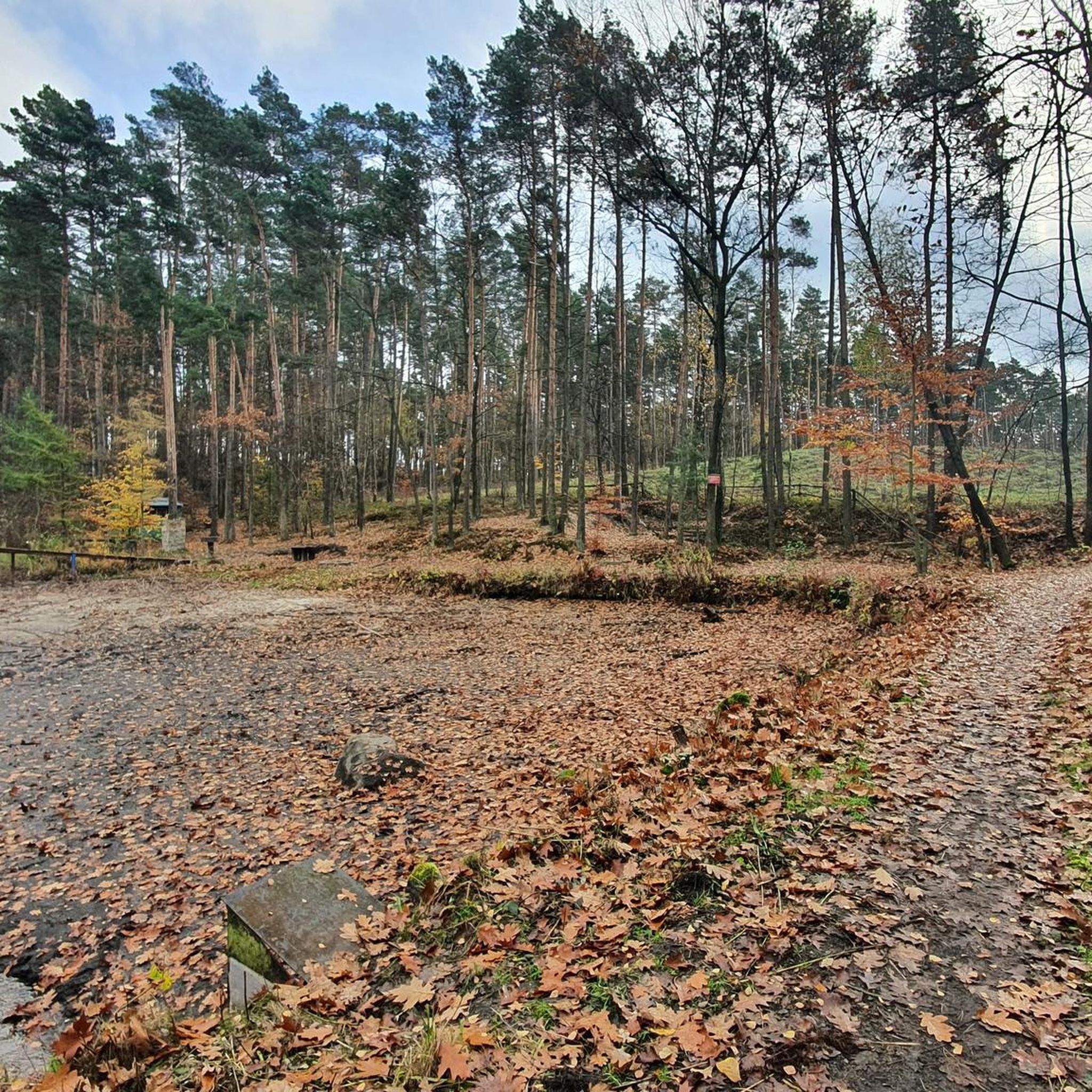
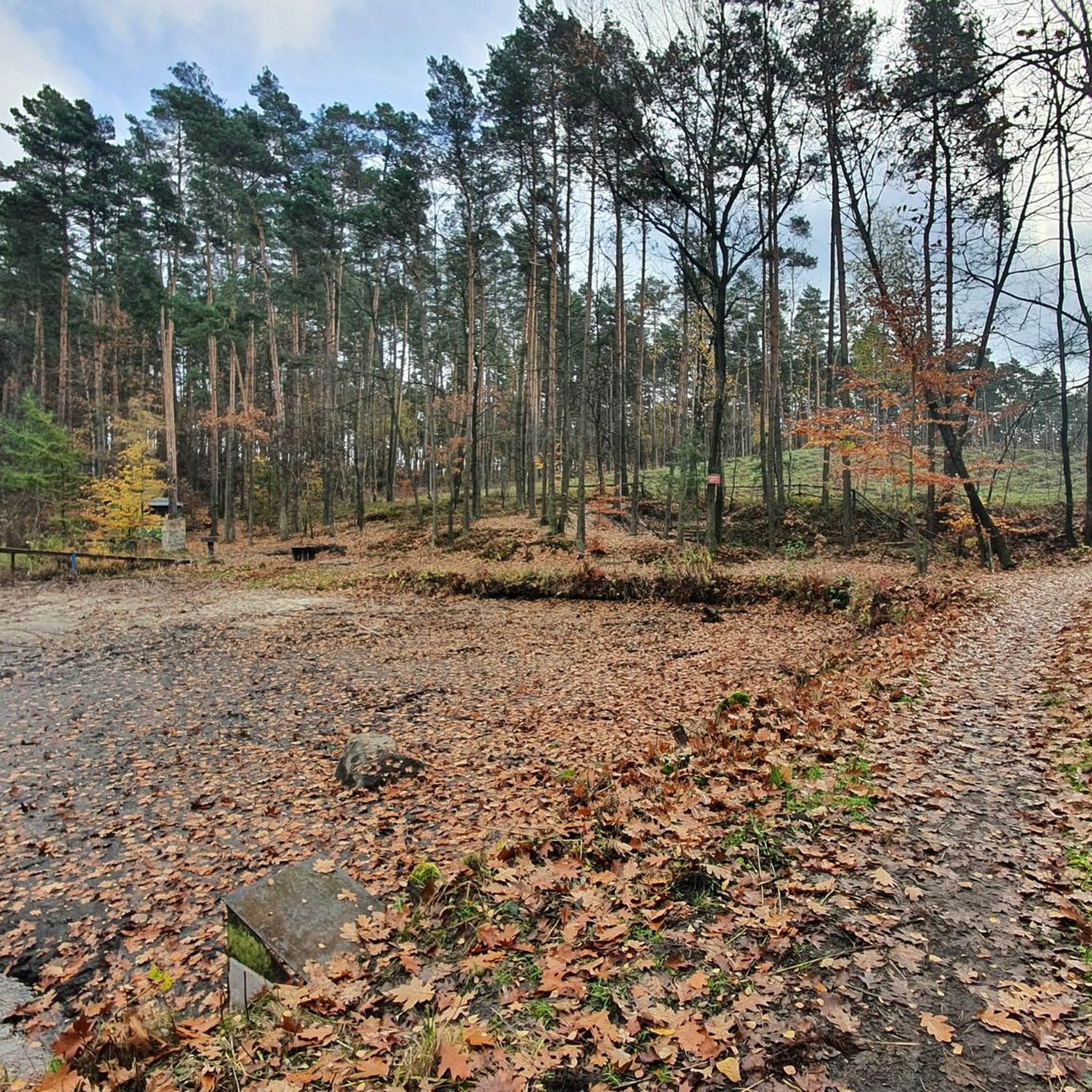
- Visitors also love Polana Kanetowiec, a forest and natural monument. This picturesque spot in Rybnik is located among forests, offering shelters, benches, and places for bonfires.
- Park Krajobrazowy Cysterskie Kompozycje Krajobrazowe Rud Wielkich is known for ancient oaks, extensive pond systems, and natural springs. The park offers a variety of natural monuments to see and explore, including forest reserves and geological formations.
- The natural monuments around Park Krajobrazowy Cysterskie Kompozycje Krajobrazowe Rud Wielkich are appreciated by the komoot community. The guide features 15 highlights, with 16 photos and 89 upvotes from visitors.
Last updated: May 14, 2026
Sobieski Oak in Łężczok
Highlight • Natural Monument
The oak got its name from the legend according to which the tree was planted to commemorate the stay of King Jan III Sobieski in those areas during the march to the relief of Vienna in 1683. It is known, however, that it is not true, because in 1683 the tree was already about 100 years old.
In turn, Jan Duda, in the publication "Natural Peculiarities of Racibórz" published in 2001, writes about the application according to which the king was supposed to stop under an oak tree on his way to Vienna. The oak is part of the tradition of Sobieski trees, well-known in Upper Silesia.
pl.wikipedia.org/wiki/D%C4%85b_Sobieskiego_w_%C5%81%C4%99%C5%BCczoku
Translated by Google •
Tip by

Garbocz Ponds
Highlight • Lake
slaskie.travel/poi/2976/gichta-huty-waleska-w-palowicach
Translated by Google •
Tip by
Sign up now to discover places like this
Get recommendations on the best single tracks, peaks, & plenty of other exciting outdoor places.
Sign up for free
Cistercian Oak "Cysters"
Highlight • Natural Monument
komoot.com/de-de/collection/3600632/-naturdenkmaeler-besondere-baeume-und-weitere-schaetze-der-natur
Tip by

Polana Kanetowiec
Highlight • Forest
Translated by Google •
Tip by

Szczejkowice Spring
Highlight • Natural Monument
Translated by Google •
Tip by
Sign up for free to discover even more natural monuments around Park Krajobrazowy Cysterskie Kompozycje Krajobrazowe Rud Wielkich.
Sign up for free
Already have an account?
Start today with a free account
Your next adventure awaits.
Login or Signup
Popular around Park Krajobrazowy Cysterskie Kompozycje Krajobrazowe Rud Wielkich
Cycling around Park Krajobrazowy Cysterskie Kompozycje Krajobrazowe Rud Wielkich
Hiking around Park Krajobrazowy Cysterskie Kompozycje Krajobrazowe Rud Wielkich
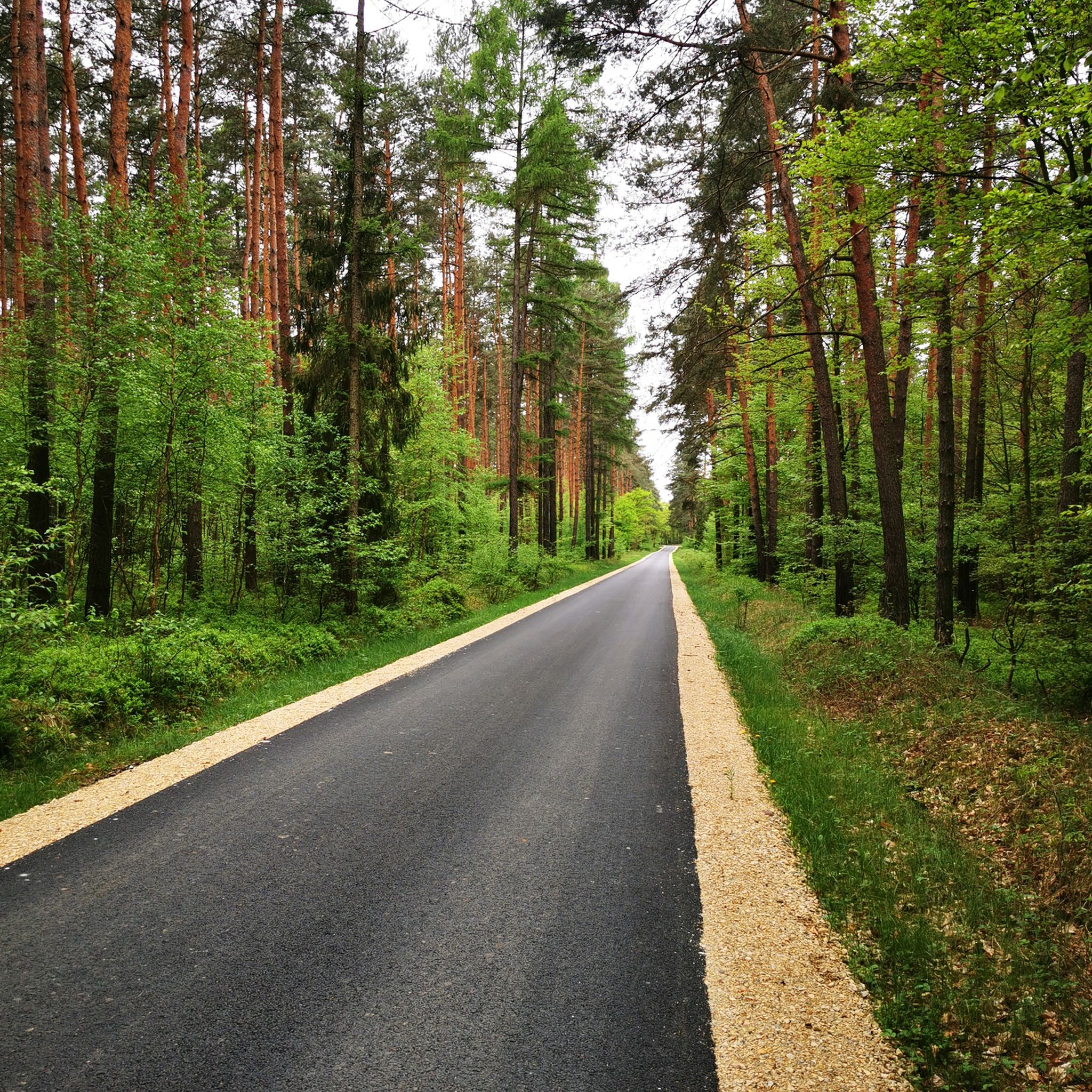
Road Cycling Routes around Park Krajobrazowy Cysterskie Kompozycje Krajobrazowe Rud Wielkich
Running Trails around Park Krajobrazowy Cysterskie Kompozycje Krajobrazowe Rud Wielkich
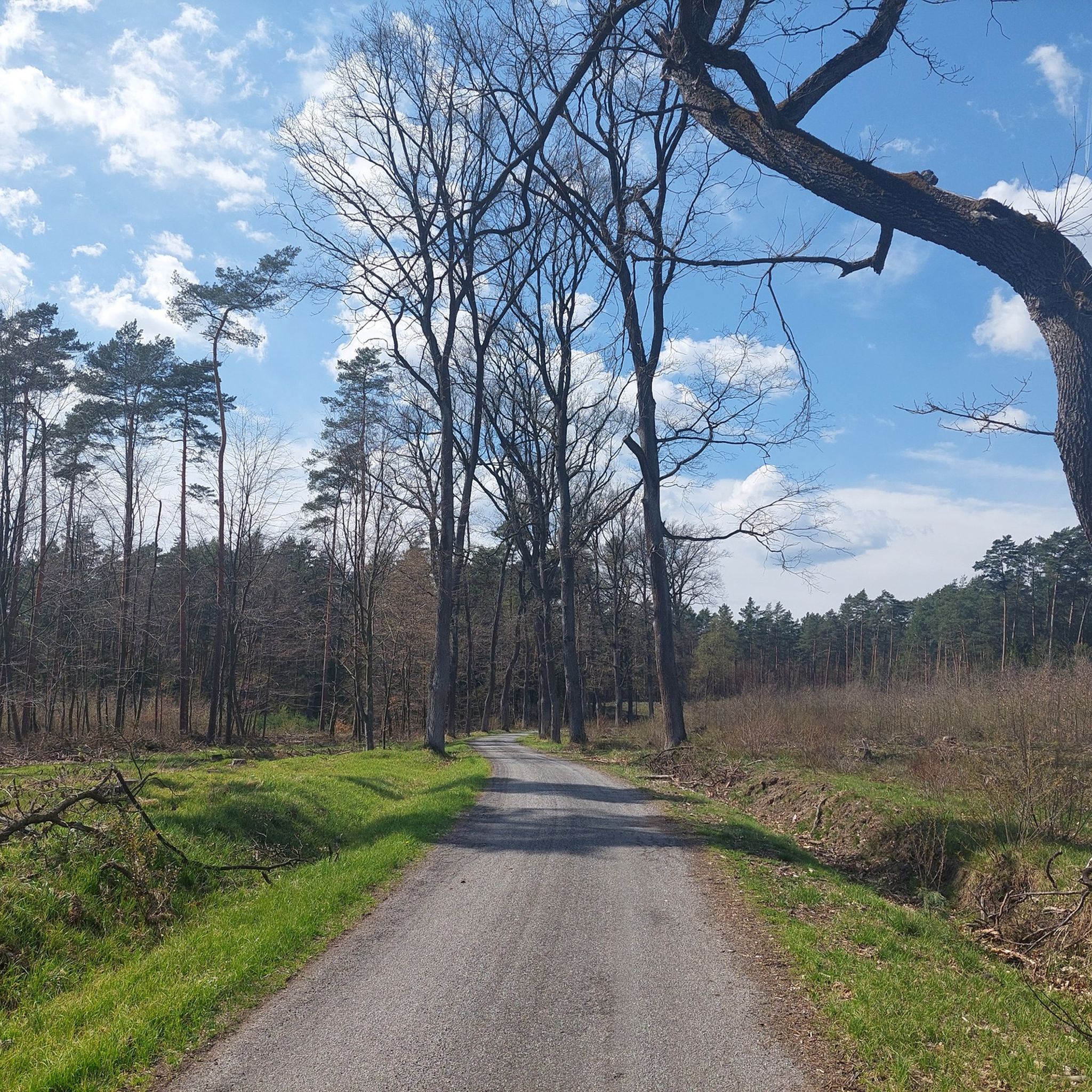
MTB Trails around Park Krajobrazowy Cysterskie Kompozycje Krajobrazowe Rud Wielkich

Gravel biking around Park Krajobrazowy Cysterskie Kompozycje Krajobrazowe Rud Wielkich
Tips from the Community

Now part of the Collection https://www.komoot.com/de-de/collection/3600632/-naturdenkmaeler-besondere-baeume-und-weitere-schaetze-der-natur
1
0
Now part of the Collection https://www.komoot.com/de-de/collection/3600632/-naturdenkmaeler-besondere-baeume-und-weitere-schaetze-der-natur
1
0

The water in the spring is safe to drink. There is a gazebo near the spring.
0
0

Polana Kanetowiec in Rybnik is a picturesque spot located among forests, ideal for cycling and relaxing in the bosom of nature. It is a popular recreational area, where you can find shelters, benches and places for a bonfire. The area is easily accessible to both pedestrians and cyclists, offering pleasant forest trails of varying difficulty. There are numerous bicycle trails in the area, which allow for further exploration of nearby forests and lakes. It is worth taking provisions and warm clothing, especially on colder days, to fully enjoy the charms of this place.
1
0

Palowickie Lake District or Łańcuchowe Ponds - a nice place for cycling relaxation. There are also some nice single tracks, but you have to get off the main trail.
1
0

The pedunculate oak "Cysters" is one of the most beautiful old trees in historic Upper Silesia. It grows along an alley in the English park surrounding the monastery and palace complex of the former Cistercian Abbey in Rudy, just behind the presbytery of the restored Sanctuary of Our Lady of the Humble. The old man is 730 cm in circumference and reaches a height of 31 m. He is approximately 450 years old.
0
0

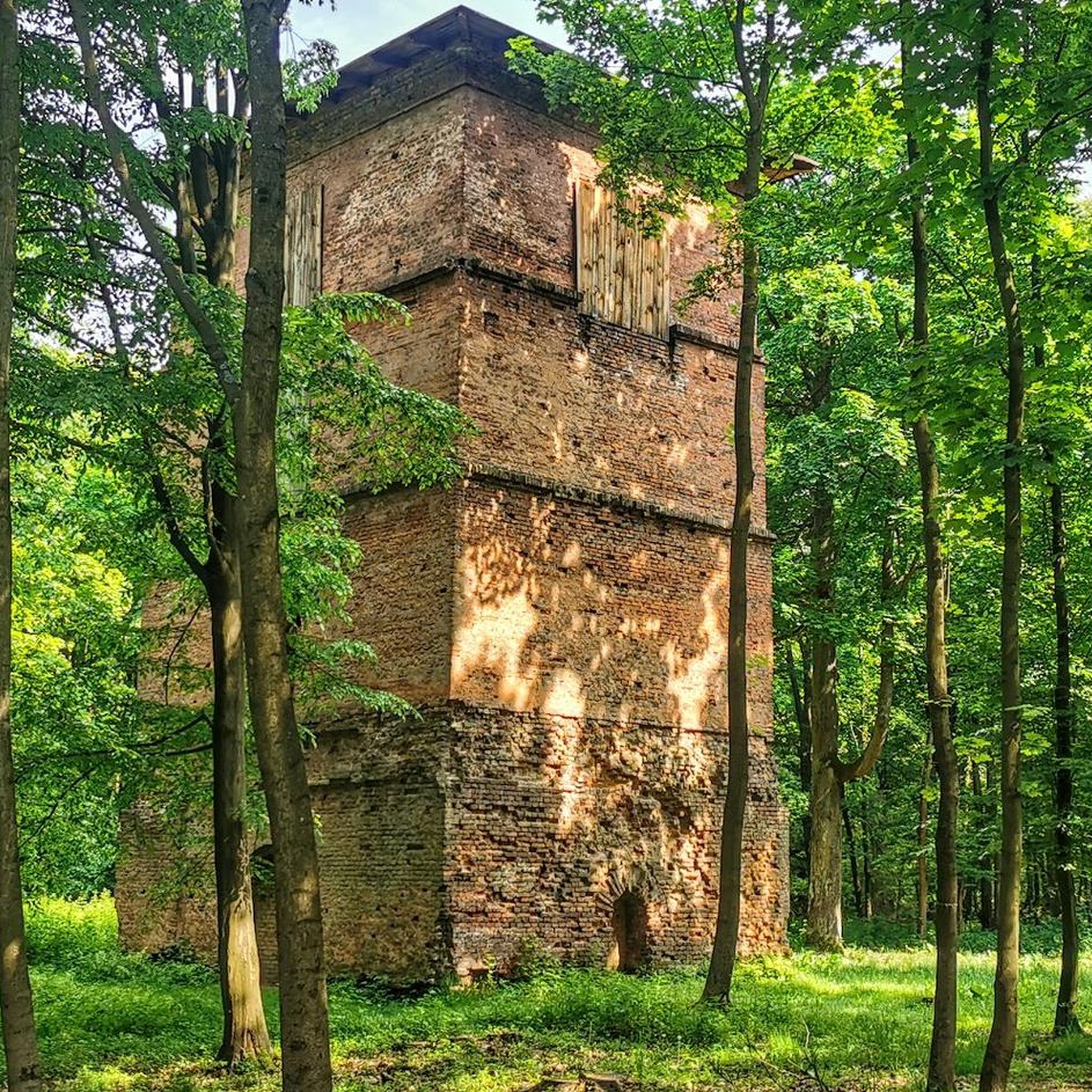
Sobieski's Oak - an over 400-year-old specimen of the pedunculate oak (Quercus robur L.) located in the Łężczok nature reserve, within the administrative borders of Racibórz. It is the thickest and oldest tree in Racibórz, the Łężczok reserve, and also one of the three oldest and most impressive trees in the landscape park called Cistercian Landscape Compositions of Rudy Wielkie. The oak got its name from the legend according to which the tree was planted to commemorate the stay of King Jan III Sobieski in those areas during the march to the relief of Vienna in 1683. It is known, however, that it is not true, because in 1683 the tree was already about 100 years old. In turn, Jan Duda, in the publication "Natural Peculiarities of Racibórz" published in 2001, writes about the application according to which the king was supposed to stop under an oak tree on his way to Vienna. The oak is part of the tradition of Sobieski trees, well-known in Upper Silesia. https://pl.wikipedia.org/wiki/D%C4%85b_Sobieskiego_w_%C5%81%C4%99%C5%BCczoku
5
0

The post-Cistercian monastery complex is not only bicycle trips, but also a good time spent outdoors and a place for canoeing enthusiasts.
0
0
Frequently Asked Questions
What kind of natural features can I expect to see in Park Krajobrazowy Cysterskie Kompozycje Krajobrazowe Rud Wielkich?
The park is rich in diverse natural features, including extensive riparian and oak-hornbeam forests, numerous ponds and river systems like the Ruda and Bierawka, and unique geological formations such as erratic boulders. You'll find remnants of ancient ecosystems and landscapes shaped by Cistercian monks.
Are there any specific nature reserves or protected areas within the park?
Yes, the most valuable natural area is the Rezerwat Łężczok (Łężczok Nature Reserve) near Racibórz. It's known for its multi-species riparian forest, historic tree alleys, and old riverbeds of the Odra River, which are crucial breeding grounds for birds and host rare aquatic plants.
Are there any ancient trees or particularly notable individual natural monuments?
Absolutely. You can visit the Cistercian Oak "Cysters", a pedunculate oak approximately 450 years old with a circumference of 730 cm. Another impressive specimen is the Sobieski Oak in Łężczok, over 400 years old, located within the Łężczok nature reserve.
What outdoor activities can I do near the natural monuments?
The area offers a variety of outdoor activities. You can explore numerous trails for easy hikes, go cycling, or try gravel biking. The network of paths allows for exploration of forests, ponds, and scenic landscapes.
Are there family-friendly natural monuments or areas suitable for children?
Many natural monuments in the park are family-friendly. For example, Garbocz Ponds, also known as Palowice Lakeland, offers picturesque scenery and easy access. Polana Kanetowiec in Rybnik is another great spot with shelters, benches, and places for bonfires, ideal for a family outing.
Where can I find unique geological formations in the park?
The park is home to monuments of inanimate nature, such as an Erratic Boulder northeast of Rybnik-Paruszowiec. These boulders are geological remnants transported by glaciers during the Ice Age, offering insights into the region's geological past.
What is the significance of the Cistercian influence on the landscape of the park?
The Cistercian monks had a profound impact on the landscape. They historically developed a complex system of fishponds, which are still a prominent feature today, contributing significantly to the region's ecological value and biodiversity. Their historical landscape management shaped many of the natural features you see.
Are there any natural springs with drinking water?
Yes, the Szczejkowice Spring is a notable natural monument. The water flowing from it is known for its purity (class 1) and is considered safe to drink by locals, who even attribute healing properties to it. There's a gazebo nearby for visitors.
What are the best times to visit the natural monuments in the park?
Spring and autumn are generally ideal for visiting, offering pleasant weather for exploring the forests and trails. Spring brings lush greenery and blooming plants, while autumn showcases vibrant foliage. However, the park's diverse ecosystems, including the Łężczok nature reserve and its ponds, offer unique beauty and wildlife viewing opportunities throughout the year.
Can I find viewpoints or scenic spots within the natural monuments?
Yes, areas like Polana Kanetowiec are known for being picturesque spots among forests. The Pojezierze Palowickie (Palowickie Lakeland), encompassing areas like Garbocz Ponds, is also recognized for its beautiful natural scenery and diverse aquatic ecosystems, offering many scenic views.
What kind of wildlife can I observe in the park's natural monuments?
The park's diverse habitats, especially the riparian forests and numerous water bodies, support a rich array of wildlife. You can observe various bird species, particularly in areas like the Łężczok Nature Reserve, which serves as a crucial breeding ground. The ponds are also home to 14 amphibian species and 6 reptile species.
Most popular routes around Park Krajobrazowy Cysterskie Kompozycje Krajobrazowe Rud Wielkich
Most popular attractions around Park Krajobrazowy Cysterskie Kompozycje Krajobrazowe Rud Wielkich

Get inspired with the komoot mobile app


Explore more
Extend your search for the best caves by checking out these guides of the top ones around Park Krajobrazowy Cysterskie Kompozycje Krajobrazowe Rud Wielkich:
