Top 5 Natural Monuments around Estany de Banyoles
Best natural monuments around Estany de Banyoles overview. Estany de Banyoles is the largest natural lake in Catalonia, forming the centerpiece of a region known for its unique geological formations. The lake and its basin constitute the most extensive karstic complex on the Iberian Peninsula, holding significant geological and environmental importance. This area features a distinctive hydrological system fed by subterranean aquifers, offering a diverse natural landscape.
Best natural monuments around Estany de Banyoles
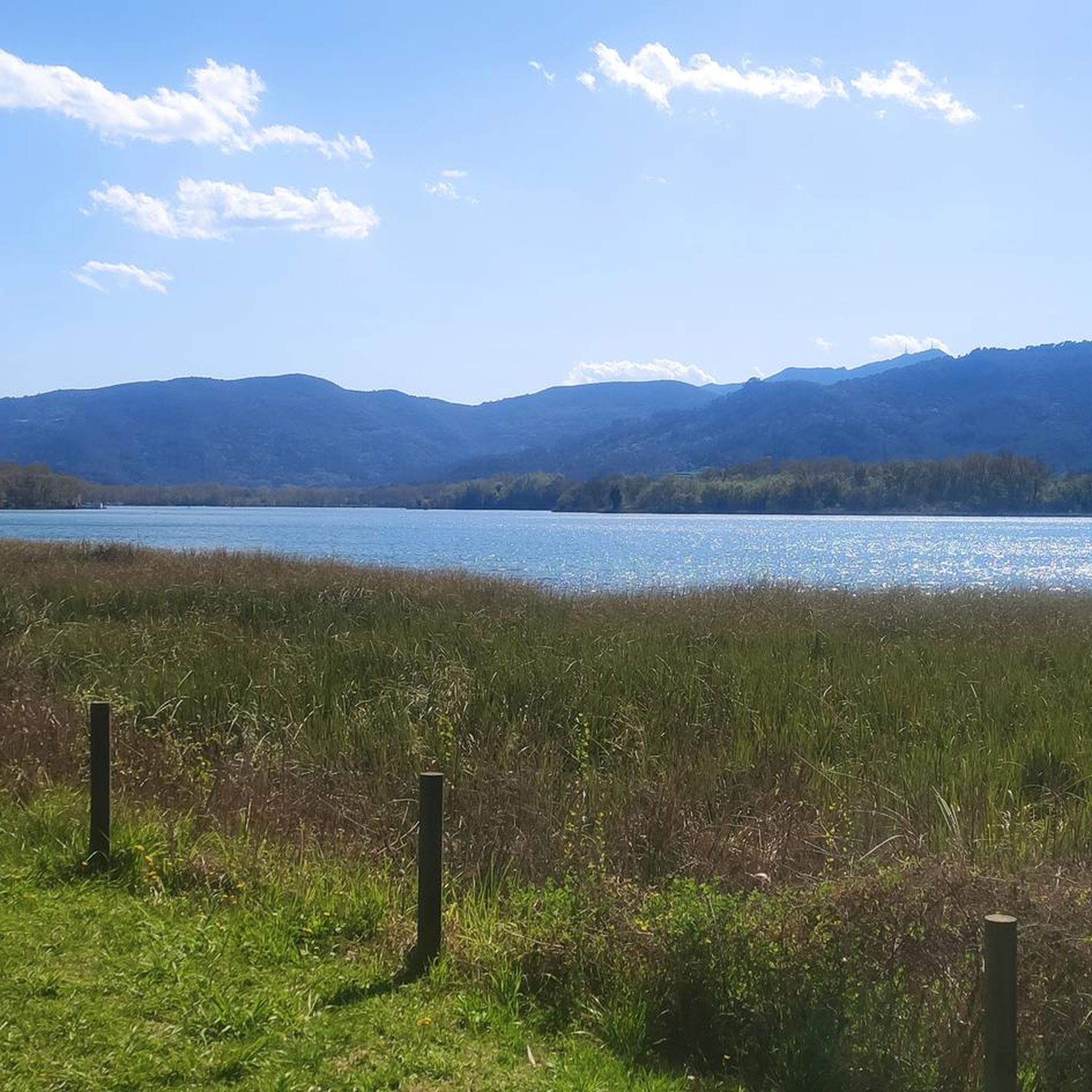
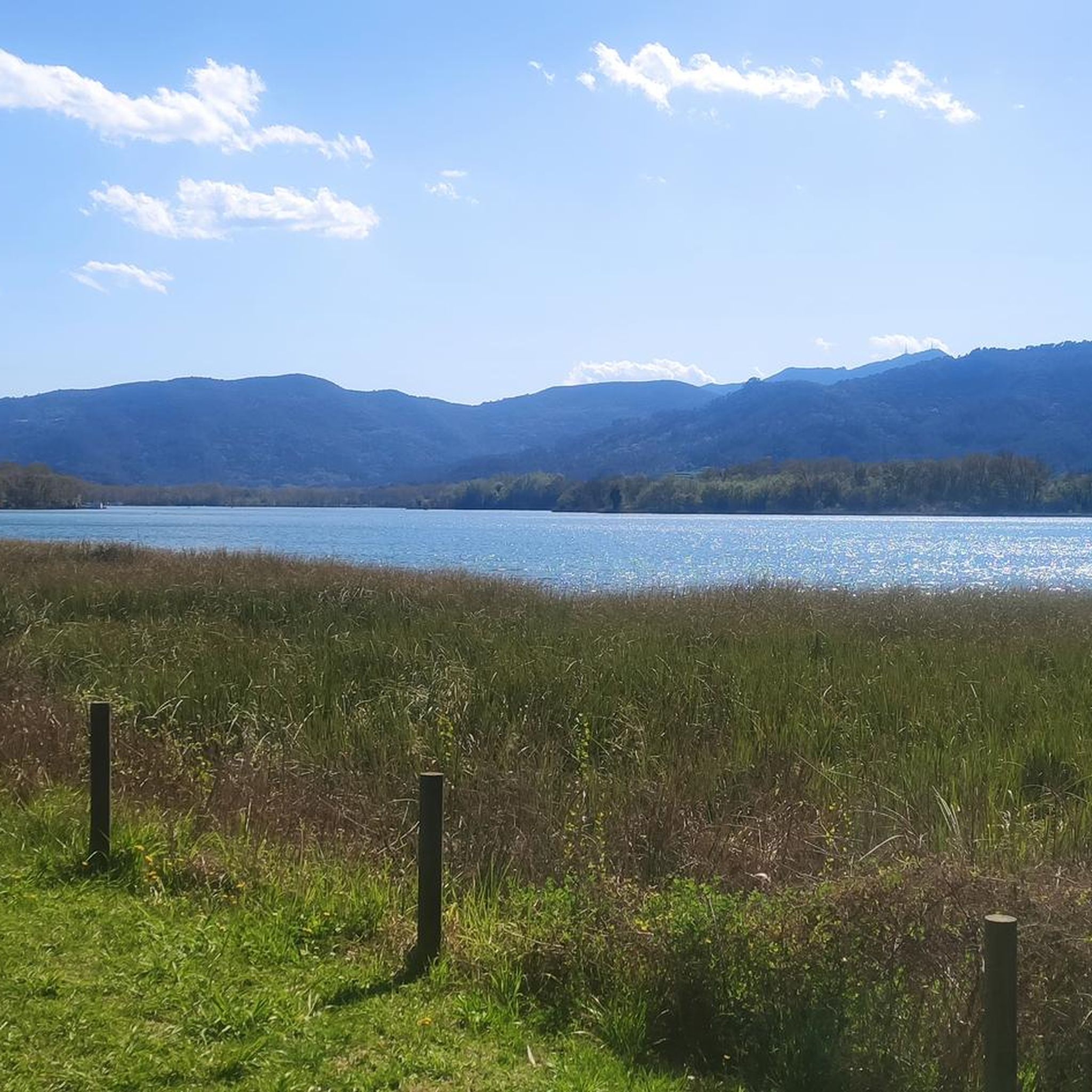
- The most popular natural monuments is Lake Banyoles, a lake that is the largest non-coastal pond in Catalonia, fed by natural springs. It is recognized as a Wetland of International Importance (Ramsar site) and a significant karstic complex.
- Another must-see spot is La Caseta de Fusta bathing area, Lake Banyoles, an approved swimming area. Visitors can expect pleasant water temperatures and a designated spot for lake access, as bathing is permitted only in approved areas for nature conservation.
- Visitors also love Camp de Baix Spring, a simple fountain where water exits through a metal tube. This spring is located in a humid area with lush vegetation, and its water flow depends on the season.
- Estany de Banyoles is known for its lakes, springs, and karstic formations. The area offers a variety of hydrological features and unique geological sites to see and explore.
- The natural monuments around Estany de Banyoles are appreciated by the komoot community, with over 400 upvotes and more than 100 photos shared.
Last updated: July 10, 2026
Lake Banyoles
Highlight • Lake
Translated by Google •
Tip by

Rector's Spring
Highlight • Natural Monument
Translated by Google •
Tip by

Sign up now to discover places like this
Get recommendations on the best single tracks, peaks, & plenty of other exciting outdoor places.
Sign up for free
Camp de Baix Spring
Highlight • Natural Monument
Translated by Google •
Tip by
La Caseta de Fusta bathing area, Lake Banyoles
Highlight • Beach
Translated by Google •
Tip by

Vilar Fountain
Highlight • Monument
Translated by Google •
Tip by
Start today with a free account
Your next adventure awaits.
Login or Signup
Popular around Estany de Banyoles
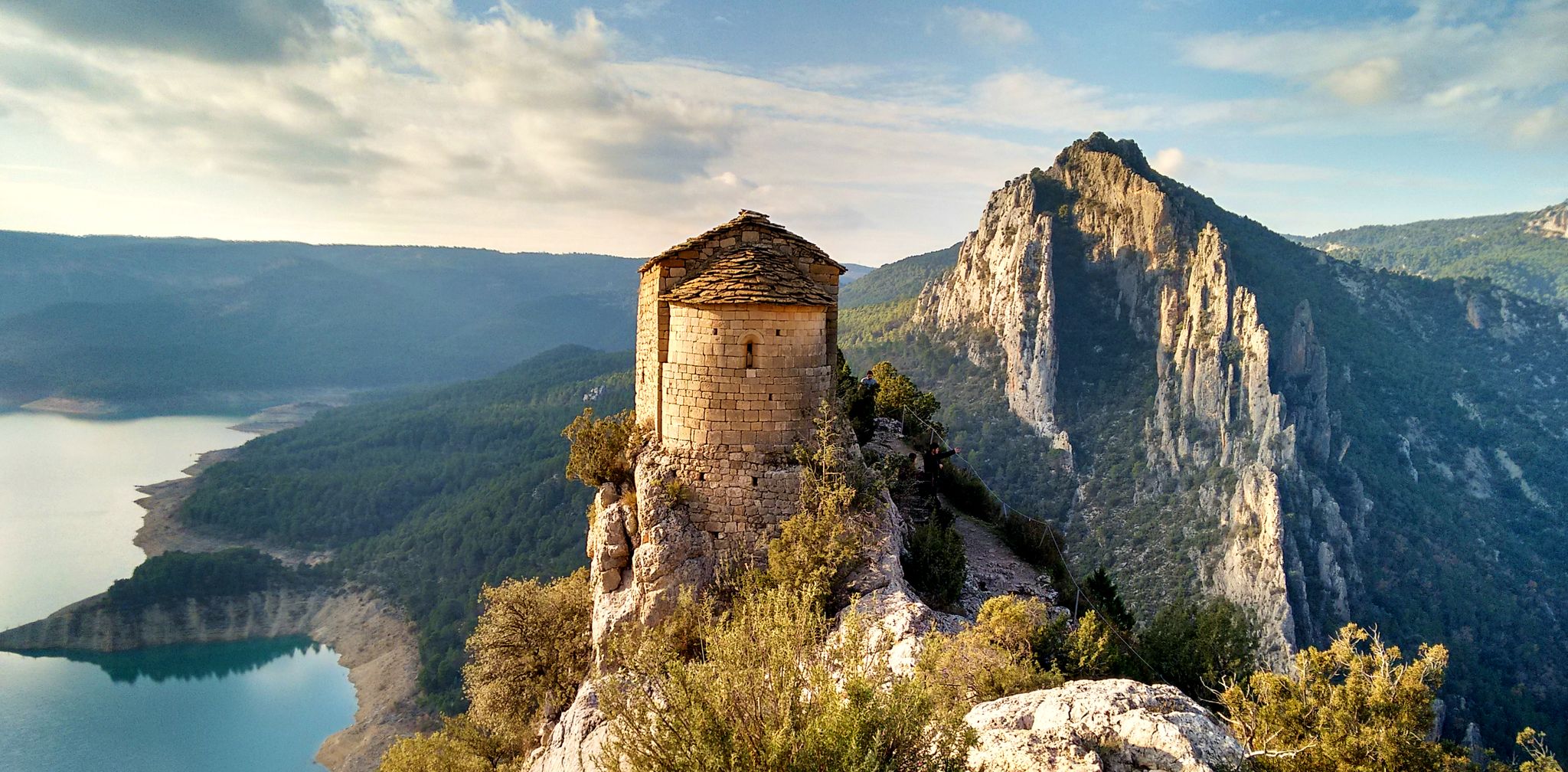
From the Mediterranean to the Pre-Pyrenees – Historical Path in Catalonia (GR 1)
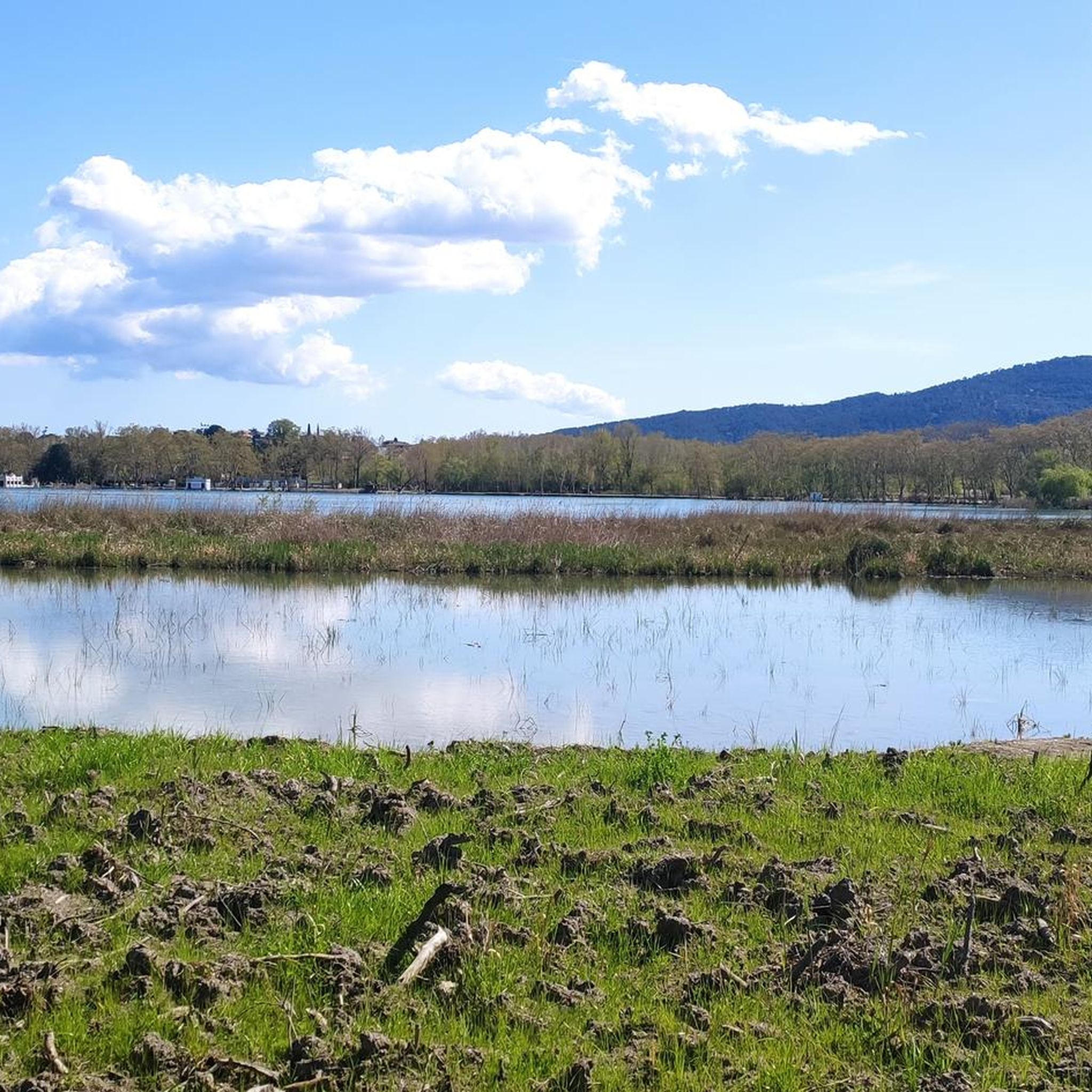
Road Cycling Routes around Estany de Banyoles
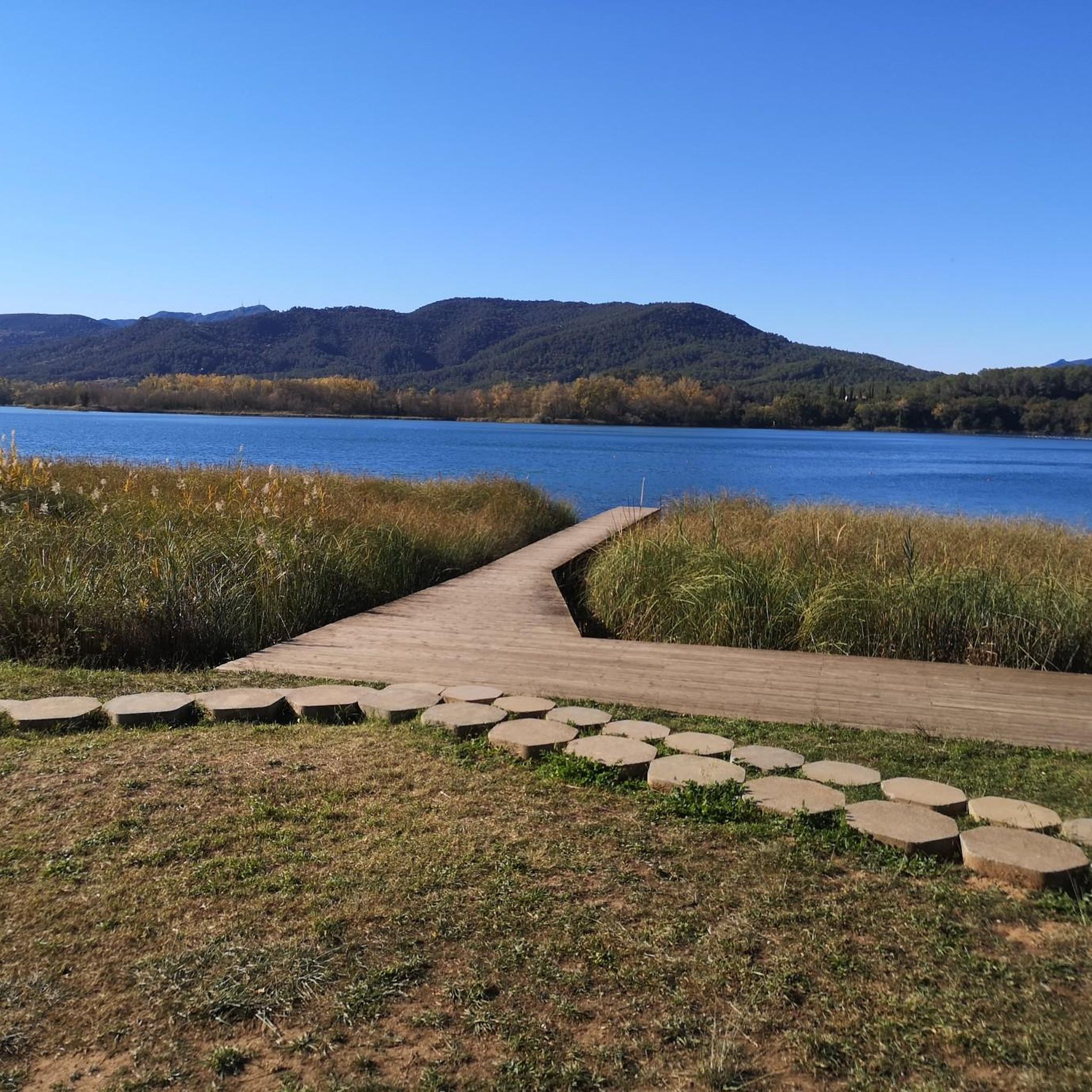
Cycling around Estany de Banyoles
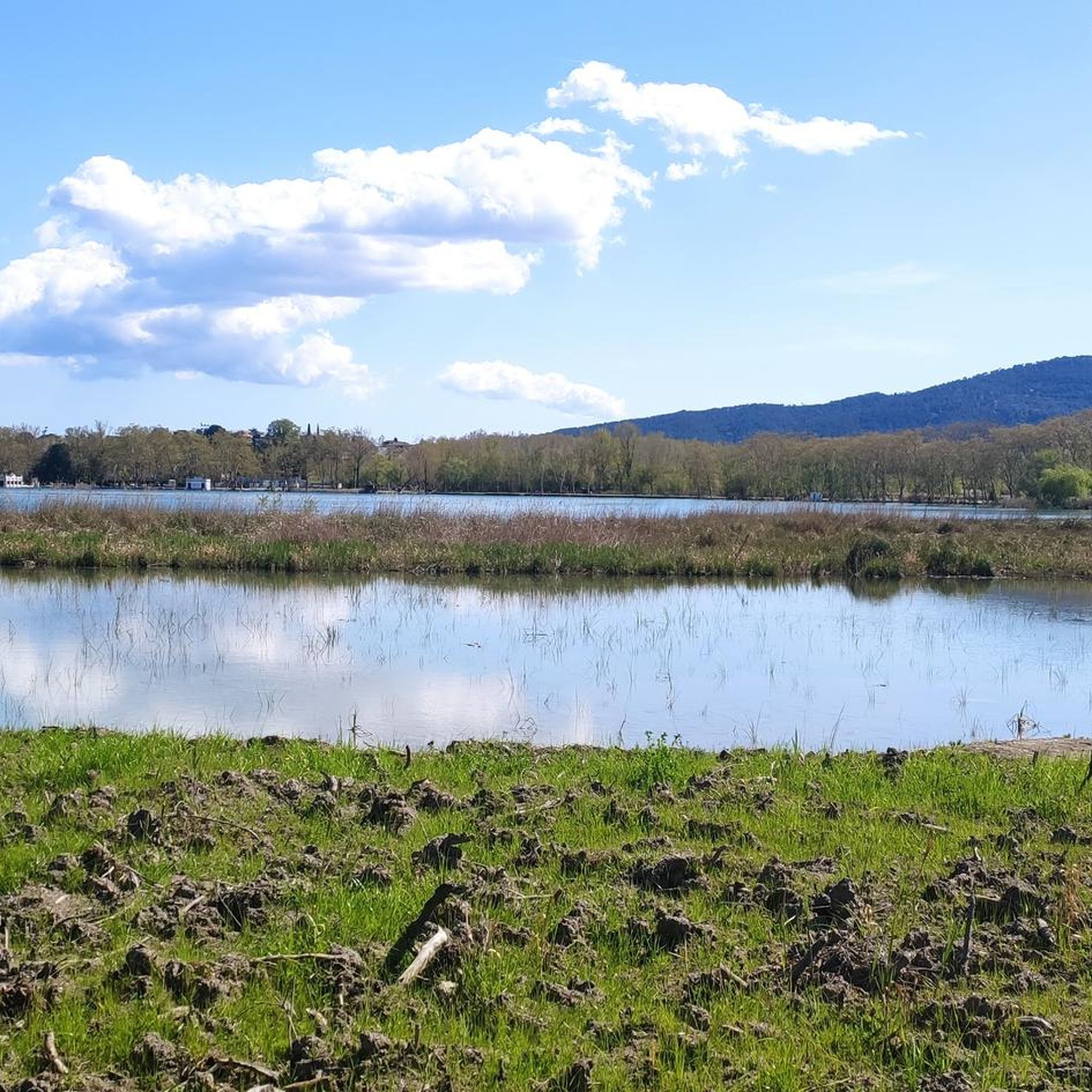
Hiking around Estany de Banyoles
MTB Trails around Estany de Banyoles
Running Trails around Estany de Banyoles

Gravel biking around Estany de Banyoles
Other adventures around Estany de Banyoles

Tips from the Community

Beautiful
0
1

The Vilar fountain... Fantastic and curious shape of the fountain ⛲... A door 🚪 that gives water 💧
0
1


Lots of cafes to choose from but I recommend Aquarium!
3
0

Best place to be. Wonderful mute in teh hole village
1
1

Lake Banyoles is the largest non-coastal pond, and whose water springs naturally, in Catalonia. The lake is a classic cycling destination in Girona, since one of the province's greenways reaches the town of Banyoles, and it also has a bike lane that allows you to go around the lake.
5
0

It will depend a lot on the time of year, whether you have water or not. Also, you may find that the pond rises in level flooding the fountain space or well, there is a lot of mud, so you is difficult to access. The Fountain set is very simple, the water exits through a metal tube located in the middle of the wall and above it there is a closed cistern ventilation window through a fence. It's a very beautiful place because of the vegetation in the area, as the Fountain is located so close to the lake, it gets very humid in certain seasons of the year.
0
1
Frequently Asked Questions
What are some of the most unique natural monuments to explore around Estany de Banyoles?
Beyond the main lake, you can discover fascinating sites like Rector's Spring, a simple fountain with a slight iron aftertaste, and Camp de Baix Spring, nestled in a humid area with lush vegetation. The region is also home to Les Estunes, known for its remarkable travertine formations and 'stone palaces' within a dense woodland, and the intermittent Clot d'Espolla, a karstic lake that fills dramatically after heavy rainfall.
Are there family-friendly natural monuments around Estany de Banyoles?
Yes, several natural monuments are suitable for families. Lake Banyoles itself is very family-friendly, offering tranquil walks and cycling paths. The La Caseta de Fusta bathing area provides a safe and approved spot for swimming. Both Rector's Spring and Vilar Fountain are easily accessible along the lake's pedestrian and cycling paths, making them pleasant stops for all ages.
What kind of natural features can I expect to see in the Estany de Banyoles area?
The area is rich in diverse natural features, primarily centered around its unique karstic hydrological system. You'll encounter the expansive Lake Banyoles, numerous natural springs like Rector's Spring and Font de la Puda (Font Pudosa) with its distinctive smell, and fascinating travertine formations at Les Estunes. The intermittent Clot d'Espolla showcases a unique karstic depression that transforms from a meadow to a lake.
What outdoor activities can I do near these natural monuments?
The region around Estany de Banyoles is excellent for various outdoor activities. You can enjoy cycling or walking around Lake Banyoles, with dedicated paths. For more adventurous cycling, explore the road cycling routes or MTB trails. There are also touring bicycle routes that allow you to discover the surrounding villages and natural beauty.
Are there any historical or cultural sites linked to the natural monuments?
Yes, the area beautifully blends natural and cultural heritage. The traditional 'pesqueres' (fishing huts) along the eastern shore of Lake Banyoles are recognized as a Cultural Asset of National Interest, offering insight into historical human interaction with the lake. Additionally, the Font de la Puda (Font Pudosa) was once the site of a 19th-century spa, and the La Draga Neolithic Park, an archaeological site on the lake's eastern shore, reveals how ancient communities lived within this significant wetland.
Where can I go swimming in Estany de Banyoles?
For nature conservation reasons, swimming in Lake Banyoles is only permitted in approved areas. The most popular spot is the La Caseta de Fusta bathing area, where the water is pleasantly warm and facilities are available.
What is the best time of year to visit the natural monuments around Estany de Banyoles?
The best time to visit depends on your interests. Spring and autumn offer pleasant temperatures for walking and cycling, with lush landscapes. Summer is ideal for swimming in Lake Banyoles, particularly at the La Caseta de Fusta bathing area. To witness the intermittent Clot d'Espolla filled with water, visit after significant rainfall, typically in late autumn or winter.
Are there any natural monuments with unique geological formations?
Absolutely. Les Estunes is particularly notable for its 'stone palaces' – intricate travertine formations, crevices, caves, and hollows formed from dissolved carbonate salts. The entire Lake Banyoles basin itself is recognized as the most extensive karstic complex on the Iberian Peninsula, making the region geologically significant.
What do visitors enjoy most about the natural monuments in this area?
Visitors frequently appreciate the tranquil atmosphere and scenic beauty of Lake Banyoles, often citing it as a classic cycling destination. The opportunity to swim in the lake at approved spots like La Caseta de Fusta is also highly valued. The unique character of the various springs, such as the iron-rich Rector's Spring, also adds to the appeal.
Can I find any hidden natural gems or less-known spots?
While many sites are well-known, exploring the paths around the lake can reveal charming, quieter spots. The Font de la Puda (Font Pudosa), with its strong-smelling water and historical spa remnants, offers a blend of natural curiosity and history off the main tourist routes. The intermittent Clot d'Espolla, when filled, is a spectacular and less frequently observed natural phenomenon.
Is it possible to spot wildlife near the natural monuments?
Yes, the area is rich in biodiversity. Lake Banyoles is a recognized Wetland of International Importance (Ramsar site), attracting diverse birdlife. The Clot d'Espolla is particularly significant for its unique fauna, including the primitive crustacean Triops cancriformis, and serves as an important breeding ground for amphibians.
Are there any natural monuments that are particularly good for viewpoints?
The eastern shore of Lake Banyoles, known as 'Front d'Estany,' offers picturesque walks and excellent views across the lake. The area around Los Desmayos, at the lake's southern end, is also particularly scenic. While not a specific monument, the entire perimeter of the lake provides numerous vantage points to appreciate the natural beauty.
Most popular routes around Estany de Banyoles
Most popular attractions around Estany de Banyoles

Get inspired with the komoot mobile app


Explore more
Extend your search for the best caves by checking out these guides of the top ones around Estany de Banyoles:
