Top 8 Natural Monuments around Lennebergwald
Best natural monuments around Lennebergwald are found within a significant natural area near Mainz, Germany, recognized as a protected nature reserve. The Lennebergwald features a unique Pleistocene dune landscape with sandy soil, supporting distinct steppe vegetation and diverse flora and fauna. Pine and oak forests characterize the area, adapted to the dry conditions. This environment serves as a refuge for rare and endangered species, making it a notable ecological destination.
Best natural monuments around Lennebergwald
- The most popular natural monuments…
Last updated: October 14, 2026
Mainzer Sand Part II Nature Reserve
Highlight • Natural Monument
Translated by Google •
Tip by

Seven ponds of the Lenneberg Forest
Highlight • Lake
Translated by Google •
Tip by

Sign up now to discover places like this
Get recommendations on the best single tracks, peaks, & plenty of other exciting outdoor places.
Translated by Google •
Tip by

Wooden spirit carvings in the Lenneberg Forest
Highlight • Structure
Translated by Google •
Tip by

Seven Ponds Project Lennebergwald
Highlight • Forest
Translated by Google •
Tip by

Sign up for free to discover even more natural monuments around Lennebergwald.
Already have an account?
Start today with a free account
Your next adventure awaits.
Tips from the Community

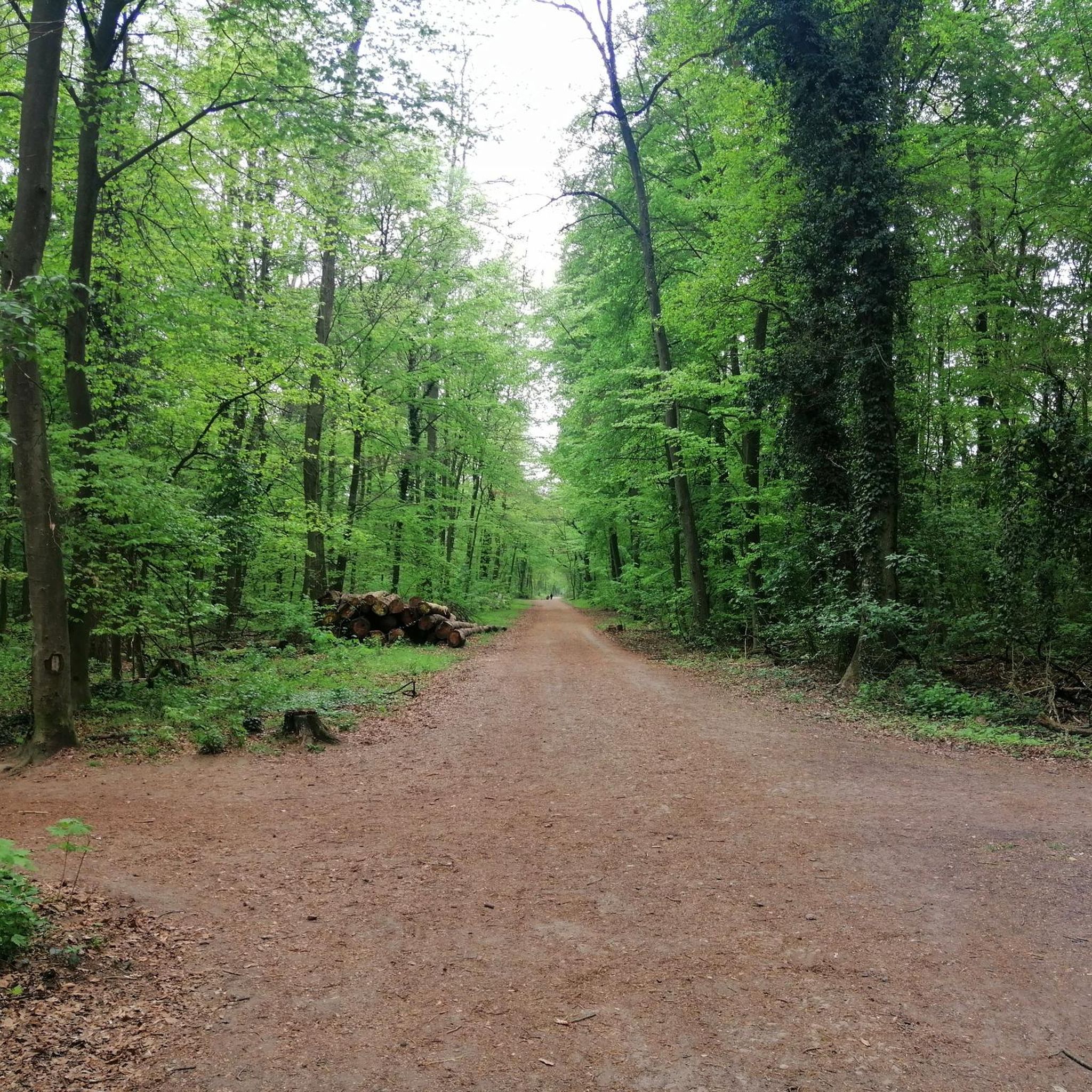
Today, the area is divided into strictly protected nature reserves and areas that are actively used for recreation and partly still for the training of armed forces. Zoning: Mainzer Sand Part I Großer Sand, highly protected and Mainzer Sand Part II partly still militarily overlaid training area
0
0

Information about its creation and the nature there: https://de.wikipedia.org/wiki/Gro%C3%9Fer_Sand There are also information trails. Info here: https://www.mainz.de/angebote-entdecken/gruenes-mainz/naherholung/mainzer-sand
1
0

A very idyllic setting
1
0

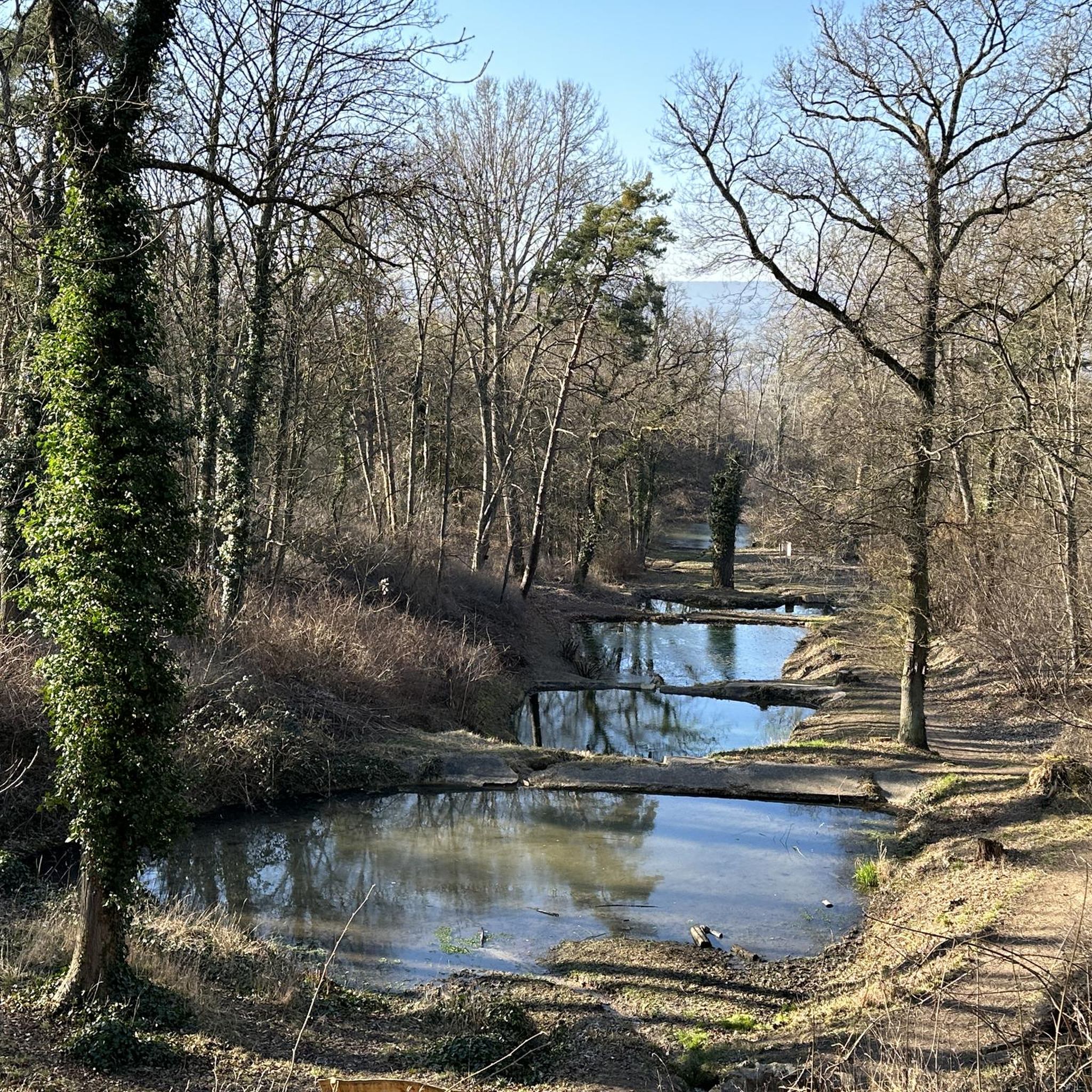
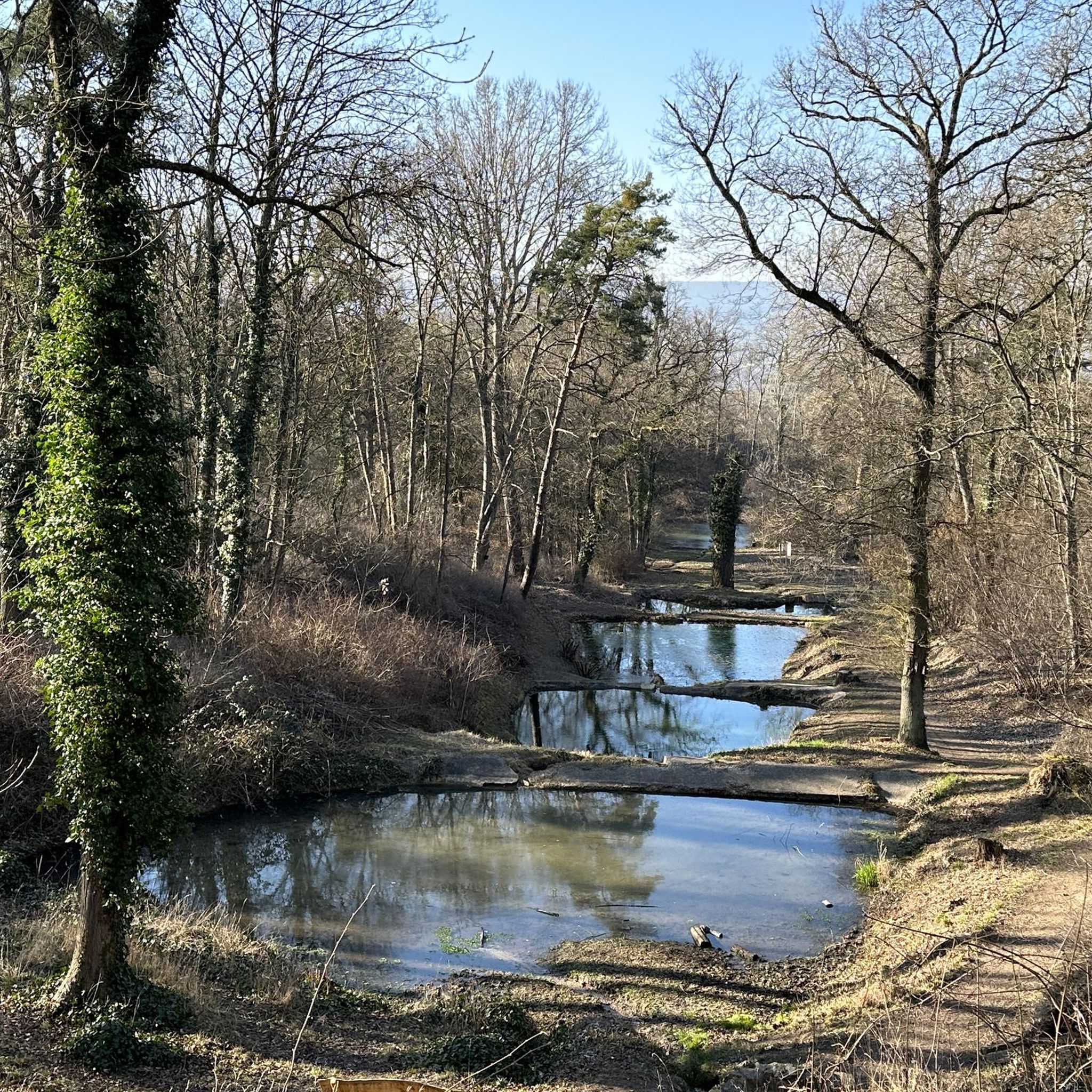
Through open terrain dotted with gnarled oaks and pines, we reach the Seven Ponds, which are arranged in a cascade. Benches invite you to linger here.
1
0

The "Mainzer Sand II" nature reserve was established in March 1997. Brief description: Calcareous sand area with open calcareous sand plains, dunes, pioneer sand vegetation, sandy heaths, fallow land, orchards, isolated trees, and old and dead wood; The Mainzer Sand landscape originated approximately 10,000 years ago and is therefore relatively young. Dunes formed from the windblown sand blown from the gravelly riverbed of the Rhine. The establishment of trees and shrubs stabilized these dunes, essentially completing their formation. The resulting landscape is very rare, as it consists of inland dunes.
1
0

The Seven Ponds Project. See my picture of the information board! Coming from above, you'd easily drive right past it. Look for the shelter; then you're in the right place.
0
0

A truly interesting nature reserve where the geological history is visible.
0
1

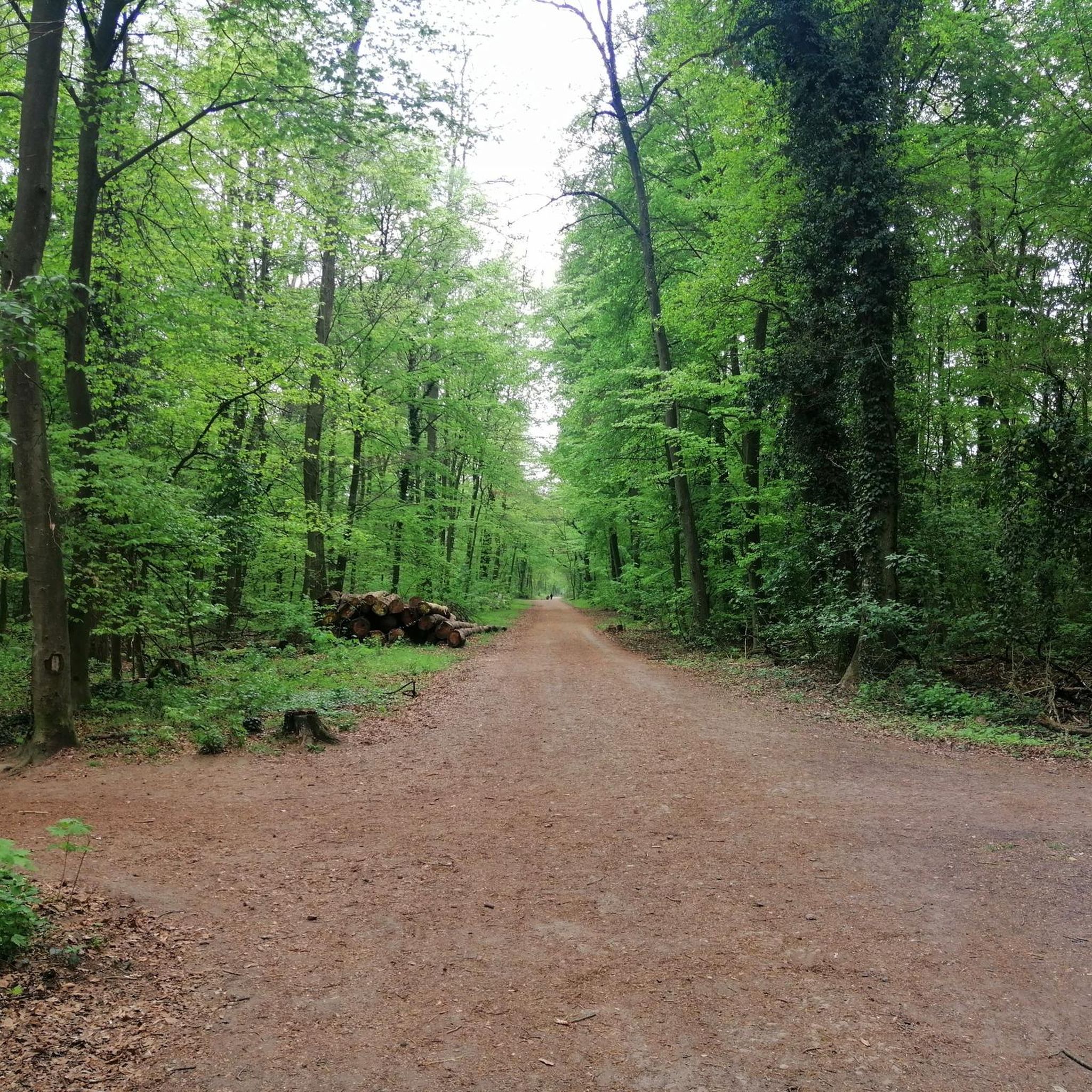
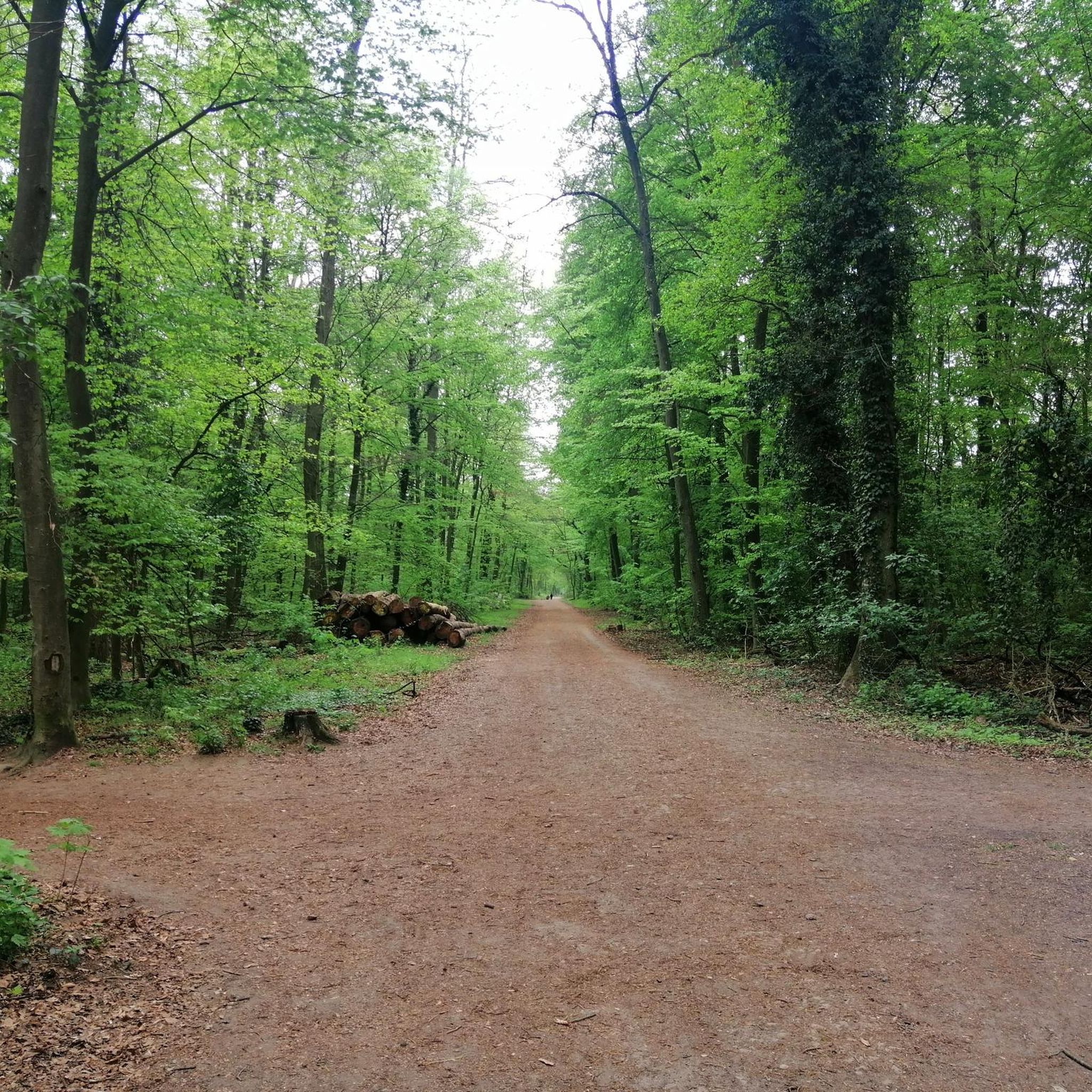
Beautifully designed path on which there are always beautiful wood carvings or huts 🛖… 😄
1
0
Frequently Asked Questions
What unique natural features can I explore in Lennebergwald?
The Lennebergwald is characterized by its unique Pleistocene dune landscape with sandy soil, which supports distinct steppe vegetation. You can observe diverse flora and fauna adapted to these dry conditions, including rare plants like pheasant's eye and pasque flower. The forest is primarily composed of pine and oak trees, creating a unique ecosystem.
Are there any specific natural monuments or points of interest within Lennebergwald?
Yes, beyond the forest itself, notable points of interest include the Mainzer Sand Part II Nature Reserve, known for its sandy landscape and pine trees. Another significant spot is The Seven Ponds (Sieben Weiher), an idyllic area that serves as important spawning grounds for amphibians. You might also encounter the 'Tree Gate at Lennebergwald' along some trails, a recognized natural monument.
What kind of wildlife can I expect to see in Lennebergwald?
Due to its unique steppe vegetation and protected status, Lennebergwald is a refuge for diverse and often rare species. The dry, sandy conditions support specific plants and insects, and the Seven Ponds area is particularly important for various amphibian species. Keep an eye out for the unique flora and fauna adapted to this distinct ecosystem.
What outdoor activities are popular around the natural monuments in Lennebergwald?
Lennebergwald is a popular recreational area with an extensive network of trails. You can enjoy hiking, jogging, Nordic walking, and mountain biking. The sandy subsoil makes for a pleasant surface even in wet weather. For specific routes, you can explore options like those found in the Hiking around Lennebergwald guide.
Are there family-friendly options for visiting the natural monuments?
Absolutely! Many areas within Lennebergwald are suitable for families. For instance, The Seven Ponds (Sieben Weiher) is considered family-friendly and offers a tranquil spot to observe nature. Additionally, the Wooden spirit carvings in the Lenneberg Forest provide an artistic and engaging element along the trails that children often enjoy.
Can I bring my dog to the Lennebergwald natural monuments?
Lennebergwald is generally dog-friendly, but it's important to be aware of regulations, especially in protected areas like the Mainzer Sand Part II Nature Reserve. While dogs are welcome, they should be kept on a leash, especially off designated paths, to protect the sensitive ecosystem and wildlife. Always check local signage for specific rules.
What is the best time of year to visit Lennebergwald?
The Lennebergwald offers beauty throughout the year. Spring brings blooming dry grassland plants and active amphibians around the ponds. Summer is great for hiking and cycling under the pine and oak canopy. Autumn showcases beautiful fall colors, and even in winter, the sandy trails provide a good surface for walks. The mild climate of the Upper Rhine Valley makes it accessible for most seasons.
Are there any viewpoints or scenic spots in Lennebergwald?
While Lennebergwald is more about its unique forest ecosystem than dramatic vistas, areas like The Seven Ponds offer idyllic and tranquil resting places. The distinct open canopy of the pine and oak forests also creates a pleasant, light-filled atmosphere throughout the trails.
Where can I find parking when visiting Lennebergwald?
As a popular local recreation area, there are various parking options available around the Lennebergwald, particularly at its edges and near popular trailheads. Specific parking areas are often indicated on local maps or navigation apps when searching for access points to the forest.
Are there cycling routes available in Lennebergwald?
Yes, Lennebergwald offers an extensive network of trails suitable for cycling. The sandy subsoil provides a good surface for mountain biking and touring. You can find various routes, including easy and moderate options, in the Cycling around Lennebergwald guide and the Road Cycling Routes around Lennebergwald guide.
What do visitors enjoy most about the Lennebergwald?
Visitors highly appreciate the Lennebergwald for its unique natural environment, diverse trails, and peaceful atmosphere. The distinct sandy landscape and steppe vegetation offer a different experience from typical German forests. The renaturalization efforts at the Seven Ponds and the artistic Wooden spirit carvings also add to the appeal, making it a beloved spot for local recreation.
Are there any cafes or amenities near the natural monuments in Lennebergwald?
While the Lennebergwald itself is a natural reserve, you'll find amenities, including cafes and restaurants, in the nearby towns and districts surrounding the forest, such as Gonsenheim and Budenheim. It's advisable to check local listings for options closest to your entry point.
Most popular routes around Lennebergwald
Most popular attractions around Lennebergwald

Get inspired with the komoot mobile app


Explore more
Extend your search for the best caves by checking out these guides of the top ones around Lennebergwald:
