Broich-Speldorfer Forest
Broich-Speldorfer Forest
Top 6 Natural Monuments around Broich-Speldorfer Forest
Best natural monuments around Broich-Speldorfer Forest include a large contiguous woodland spanning parts of Duisburg, Mülheim an der Ruhr, Ratingen, and Düsseldorf. This area features diverse natural elements, including protected waterways, forests, and lakes. The region is largely designated as a landscape protection area, offering ecological significance and opportunities for outdoor recreation. Specific natural features within and adjacent to the forest stand out as points of interest for nature enthusiasts.
Best natural monuments around Broich-Speldorfer Forest
- The most popular natural monuments is Bissingheimer Wäldchen Nature Reserve, a forest that is a small but ecologically valuable natural forest area within the Ruhr region. It is characterized by diverse flora, including oak, beech, and ash trees, along with shrubs and flowering undergrowth, creating a rich habitat for various species. This reserve offers a quiet retreat from urban life, with easily accessible paths for walks and opportunities for nature observation.
- Another must-see spot is Alder swamp in the Mülheim Forest, a forest area with a lowland aspect. This natural monument features a trail that was widened in early 2019, making it more accessible in various weather conditions.
- Visitors also love Ice Age Erratic Boulder, a natural monument that is a very large stone transported by glaciers during the ice ages. This boulder, approximately 100,000 years old, remained as an erratic block when the ice melted and the glacier retreated.
- Broich-Speldorfer Forest is known for its forests, rivers, and unique geological features. The area offers a variety of natural monuments to see and explore, from protected woodlands to ancient glacial remnants.
- The natural monuments around Broich-Speldorfer Forest are appreciated by the komoot community, with more than 80 upvotes and 15 photos shared.
Last updated: July 11, 2026
Bissingheimer Wäldchen Nature Reserve
Highlight (Segment) • Forest
It is a lowland area with quarry forest aspects that merge into birch-oak forest areas in drier sections, partly mixed with beeches in the south. The herb layer is characteristically dominated by ferns, especially bracken, and blackberries. Young wood, including maple, is quite dense in places. The quarry forest areas - already existing birch quarry sections and wet areas that are still developing, partly with dominant black alder - have previously become drier due to decades of drainage and are now rewetted by means of water accumulation, as a result of which the quarry forest vegetation spreads more strongly again.
An important structure of the area also consists of bomb craters, which have developed into forest ponds, and sometimes also into rivers. The central area consists of an extremely wet birch quarry with an extensive layer of peat moss, which emphasizes the area's particular need for protection. The rare and endangered forest vegetation and flora is well developed here and is in the process of further development, since drainage ditches have been deactivated by nature conservation measures.
The area is of great importance as a habitat for endangered plant and animal species. As part of the biotope network, the area is of outstanding importance as a stepping stone biotope. "
PARTICULARITIES
... the roller sedge
... the royal fern
... the green woodpecker and middle woodpecker
... the pied flycatcher
... bomb craters as forest pools or ravages ...
naturschutz.ruhr/duisburg-bissingheimer-waeldchen-nsg-du-010
nsg.naturschutzinformationen.nrw.de/nsg/de/fachinfo/gebiet/angebote/DU_010
Translated by Google •
Tip by

Ice Age Erratic Boulder
Highlight • Natural Monument
Translated by Google •
Tip by

Sign up now to discover places like this
Get recommendations on the best single tracks, peaks, & plenty of other exciting outdoor places.
Sign up for free
Alder swamp in the Mülheim Forest
Highlight • Forest
Translated by Google •
Tip by

Beech Dieback on the West Slope
Highlight • Forest
Along the way to Grossenbaumer Straße (at the duck catch)
A really sad sight 😩😢
Translated by Google •
Tip by

Sandbach in the forest – Kneipp spot
Highlight • River
Translated by Google •
Tip by

Start today with a free account
Your next adventure awaits.
Login or Signup
Popular around Broich-Speldorfer Forest
Tips from the Community


Bissingheimer Wäldchen Nature Reserve – A Green Refuge near Duisburg The Bissingheimer Wäldchen Nature Reserve is a small but valuable piece of nature in the Ruhr region near Duisburg. It is a near-natural woodland that provides diverse habitats for numerous plant and animal species, thus fulfilling an important ecological function. The Bissingheimer Wäldchen is characterized by its diverse flora: deciduous trees such as oaks, beeches, and ash trees dominate the landscape, complemented by shrubs and flowering undergrowth plants. This diversity creates an ideal habitat for birds, small mammals, and insects. Particularly noteworthy is the peace and seclusion that the grove offers despite its proximity to urban centers. Walking trails invite you to explore nature, listen to birdsong, and escape the stresses of everyday life. The area is protected to promote natural development and preserve biodiversity. Maintenance measures are limited to minimal intervention to preserve the natural dynamics. For visitors, the Bissingheimer Wäldchen offers a pleasant retreat with opportunities for nature observation and relaxation. The paths are easy to navigate and are suitable for walks and quiet excursions. Those seeking relaxation in a quiet, green woodland in the Ruhr region will find the Bissingheimer Wäldchen nature reserve a worthwhile destination away from large crowds.
0
0

So where is the highlight now? Please read the "Tips for creating meaningful highlights" in the Komoot help section.
0
0

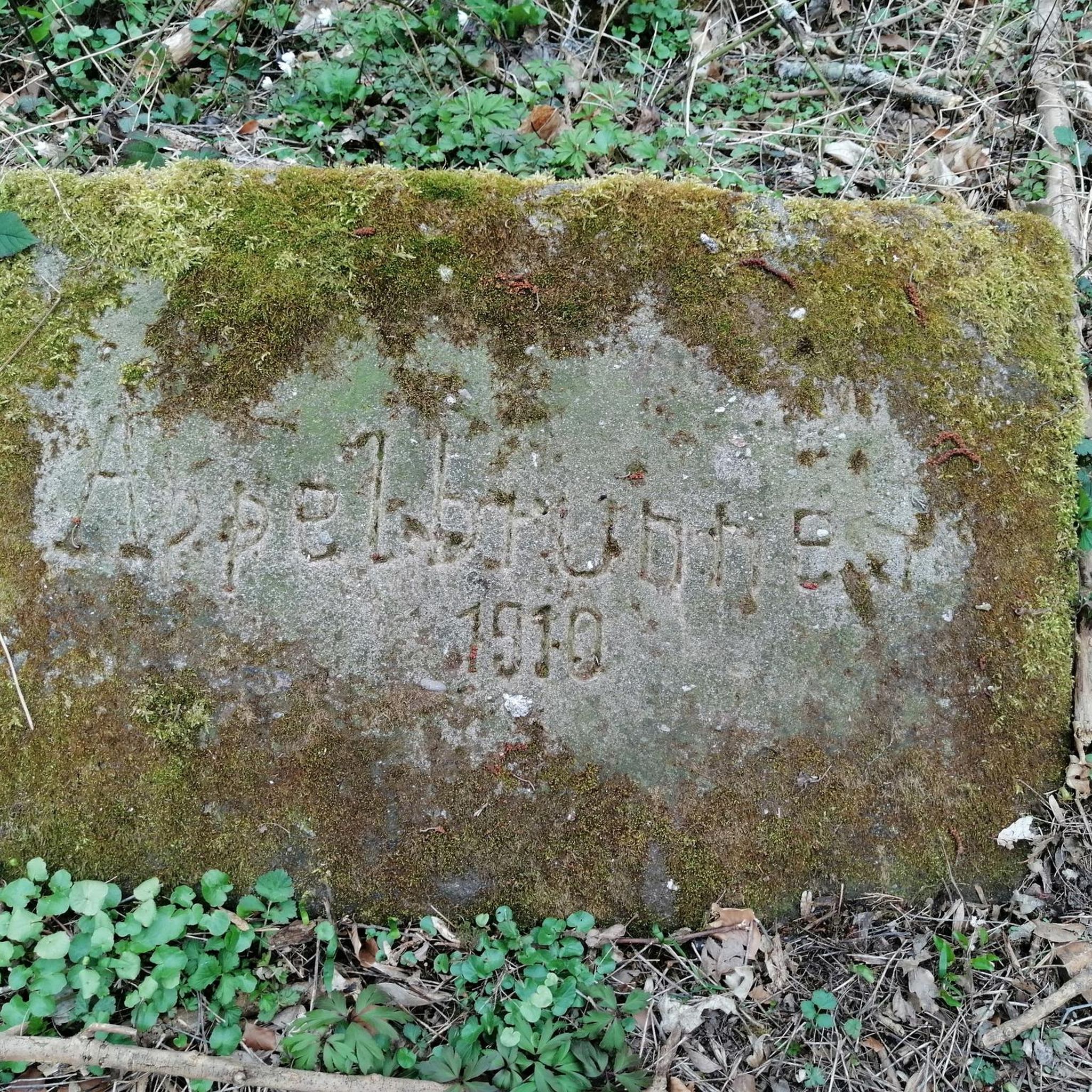
A boulder is a very large stone, usually lying alone, that was transported by glaciers during the ice ages and deposited at its current location. When the ice melted and the glacier retreated, such boulders remained as erratic blocks. Boulders are the most common form of erratic blocks. Geosciences draw the line between boulders and smaller drifts at a volume of one cubic meter. Boulders are a typical geological and geomorphological feature of landscapes worldwide that have been or are being formed by glaciers. In Europe, these are particularly the Scandinavian peninsula (including northern central and western Europe) and the glaciation area around the Alps. Source and link to the full article: https://de.wikipedia.org/wiki/Findling
0
0

100,000 year old boulder from the 3rd Ice Age
0
0

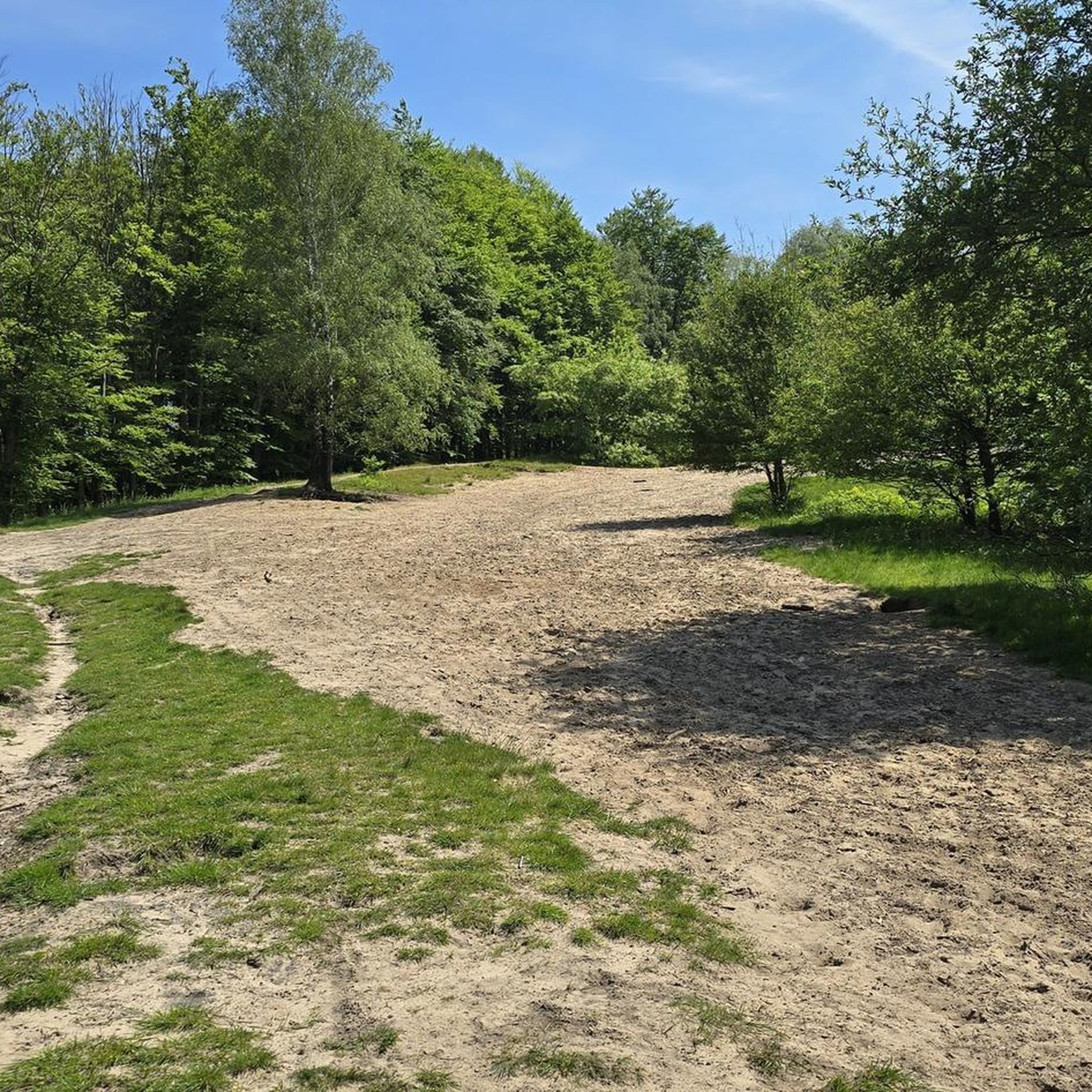
Narrow paths through the forest and small streams and ponds to the right and left.
2
0

"On the city limits of Mülheim located forest with approx. 9.29 hectares, which as the westernmost part of the large Duisburg-Mülheim forest borders on railway grounds and settlements and is separated from the actual Duisburg-Mülheim forest by the A3 motorway. It is a lowland area with quarry forest aspects that merge into birch-oak forest areas in drier sections, partly mixed with beeches in the south. The herb layer is characteristically dominated by ferns, especially bracken, and blackberries. Young wood, including maple, is quite dense in places. The quarry forest areas - already existing birch quarry sections and wet areas that are still developing, partly with dominant black alder - have previously become drier due to decades of drainage and are now rewetted by means of water accumulation, as a result of which the quarry forest vegetation spreads more strongly again. An important structure of the area also consists of bomb craters, which have developed into forest ponds, and sometimes also into rivers. The central area consists of an extremely wet birch quarry with an extensive layer of peat moss, which emphasizes the area's particular need for protection. The rare and endangered forest vegetation and flora is well developed here and is in the process of further development, since drainage ditches have been deactivated by nature conservation measures. The area is of great importance as a habitat for endangered plant and animal species. As part of the biotope network, the area is of outstanding importance as a stepping stone biotope. " PARTICULARITIES ... the roller sedge ... the royal fern ... the green woodpecker and middle woodpecker ... the pied flycatcher ... bomb craters as forest pools or ravages ... https://naturschutz.ruhr/duisburg-bissingheimer-waeldchen-nsg-du-010 http://nsg.naturschutzinformationen.nrw.de/nsg/de/fachinfo/gebiet/angebote/DU_010
3
0
The Duisburger Rundwanderweg ("DU") and the Mülheimer Rundwanderweg ("M") use the same section here in Erlenbruch and Uhlenhorst ...
1
0
Frequently Asked Questions
What are some of the most popular natural monuments around Broich-Speldorfer Forest?
Visitors frequently enjoy the Bissingheimer Wäldchen Nature Reserve, a valuable natural forest area known for its diverse flora and peaceful walking paths. Another popular spot is the Alder swamp in the Mülheim Forest, which offers a unique lowland forest experience with recently improved trails. The Ice Age Erratic Boulder also draws interest as a significant geological feature.
Are there family-friendly natural monuments in the Broich-Speldorfer Forest region?
Yes, several natural monuments are suitable for families. The Ice Age Erratic Boulder is an interesting stop for all ages, offering a glimpse into geological history. The Alder swamp in the Mülheim Forest has trails that were widened in early 2019, making them more accessible. Additionally, the Sandbach in the forest – Kneipp spot is a hidden gem where children can enjoy kicking in the sandy creek bed.
What kind of outdoor activities can I do near these natural monuments?
The region offers a variety of outdoor activities. You can find numerous cycling routes, including easy and moderate options like the 'Heltorf Castle Avenue – Heltorf Castle loop' or the 'Panorama Cycle Path Niederbergbahn – Angerbach Stream loop'. For hikers, there are easy waterfall hikes such as the 'Sedanwiese – Duisburg Zoo loop'. Mountain biking enthusiasts can explore trails like the 'Bridge Over the Wambach – Linnep Castle loop'. You can find more details on these activities in the respective guides for cycling, hiking, and MTB trails around Broich-Speldorfer Forest.
Are there any unique geological features to explore?
Absolutely. The most prominent geological feature is the Ice Age Erratic Boulder, a very large stone transported by glaciers during the ice ages. This approximately 100,000-year-old boulder remained as an erratic block when the ice melted, offering a tangible connection to the region's ancient past.
What natural water features can be found in the Broich-Speldorfer Forest area?
The region is rich in water features. The Wambach, a meandering stream, flows through the forest and empties into the serene Entenfang Lake, both part of a nature reserve. The Böllertsee, within the Sechs-Seen-Platte recreation area, also borders the forest and has protected southern shores. Additionally, the Sandbach in the forest – Kneipp spot provides a pleasant, hidden stream environment.
Are there any historical or cultural natural monuments in the area?
While primarily focused on natural beauty, the region does have a site with historical significance. The Heiliger Brunnen (Holy Spring), also known as 'Marienquelle,' is located in the nearby Duisburg Stadtwald. First mentioned in 1563, it was once believed to possess healing powers. Although the water is not potable today, the spring and its stone-lined surroundings offer a glimpse into local folklore and history amidst a natural setting.
What do visitors enjoy most about the natural monuments around Broich-Speldorfer Forest?
Visitors appreciate the tranquility and natural beauty. For instance, the Bissingheimer Wäldchen Nature Reserve is valued as a quiet retreat from urban life, with easily accessible paths for nature observation. The Sandbach in the forest – Kneipp spot is praised as a 'nice hidden spot' for relaxation. The overall appeal lies in the blend of ecological significance, scenic beauty, and opportunities for outdoor recreation.
What is the best time of year to visit the natural monuments?
The Broich-Speldorfer Forest region offers beauty throughout the year. Spring and autumn are particularly pleasant for walking and cycling, with vibrant foliage or blooming flora. Summer provides lush greenery and opportunities to enjoy the lakes. Even in winter, the forest can be beautiful for quiet walks, though some trails might be muddier.
Are the natural monuments dog-friendly?
Many areas within the Broich-Speldorfer Forest and its natural monuments are dog-friendly, especially on designated trails. For example, the Bissingheimer Wäldchen Nature Reserve has paths suitable for walks with dogs. It's always recommended to keep dogs on a leash, especially in nature reserves, to protect local wildlife and ensure a pleasant experience for all visitors.
How can I access the natural monuments by public transport?
The Broich-Speldorfer Forest region is generally well-connected. Public transport options, including buses and regional trains, serve areas around Duisburg and Mülheim an der Ruhr, which border the forest. Specific access points to natural monuments like the Wambach and Entenfang Lake or the Bissingheimer Wäldchen can often be reached via local bus routes from these larger urban centers. It's advisable to check local transport schedules for the most direct routes to your chosen destination.
Are there any 'hidden' natural monuments or lesser-known spots?
Beyond the more prominent sites, the region holds several quieter spots. The Sandbach in the forest – Kneipp spot is described as a 'nice hidden spot' where you can enjoy the sandy creek bed. The Beech Dieback on the West Slope, while a somber sight, offers a unique perspective on natural processes and forest health, away from typical tourist paths.
What should I wear when visiting the natural monuments?
Comfortable walking shoes are essential, as many areas involve trails and uneven terrain. Depending on the season, layers of clothing are recommended. In wetter conditions, waterproof outerwear and sturdy footwear are advisable, especially for areas like the Alder swamp in the Mülheim Forest, even with improved paths. Sun protection is also important during warmer months.
Most popular routes around Broich-Speldorfer Forest
Most popular attractions around Broich-Speldorfer Forest

Get inspired with the komoot mobile app


Explore more
Extend your search for the best caves by checking out these guides of the top ones around Broich-Speldorfer Forest:
