Top 16 Natural Monuments around Rammert
Best natural monuments around Rammert are found within a protected forested hill range in central Baden-Württemberg, Germany. This region is recognized for its ecological value, designated as a landscape protection area, an EU bird sanctuary, and a Flora-Fauna-Habitat area. The Rammert features biodiverse mixed forests, primarily oak and beech, providing habitat for various species including protected birds and bats. It offers recreational opportunities such as hiking and cycling, with trails connecting towns like Rottenburg and Tübingen.
Best natural monuments around…
Last updated: October 1, 2026
Jesuitenbrünnele
Highlight • Natural Monument
Translated by Google •
Tip by

Schilling's Giant Sequoia
Highlight • Natural Monument
Translated by Google •
Tip by

Sign up now to discover places like this
Get recommendations on the best single tracks, peaks, & plenty of other exciting outdoor places.
Erlenrainbrunnen Water Fountain
Highlight • Natural Monument
Translated by Google •
Tip by

View of Dettingen and Hohenzollern Castle from Rappenberg
Highlight • Viewpoint
Translated by Google •
Tip by

Rammert Fir
Highlight • Natural Monument
Showing Translation
Tip by
Sign up for free to discover even more natural monuments around Rammert.
Already have an account?
Start today with a free account
Your next adventure awaits.
Other adventures around Rammert

Tips from the Community

Unfortunately, the tree is no longer in the best condition.
0
0

Large wooden well with drinking water, fed directly from the nearby spring via two inlets.
3
0
Over 150-year-old fir tree with a trunk diameter of more than one meter, which was named Tree of the Year in 2004.
3
0

Natural Monument Rammert Fir 🌲 - "Buchles Fir" - Buchrainstraße 🏞 - LSG Rauher Rammert 🌲🌳🌲 - Tübingen District Information panel - Rammert Fir 🌲 - Approx. 140 years old - Height: 37 m - Trunk diameter: 1.10 m - Timber volume: 14.4 m³ - Tree of the Year 2004
0
0
Erlenrainbrunnen ⛲ - Roundwood trough fountain ⛲ - Near wild boar enclosure 🐗 - Rammert 🌲🏞🌳
1
0
Schillings Giant Sequoia 🌲 - At the Dünnbach-Hütte - Shelter with barbecue and rest area - Rammert 🌲🏞🌳 Information board: Schillings Giant Sequoia This Giant Sequoia (Seqoiadendron geganteum) was brought back from Yosemite National Park in the Sierra Nevada / California by Forestry Director Ottmar Schilling (Head of Forestry Office in Rottenburg am Neckar from 1966-1995) as seeds in a wooden pot on the occasion of a forestry study trip through the USA in 1964 and germinated by his wife on the windowsill in the same year. Due to family moves, the seedling was dug up several times in the garden and finally planted in this meadow in 1978 as a 14-year-old, approx. 3-meter-high sapling with a root ball. The initial difficulties in growth could be overcome with loving care by the responsible forest rangers and forest workers. District Forestry Office Tübingen
2
0
A small, stone-encased fountain near a bench, accessible via a small set of steps. Originally dating from the 17th century, the fountain was restored by Alfred Lohmüller in 1959.
7
0

Frequently Asked Questions
What makes the Rammert region a natural monument?
The Rammert is recognized as a natural monument primarily for its extensive ecological value and protected status. It's designated as a landscape protection area, an EU bird sanctuary, and a Flora-Fauna-Habitat (FFH) area. Its biodiverse mixed forests, predominantly oak and beech, provide a crucial habitat for a wide array of protected species, including various birds and bats, making it a significant area for conservation rather than for individual dramatic geological features.
What kind of wildlife can I expect to see in the Rammert?
The Rammert is home to a high density of strictly protected species. Visitors might spot several breeding pairs of birds sensitive to wind power, such as the Red Kite, Black Kite, and Black Stork. The area also hosts over 15 species of bats and various protected amphibians, making it a rich environment for wildlife observation.
Are there any unique trees or specific natural features to look out for?
Yes, the Rammert is known for its unique trees. You can find Buchles Fir, a notable tree standing 35 meters tall with a circumference of 3.33 meters. Another impressive specimen is Schilling's Giant Sequoia, a beautiful and large tree planted in 1978.
What are some popular viewpoints in the Rammert?
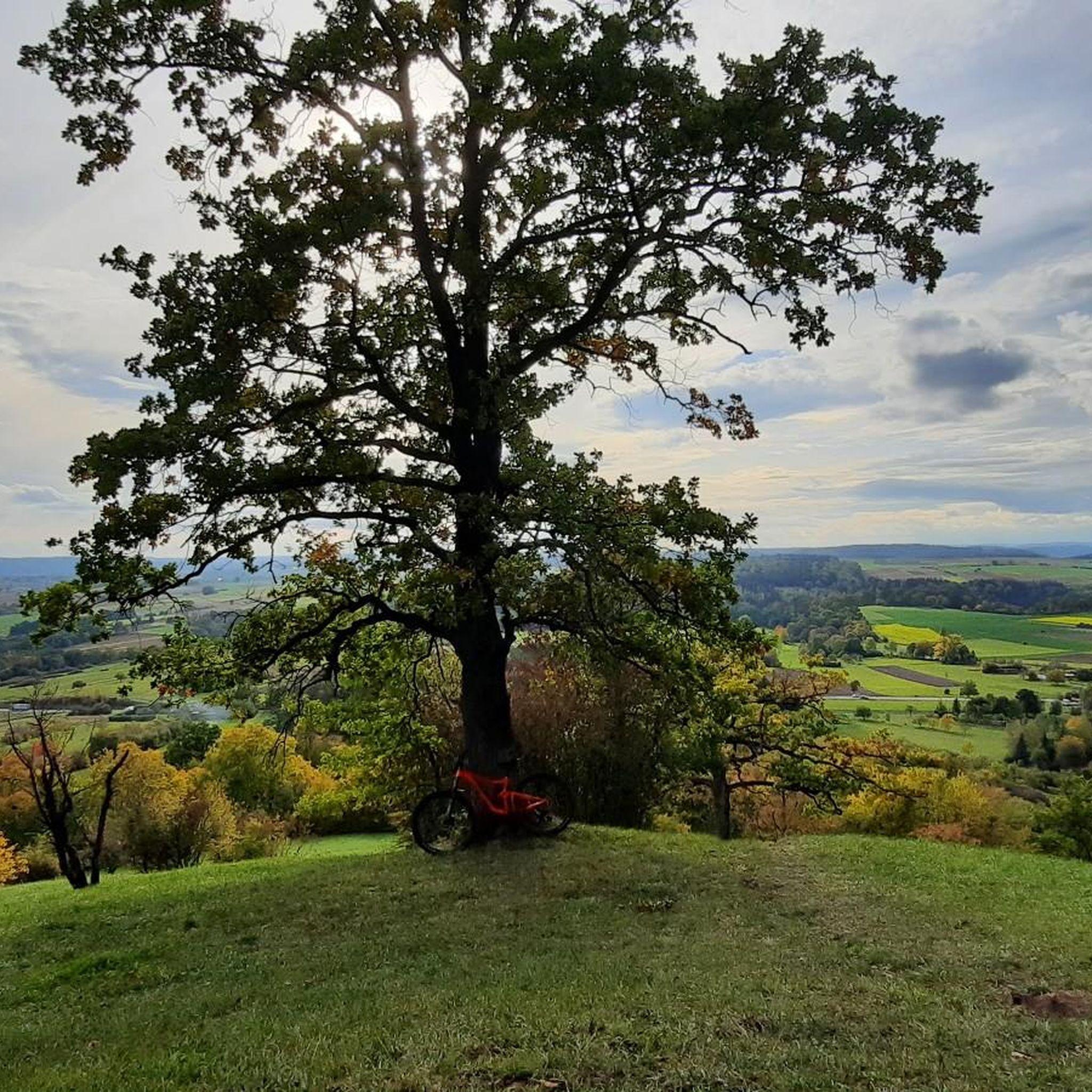
A highly recommended viewpoint is the View of Dettingen and Hohenzollern Castle from Rappenberg. This spot offers expansive vistas of the Swabian Alb and Hohenzollern Castle, and is particularly popular for enjoying sunsets.
What outdoor activities are popular around the Rammert's natural monuments?
The Rammert offers a variety of outdoor activities. You can enjoy extensive hiking, Nordic walking, cycling, and gravel biking. There are well-marked trails that connect towns like Rottenburg and Tübingen, allowing visitors to immerse themselves in the natural beauty. For more detailed routes, you can explore guides for hiking, cycling, and gravel biking around Rammert.
Are there hiking trails suitable for different skill levels in the Rammert?
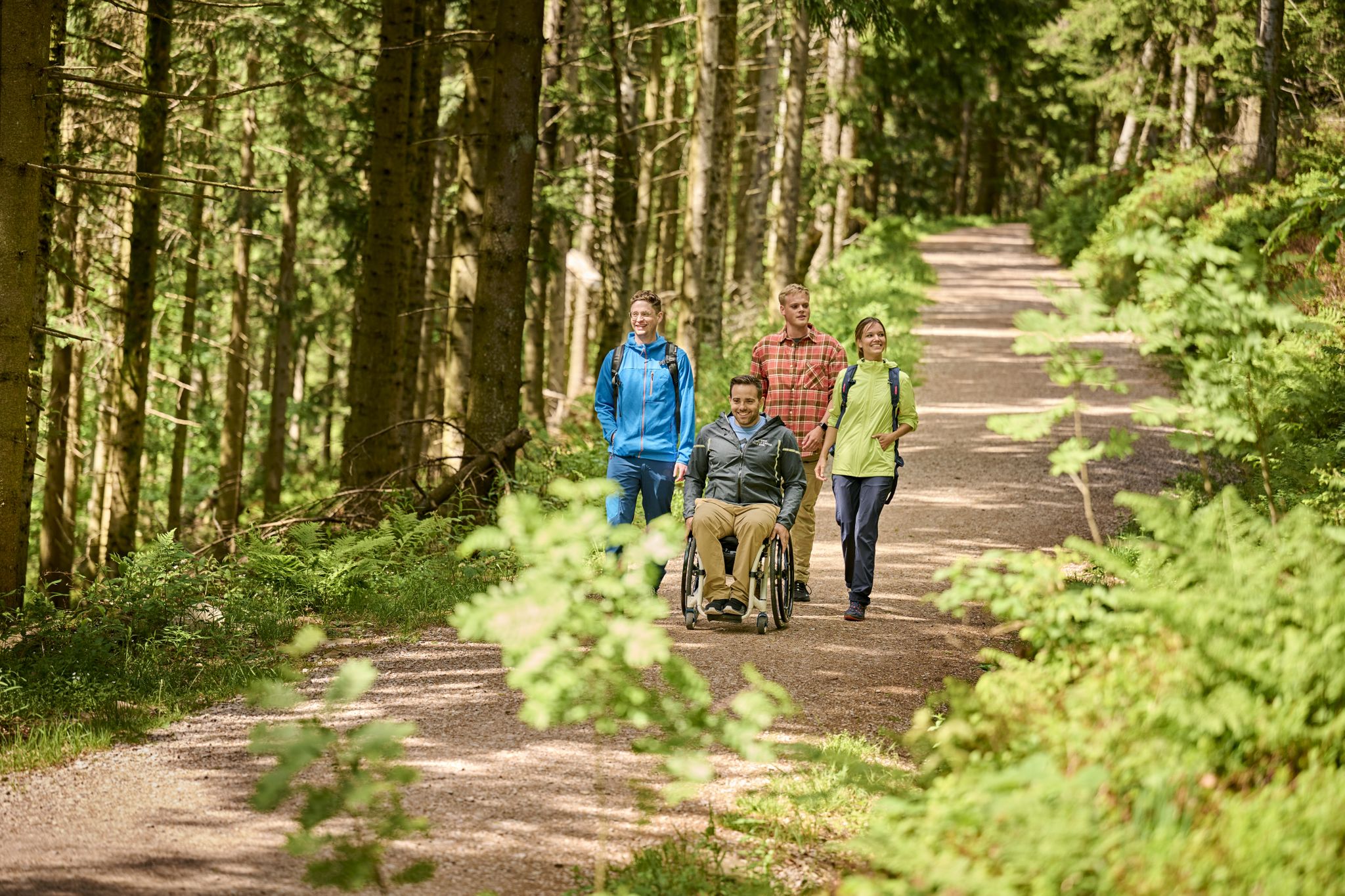
Yes, the Rammert features hiking trails for various skill levels. You can find easy routes like 'Über den Golfplatz – Barrierearme Wanderungen in BaWü' (4.7 km) or 'Klara Lake – Maisenhard Hut loop from Ohnhalde-Hütte' (6.0 km). For more moderate challenges, consider 'Wolf Gorge – Katzenbach Valley loop from Rappenberg' (12.4 km) or 'Rammert Forest Fitness Trail – Observation Tower loop from Rappenberg' (3.3 km). You can find more options in the hiking guide for Rammert.
What is the best time of year to visit the natural monuments in the Rammert?
The Rammert is beautiful year-round, but each season offers a different experience. Spring brings lush greenery and blooming flora, while summer is ideal for long hikes and cycling. Autumn is particularly stunning with vibrant fall colors throughout the mixed forests. Even winter offers tranquil walks, especially after a fresh snowfall.
Are the natural monuments in the Rammert family-friendly?
Many natural monuments and trails in the Rammert are family-friendly. Highlights like Jesuitenbrünnele, Schilling's Giant Sequoia, and Buchles Fir are easily accessible and offer pleasant spots for families to visit. The recreational value of the Rammert, with its well-marked trails, makes it suitable for family outings.
Can I bring my dog on trails around the Rammert's natural monuments?
Yes, the Rammert is generally dog-friendly, and many trails are suitable for walks with your canine companion. However, as it is a protected area and home to sensitive wildlife, it's always advisable to keep dogs on a leash, especially during breeding seasons, and to respect local signage regarding dog regulations.
Are there parking facilities or public transport options to reach the Rammert?
The Rammert is accessible, and there are various parking areas available for hikers and visitors, particularly near trailheads and popular starting points for recreational activities. Public transport options also connect nearby towns like Rottenburg and Tübingen to the Rammert, allowing access to different parts of the forest.
Are permits required for hiking or exploring the Rammert?
No, general permits are not required for hiking or exploring the Rammert. As a landscape protection area and recreational zone, it is open to the public for activities like hiking, Nordic walking, and cycling. However, visitors are expected to respect the natural environment and adhere to any posted regulations, especially concerning wildlife protection.
Are there places to eat or stay near the Rammert natural monuments?
While the Rammert itself is a natural forested area, the surrounding towns and villages, such as Tübingen and Rottenburg am Neckar, offer various options for accommodation, cafes, pubs, and restaurants. These nearby communities provide convenient bases for exploring the natural monuments of the Rammert.
What do visitors particularly enjoy about the natural monuments in the Rammert?
Visitors frequently appreciate the tranquility and natural beauty of the Rammert. Specific highlights like the Jesuitenbrünnele are valued as quiet resting spots. The View of Dettingen and Hohenzollern Castle from Rappenberg is loved for its fantastic panoramic views, especially at sunset. Many also enjoy discovering the unique, ancient trees and the overall immersive forest experience.
Most popular routes around Rammert
Most popular attractions around Rammert

Get inspired with the komoot mobile app


Explore more
Extend your search for the best caves by checking out these guides of the top ones around Rammert:
