Top 5 Natural Monuments around Aletschwald
Best natural monuments around Aletschwald are located within the Jungfrau-Aletsch UNESCO World Heritage Site, offering a unique subalpine forest ecosystem. This region is characterized by ancient Swiss stone pines, some over 1,000 years old, and provides panoramic views of the Great Aletsch Glacier, the longest glacier in the Alps. The Aletschwald itself functions as a vital protective forest, safeguarding the region from erosion and avalanches, and is crucial for preserving biodiversity. Visitors can experience the serene beauty of its ancient…
Last updated: June 27, 2026
Hohfluh View Point
Highlight • Viewpoint
Showing Translation
Tip by

Aletschwald Nature Trail
Highlight • Trail
Showing Translation
Tip by

Sign up now to discover places like this
Get recommendations on the best single tracks, peaks, & plenty of other exciting outdoor places.
Sign up for free
Aletsch Forest Nature Reserve
Highlight • Forest
Translated by Google •
Tip by

Silbersand Stone Labyrinth
Highlight • Structure
Translated by Google •
Tip by
View of the Aletsch Glacier from the Aletschwald Moraines Trail
Highlight (Segment) • Viewpoint
Showing Translation
Tip by

Sign up for free to discover even more natural monuments around Aletschwald.
Sign up for free
Already have an account?
Start today with a free account
Your next adventure awaits.
Login or Signup
Popular around Aletschwald

Other adventures around Aletschwald

Tips from the Community

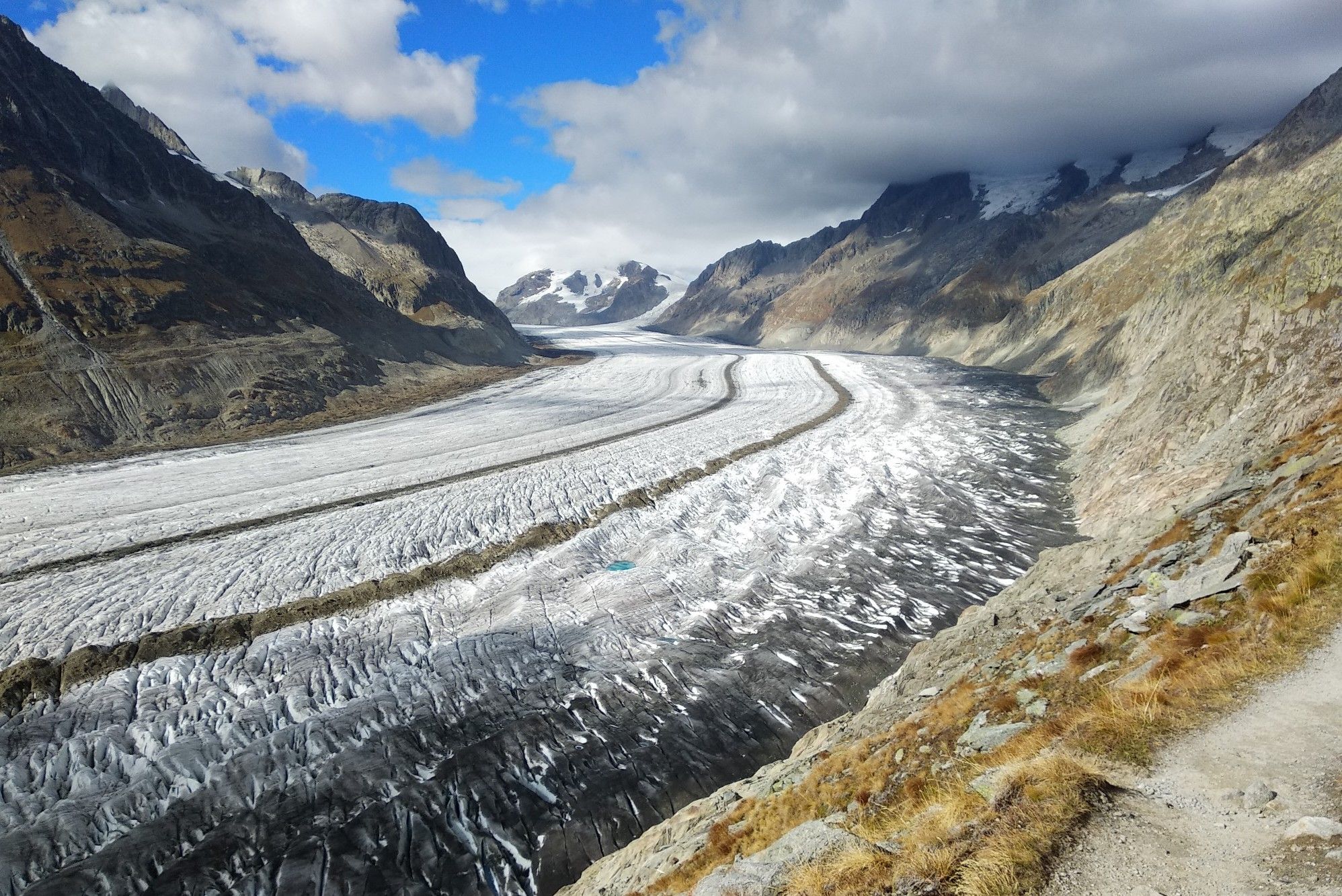
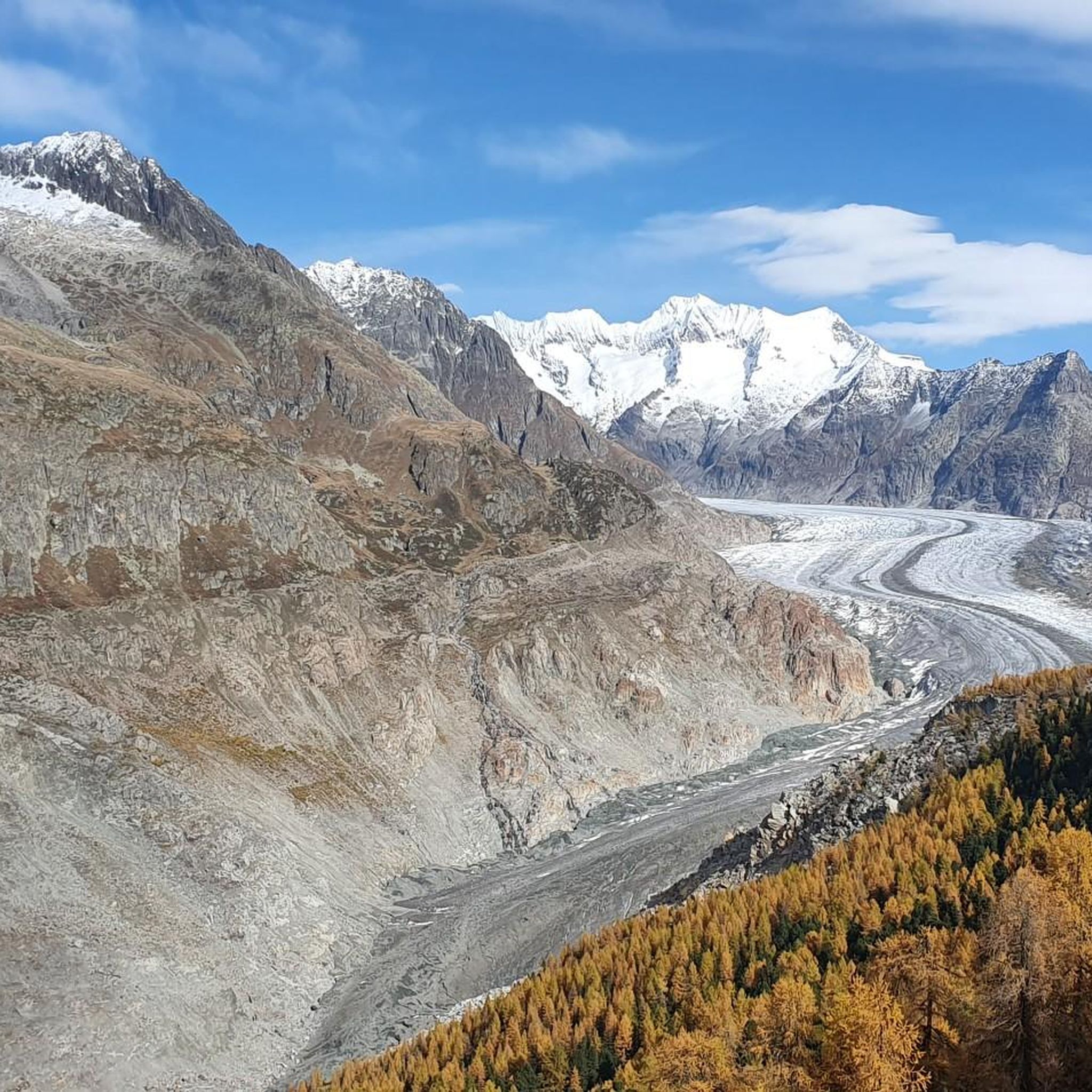
At 2227 meters, the Hohfluh offers a particularly impressive view of the Great Aletsch Glacier. From the platform, you can easily see the curved ice flows. An information pillar with "Gletschis Pfad" makes the stop exciting for families as well.
0
0

The hiking trail is also groomed and open in winter
13
0


It is also worth heading south to Italy and west into the wide valley of the Rottens (Rhone).
2
0

Here you can easily take the cable car up or down from Riederalp-West. From here you also have a good view of the disappearing Aletsch glacier.
2
0

The forest is very rustic and definitely worth seeing and experiencing. Here we also had the chance to observe several nutcrackers.
0
0
Here you can find some interesting stone works of art
0
0
Nice all-round view and great starting or finishing point.
3
0
Frequently Asked Questions
What unique natural features can I expect to see in the Aletschwald region?
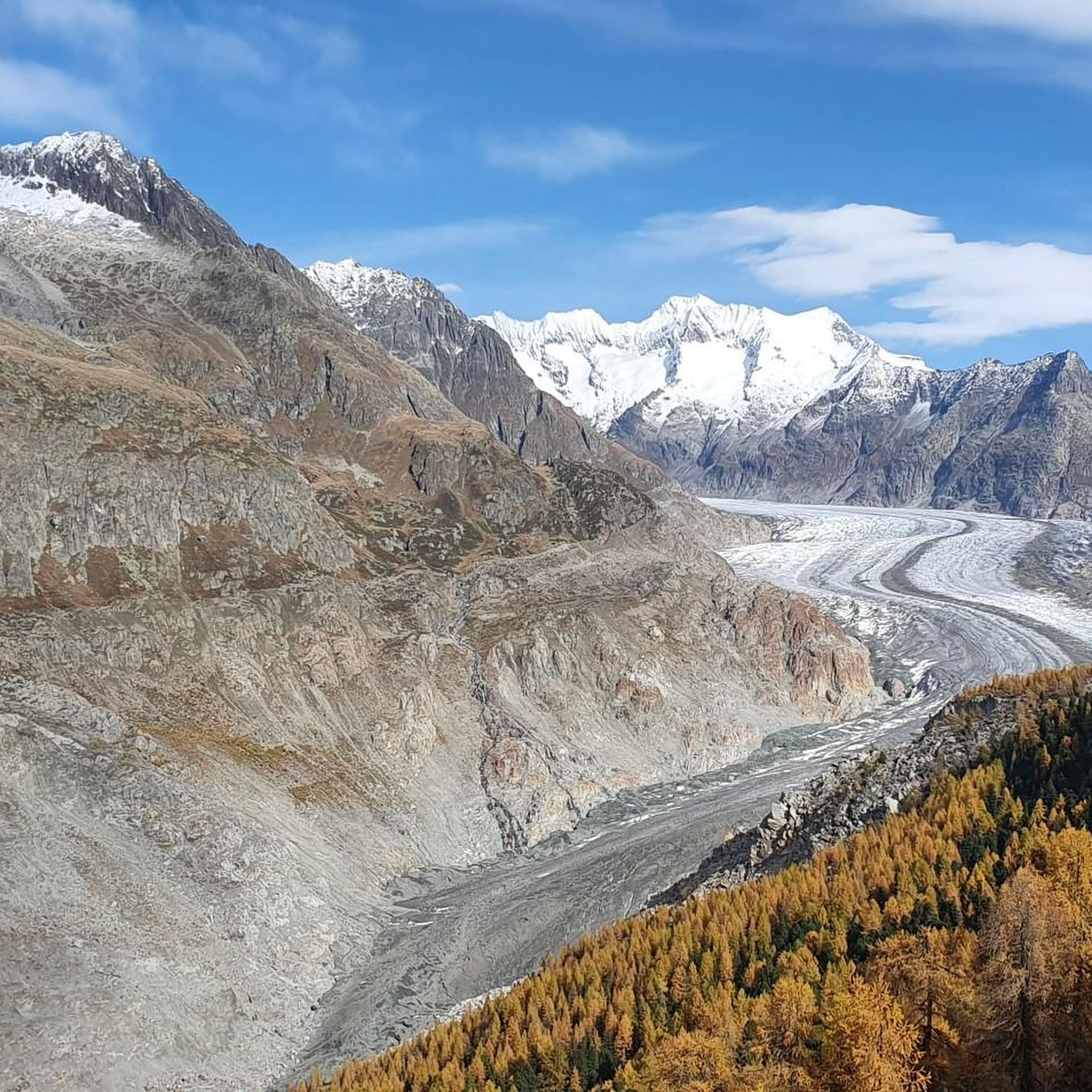
The Aletschwald region is renowned for its ancient Swiss stone pines, some over 1,000 years old, which form a unique subalpine forest ecosystem. You can also experience breathtaking panoramic views of the Great Aletsch Glacier, the longest glacier in the Alps. The forest itself is a vital protective area, preserving biodiversity and offering serene beauty.
Are there specific viewpoints to see the Great Aletsch Glacier from the Aletschwald?
Yes, several spots offer stunning views of the Great Aletsch Glacier. For instance, the View of the Aletsch Glacier between Moosfluh and Bettmerhorn provides an expansive vista. Another excellent location is the Aletsch Glacier View from Aletschwald, where you can see the glacier amidst ancient Swiss stone pines.
What makes the ancient Swiss Stone Pines in Aletschwald so special?
The Swiss stone pines in Aletschwald are among the oldest trees in Europe, with some specimens estimated to be over 1,000 years old. They are adapted to extreme alpine conditions and play a crucial role in the ecosystem, providing habitats for various animal species. Hiking among these majestic trees offers a profound sense of tranquility and a glimpse into nature in its purest form.
What kind of wildlife can be spotted in the Aletschwald?
The Aletschwald's largely undisturbed nature makes it a haven for diverse animal life. Visitors might spot chamois, marmots, and various bird species, including nutcrackers. The ancient forest, with its deadwood, enriches the habitat for these animals.
What are some popular trails to explore the natural monuments in Aletschwald?
A highly recommended trail is the Aletschwald Nature Trail, which winds through a natural forest with impressive Swiss pines, larches, and spruces. Another must-see is the Aletsch Forest Nature Reserve, where you can find trees up to 900 years old and observe nutcrackers.
Are there family-friendly hiking options around the Aletschwald natural monuments?
Yes, the Aletschwald offers options suitable for families. The Silbersand Stone Labyrinth is a family-friendly spot featuring interesting stone works of art and views of the Aletsch Glacier, often incorporated into walks. Many trails within the Aletschwald are accessible and enjoyable for families.
What is the difficulty level of hikes around the Aletschwald natural monuments?
Hikes around the Aletschwald natural monuments generally range from intermediate to difficult. While some paths are gentle, many involve ascents and descents typical of alpine terrain. It's advisable to check specific trail descriptions for difficulty ratings before heading out.
When is the best time of year to visit the natural monuments in Aletschwald?
The Aletschwald is beautiful year-round, but the best time to visit for hiking and exploring the natural monuments is typically from late spring to early autumn (May to October). During these months, trails are generally clear of snow, and the weather is more favorable for outdoor activities. Autumn offers spectacular fall foliage.
Can I go cycling or mountain biking near the Aletschwald natural monuments?
Yes, the region around Aletschwald offers various cycling and mountain biking opportunities. You can find numerous routes for different skill levels. For detailed information on cycling tours, refer to the Cycling around Aletschwald guide, or for mountain biking, check out the MTB Trails around Aletschwald guide.
Are dogs allowed on trails around the Aletschwald natural monuments?
Generally, dogs are welcome on trails in the Aletschwald region. However, it is crucial to keep them on a leash, especially in protected areas like the Aletschwald Nature Reserve, to protect wildlife and ensure the safety of other visitors. Always check local signage for specific regulations.
What are the parking options for visiting the Aletschwald natural monuments?
Access to the Aletschwald is typically via cable car from Mörel, Betten Talstation, or Fiesch to the car-free Aletsch Arena villages (Riederalp, Bettmeralp, Fiescheralp). Parking is available at the valley stations of these cable cars. From the villages, you can then access the trails leading to the natural monuments.
What do visitors enjoy most about the natural monuments in Aletschwald?
Visitors frequently highlight the tranquility and untouched character of the ancient forests, particularly the Swiss stone pines, as a unique experience. The breathtaking views of the Great Aletsch Glacier and the opportunity to observe diverse flora and fauna, like nutcrackers, are also highly appreciated. Many describe it as a place to truly switch off and connect with nature.
Most popular routes around Aletschwald
Most popular attractions around Aletschwald

Get inspired with the komoot mobile app


Explore more
Extend your search for the best caves by checking out these guides of the top ones around Aletschwald:
