Top 13 Natural Monuments around Hohwald
Best natural monuments around Hohwald are found in the Bas-Rhin region of Alsace, France, nestled within the Vosges Mountains. This area features lush forests, diverse landscapes, and notable geological formations. Hohwald offers a serene environment for exploring natural features. The region is known for its pure air and over 120 kilometers of marked hiking paths.
Best natural monuments around Hohwald
- The most popular natural monument is Wesenitz Spring, a natural spring that offers a great place to rest. It…
Last updated: June 27, 2026
Wesenitz Spring
Highlight • Natural Monument
Translated by Google •
Tip by

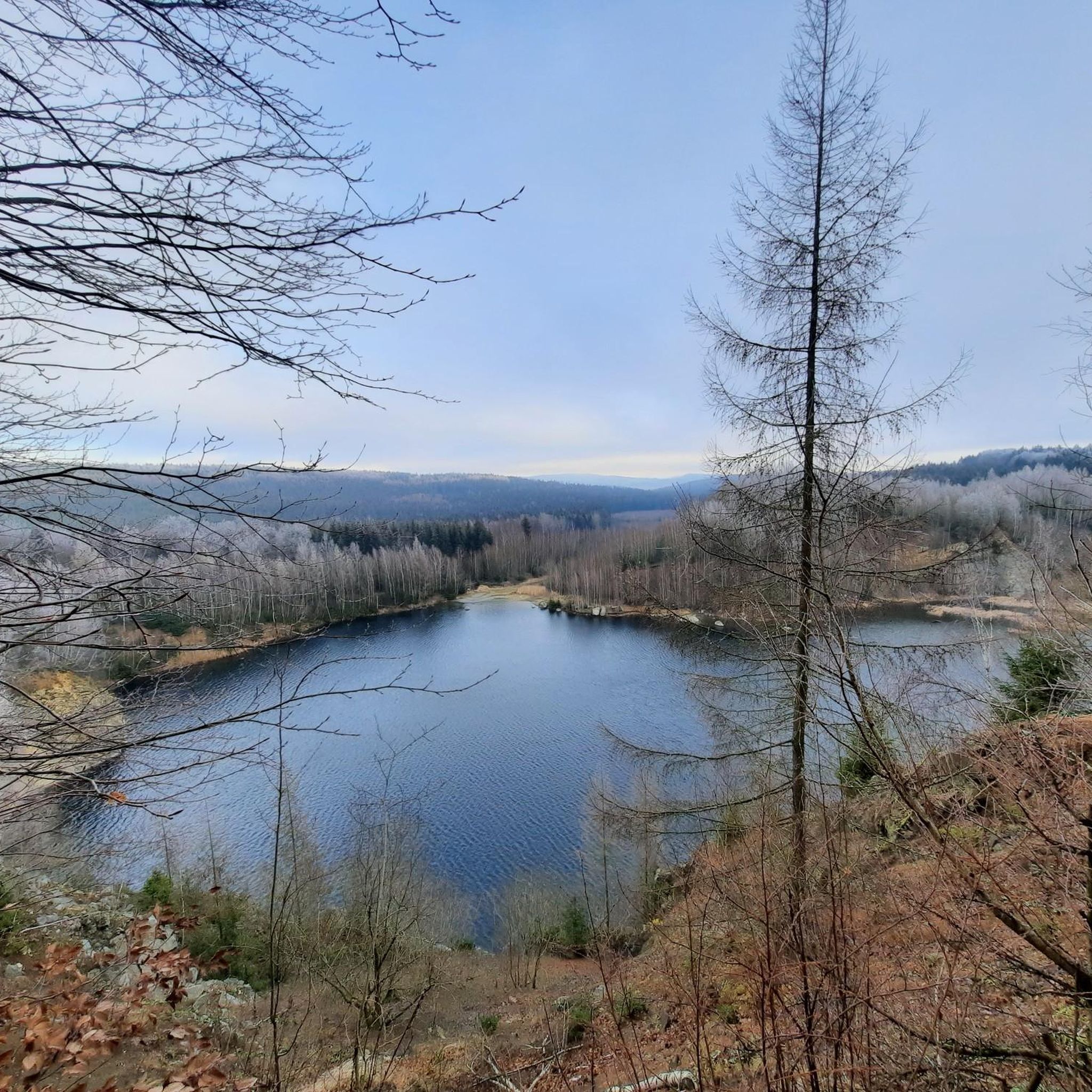
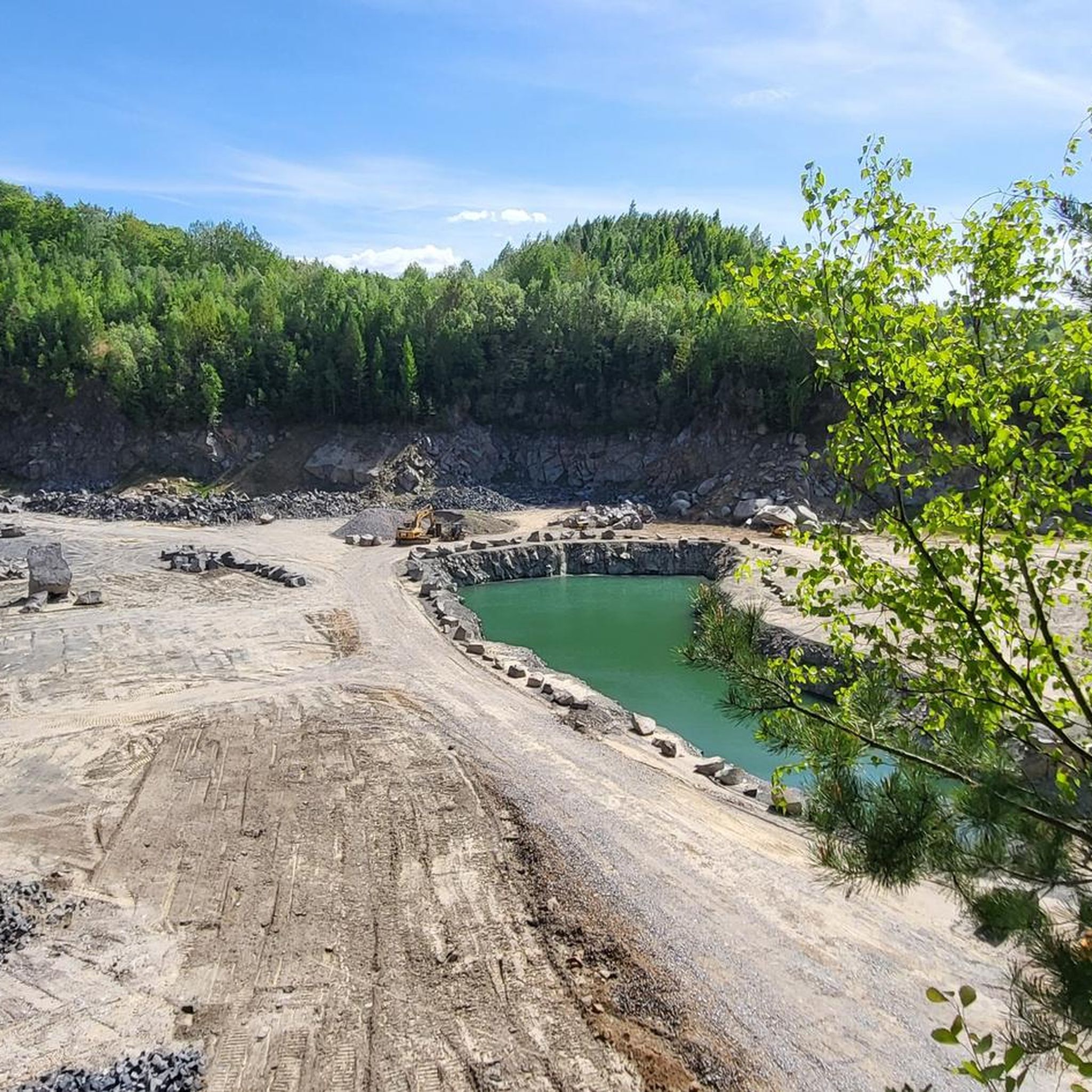
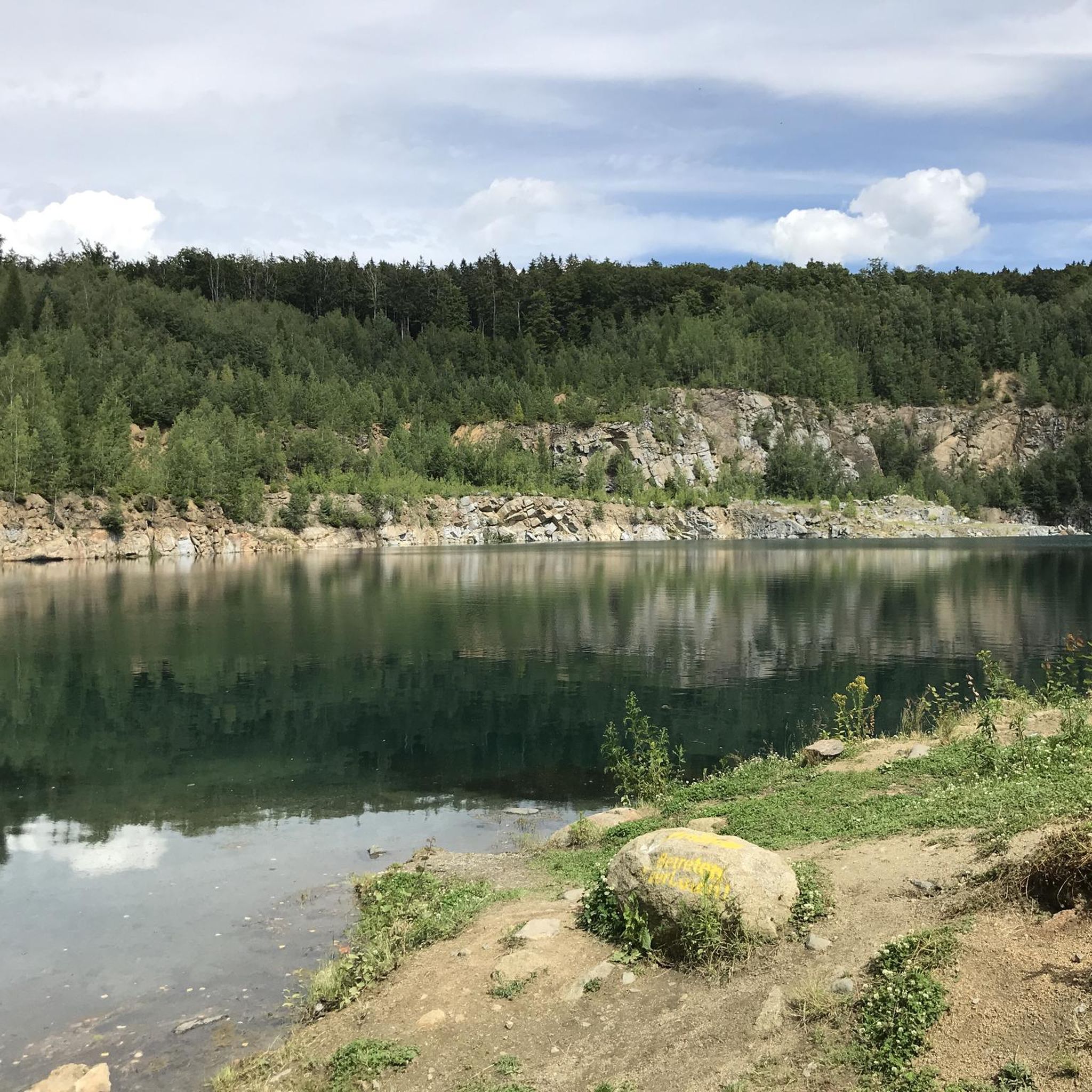
Hohwald Quarry
Highlight • Structure
Translated by Google •
Tip by

Sign up now to discover places like this
Get recommendations on the best single tracks, peaks, & plenty of other exciting outdoor places.
Sign up for free
Boulder field on Angstberg
Highlight • Natural Monument
Translated by Google •
Tip by

Quarkquetsche at the quarry
Highlight • Natural Monument
Translated by Google •
Tip by

King Friedrich August Memorial
Highlight • Monument
Translated by Google •
Tip by
Sign up for free to discover even more natural monuments around Hohwald.
Sign up for free
Already have an account?
Start today with a free account
Your next adventure awaits.
Login or Signup
Tips from the Community

Wesenitz Spring and Valentin Adit Information The Wesenitz River originates at an elevation of 515 meters above sea level on the southeastern slope of the Valtenberg mountain, emerging from the entrance of a 60-meter-long mine adit known as the "Goldbergwerk" (Gold Mine). The Wesenitz was first documented in 1213. Valentin Adit at the Wesenitz spring on the southern slope of the Valtenberg mountain.
2
0

Entry prohibited. Monitored with wildlife cameras.
0
0

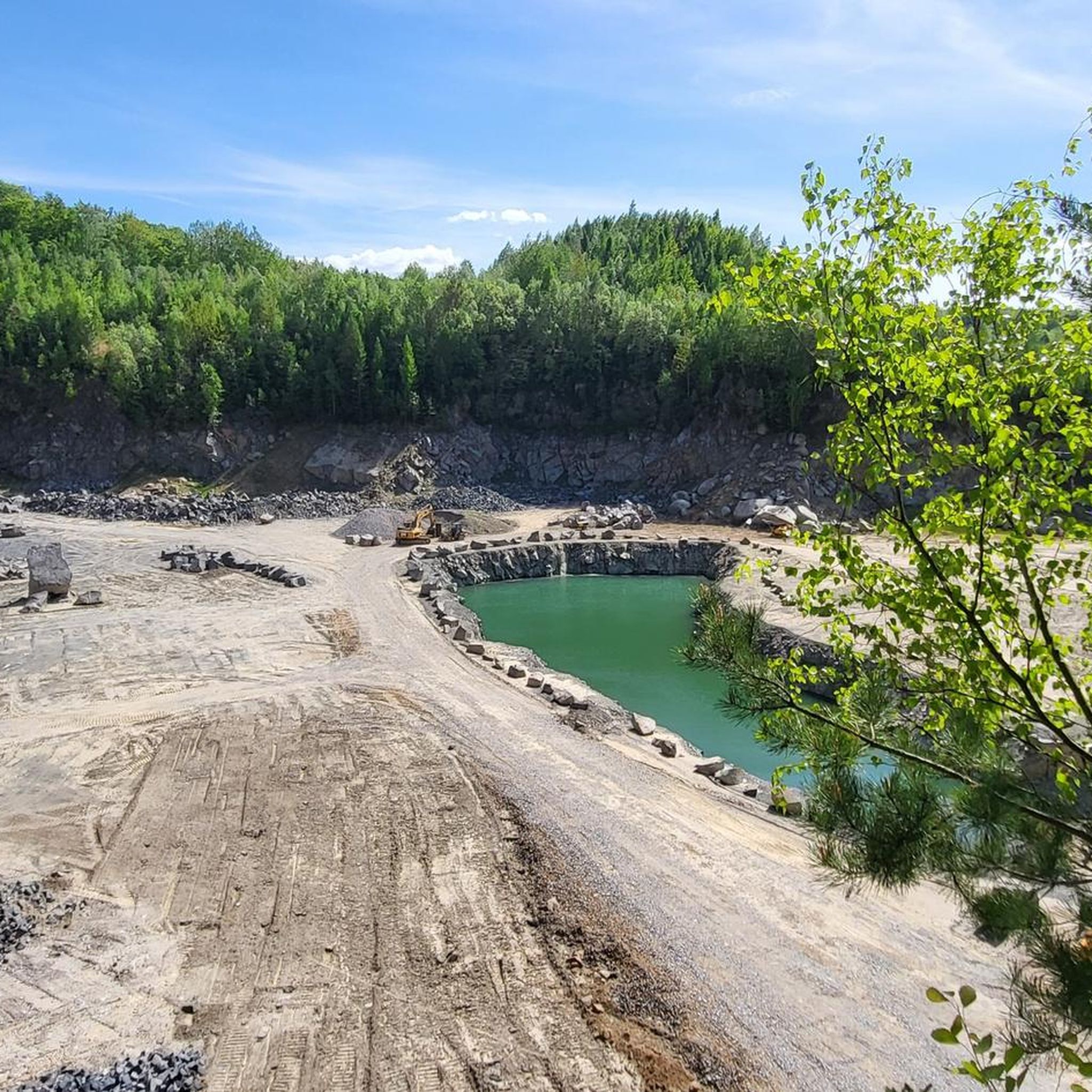
As of April 28, 2024, the quarry appears to be back in operation! All access or driveway routes have been "blocked" with stone blocks. The lake shown in the photos has been pumped out except for a small remaining hole. The forest in the immediate vicinity has been cleared and a lot of soil has been temporarily stored in the now open field. If you follow the hiking trails available in komoot in the immediate vicinity of the quarry, it can be dangerous!
1
0

In principle, the spring drains the old Valentin tunnel. Water is life.
2
0
This memorial stone was erected in 1828, one year after the death of the first king of Saxony, Friedrich August I, and impresses with its simple form and down-to-earth manner. A sandstone slab bore the inscription: To the enduring memory immortalized in Saxony king FREDERICK AUGUST the righteous. Protector of forests and hunting It was smashed by young people in 1918 and then replaced by a diabase tablet, the text and the form of the illustrations were slightly changed. After 1945, this too was broken out piece by piece. Thanks to the dedicated work of enthusiastic hikers, mountaineers and the Langburkersdorf forestry office, extensive renovations were carried out on the monument and its surroundings as early as 1989 and later, and a new plaque, again made of the local material diabase, was installed. The commitment of these nature lovers is a small proof that our Saxon historical awareness and the active love of home that resulted from it never completely died out.
1
0
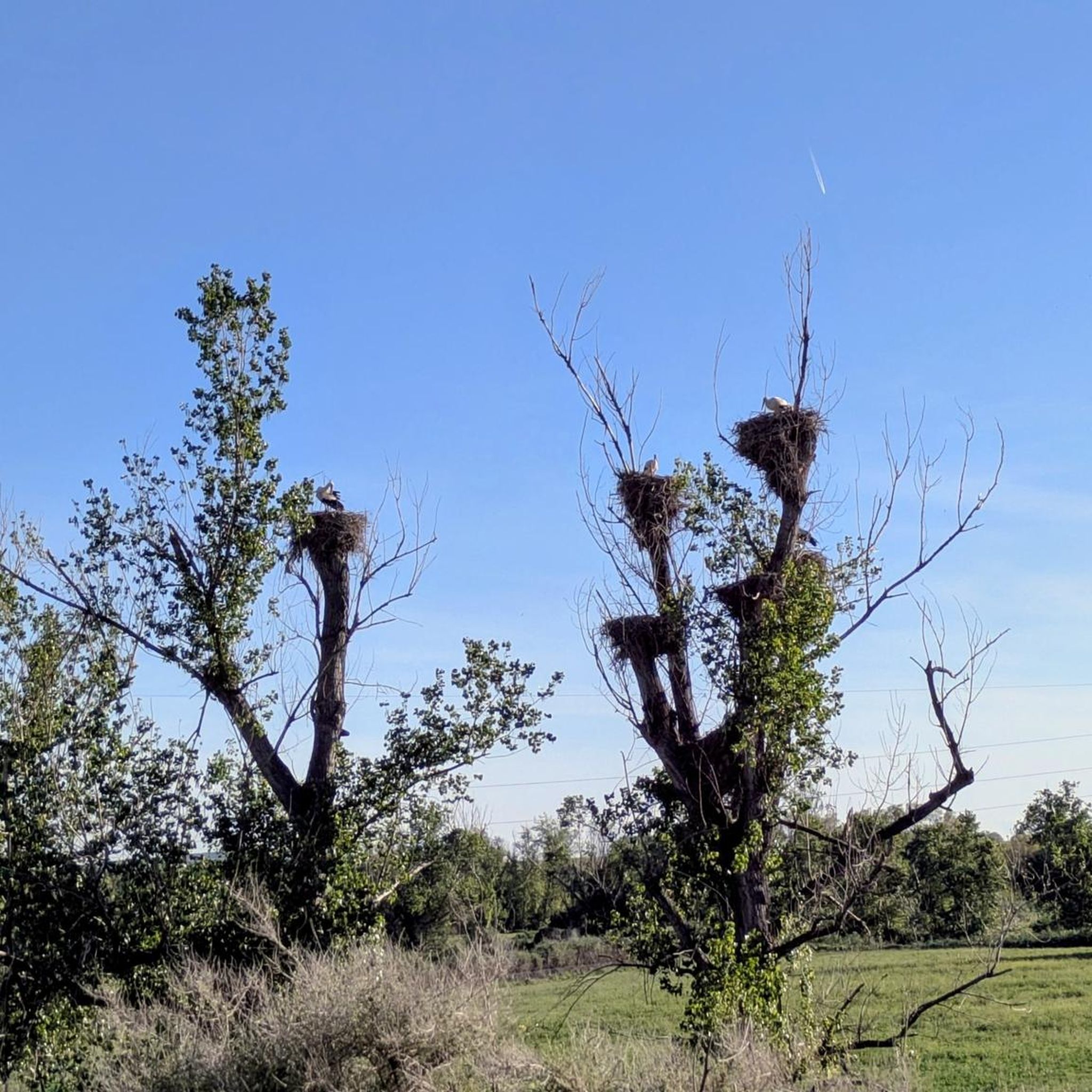
This area natural monument consists of two granodiorite boulders piled on top of each other. A face can be seen in the upper part of this structure. Therefore it is called "the Goldman". The name Quarkquetsche can be explained by the wool sack-like form of weathering of the granodiorite. In 1996, a planned demolition of this natural monument was just prevented. Today you can still find several boreholes on the boulders. The district office files a complaint against the stone works Hohwald (SZ/aw). A natural monument in the Hohwald is doomed. Boreholes in one of the monstrous rock formations, popularly known as Quarkquetsche, foreshadow the worst. The once dense forest around the Ice Age rocks has already fallen victim to the saws. In the meantime, the forest department in Bautzen and the lower nature conservation authority of the district office in Pirna are also dealing with the polluters in the Hohwald. "Of course, an area natural monument has legal validity. If you want to change this, you have to apply for outsourcing. The district council must then decide on this," says Bernhard Lehmann, the responsible department head. However, the management of Steinwerke Hohwald did not make such an application. "Now an order has been issued to refrain from all further measures and to restore the landscape," informs the department head. The district office files a complaint against Steinwerke Hohwald. In addition, administrative offense proceedings are initiated. "But that also means that the deforested part has to be reforested as long as the natural monument is legally valid," says Head of Department Lehmann. It was learned from the district office that the on-site measures had allegedly been carried out without the knowledge of the company management. Despite repeated SZ inquiries, no corresponding statement was received from the managing director by Wednesday. According to the district administration, however, the company has now applied for the "Quarkquetsche" to be relocated. A decision on this is still pending. Source: SZ.
0
0
As the western part of the Lausitzer Bergland, the Hohwald is part of a very large intrusive complex in Central Europe that was formed in the Neoproterozoic during the Cadomian Orogeny. This is connected to the crystalline massifs of the neighboring Jizera and Giant Mountains. A biotite granodiorite is predominant, consisting mainly of feldspar, quartz and biotite. Colloquially, this rock is referred to as Lusatian granite. It is around 540 million years old in the Hohwald area. In the entire Hohwald area, the Lusatian granite is traversed by various basite veins (diabase, basalt) and by andesite veins. These rocks were and are coveted because of their properties as cast stones and road building material and are extracted in several quarries.
1
0
The boulders partly form caves, the terrifying Pan Dietrich is said to be up to mischief here at night. On the right-hand side of the path between Mönchswalde and Wilthen is a mountain covered with coniferous wood, which is called Pan-Dietrich. That is what he is called after a wild robber baron who plied his trade there in the times of the law of the fist, oppressed the area from his castle, indulged in highway robbery on weekdays and hunted on Sundays and public holidays, cruelly treating the game Death rushed and the farmers' fields were devastated. In life everything went as he wished, but in death God's punishment met him. For he is condemned to eternity to go about as a night hunter in spring and autumn. From his ruined castle, which now consists only of a mass of stones thrown together in a circle, the noisy hunting party rises, circles a few miles, and disappears into the mountain at dawn. St. Bonifacius, who often in vain warns the knight to give up his wild life, strides ahead of the procession. But death rides behind, a skeleton of legs on a great owl. Its appearance is said to announce war, plague, death, undergrowth or other misfortunes.
0
0
Frequently Asked Questions
What are some of the most popular natural monuments to visit in Hohwald?
Among the most popular natural monuments in Hohwald are the Wesenitz Spring, known for its serene design and as a great resting spot, and the Boulder field on Angstberg, which features large stone blocks and even caves within the forest. Another highly appreciated site is the Angstberg Natural Monument itself, recognized as the largest block sea in the Lusatian mountains.
What unique geological features can I explore in Hohwald?
Hohwald is rich in geological wonders. You can discover the Quarkquetsche at the quarry, a fascinating granodiorite rock formation known for its 'wolsack-like' weathering and ancient origins dating back 540 million years. The Hohwald Quarry, while man-made, is also recognized for its geological significance, showcasing biotite granodiorite and offering insights into the region's ancient intrusive complex.
Are there family-friendly natural monuments in Hohwald?
Yes, the Wesenitz Spring is categorized as family-friendly. Its accessible nature and the tranquil setting make it suitable for visitors of all ages. The well-marked hiking paths leading to natural features like the Hohwald Waterfall are also generally suitable for families looking for a peaceful nature break.
What kind of hiking trails can I find near Hohwald's natural monuments?
The Hohwald area boasts over 120 kilometers of marked hiking paths suitable for all abilities. You can find routes ranging from easy to challenging. For instance, there are easy loops like the Forest View – Gerd Scheibe Memorial from Ringenhain, and moderate options such as the Gerd Scheibe Memorial – Wesenitz Spring loop. You can explore more hiking routes in the Hiking around Hohwald guide.
What is the best time of year to visit the natural monuments in Hohwald?
The natural monuments in Hohwald offer different experiences throughout the year. Spring and early summer are ideal for seeing the Hohwald Waterfall at its most spectacular due to snowmelt. Autumn provides stunning colorful foliage across the forests. Winter transforms the landscape, with the waterfall potentially freezing into shimmering ice formations, offering a unique natural sculpture.
Can I bring my dog to the natural monuments and trails in Hohwald?
While specific dog-friendly designations for each natural monument are not always listed, the general area of Hohwald is known for its extensive network of hiking trails. Many outdoor trails in the Vosges Mountains are dog-friendly, provided dogs are kept on a leash. It's always advisable to check local signage or specific trail regulations before visiting.
Are there any prominent viewpoints among the natural monuments?
The Quarkquetsche at the quarry is noted as a viewpoint. Additionally, the open Hohwald Quarry provides panoramic views of steep cliffs and the surrounding forest, offering excellent vantage points for observing the landscape and diverse bird species.
What other outdoor activities are available near the natural monuments in Hohwald?
Beyond hiking, Hohwald offers opportunities for mountain biking and gravel biking. You can find various routes, such as the Wesenitz Spring – Assisi Chapel on Valtenberg loop for MTB, or the Through the Elbsandstein Mountains for gravel biking. Discover more options in the MTB Trails around Hohwald guide and the Gravel biking around Hohwald guide.
What do visitors enjoy most about the natural monuments in Hohwald?
Visitors frequently appreciate the tranquil and intimate atmosphere, especially at sites like the Hohwald Waterfall, with the soft murmur of falling water and birdsong. The geological formations, such as the Quarkquetsche, are often described as 'legendary' and 'worth seeing' for their unique appearance and historical significance. The pure air and soothing landscapes of the entire Hohwald area are also highly valued.
Is the Hohwald Waterfall easily accessible?
The Hohwald Waterfall, also known as Cascade du Hohwald, is accessible via well-marked hiking paths. These paths are suitable for both casual walkers and experienced hikers, making it an ideal spot for a short hike or a peaceful nature break. It's a graceful 15-meter cascade nestled within dense pine and beech forests.
What is the significance of the Neuntelstein Granite Summit in Hohwald?
The Neuntelstein Granite Summit stands at 971 meters, making it one of the highest points in the Bas-Rhin department. It is primarily known and accessible to climbing specialists, offering challenging opportunities for experienced climbers and likely providing impressive views of the surrounding Vosges landscape.
Are there any natural monuments that involve water features besides the waterfall?
Yes, the Wesenitz Spring is a significant natural monument that primarily drains the old Valentin tunnel. It emphasizes the vital role of water in the natural environment and serves as an interesting point along hiking routes, often featuring a nice source design.
Most popular routes around Hohwald
Most popular attractions around Hohwald

Get inspired with the komoot mobile app


Explore more
Extend your search for the best caves by checking out these guides of the top ones around Hohwald:
