Tatra National Park, Poland
Tatra National Park, Poland
Top 20 Natural Monuments around Tatra National Park, Poland
Best natural monuments around Tatra National Park, Poland, are characterized by dramatic landscapes, glacial formations, and unique biodiversity. The park protects one of Poland's two alpine mountain ranges, featuring sharp-edged peaks, deep postglacial lakes, and a diverse array of flora and fauna. It is a vital refuge for endangered species and boasts over 600 caves and numerous mountain lakes. The combination of its geology, rich biodiversity, and extensive network of trails makes it a significant natural treasure.
Best natural monuments…
Last updated: May 15, 2026
Morskie Oko (Sea Eye)
Highlight • Lake
Until here, sneakers are sufficient but if you want to be around the lake, it should be good hiking boots.
Translated by Google •
Tip by

Great Giewont
Highlight • Summit
Translated by Google •
Tip by

Sign up now to discover places like this
Get recommendations on the best single tracks, peaks, & plenty of other exciting outdoor places.
Sign up for free
Rysy Summit
Highlight • Summit
Translated by Google •
Tip by

Wodogrzmoty Mickiewicza Waterfalls
Highlight • Waterfall
Translated by Google •
Tip by
Hala Gąsienicowa (Gąsienicowa Meadow)
Highlight • Natural
Komoot marks …
Translated by Google •
Tip by

Sign up for free to discover even more natural monuments around Tatra National Park, Poland.
Sign up for free
Already have an account?
Start today with a free account
Your next adventure awaits.
Login or Signup
Popular around Tatra National Park, Poland
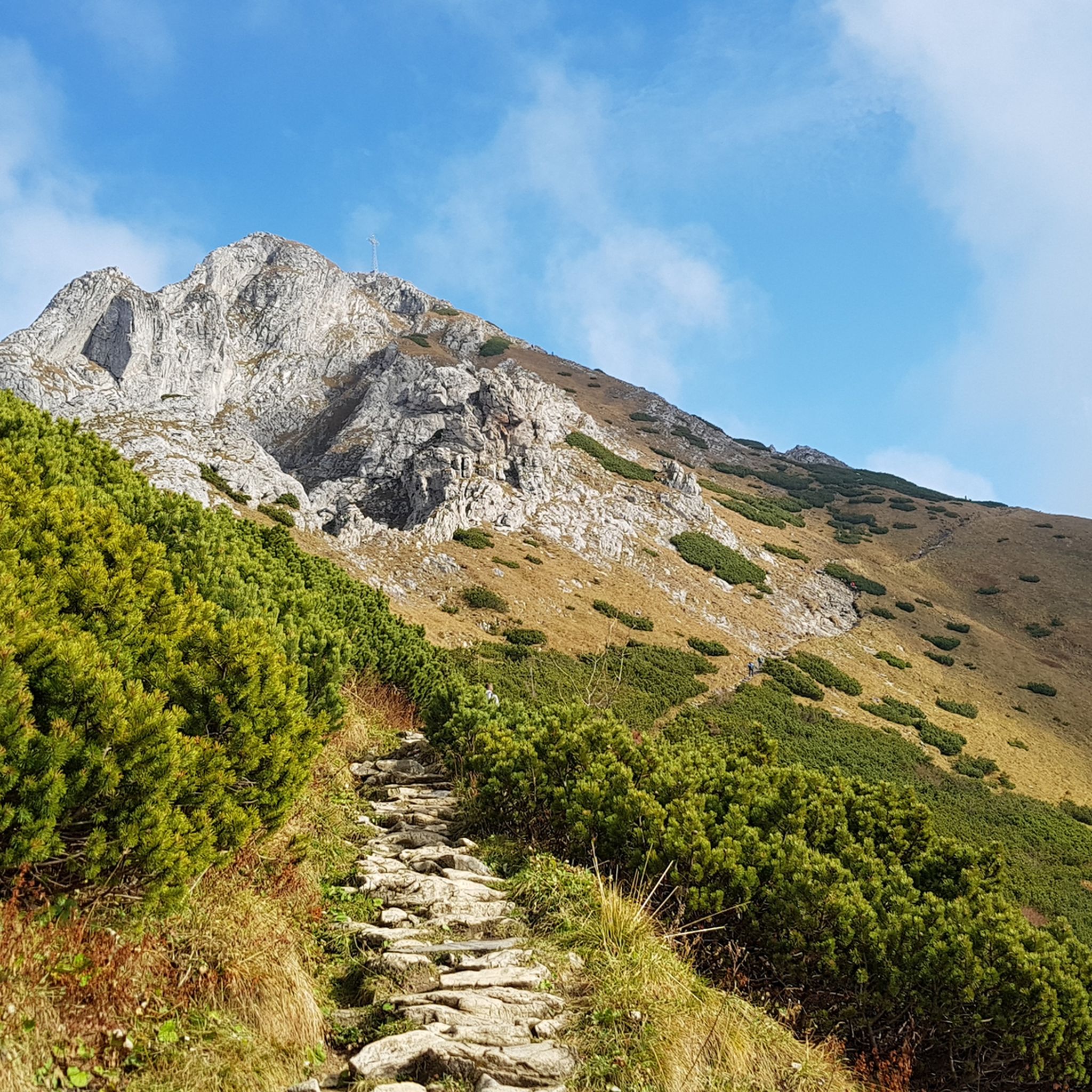
Hiking around Tatra National Park, Poland
Mountain Hikes around Tatra National Park, Poland
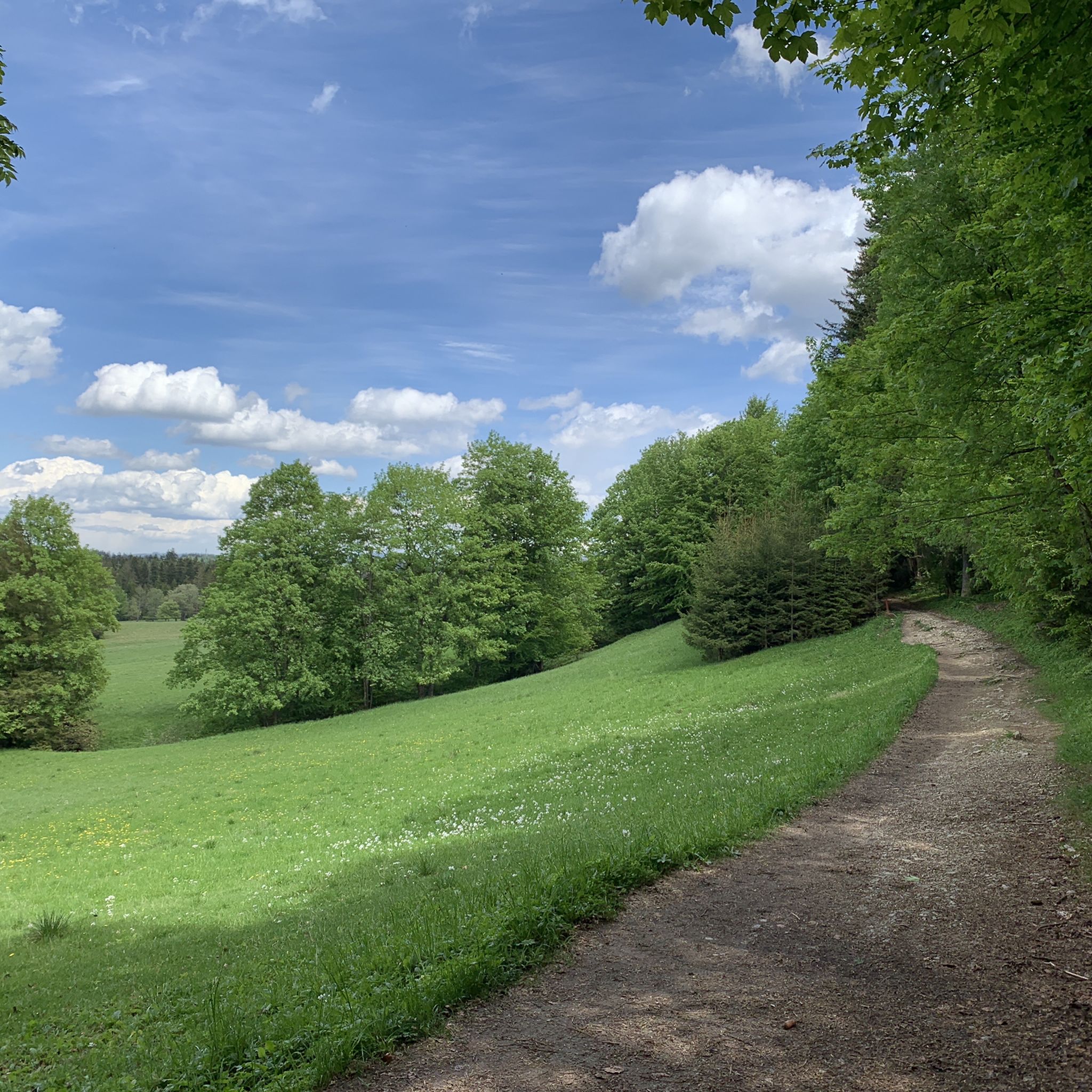
MTB Trails around Tatra National Park, Poland
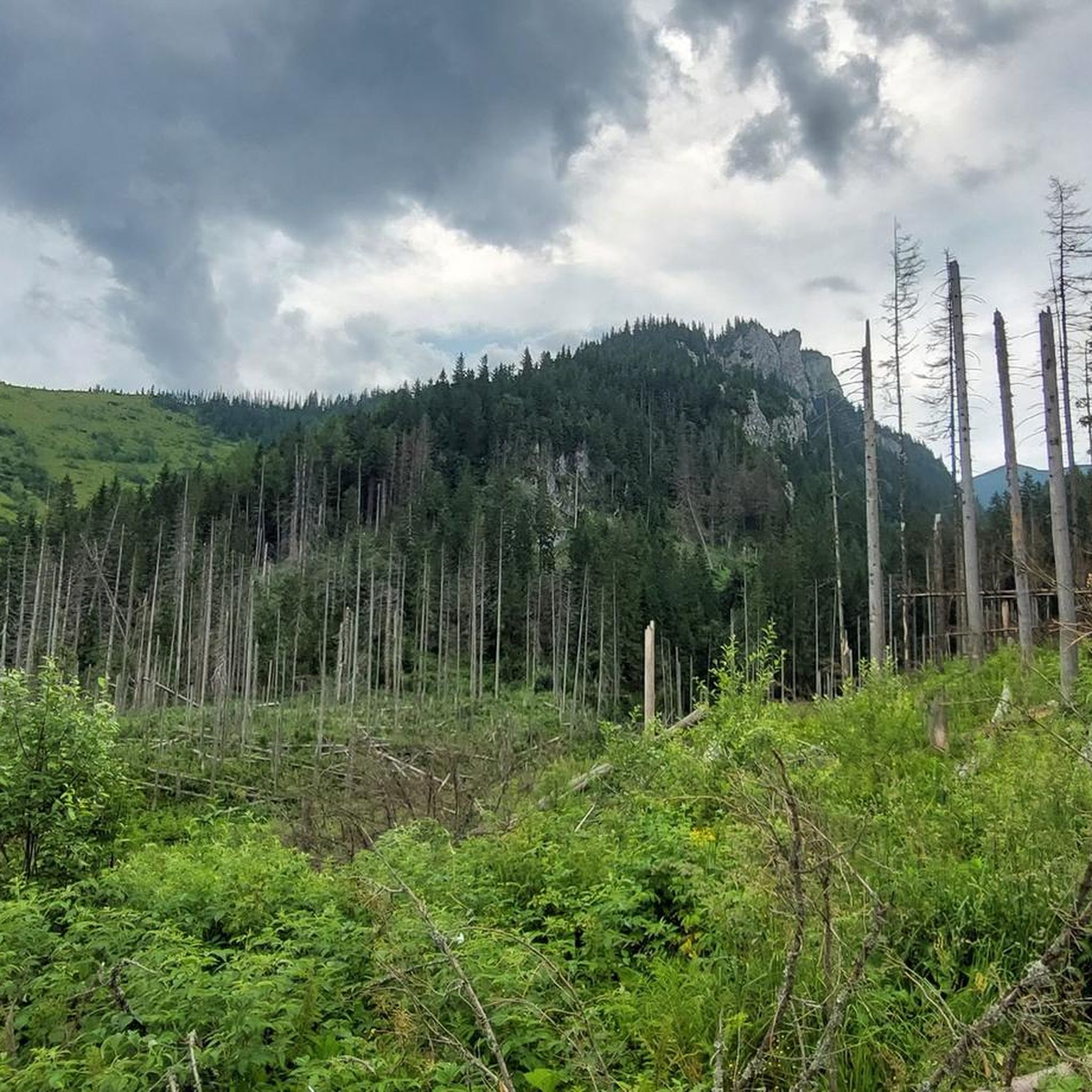
Running Trails around Tatra National Park, Poland
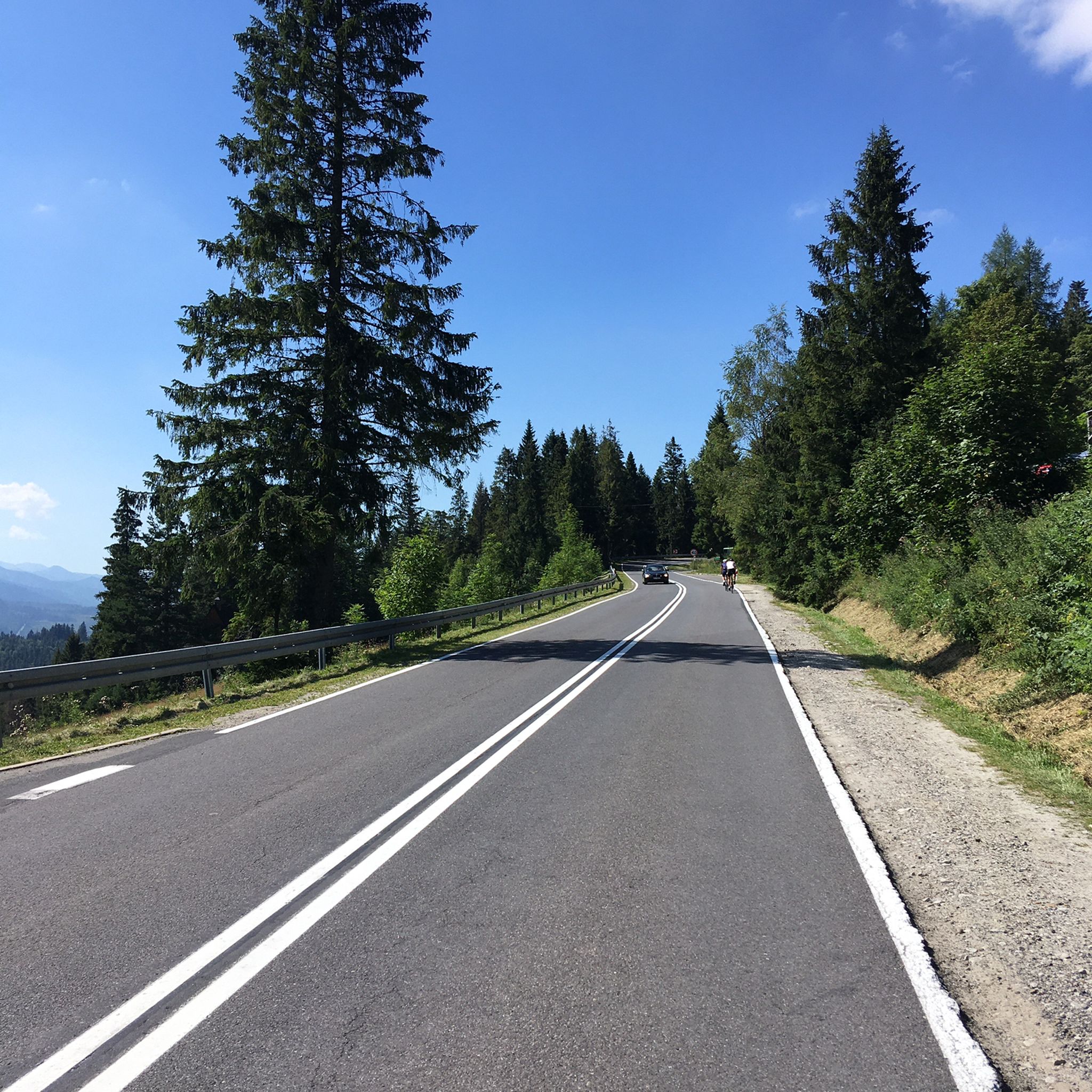
Road Cycling Routes around Tatra National Park, Poland
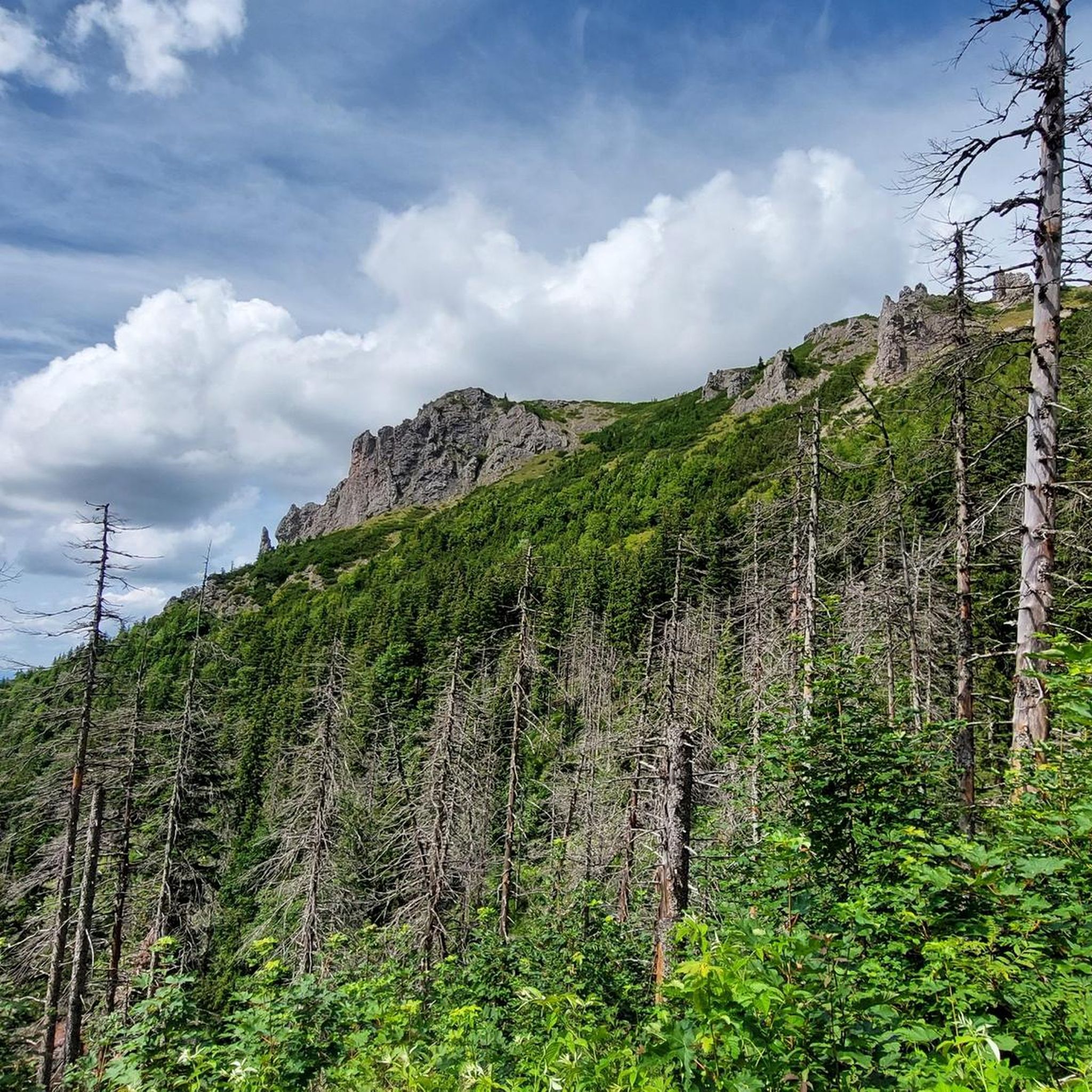
Cycling around Tatra National Park, Poland
Gravel biking around Tatra National Park, Poland
Tips from the Community

Beautiful view of the Tatra Mountains
1
0

A beautiful waterfall with an even more beautiful name :-) a nice stop on the asphalt trail ;-)
0
0

One of the most beautiful places in the Tatras at any time of year. https://youtu.be/dkuhN-VDZvk?si=Y8c9SHL7JVb0PqCU
1
1

Giewont is really the whole massif. This is its highest peak, Wielki Giewont. Giewont is the symbol of Zakopane, the Polish Tatras and Podhale. Because it is, you can expect crowds here - this peak is extremely popular. Especially at the very top, you have to be careful, because everything can be slippery for hundreds of feet here.
2
0
So, after all! You've arrived! You're on Rysy, the highest Polish peak. The views are stunning after this rather difficult ascent up the chains (if you're here from Morskie Oko in Poland). Rysy actually has three peaks: the central one, the northwestern one (this one here), and the southwestern one. Only this one here is on the Polish side.
0
0
This waterfall is made up of three other cascades, flowing from the Five Lakes. The name "Wodogrzmoty" (although sometimes these waterfalls are simply called Mickiewicz Waterfalls) comes from the fact that the water makes a terrible roar as it falls (and it's cool).
0
0

An extremely popular peak, which is often "congested", which makes it impossible to enjoy conquering it. The ascent and descent are one-way and require the use of hands (horizontal and vertical chains). For experienced mountain climbers they are no problem, for amateurs it is a challenge and an adventure. The descent may be more difficult for some due to the exposure and descent technique. The rocks can be slippery, so it is worth remembering this when planning a trip to Giewont - appropriate footwear and clothing adapted to the conditions AT THE TOP (not at the bottom in Zakopane), a helmet will also not hurt. If you are going with a child, you can equip them with a harness and teach them how to use it in advance (fastening like in a rope park) for the child's safety. Remember that this is a mountain peak - do not treat it as a regular trip to the park and prepare well. If you want to avoid crowds, set off before dawn.
1
0

Here the hiking trail crosses the Roztoka, which falls in steps. An exciting spot for a break and a photo.
1
0
Frequently Asked Questions
What are some of the most impressive natural features in Tatra National Park?
Beyond the well-known peaks and lakes, Tatra National Park is characterized by dramatic landscapes, glacial formations, and unique biodiversity. You can explore deep postglacial lakes like Morskie Oko (Sea Eye), towering summits such as Great Giewont and Rysy Summit, and impressive waterfalls like the Wodogrzmoty Mickiewicza Waterfalls. The park also boasts over 600 caves and alpine meadows.
Are there family-friendly natural monuments or trails in Tatra National Park?
Yes, several natural monuments are suitable for families. The trail to Morskie Oko (Sea Eye) is relatively accessible and popular with families. The Wodogrzmoty Mickiewicza Waterfalls are also considered family-friendly, with a comfortable track and low gradient. These spots offer beautiful scenery without overly challenging terrain.
What kind of hiking trails are available to reach these natural monuments?
Tatra National Park offers a wide range of hiking trails. You can find everything from moderate paths, like the one leading to Wodogrzmoty Mickiewicza Waterfalls, to challenging climbs up peaks such as Great Giewont and Rysy Summit. Many trails offer panoramic views and lead through diverse landscapes including forests and alpine meadows.
What outdoor activities can I do near these natural monuments?
The area around Tatra National Park is excellent for various outdoor activities. You can enjoy extensive hiking, with routes like the 'Trail to Morskie Oko' or the 'Valley of Five Polish Lakes and Morskie Oko Trail'. For those interested in cycling, there are road cycling routes such as the 'View of the Tatra Mountains' loop. Find more details on available routes in the Hiking around Tatra National Park, Poland or Road Cycling Routes around Tatra National Park, Poland guides.
What is the best time of year to visit the natural monuments in Tatra National Park?
The best time to visit largely depends on your preferred activities. Summer (June to September) offers the most accessible conditions for hiking to most natural monuments, with wildflowers in bloom and generally good weather. However, popular spots like Morskie Oko (Sea Eye) and Great Giewont can be very crowded during this period. Spring and autumn offer fewer crowds and beautiful scenery, though some higher trails might still have snow or be more challenging.
Are there facilities like huts or cafes near the natural monuments?
Yes, some natural monuments have facilities nearby. For example, Morskie Oko (Sea Eye) has a hut and restaurant, making it a convenient stop for refreshments. Other areas, like Hala Gąsienicowa (Gąsienicowa Meadow), are also known for having places to take a break. It's always advisable to check specific locations for available amenities.
What geological features characterize the natural monuments in Tatra National Park?
The natural monuments in Tatra National Park are largely shaped by glacial activity. This has resulted in sharp-edged peaks, deep postglacial lakes, and U-shaped valleys. The park also features extensive cave systems, such as the Wielka Śnieżna Cave System, which is the longest and deepest in Poland, showcasing significant subterranean geological wonders.
What do visitors particularly enjoy about the natural monuments in Tatra National Park?
Visitors frequently praise the magnificent panoramic views from summits like Rysy Summit, which justify the challenging climb. The pristine beauty and enchanting surroundings of glacial lakes like Morskie Oko (Sea Eye) are also highly appreciated. Many find the dramatic landscapes and the unique experience of being in one of Poland's alpine mountain ranges to be the main draw.
How challenging are the trails to these natural monuments?
The difficulty varies significantly. While the path to Morskie Oko (Sea Eye) is considered intermediate and relatively accessible, ascents to peaks like Great Giewont and Rysy Summit are challenging and require good physical condition and appropriate gear. Some trails, especially at higher elevations, can be slippery and exposed.
Are dogs allowed on trails to natural monuments in Tatra National Park?
Tatra National Park has specific regulations regarding dogs. Generally, dogs are not allowed on most hiking trails within the national park to protect wildlife. There are a few designated areas where dogs are permitted, but it's crucial to check the official park regulations before planning your visit with a dog.
Are there any less crowded natural monuments to explore?
While popular sites can get busy, especially during peak season, exploring areas slightly off the main routes or visiting during shoulder seasons (late spring, early autumn) can offer a more serene experience. The vastness of the park means there are always opportunities to find quieter spots, though specific 'hidden' natural monuments are often less documented to preserve their tranquility.
Can I visit these natural monuments in winter?
Winter visits are possible but require careful planning and appropriate equipment. Many trails become much more challenging due to snow and ice, and some higher routes may be closed or require specialized gear like crampons and ice axes. Lower elevation areas and the main path to Morskie Oko (Sea Eye) might be accessible, but always check current conditions and avalanche warnings before heading out.
Most popular routes around Tatra National Park, Poland
Most popular attractions around Tatra National Park, Poland

Get inspired with the komoot mobile app


Explore more
Extend your search for the best caves by checking out these guides of the top ones around Tatra National Park, Poland:
