Top 20 Natural Monuments around Jotunheimen
Best natural monuments around Jotunheimen are found within Jotunheimen National Park, a region renowned for its mountainous landscapes, high peaks, glaciers, and pristine valleys. Often called the "Home of the Giants," this area boasts many of Norway's highest peaks. The dramatic setting features unique geological formations shaped by glacial activity. Visitors can explore a diverse range of natural features, from towering summits to deep valleys and impressive waterfalls.
Best natural monuments around Jotunheimen
- The most popular natural monuments is Besseggen…
Last updated: May 15, 2026
Glittertinden
Highlight • Summit
Translated by Google •
Tip by

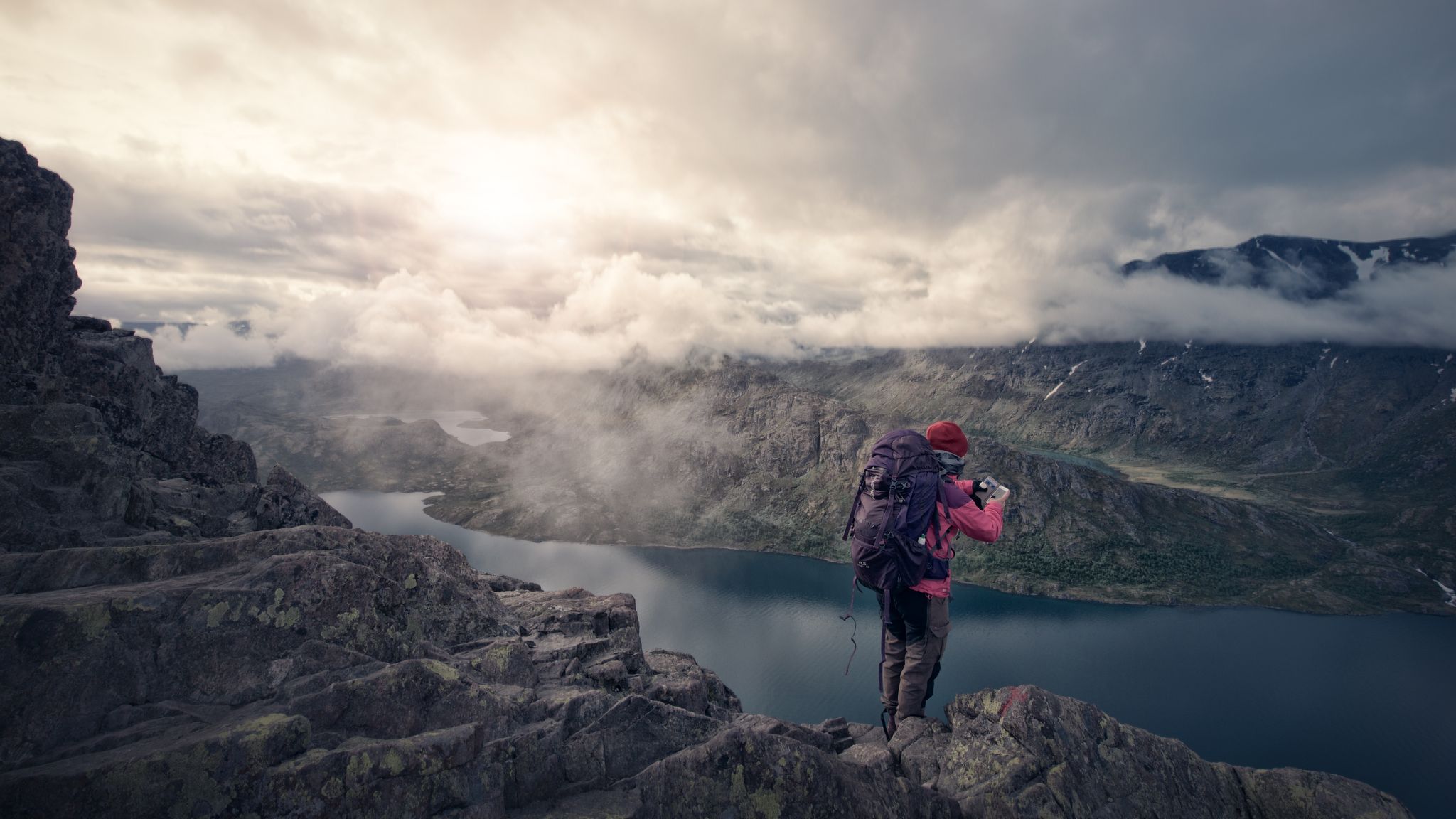
Besseggen Ridge
Highlight (Segment) • Climb
Translated by Google •
Tip by

Sign up now to discover places like this
Get recommendations on the best single tracks, peaks, & plenty of other exciting outdoor places.
Sign up for free
Besseggen Ridge
Highlight • Summit
Tip by

Galdhøpiggen
Highlight • Summit
Translated by Google •
Tip by
Veslfjellet
Highlight • Summit
Translated by Google •
Tip by

Sign up for free to discover even more natural monuments around Jotunheimen.
Sign up for free
Already have an account?
Start today with a free account
Your next adventure awaits.
Login or Signup
Popular around Jotunheimen
SignaTUR Omveien – Vast wilds, epic peaks and deep valleys
MASSIV-Ruta – Steep mountains and deep valleys, a Norwegian adventure
A 5-day-hike around Norway's Jotunheimen
Discover nature and culture – day Tours in the south of Norway
The secret gardens of Jotunheimen – among Norway's giants
Hiking around Jotunheimen
Running Trails around Jotunheimen
Road Cycling Routes around Jotunheimen
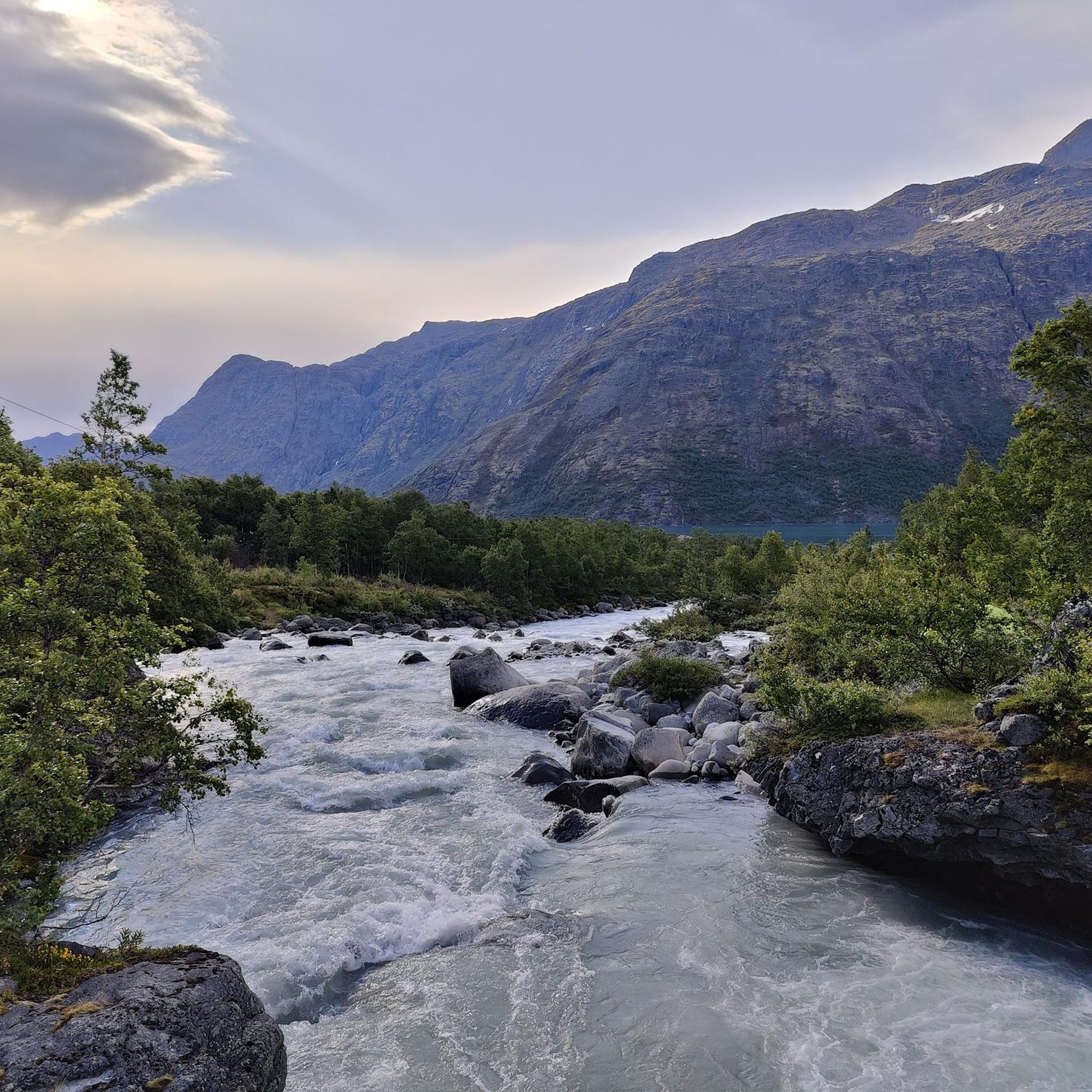
Cycling around Jotunheimen

Mountain Hikes around Jotunheimen
Other adventures around Jotunheimen


Tips from the Community

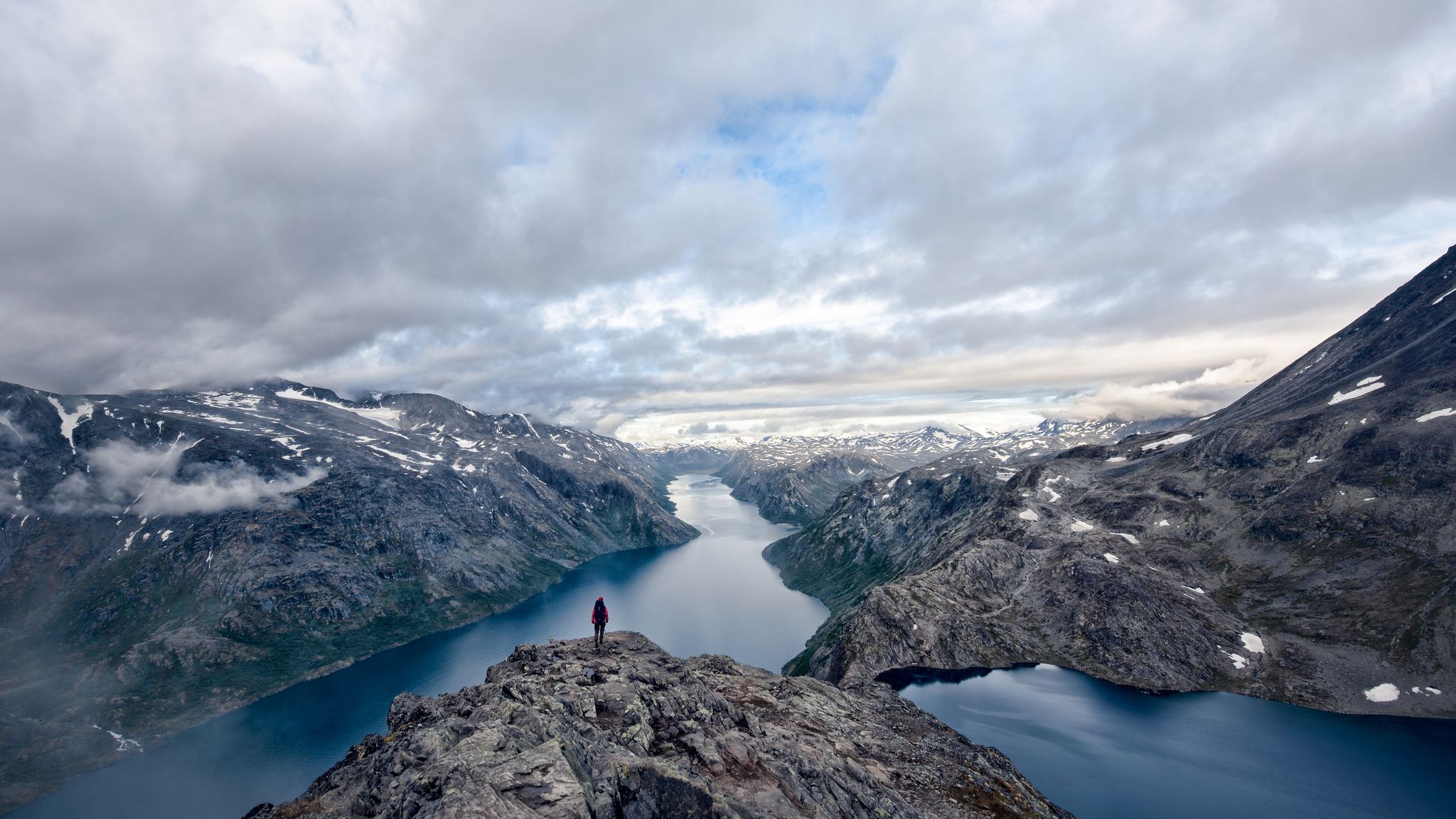
The view of the lakes, from the ridge, is incredible so be sure to allow plenty of time for breaks. It's a demanding hike so you definitely need to be sure-footed. If you hike the entire ridge, hopefully you'll find a place to stay overnight in Mermurubu.
0
0

Unfortunately, I have a fear of heights, and this section was quite challenging for me in places. But it was doable. You definitely need sure footing and must concentrate solely on the rock. Dogs sometimes have to be carried. We saw someone turn back on the hike with a large dog. Hopefully, you'll catch the last ferry or find a place to stay in Mermurubu. The views, even up to the ridge, are simply wonderful.
0
0

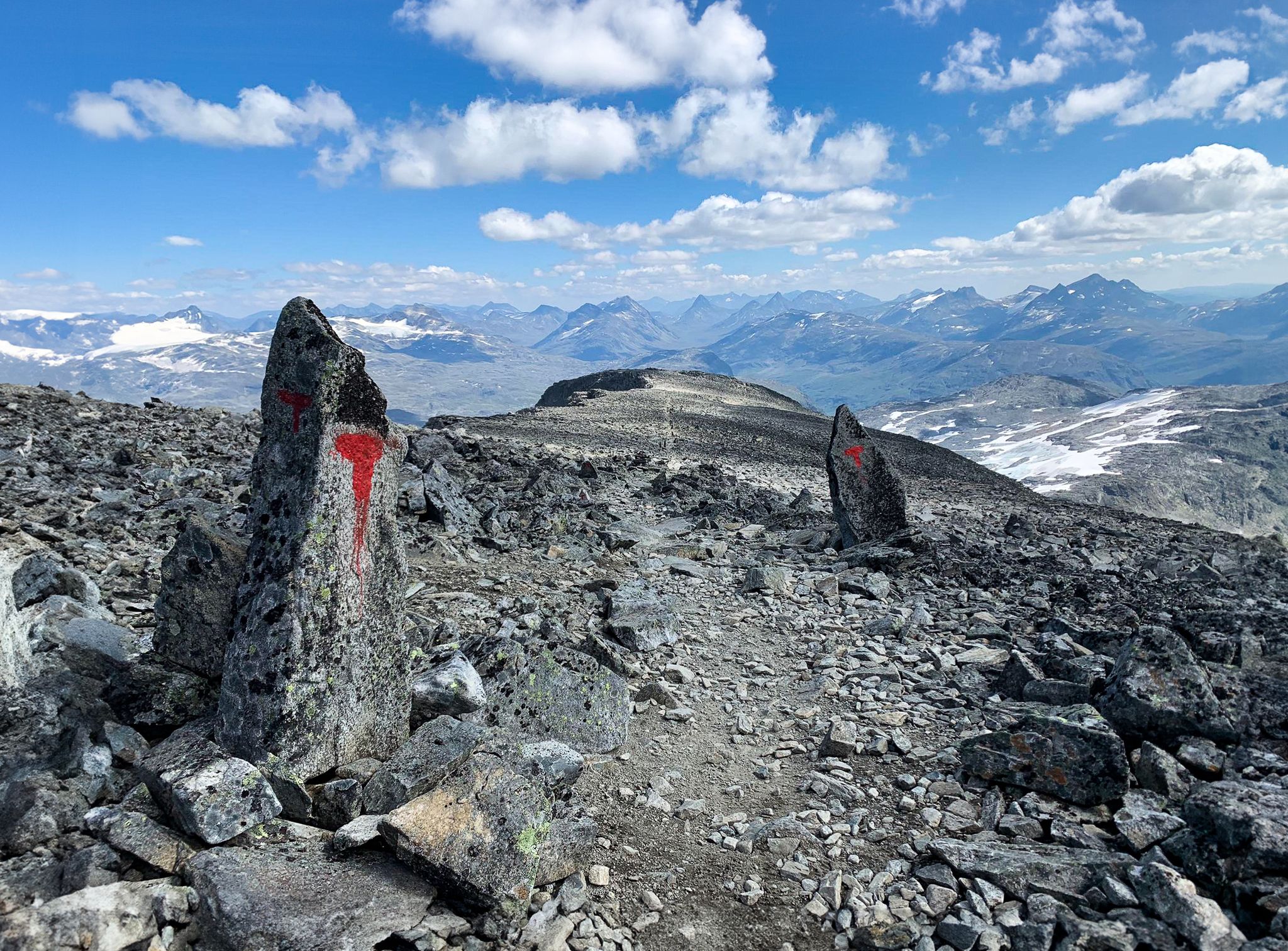
The top spot in Norway. Even in summer, there's snow there, and the weather can be really bad. But when it's sunny, you can see the surroundings so well. There are also small binoculars, and the hut is right next to it. A place I highly recommend. It's not easy to get there, but it's worth it.
0
0

At 5,718 feet (1,743 m), Veslfjellet is the highest point on the famous Besseggen Ridge. In contrast to some of the narrower sections on the route, the summit is relatively broad but the views are still spectacular.
0
0

The summit itself is far less spectacular than the ridge.
3
0
Wonderful climbing section, in one or two places you have to use your hands to help.
3
1

Amazing hiking and view. However, if you are scared of heights, think twice before going there.
0
0

The roof of Scandinavia with a magnificent view when the weather is right
5
5
Frequently Asked Questions
What are some of the most challenging natural monuments to explore in Jotunheimen?
Jotunheimen is known for its demanding terrain. For experienced adventurers, Galdhøpiggen, the highest peak in Northern Europe, offers a strenuous ascent, often involving glacier crossings. The Besseggen Ridge hike is also considered challenging due to its narrow, steep sections and significant elevation changes. The Hurrungane Mountains, with peaks like Store Skagastølstind, are a paradise for technical climbers seeking raw alpine experiences.
Are there any natural monuments in Jotunheimen that are particularly family-friendly?
While many natural monuments in Jotunheimen involve challenging hikes, some areas offer more accessible options. For example, the scenic hike to Vettisfossen, one of Norway's tallest waterfalls, can be enjoyed by families with older children, offering picturesque landscapes and a new viewing platform. Always check specific trail conditions and difficulty before heading out with children.
What unique natural features can I expect to see around Jotunheimen?
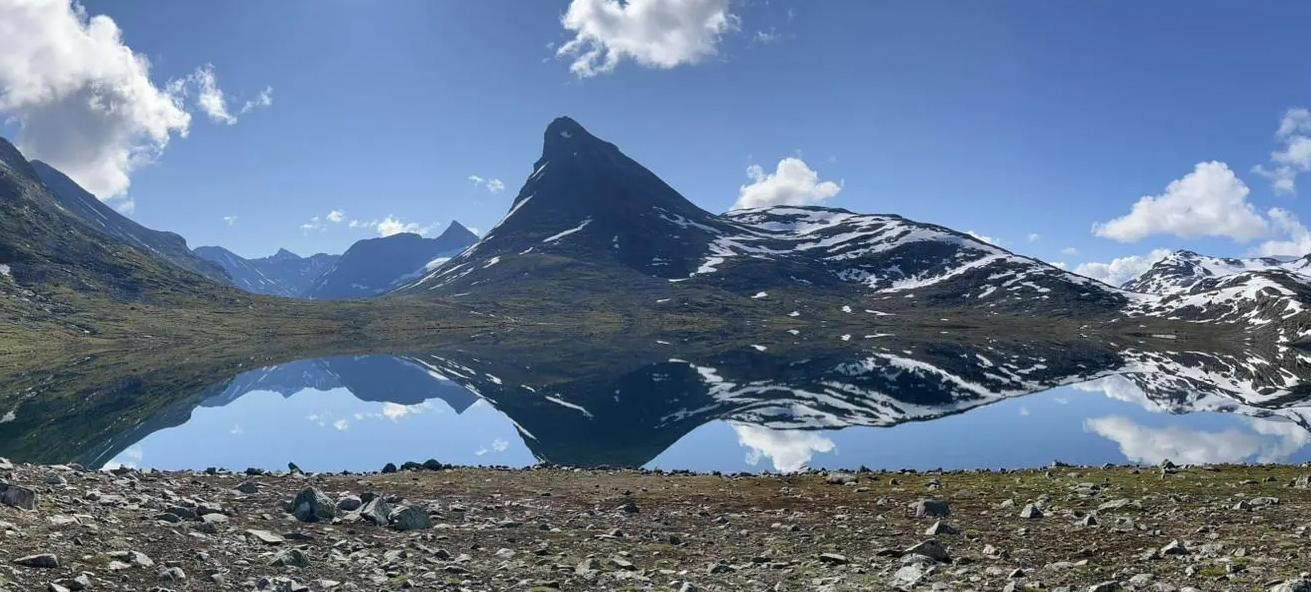
Jotunheimen boasts a diverse range of natural features. You'll encounter towering peaks like Galdhøpiggen and Glittertinden, dramatic ridges such as the Besseggen Ridge with its striking emerald green and deep blue lakes, and impressive waterfalls like Vettisfossen. The region is also characterized by glaciers, pristine valleys, and rugged, glacially-formed landscapes.
What is the best time of year to visit the natural monuments in Jotunheimen?
The best time to visit Jotunheimen's natural monuments is typically during the summer months, from late June to early September. During this period, trails are generally free of snow, and the weather is milder, making hiking and climbing more accessible. Some higher-altitude routes, especially those involving glaciers, might require specific gear or guides even in summer. Spring and autumn offer beautiful scenery but can have more unpredictable weather and snow conditions.
Are there any natural monuments in Jotunheimen that offer exceptional viewpoints?
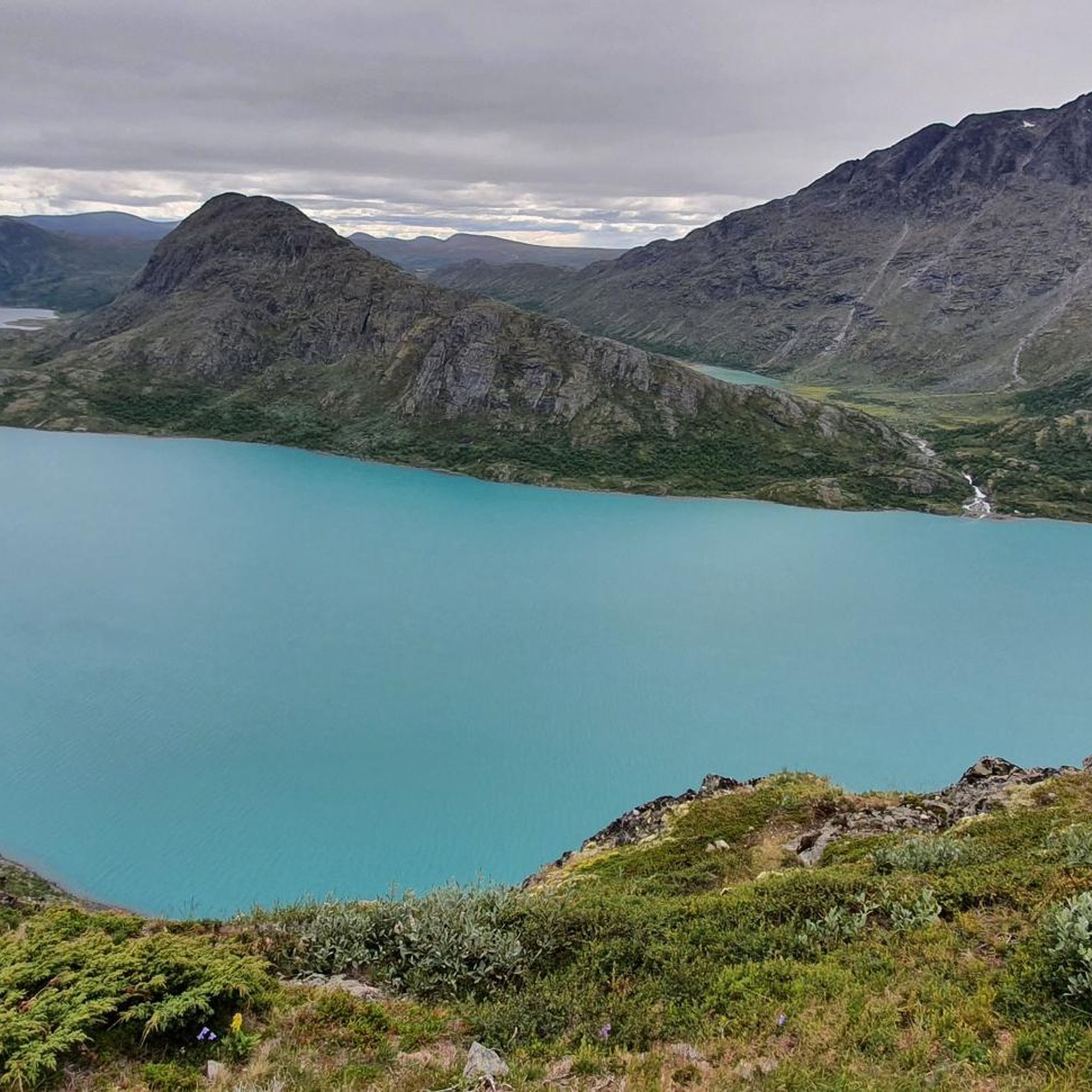
Absolutely. The summit of Galdhøpiggen provides unparalleled panoramic views of surrounding glaciers and peaks across Jotunheimen. The Besseggen Ridge is famous for its breathtaking views, showcasing the unique geological contrast between the turquoise Lake Gjende and the deep blue Bessvatnet. Veslfjellet also offers fantastic views of the deeper Gjende lake and its river delta.
What kind of outdoor activities can I do near the natural monuments in Jotunheimen?
Jotunheimen offers a wide range of outdoor activities. Besides hiking and climbing to the natural monuments themselves, you can explore numerous trails for various sports. For instance, there are challenging road cycling routes, scenic waterfall hikes, and diverse mountain biking trails throughout the region. Many routes offer stunning views and varying difficulty levels.
Are there options for winter hiking or activities around Jotunheimen's natural monuments?
While many high-altitude natural monuments become challenging or inaccessible in winter due to snow and ice, Jotunheimen does offer winter activities. The Hurrungane Mountains, for example, are popular for ski touring in the spring. However, winter conditions require specialized equipment, experience, and often guides. It's crucial to check local conditions and avalanche warnings before venturing out in winter.
What are the parking and public transport options for accessing natural monuments in Jotunheimen?
Access to Jotunheimen's natural monuments often involves driving to trailheads where parking is usually available, though it can be limited and sometimes requires a fee, especially during peak season. For popular routes like the Besseggen Ridge, public transport options such as buses and ferries (e.g., from Gjendesheim to Memurubu) are integral to completing the hike. Planning ahead for transport and parking is highly recommended.
Can I bring my dog to the natural monuments and trails in Jotunheimen?
Generally, dogs are allowed on trails and in national parks in Norway, including Jotunheimen, but they must be kept on a leash at all times. This is to protect wildlife and ensure the safety of other hikers. Always check specific regulations for each area or accommodation, as some cabins or protected zones might have stricter rules regarding pets.
What amenities like cafes or accommodation are available near Jotunheimen's natural monuments?
Around Jotunheimen, you'll find various mountain lodges (hytter) and tourist stations that offer accommodation, meals, and sometimes small shops. For example, there's a small cabin at the summit of Galdhøpiggen providing shelter and refreshments in summer. Places like Gjendesheim, Memurubu, and Spiterstulen serve as popular starting points for hikes and offer facilities. It's advisable to book accommodation in advance, especially during peak season.
Are there any permits required for hiking or climbing to natural monuments in Jotunheimen?
Generally, no specific permits are required for hiking or climbing most natural monuments in Jotunheimen National Park. However, guided tours, especially those involving glacier crossings like the route to Galdhøpiggen from Juvasshytta, are often mandatory for safety reasons. Always check with local information centers or guides for the latest requirements and safety advice.
What kind of wildlife and flora can be observed around Jotunheimen's natural monuments?
Jotunheimen's rugged landscape supports a variety of hardy wildlife and flora. You might spot reindeer, wolverines, and various bird species, including golden eagles. The flora is adapted to the alpine environment, with resilient mosses, lichens, and wildflowers blooming in the short summer season. The pristine Utladalen Nature Reserve, near Vettisfossen, is particularly known for its diverse wildlife and dense forests.
Most popular routes around Jotunheimen
Most popular attractions around Jotunheimen

Get inspired with the komoot mobile app


Explore more
Extend your search for the best caves by checking out these guides of the top ones around Jotunheimen:
