Parco Nazionale delle Foreste Casentinesi, Monte Falterona e Campigna
Parco Nazionale delle Foreste Casentinesi, Monte Falterona e Campigna
Top 20 Natural Monuments around Foreste Casentinesi, Monte Falterona, Campigna National Park
Best natural monuments around Foreste Casentinesi, Monte Falterona, Campigna National Park are situated between Tuscany and Emilia-Romagna. This area features one of Europe's most pristine and ancient forest ecosystems, spanning over 36,000 hectares with 85% tree cover. The park offers a diverse landscape, rich biodiversity, and significant geological features, making it a destination for nature exploration. Over 600 kilometers of trails crisscross the park, providing access to its natural features.
Best natural monuments around Foreste Casentinesi, Monte Falterona, Campigna National…
Last updated: October 1, 2026
View of Acquacheta Waterfall
Highlight • Waterfall
The evocative beauty of the …
Translated by Google •
Tip by

Sega Waterfalls
Highlight • Waterfall
Translated by Google •
Tip by

Sign up now to discover places like this
Get recommendations on the best single tracks, peaks, & plenty of other exciting outdoor places.
Mount Falco
Highlight • Summit
Translated by Google •
Tip by

Howling Cave of Premilcuore
Highlight • Cave
Translated by Google •
Tip by

Fra' Lupo Rock
Highlight • Natural Monument
Translated by Google •
Tip by

Sign up for free to discover even more natural monuments around Parco Nazionale delle Foreste Casentinesi, Monte Falterona e Campigna.
Already have an account?
Start today with a free account
Your next adventure awaits.
Popular around Parco Nazionale delle Foreste Casentinesi, Monte Falterona e Campigna
Way of St Francis in Tuscany – itineraries of Arezzo and Province
In the footsteps of St. Francis - Cammino di Assisi
Cycle the St. Francis Way in Italy – Via del Nord
Camaldoli to Carpegna – Alta Via dei Parchi (part 5)
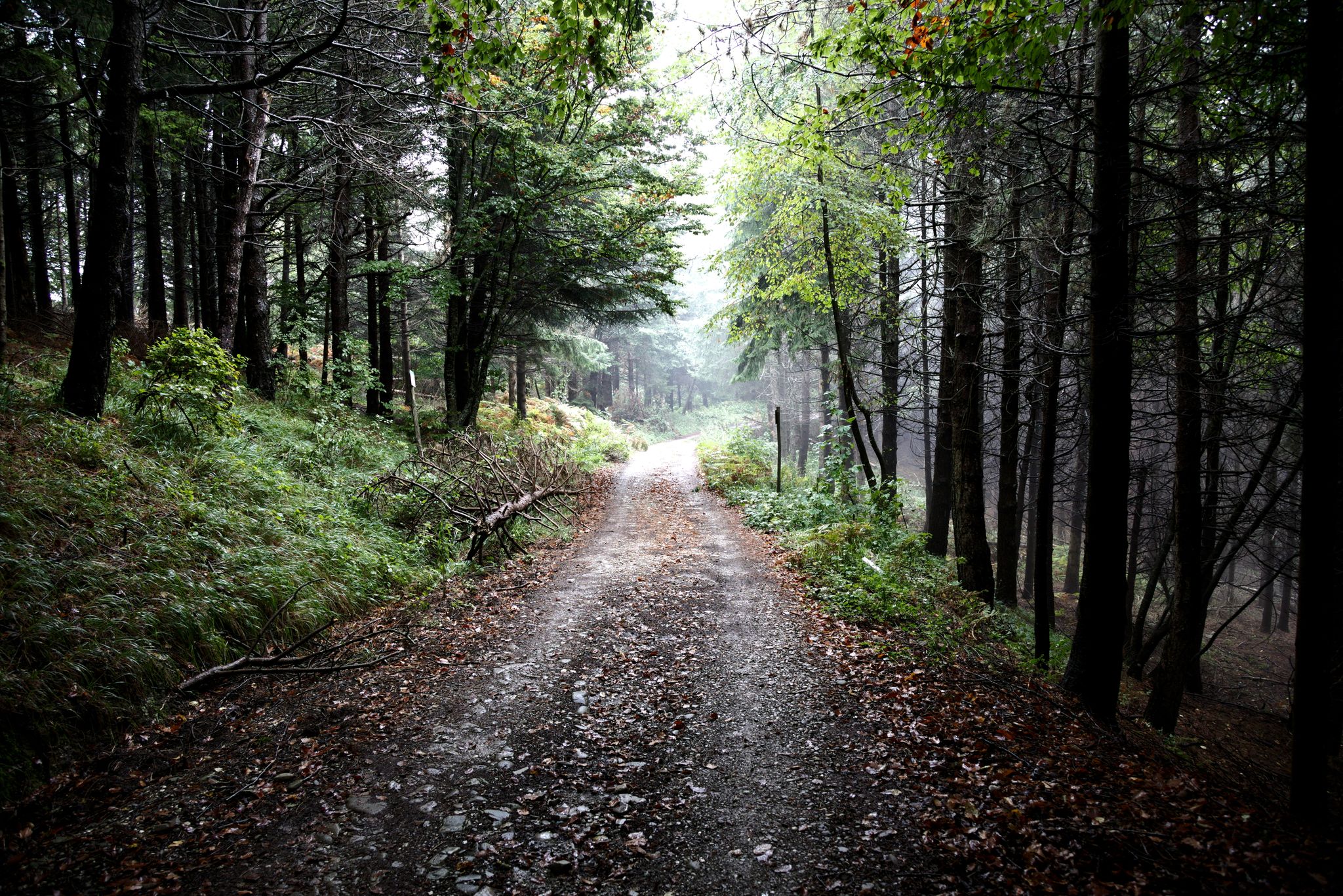
Marradi to Camaldoli – Alta Via dei Parchi (part 4)
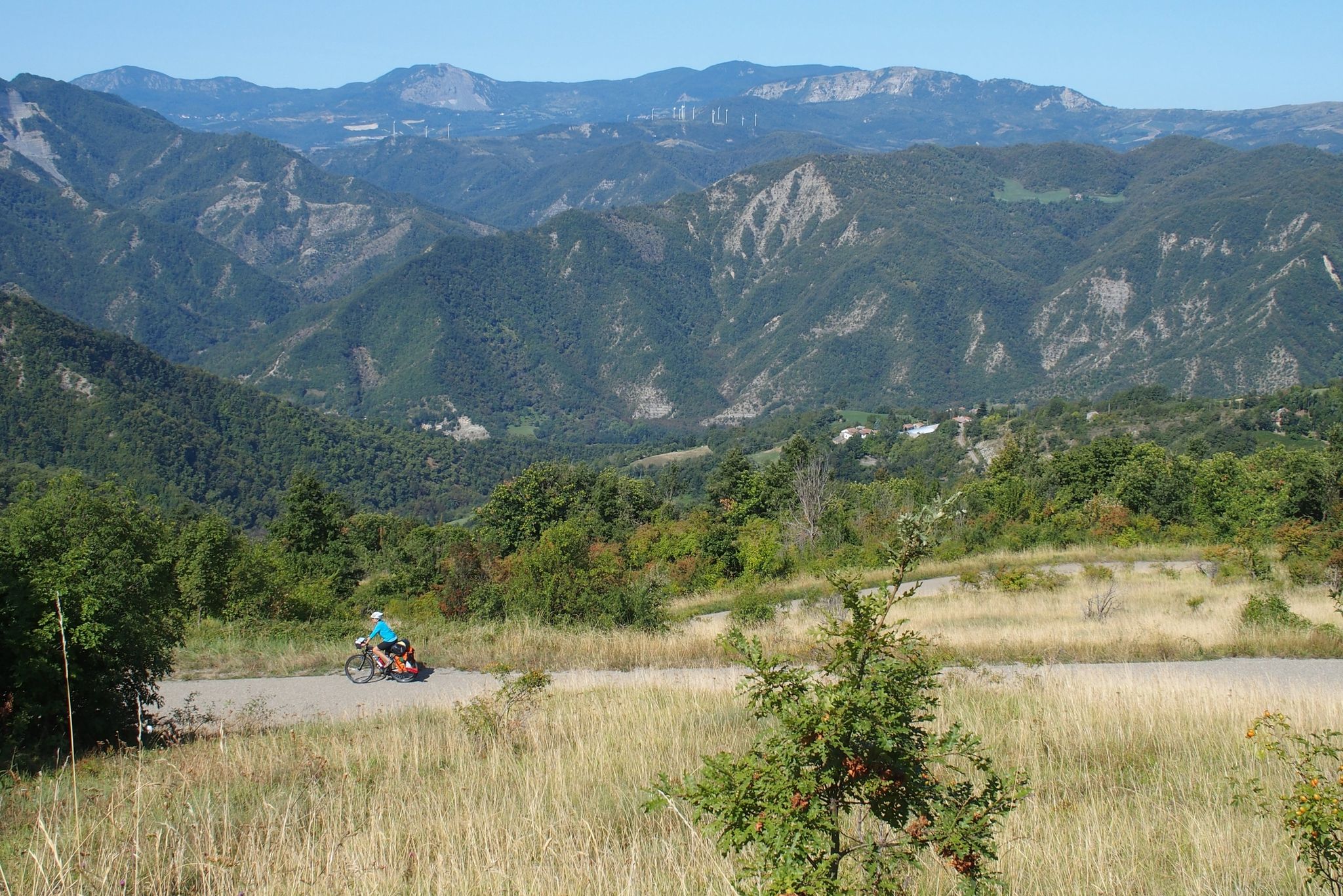
Eastern Mugello – up and down in the Apennines
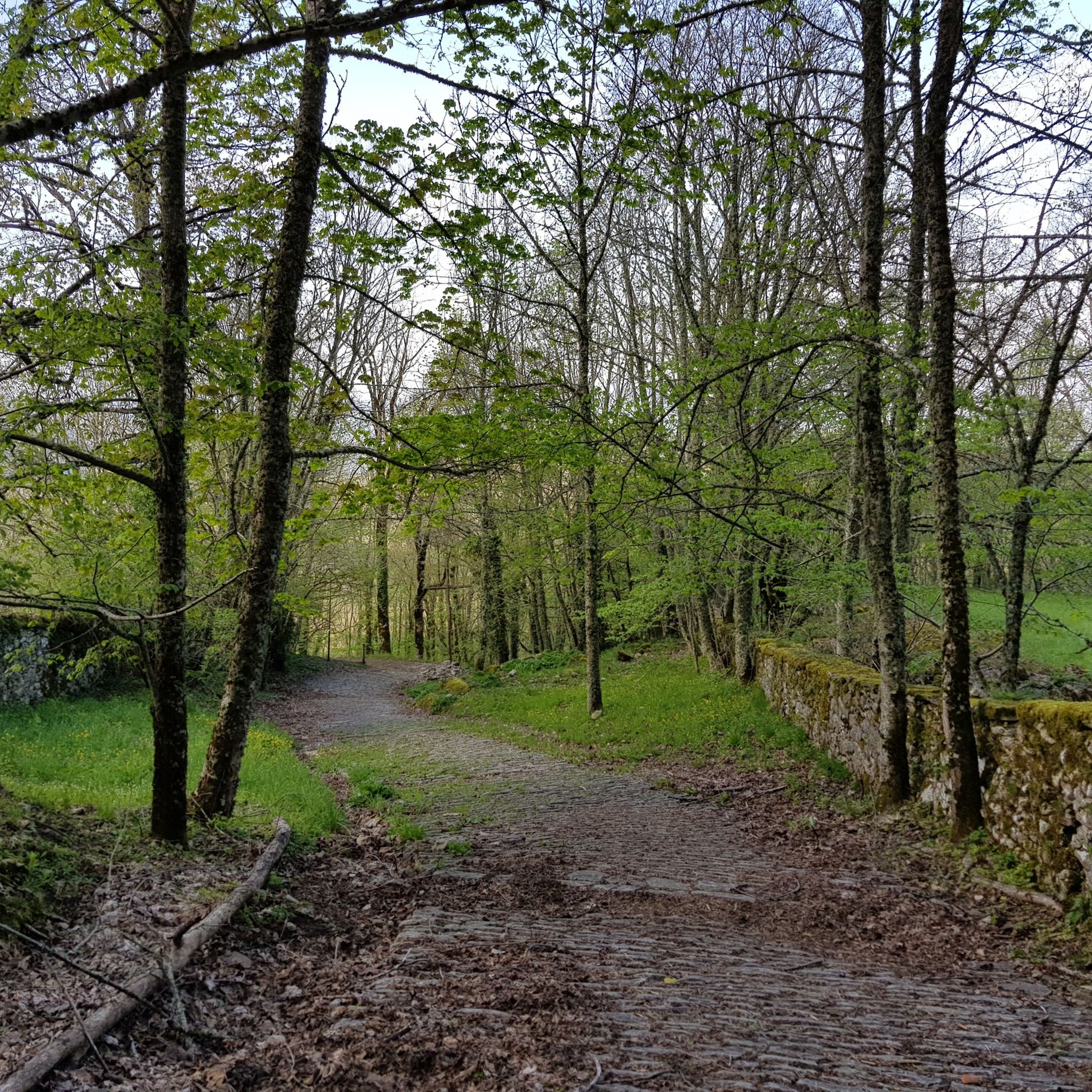
Hiking around Foreste Casentinesi, Monte Falterona, Campigna National Park
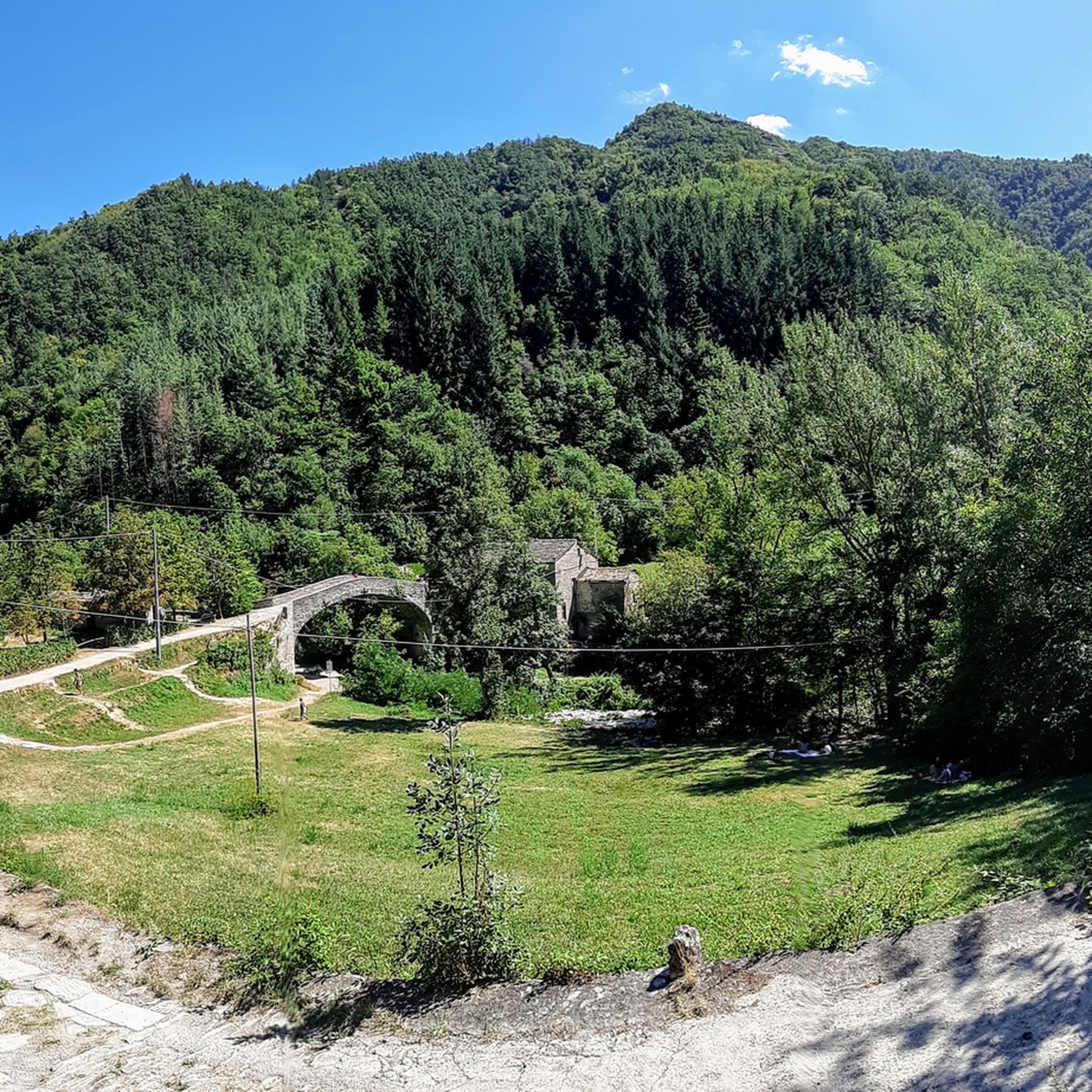
MTB Trails around Foreste Casentinesi, Monte Falterona, Campigna National Park
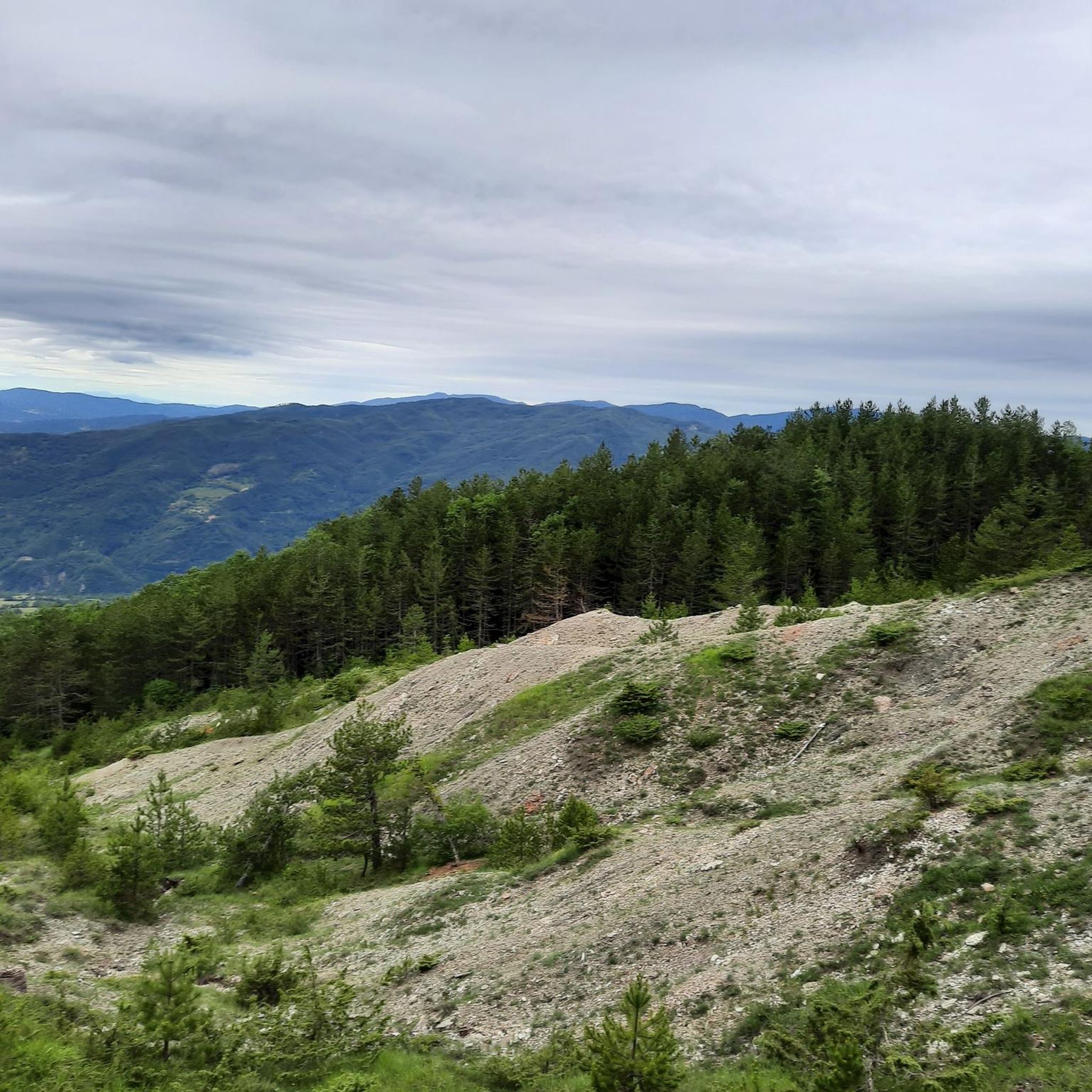
Running Trails around Foreste Casentinesi, Monte Falterona, Campigna National Park
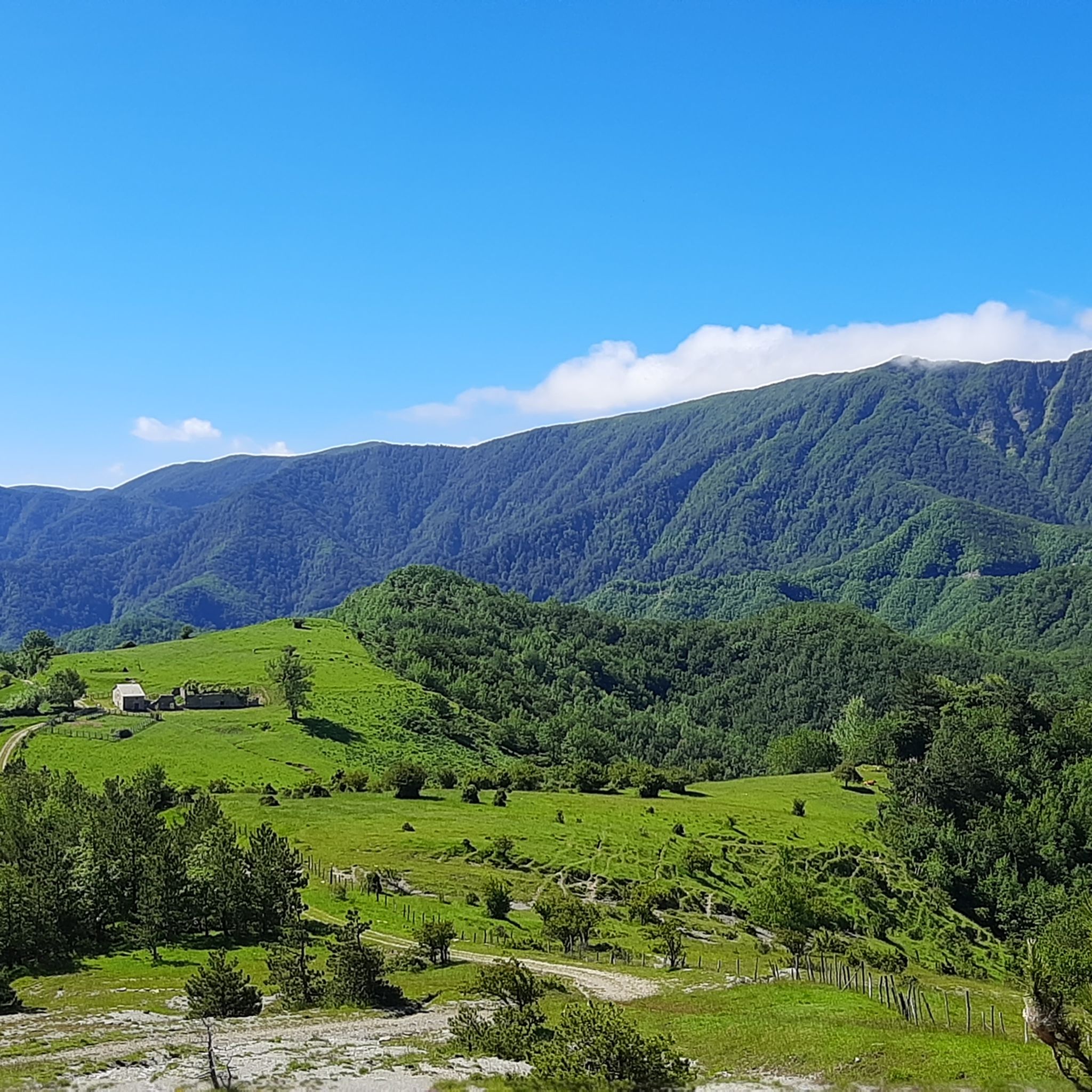
Cycling around Foreste Casentinesi, Monte Falterona, Campigna National Park
Other adventures around Parco Nazionale delle Foreste Casentinesi, Monte Falterona e Campigna


Tips from the Community

Since this cross stands on an inaccessible rock face, it is overgrown and hardly visible anymore
1
0

Streams, gorges, waterfalls, caves and cool pools to dive into and large, flat, smooth rocks where you can sunbathe while being lulled by the sound of the flowing water, amplified by the natural acoustics, making it sound like a scream.
1
0

A particularly beautiful destination in winter 🥰
1
0

Here you will find a particularly impressive section of the false wall of La Penna.
1
0
Of course, very easy. It can be reached very well by bike.
1
0

This location takes its name from the erosive phenomenon caused by the Rabbi river, in fact at this point the waters of the river have cut the rock on which they flowed into three parts, creating two small waterfalls. Below them a wonderful natural swimming pool has formed, ideal for a refreshing swim in the warmer months.
2
0

Mount Falco stands on the border between Arezzo and Florence and is also known as the "Roof of the Casentinesi Forests". With its 1,658 meters of altitude, it is the highest peak in the Tuscan-Romagnolo Apennines, exceeding the adjacent Mount Falterona by just four metres. To protect the alpine and subalpine vegetation present here, which is rare for these areas, an integral nature reserve has been established in this area.
3
0

On the path that leads from the La Verna monastery to Monte Penna, there is a huge boulder that towers over the abyss. It is the Sasso di Frate Lupo, marked by a sign attached to the boulder. The rock is so called because Saint Francis met the wild robber Lupo here and converted him to the Christian faith. From that moment on, the robber's name was Fra' Lupo, according to Brother Agnello. The boulder itself is nothing special. However, the story of Lupo's transformation makes it a place of particular historical and religious interest.
5
0
Frequently Asked Questions
What are some unique natural features to explore beyond the main highlights in Foreste Casentinesi?
Beyond the well-known spots, the park offers the Sasso Fratino Strict Nature Reserve, a UNESCO World Heritage site known for its ancient, undisturbed beech forests. You can also discover the archaeological significance of Lago degli Idoli, or enjoy panoramic views from Poggio Scali, one of the most beautiful viewpoints in the protected area.
Are there family-friendly natural monuments or trails in the park?
Yes, the park offers options suitable for families. For instance, the Sega Waterfalls are noted as family-friendly, where the Rabbi river has carved natural swimming pools perfect for a refreshing dip in warmer months. Many of the park's extensive trails are also suitable for various ages, though specific difficulty should always be checked.
What kind of wildlife can I expect to see in Foreste Casentinesi, Monte Falterona, Campigna National Park?
The park is home to a rich and diverse fauna. You might encounter wild boars, red deer, roe deer, and fallow deer. Wolves are also present, and the area is a haven for numerous bird species, making it a great spot for wildlife observation.
What is the best time of year to visit the natural monuments in the park?
The park is beautiful year-round. Spring and summer are ideal for hiking and enjoying the waterfalls, as the water flow varies with the seasons. Autumn offers spectacular fall foliage, especially around Monte Falterona, while winter provides a serene, snow-covered landscape for those seeking a different experience.
Are there challenging hikes to reach some of the natural monuments?
Absolutely. Peaks like Mount Falco and Monte Falterona offer challenging hikes with rewarding panoramic views. Reaching the Acquacheta Waterfall also typically involves a few hours' hike through wild valleys, making it a rewarding experience for those seeking a more strenuous adventure.
What are the highest peaks within the park, and what do they offer?
Mount Falco, at 1,658 meters, is the highest peak in the Tuscan-Romagnolo Apennines and is known as the 'Roof of the Casentinesi Forests.' Monte Falterona, slightly lower, is famous as the source of the Arno River. Both offer challenging hikes and expansive panoramic views of the surrounding forested landscape.
Can I find hiking trails that lead to these natural monuments?
Yes, the park is crisscrossed by over 600 kilometers of trails. For example, the Anello dell’Acquacheta is a popular moderate hike leading to the Acquacheta Waterfall. You can find more hiking options, including routes like the Tour of Monte Penna, in our dedicated hiking guide for the region.
What other outdoor activities are available near the natural monuments?
Besides hiking, the park offers excellent opportunities for mountain biking and running. You can explore various MTB trails, such as the Fonte Alpicella – Passo del Vinco loop, or enjoy running routes like the Monte Falterona Loop, providing diverse ways to experience the natural beauty.
What makes the <a href="https://www.komoot.com/highlight/749048" target="_blank" rel="noopener">Mount Penna Summit</a> a notable natural monument?
Mount Penna Summit is renowned for its spectacular panoramic views over both Romagna and Tuscany. On clear days, visitors can even see the Ridracoli Dam, San Marino, and sometimes the Adriatic Sea, making it one of the most scenic peaks in the entire Casentino area.
Are there any historical or cultural sites integrated with the natural landscape?
Yes, the park's natural beauty is intertwined with significant historical and cultural elements. The mystical hermitages of Camaldoli and La Verna are deeply integrated into the natural landscape, offering a unique blend of spiritual heritage and natural serenity. Additionally, Lago degli Idoli is an important archaeological site with Etruscan artifacts.
What geological features characterize the Foreste Casentinesi region?
The park's geology is diverse, featuring a mosaic of sedimentary rocks, rocky outcrops, natural cavities, and wetlands. The Romagna side, particularly around the higher elevations like Mount Falco, is characterized by sandstone banks alternating with clay schists and grey marls, contributing to its varied and striking landscapes.
Most popular routes around Parco Nazionale delle Foreste Casentinesi, Monte Falterona e Campigna
Most popular attractions around Parco Nazionale delle Foreste Casentinesi, Monte Falterona e Campigna

Get inspired with the komoot mobile app


Explore more
Extend your search for the best caves by checking out these guides of the top ones around Parco Nazionale delle Foreste Casentinesi, Monte Falterona e Campigna:
