Top 8 Natural Monuments in Météores
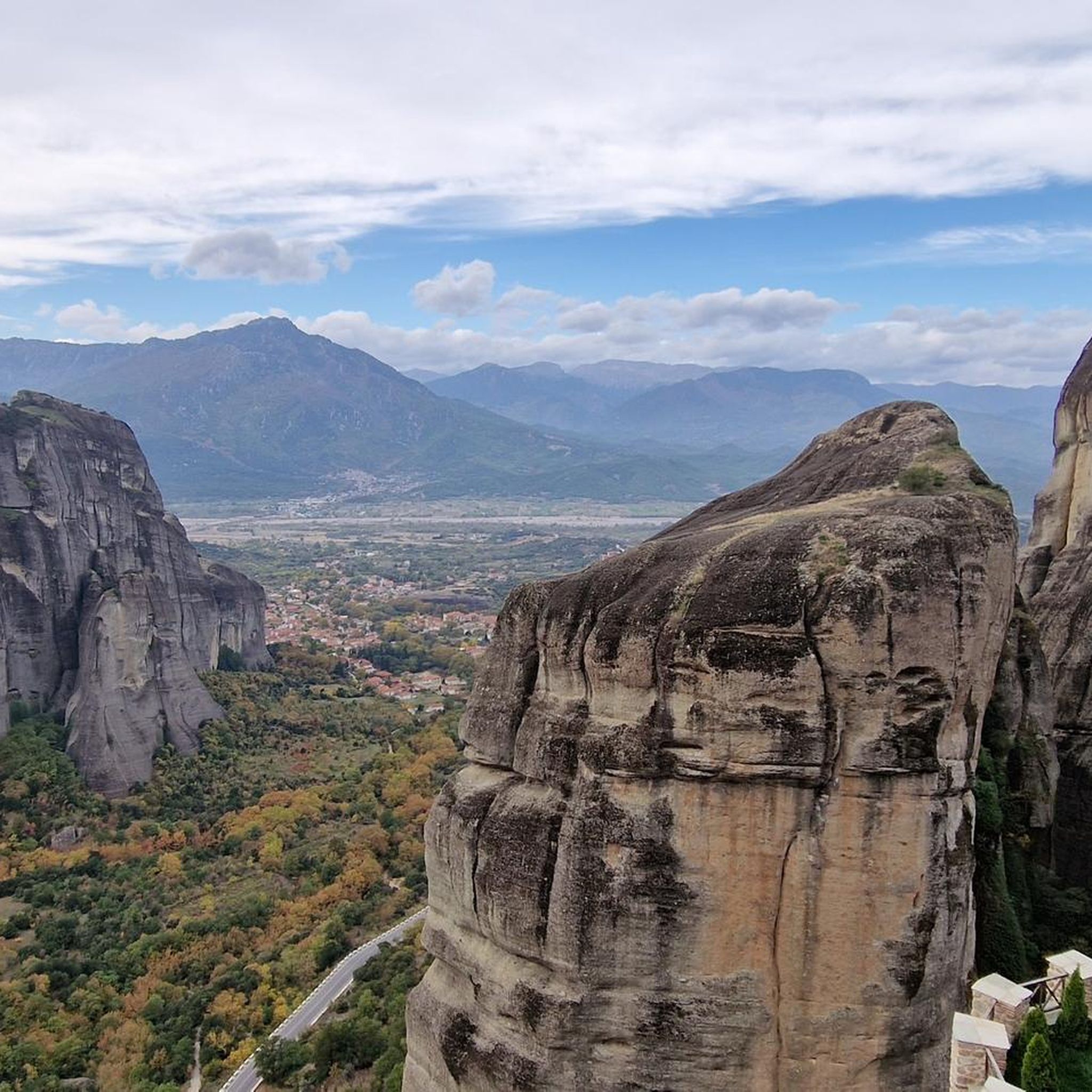
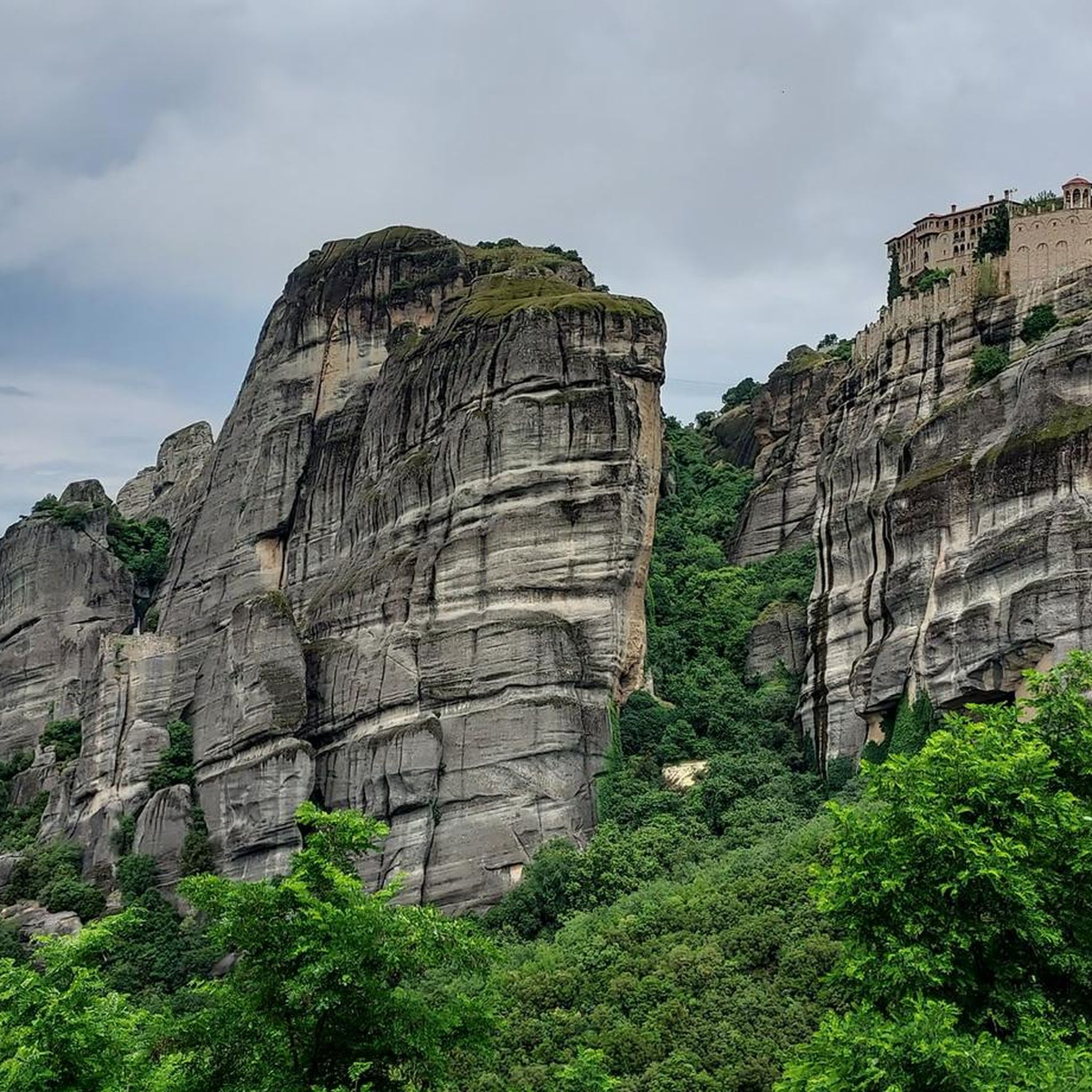
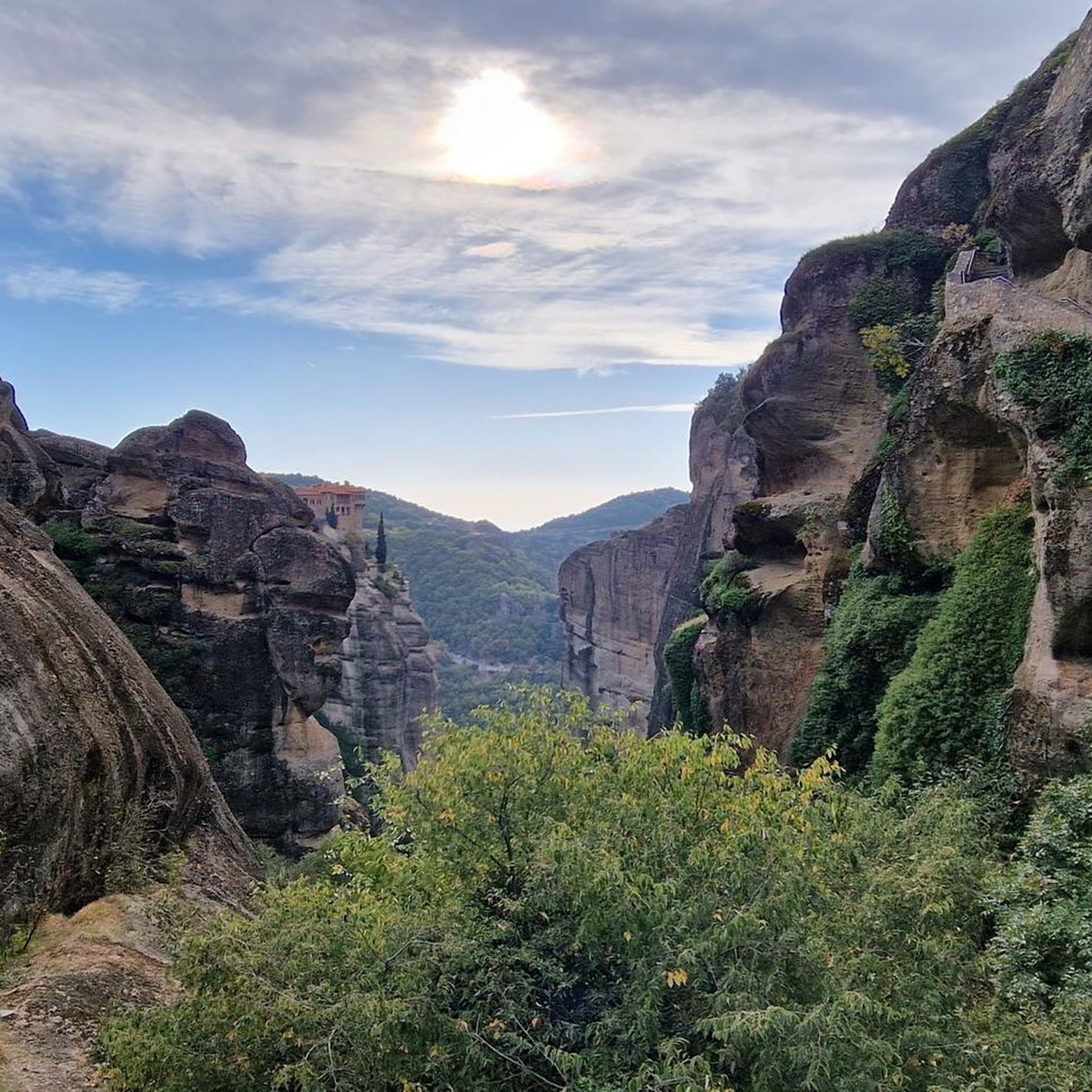
Natural monuments in Météores are characterized by towering rock pillars that rise majestically from the Thessaly plain. These impressive formations, composed of molassic sediments, sandstone, and conglomerates, are the result of millions of years of geological processes. The area is a UNESCO World Heritage site, recognized for the unique integration of Byzantine monasteries perched atop these seemingly inaccessible natural structures. This landscape offers a compelling blend of geological grandeur and cultural heritage.
Best natural monuments in Météores
- The most popular…
Last updated: July 11, 2026
Agia Triada (Holy Trinity) Monastery, Meteora
Highlight • Religious Site
Translated by Google •
Tip by

Roussanou Monastery
Highlight • Religious Site
Translated by Google •
Tip by

Sign up now to discover places like this
Get recommendations on the best single tracks, peaks, & plenty of other exciting outdoor places.
Sign up for free
Great Meteoron Monastery (Megalo Meteoro)
Highlight • Religious Site
Translated by Google •
Tip by

Ypapanti Monastery
Highlight • Religious Site
Clear recommendation.
Translated by Google •
Tip by

Holy Monastery of Saint Stephen (Agios Stefanos)
Highlight • Religious Site
Translated by Google •
Tip by
Sign up for free to discover even more natural monuments in Météores.
Sign up for free
Already have an account?
Start today with a free account
Your next adventure awaits.
Login or Signup

Tips from the Community

Very beautiful Meteora monastery with a great view.
0
0
Very beautiful monastery.
0
0

East of the Pindus Mountains, mighty sandstone cliffs rise to a height of approximately 500 meters. 24 monasteries were once built on their summits. Monks and nuns still live in six of them today. These monasteries are now UNESCO World Heritage sites and are often referred to as "floating monasteries" because they appear almost suspended in fog or low clouds.
2
0
East of the Pindus Mountains, mighty sandstone cliffs rise to a height of approximately 500 meters. 24 monasteries were once built on their summits. Monks and nuns still live in six of them today. These monasteries are now UNESCO World Heritage sites and are often referred to as "floating monasteries" because they appear almost suspended in fog or low clouds.
2
0
East of the Pindus Mountains, mighty sandstone cliffs rise to a height of approximately 500 meters. 24 monasteries were once built on their summits. Monks and nuns still live in six of them today. These monasteries are now UNESCO World Heritage sites and are often referred to as "floating monasteries" because they appear almost suspended in fog or low clouds.
2
0

The patronage of this monastery was not conferred on one of the (almost infinite) number of saints, but rather placed under the protection of the "Holy Trinity." The following words come from the late Holy Father, Pope Benedict XVI (Joseph Ratzinger), about the mystery of faith that we in Christianity venerate the ONE God in THREE Persons: "On the Sunday after Pentecost, we celebrate the Solemnity of the Most Holy Trinity. Through the Holy Spirit, who helps us understand the words of Jesus and guides us into all truth, the faithful can, so to speak, gain knowledge of the innermost being of God and thereby discover that He is by no means infinite solitude, but a communion of light and love, life given and received in an eternal dialogue between the Father and the Son in the Holy Spirit—lover, beloved, and love, to use the words of St. Augustine." (Address by Pope Benedict XVI, at the Angelus on June 11, 2006)
1
0

You can't enter, but it's very beautiful to look at from the outside. You can get there by following the first trail marked on the Meteora Trails website. It's an easy, one-hour walk through the woods, with no particularly difficult elevation gain. Highly recommended and evocative.
0
0

Unfortunately, large parts of the monastery are closed off or are being renovated. Actually, you can only visit the chapel.
1
0
Frequently Asked Questions
What are the Météores natural monuments made of and how were they formed?
The towering rock pillars of Météores are primarily composed of molassic sediments, sandstone, and conglomerates. These formations are the result of millions of years of geological processes, including tectonic fracturing followed by extensive erosion from water and wind. They belong to the "Pentalophos Formation," dating back approximately 10 to 30 million years.
What makes the geological formations in Météores unique?
The Météores rock formations are unique due to their sheer scale, unusual vertical weathering, and the dramatic way they rise abruptly from the Thessaly plain. Geologists find the concentrated and abrupt vertical weathering of these conglomerate formations particularly intriguing, creating an otherworldly landscape unlike any other.
Are there hiking trails around the natural monuments in Météores?
Yes, numerous trails wind through the area, allowing visitors to immerse themselves in the natural beauty and explore the landscape. You can find many hiking options, including easy, moderate, and difficult routes. For detailed hiking routes, check out the Easy hikes in Météores guide.
What is the difficulty level of hiking trails in Météores?
Hiking trails in Météores range from easy to difficult. For instance, there are easy loops like the "View of Meteora Monasteries loop from Meteora" (2.56 km) and more challenging routes. Always check the specific route details for elevation and terrain before you go.
Can I cycle around the natural monuments in Météores?
Absolutely. Météores offers various cycling routes that allow you to experience the natural monuments. You can find options for touring bicycles and road bikes, with routes ranging from moderate to difficult. Explore routes in the Cycling in Météores guide or the Road Cycling Routes in Météores guide.
Where can I find the best viewpoints of the Météores natural monuments?
Many of the monasteries, built atop the rock pillars, offer exceptional panoramic views. For example, the Great Meteoron Monastery sits on the highest rock, providing extensive vistas. The Holy Monastery of Saint Stephen also offers splendid views of the Thessaly valley and Pindos mountains. Sunset views from various points near Kalambaka and Kastraki are highly recommended for their spectacular colors.
What is the best time of year to visit the natural monuments in Météores?
The spring and autumn months are generally considered the best time to visit Météores. The weather is milder, making hiking and exploring more comfortable, and the landscape is particularly beautiful. Summers can be very hot, especially at midday, while winters can be cold and occasionally snowy.
Are there family-friendly natural attractions in Météores?
While many of the monasteries involve some climbing, the overall landscape and the unique sight of the rock formations are captivating for all ages. The Holy Monastery of Saint Stephen is particularly accessible, reachable via a small bridge without stairs, making it a good option for families.
Is parking available near the natural monuments and trailheads?
Yes, parking is generally available near the main monasteries and popular viewpoints. However, during peak season, these areas can become crowded. It's advisable to arrive early, especially if you plan to hike, to secure a spot.
Are there any lesser-known natural wonders or less crowded sites in Météores?
While the main monasteries attract many visitors, exploring some of the less frequented trails can lead you to quieter spots and hidden hermitages. The Ypapanti Monastery, though currently closed to visitors, is located in a more secluded area and offers diverse rock formations and views, making the hike there worthwhile for those seeking solitude.
What cultural and historical significance do the natural monuments hold in Météores?
The natural monuments of Météores are a UNESCO World Heritage site, not just for their geological grandeur but also for their unique integration with Byzantine monasteries. The harmonious coexistence of human ingenuity and natural wonder, with monasteries perched atop these seemingly inaccessible pillars, creates a sacred landscape of profound cultural and historical significance.
What do visitors enjoy most about the natural monuments in Météores?
Visitors are consistently awed by the unique geological grandeur and the breathtaking panoramic views. The blend of natural beauty with the historical monasteries creates an inspiring experience. Many also appreciate the hiking opportunities that allow for a more intimate connection with the landscape, and the dramatic scenery is a magnet for photographers.
Most popular attractions in Météores

Get inspired with the komoot mobile app


