Top 7 Natural Monuments in Giant's Causeway
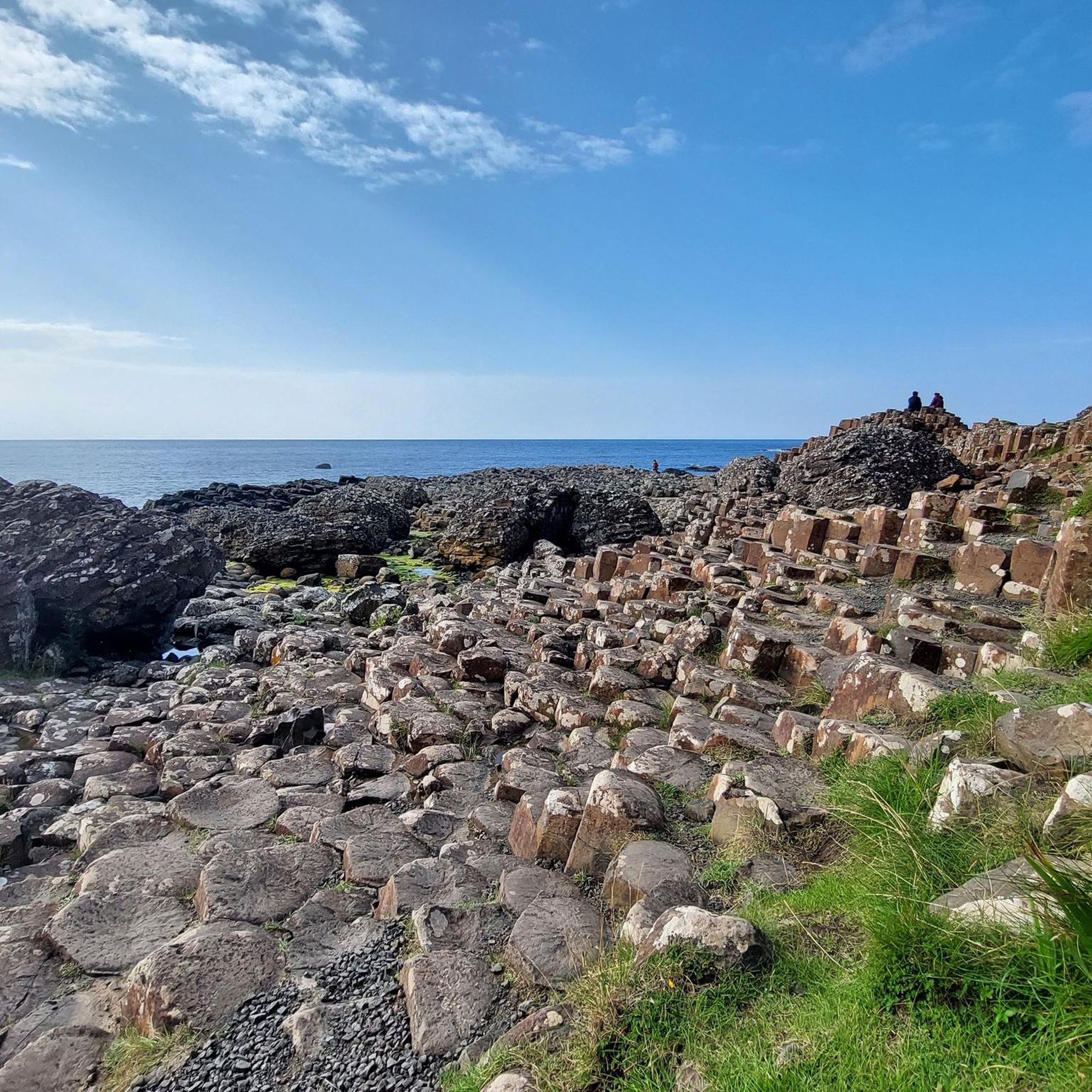
Best natural monuments in Giant's Causeway feature approximately 40,000 interlocking basalt columns, formed by ancient volcanic activity around 50-60 million years ago. This UNESCO World Heritage Site presents a unique geological landscape in Northern Ireland. The site's distinctive features and associated folklore contribute to its appeal as a natural landmark. Visitors can explore various formations that showcase the effects of geological forces and erosion.
Best natural monuments in Giant's Causeway
- The most popular natural monuments is Giant's Causeway, a…
Last updated: October 1, 2026
Giant's Causeway
Highlight • Natural Monument
Tip by

The Amphitheatre (Port Reostan)
Highlight • Viewpoint
Tip by

Sign up now to discover places like this
Get recommendations on the best single tracks, peaks, & plenty of other exciting outdoor places.
Fionn Mac Cumhaill's Shoe
Highlight • Natural Monument
Of course you should have a little imagination to discover certain forms of life in these formations, but it's fun.
Translated by Google •
Tip by

The Camel Rock Formation
Highlight • Natural
Translated by Google •
Tip by

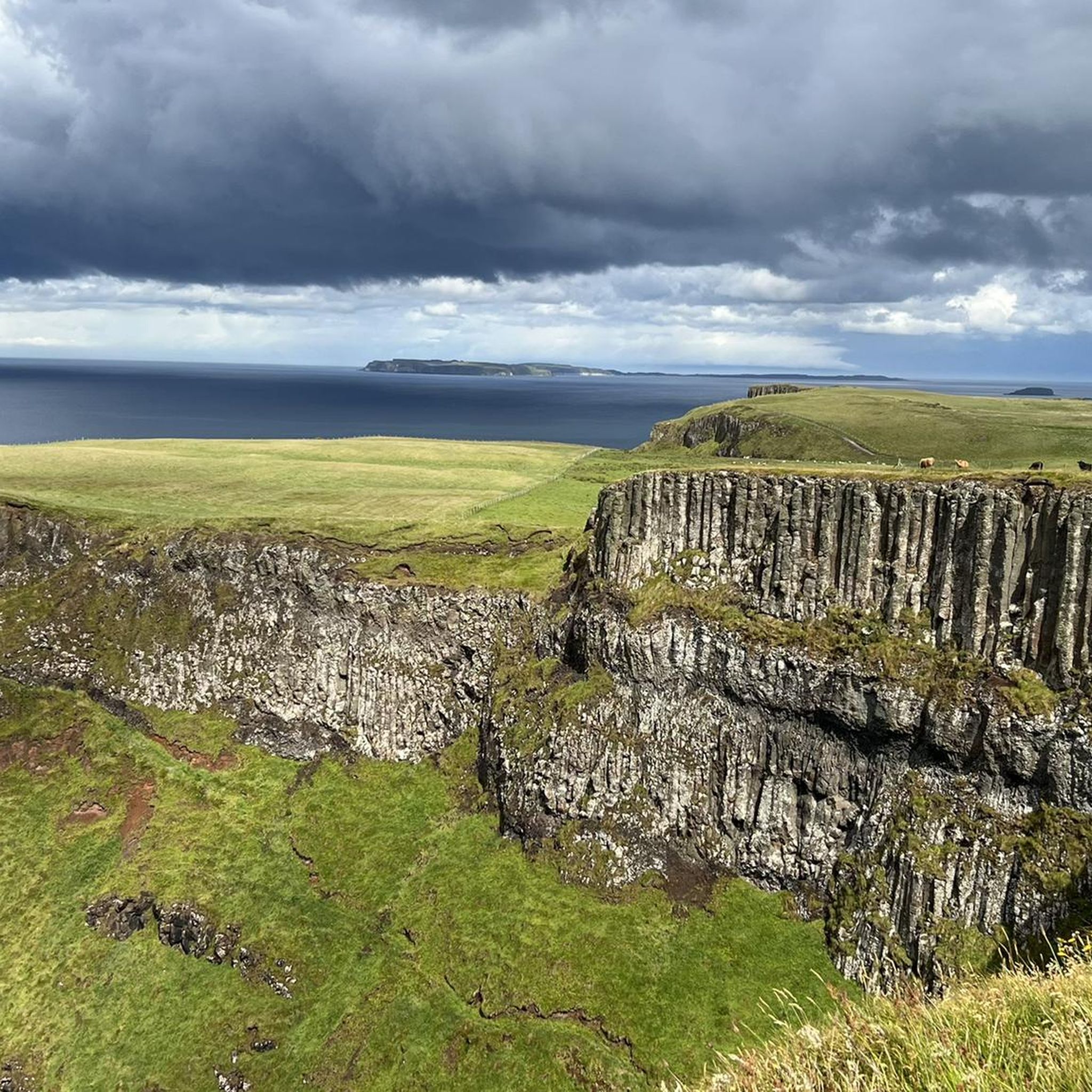
View of the Causeway Coast Cliffs
Highlight • Viewpoint
Tip by

Sign up for free to discover even more natural monuments in Giant's Causeway.
Already have an account?
Start today with a free account
Your next adventure awaits.
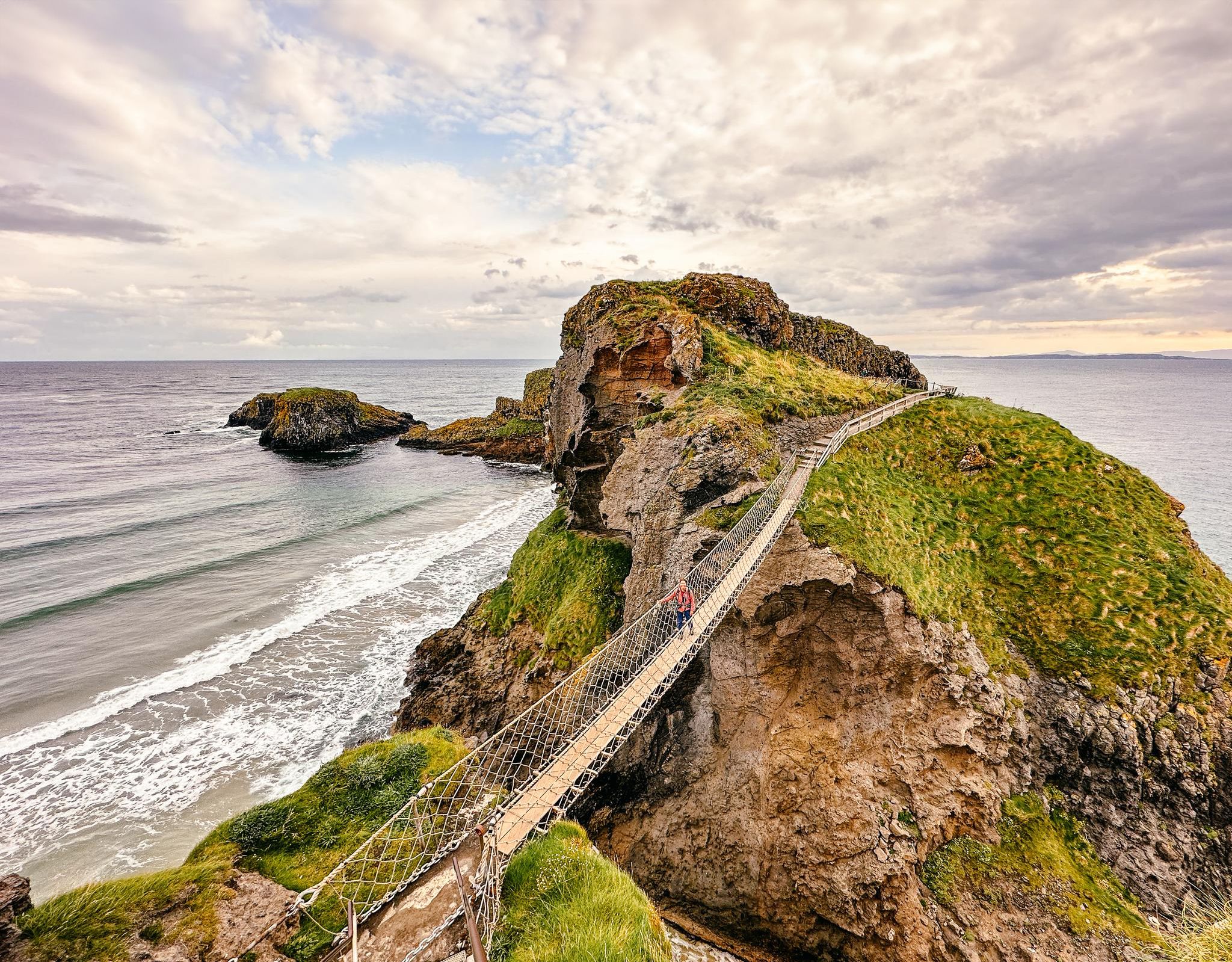
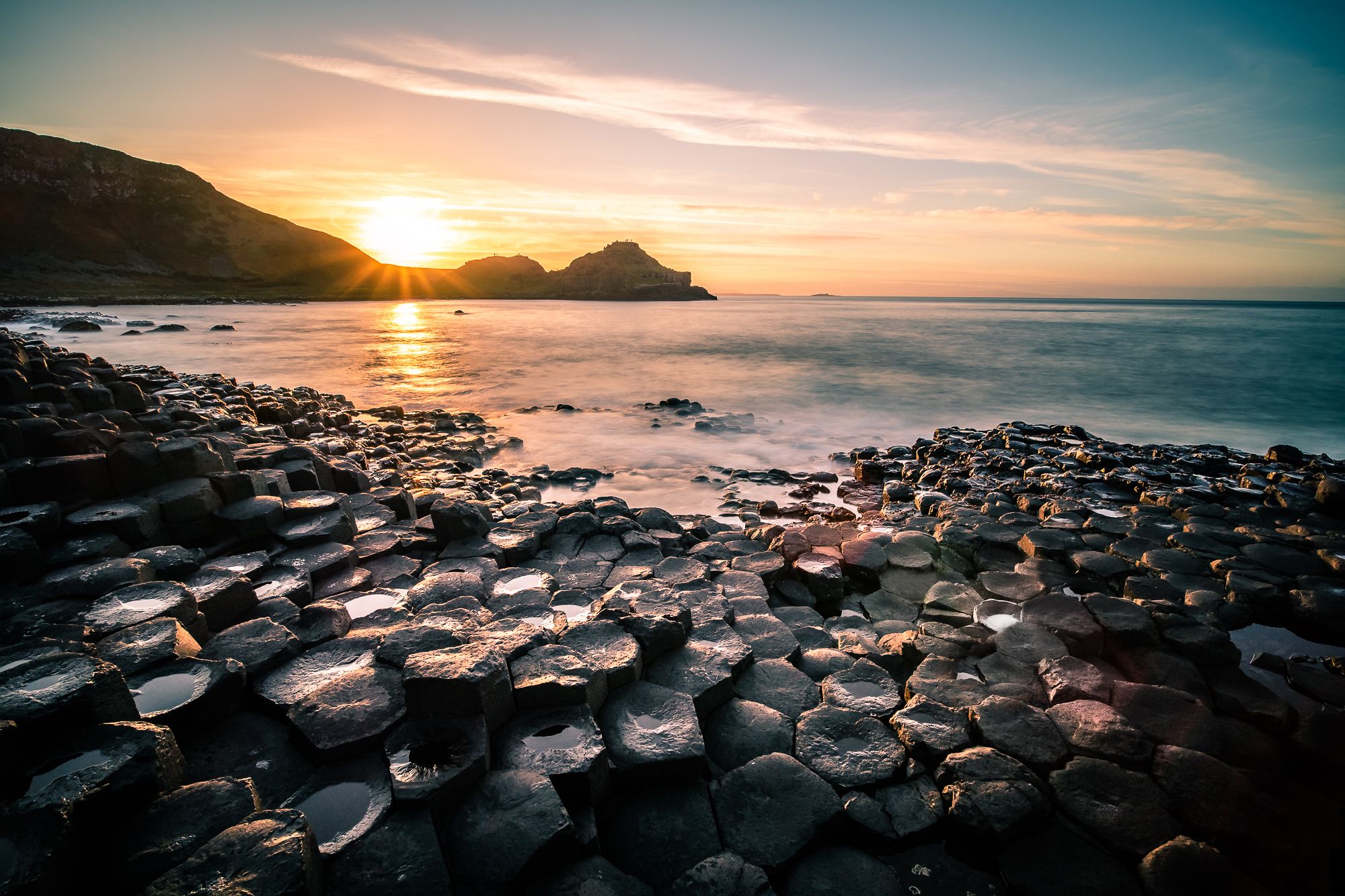
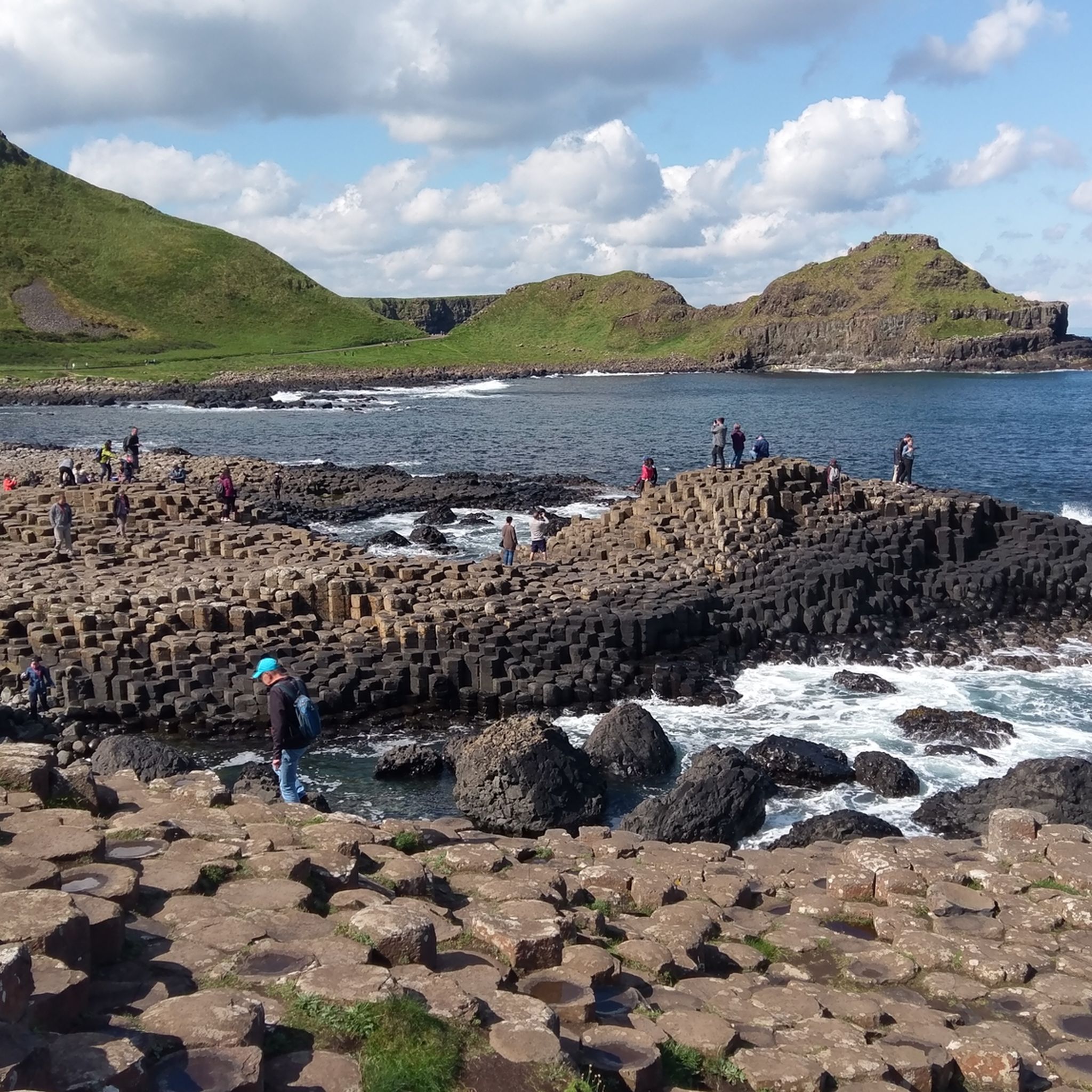
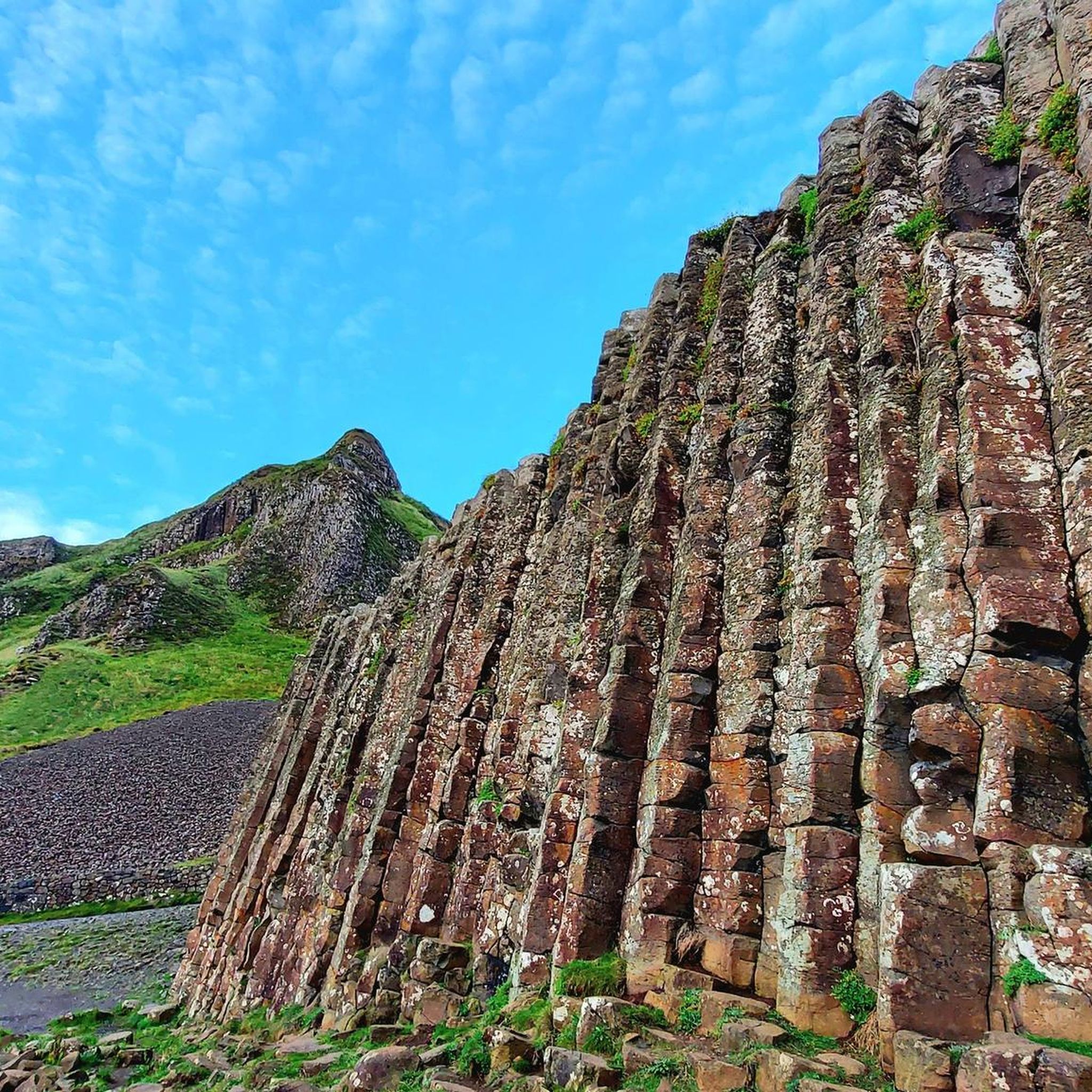


Tips from the Community

Totally overcrowded, but still worth seeing.
0
0


The amphitheater in Northern Ireland is an impressive archaeological site, fascinating for its historical significance and impressive architecture. The complex offers insight into ancient culture and is a fascinating place for history buffs. The atmosphere is tranquil and invites reflection on the past. The amphitheater is an important monument that reflects Northern Ireland's rich history.
2
0

Luckily there is a sign to point the right direction and give a hint of the outline of the camel, otherwise it would be a bit hard to spot this rock formation.
3
0


If you look closely, you can see the rock in the shape of a camel
3
0
Super beautiful wide views
2
1
Frequently Asked Questions
What unique geological features can I expect to see at Giant's Causeway?
Giant's Causeway is renowned for its approximately 40,000 interlocking basalt columns, primarily hexagonal, formed by ancient volcanic activity. Beyond the iconic Grand Causeway, you can discover features like The Organ, a dramatic formation of tall, straight columns resembling organ pipes, and The Chimney Stacks, isolated basalt columns rising from the cliff tops. The site also features the reddish, weathered Giant's Eyes and the intricate hexagonal patterns of the Honeycomb.
Are there any family-friendly natural monuments or activities at Giant's Causeway?
Yes, Giant's Causeway offers several family-friendly features. Walking on the basalt columns of Giant's Causeway itself is a popular activity for all ages. Children often enjoy searching for the unique shapes like Fionn Mac Cumhaill's Shoe (The Giant's Boot) and The Camel Rock Formation. The site's rich folklore also adds an engaging element for younger visitors. Many of the trails are suitable for families, with options for various difficulty levels.
What is the significance of the Giant's Causeway being a UNESCO World Heritage Site?
The Giant's Causeway is a UNESCO World Heritage Site due to its outstanding universal value, recognized for its extraordinary natural rock formations. It's a prime example of columnar basaltic volcanism, showcasing geological processes that occurred 50-60 million years ago. This designation highlights its importance for scientific and conservation purposes, ensuring its protection and appreciation globally.
What outdoor activities can I do near the natural monuments in Giant's Causeway?
The area around Giant's Causeway offers a variety of outdoor activities. You can explore numerous hiking trails, including easy options like the Red Trail or routes leading to The Organ. Cycling is also popular, with routes such as the 'Dunseverick Castle Ruins – Giant's Causeway loop'. For runners, there are several moderate jogging trails, including loops around the Giant's Causeway itself. For more detailed route information, you can check out guides like Cycling in Giant's Causeway, Running Trails in Giant's Causeway, and Easy hikes in Giant's Causeway.
Are there any viewpoints offering panoramic views of the coastline?
Yes, there are several excellent viewpoints. The Amphitheatre (Port Reostan) provides dramatic and picturesque views along the Causeway Coast. Giant’s Gate is another key viewpoint, leading towards other notable formations like The Organ. The Chimney Stacks also offer stunning panoramic views against the sky and sea, showcasing the effects of natural erosion.
What is the best time of year to visit Giant's Causeway?
Giant's Causeway can be visited year-round, but each season offers a different experience. Summer (June-August) provides the warmest weather and longest daylight hours, ideal for exploring, though it can be very busy. Spring (April-May) and Autumn (September-October) offer milder temperatures, fewer crowds, and beautiful light for photography. Winter (November-March) can be dramatic with wild seas and fewer visitors, but weather conditions can be unpredictable, so dressing warmly and waterproof is essential.
What is the legend behind the Giant's Causeway?
The Giant's Causeway is steeped in the legend of the Irish giant Finn MacCool (Fionn Mac Cumhaill). The folklore tells that Finn built the causeway to cross the North Channel to fight the Scottish giant Benandonner. Features like Fionn Mac Cumhaill's Shoe (The Giant's Boot) and The Camel Rock Formation are directly linked to these tales, adding a whimsical and mythical dimension to the geological wonders.
Is Giant's Causeway accessible for visitors with mobility challenges or wheelchairs?
While the main basalt columns of Giant's Causeway are generally accessible, some areas with uneven terrain and steps might be challenging. The visitor center and main path to the causeway are typically accessible. It's advisable to check the official site for the most up-to-date information on accessible routes and facilities, as specific sections can vary in difficulty.
What is the Wishing Chair and where can I find it?
The Wishing Chair is a naturally formed basalt seat nestled among the columns, smoothed and polished over time by countless visitors. It's a popular feature steeped in local tradition, where visitors often sit to make a wish, believing it brings good luck. It offers a unique vantage point for taking in the views of the Atlantic Ocean and connects visitors to the charming folklore of the area. You'll find it within the main causeway area.
Are there any specific tips for visiting the Giant's Causeway?
Visitors often recommend taking your time to explore the basalt columns and appreciate their geometric precision. Many suggest walking from the visitor center down to the causeway to fully experience the landscape, rather than taking the bus. Don't forget to look for specific formations like The Organ and Fionn Mac Cumhaill's Shoe. Comfortable walking shoes are a must, and be prepared for potentially windy and wet weather, even in summer.
How long does it typically take to explore the natural monuments at Giant's Causeway?
The time needed to explore Giant's Causeway can vary. A quick visit to the main basalt columns might take 1-2 hours. However, to fully appreciate the various natural monuments like The Organ, The Chimney Stacks, and The Amphitheatre, and to walk some of the coastal trails, you could easily spend 3-4 hours or even half a day. This allows for leisurely exploration and photography.
Can I bring my dog to Giant's Causeway?
Yes, dogs are generally welcome at Giant's Causeway, but they must be kept on a lead. There are designated walking routes where dogs are permitted. It's always a good idea to check the specific rules and any restricted areas upon arrival, especially around the visitor centre or sensitive wildlife zones, to ensure a pleasant visit for everyone.
Most popular routes in Giant's Causeway
Most popular attractions in Giant's Causeway

Get inspired with the komoot mobile app


Explore more
Extend your search for the best caves by checking out these guides of the top ones in Giant's Causeway:
