Top 20 Natural Monuments in Alt Pirineu
Natural monuments in Alt Pirineu are concentrated within the Alt Pirineu Natural Park and the Aigüestortes i Estany de Sant Maurici National Park. These protected areas feature alpine landscapes, glacial formations, and diverse ecosystems. The region's geography includes Catalonia's highest peaks, numerous glacial lakes, and significant geological features. It offers a range of natural attractions for exploration.
Best natural monuments in Alt Pirineu
- The most popular natural monuments is Pica d'Estats, a summit that is the highest peak in…
Last updated: October 1, 2026
Pica d'Estats
Highlight • Summit
Showing Translation
Tip by

Port del Cantó (1,721 m)
Highlight • Mountain Pass
Translated by Google •
Tip by

Sign up now to discover places like this
Get recommendations on the best single tracks, peaks, & plenty of other exciting outdoor places.
Port de Cabús
Highlight • Mountain Pass
Translated by Google •
Tip by

Estany de Romedo de Dalt
Highlight • Lake
Tip by

Pont de Perosa
Highlight • Bridge
From this point there are 3 itineraries that are indicated on the information panel that we will find next to the bridge.
Translated by Google •
Tip by

Sign up for free to discover even more natural monuments in Alt Pirineu.
Already have an account?
Start today with a free account
Your next adventure awaits.
Popular around Alt Pirineu
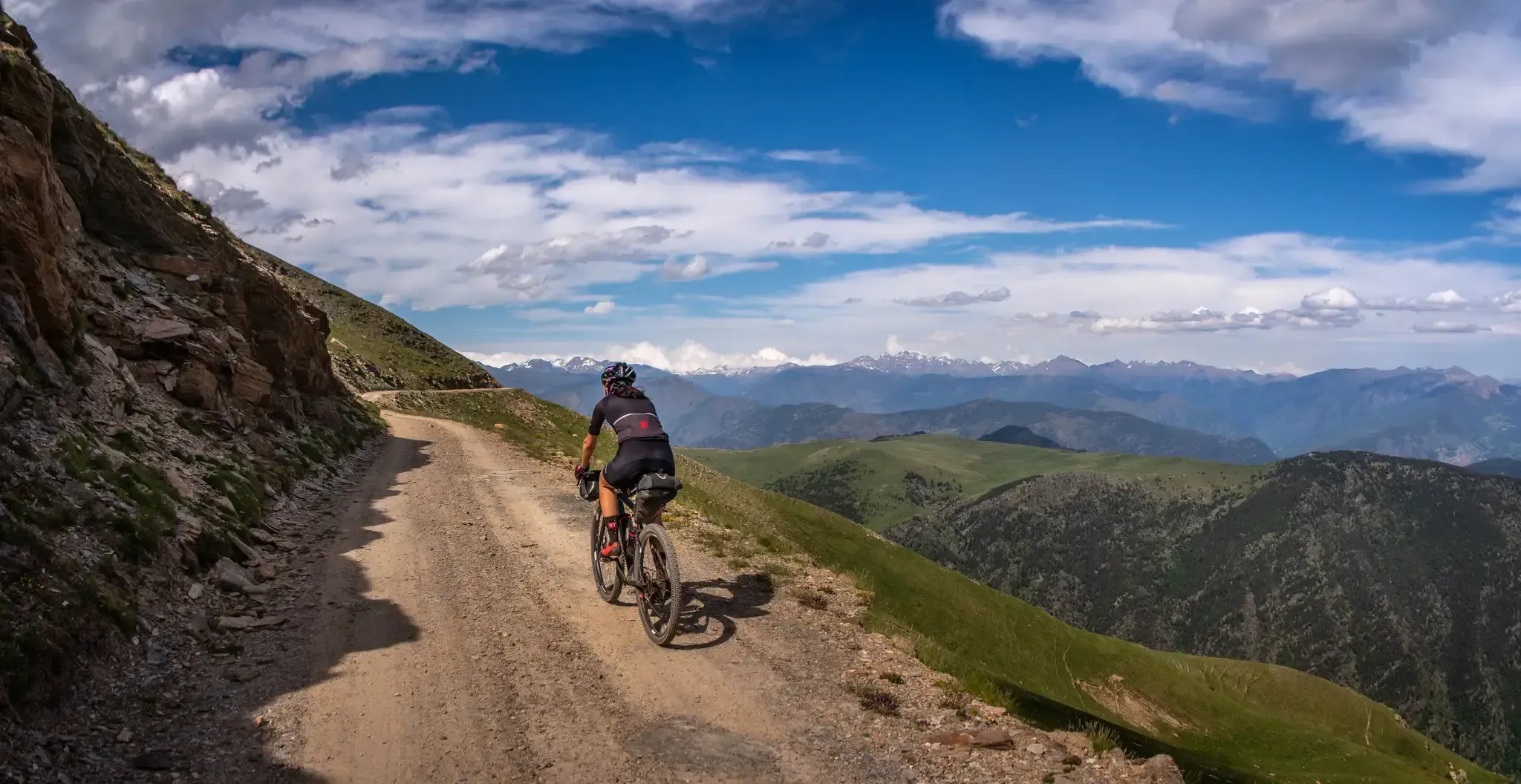
Pedals de Foc – An adventure through the Catalan Pyrenees
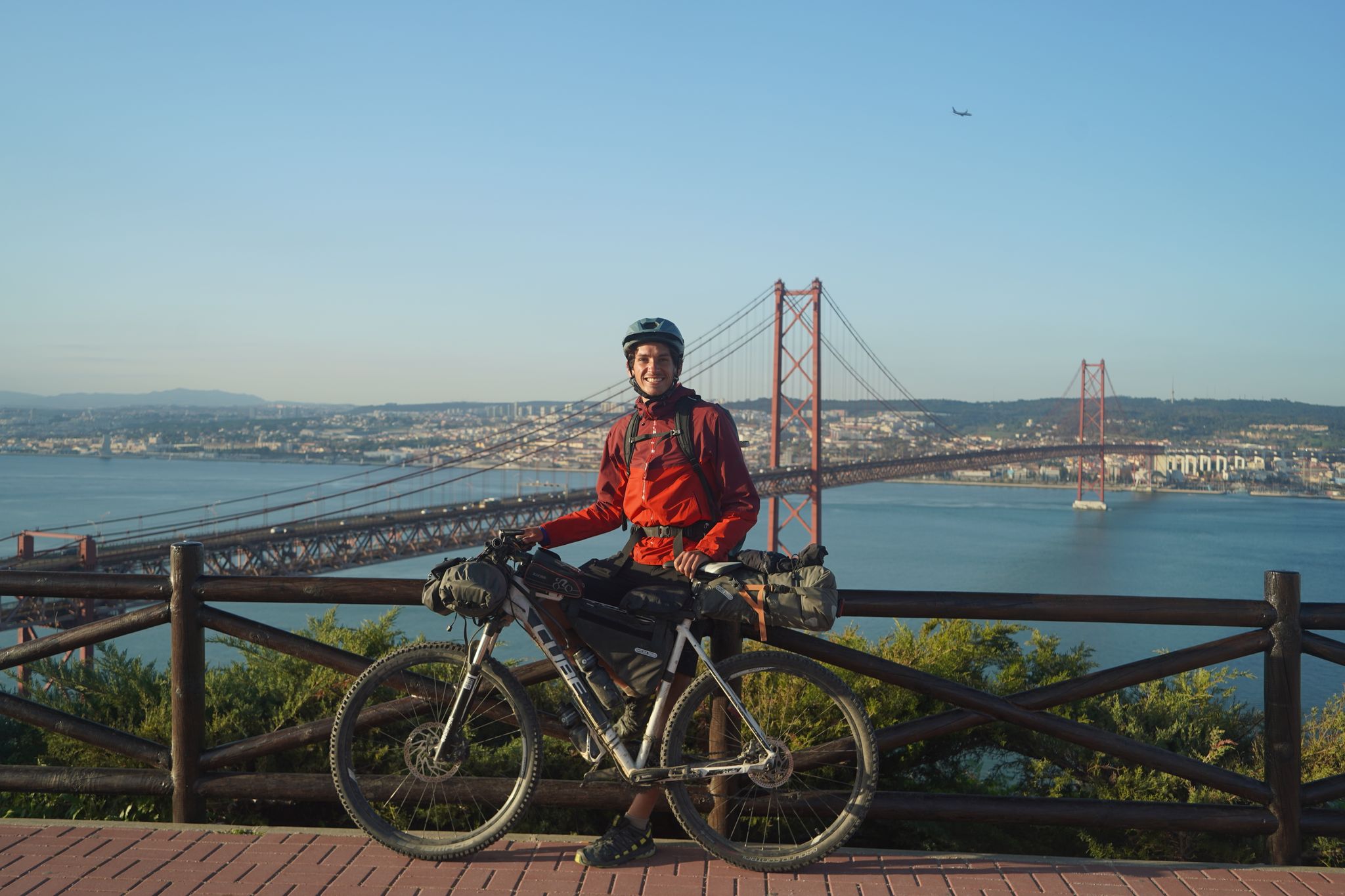
Road to Lisbon – bikepacking the Alps, Pyrenees and Picos de Europa
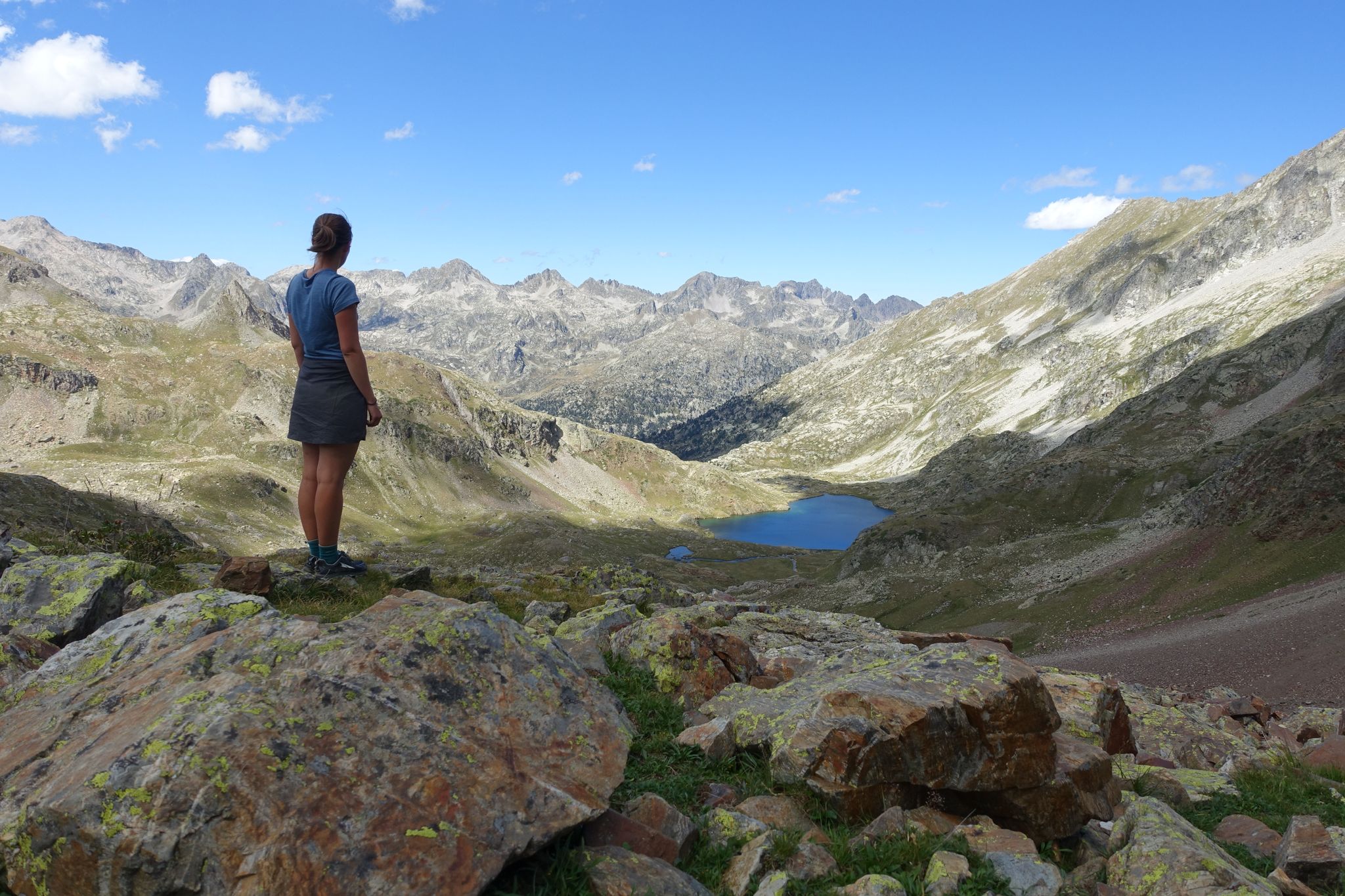
Haute Route Pyrénéenne – Pyrenees Crossing
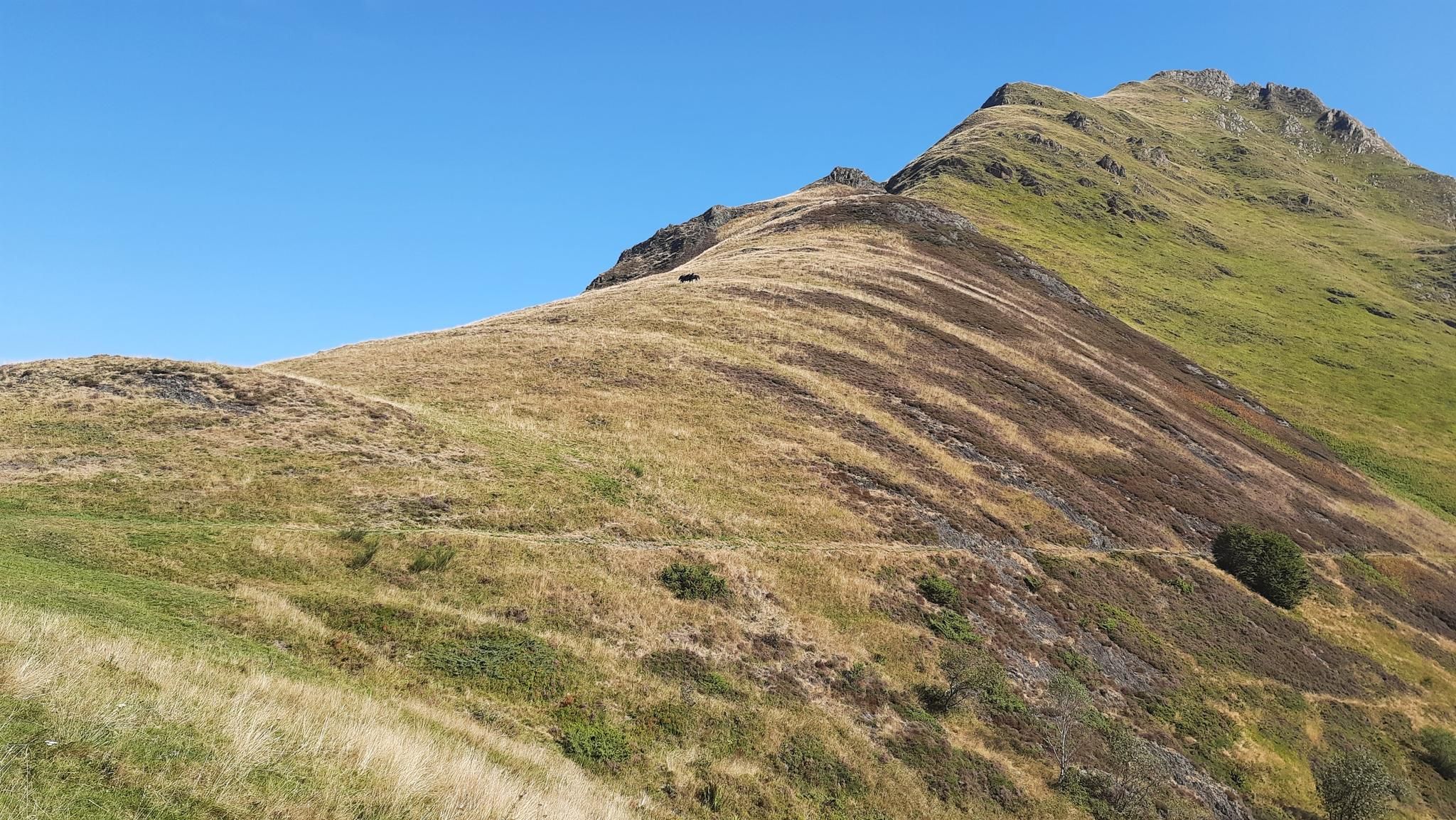
Tour of Mont Valier - The Giant of Ariège
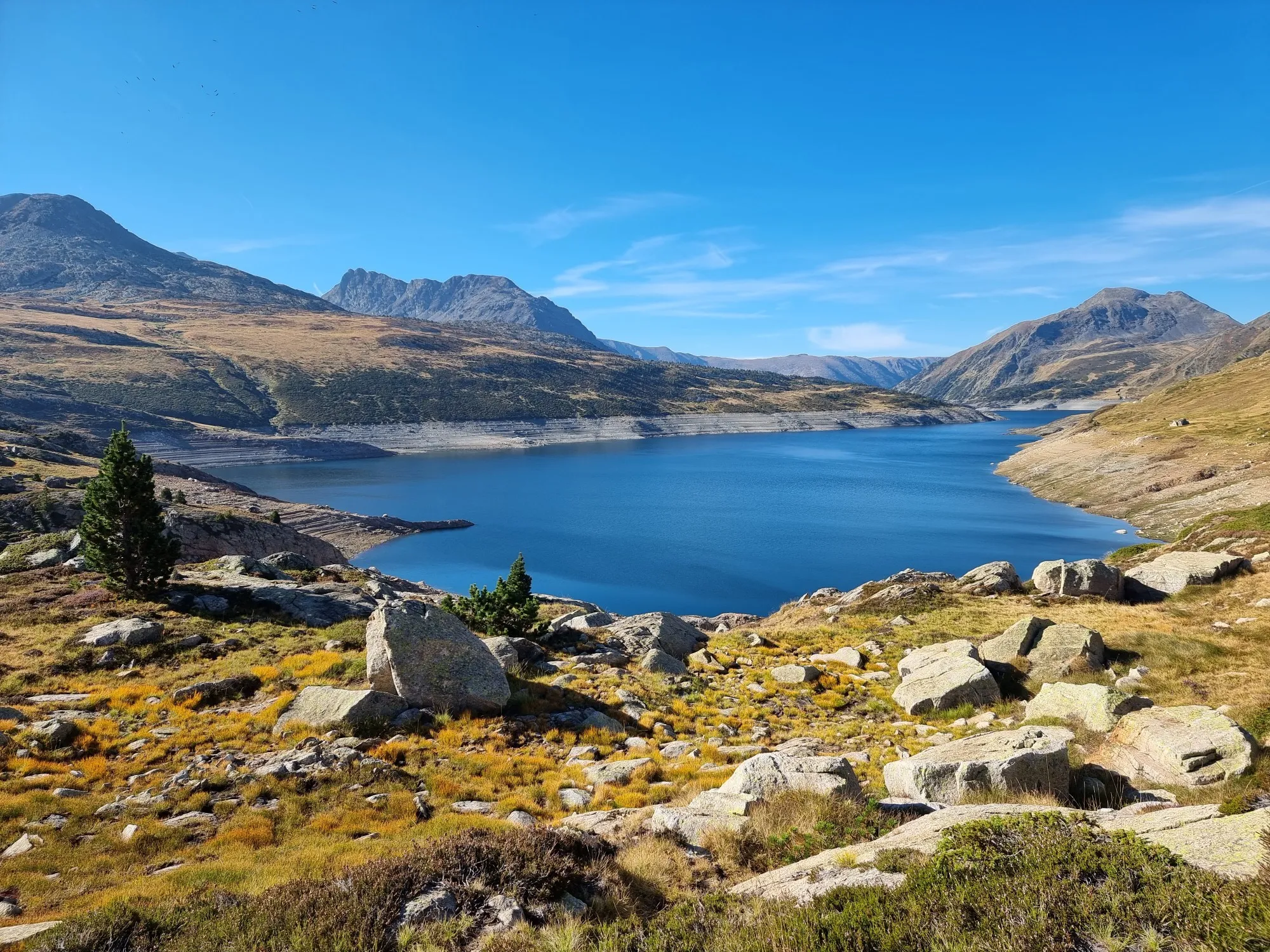
On wild ridges: Catalonia to Ariège – Hexatrek, Eastern Pyrenees
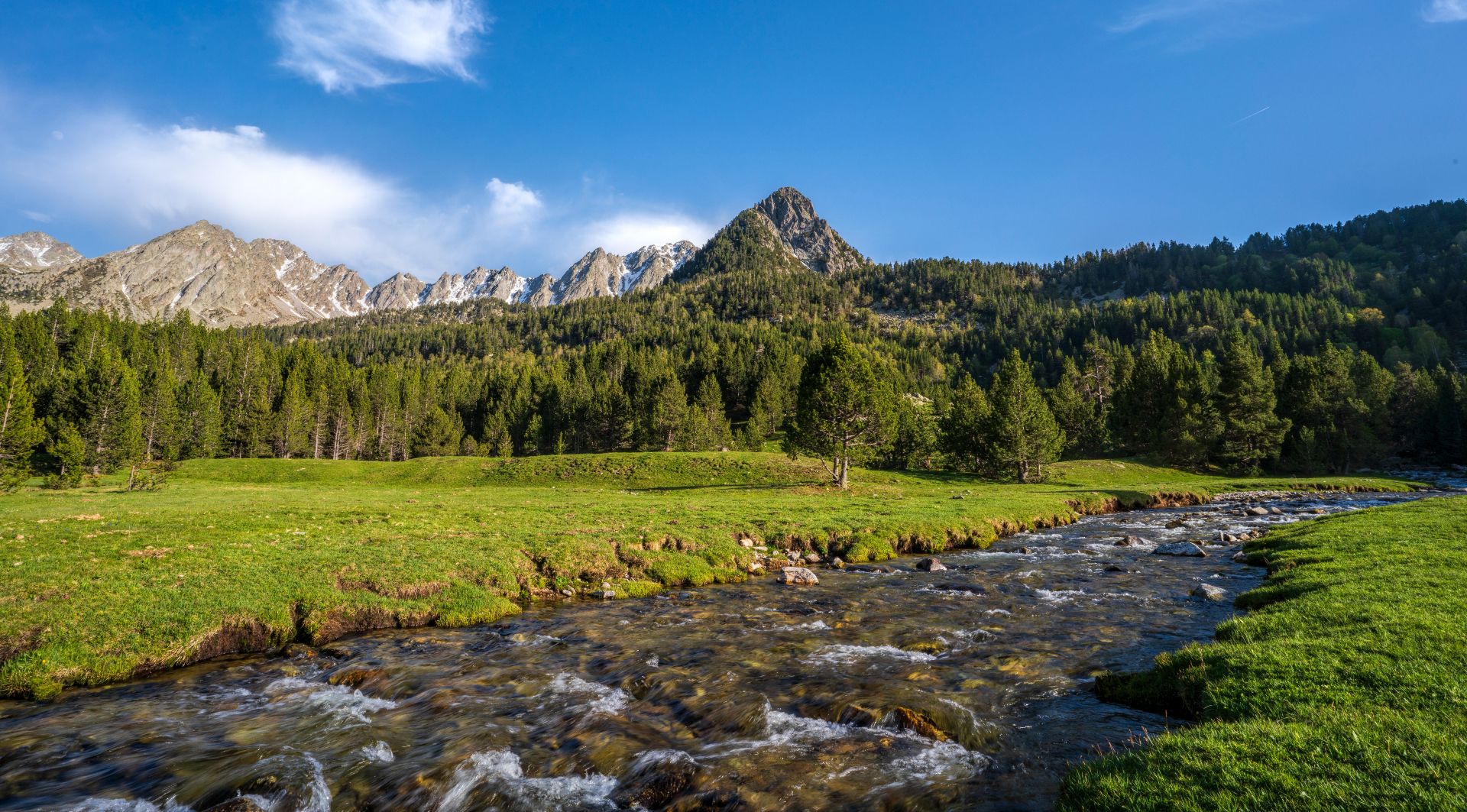
Catalonia and Andorra on the Pyrenean Trail – GR 11
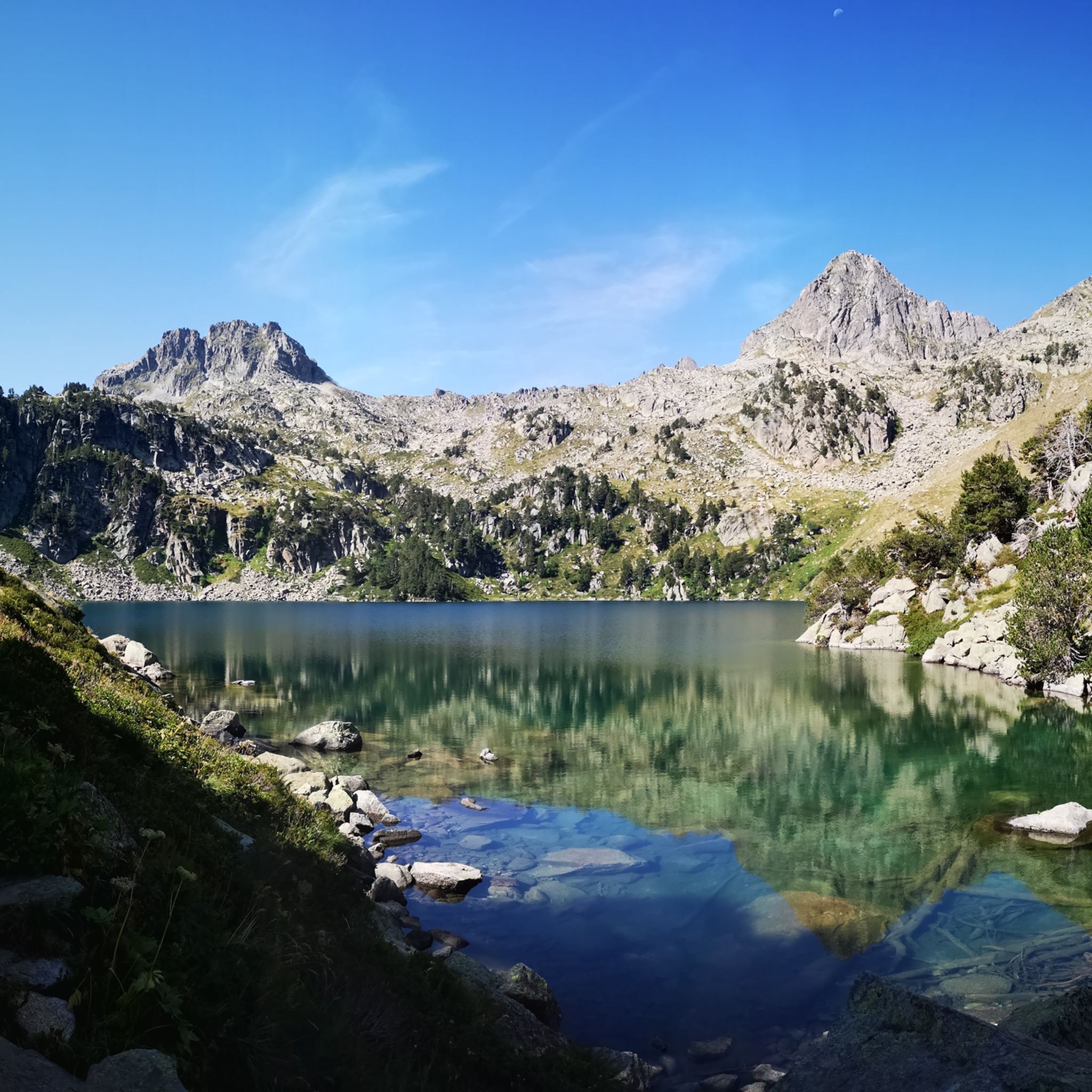
Hiking in Alt Pirineu
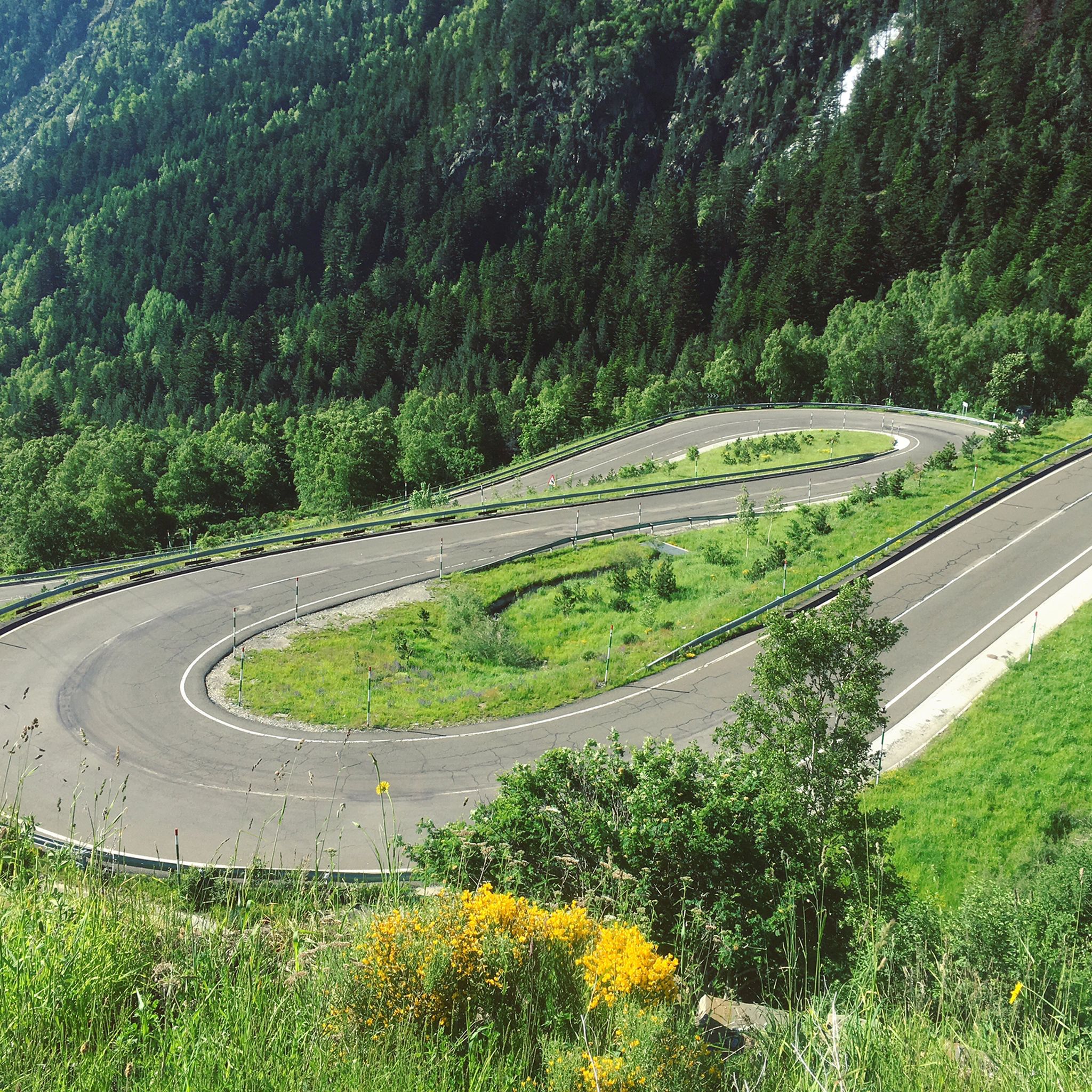
Road Cycling Routes in Alt Pirineu
Running Trails in Alt Pirineu
MTB Trails in Alt Pirineu
Other adventures in Alt Pirineu


Tips from the Community

The highest peak in the Catalan Pyrenees is well worth the visit, although you have to earn it as it is a long route with considerable elevation gain to overcome.
0
1

Fantastic panoramic view all around, this summit is worth it, see my two panorama photos. Ascent from Estany de Sotllo via Pass. Took the partly exposed scrambling/climbing ridge via Pic Verdaguer. Nice scrambling, you just have to be careful to stay on the right track. Descent all around the summit, then to the same pass and down along the same beautiful mountain lakes and via Valferrera hut into the valley. The length and roughness of this path really surprised me. Luckily I didn't ascend from the hut. Especially the path along the mountainside, some way above the hut, was challenging. Again and again there are small counter-ascents over rocky tops and at some point I was on a side path below the main path, which then ended in bushes. After a short climb, everything went well again.
1
0

The pass summit has been reached. The climb is pleasant!
1
0
The pass summit has been reached
0
0

The Cabús Pass is a mountain pass that crosses the Pyrenees at 2,302 m above sea level. It is located on the border between Andorra and Spain, between the parish of La Massana and the municipality of Alins. Only the Andorran side is paved. From Alins, in the High Pyrenees, the climb is impressive and involves paths and trails that are not always in good condition.
0
0
Poblar de Segur, the pass on the marked beautiful route
0
0

The summit can be reached from several sides. The direct route from the Spanish side to the summit ridge is demanding (I estimate T5 according to the SAC scale). However, you can "cheat" by first crossing to the north side via the pass, then you have to descend a bit and then you reach the path from the French side. The technically easiest ascent is certainly from the north via the Refuge du Pinet (T3). However, from the car park at L'Artigue, it is a total of around 2000 meters in altitude gain, which is why an overnight stay in the refuge is also a good idea (in October 2024, a winter room was open, €8 per night). I opted for the 3rd variant, from the Étang de Soulcem. From there, it is "only" 1500 meters in altitude gain with a difficulty of T3+/T4-. Although I chose a variant on the ascent (see my tour) that is not on the map and which I would rate as T4+.
3
0

Ridden from Sort, it’s a good steady climb, with enough small variations in gradient to provide moments of relief. Great bar half way up too. The descent back to Sort is excilerating.
0
1
Frequently Asked Questions
What unique natural features can I expect to see in Alt Pirineu's natural monuments?
The Alt Pirineu region, encompassing the Alt Pirineu Natural Park and Aigüestortes i Estany de Sant Maurici National Park, is rich in diverse natural features. You'll find dramatic alpine landscapes, numerous glacial formations including large lakes like Certascan Lake (Catalonia's largest glacial lake) and the iconic Estany de Sant Maurici, and unique geological features such as the deep Cigalera de l'Obaga de Valeran chasm. The region also boasts Catalonia's highest peaks, including Pica d'Estats.
Where can I find the most impressive viewpoints among the natural monuments?
For breathtaking panoramic views, consider visiting high mountain passes and summits. Pica d'Estats, as Catalonia's highest peak, offers unparalleled vistas of the Pyrenees. Another excellent spot is Port de Cabús, which provides spectacular views of Andorra from its final section. The Port del Cantó (1,721 m) also offers a pleasant climb with great scenery.
What kind of wildlife might I encounter in the Alt Pirineu Natural Park?
The Alt Pirineu Natural Park is a vital habitat for a wide array of wildlife, boasting the most complete representation of large fauna in Catalonia. You might spot Pyrenean chamois, marmots, roe deer, and if you're lucky, the endangered wood grouse or even a brown bear. Birdwatchers can look out for golden eagles and lammergeiers (bearded vultures). The Virós Forest is particularly known for its diverse wildlife.
Are there challenging mountaineering opportunities among the natural monuments?
Yes, the region offers significant challenges for mountaineers. The most prominent is the ascent of Pica d'Estats, Catalonia's highest peak at 3,143 meters. This climb is considered challenging and provides a true alpine experience. You can find several difficult mountaineering routes in the area, such as the 'Pica d'Estats Summit – Pic Verdaguer loop from Refugi de Vallferrera' or 'Pic Verdaguer – Pica d'Estats Summit loop from L'Artigue', which are detailed in the Mountain Hikes in Alt Pirineu guide.
What are some options for easy hikes or walks around the natural monuments?
For gentler walks, the Aigüestortes Plain in Aigüestortes i Estany de Sant Maurici National Park is ideal. Its 'twisted waters' create sinuous bends in the Sant Nicolau River, offering a flat and scenic path to observe unique river formations and rich aquatic ecosystems. The Coma de Burg glacial valley also provides serene walks through forests, hayfields, and traditional villages, suitable for those seeking a less strenuous experience.
What outdoor activities, beyond hiking, can I do near these natural monuments?
Beyond hiking and mountaineering, the Alt Pirineu region is excellent for various outdoor activities. Mountain biking is popular, with routes like 'Àreu - Alins - Port de Cabús - Alins - Àreu' or 'Tor – Port de Cabús loop from Bixessarri' available in the MTB Trails in Alt Pirineu guide. Trail running is also a great option, with routes such as 'Running Lago de Gerber from la Peülla' or 'Running - Pico de Tudela' listed in the Running Trails in Alt Pirineu guide. Wildlife watching, especially birdwatching, is another rewarding activity.
Are there specific trails recommended for exploring the glacial lakes?
Yes, the region is famous for its numerous glacial lakes. Certascan Lake, Catalonia's largest, is a great starting point for exploring other less-visited lakes. The area around Estany de Romedo de Dalt offers a splendid example of glacial beauty, with trails leading through a beautiful valley to the lake. Aigüestortes i Estany de Sant Maurici National Park alone features nearly 200 glacial lakes, with many trails designed to discover these secluded bodies of water.
What is the best time of year to visit the natural monuments in Alt Pirineu?
The best time to visit largely depends on your desired activities. For hiking and mountaineering, late spring (May-June) to early autumn (September-October) offers pleasant weather and accessible trails. During these months, the alpine meadows are vibrant, and the weather is generally stable. Summer (July-August) is also popular but can be warmer and busier. For winter sports or experiencing snow-covered landscapes, the colder months (December-March) are ideal, though many high-altitude trails may be inaccessible.
Are there any permits required to visit certain natural monuments or areas within the parks?
Generally, access to the Alt Pirineu Natural Park and Aigüestortes i Estany de Sant Maurici National Park for hiking and general visitation does not require specific permits. However, certain activities, such as fishing, hunting, or camping in designated areas, may require permits. It's always advisable to check the official park websites for the most up-to-date regulations regarding specific activities or sensitive areas before your visit.
What should I know about visiting the natural monuments during winter?
Visiting in winter offers a unique experience of snow-covered landscapes, but requires careful planning. Many high-altitude trails and mountain passes, such as Port del Cantó (1,721 m) or Port de Cabús, may be covered in snow and ice, requiring specialized equipment like snowshoes or skis. Some roads might be closed. Always check weather conditions and trail accessibility before heading out, and be prepared for colder temperatures and shorter daylight hours. This season is excellent for snowshoeing or ski mountaineering for experienced individuals.
Are there family-friendly natural monuments or activities in Alt Pirineu?
Yes, there are several family-friendly options. The Aigüestortes Plain, with its gentle, flat paths and unique 'twisted waters,' is perfect for families with younger children or those seeking an easy stroll. The area around Estany de Sant Maurici is also easily accessible and offers stunning views, making it a popular spot for families. Additionally, the Pont de Perosa is part of family-friendly trails that offer beautiful views of the Noguera river.
Are the natural monuments in Alt Pirineu accessible for people with limited mobility?
While much of the Alt Pirineu region's natural monuments are rugged mountain terrain, some areas offer better accessibility. The Aigüestortes Plain in Aigüestortes i Estany de Sant Maurici National Park is relatively flat and can be more accessible for individuals with limited mobility, particularly the main paths. However, it's important to note that many of the more remote or high-altitude natural monuments will involve uneven terrain and significant elevation changes, making them challenging for those with mobility issues. It's best to research specific locations and their accessibility features beforehand.
Are there any historical or cultural sites integrated with the natural monuments?
Yes, the region beautifully blends natural beauty with cultural heritage. The Virós Forest, for example, is an emblematic spot that combines valuable nature with historical heritage, showcasing areas where traditional human activity intertwines with the natural environment. The Coma de Burg glacial valley and Comes de Rubió also offer a glimpse into an ancestral way of life with traditional villages nestled within the natural landscape, providing a unique cultural experience alongside the natural beauty.
Most popular routes in Alt Pirineu
Most popular attractions in Alt Pirineu

Get inspired with the komoot mobile app


Explore more
Extend your search for the best caves by checking out these guides of the top ones in Alt Pirineu:
