Top 4 Natural Monuments in Ancares
Best natural monuments in Ancares are found within a rugged mountain range that spans Galicia and Castile y León, recognized as a UNESCO Biosphere Reserve. This region features diverse ecosystems, dramatic landscapes, and significant biodiversity. The area is characterized by steep slopes, deep valleys, and extensive ancient forests. Its natural value is enhanced by a convergence of Euro-Siberian and Mediterranean biogeographic regions.
Best natural monuments in Ancares
- The most popular natural monuments is Pico dos Tres Bispos, a summit…
Last updated: July 11, 2026
Pico dos Tres Bispos
Highlight • Summit
Translated by Google •
Tip by

Pico Mostallar
Highlight • Summit
Translated by Google •
Tip by
Sign up now to discover places like this
Get recommendations on the best single tracks, peaks, & plenty of other exciting outdoor places.
Sign up for free
Ancares Mountains
Highlight (Segment) • Natural Monument
Translated by Google •
Tip by

Start today with a free account
Your next adventure awaits.
Login or Signup
Popular around Ancares
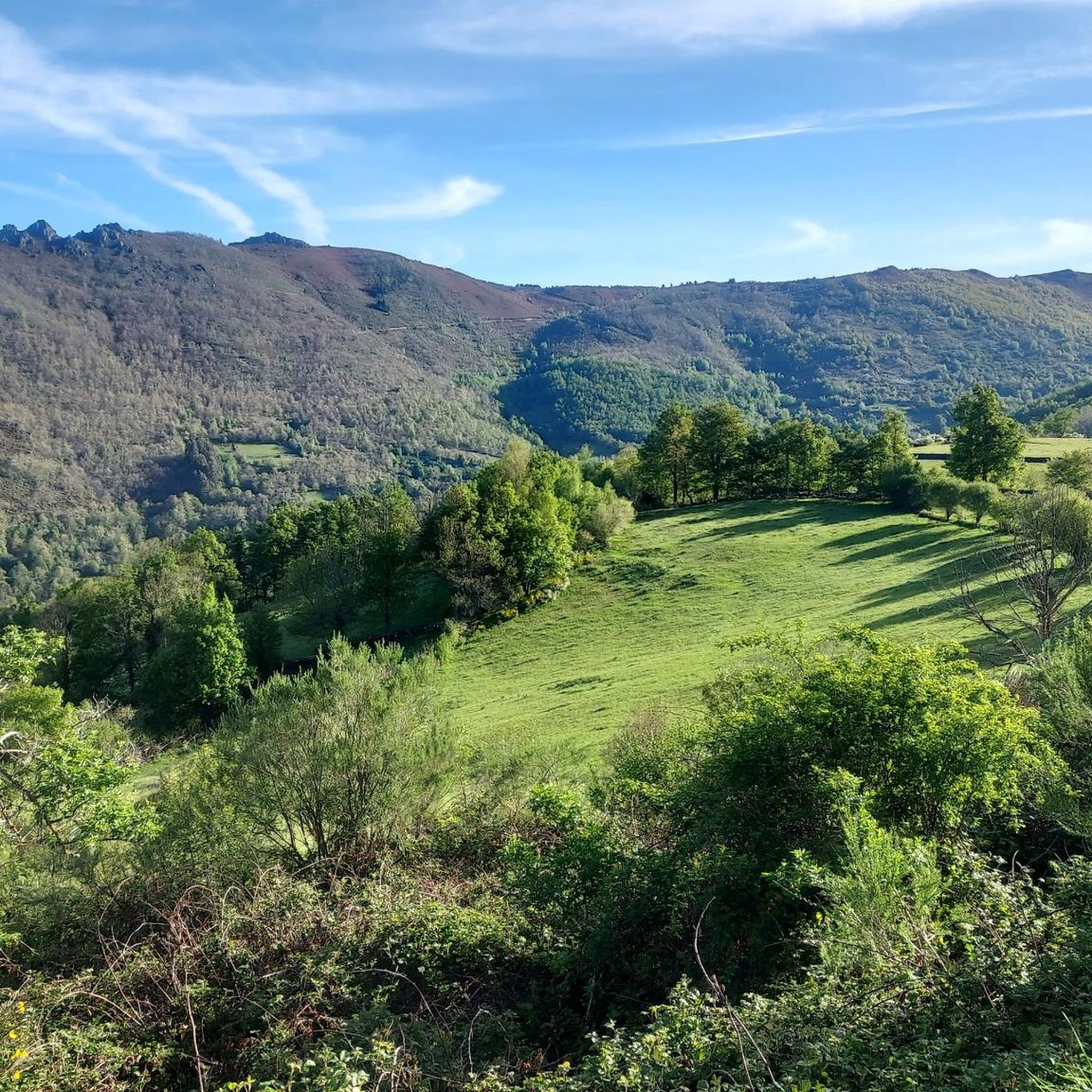
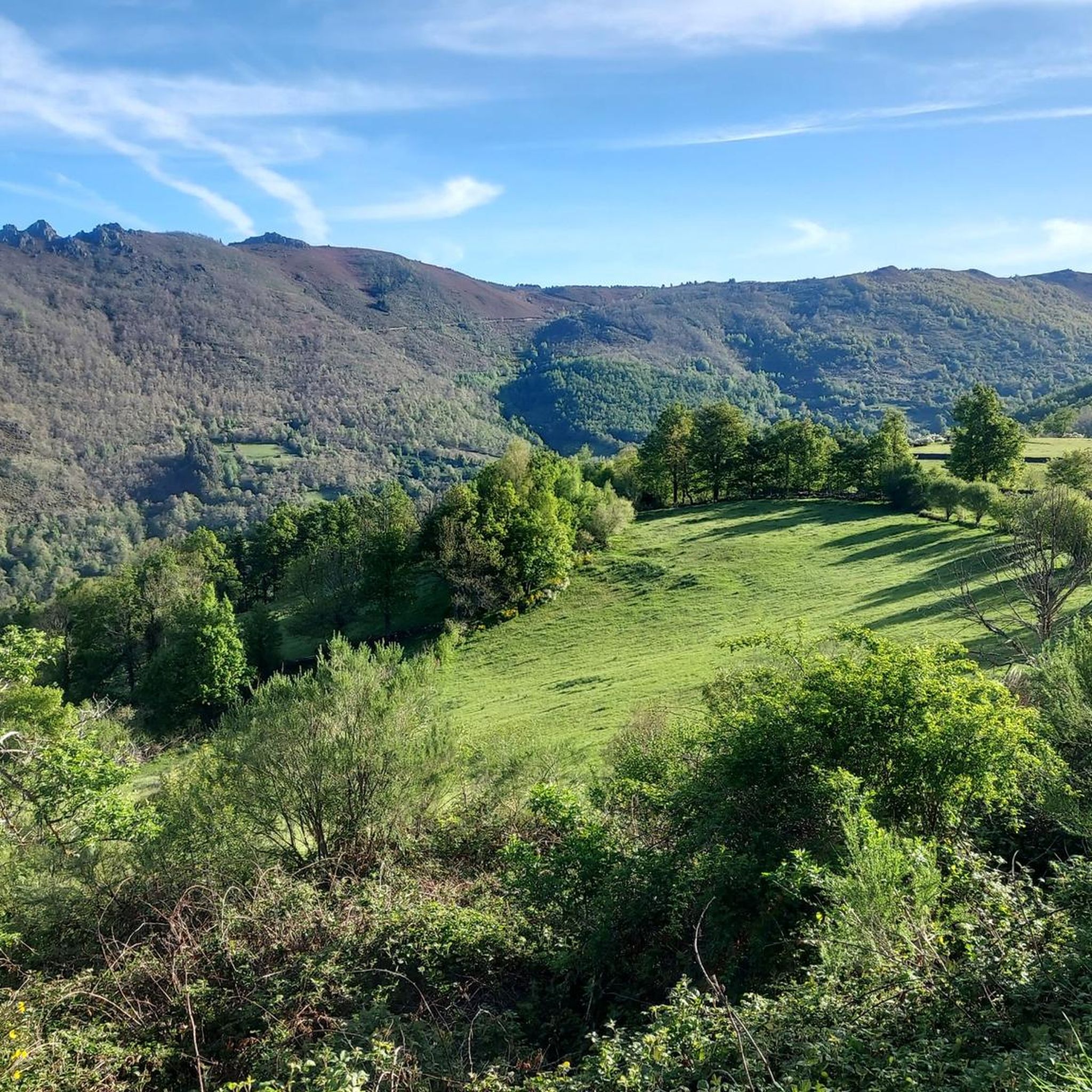
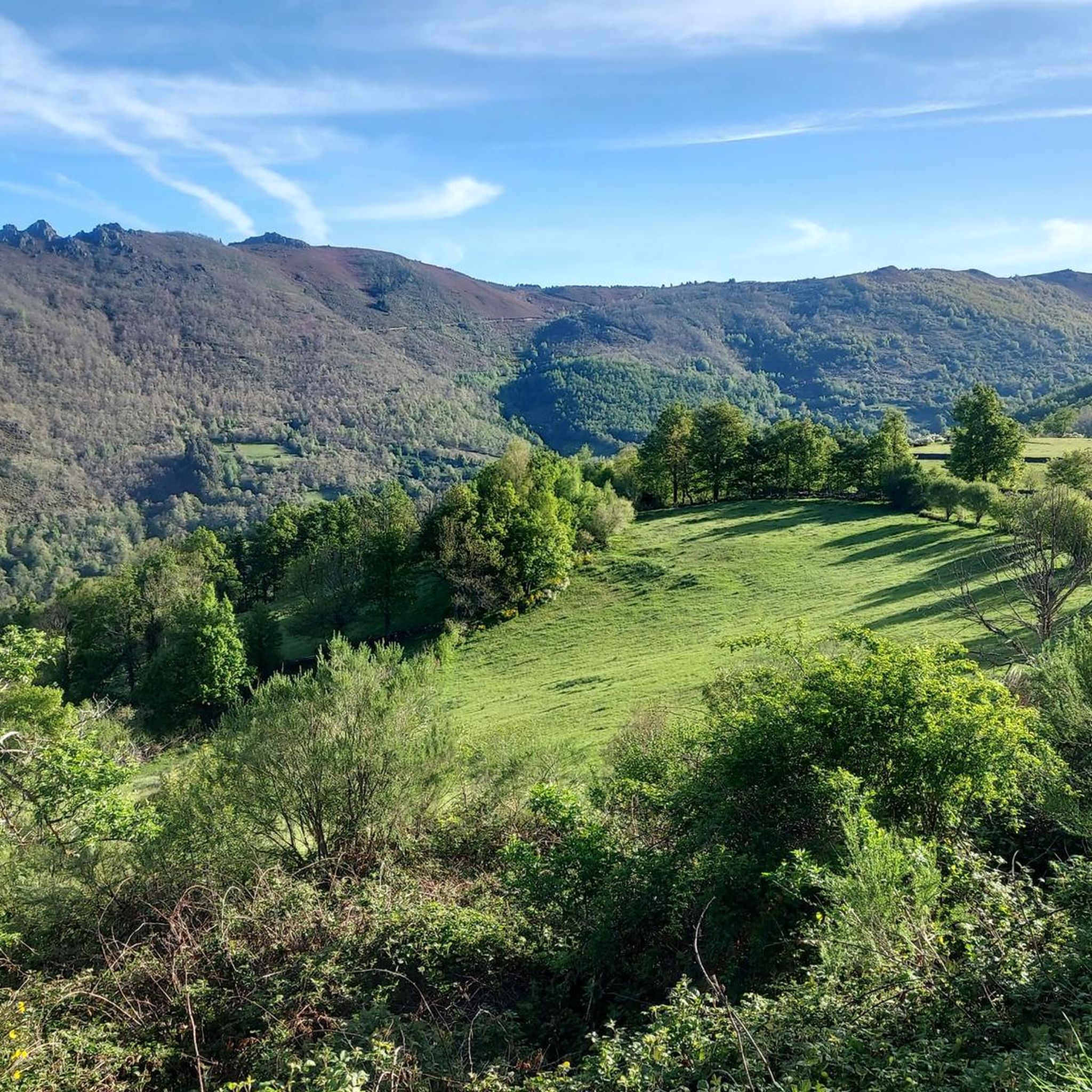
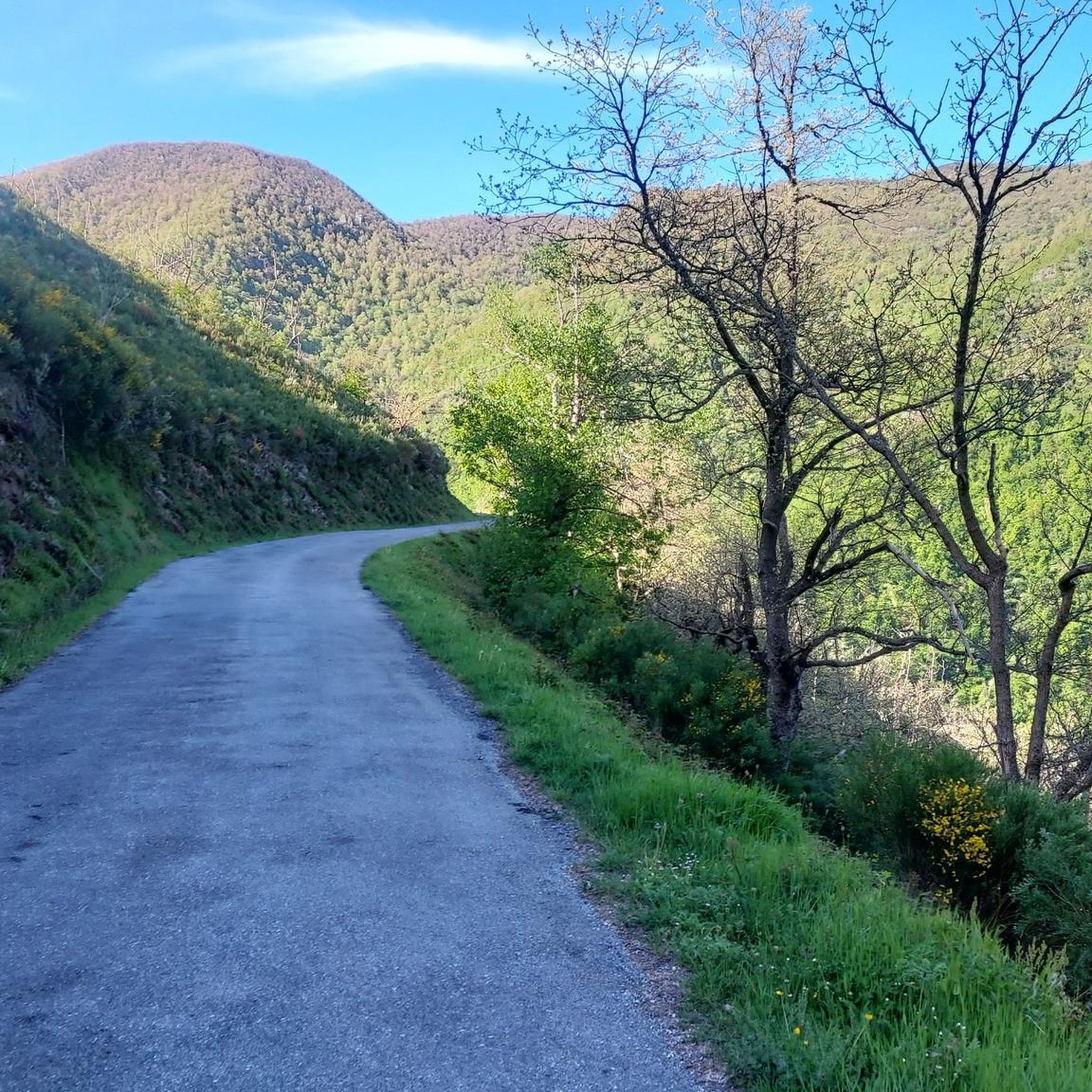
Tips from the Community

An incredible high mountain gravel route through the Sierra de Los Ancares passing the Campa de Tres Bispos before descending into the valley below. The views are spectacular.
1
0

At an altitude of 1,794 meters, at the point where Galicia delimits Castilla and León, the top of Pico dos Tres Bispos offers beautiful views over the Serra dos Ancares.
4
1
Located at an altitude of 1,935 meters, Pico del Mostallar or Mustallar is the highest and most emblematic peak in Los Ancares and in the entire province of Lugo.
4
0
Frequently Asked Questions
What are the most prominent natural monuments to visit in Ancares?
The Ancares region is home to several impressive natural monuments. Among the most popular are Pico dos Tres Bispos, a summit offering beautiful views over the Serra dos Ancares at 1,794 meters, and Pico Mostallar, the highest peak in Los Ancares and Lugo province at 1,935 meters. The broader Ancares Mountains themselves are considered a significant natural monument, featuring high mountain routes with extensive views.
What unique natural features define the Ancares region?
Ancares is characterized by its rugged mountain range, featuring steep slopes and deep valleys carved by ancient glaciers and rivers like the Navia, Cúa, Burbia, and Ancares. The region also boasts extensive ancient forests of oak, chestnut, beech, holly, yew, and strawberry trees. It's a UNESCO Biosphere Reserve, notable for its convergence of Euro-Siberian and Mediterranean biogeographic regions, resulting in exceptionally complex biodiversity.
Are there opportunities for challenging hikes in the Ancares natural monuments?
Yes, the Ancares region offers challenging hikes, particularly to its prominent peaks. Ascents to summits like Pico dos Tres Bispos and Pico Mostallar are considered challenging and provide dramatic vistas. The Ancares Mountains also feature high mountain routes suitable for experienced hikers.
What kind of wildlife can I expect to see in the Ancares natural monuments?
The diverse habitats of Ancares support a rich array of wildlife. While sightings can be rare, the region is home to species such as the Iberian wolf, brown bear, and capercaillie. More commonly, you might encounter roe deer, wild boar, ibex, and various birds of prey like eagles. The ancient forests and rugged terrain provide crucial refuge for these animals.
What outdoor activities can I do near the natural monuments in Ancares?
Beyond exploring the natural monuments themselves, Ancares offers a variety of outdoor activities. You can find numerous hiking trails, including routes to Pico O Mostallar and Pico dos Tres Bispos. There are also extensive options for mountain biking and road cycling. For more details on routes, you can explore guides like Hiking in Ancares, MTB Trails in Ancares, and Cycling in Ancares.
Are there any ancient forests worth visiting in Ancares?
Absolutely. Ancares is renowned for its extensive and ancient forests, which are natural monuments in themselves. These include dense woodlands of oak, chestnut, beech, holly, yew, and strawberry trees. Specific high-value areas include holm oak forests like Aciñeiral de Cruzul and small beech forests such as A Pintinidoira. These forests are vital habitats and offer beautiful scenery, especially in autumn.
What is the best time to visit the natural monuments in Ancares?
The best time to visit Ancares largely depends on your preferred activities. Spring and autumn offer pleasant temperatures for hiking and exploring the forests, with autumn being particularly stunning due to the changing leaf colors. Summer is also suitable for outdoor activities, though some higher elevations can be challenging. Winter brings snow, making it ideal for winter sports but potentially limiting access to certain areas.
Is Ancares recognized for its natural importance on an international level?
Yes, the Ancares region holds significant international recognition. It is designated as a UNESCO Biosphere Reserve, encompassing both Os Ancares Lucenses y Montes de Navia, Cervantes y Becerreá in Galicia and Los Ancares Leoneses in Castile y León. This designation highlights its profound natural and cultural value, emphasizing the sustainable use and conservation of its unique ecosystems. You can learn more about these designations on the UNESCO website for Galicia and UNESCO website for Castile y León.
What do visitors particularly enjoy about the natural monuments in Ancares?
Visitors to Ancares frequently praise the dramatic vistas and the sense of tranquility found in its wild landscapes. The spectacular views from summits like Pico dos Tres Bispos and the high mountain routes through the Ancares Mountains are often highlighted. The region's well-preserved natural environment and unique blend of wild nature with traditional rural life also contribute to its appeal.
Are there any cultural or historical elements intertwined with the natural monuments of Ancares?
Yes, the natural landscape of Ancares is deeply intertwined with its rich cultural heritage. The region's historical isolation has helped preserve many traditional customs, and you can find remnants of ancient Roman roads and pre-Roman hill forts. The chestnut tree, for instance, is not only a natural feature but also holds significant cultural and economic importance in Ancares.
What are the main geographical features that make Ancares a natural monument?
The Ancares region is primarily defined by its rugged mountain range, characterized by steep slopes and deep valleys. These valleys were sculpted by ancient glaciers and continue to be shaped by rivers like the Navia, Cúa, Burbia, and Ancares. The presence of high peaks, extensive ancient forests, and diverse river systems all contribute to its status as a remarkable natural monument.
Most popular attractions in Ancares

Get inspired with the komoot mobile app


Explore more
Extend your search for the best caves by checking out these guides of the top ones in Ancares:
