Top 8 Natural Monuments in Baixa Limia
Best natural monuments in Baixa Limia are found within the Baixa Limia-Serra do Xurés Natural Park, a protected area in the southwest of Ourense, Spain. This region features granite landscapes, waterfalls, and reservoirs, blending Atlantic and Mediterranean flora. The park forms part of a Transboundary Biosphere Reserve, extending into Portugal. Its diverse terrain includes high mountain valleys and unique geological formations.
Best natural monuments in Baixa Limia
- The most popular natural monuments is Corgo da Fecha Waterfall, a waterfall…
Last updated: July 11, 2026
Corgo da Fecha Waterfall
Highlight • Waterfall
In the rainy season, the water descends forcefully to the Caldo River.
Translated by Google •
Tip by

Dolmen of Casola do Foxo
Highlight • Historical Site
Translated by Google •
Tip by

Sign up now to discover places like this
Get recommendations on the best single tracks, peaks, & plenty of other exciting outdoor places.
Sign up for free
Corga da Fecha Natural Pool
Highlight • Natural
You will need to climb some rocks to reach the top of the waterfall that leads to the pool.
Translated by Google •
Tip by
Salas Reservoir Park
Highlight • Lake
Translated by Google •
Tip by
Mina das Sombras Trail
Highlight (Segment) • Trail
Translated by Google •
Tip by
Sign up for free to discover even more natural monuments in Baixa Limia.
Sign up for free
Already have an account?
Start today with a free account
Your next adventure awaits.
Login or Signup
Tips from the Community

There is a beautiful landscape nearby to enjoy.
0
0
Magnificent landscape, the dirt trail is generally in good condition👍
0
0

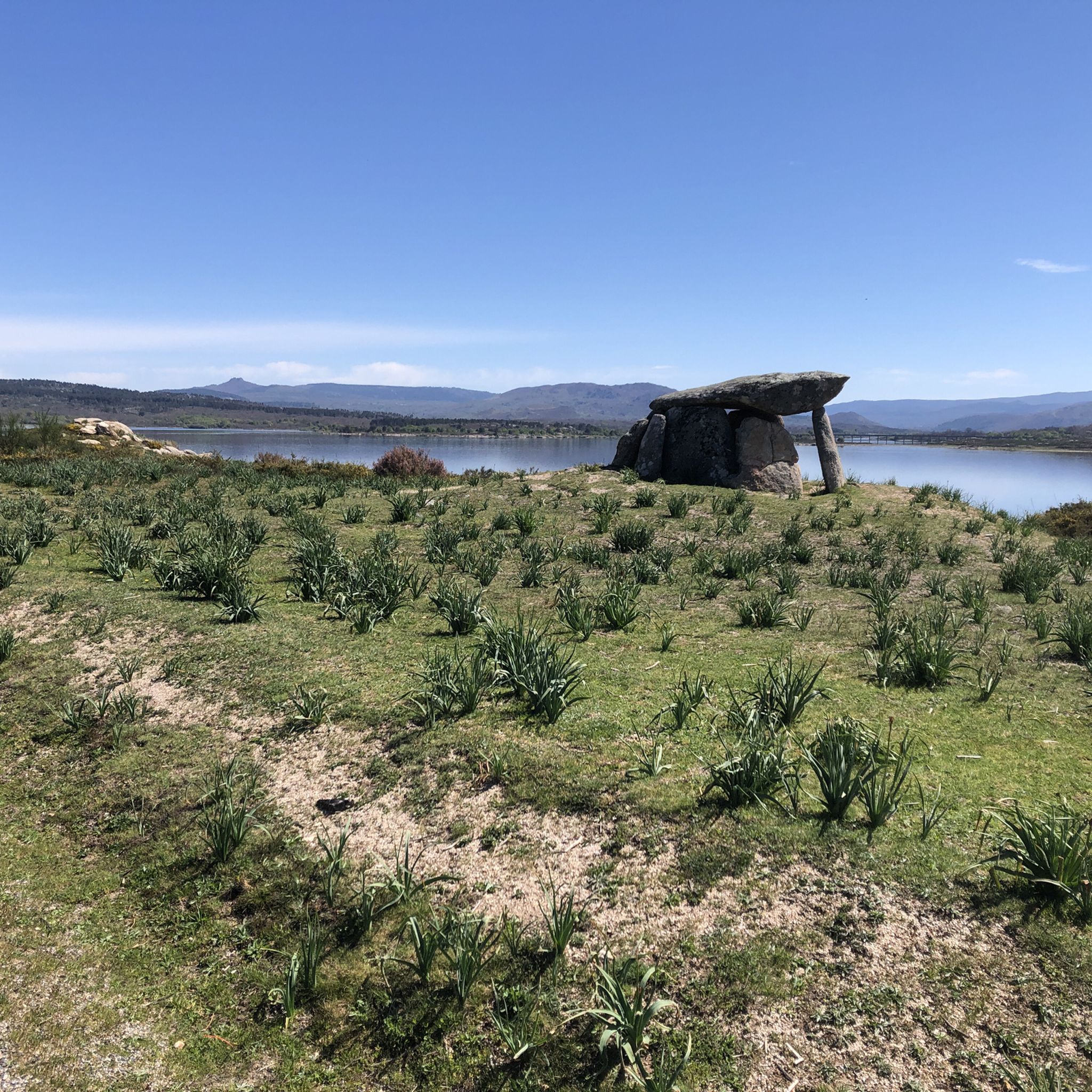
It has a burial chamber with approximate dimensions of 3.5 metres long, 2 metres wide and a height of up to 2 metres. The stones that form it, known as orthostats, can reach an estimated weight of between 500 and 1,500 kilograms each, depending on their size and thickness. These large granite slabs, typical of dolmens, were carefully placed by Neolithic communities as collective funerary monuments, reflecting the effort and ritual importance of the place.
1
0
Dating back to the Neolithic period (approximately between 4,000 and 3,000 BC), this dolmen, made up of large stone slabs arranged vertically and covered by a top slab, served as a collective tomb. It is one of the most representative examples of prehistoric funerary architecture in the region.
1
0
The Encoro de Salas Park, located in the province of Ourense, Galicia, surrounds the Salas Reservoir, a dam built on the Salas River, in a mountainous natural environment full of biodiversity. The reservoir, with a storage capacity of 21 million cubic meters, was built primarily for the production of hydroelectric energy. Its length is approximately 3 km, and the area of the reservoir occupies about 126 hectares.
0
0

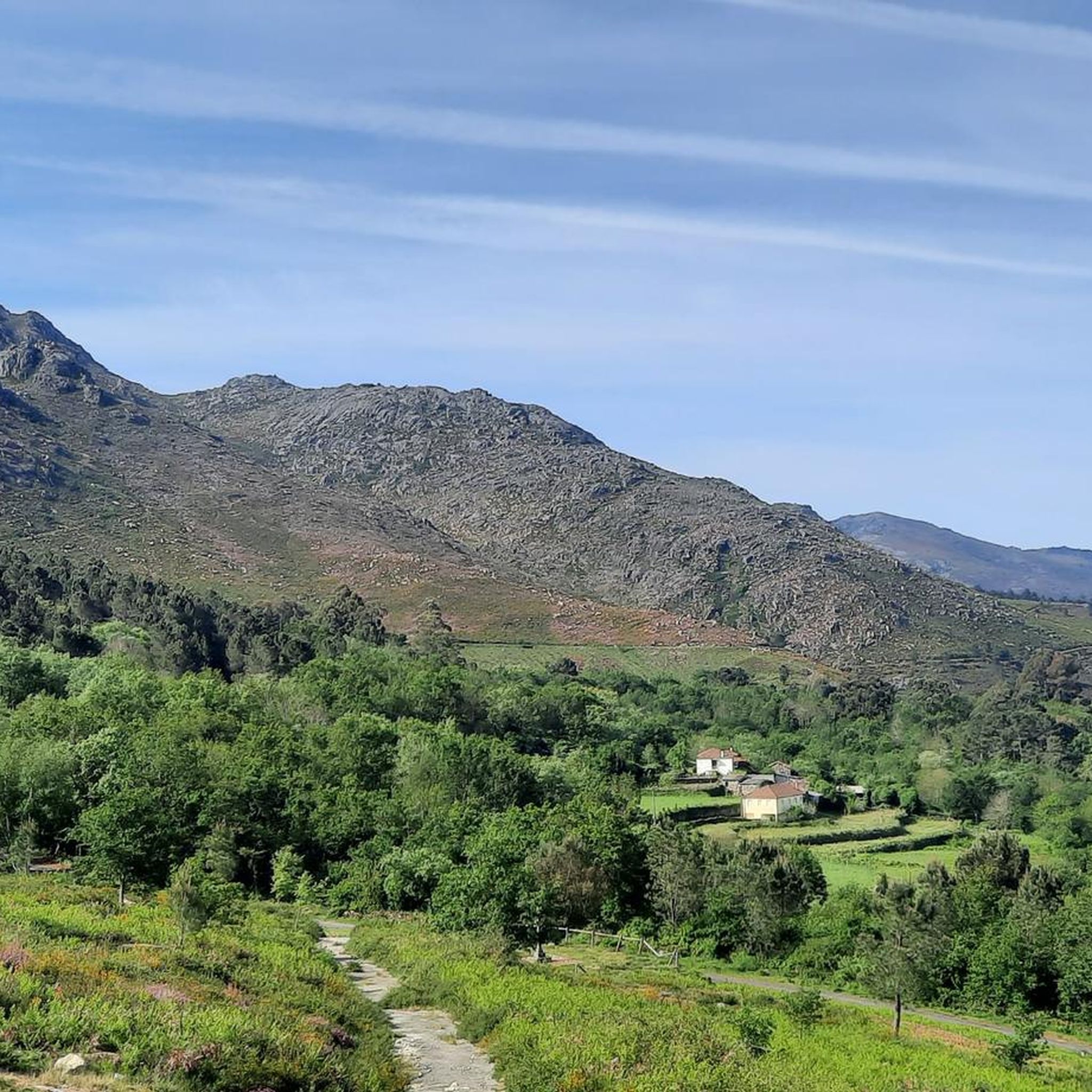
Minas das Sombras trail near Lobios, within the Gerês natural biosphere along ancient mines from Roman times. Part of the trail is very rocky and you may need to walk
1
0
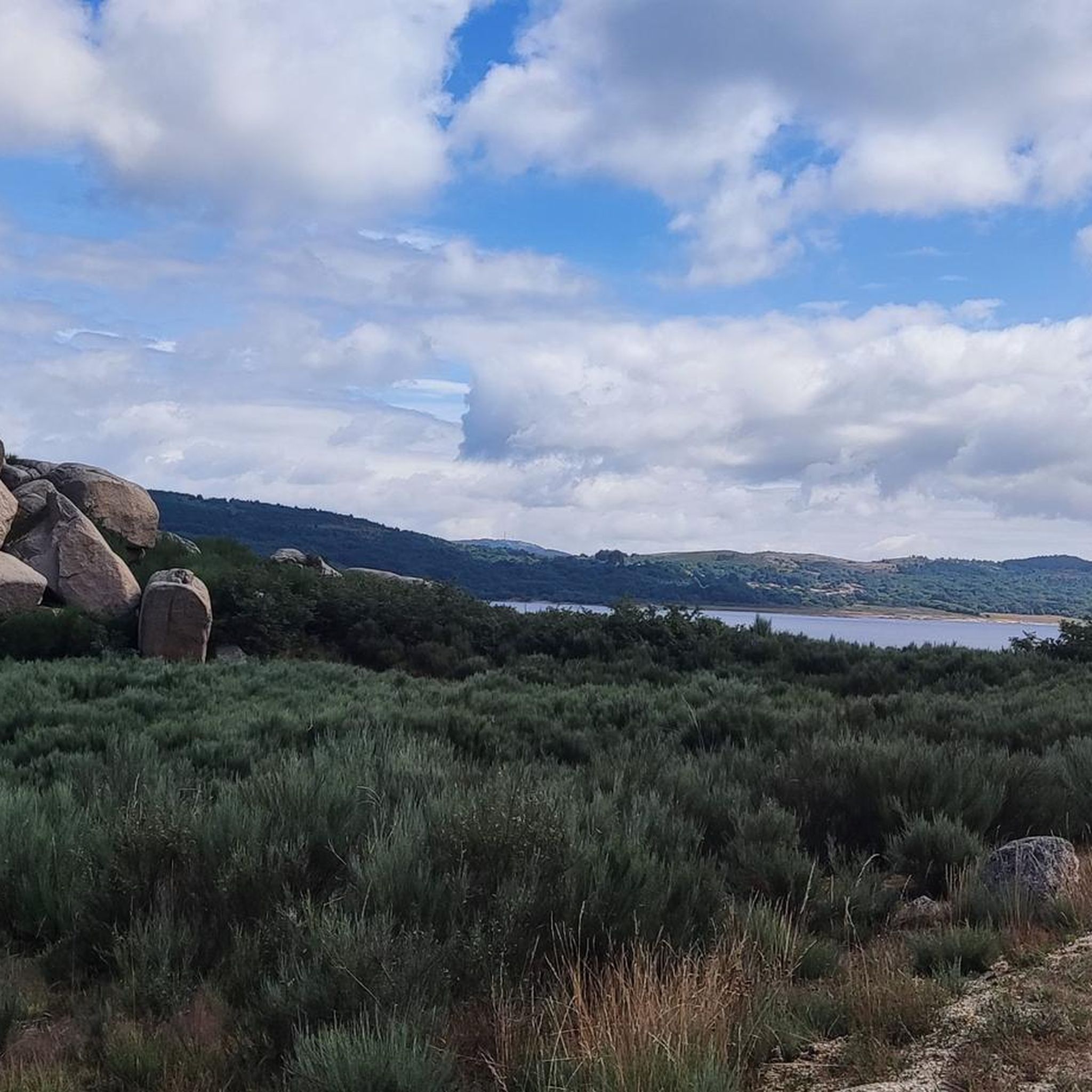
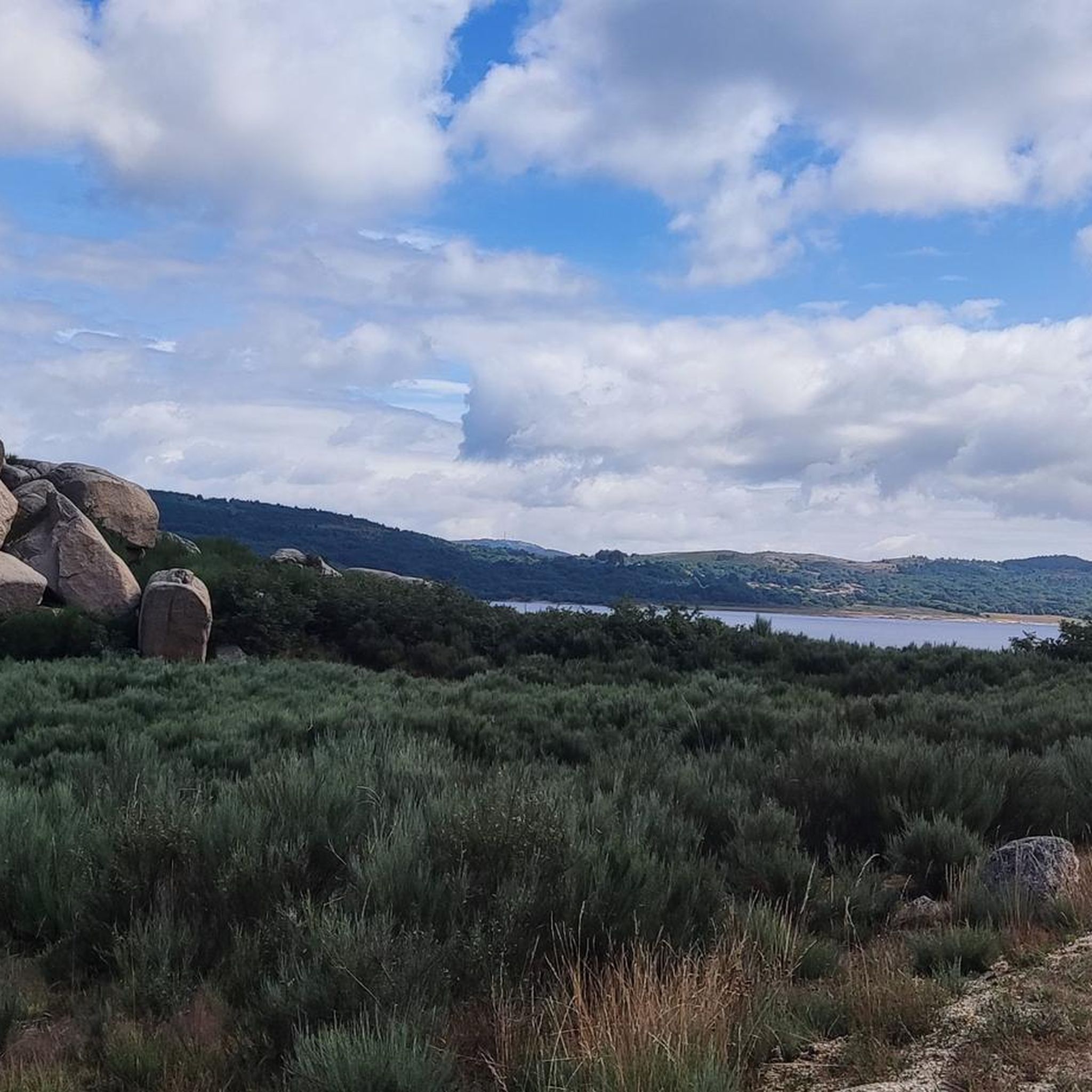
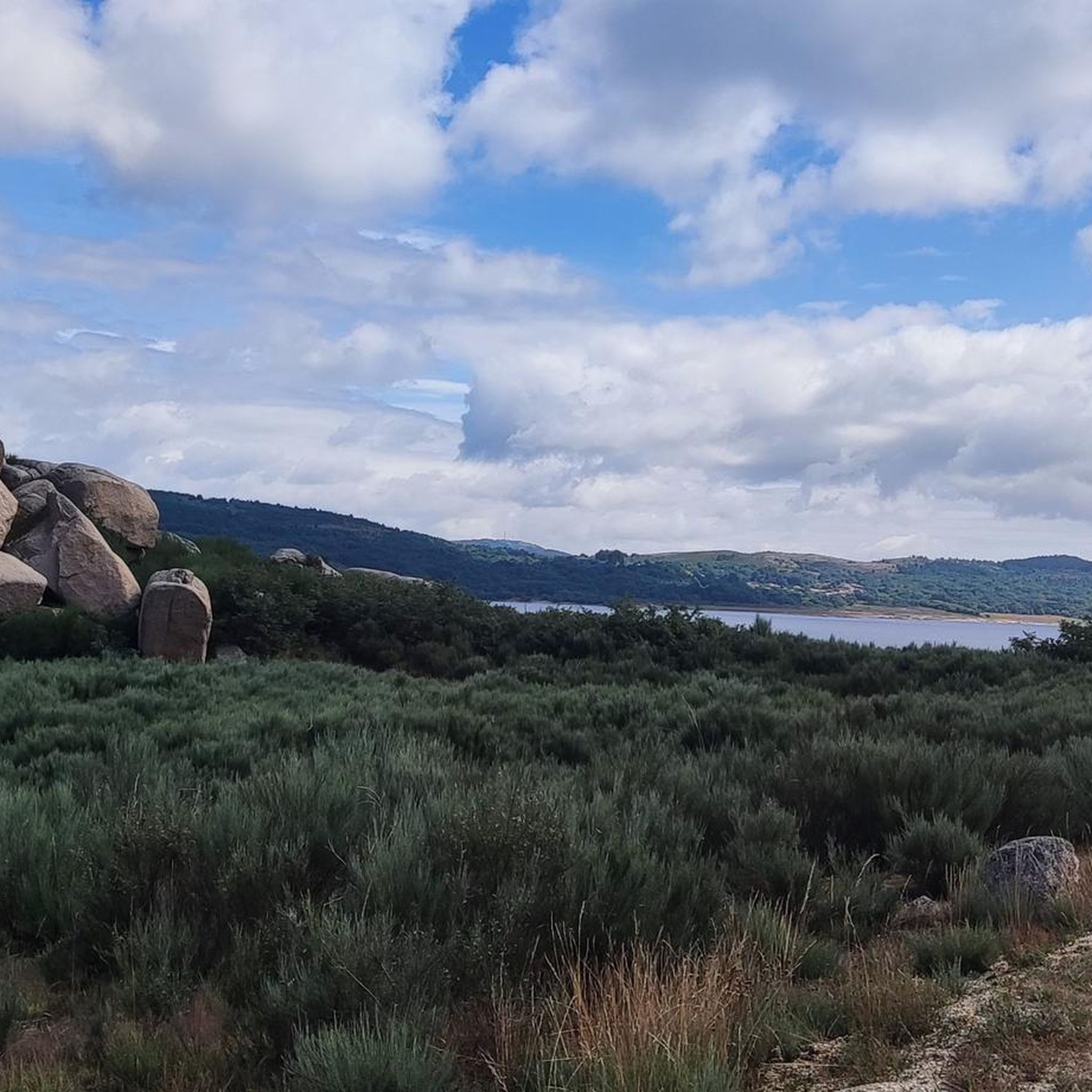
Freshwater reservoir collects rainwater and snowmelt from the Salas River and the surrounding mountains. The reservoir is located within the Xurés-Gêrés Transboundary Biosphere Reserve
1
0
Man-made rock formation used for centuries to trap wolves in the mountains. A deep pit was created inside to trap the wolves.
2
0
Frequently Asked Questions
What are some of the most striking natural features to explore in Baixa Limia?
The Baixa Limia region, particularly within the Baixa Limia-Serra do Xurés Natural Park, is known for its diverse natural features. You can find impressive granite landscapes, spectacular waterfalls like the Corgo da Fecha Waterfall, and serene natural pools such as the Corga da Fecha Natural Pool. The area also features significant reservoirs like the Salas Reservoir Park, which collects water from the Salas River.
Are there historical or cultural sites integrated with the natural monuments?
Yes, the region offers a unique blend of nature and history. You can visit the Dolmen of Casola do Foxo, a Neolithic collective tomb. Additionally, the park contains remnants of the Roman Via Nova, including Roman milestones, and the Roman camp of Aquis Querquernnis, partially submerged near the As Conchas reservoir. Traditional villages and megalithic sites like the 'mámoas road' also dot the landscape.
What kind of outdoor activities can I do near these natural monuments?
The Baixa Limia-Serra do Xurés Natural Park is ideal for various outdoor activities. You can enjoy hiking on numerous marked trails, including easy options like the 'São Miguel Waterfall loop' or more challenging routes such as the 'Alto de Amoreira via the Mines of the Shadows'. There are also dedicated running trails and mountain biking routes. For more details on specific routes, you can explore the easy hikes, running trails, and MTB trails guides for Baixa Limia.
Are there family-friendly natural monuments or trails in Baixa Limia?
Absolutely. The Salas Reservoir Park is considered family-friendly, offering a pleasant environment for visitors of all ages. Additionally, there are several easy hiking routes available, such as the 'São Miguel Waterfall loop' or the 'Ponte da Cava da Velha loop', which are suitable for families looking to explore the natural beauty without extreme difficulty.
What is the best time of year to visit the natural monuments in Baixa Limia?
The best time to visit depends on your interests. For experiencing the waterfalls at their most impressive, the rainy season (typically autumn and winter) is ideal, as the water descends forcefully. For hiking and general outdoor exploration, spring and early autumn offer pleasant temperatures and lush scenery. Summer can be warm, but natural pools provide refreshing spots.
Can I go wild swimming in the natural pools or rivers?
Yes, the region offers opportunities for wild swimming. The Corga da Fecha Natural Pool is a popular spot with crystalline waters, though reaching it may involve climbing some rocks. The park's various rivers and natural formations also create other serene natural pools, particularly during warmer months.
What kind of wildlife and flora can I expect to see in the Baixa Limia-Serra do Xurés Natural Park?
The park is a biodiversity hotspot, acting as a transitional zone between Eurosiberian and Mediterranean flora. You can find Pyrenean oak, birch, chestnut, strawberry trees, and holly. It's also a Special Protection Area for Birds (ZEPA), home to 76% of Galicia's bird species, including golden eagles and eagle owls. Mammals like Iberian wolves, roe deer, wild boars, and the distinctive Cachena cows with their impressive horns also inhabit the area.
Are there specific viewpoints to get the best panoramic views of the natural monuments?
Yes, the Baixa Limia-Serra do Xurés Natural Park features several strategically located viewpoints. Notable spots include A Clamadoira, Corga da Fecha, and Ermida do Xurés, all offering breathtaking panoramic vistas of the diverse landscapes, from rugged mountains to high mountain valleys.
What is the difficulty level of trails around the natural monuments?
The trails vary in difficulty. Some highlights, like the Corgo da Fecha Waterfall and the Mina das Sombras Trail, are rated as intermediate. The Corga da Fecha Natural Pool is considered challenging due to rock climbing. However, there are also easy hikes available, as well as moderate and difficult running and MTB routes, ensuring options for various fitness levels.
Is there an interpretation center or visitor information available for the Baixa Limia-Serra do Xurés Natural Park?
Yes, the Lobios Interpretation Centre serves as a valuable resource for visitors. It offers insights into the park's features, biodiversity, and cultural significance, helping you make the most of your visit to the natural monuments and surrounding areas.
What makes the Baixa Limia-Serra do Xurés Natural Park significant on a larger scale?
The Baixa Limia-Serra do Xurés Natural Park is highly significant as it forms part of the Gerês-Xurés Transboundary Biosphere Reserve, extending into Portugal where it connects with the Peneda-Gerês National Park. This designation underscores its ecological importance and highlights regional conservation efforts across borders. It also features the lowest elevation glacial cirques on the Iberian Peninsula.
Most popular routes in Baixa Limia
Most popular attractions in Baixa Limia

Get inspired with the komoot mobile app


Explore more
Extend your search for the best caves by checking out these guides of the top ones in Baixa Limia:
