Top 8 Natural Monuments in Saja-Besaya
Best natural monuments in Saja-Besaya are found within a region in Cantabria, Spain, primarily known for the Saja-Besaya Natural Park. This expansive park covers approximately 24,500 hectares, characterized by extensive deciduous forests, diverse wildlife, and notable geological formations. The area also features the Bosque de Sequoyas de Cabezón de la Sal, a unique site with giant sequoia trees. These natural attractions offer varied landscapes for outdoor exploration.
Best natural monuments in Saja-Besaya
- The most popular natural monuments is El Moral…
Last updated: July 11, 2026
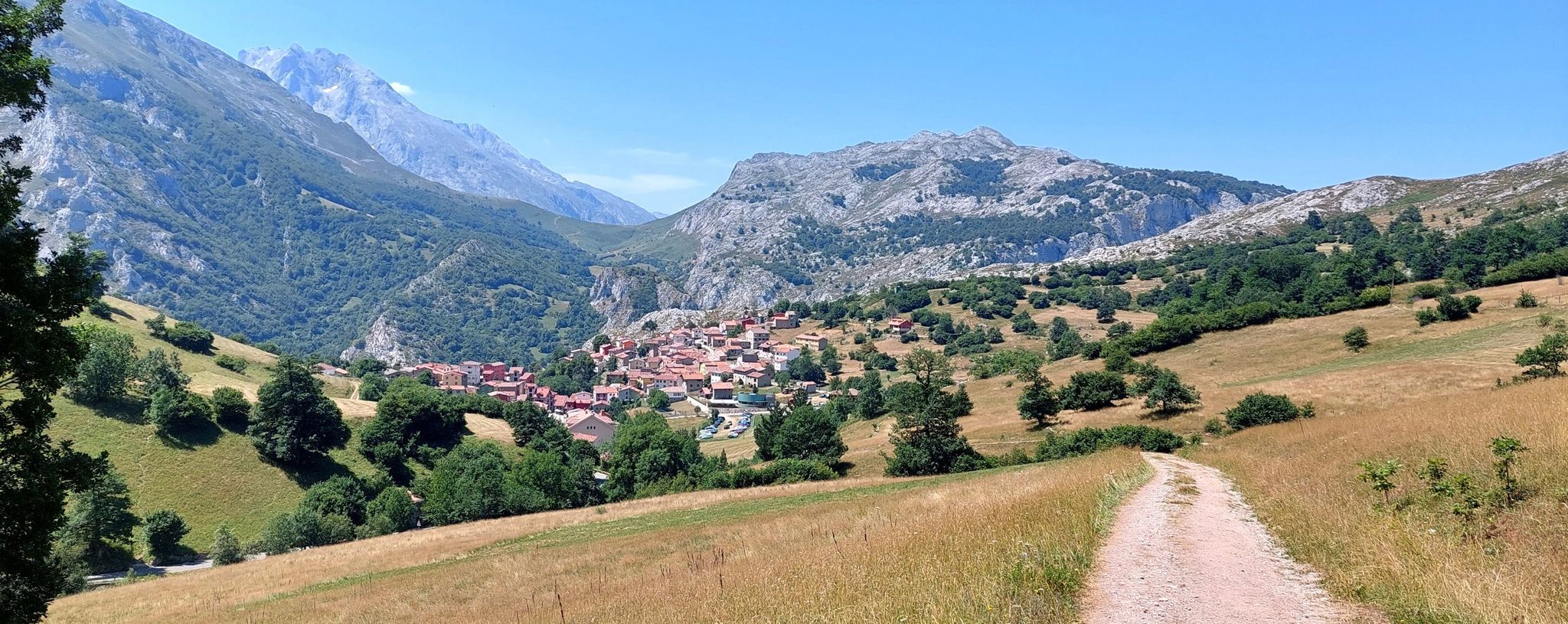
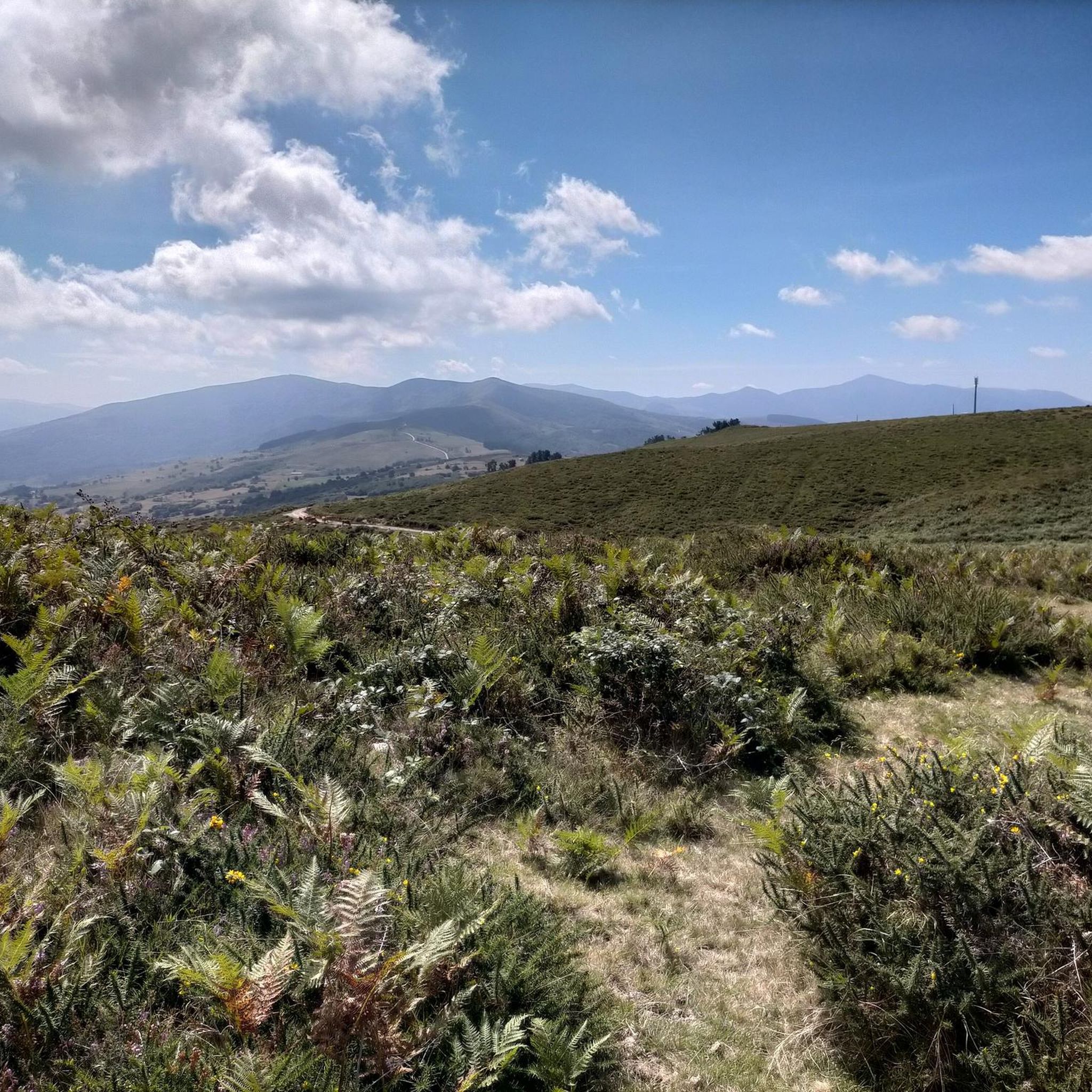
El Moral Plateau
Highlight • Viewpoint
Translated by Google •
Tip by

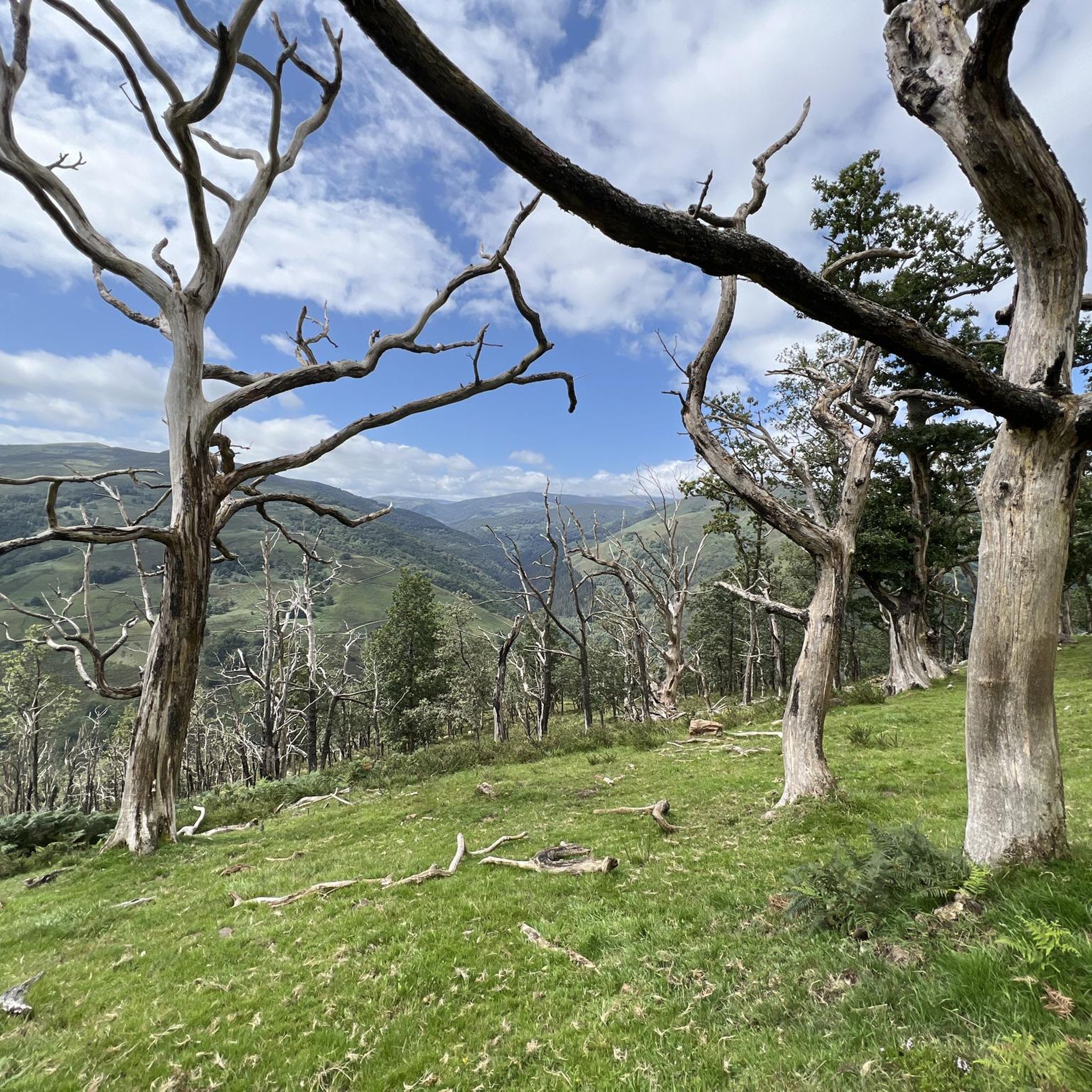
Fallen Oak of Brujilices
Highlight • Natural Monument
Translated by Google •
Tip by

Sign up now to discover places like this
Get recommendations on the best single tracks, peaks, & plenty of other exciting outdoor places.
Sign up for free
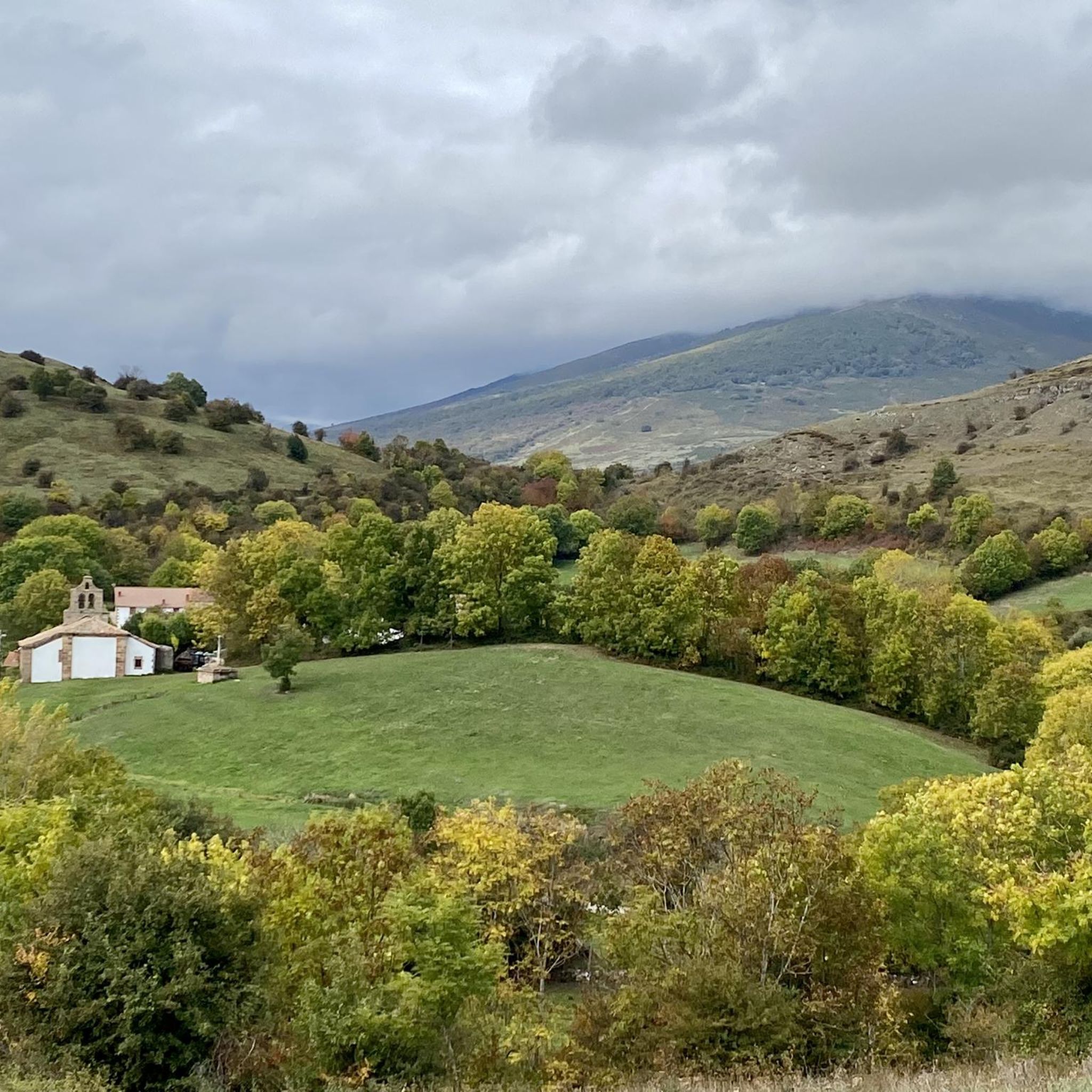
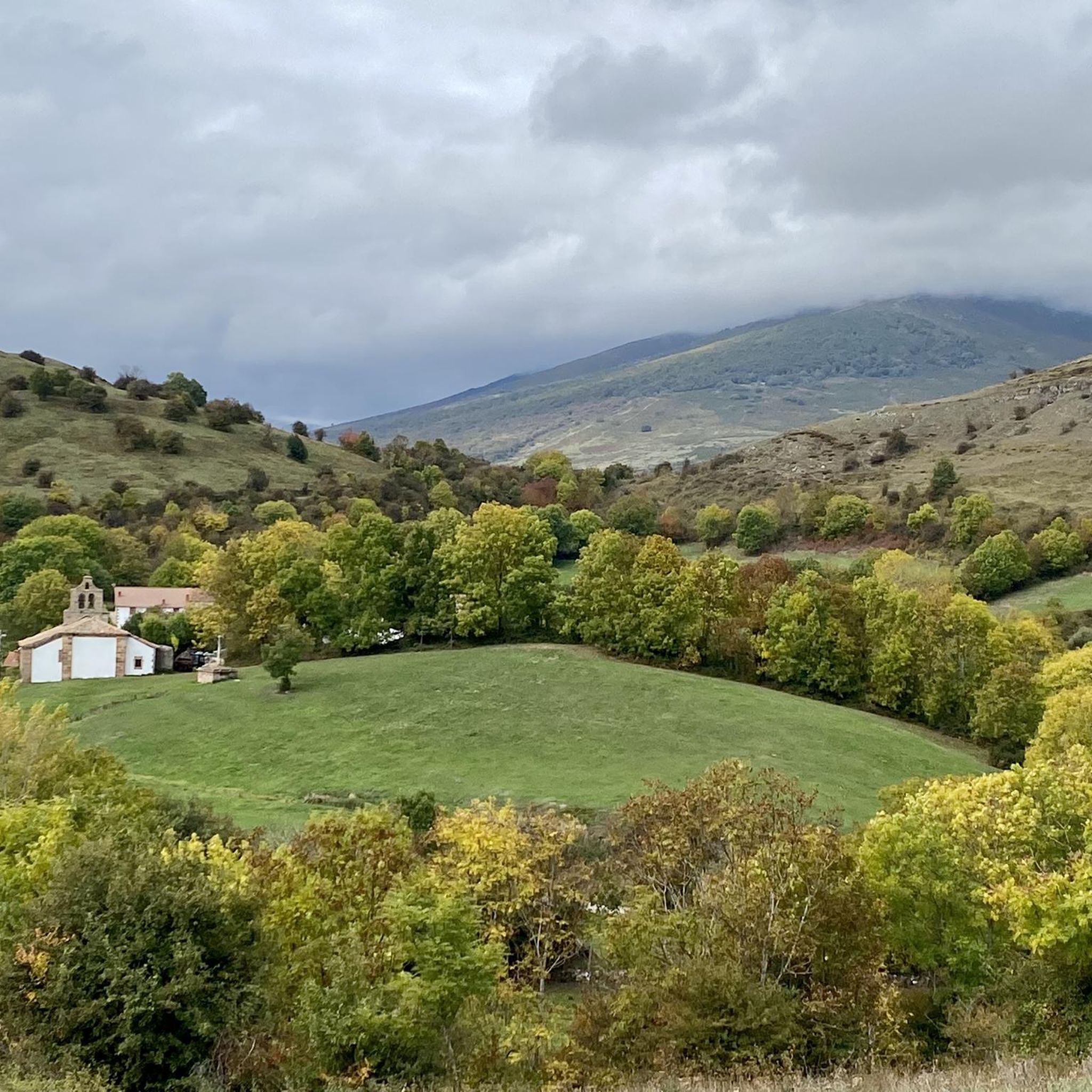
Beautiful section through the beech forest
Highlight • Forest
Going through it in autumn is to ensure a festival of colors.
Translated by Google •
Tip by

Pool area in the Argonza River
Highlight • River
Translated by Google •
Tip by
Cruz de Fuentes
Highlight • Mountain Pass
Translated by Google •
Tip by

Sign up for free to discover even more natural monuments in Saja-Besaya.
Sign up for free
Already have an account?
Start today with a free account
Your next adventure awaits.
Login or Signup

Other adventures in Saja-Besaya

Tips from the Community

Added to the collection: komoot.com/de-de/collection/3600632/-naturdenkmaeler-besondere-baeume-und-weitere-schaetze-der-natur
0
0

After a beautiful gravel climb, you reach this plateau with stunning views (including the Picos de Europa in the distance). The path then continues for a long time at altitude, with many cows and horses. Take a look: https://www.youtube.com/watch?v=OgEcgF17RDw
0
0
Indeed, a beautiful spot with breathtaking views, both towards the Picos de Europa and other Cantabrian mountains. The (gravel) road there is also stunning; just take a look: https://www.youtube.com/watch?v=OgEcgF17RDw
0
0

The Bujilices "Tumbao" Oak, located in Ucieda (Ruente) within the Saja-Besaya Natural Park, is one of Cantabria's most unique and magical trees. The tree fell under the weight of snow and wind at the end of the 19th century, but it didn't die. Four vertical branches sprouted from the fallen trunk, developing as if they were independent trees, creating a unique and spectacular shape.
2
0

Bujilices fallen oak tree in Ucieda. Bucolic place to make a stop along the way, read life.
0
0

Spectacular beech forest in the Saja park that is part of the 10,000 of Soplao
1
0
Pure green to enjoy
0
0
Frequently Asked Questions
What are some of the most popular natural monuments in Saja-Besaya?
Visitors frequently enjoy El Moral Plateau, which offers panoramic views of the Cantabrian mountains and features a hermitage. Another favorite is the Pool area in the Argonza River, ideal for cooling off on warm days. The Beautiful section through the beech forest within the Saja-Besaya Natural Park is also highly appreciated, especially for its vibrant autumn colors.
What unique natural features can I find in Saja-Besaya?
Saja-Besaya is renowned for its extensive natural beauty, primarily within the Saja-Besaya Natural Park. You'll find vast deciduous forests, including magnificent beech and oak groves, which are among the largest continuous deciduous forests in the Cantabrian mountain range. Additionally, the nearby Bosque de Sequoyas de Cabezón de la Sal offers a unique experience with its towering giant sequoia trees, a rare sight in Spain.
Are there family-friendly natural monuments or trails in Saja-Besaya?
Yes, several natural monuments and areas are suitable for families. The Fallen Oak of Brujilices is a fascinating natural monument with a unique story, located within a forest that offers an engaging walk for all ages. The Pool area in the Argonza River is also a great spot for families to relax and cool off.
What is the best time of year to visit the natural monuments in Saja-Besaya?
The Saja-Besaya Natural Park offers breathtaking scenery year-round. Spring is ideal for wildflowers and fresh greenery, while autumn provides a stunning display of gold, amber, and red foliage, particularly in the beech and oak groves. Early autumn is also an excellent time to witness the deer rutting season, especially from viewpoints like Mirador La Cardosa.
What kind of wildlife can be observed in the Saja-Besaya Natural Park?
The Saja-Besaya Natural Park is a vital refuge for diverse wildlife. You might encounter deer, roe deer, wild boar, wolves, and chamois. The area is also home to various birds of prey, such as griffon vultures, black woodpeckers, and golden eagles. Otters can be found in the Saja river, and occasionally, brown bears are detected in the southern section.
Are there hiking trails near these natural monuments?
Absolutely. The region offers an extensive network of hiking trails. For instance, you can explore routes like the 'Bárcena Mayor – Old Washhouse of Bárcena Mayor loop' or the 'Lamiña Waterfalls loop'. You can find more details and options for waterfall hikes in Saja-Besaya on komoot.
What other outdoor activities can I do near the natural monuments?
Beyond hiking, Saja-Besaya is excellent for various outdoor pursuits. You can enjoy gravel biking with routes like the 'Gravel loop in Saja-Besaya natural park', or explore running trails such as the 'Ruta de los Puentes Trail'. The park's diverse landscapes cater to many outdoor enthusiasts.
Are dogs allowed on trails in the Saja-Besaya Natural Park?
While the Saja-Besaya Natural Park is a natural area, specific regulations regarding dogs can vary. Generally, dogs are permitted on trails but should be kept on a leash to protect wildlife and ensure the safety of other visitors. It's always advisable to check local signage or visitor center information for any specific restrictions in certain areas or during particular seasons.
Where can I find panoramic views of the Saja-Besaya Natural Park?
For spectacular panoramic views, visit El Moral Plateau, which offers expansive vistas of the Cantabrian mountains. Another notable spot is Mirador La Cardosa, which provides excellent views of the Natural Park and is a prime location for observing the deer rutting season in early autumn.
Are there any historical or cultural sites within or near the Saja-Besaya Natural Park?
Yes, within the Saja-Besaya Natural Park, the village of Bárcena Mayor is a significant cultural highlight. It is considered a historic and artistic ensemble, showcasing well-preserved traditional mountain architecture. This offers a glimpse into the region's heritage amidst its natural surroundings.
What is the Fallen Oak of Brujilices and why is it notable?
The Fallen Oak of Brujilices, also known as the 'Oak Tumbao', is a singular tree in Cantabria. This ancient oak, estimated to be around 250 years old, fell during a strong wind and snow event. Remarkably, it survived, and from its fallen trunk, four new trees have sprouted, creating a unique and beautiful natural formation within the Vados River Forest.
Are there any visitor centers for the Saja-Besaya Natural Park?
Yes, the Saja-Besaya Natural Park has an interpretation center. This center provides comprehensive information about the park's flora, fauna, geological features, and hiking opportunities, serving as a valuable resource for visitors planning their exploration.
Most popular routes in Saja-Besaya
Most popular attractions in Saja-Besaya

Get inspired with the komoot mobile app


Explore more
Extend your search for the best caves by checking out these guides of the top ones in Saja-Besaya:
