Top 10 Natural Monuments in Sierra Espuña
Best natural monuments in Sierra Espuña showcase a diverse landscape of geological formations and historical sites. This mountain range in the Region of Murcia, Spain, features a continuous sedimentary record from the Cenozoic era. The region's rugged relief includes dramatic cliffs, arid badlands, and high-altitude plateaus. These natural monuments offer insights into both geological processes and historical human ingenuity.
Best natural monuments in Sierra Espuña
- The most popular natural monuments is Collado Bermejo, a mountain pass and viewpoint located…
Last updated: July 11, 2026
Collado Bermejo
Highlight • Mountain Pass
Translated by Google •
Tip by

Morrón de Alhama Summit
Highlight • Summit
Translated by Google •
Tip by

Sign up now to discover places like this
Get recommendations on the best single tracks, peaks, & plenty of other exciting outdoor places.
Sign up for free
Morra de las Moscas
Highlight • Summit
Translated by Google •
Tip by

Airplane Viewpoint
Highlight • Viewpoint
Translated by Google •
Tip by
Views of El Peñón
Highlight • Viewpoint
Translated by Google •
Tip by

Sign up for free to discover even more natural monuments in Sierra Espuña.
Sign up for free
Already have an account?
Start today with a free account
Your next adventure awaits.
Login or Signup
Popular around Sierra Espuña



Tips from the Community

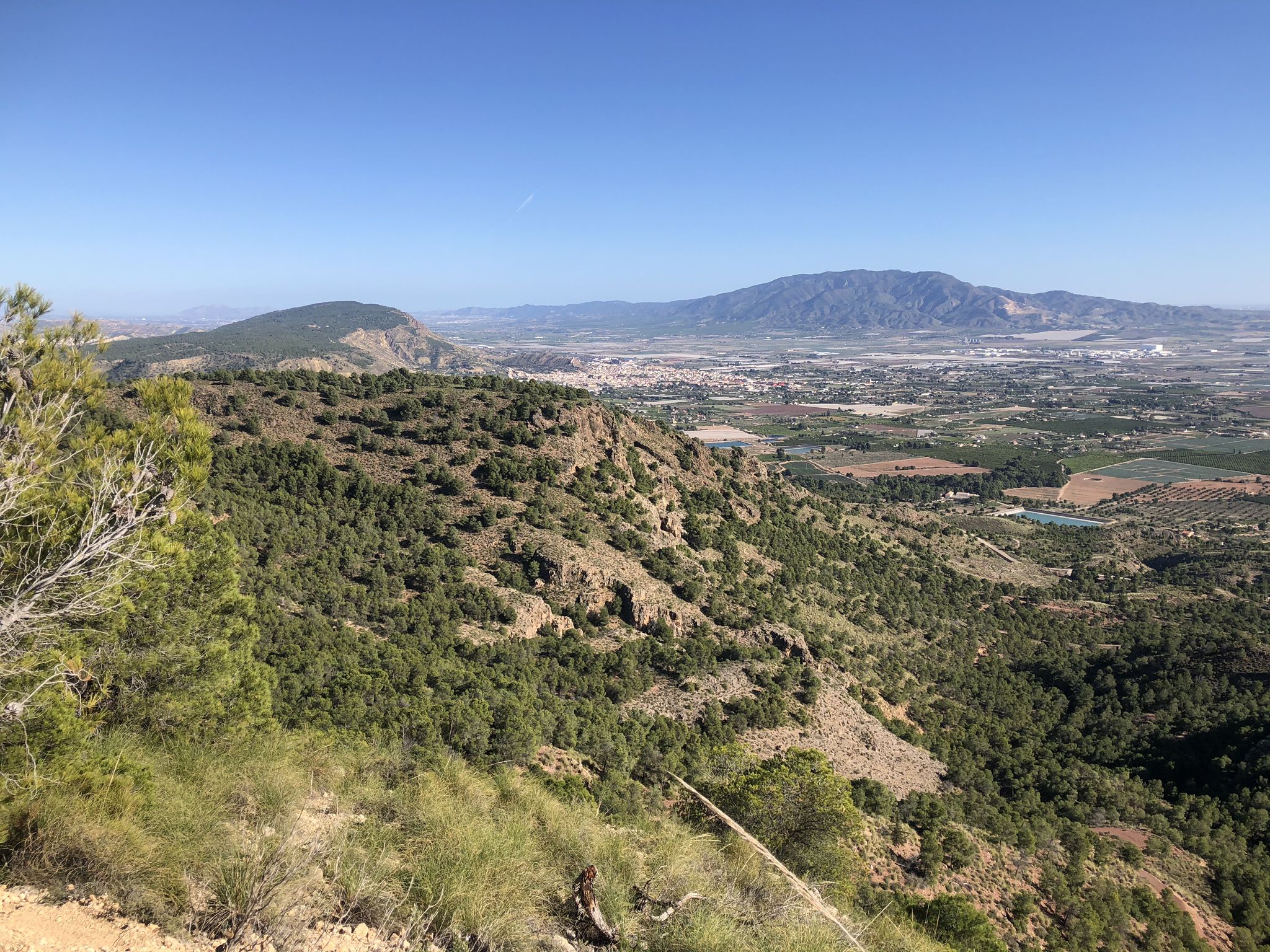
Beautiful views of the Pedro López peak
0
0
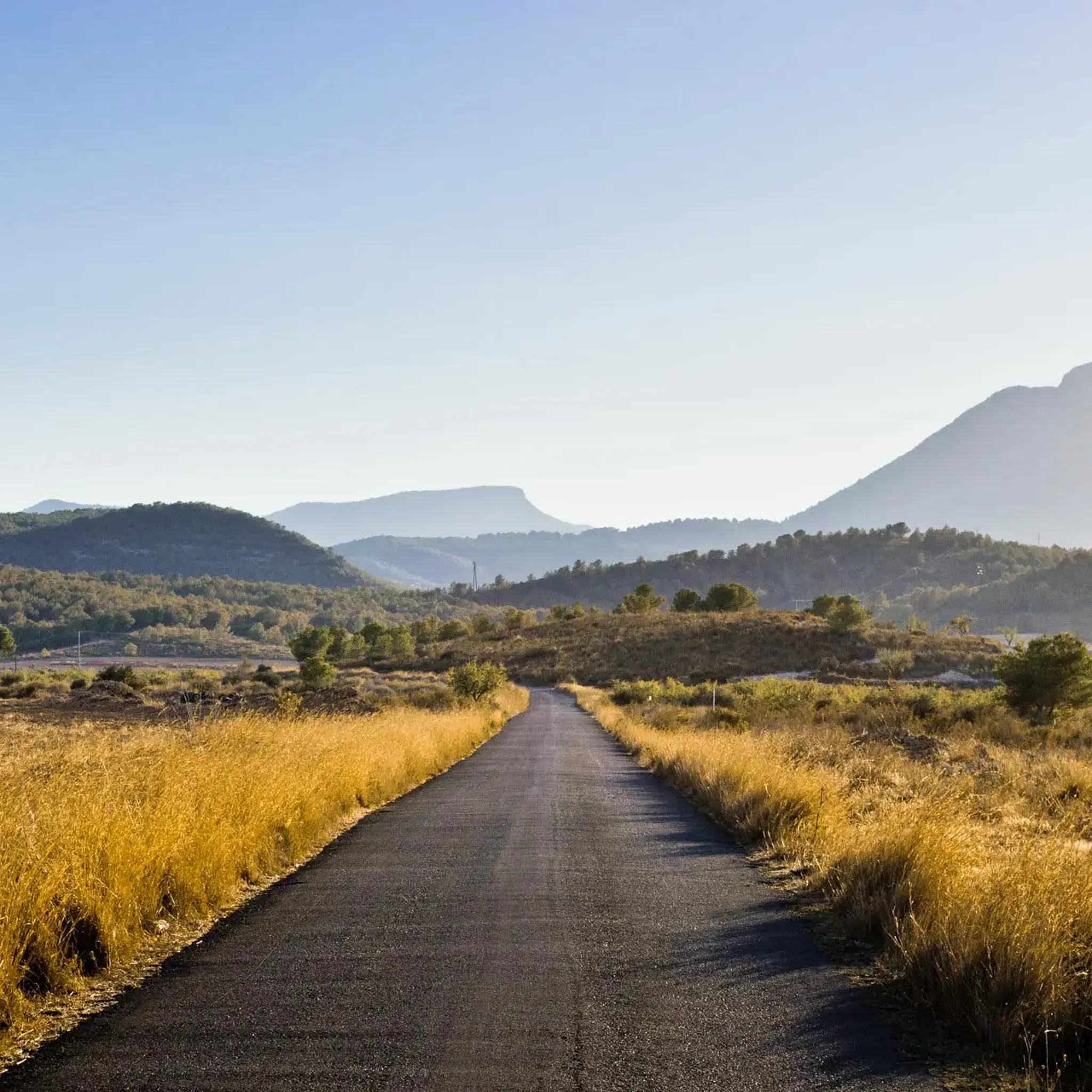
From the Ricardo Codorniú Visitor Centre, a very long forest track leads up to this mountain pass.
0
0

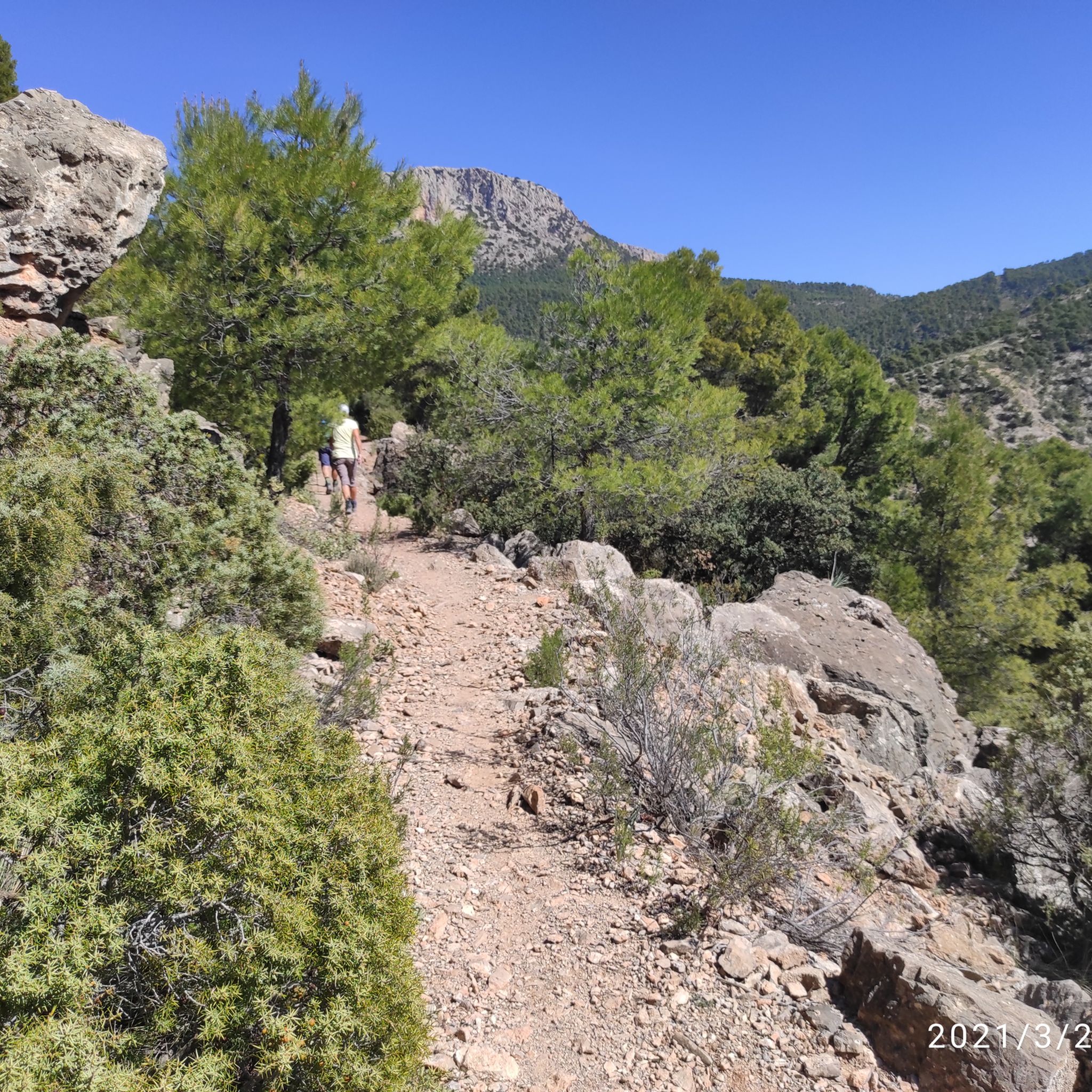
Very beautiful loop starting from La Perdrix which leads to Morrón de Alhama via the Portillo pass, the Blanco pass and the descent via Carascoy.
1
1

Cruce de los Molejones, at this point several paths and roads converge
0
0

Good summit to link Collado Mangueta and Morrón de Alhama.
0
0

Summit of the pass through the Enspuña.
0
0

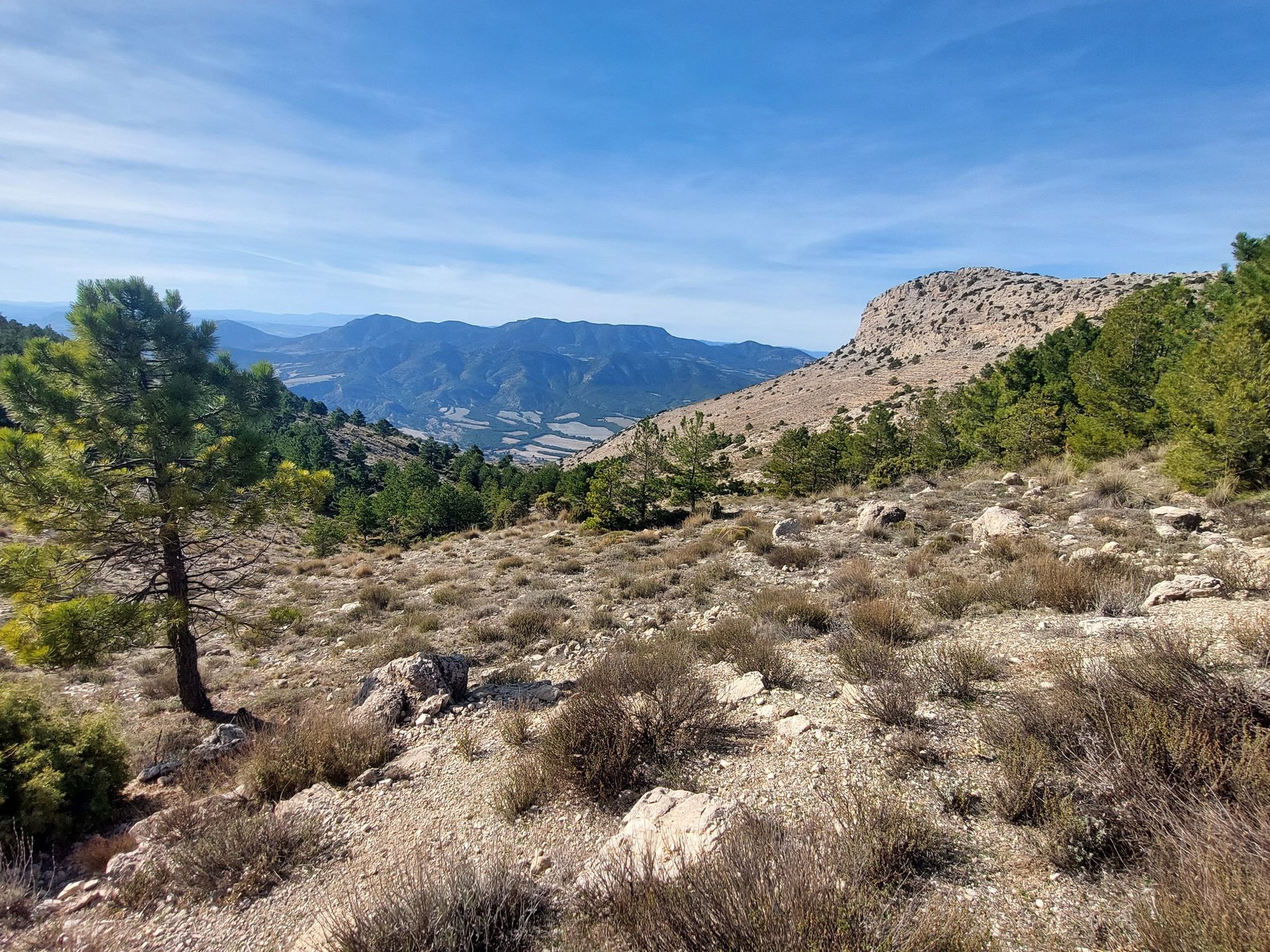
From the track there are magnificent views of the bare limestone cliff known as El Peñón. The white vertical wall devoid of vegetation stands out between the green of the forest and the blue of the sky.
0
0

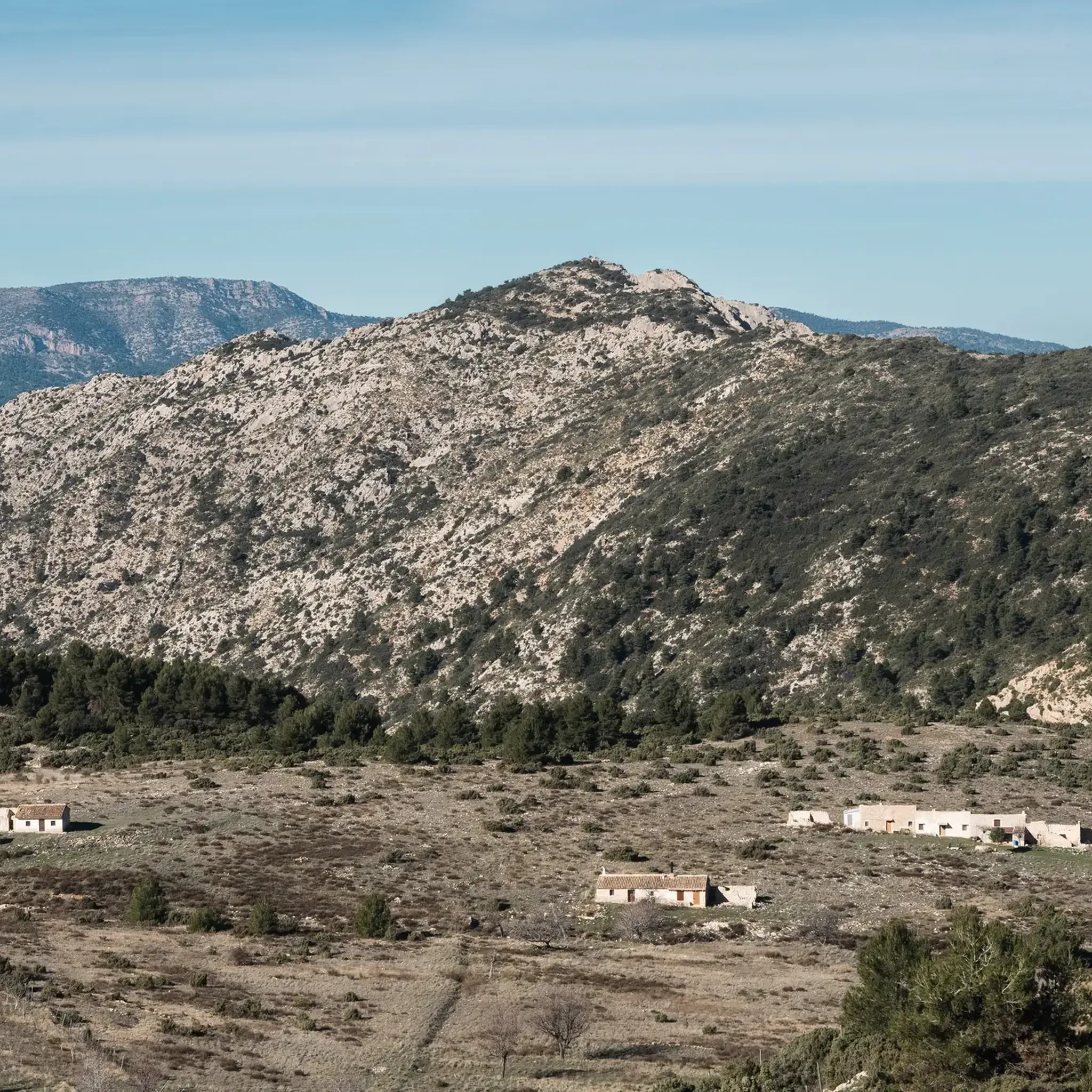
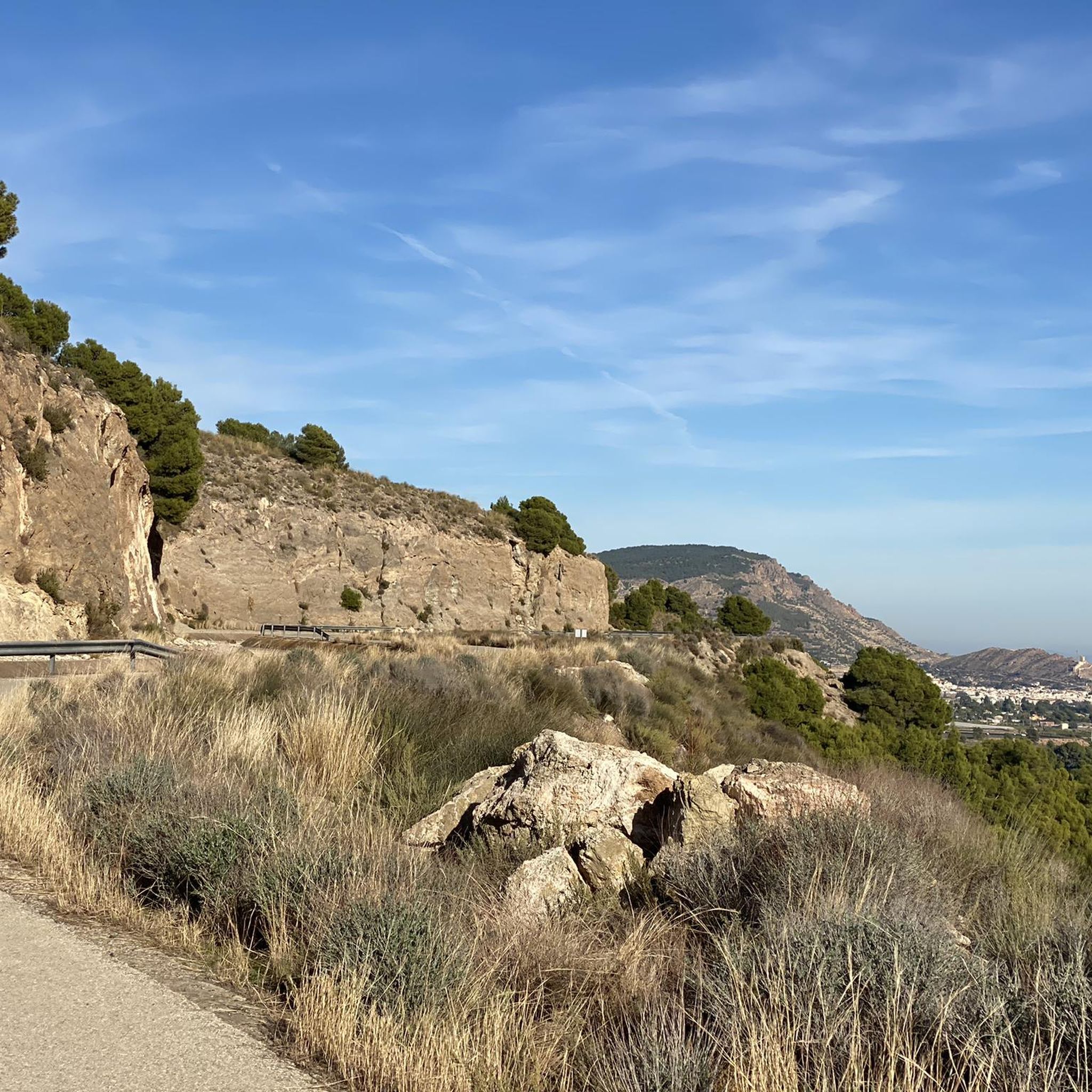
Located in the Sierra Espuña and at an altitude of 1,201 m, we reach the Bermejo pass accompanied by a pine forest during the ascent and where we find a beautiful viewpoint. At this point, a brief false flat is imposed to recover energy and breath and contemplate the panorama and places as beautiful as Umbría de Peña Apartada, Peña Apartada itself, Cerro de la Garita, and of course, the deep and green Valley of the Espuna River. To the north, we find the Morrón de Espuña, and to the west the Barranco de Enmedio, El Purgatorio and the Pedro López hill.
1
1
Frequently Asked Questions
What unique geological formations can I explore in Sierra Espuña?
Sierra Espuña boasts diverse geological features. The Barrancos de Gebas, often called the "Lunar Landscape," features arid badlands, gullies, and canyons formed by water erosion, with the turquoise Algeciras Reservoir in the background. The imposing Paredes de Leiva are immense, white vertical cliffs, while the Cuchillos de El Bosque and the Muela plateau also contribute to the region's rugged and varied topography.
Are there any historical natural monuments in Sierra Espuña?
Yes, the Pozos de Nieve (Snow Wells) are a fascinating blend of natural and historical interest. These large, circular stone structures, built between the 16th and 19th centuries at higher altitudes, were used to store compacted snow, which was then distributed as ice to cities and hospitals. Visiting them offers insight into the region's historical ingenuity and provides breathtaking mountain views.
Where can I find the best panoramic views in Sierra Espuña?
For stunning panoramic views, consider visiting Collado Bermejo, a mountain pass at 1,201 meters offering vistas of the entire Sierra, including the Barrancos de Gebas. The Morrón de Alhama Summit and Morra de las Moscas also provide incredible high-altitude perspectives. Additionally, the Airplane Viewpoint offers privileged views of the regional park and the Huerta de Murcia valley.
What kind of wildlife can I expect to see around Sierra Espuña's natural monuments?
Sierra Espuña is rich in wildlife. The Barrancos de Gebas, despite its arid appearance, supports adapted flora and fauna, including hundreds of moth and butterfly species, and various birds like herons, storks, and mallards. The Paredes de Leiva is a significant habitat for raptors, including the Eurasian eagle-owl and the golden eagle, making it a Special Protection Area for Birds (SPA).
Are there family-friendly natural monuments or activities in Sierra Espuña?
While many natural monuments involve hiking, some areas offer more accessible experiences. The Mirador de los Barrancos de Gebas viewpoint provides breathtaking views without extensive hiking, making it suitable for families. Exploring the historical Pozos de Nieve can also be an engaging activity for older children, combining history with a scenic walk. Always check trail difficulty before heading out with young children.
What outdoor activities can I do near these natural monuments?
The Sierra Espuña region is ideal for various outdoor activities. You can find numerous hiking trails, such as the 'Regional Park of Serra Espuña — Circular via the Leiva Ravine' or the 'Purgatory Trail'. For cyclists, there are road cycling routes like the 'Tajo-Segura Transfer Canal loop' and touring bicycle routes including the 'Leiva Valley Trail'. You can find more details on these activities in the hiking guide and cycling guides for Sierra Espuña.
What is the best time of year to visit the natural monuments in Sierra Espuña?
The best time to visit Sierra Espuña's natural monuments generally depends on your preferred activity. Spring (April-May) and autumn (September-October) offer pleasant temperatures for hiking and exploring. Summers can be very hot, especially in arid areas like Barrancos de Gebas, while winters can bring snow to higher elevations, making some routes more challenging but offering unique scenery, particularly around the Pozos de Nieve.
Are there specific trails for birdwatching near the natural monuments?
Yes, the Paredes de Leiva area is designated as a Special Protection Area for Birds (SPA) due to its significance for raptors like the Eurasian eagle-owl and golden eagle. Birdwatchers will find it an excellent spot to observe diverse birdlife. The tranquil Leiva Valley itself also offers opportunities to spot native species.
Can I go climbing at any of the natural monuments?
Absolutely. The Paredes de Leiva are a prime destination for climbers, offering routes that exceed 200 meters. These immense, white vertical walls provide both adventure and stunning views for experienced climbers.
What do visitors enjoy most about the natural monuments in Sierra Espuña?
Visitors frequently praise the breathtaking panoramic views from spots like Collado Bermejo and the unique, otherworldly landscapes of the Barrancos de Gebas. The historical insight provided by the Pozos de Nieve and the impressive scale of the Paredes de Leiva also receive high acclaim. Many appreciate the diverse natural beauty and the opportunities for challenging hikes and scenic exploration.
Are there any circular walks that include natural monuments?
Yes, there are several circular routes in the region that allow you to experience the natural monuments. For instance, the Senda del Caracol, a zigzagging trail, leads to a plateau at 1,500 meters, providing panoramic views of the entire mountain range, including the Paredes de Leiva. You can find more detailed circular hiking options in the hiking guide for Sierra Espuña.
What is the significance of the Cenozoic era in Sierra Espuña's geology?
Sierra Espuña is noted for its significant geological heritage, featuring a continuous sedimentary record from the Cenozoic era. This geological history is crucial for understanding the formation of the region's diverse landscapes, including its dramatic cliffs, arid badlands, and high-altitude plateaus, which are showcased in its natural monuments.
Most popular routes in Sierra Espuña
Most popular attractions in Sierra Espuña

Get inspired with the komoot mobile app


Explore more
Extend your search for the best caves by checking out these guides of the top ones in Sierra Espuña:
