Top 8 Natural Monuments in Tablas De Daimiel
Best natural monuments in Tablas De Daimiel are centered around a unique wetland ecosystem in the heart of La Mancha, Spain. This area is formed by the confluence and overflow of the Guadiana and Gigüela rivers, creating a vital oasis in a semi-arid region. It is recognized for its rich biodiversity and serves as a crucial refuge for migratory birds. The landscape offers distinct features for nature observation and exploration.
Best natural monuments in Tablas De Daimiel
- The most popular…
Last updated: July 11, 2026
Tablas de Daimiel National Park
Highlight • Natural Monument
Translated by Google •
Tip by

Observation point
Highlight • Viewpoint
Observatories at the Permanent Lagoon: This 800-meter linear trail takes …
Translated by Google •
Tip by
Sign up now to discover places like this
Get recommendations on the best single tracks, peaks, & plenty of other exciting outdoor places.
Sign up for free
Tablas de Daimiel
Highlight • Natural Monument
Free Visit: You can explore the park's trails for free and without prior reservation. The trails are open from half an hour before sunrise until half an hour after sunset.
Translated by Google •
Tip by
Views of the Tablas de Daimiel
Highlight • Viewpoint
Free Visit: You can explore the park's trails for free and without prior reservation. The trails are open from half …
Translated by Google •
Tip by
Views of the Puente Navarro Reservoir
Highlight • Viewpoint
Translated by Google •
Tip by
Sign up for free to discover even more natural monuments in Tablas De Daimiel.
Sign up for free
Already have an account?
Start today with a free account
Your next adventure awaits.
Login or Signup
Tips from the Community

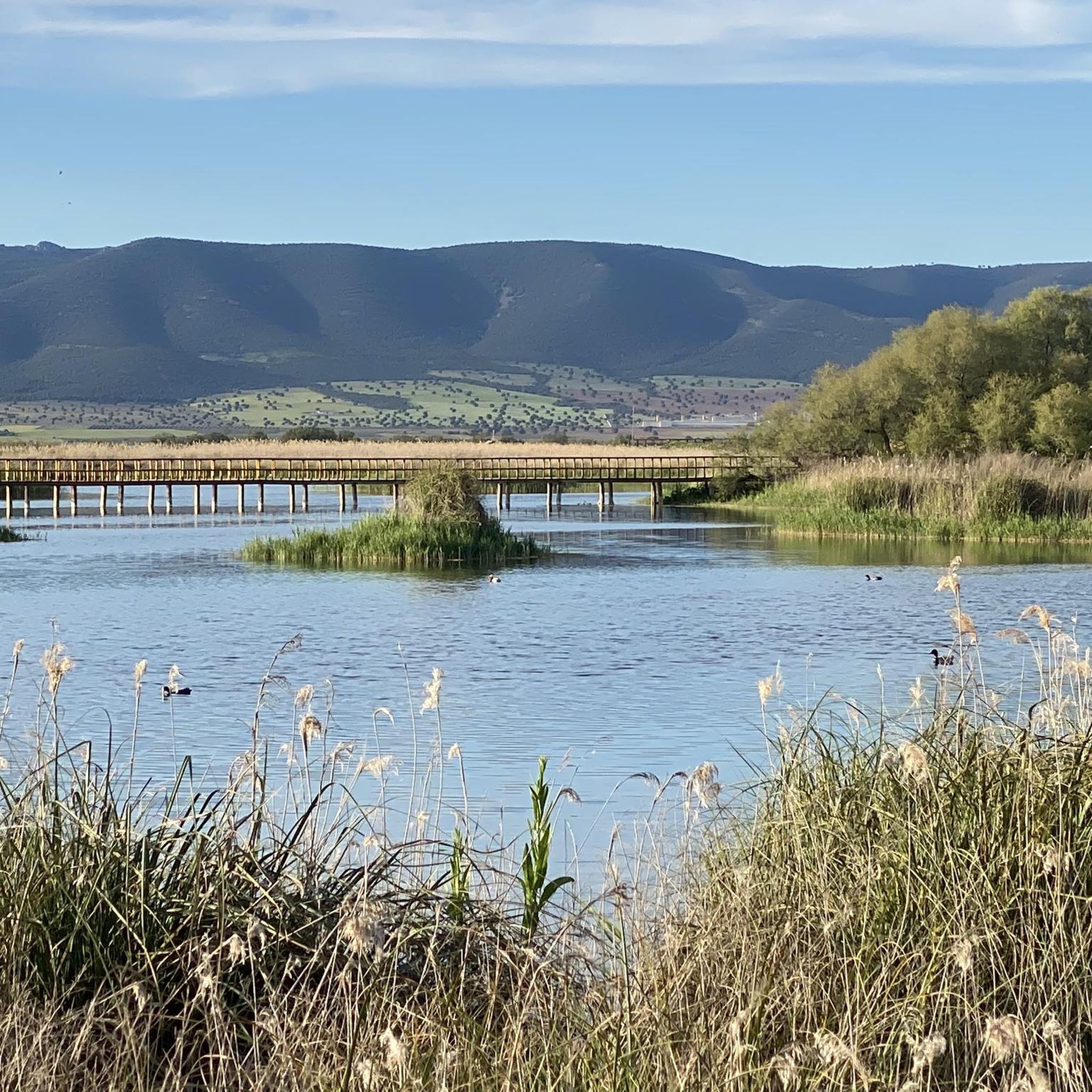
The Puente Navarro Reservoir is located on the middle course of the Guadiana River, within the province of Ciudad Real (Castilla-La Mancha). It is a hydraulic engineering project built in 1987 with the primary objective of flood control and flow regulation.
3
0
The Tablas de Daimiel are a fascinating place to visit! Free Visit: You can explore the park's trails for free and without prior reservation. The trails are open from half an hour before sunrise until half an hour after sunset. Guided Tour: There are several guided tour options available to book: Guided Hiking: Ideal for exploring the park on foot with an interpreter. 4x4 Tour: Explore restricted areas of the park by all-terrain vehicle.
2
0
The Tablas de Daimiel are a fascinating place to visit! Free Visit: You can explore the park's trails for free and without prior reservation. The trails are open from half an hour before sunrise until half an hour after sunset. Guided Tour: There are several guided tour options available for booking: Guided Hiking: Ideal for exploring the park on foot with an interpreter. 4x4 Tour: Explore restricted areas of the park by all-terrain vehicle.
27
0
In Las Tablas de Daimiel National Park, there are several wildlife observatories where you can enjoy bird and animal watching. Observatories at the Permanent Lagoon: This 800-meter linear trail takes you to a lagoon from whose observatories you can see various aquatic birds depending on the season. Observatories on the Prado Ancho Tower Route: This 4-kilometer trail includes four wildlife observatories and ends at a two-story tower that offers impressive panoramic views of the wetland. Observatories on the Bread Island Route: This 2.5-kilometer circular trail is the most popular in the park and has several observatories where you can see ducks and other aquatic birds.
30
0

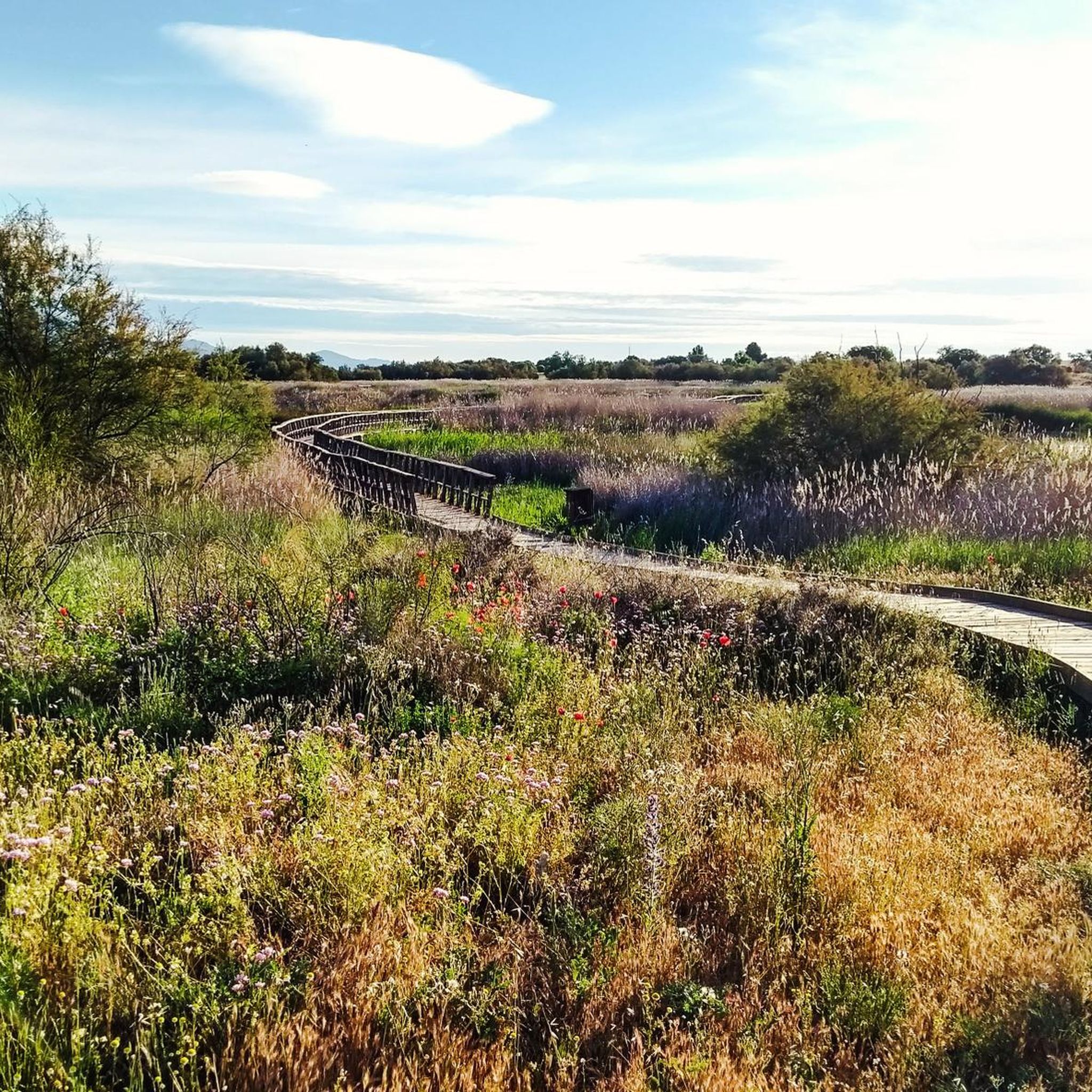
Tablas de Daimiel National Park Natural Wetland. Bird Observatory, mill, Interpretation Center. A walkway through the park allows for a pleasant stroll through its islands.
6
0
The Tablas de Daimiel are a wetland that is practically unique in Europe and the last representative of the ecosystem known as river tables, once characteristic of the central plain of our Peninsula. It is a complex ecosystem that combines the characteristics of a flood plain, produced by the overflow of the Guadiana and Gigüela rivers at their confluence, with those of an area of discharge of groundwater from a large aquifer.
3
0

There are fantastic observation opportunities here. It is advisable to have a telephoto lens with you.
9
2
Very beautiful wooden walkways provide impressive insights into the flora and fauna of the wetland.
8
2
Frequently Asked Questions
What makes Tablas de Daimiel a unique natural monument?
Tablas de Daimiel is considered a practically unique wetland in Europe, representing one of the last riverine wetland ecosystems. It's a complex ecosystem where the characteristics of a floodplain, formed by the overflow of the Guadiana and Gigüela rivers, blend with those of a groundwater discharge area from a large aquifer. This creates a vital oasis in the semi-arid region of La Mancha, rich in biodiversity.
What kind of wildlife can I expect to see in Tablas de Daimiel?
The area is a paradise for birdwatchers, with over 300 bird species identified. It serves as a crucial refuge for thousands of aquatic birds, including flamingos, purple herons, red-crested pochards, and white-headed ducks. You can observe them from various strategically placed observatories throughout the park, such as those along the Permanent Lagoon trail or the Prado Ancho Tower Route.
Are there specific trails or routes to explore the natural monuments?
Yes, the park features a network of wooden walkways and self-guided footpaths. Popular options include the La Isla del Pan (Bread Island) Route, a 2.5-kilometer circular trail with bird observatories, and the La Torre de Prado Ancho Route, a 4-kilometer trail leading to a two-story tower with panoramic wetland views. You can find more details on various easy hikes in the region by visiting our guide on Easy hikes in Tablas De Daimiel.
Are the natural monuments in Tablas de Daimiel suitable for families?
Absolutely. Many areas within the Tablas de Daimiel National Park are considered family-friendly, offering easy walks on wooden walkways and opportunities for wildlife observation that children often enjoy. The trails are generally flat and accessible, making them suitable for visitors of all ages.
What are the best viewpoints for observing the wetlands?
There are numerous excellent viewpoints. The Observation point within the National Park offers several wildlife observatories. The Prado Ancho Tower Route culminates in a two-story tower providing impressive panoramic views. Additionally, the Views of the Tablas de Daimiel and Views of the Puente Navarro Reservoir are also highly recommended for their scenic vistas.
Is there an entrance fee or do I need a permit to visit?
Visiting the natural monuments and exploring the park's trails is generally free and does not require prior reservation. The trails are typically open from half an hour before sunrise until half an hour after sunset, allowing for flexible visits.
What is the best time of year to visit Tablas de Daimiel?
The best time to visit often depends on your interest. For birdwatching, the migration seasons (spring and autumn) are particularly rewarding, as the park serves as a crucial refuge for migratory birds. However, the unique wetland ecosystem offers beauty and wildlife viewing opportunities year-round.
Are there accessible routes for wheelchairs in Tablas de Daimiel?
While specific data on wheelchair accessibility for all routes is not provided, the park features wooden walkways that connect various islands, which are generally flat. Visitors should check with the park's information center upon arrival for the most current details on accessible paths.
What outdoor activities can I do near the natural monuments?
Beyond exploring the natural monuments, the region offers various outdoor activities. You can find numerous options for mountain biking, with routes like the 'Villarrubia de los Ojos – Fuente del Umbrión loop'. There are also cycling routes, such as the 'Parque Nacional Tablas de Daimiel — circular from Villarubia de los Ojos'. For more details, explore our guides on MTB Trails in Tablas De Daimiel and Cycling in Tablas De Daimiel.
Where can I park when visiting the natural monuments?
Parking facilities are available, particularly at the main entrance to the Tablas de Daimiel National Park. These areas are designed to accommodate visitors arriving by car, providing convenient access to the trails and observatories.
What are the notable natural features beyond the wetlands themselves?
Beyond the unique wetland, the park encompasses five different biomes, including rivers, steppes, and Mediterranean forest, contributing to its ecological richness. Notable flora includes aquatic plants and tamarisks, with the 'masiega' (saw sedge) populations potentially forming the largest 'masegar' in Western Europe. The park is also renowned for offering some of the most spectacular sunsets in La Mancha.
Can I take a guided tour of the natural monuments?
Yes, while free self-guided exploration is possible, there are options for guided tours. These can include guided hiking tours with an interpreter, ideal for exploring the park on foot, or 4x4 tours that allow access to restricted areas of the park. These guided experiences can offer deeper insights into the ecosystem and its wildlife.
Most popular routes in Tablas De Daimiel
Most popular attractions in Tablas De Daimiel

Get inspired with the komoot mobile app


Explore more
Extend your search for the best caves by checking out these guides of the top ones in Tablas De Daimiel:
