Top 20 Natural Monuments in Posets-Maladeta
Best natural monuments in Posets-Maladeta are found within the Aragonese Pyrenees, a protected area known for its high peaks, glacial formations, and diverse ecosystems. This region features some of the highest mountains in the Pyrenees, including the Aneto and Posets massifs, alongside numerous glacial lakes and valleys. The park's geomorphological diversity, shaped by ancient glaciers, offers varied landscapes from lush forests to barren granite summits. It is a prime destination for exploring significant natural landmarks and high-mountain environments.
Best natural…
Last updated: May 15, 2026
Forau de Aiguallut
Highlight • Natural Monument
Translated by Google •
Tip by

Pico de Aneto Summit
Highlight • Summit
Translated by Google •
Tip by

Sign up now to discover places like this
Get recommendations on the best single tracks, peaks, & plenty of other exciting outdoor places.
Sign up for free
Estós Valley
Highlight • Gorge
Translated by Google •
Tip by

Ibón de Gorgutes
Highlight • Lake
All Aragonese lakes are …
Translated by Google •
Tip by
Espigantosa Waterfall
Highlight • Waterfall
Translated by Google •
Tip by

Sign up for free to discover even more natural monuments in Posets-Maladeta.
Sign up for free
Already have an account?
Start today with a free account
Your next adventure awaits.
Login or Signup
Popular around Posets-Maladeta
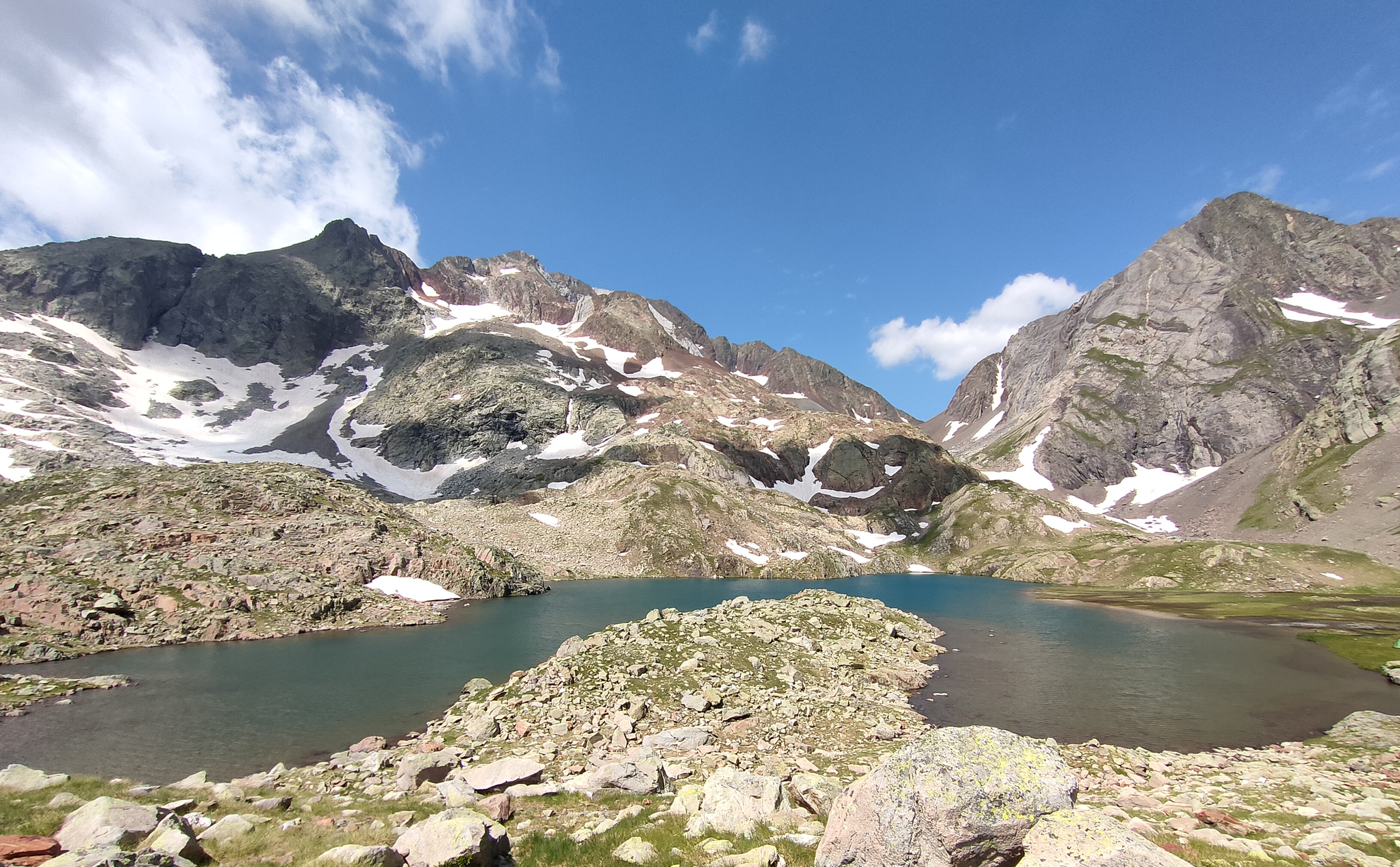
Panoramic Pyrenees – 15 hikers' peaks of over 3,000 metres
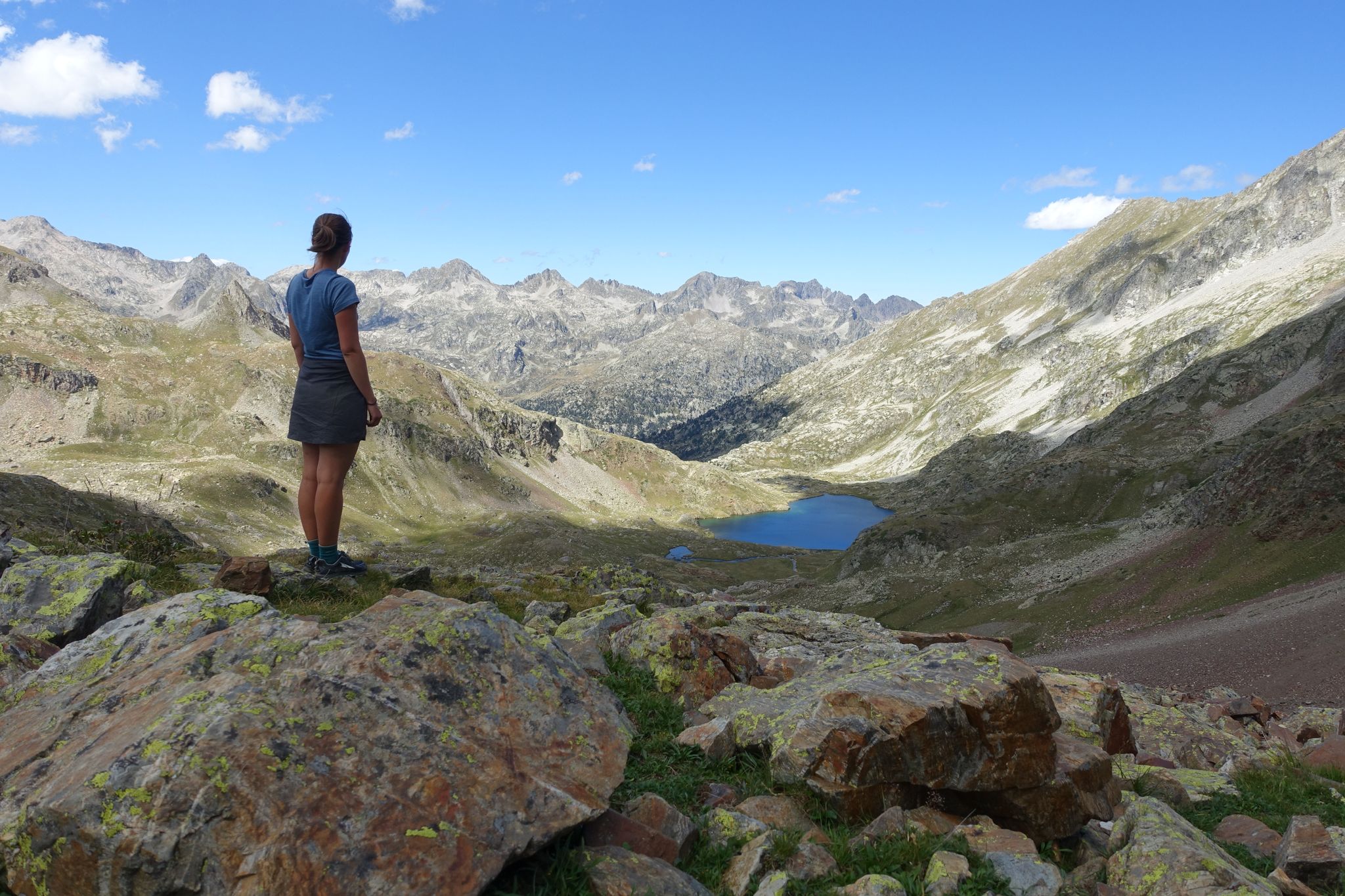
Haute Route Pyrénéenne – Pyrenees Crossing
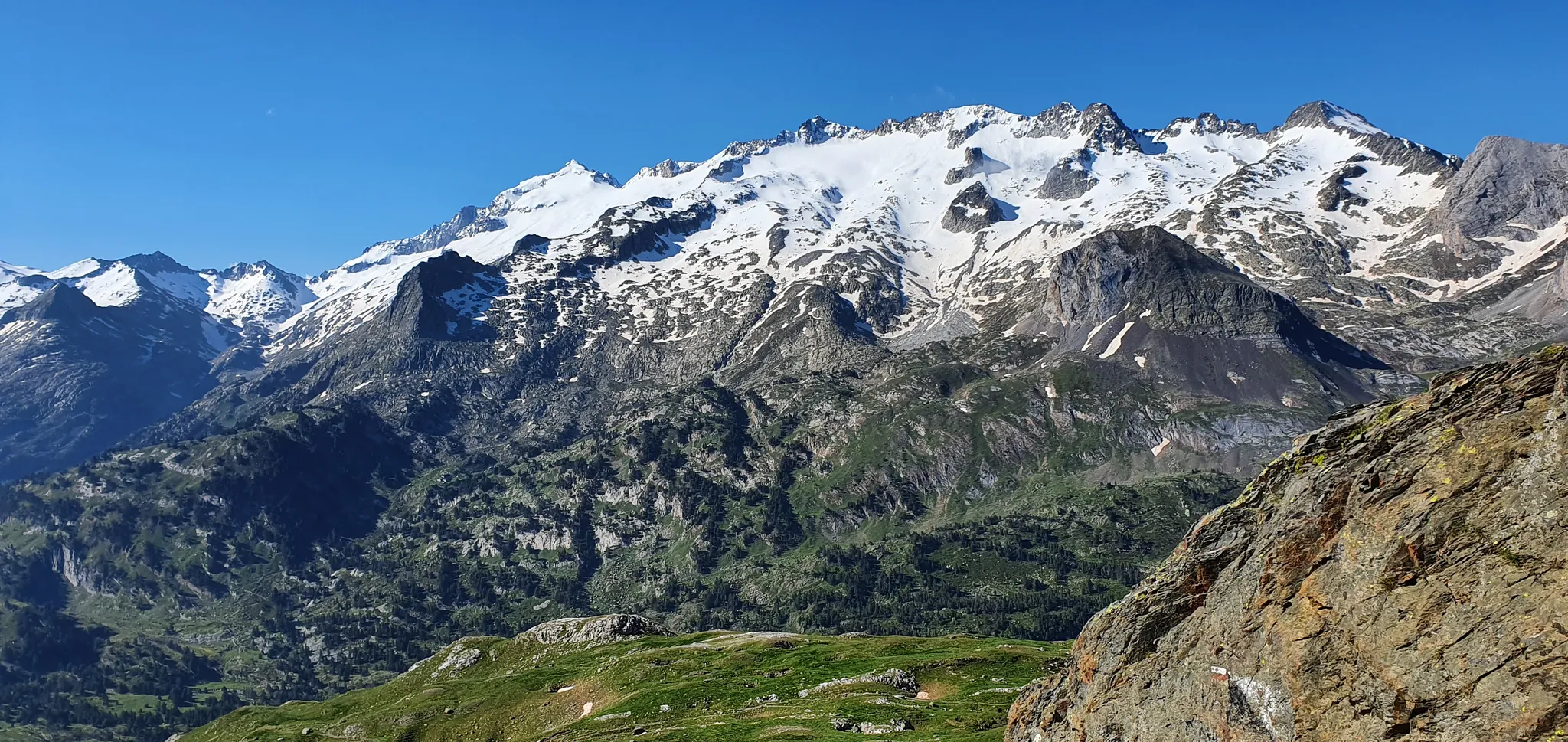
From the Queen to the King of the Pyrenees – a spectacular loop from Luchon
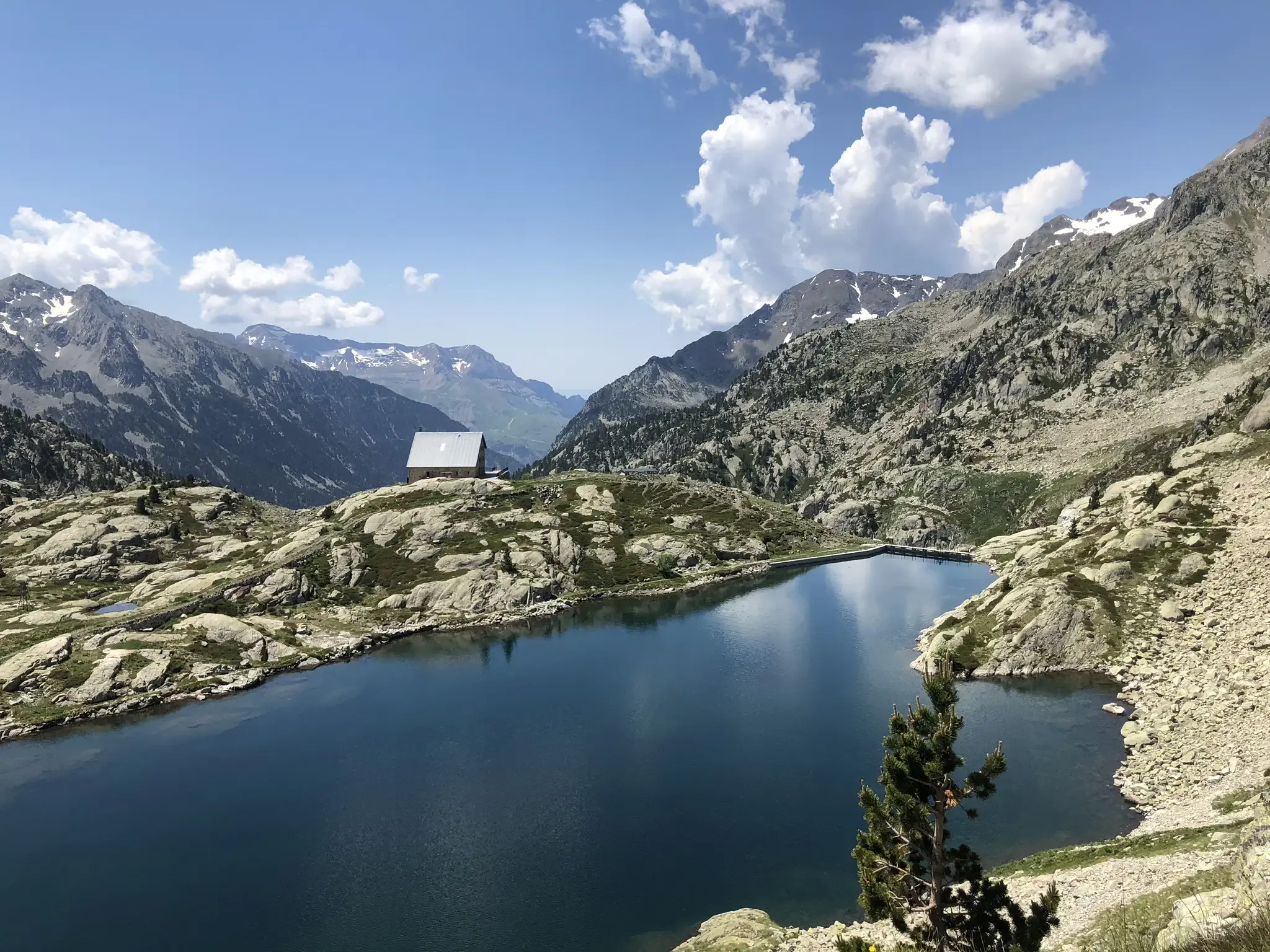
Aragon along the Pyrenean Trail – GR 11
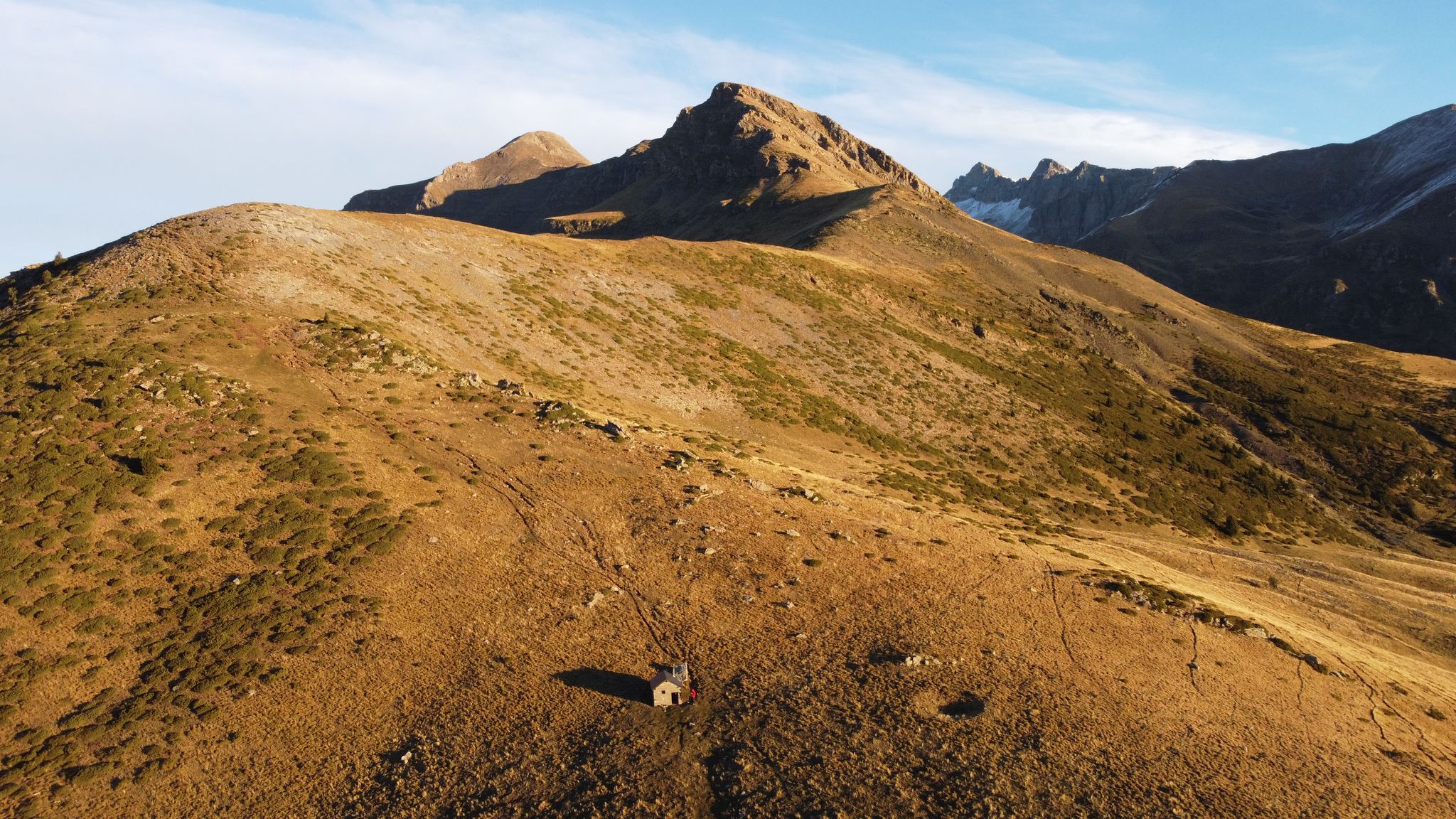
Rutas de alta montaña en el municipio de Sahún — Valle de Benasque
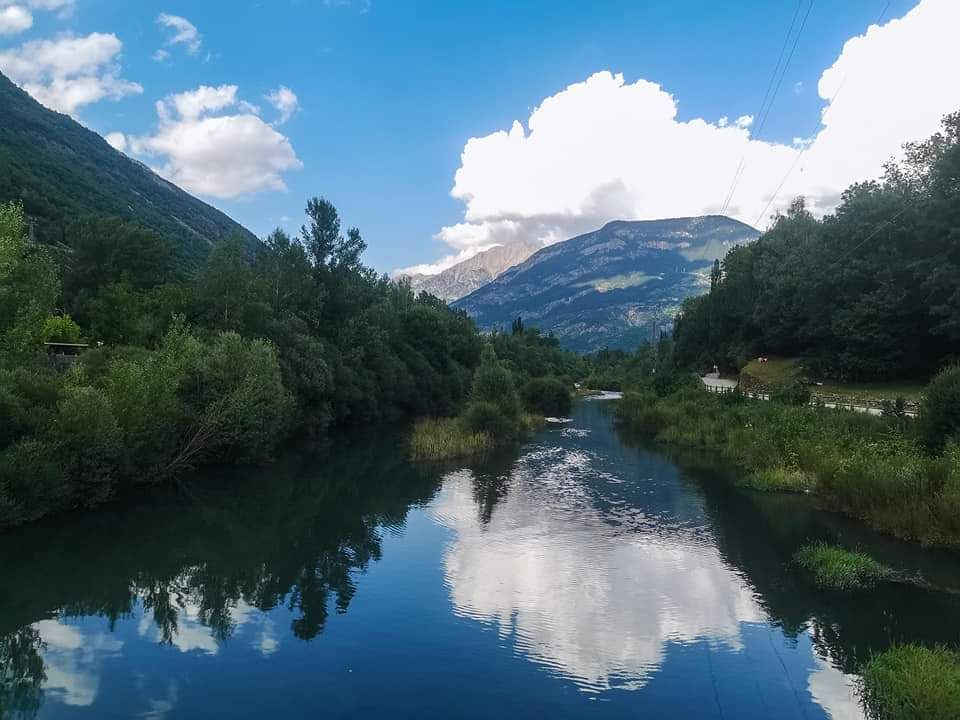
Pequeños recorridos en el municipio de Sahún — Valle de Benasque
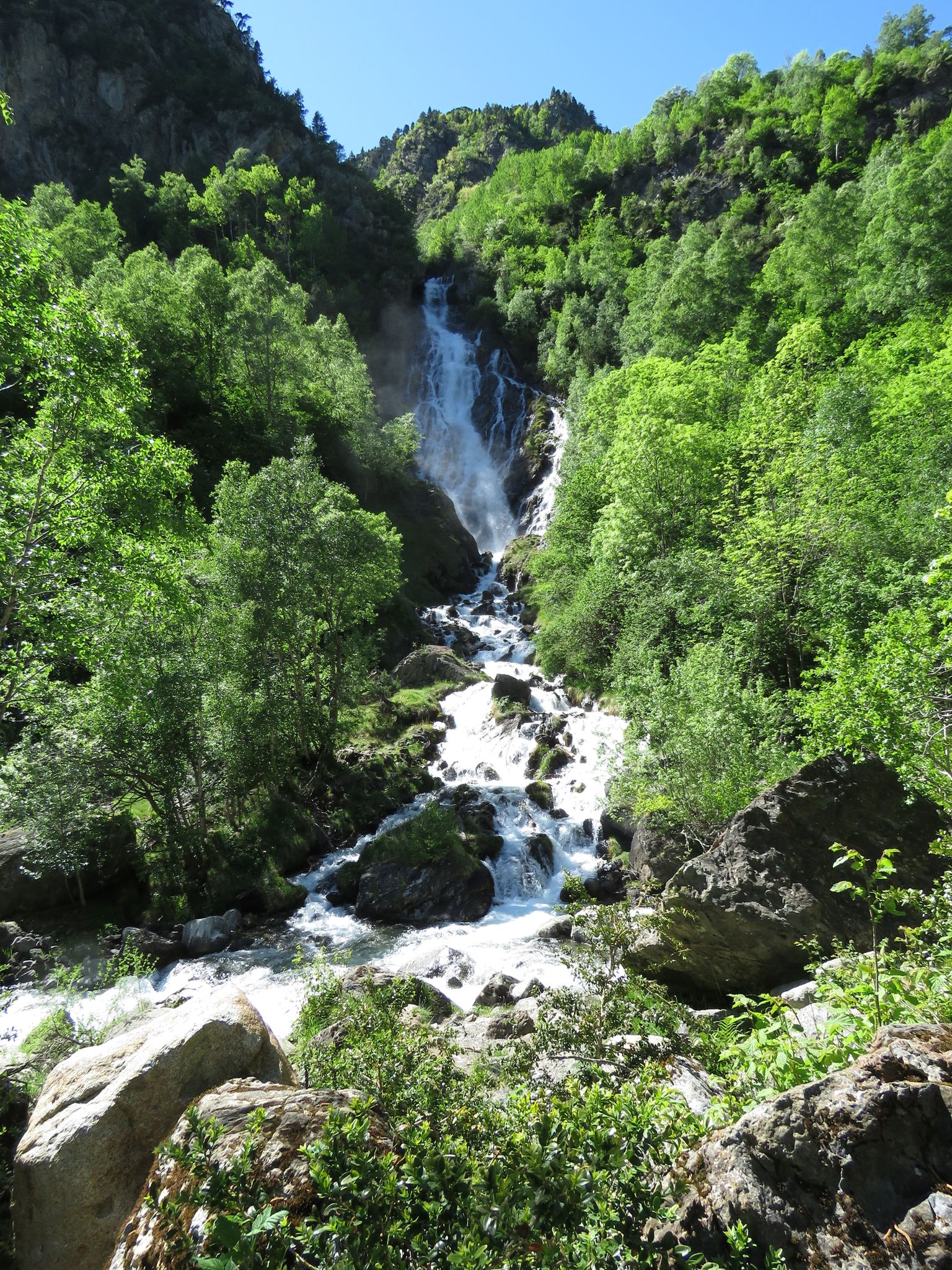
Senderos desde Eriste — Valle de Benasque
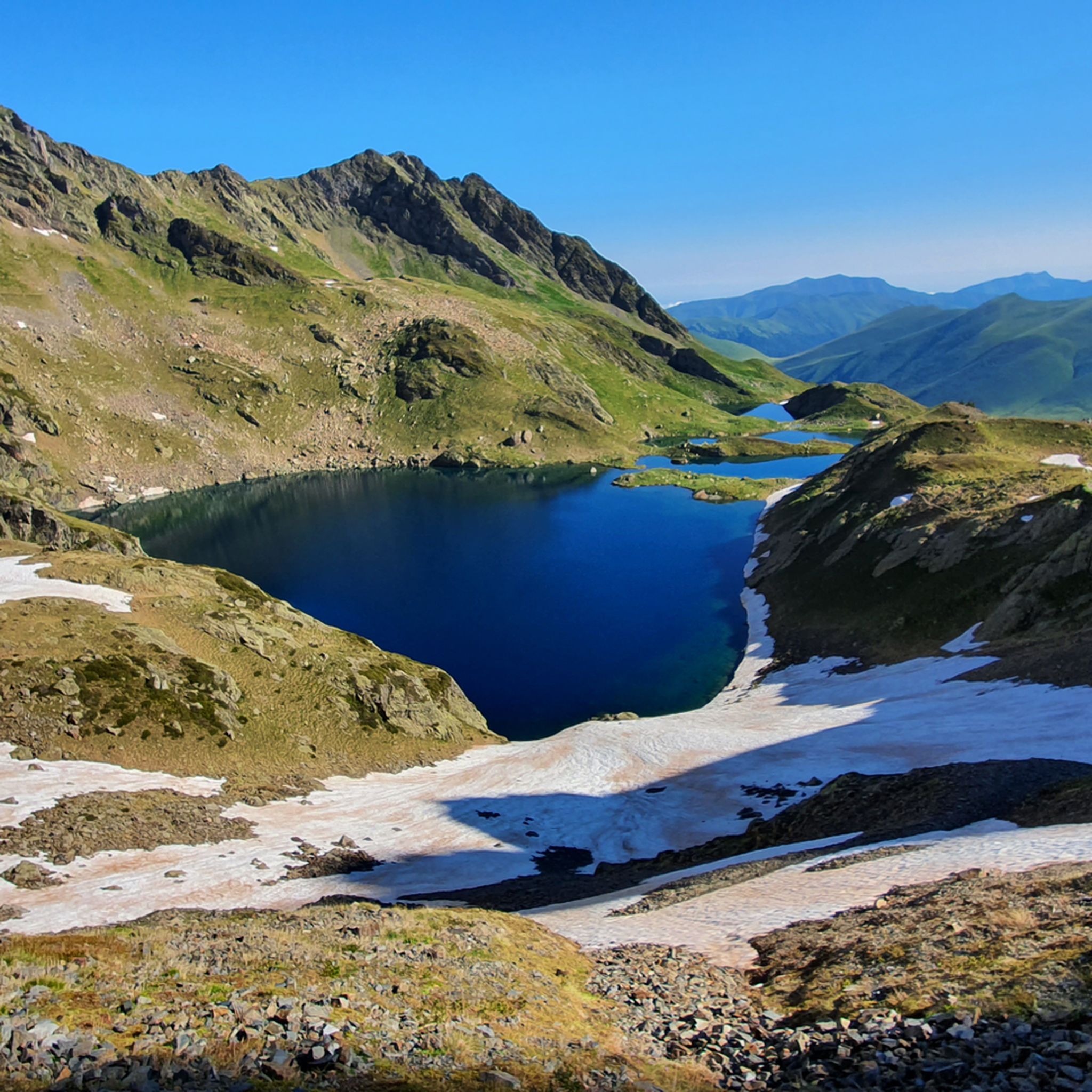
Hiking in Posets-Maladeta
MTB Trails in Posets-Maladeta
Running Trails in Posets-Maladeta
Other adventures in Posets-Maladeta


Tips from the Community

The highest peak in the Pyrenees mountaineering region.
1
0

The highest peak in the Pyrenees and the one everyone wants to climb. Its demands are more physical than technical, with the exception of the Mahoma Pass, not suitable for those with vertigo, and the Aneto Glacier, which is recommended to avoid in the middle of summer when the hard centuries-old ice is exposed and landslides increase due to melting. At the top you will find a gigantic metal cross, a statue of the Virgen del Pilar and a small bust of San Marsial, patron saint of Benasque. Each of them installed by different groups that want to make their own a piece of this colossus that, although it is difficult to believe, went unnoticed for centuries in the shadow of the apparently more prominent Tuca de la Maladeta (from the Occitan "Mall Hita", the 'high peak').
1
0
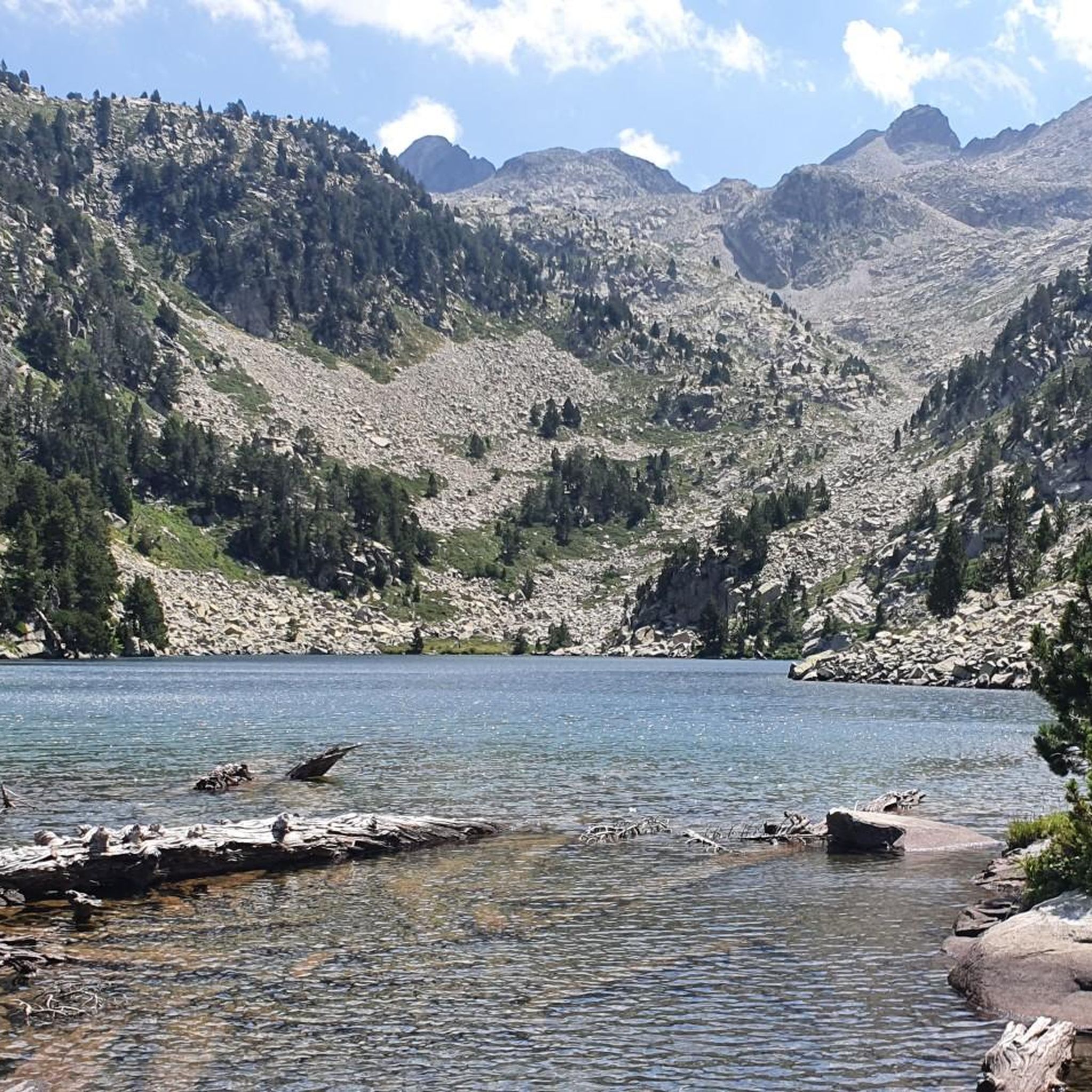
This lake located at 2339 m altitude is undoubtedly one of the most visited in the Benasque valley, due to its proximity to Llanos del Hospital. All Aragonese lakes are protected as they are included in the Inventory of Singular Wetlands, so any activity that could modify the quality of their waters is prohibited. While bathing is not specifically mentioned, it is understood that bathing with chemicals on the skin such as sunscreen, deodorants, perfumes or creams is negatively affecting the quality of the water, so it cannot be done. You can read the protection decree and the list of wetlands included here: aragon.es/-/humedales-de-aragon
0
0

Beautiful and powerful waterfall that can be comfortably observed from the Pleta del Estalló, located at about 1,500 meters above sea level. This is also where the bus departing from Eriste arrives in the summer months. You can check the bus schedules at the tourist office or on the website of the town hall.
1
0

Superb view of the impressive Espigantosa waterfall.
0
0

Aneto is the highest peak in the Pyrenees and the second highest in the Iberian Peninsula, with an altitude of 3,404 meters above sea level. It is located in the Posets-Maladeta Natural Park, in the Spanish municipality of Benasque, province of Huesca, autonomous community of Aragon. It is part of the Maladeta massif and, located in the Benasque valley, is made up of Paleozoic terrain of granitic nature and Mesozoic materials. On its northern face, starting at approximately 2810 m, is the largest glacier in the Pyrenees, with about 100 hectares of surface, which is, like many in the world, in clear regression as a consequence of climate change (it is estimates that in the last 100 years it has lost more than half of its surface, and that in 30 or 40 years it may disappear).
2
0
One of the main tributary valleys of the Benasque Valley, which connects with the Chistau Valley to the west and is the starting point for numerous lakes and peaks.
1
0

Tour of just an hour and a half in total duration, essential for anyone who travels to the Benasque Valley for the first time, being probably the most visited place in this valley. The Forau de Aiguallut is a chasm through which the waters from the Aneto glacier disappear to resurface again on the surface in the Val de Arán, in the Garona river basin, which flows into the Atlantic Sea in the French city of Bordeaux.
6
1
Frequently Asked Questions
What unique natural phenomena can I witness in Posets-Maladeta Natural Park?
You can witness the fascinating hydrological phenomenon at Forau de Aiguallut, where waters from the Aneto glacier disappear into a chasm and reappear in the Val d'Aran as a source of the Garonne river. This site is a well-known tourist attraction, especially captivating in spring after the ice melts.
Are there challenging mountain ascents for experienced mountaineers?
Absolutely. The park is home to some of the highest peaks in the Pyrenees. For a significant challenge, consider the ascent to Pico de Aneto Summit, the highest peak in the Pyrenees at 3,404 m. Another demanding climb is Perdiguero Peak, which offers an incredible 360-degree panorama from its 3,222-meter summit.
What kind of glacial features can be found in the park?
Posets-Maladeta Natural Park is renowned for its glacial heritage. It encompasses the Natural Monument of the Pyrenean Glaciers, which includes the last remaining permanent ice caps in the Pyrenees, such as those on Aneto and Posets. Additionally, the park features over a hundred 'ibons' or blue water mountain lakes, like Ibón de Gorgutes, all formed by ancient glaciers.
Are there family-friendly natural monuments or activities in Posets-Maladeta?
Yes, the Forau de Aiguallut offers an easy and family-friendly hike to witness its unique waterfall and disappearing waters. The surrounding plain of Aiguallut is also known for its monumental nature, making it an accessible and captivating stop for all ages.
What is the best time to visit Posets-Maladeta to see its natural monuments?
The best time to visit largely depends on your activity. For witnessing the unique hydrological event at Forau de Aiguallut, spring after the ice melts is ideal. For high-altitude hiking and mountaineering, late spring to early autumn (June to September) generally offers the most favorable weather conditions, though some areas may still have snow.
What kind of wildlife can I expect to see in the park's valleys?
The glacial valleys, such as Estós Valley, are characterized by rich timber and diverse wildlife. You might spot marmots, chamois, and various birds of prey. These valleys provide a contrast to the barren peaks, offering lush forests and alpine meadows where flora and fauna thrive.
Are there specific regulations regarding activities like bathing in the glacial lakes?
Yes, all Aragonese lakes, including the 'ibons' like Ibón de Gorgutes, are protected as Singular Wetlands. Activities that could modify water quality, such as bathing with chemicals like sunscreen or deodorants, are prohibited to preserve their pristine condition.
What outdoor activities can I do near the natural monuments in Posets-Maladeta?
The region offers a wide range of outdoor activities. You can find numerous routes for gravel biking, with options like the challenging Linsoles Reservoir loops. For running, there are trails such as the Puerto de la Glera e Ibón de Gorguttes. And for hiking, popular routes include the Gorgas de Alba Botanical Trail and the Besurta - Renclusa - Aiguallut Circular Trail. You can explore more options on the dedicated guides for gravel biking, running, and hiking in Posets-Maladeta.
What are the typical elevation gains and difficulty levels for trails around these natural monuments?
Trails in Posets-Maladeta vary significantly. For instance, the ascent to Pico de Aneto Summit is considered difficult, with demands that are more physical than technical, especially around the Mahoma Pass. Many routes, particularly those leading to high peaks or glacial lakes, involve substantial elevation gains and are rated as difficult, while others like the path to Forau de Aiguallut are much easier.
Can I access the natural monuments using public transport, or is a car necessary?
While specific public transport details for every natural monument are not provided, many access points to the Posets-Maladeta Natural Park, especially the valleys like Benasque, serve as starting points for trails. However, reaching some of the more remote natural monuments often requires personal transport or local shuttle services, particularly during peak seasons, to access trailheads like those for Pico de Aneto or the Estós Valley.
What do visitors enjoy most about the natural monuments in Posets-Maladeta?
Visitors frequently praise the breathtaking high-mountain landscapes and the immense scale of the Pyrenees. The unique hydrological event at Forau de Aiguallut is a particular highlight, often described as spectacular. Mountaineers cherish the physical challenge and rewarding views from summits like Pico de Aneto, while others appreciate the serene beauty of the glacial lakes and the diverse ecosystems found in the valleys.
Most popular routes in Posets-Maladeta
Most popular attractions in Posets-Maladeta

Get inspired with the komoot mobile app


Explore more
Extend your search for the best caves by checking out these guides of the top ones in Posets-Maladeta:
