Top 8 Mountain Passes in Alpes Suisses Jungfrau-Aletsch
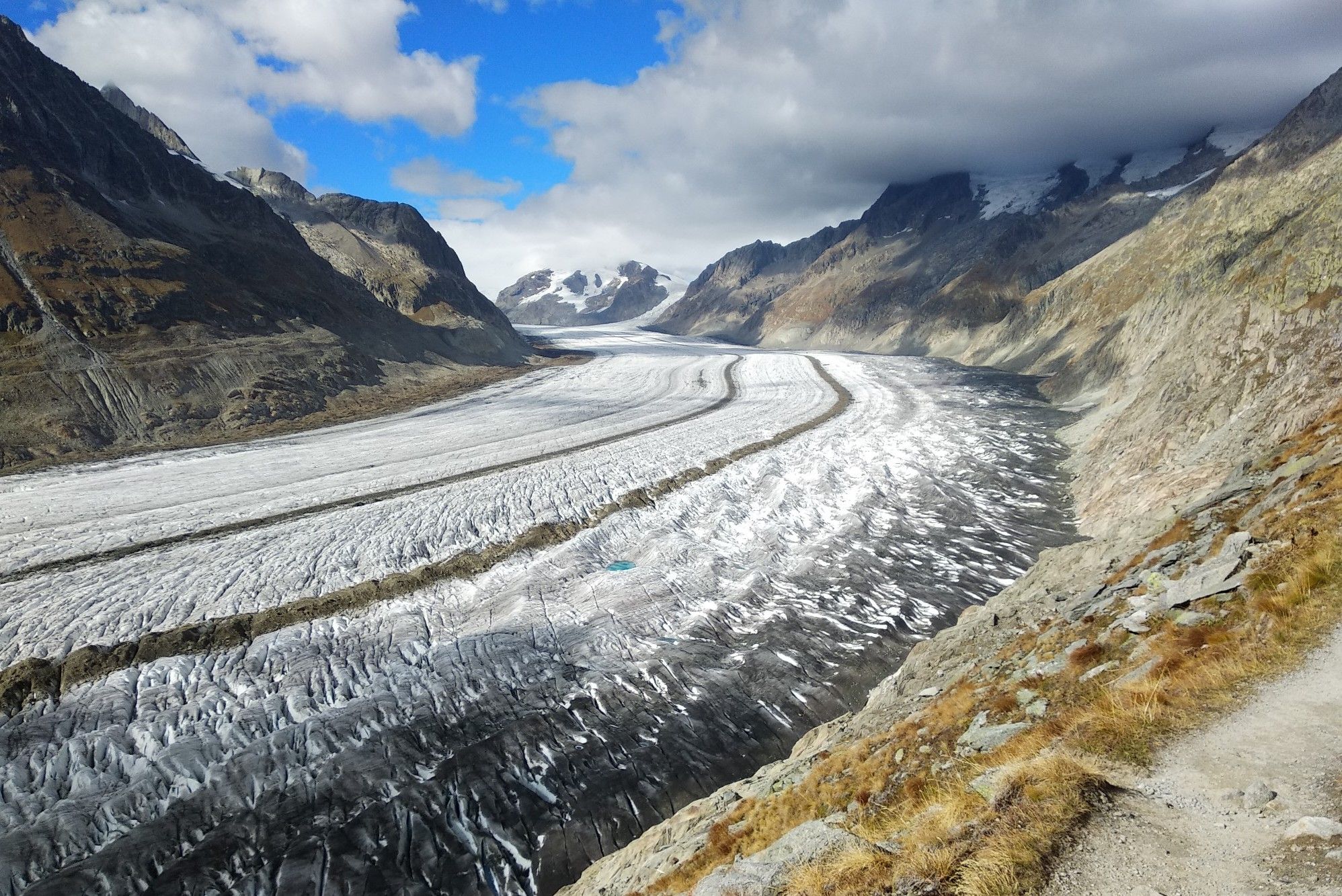
Mountain passes in Alpes Suisses Jungfrau-Aletsch traverse a UNESCO World Heritage site known for its high-alpine landscapes. The region features the Aletsch Glacier, the largest in Eurasia, and iconic peaks such as the Eiger, Mönch, and Jungfrau. This area is characterized by rugged terrain, vast glaciers, and significant elevation changes, offering diverse routes for exploration.
Best mountain passes in Alpes Suisses Jungfrau-Aletsch
- The most popular mountain pass is Jungfraujoch, a summit that offers train access to over 3500 meters above sea level. The Top of Europe provides panoramic views of the surrounding peaks and glaciers.
- Another must-see spot is High door pass, a mountain pass crossing between the Kiental and the Kandertal. The ascent involves steep slopes and scree fields, leading to views of the Blüemlisalp group.
- Visitors also love Hohbalm Pass (2,490 m), a mountain pass that serves as a crossroads with expansive views. It is a crossing point for several paths, offering views of the Aletsch Glacier.
- Alpes Suisses Jungfrau-Aletsch is known for challenging climbs, scenic trails, and high-altitude crossings. The region offers a variety of mountain passes to see and explore, ranging from accessible viewpoints to demanding routes.
- The mountain passes in Alpes Suisses Jungfrau-Aletsch are appreciated by the komoot community. The guide features 10 highlights, supported by 162 photos and 222 upvotes from visitors.
Last updated: July 25, 2026
Jungfraujoch
Highlight • Summit
Translated by Google •
Tip by

Ascent to Grosse Scheidegg from Meiringen
Highlight (Segment) • Climb
The gradient averages 8%, and 1250 meters of elevation gain are overcome from Meiringen. In the Schwarzwaldalp area, there is a steep ramp (> 16% gradient for 200 meters).
Translated by Google •
Tip by

Sign up now to discover places like this
Get recommendations on the best single tracks, peaks, & plenty of other exciting outdoor places.
Sign up for free
High door pass
Highlight • Mountain Pass
Translated by Google •
Tip by

Hohbalm Pass (2,490 m)
Highlight • Mountain Pass
Translated by Google •
Tip by

Vermunt Pass Trail
Highlight • Trail
Translated by Google •
Tip by

Sign up for free to discover even more mountain passes in Alpes Suisses Jungfrau-Aletsch.
Sign up for free
Already have an account?
Start today with a free account
Your next adventure awaits.
Login or Signup
Popular around Alpes Suisses Jungfrau-Aletsch
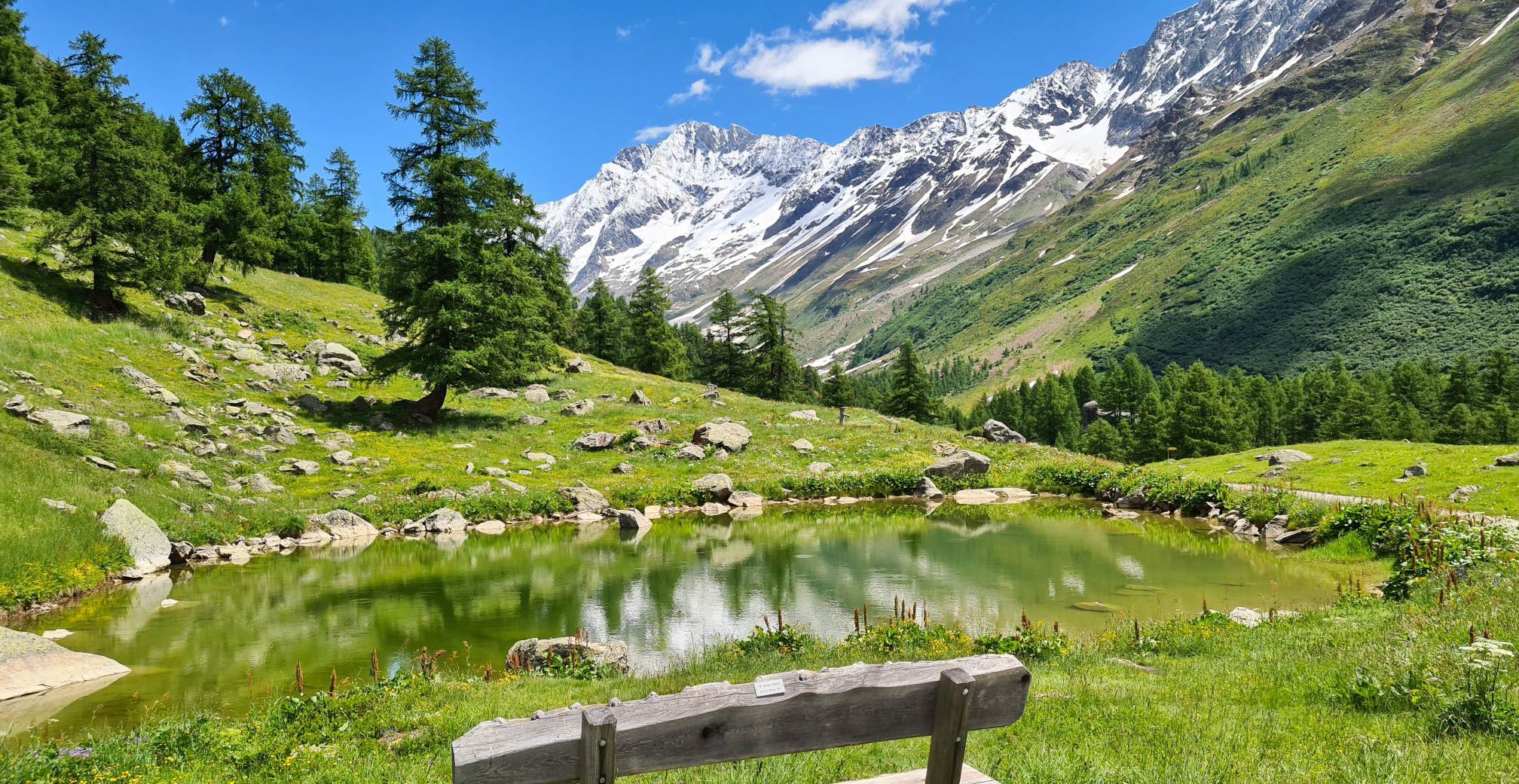
Lötschberg Panorama Trail – 4 days of alpine views in Switzerland
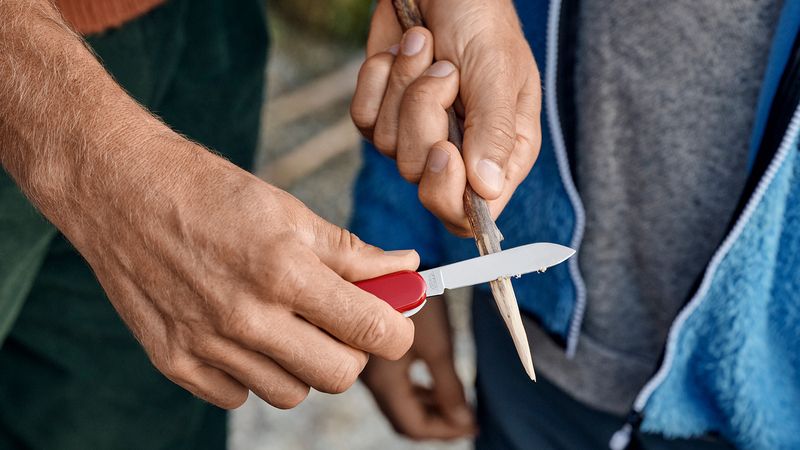
Discover Grindelwald with the Victorinox Huntsman
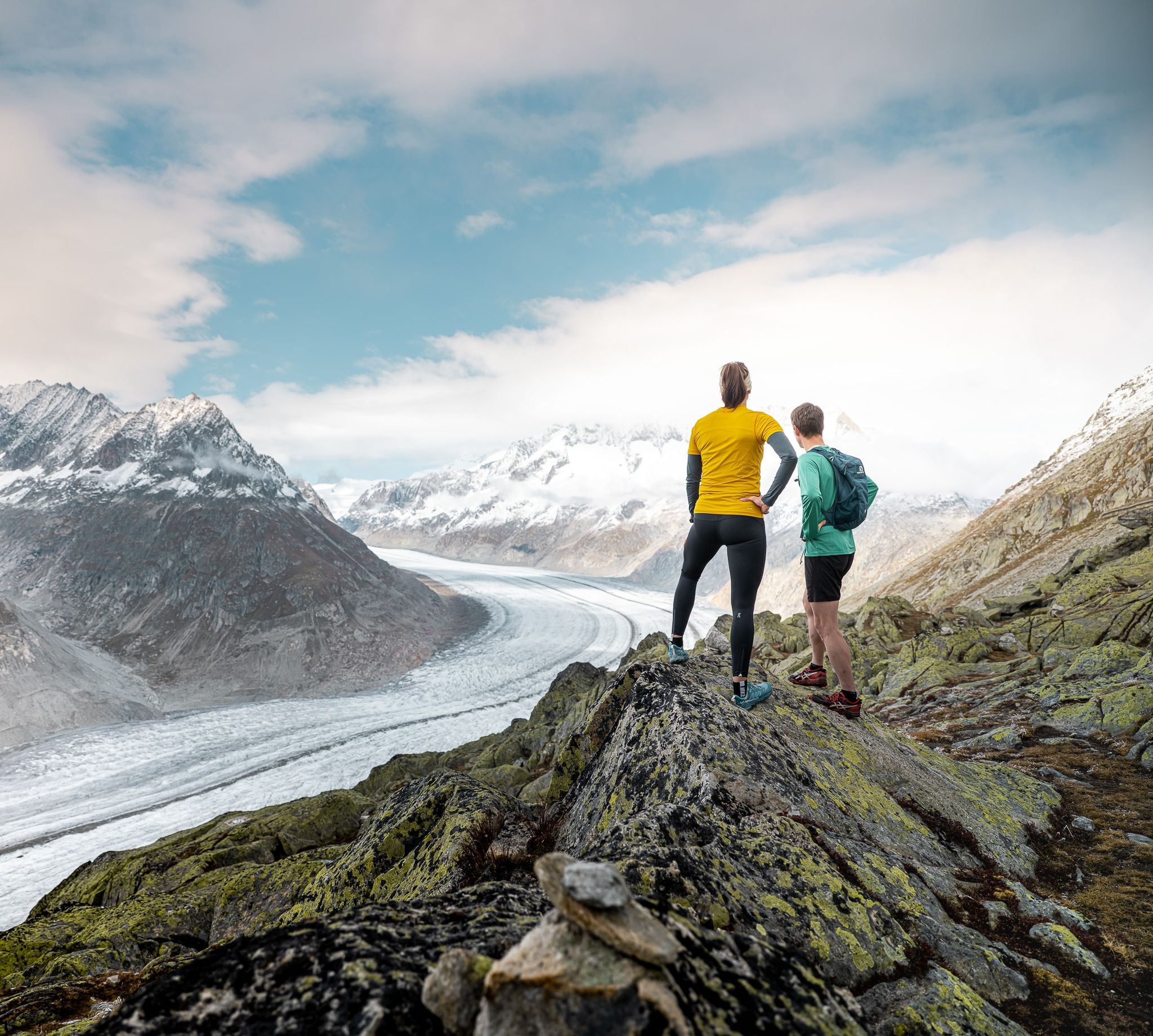
Thrills and adventure on the Stoneman Glaciara
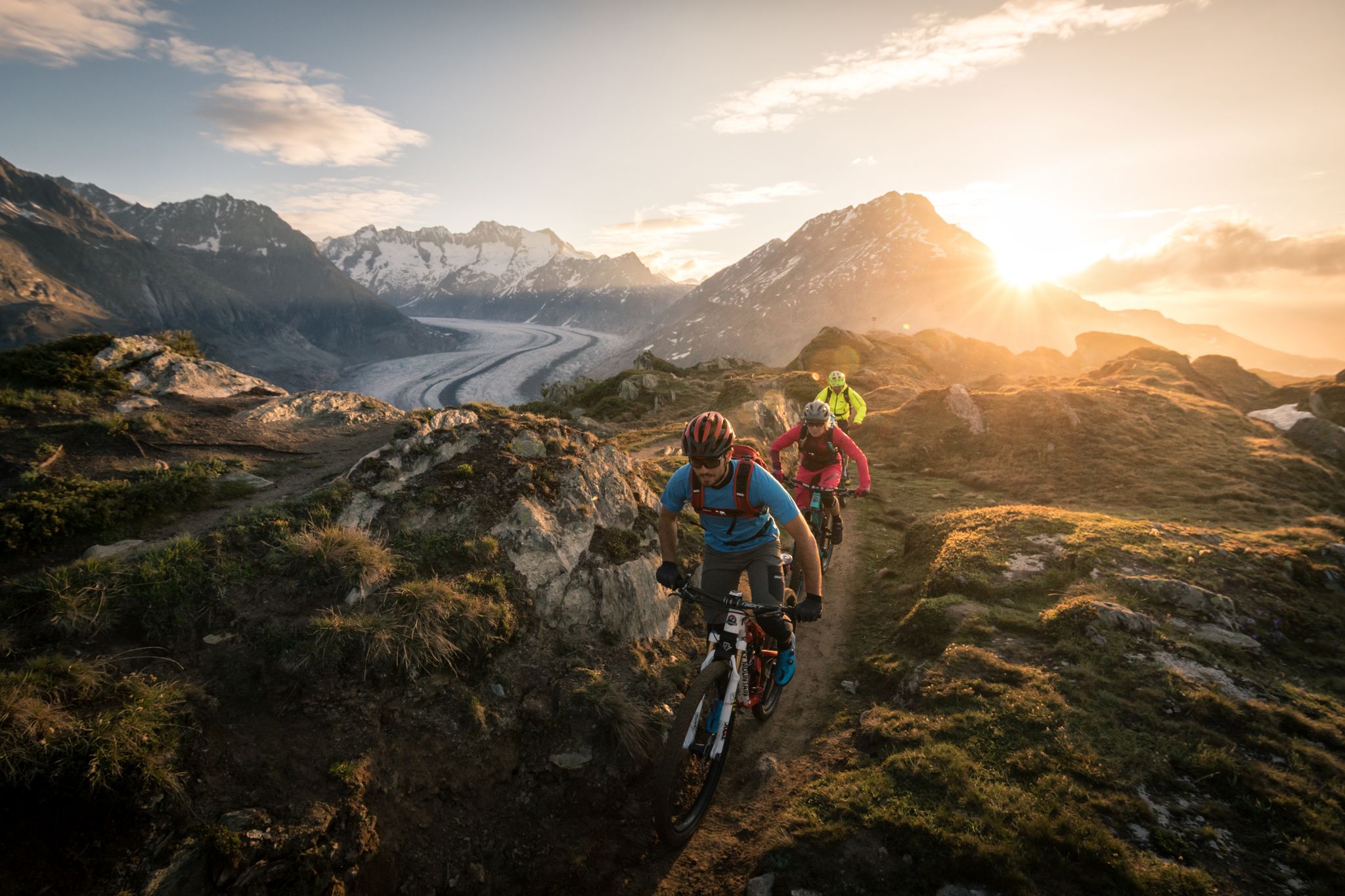
Magic from Ice and Stone – The Stoneman Glaciara
Aletsch Panorama Trail – mighty glaciers and airy suspension bridges
Endless mountain panoramas – themed hikes in Switzerland’s Valais
Grandiose glaciers and peaks – panoramic Tours in Switzerland’s Valais
Passes, lakes and alpine huts in Switzerland – discover the Valais
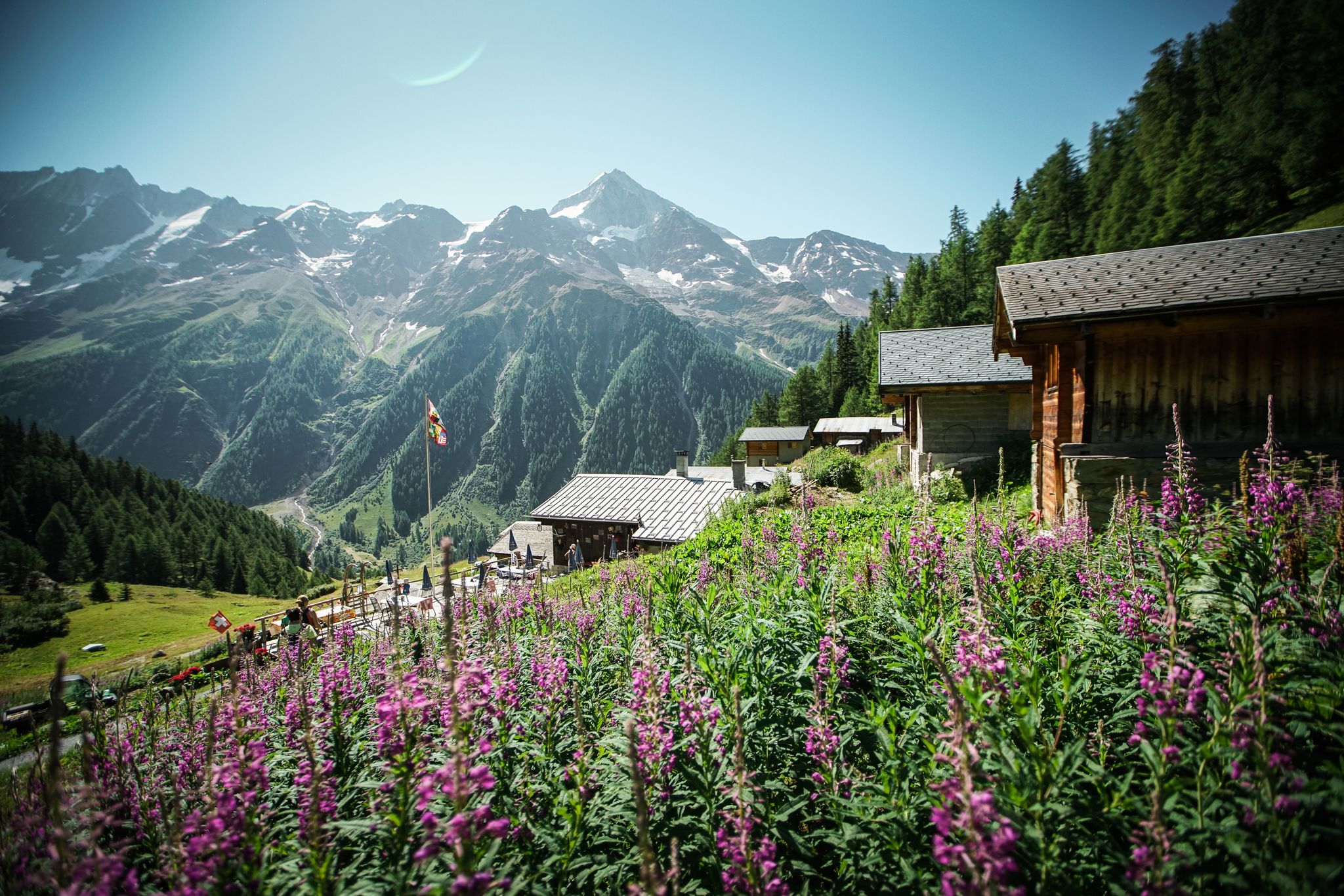
Mountain air, myths and beauty – hiking in the Lötschental
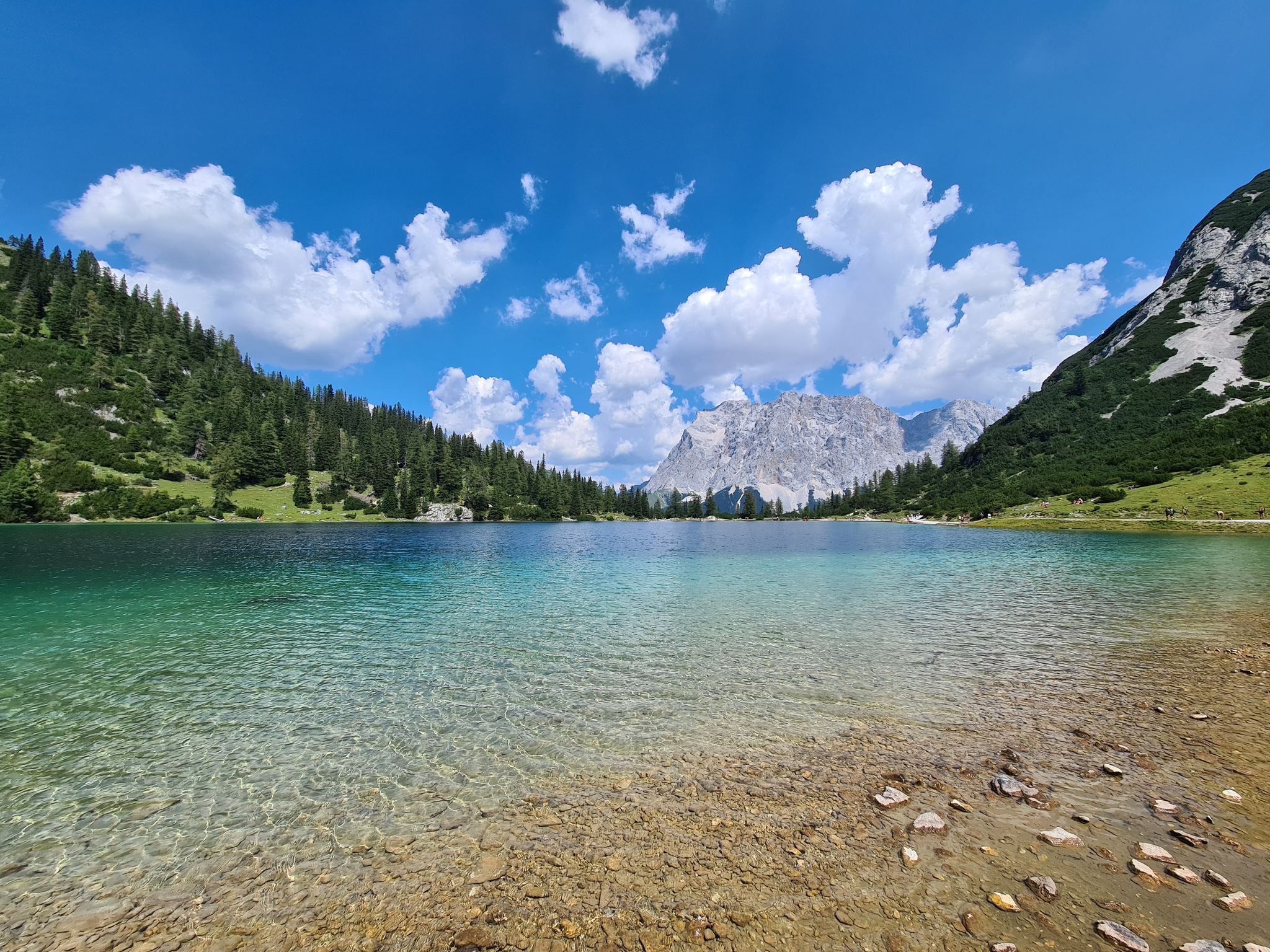
The most wonderful Alpine lakes
Other adventures in Alpes Suisses Jungfrau-Aletsch


Tips from the Community


The Hohtürli Pass lies at almost 2,800 meters between the Kiental and Kandertal valleys in the Bernese Oberland. The ascent leads across steep slopes, scree fields, and patches of snow – a climb that demands stamina and sure footing. From Griesalp, the path winds its way up in numerous switchbacks until the view opens up at the top: far below, the valleys; above, the peaks of the Blüemlisalp group. A little above the pass stands the Blüemlisalp Hut, a popular starting point for mountain tours.
1
0


A very beautiful route without cars. Only the post office/public bus is allowed to travel here. A suitable gear is recommended, though. There are four or five fountains for refilling water up to Gr. Scheidegg – perfect.
0
0

Very busy, very narrow and still: great!
9
0


After the strenuous climb to Hohtürli, it is not far to Blüemlisalp
1
0
Frequently Asked Questions
What are some notable mountain passes in the Alpes Suisses Jungfrau-Aletsch region?
Beyond the well-known highlights, the region features passes like the Grimsel Pass and the Nufenen Pass. The Grimsel Pass offers spectacular scenery with reservoir lakes and hydroelectric installations, while the Nufenen Pass, the second highest paved pass in Switzerland, provides breathtaking panoramic views of snow-capped peaks and is generally less crowded. For a unique experience, Ascent to Grosse Scheidegg from Meiringen offers a beautiful climb through quiet valleys.
Where can I find the best panoramic views of the Aletsch Glacier from a mountain pass?
For expansive views of the Aletsch Glacier, Hohbalm Pass (2,490 m) is an excellent choice, serving as a crossroads for several paths. Additionally, Jungfraujoch, often called the 'Top of Europe,' provides unparalleled panoramic views of the surrounding peaks and glaciers, including the Aletsch Glacier, from over 3500 meters above sea level.
Are there challenging mountain passes for experienced hikers in the region?
Yes, the Alpes Suisses Jungfrau-Aletsch region is known for its challenging routes. The High door pass, for instance, involves steep slopes, scree fields, and patches of snow, demanding stamina and sure footing. It's a classic Bernese Oberland hike leading to views of the Blüemlisalp group. The Ascent to Grosse Scheidegg from Meiringen also presents a challenging climb with an average gradient of 8% and a steep ramp exceeding 16%.
What outdoor activities can I do near the mountain passes in Alpes Suisses Jungfrau-Aletsch?
The region offers a wide array of outdoor activities. You can find numerous running trails, such as the 'Lake Oeschinen – Lakeside Trail at Lake Oeschinen loop from Kandersteg,' which is a difficult route. For cycling enthusiasts, there are gravel biking options like the 'Brigerbad Thermal Spa – Baltschieder Valley loop from Lalden,' and road cycling routes including the 'Gsteigwiler – View of Harderkulm loop from Mürren.' You can explore more options in the dedicated guides for Running Trails, Gravel Biking, and Road Cycling Routes.
Are there family-friendly options or easier mountain passes to visit?
While many passes offer challenging terrain, some areas provide more accessible experiences. For instance, Jungfraujoch is easily accessible by train, allowing families to reach high altitudes without strenuous hiking. The Grimsel Pass road is well-surfaced and offers a flowing driving experience, and its area includes the Gelmer Lake loop, accessible via the world's steepest funicular, the Gelmerbahn, which can be a fun family outing.
What is the best time to visit the mountain passes in Alpes Suisses Jungfrau-Aletsch?
The best time to visit mountain passes in this high-alpine region is typically during the warmer months, from late spring to early autumn (roughly June to October), when the roads are clear of snow and hiking trails are most accessible. During this period, you'll experience milder temperatures and the full beauty of the alpine landscapes. Some higher passes may open later or close earlier depending on snow conditions.
What historical significance do the mountain passes in this region hold?
Many passes in the Swiss Alps have a rich history. The Grimsel Pass, for example, has been an important route for over 3,000 years, used by Roman troops, Napoleon, and mule traders, highlighting its long-standing role as a vital Alpine crossing. Along routes like the Nufenen Pass, you can also encounter ancient stone markers and traditional Alpine villages, offering glimpses into the region's past and cultural heritage.
How can I access the mountain passes using public transport?
Public transport options are available for many areas. For instance, Jungfraujoch is famously accessible by train, taking you directly to over 3500 meters above sea level. For passes like Grosse Scheidegg, post buses often operate, allowing you to enjoy the scenery without a private vehicle. It's always advisable to check local transport schedules for specific pass access.
What do visitors enjoy most about the mountain passes in Alpes Suisses Jungfrau-Aletsch?
Visitors frequently praise the breathtaking panoramic views of glaciers and peaks, the unique blend of natural beauty with impressive engineering marvels like hydroelectric installations, and the variety of challenging yet rewarding trails. Many appreciate the feeling of being at the 'Top of Europe' at Jungfraujoch, the quiet beauty of climbs like the Ascent to Grosse Scheidegg, and the sense of accomplishment after reaching passes like High door pass.
Are there any specific natural features or landmarks to look out for on these passes?
Absolutely. On the Grimsel Pass, you'll encounter the mirror-like Grimselsee and Totensee (Lake of the Dead), reflecting the surrounding peaks, as well as impressive hydroelectric dams. The Nufenen Pass offers views of the Bernese Alps, including the Finsteraarhorn, and the Gries Glacier. From Hohbalm Pass (2,490 m), you can greet the Aletsch Glacier, and observe curious green-layered rocks.
Can I find amenities like cafes or accommodation near the mountain passes?
Yes, some passes and their surrounding areas offer amenities. For example, the historic Grimsel Hospiz near the Grimsel Pass provides a mountain hotel and a coffee stop with excellent views. At High door pass, the Blüemlisalp Hut is a popular spot a little above the pass. In general, larger towns and villages at the base of the passes or along major routes will offer a wider range of cafes, restaurants, and accommodation.
Is it possible to hike around the Aletsch Glacier from a mountain pass?
While the core UNESCO World Heritage site is characterized by high-alpine hiking routes and glaciated landscapes, some passes provide access or views. Hohbalm Pass (2,490 m) is a crossing point for several paths, offering views of the Aletsch Glacier and leading towards areas like Bettmeralp and Bettmerhorn, which provide access to the glacier viewpoints. A multi-day trek from Jungfraujoch to Grimsel Pass also leads through the heart of the UNESCO area, offering extensive glacier views.
Most popular routes in Alpes Suisses Jungfrau-Aletsch
Most popular attractions in Alpes Suisses Jungfrau-Aletsch

Get inspired with the komoot mobile app


Explore more
See even more epic mountain passes by checking out these guides in Alpes Suisses Jungfrau-Aletsch:
