Top 9 Natural Monuments in Stevns Klint
Best natural monuments in Stevns Klint are found along a 17-kilometer stretch of dramatic white chalk and limestone cliffs on Denmark's Baltic coast. This UNESCO World Heritage site is recognized for its exceptional geological features, including the "fish clay" layer, which provides evidence of the meteorite impact 66 million years ago that led to the extinction of the dinosaurs. The cliffs rise up to 41 meters above sea level, showcasing millions of years of Earth's history through layers of chalk…
Last updated: August 21, 2026
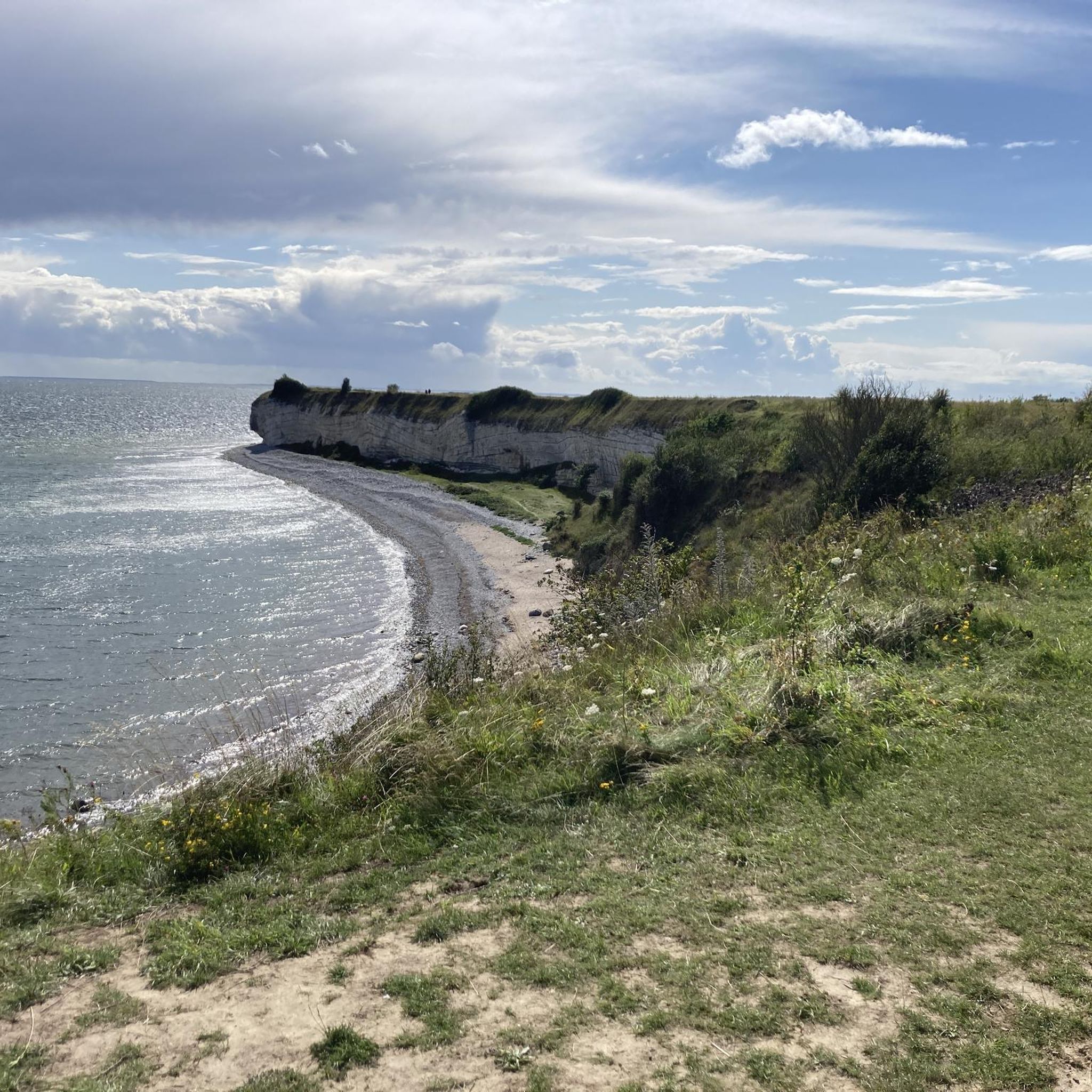
Stevns Klint and Højerup Old Church
Highlight • Historical Site
Incidentally, the cliffs are recognized by UNESCO as a World Heritage Site.
Translated by Google •
Tip by

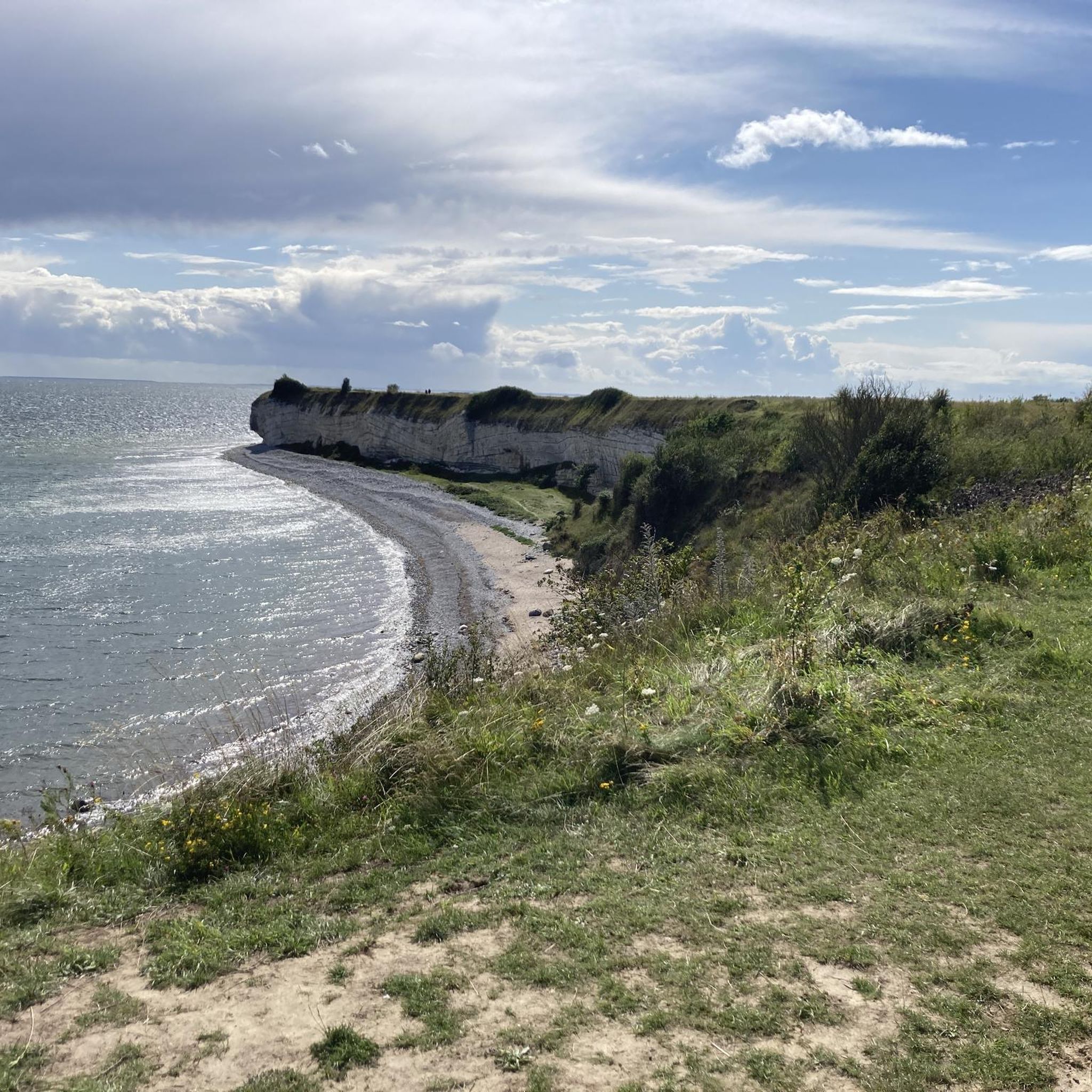
Stevns Klint — Trampestien Coastal Trail (section)
Highlight (Segment) • Trail
The “Trampestien” hiking trail runs along the upper edge of the Stevns Klint cliff.
A great tour of a total of …
Translated by Google •
Tip by

Sign up now to discover places like this
Get recommendations on the best single tracks, peaks, & plenty of other exciting outdoor places.
Sign up for free
Holtug Chalk Quarry
Highlight • Natural Monument
Translated by Google •
Tip by

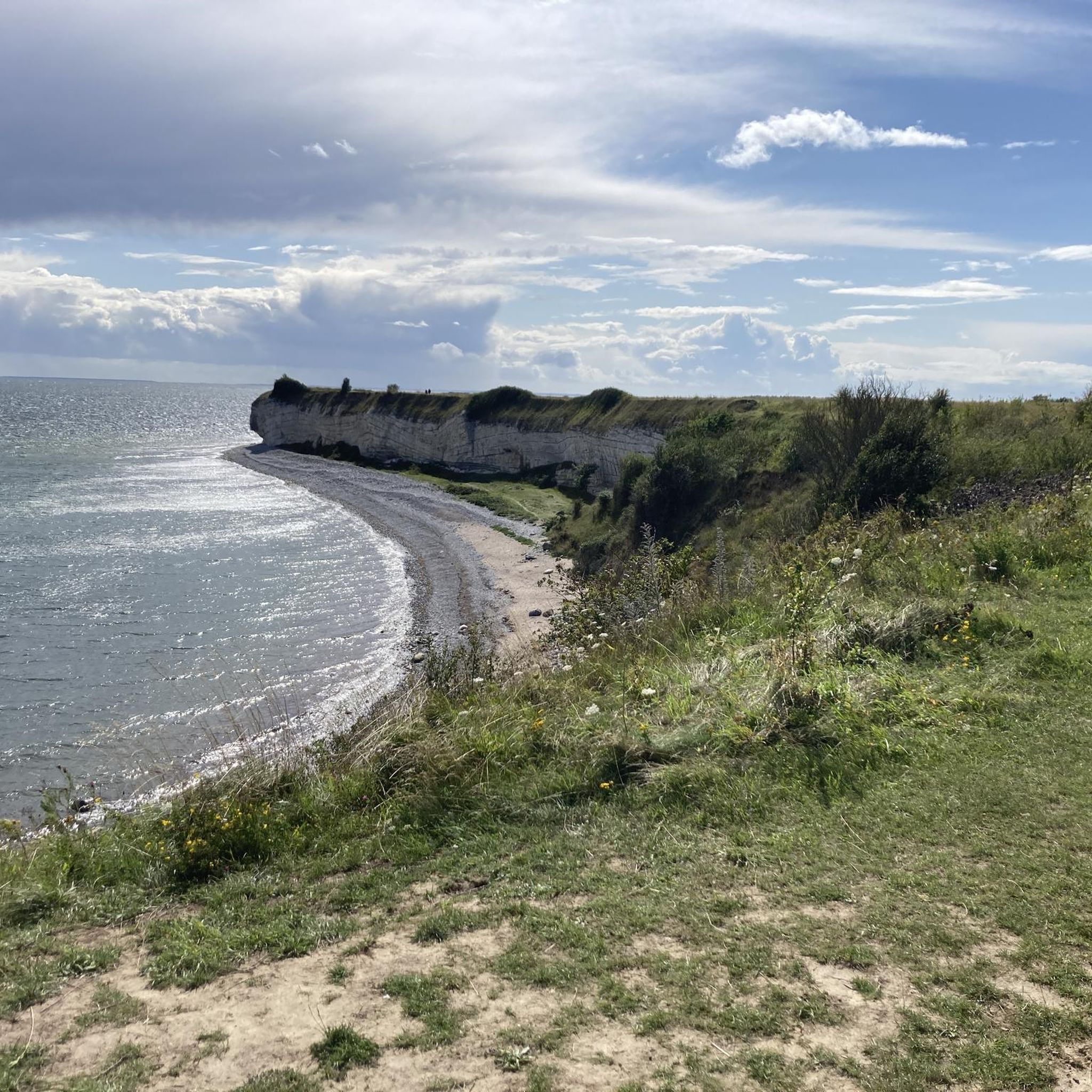
Base of the Stevns Klint Chalk Cliffs
Highlight • Natural Monument
Translated by Google •
Tip by

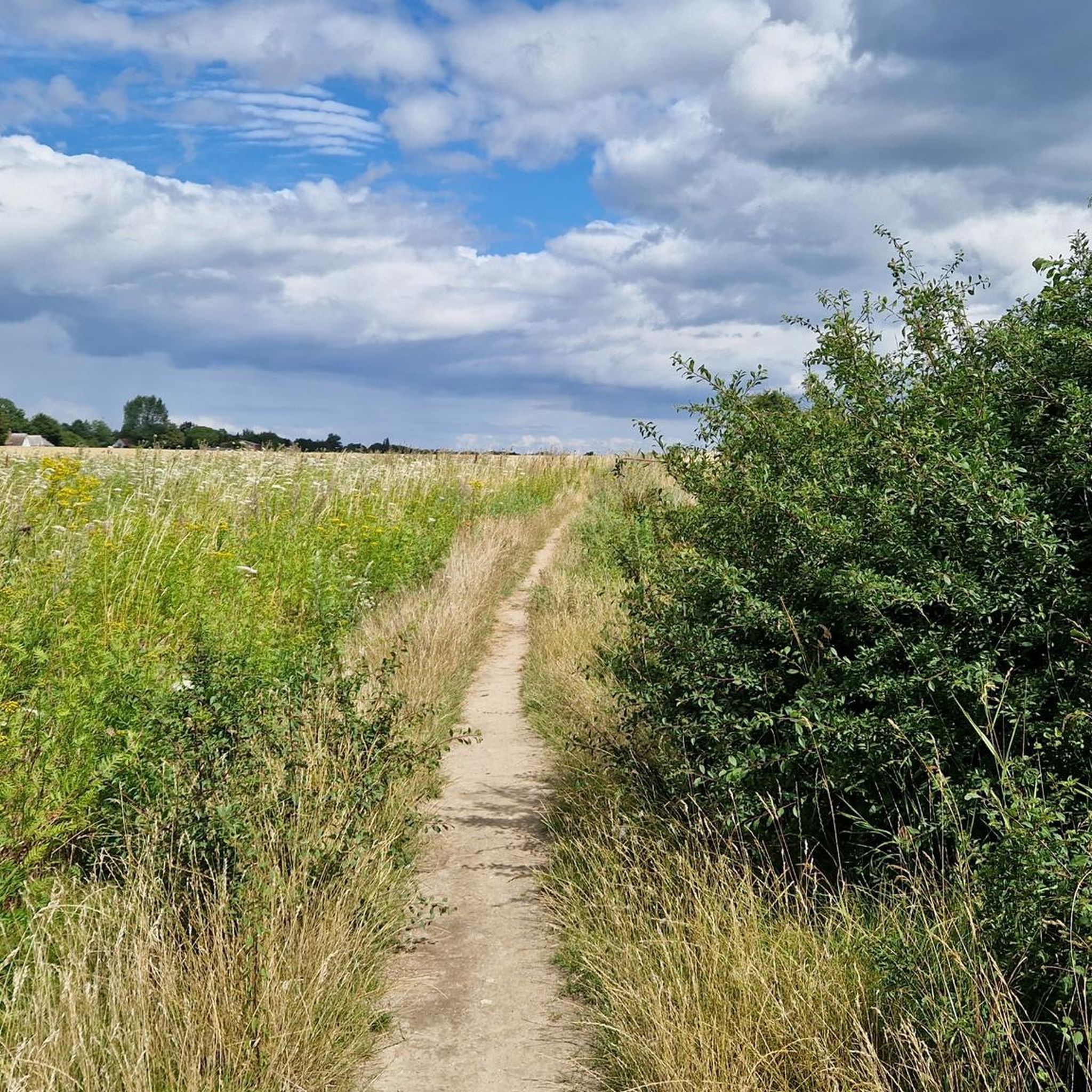
Shelter and Free Campsite at Stevns Klint
Highlight • Mountain Hut
Translated by Google •
Tip by

Sign up for free to discover even more natural monuments in Stevns Klint.
Sign up for free
Already have an account?
Start today with a free account
Your next adventure awaits.
Login or Signup
Tips from the Community

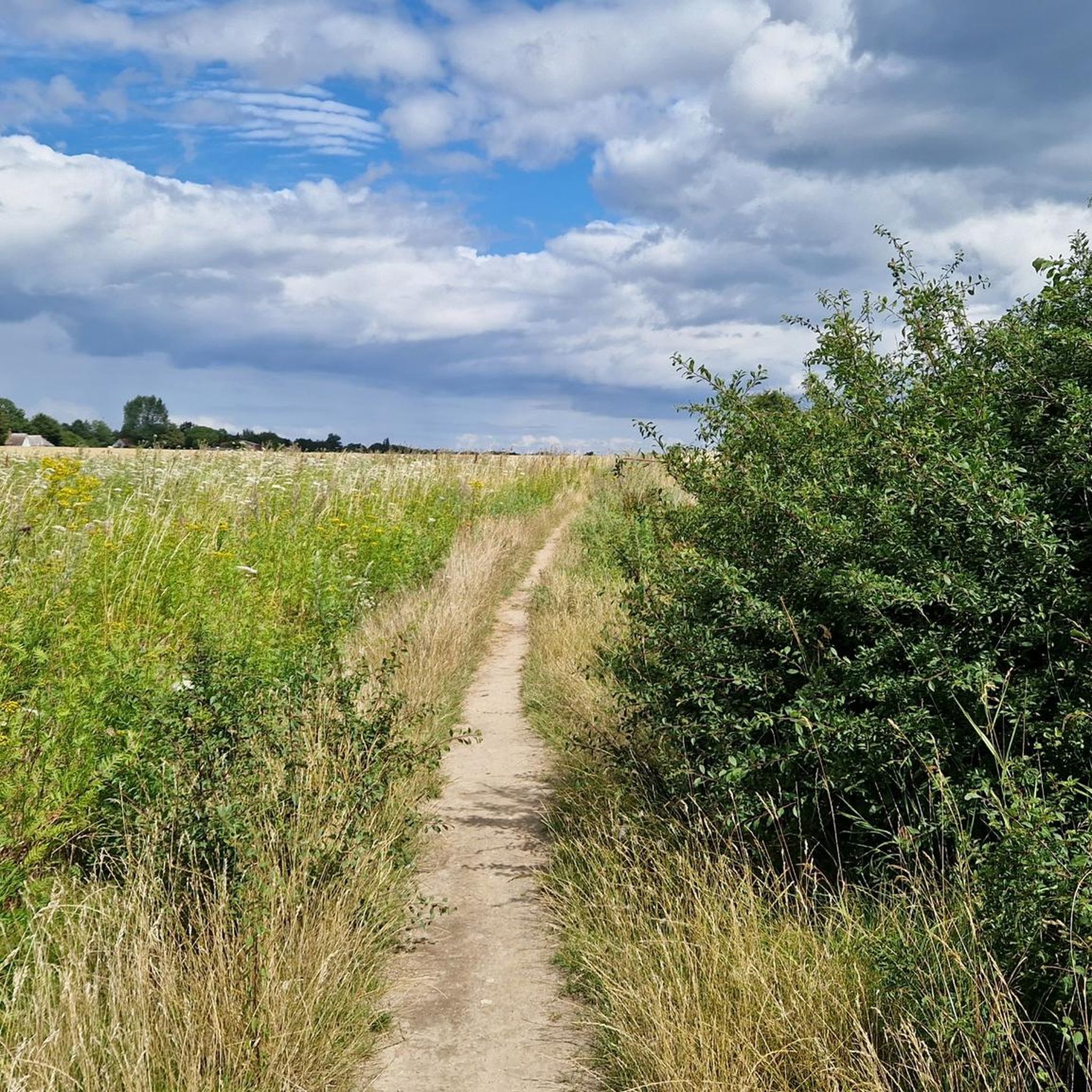
Great little hiking trail, right on the cliffs. There is no way down though.
0
0
Part of the church has already collapsed into the sea.
1
0

Best free shelter place I've found (lots of space for camping too!)
1
0

Great view of the chalk cliffs
1
0

There are 5 shelters, 4 very new, 1 in need of renovation. The shelters are chargeable and can be booked/paid online. Camping is permitted in a designated area, free of charge. There is a barrier-free toilet and a water point further down the road. There are also two barbecue shelters that can also be booked. The view is great! The place is worth a trip and overnight stay!
2
0

There is a very steep staircase down to the water. Good surefootedness is important.
2
0

beautiful hiking trail along the cliffs. more information at: https://www.stevnsklint.com/en/planning/experience-the-world-heritage/
2
0
you can go down by the church with some scrambling over the big stones
2
0
Frequently Asked Questions
What makes Stevns Klint a significant natural monument?
Stevns Klint is a UNESCO World Heritage site renowned for its exceptional geological features. It provides crucial evidence of the Chicxulub meteorite impact 66 million years ago, which led to the extinction of the dinosaurs. The cliff face contains a thin, dark layer known as the "Fish Clay," which marks this significant boundary between the Cretaceous and Paleogene periods. You can observe this unique geological record, particularly near Højerup Old Church.
What unique natural features can I observe at Stevns Klint?
Beyond its geological significance, Stevns Klint features dramatic white chalk and limestone cliffs that rise up to 41 meters above sea level, stretching 17 kilometers along the Baltic coast. These layers showcase millions of years of Earth's history. The continuous erosion by the sea constantly reshapes the cliff, offering ever-evolving scenic views. The "Fish Clay" layer is a key feature, visible within the cliff face.
Are there historical sites to visit at Stevns Klint?
Yes, a prominent historical site is Højerup Old Church, a medieval church built in the 13th century from the cliff's limestone. Perched precariously on the cliff edge, part of it famously collapsed into the sea in 1928 due to erosion. Today, a wall secures the remaining structure, and a balcony offers sweeping views across the cliffs and the Baltic Sea.
What hiking trails are available along Stevns Klint?
The most notable hiking route is the Stevns Klint Trampesti, a 22-kilometer trail that runs along the upper edge of the cliff. This route offers dramatic coastal views and access to various historical and natural sites. A section of this trail is highlighted as Stevns Klint — Trampestien Coastal Trail (section). For more hiking options, you can explore routes like the easy "Stevns Klint – Højerup Old Church loop from Stevns Fyr" or the moderate "View of Stevns Klint – Boesdal Limestone Quarry loop from Højerup Old Church" on the Hiking in Stevns Klint guide.
Are there options for other outdoor activities near Stevns Klint?
Absolutely! Besides hiking, the area around Stevns Klint offers opportunities for mountain biking and road cycling. You can find various routes, such as the easy "Lossen Mountain Bike Trail – Gjorslev Castle loop from Holtug" in the MTB Trails in Stevns Klint guide, or the moderate "Strandskov (Faxe Ladeplads) – Præstø Harbor loop from Rødvig" in the Road Cycling Routes in Stevns Klint guide.
Is Stevns Klint suitable for families with children?
Yes, Stevns Klint offers family-friendly experiences. Sites like Stevns Klint and Højerup Old Church are suitable for families. The Stevns Klint Experience Museum also provides an engaging and educational journey through the site's history and geology with interactive exhibits, making it ideal for all ages.
What is the best time of year to visit Stevns Klint?
Stevns Klint is beautiful year-round, but the best time to visit for outdoor activities and clear views is typically during the warmer months, from late spring to early autumn (May to September). During this period, the weather is generally more favorable for hiking along the coastal trails and enjoying the panoramic scenery. However, the dramatic cliffs offer stunning views even in cooler seasons.
Can I find fossils at Stevns Klint?
Yes, fossil hunting is permitted on loose blocks at Stevns Klint. The layers of the cliff offer a detailed record of Northern Europe's biota during the late Cretaceous and early Paleogene periods, with a rich diversity of macrofossils and microfossils. This provides a tangible connection to prehistoric life and the events that shaped Earth's history.
What are the most popular viewpoints at Stevns Klint?
Many spots along the 17-kilometer cliff offer breathtaking views. The balcony at Højerup Old Church provides sweeping vistas. The Stevns Lighthouse also offers spectacular panoramic views, with visibility extending to Møn Island, the Øresund Bridge, and even Sweden on clear days. The entire Trampestien Coastal Trail is essentially a continuous viewpoint.
What do visitors enjoy most about Stevns Klint?
Visitors frequently highlight the impressive chalk cliffs, some reaching up to 40 meters high, and the unique views of both the sea and the cliffs. The historical significance of Højerup Old Church perched on the edge is also a major draw. Many appreciate the panoramic views from the hiking trails and the opportunity to witness a UNESCO World Heritage site with such profound geological history.
Is there an entrance fee to visit Stevns Klint?
There is generally no entrance fee to access the natural areas of Stevns Klint itself, including the cliff paths and viewpoints. However, specific attractions like the Stevns Klint Experience Museum may have an admission charge. Parking fees might also apply at certain popular access points.
How can I access the base of the Stevns Klint cliffs?
You can access the base of the cliffs in certain areas, such as near Højerup Old Church, where there are stairs leading down to the beach. However, reaching the Base of the Stevns Klint Chalk Cliffs can involve steep descents and require good surefootedness, sometimes with scrambling over large stones. Always exercise caution due to the active erosion of the cliffs.
Most popular routes in Stevns Klint
Most popular attractions in Stevns Klint

Get inspired with the komoot mobile app


Explore more
Extend your search for the best caves by checking out these guides of the top ones in Stevns Klint:
