Top 20 Natural Monuments in Volcans D'Auvergne
Best natural monuments in Volcans D'Auvergne showcase a diverse landscape shaped by volcanic activity and glacial erosion. The region is characterized by a chain of volcanoes, ancient stratovolcanoes, and significant geological formations. Visitors can explore a variety of natural features, from towering summits to impressive waterfalls and crater lakes. This area offers opportunities to observe unique volcanic structures and expansive panoramic views.
Best natural monuments in Volcans D'Auvergne
- The most popular natural monuments is Puy de Sancy, a summit…
Last updated: October 1, 2026
Puy de Dôme Summit
Highlight • Summit
Translated by Google •
Tip by

Puy de Sancy
Highlight • Summit
300,000 years old when its …
Translated by Google •
Tip by
Sign up now to discover places like this
Get recommendations on the best single tracks, peaks, & plenty of other exciting outdoor places.
The Grande Cascade of Mont-Dore
Highlight • Waterfall
Translated by Google •
Tip by
Puy Pariou Staircase
Highlight (Segment) • Trail
Tip by

La Banne d'Ordanche
Highlight • Summit
Translated by Google •
Tip by
Sign up for free to discover even more natural monuments in Volcans D'Auvergne.
Already have an account?
Start today with a free account
Your next adventure awaits.
Popular around Volcans D'Auvergne
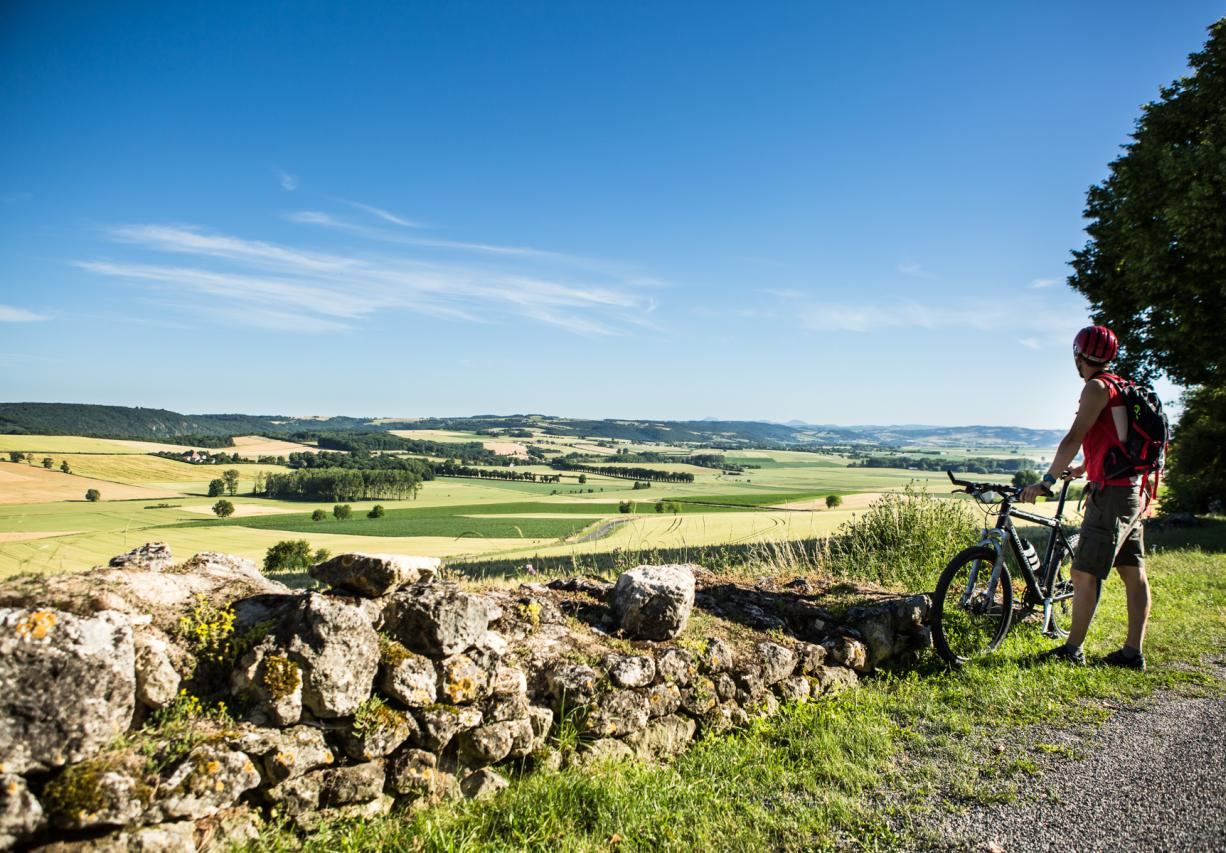
The Grande traversée du Massif Central by gravel bike
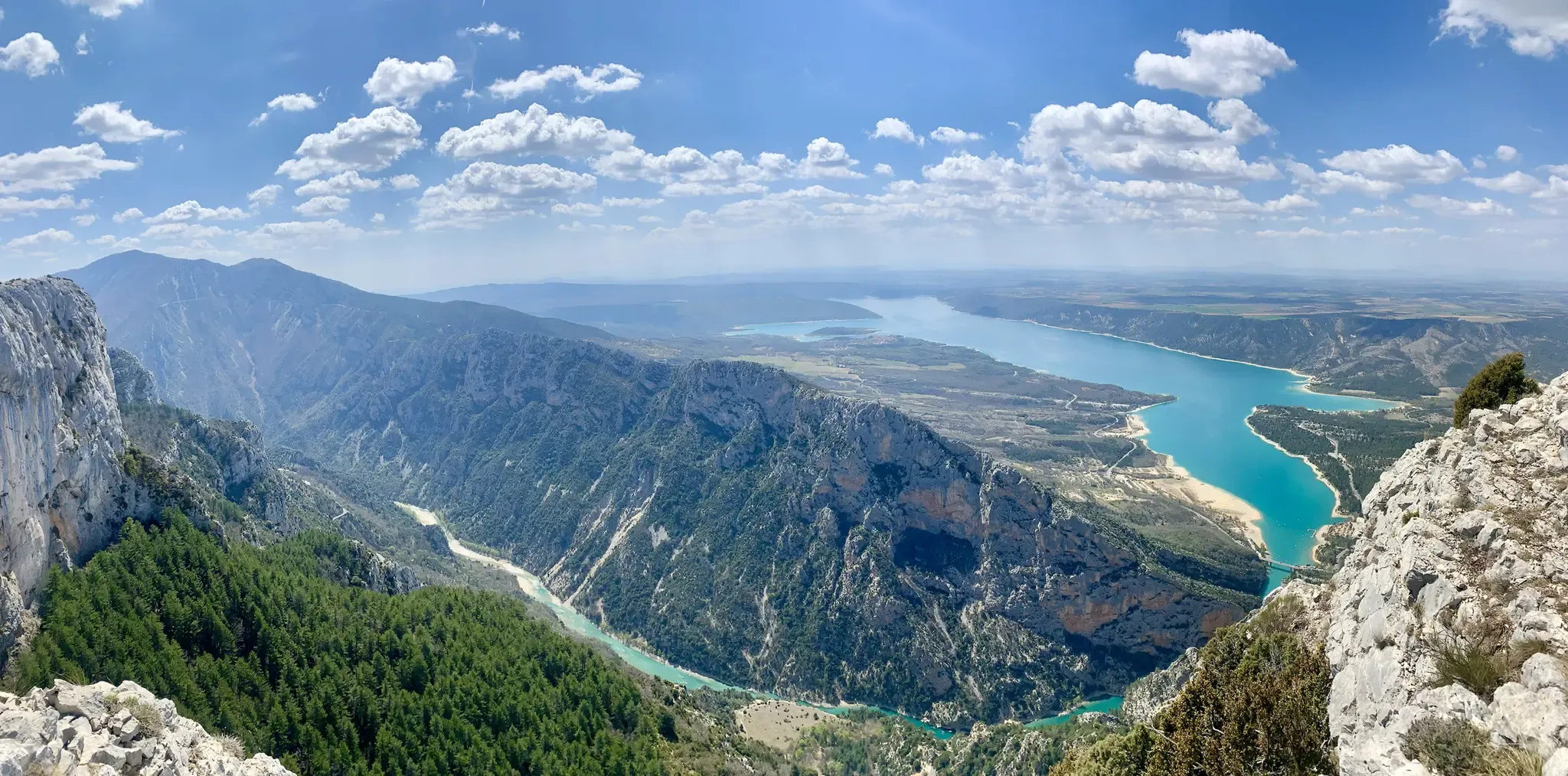
GR 4 – Crossing the south of France from Atlantic Coast to Provence
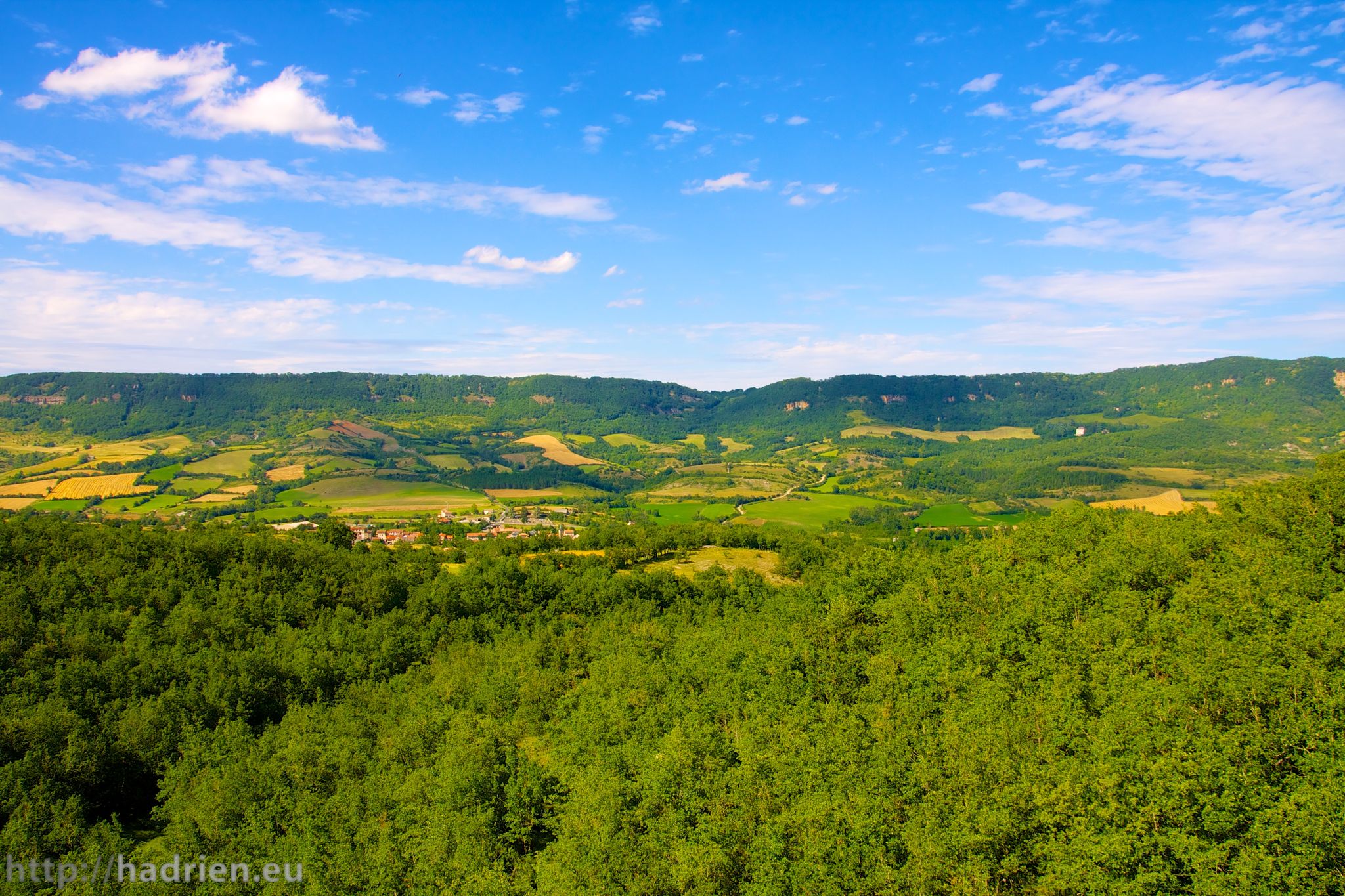
Tour of Aveyron — The mountains and valleys of Roquefort and Aligot
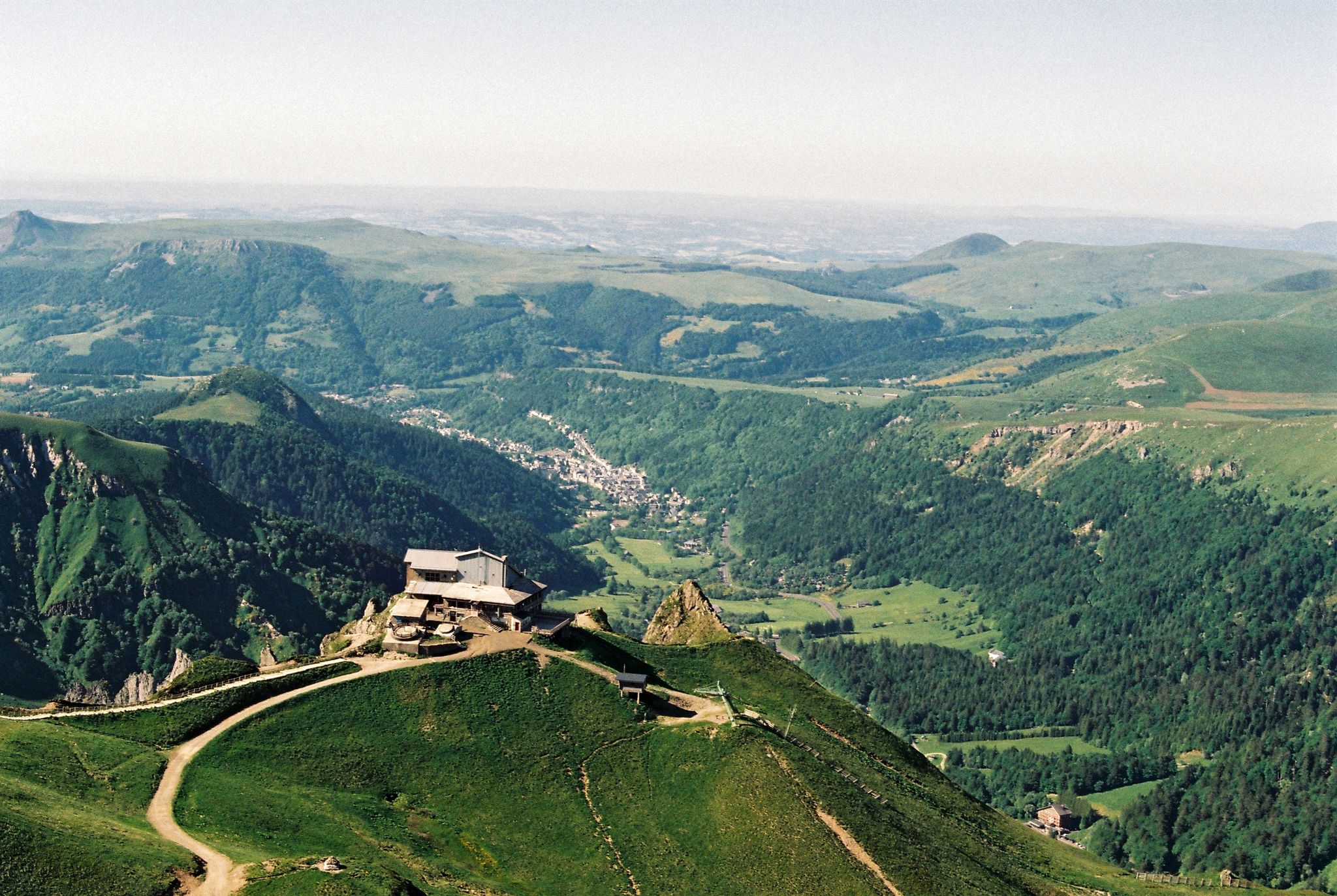
Crossing the volcanoes of Auvergne – Stromboliens, peléens and maars
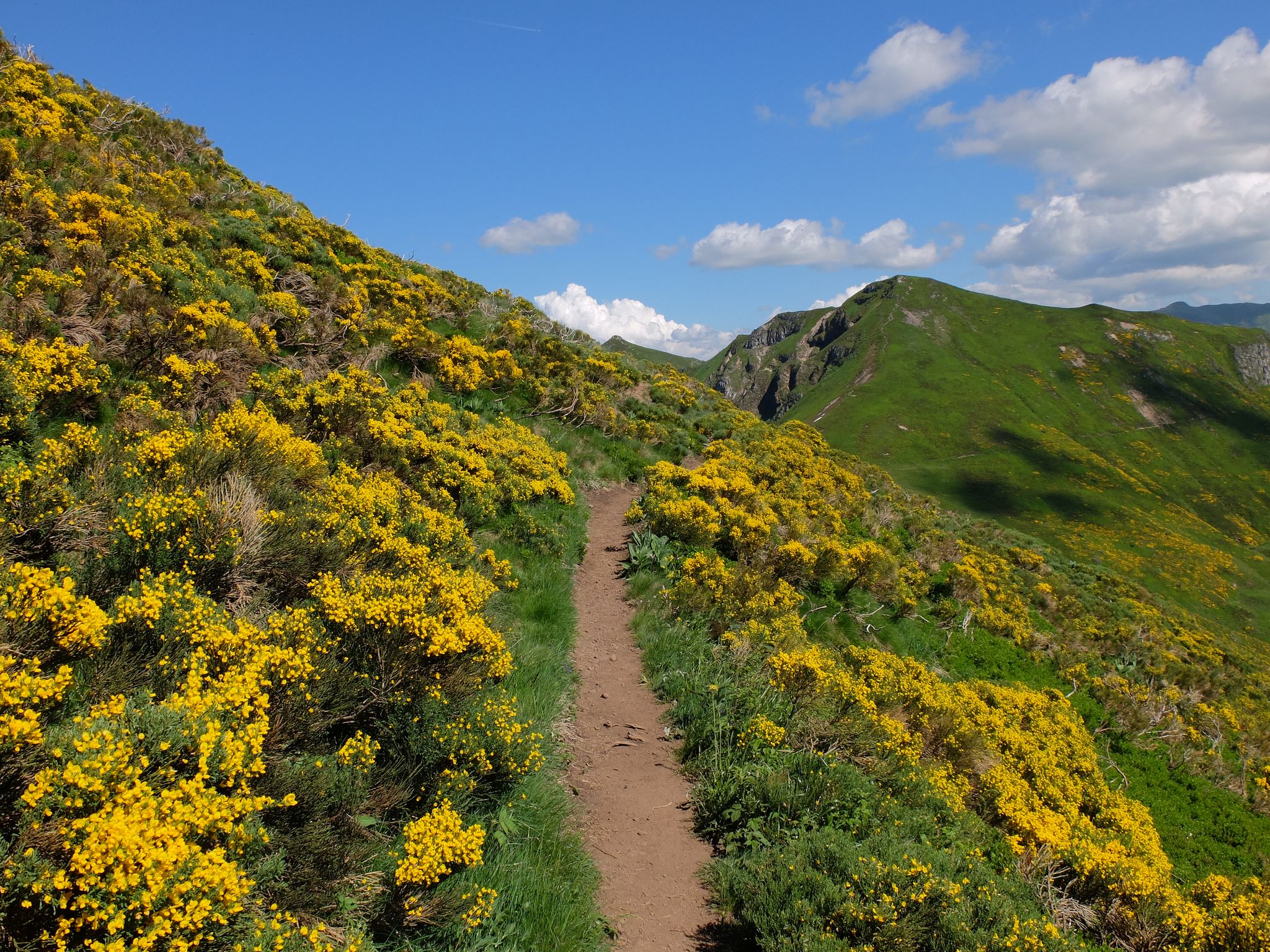
Tour des Volcans du Cantal (GR 400) – The biggest volcano in Europe
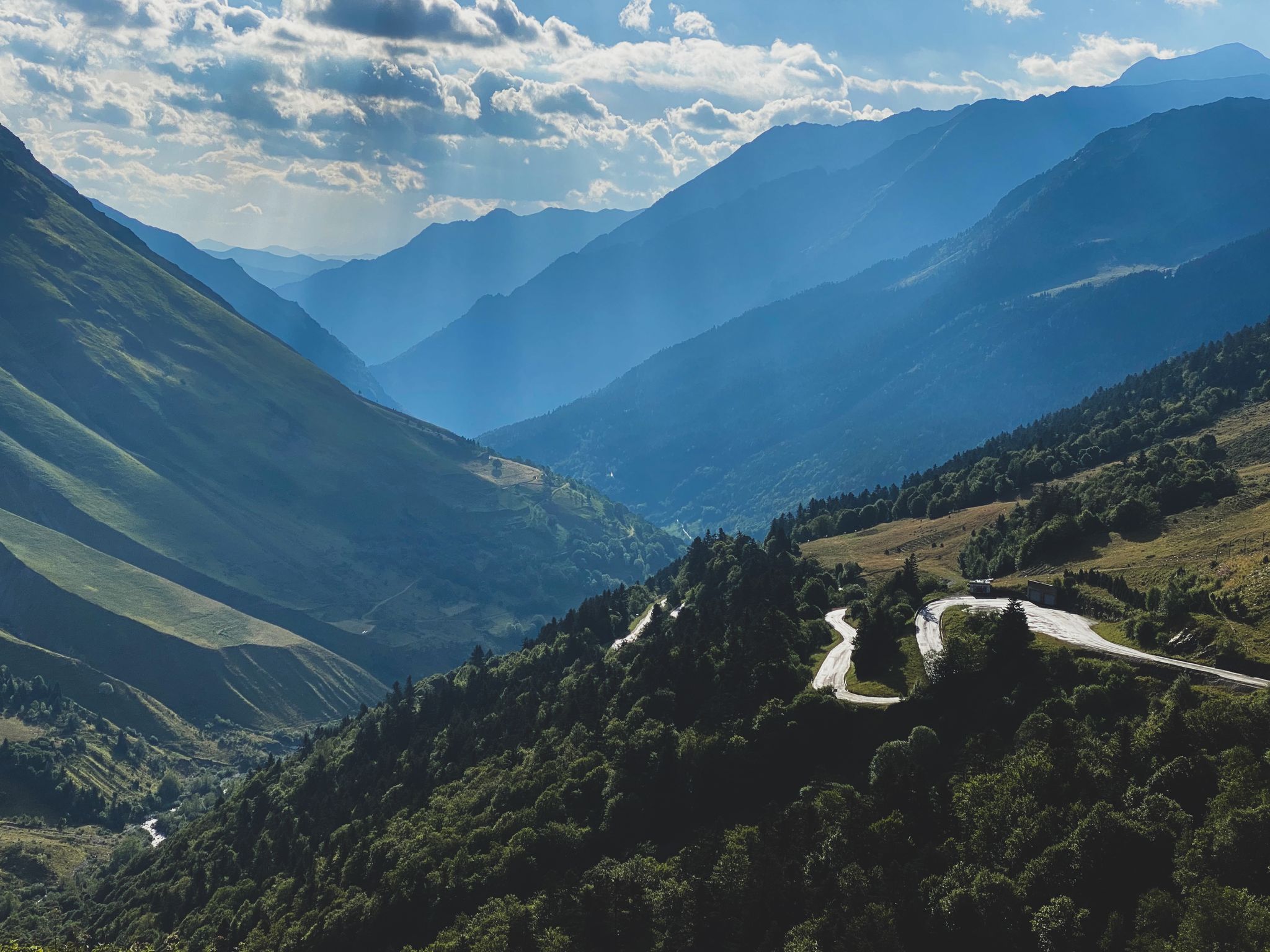
Born to Ride 2020
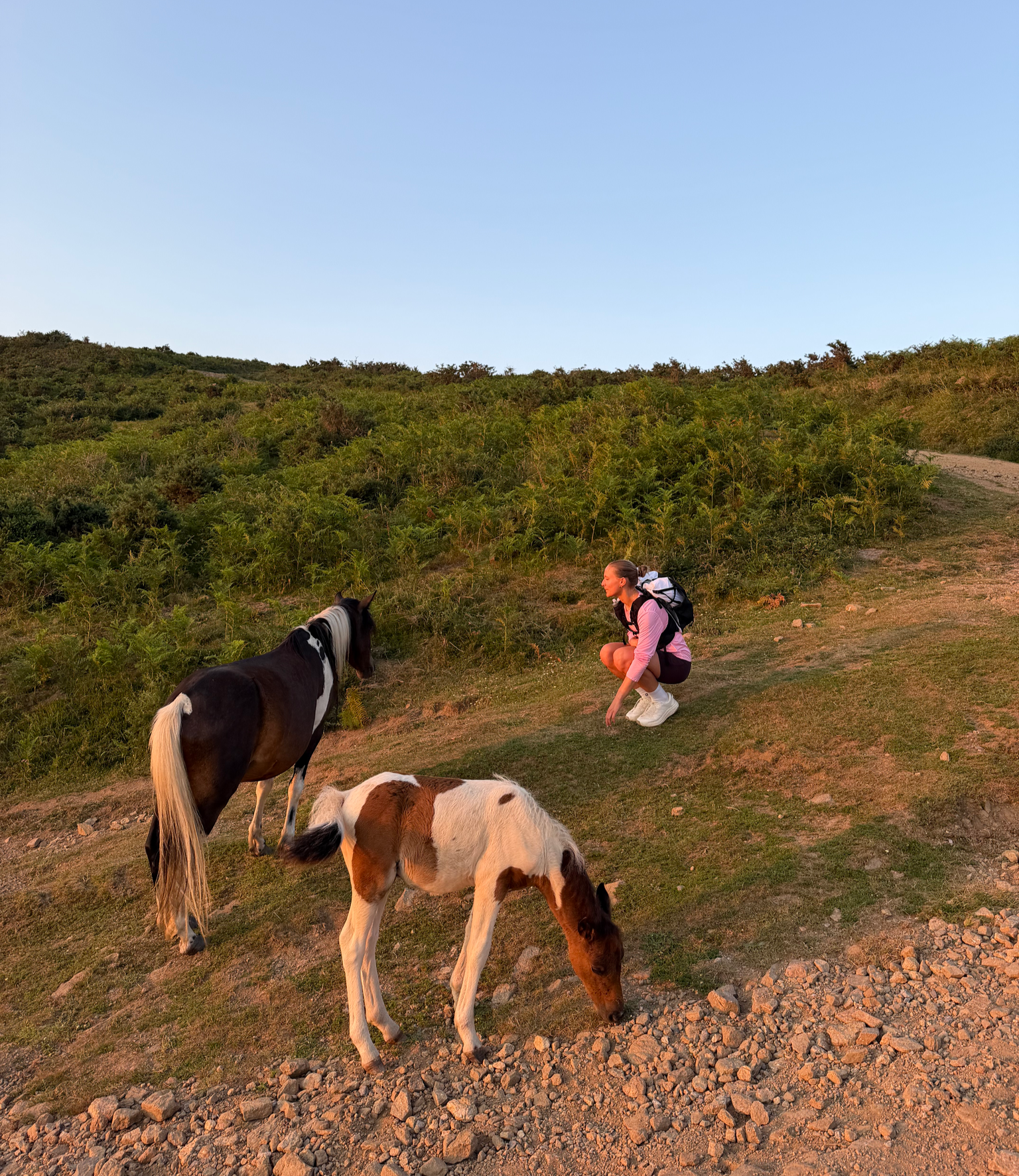
France’s Best Sunrise & Sunset Hikes
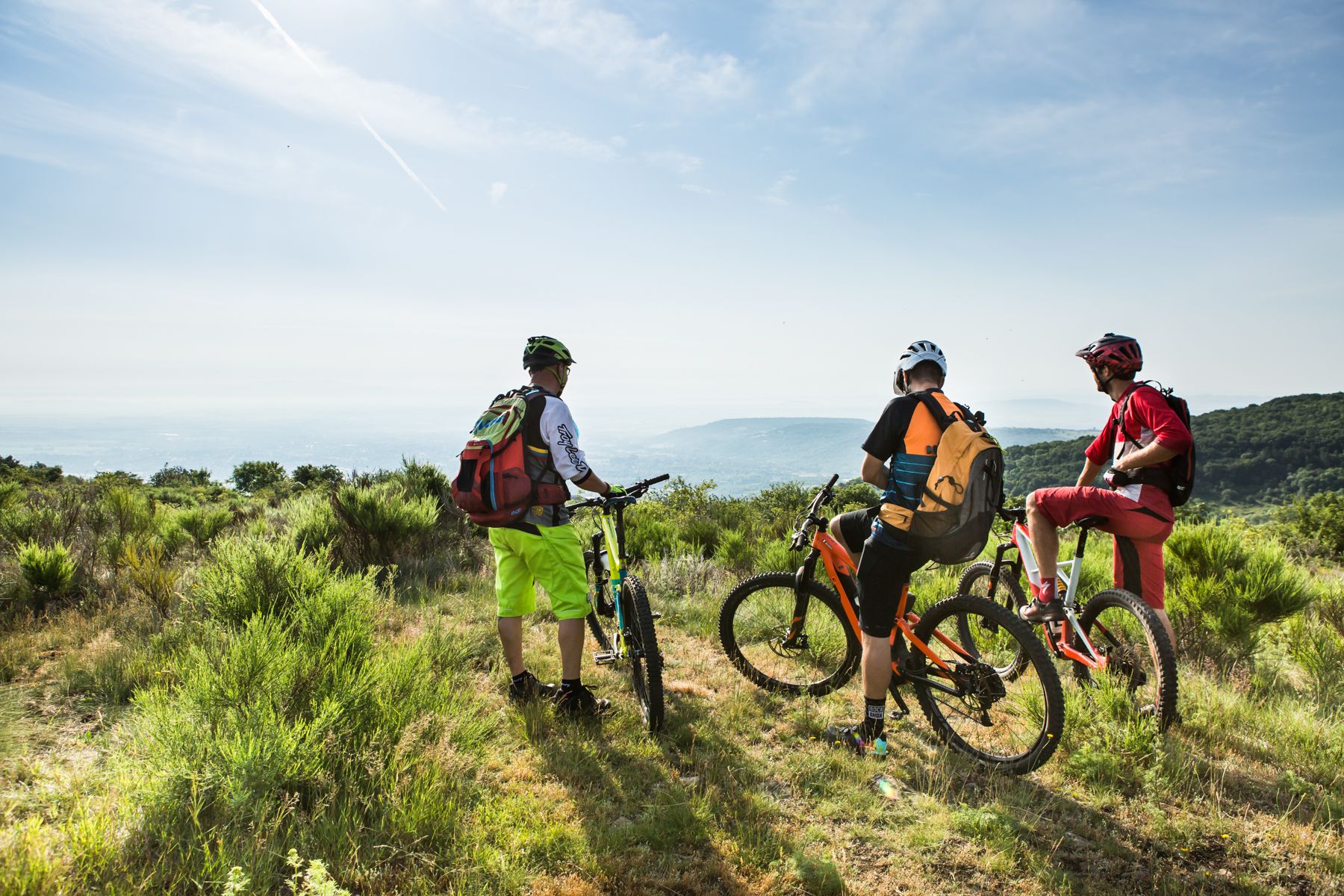
Puy-de-Dôme – the Volcanoes of Auvergne by MTB

Romain Bardet Experience – Cantal in 4 unforgettable loops
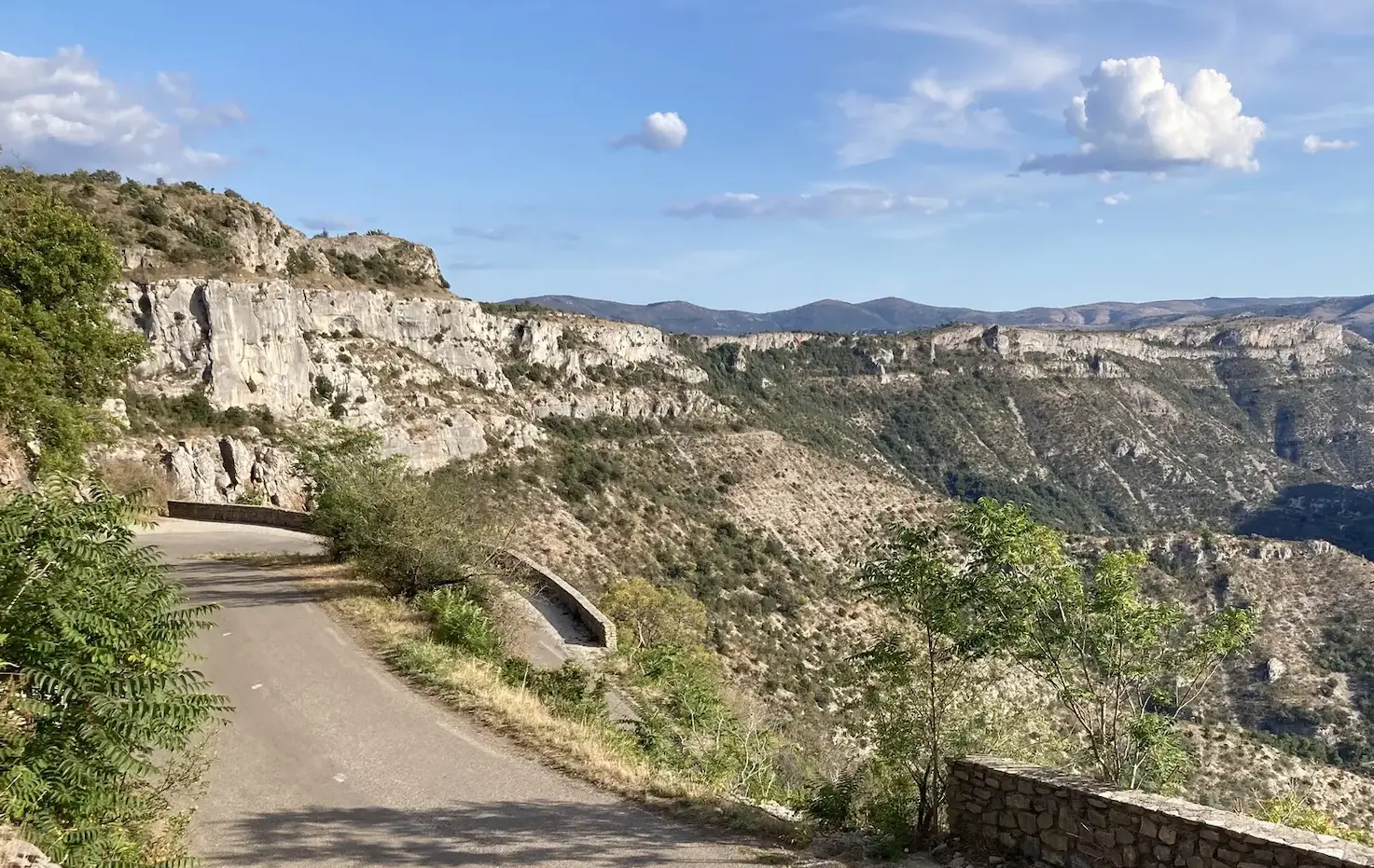
From north to south - On the slopes of the GTMC
Other adventures in Volcans D'Auvergne


Tips from the Community

The Banne d'Ordanche is a 1515 m high volcanic peak in the shape of a neck-shaped crater head. It solidified about 2 million years ago before being planed down by glaciers (https://www.sancy.com/) The views in all directions are phenomenal and the summit is easy to reach - the last part is comfortably via wooden stairs. Due to several nearby car parks, you are rarely alone here in good weather.
3
1
The Grande Cascade rises on the Durbise plateau at an altitude of 1450 m. It crosses a series of old lava flows about 40 meters thick before the stream passes a lava cliff and offers the spectacle already described here in several comments. Access is prohibited in winter (from November 15th to April 1st). https://www.sancy.com/
2
1

La Banne d'Ordanche is a peak of volcanic origin in the Dore Mountains in the Puy-de-Dôme department. It culminates at an altitude of 1,512 m and overlooks the town of La Bourboule. Easily accessible from the Col de Guéry, there is a wonderful 360° panoramic view (orientation table above) of the Puys chain, the Puy de Sancy, but also of the Cantal mountains. Source: Wikipedia
2
1

Located at 1,886 meters above sea level, the Puy de Sancy is the highest point of the Massif Central but also of Auvergne. Considered the king of the Monts Dore, this stratovolcano is 300,000 years old. At the top the panorama of the surroundings is magnificent, on a clear day it is even possible to see Mont Blanc!
1
0

Climb a little to the left above before crossing the bridge 👌
1
0
We came from the mountain and enjoyed this highlight as the end of the day. Easy to reach from the city, but the incline is tough. A trip is definitely worth it.
1
1

One of the most beautiful routes in the entire department where you discover 4 beautiful waterfalls while hiking on ridge paths on either side of the Col de la Croix Saint-Robert and Col de la Croix-Morand. The panoramas there are splendid. - Magnificent view of the Dore Mountains. - The Croix-Saint-Robert and Croix-Morand passes. - The Grande Cascade with its 30 m waterfall. - Panorama over the Sancy, the Cantal mountains, the Puys chain and the Guéry lake. - The puys of Barbier, Monne and La Tache. - The Rossignolet waterfalls. - The Queureuilh waterfall. Circuit for sporty hikers (1000md+) - walking shoes recommended
3
1

Summit of the Puys chain, the Puy de Dôme rises to 1,465 meters above sea level. It offers the best possible panorama of the entire chain, totaling nearly 80 puys! Today, on the summit of Puy de Dôme, there is a meteorological observatory. It is also a starting point for paragliding. Accessible to the greatest number of people via the Chemin des Muletiers, the ascent does not require any particular physical skills.
1
3
Frequently Asked Questions
What are some popular hiking trails around the natural monuments in Volcans D'Auvergne?
The Volcans D'Auvergne region offers a variety of popular hiking trails. For instance, you can explore the Puy de Pariou Loop, a moderate 5.8 km hike, or the more challenging ridges of Sancy, a 16.5 km loop from Mont-Dore. Another option is the Puy de Dôme loop from the Col de Ceyssat, which is a moderate 8.5 km route.
Are there any easy or family-friendly walks among the natural monuments?
Yes, there are several options for easy and family-friendly walks. The Loop - Les puys Lassolas et de la Vache is an easy 4.3 km trail. While specific 'family_friendly' tags aren't always present, many shorter, less strenuous paths around sites like the Puy de Dôme Summit (accessible via the Panoramique des Dômes electric rack railway) are suitable for families.
What natural features can I expect to see in the Volcans D'Auvergne?
The Volcans D'Auvergne region is characterized by a dramatic volcanic landscape and stunning glacial formations. You'll encounter a chain of approximately 80 volcanoes, including cinder cones, lava domes, and maars, particularly within the Chaîne des Puys. Ancient stratovolcanoes like Puy de Sancy and Puy Mary showcase alpine appearances and glacial valleys. The area also features impressive waterfalls, such as The Grande Cascade of Mont-Dore, and crater lakes like Lac de Servières.
When is the best time to visit the natural monuments in Volcans D'Auvergne?
The best time to visit largely depends on your preferred activities. For hiking and exploring the volcanic landscapes, late spring (May-June) and early autumn (September-October) offer pleasant temperatures and fewer crowds. Summer (July-August) is also popular, but can be busier. If you're interested in winter sports or seeing the snow-covered peaks, the winter months are ideal, especially around Puy de Sancy.
What makes the Puy de Dôme Summit a significant natural monument?
The Puy de Dôme Summit is the highest point of the Chaîne des Puys at 1,465 meters. It is an iconic symbol of Auvergne and offers a spectacular 360-degree panoramic view of the entire Chaîne des Puys, which includes nearly 80 volcanoes. It's also a UNESCO World Heritage site, recognized for its outstanding example of plate tectonics and continental rifting.
What is unique about Puy de Sancy compared to other natural monuments in the region?
Puy de Sancy stands out as the highest peak in the Massif Central, reaching 1,885 meters. Unlike the younger volcanoes of the Chaîne des Puys, it's an ancient stratovolcano with an alpine appearance, steep slopes, and jagged ridges. Four glacial valleys originate from its flanks, and its summit provides a vast panorama that can extend to Mont Blanc on clear days.
Are there opportunities for wildlife spotting near the natural monuments?
Yes, the Volcans D'Auvergne region is rich in flora and fauna. Areas around Puy de Sancy and Puy Mary are known for diverse ecosystems. You might spot chamois, mouflons, and marmots, especially in the higher alpine areas. The subalpine flora around Puy Mary includes over 550 plant species, many of which are rare or protected.
Where can I find parking when visiting the natural monuments?
Many popular natural monuments, such as the Puy de Dôme Summit, have ample parking available at their base or designated starting points for trails. For example, there is a large car park at the start of the Puy de Dôme ascent. It's advisable to arrive early on weekends or during peak season, as these spots can fill up quickly.
What kind of activities can I do in winter around the natural monuments?
In winter, the northern and southern slopes of Puy de Sancy become popular for skiing. Many trails are also suitable for winter hiking, snowshoeing, and cross-country skiing, offering a different perspective of the volcanic landscapes. Always check local conditions and trail accessibility before heading out.
What is the Grande Cascade of Mont-Dore, and why is it a natural monument?
The Grande Cascade of Mont-Dore is a stunning 32-meter high waterfall, considered the largest in Auvergne. It's a true natural monument due to its impressive size and the picturesque setting where its waters plunge from the high plateaus of Durbise. Visitors can admire it from a wooden bridge or explore the rocks around its base.
What are the Chaîne des Puys and Puy Mary, and why are they important?
The Chaîne des Puys is a UNESCO World Heritage site, a 45 km chain of approximately 80 exceptionally well-preserved volcanoes, showcasing diverse volcanic formations. Puy Mary, on the other hand, is an emblematic dormant volcano in the Cantal mountains, part of Europe's largest stratovolcano. It's classified as a "Grand National Site" and "Grand Site de France" due to its sheer size, unique pyramidal form shaped by glacial erosion, and commitment to sustainable preservation.
Are there circular walks available in the Volcans D'Auvergne natural parks?
Yes, many circular walks are available. For example, the Puy de Pariou Loop and the Puy de Dôme loop from the Col de Ceyssat are popular circular hiking routes. The Loop - Les puys Lassolas et de la Vache also offers a circular experience, allowing you to explore different facets of the volcanic landscape.
What should I wear for hiking in the Volcans D'Auvergne natural monuments?
For hiking in Volcans D'Auvergne, it's recommended to wear layers, as weather conditions can change rapidly, especially at higher elevations. Sturdy hiking boots with good ankle support are essential for varied terrain. Bring waterproof and windproof outerwear, even in summer, and consider a hat, gloves, and sunscreen. Always carry enough water and snacks.
Most popular routes in Volcans D'Auvergne
Most popular attractions in Volcans D'Auvergne

Get inspired with the komoot mobile app


