Top 19 Natural Monuments in La Narbonnaise En Méditerranée
Natural monuments in La Narbonnaise En Méditerranée encompass a diverse range of landscapes along the French Mediterranean coast. This protected area features coastal lagoons, rugged limestone massifs, and unique ecosystems. The region is characterized by its rich biodiversity, offering varied terrain from wild beaches to garrigue and pine forests. It provides numerous opportunities for outdoor exploration and observing natural geological formations.
Best natural monuments in La Narbonnaise En Méditerranée
- The most popular natural monuments is Œil Doux Sinkhole, a…
Last updated: May 15, 2026
Cap Leucate Lighthouse
Highlight • Monument
Translated by Google •
Tip by

Œil Doux Sinkhole
Highlight • Lake
Translated by Google •
Tip by

Sign up now to discover places like this
Get recommendations on the best single tracks, peaks, & plenty of other exciting outdoor places.
Sign up for free
Grouzade Cave
Highlight • Cave
Translated by Google •
Tip by
Trou de la Crouzade Trail
Highlight • Gorge
Translated by Google •
Tip by

Translated by Google •
Tip by

Sign up for free to discover even more natural monuments in La Narbonnaise En Méditerranée.
Sign up for free
Already have an account?
Start today with a free account
Your next adventure awaits.
Login or Signup
Popular around La Narbonnaise En Méditerranée
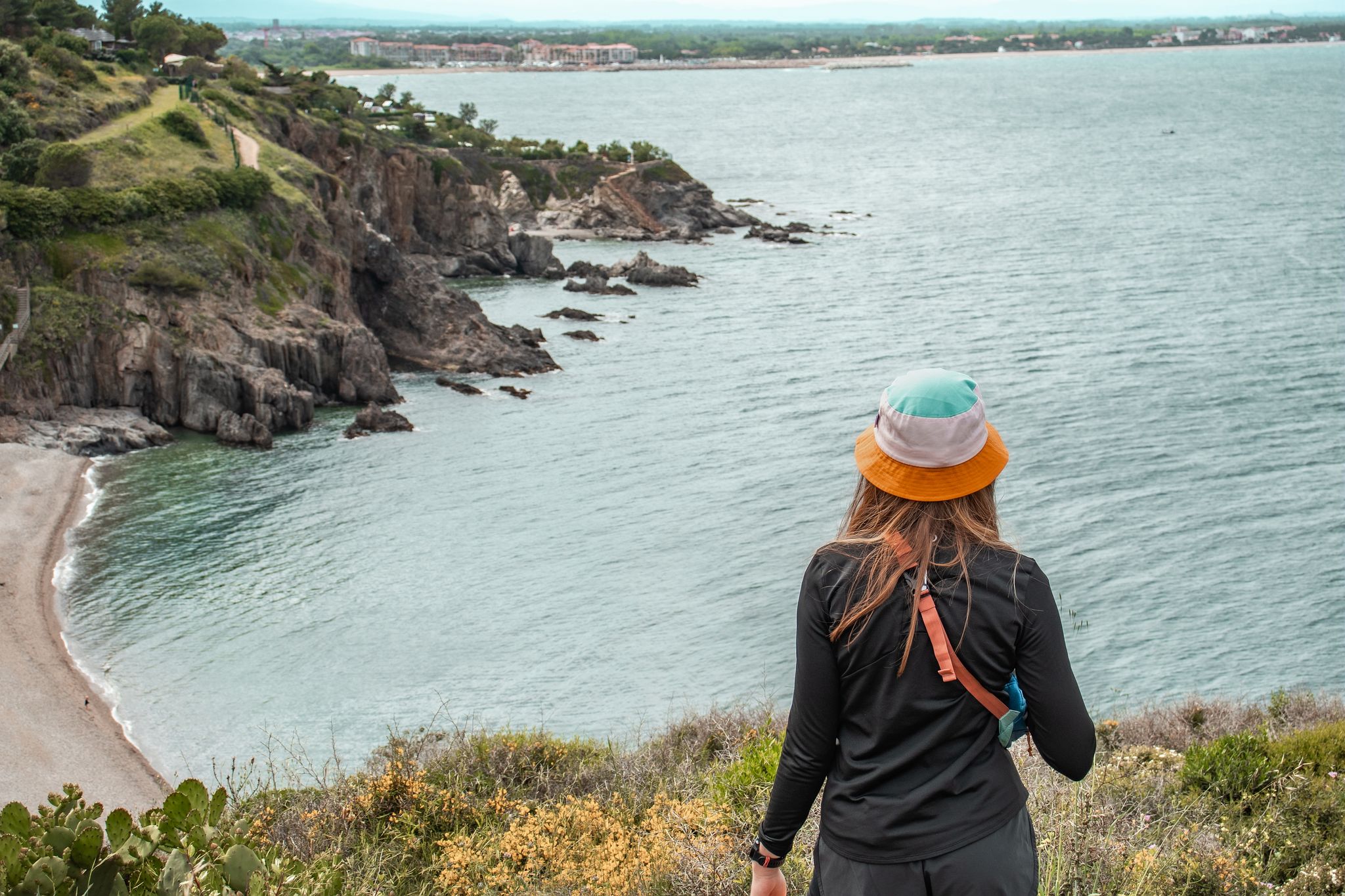
Côte Méditerranée – hiking in Occitania
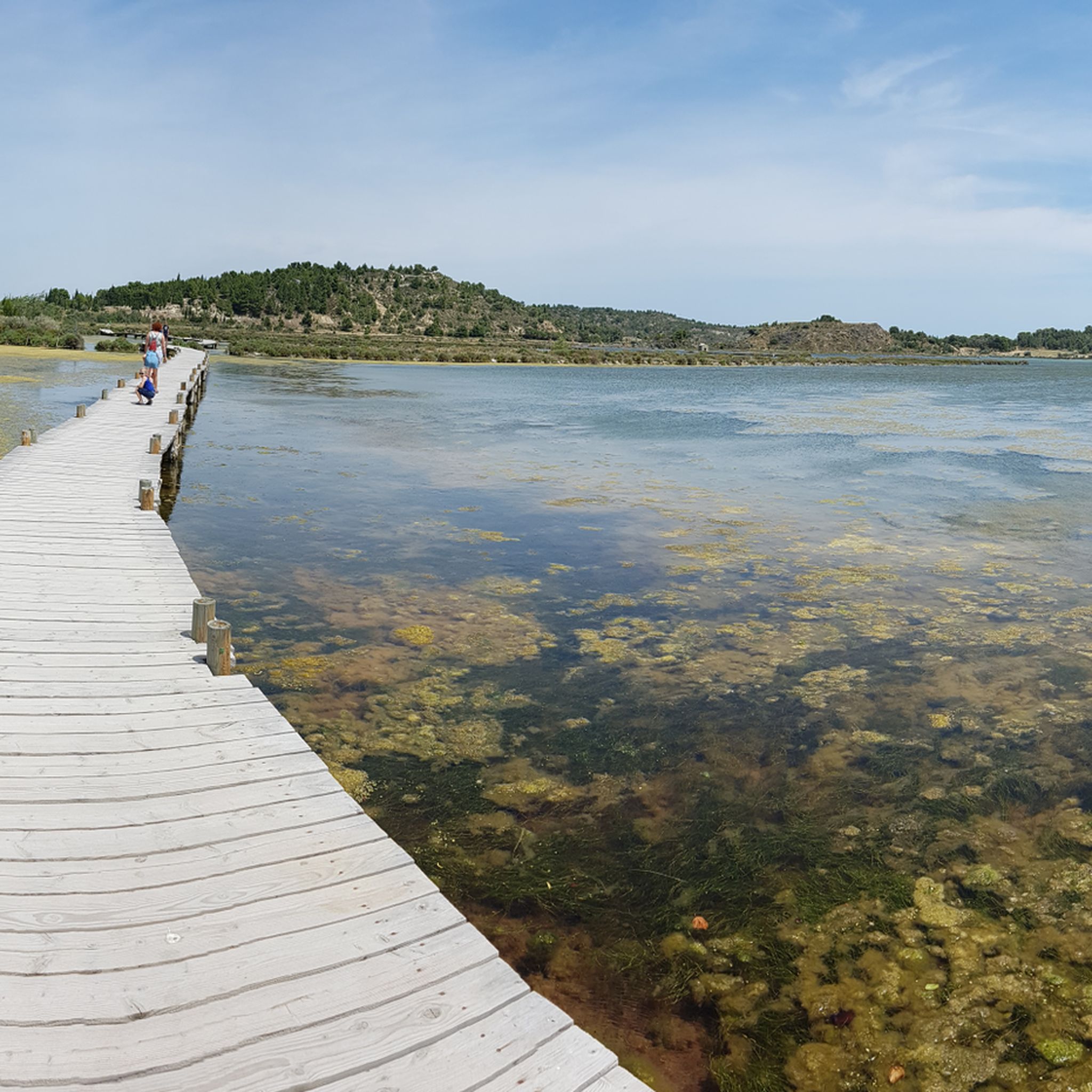
Hiking in La Narbonnaise En Méditerranée
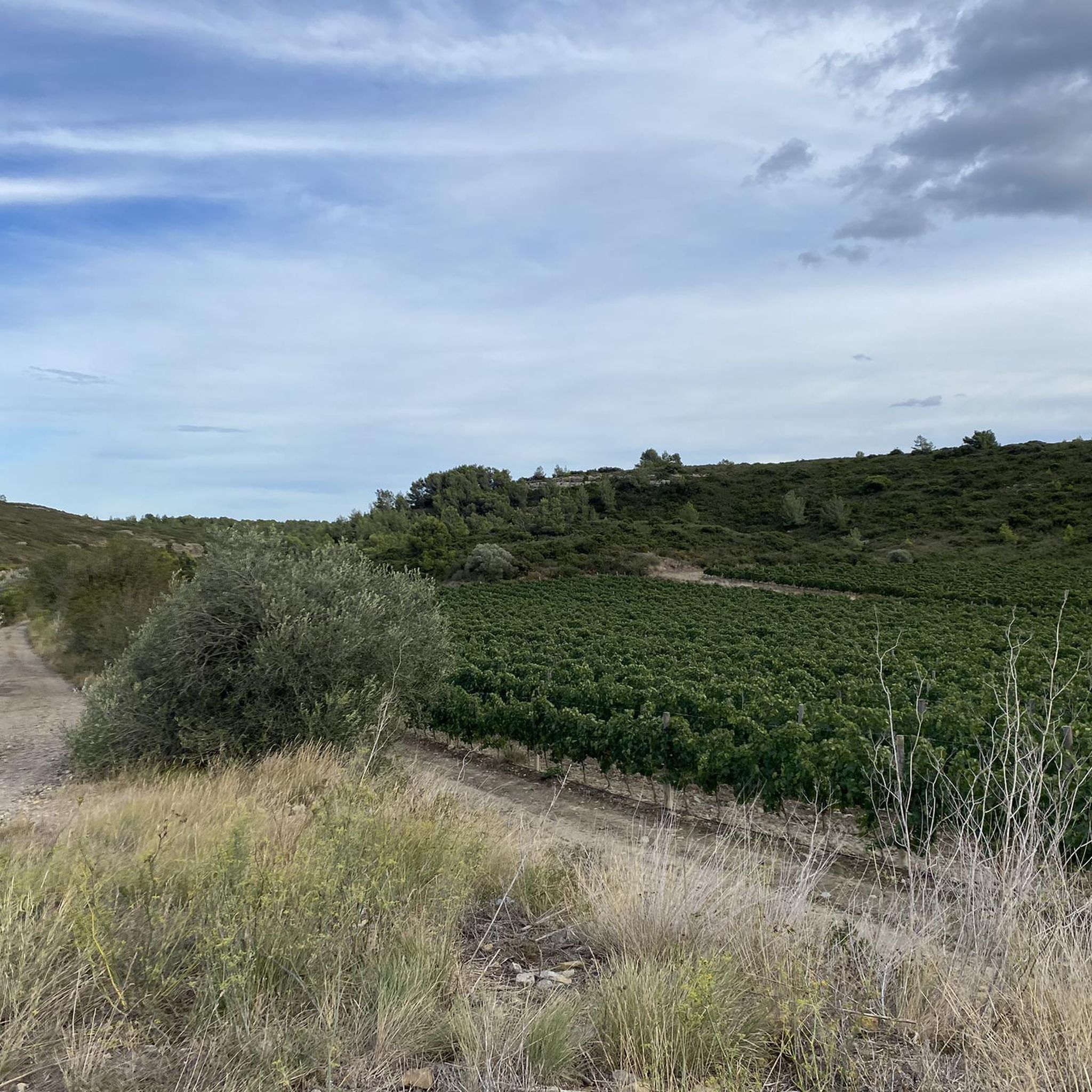
Cycling in La Narbonnaise En Méditerranée
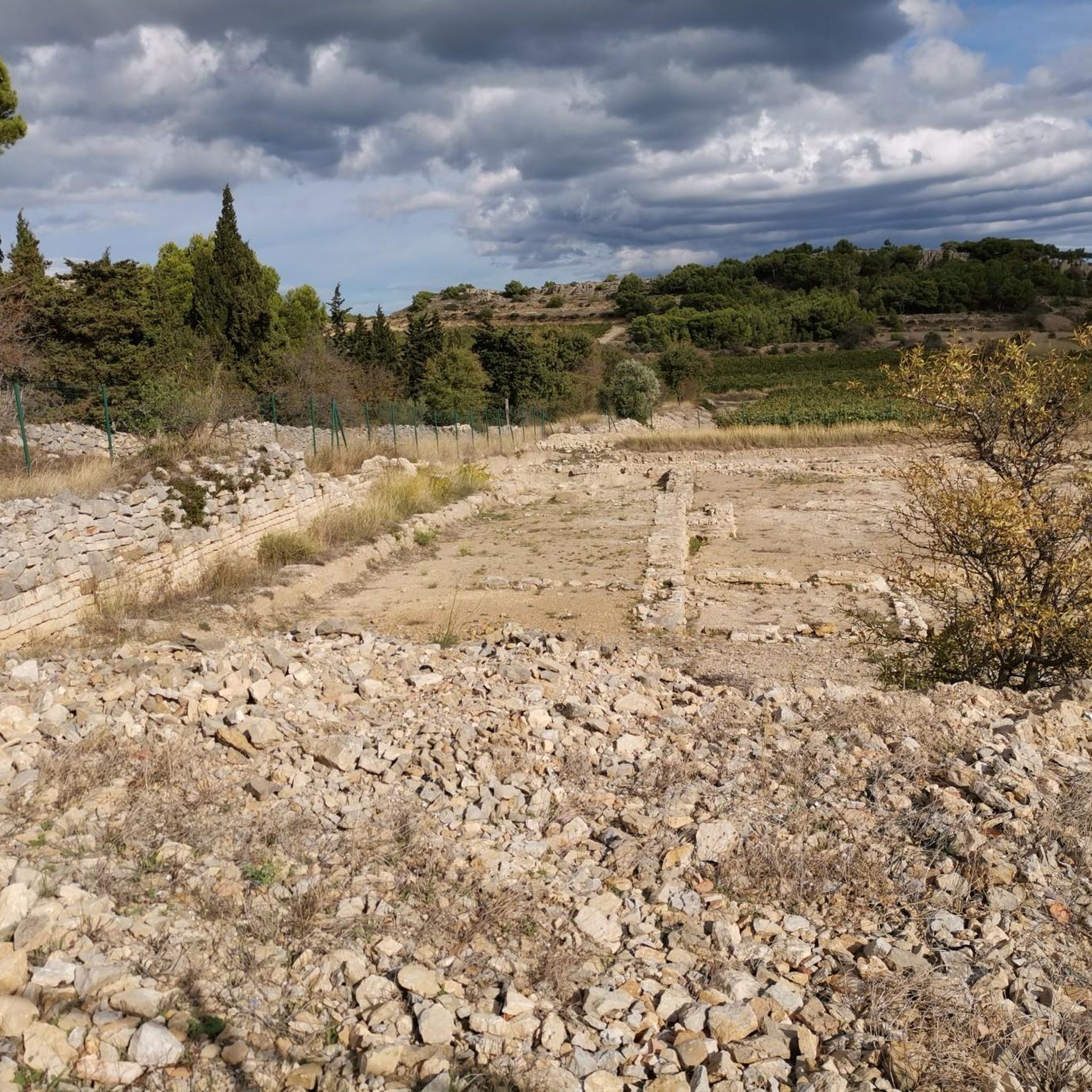
Running Trails in La Narbonnaise En Méditerranée
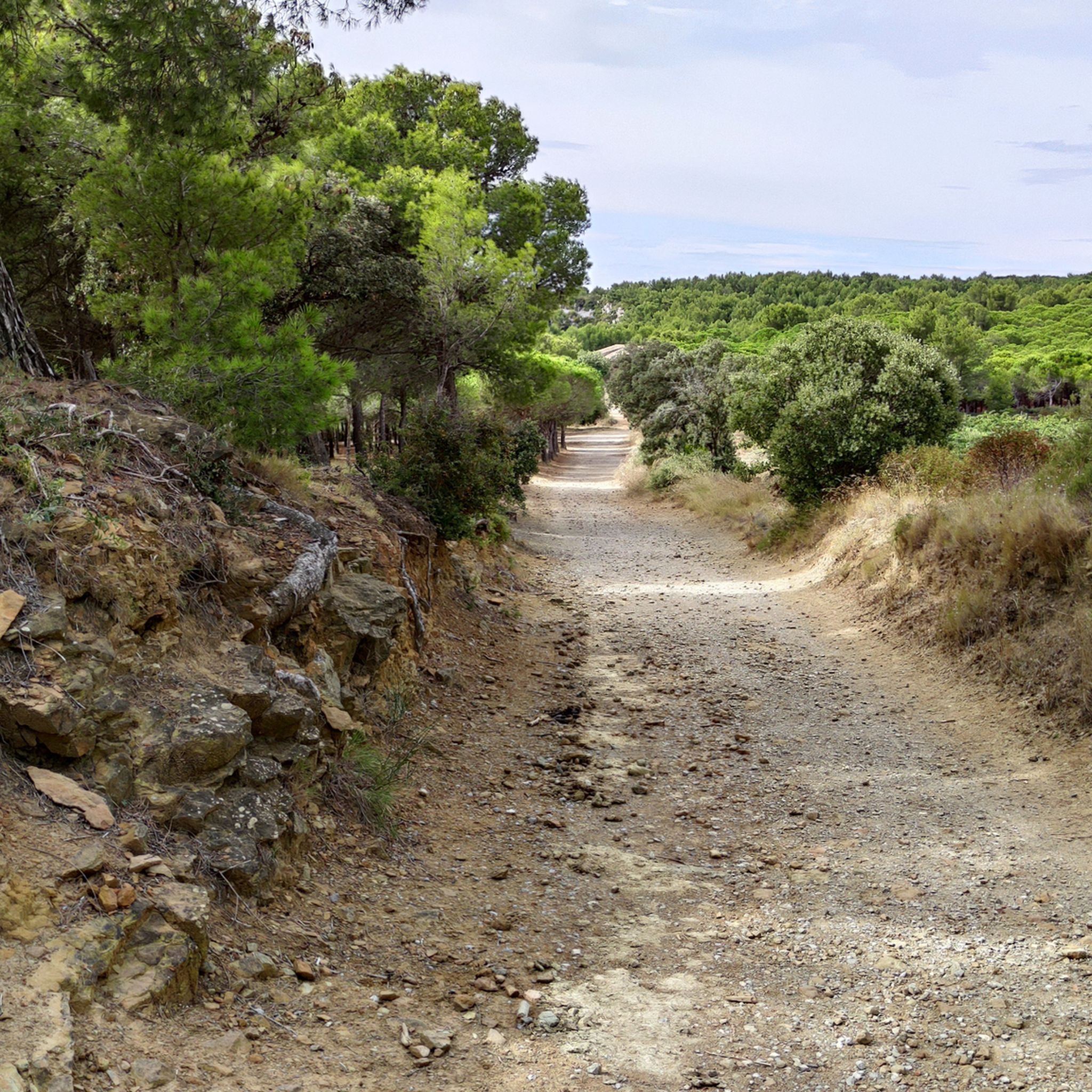
MTB Trails in La Narbonnaise En Méditerranée
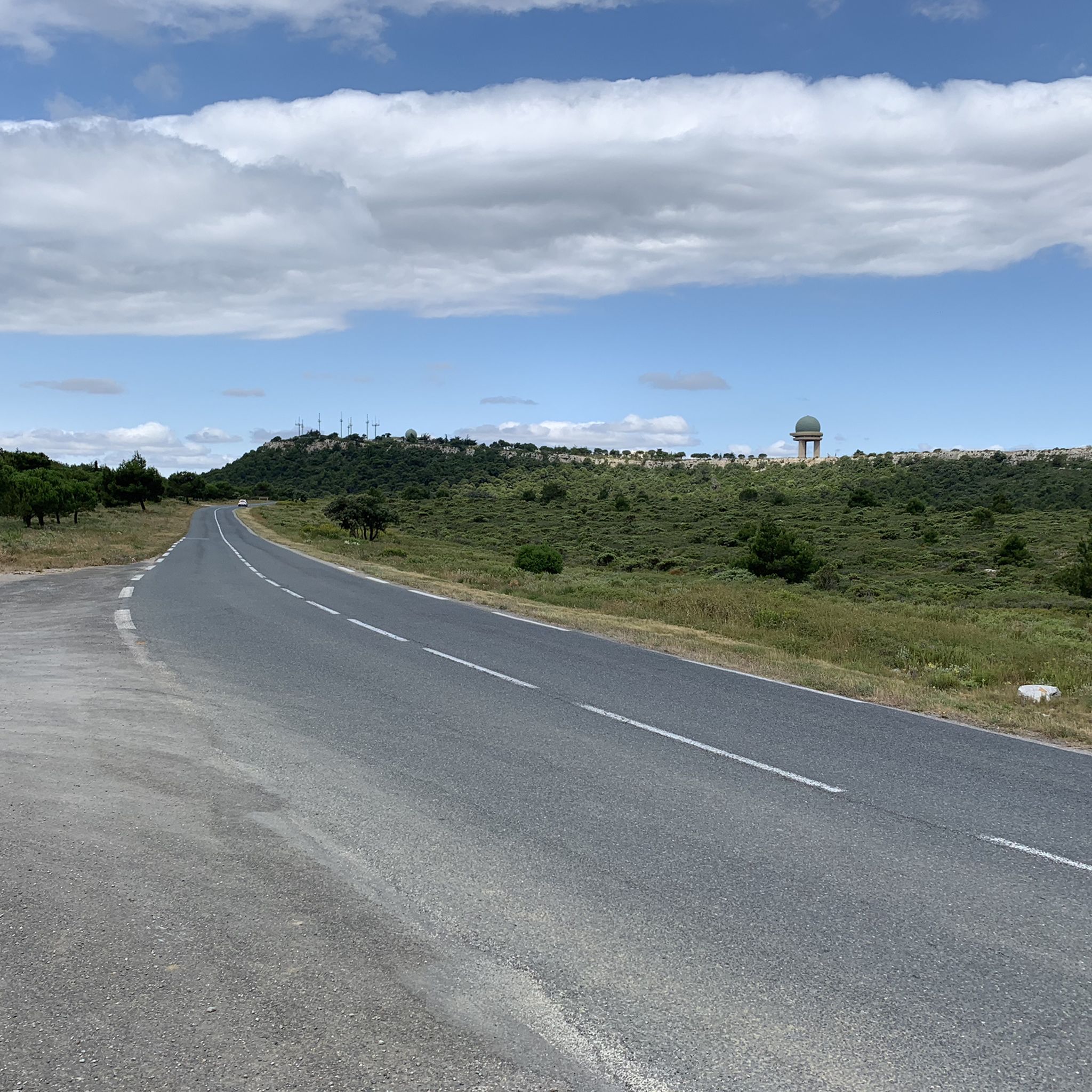
Road Cycling Routes in La Narbonnaise En Méditerranée
Gravel biking in La Narbonnaise En Méditerranée
Other adventures in La Narbonnaise En Méditerranée

Tips from the Community

Very beautiful hike from the Leucate lighthouse to La Franqui beach (8 km9) with a superb view.
0
0

Very beautiful walk overlooking the sea
0
0
Way up to the cave is at least grade medium. Be careful when wet
0
0

From below it looks good, but is walled up and closed
0
0

A strong headwind is guaranteed, but it's worth it; wild white flamingos, oystercatchers, avocets, terns, various species of gulls and other rare seabirds can almost always be seen.
0
0

From Cap Leucate you can enjoy a beautiful view that extends from the Gulf of Lion to the Pyrenees
1
1

Here at Cap Leucate you can go for beautiful hikes and enjoy the nature and the view of the sea.
3
1

Frequently Asked Questions
What are the most distinctive natural features to explore in La Narbonnaise En Méditerranée?
La Narbonnaise En Méditerranée offers a diverse range of natural features. You can explore the dramatic limestone formations and hidden caves of the Massif de la Clape, including the unique Œil Doux Sinkhole with its emerald green lake. The region also boasts extensive coastal lagoons like the Étangs de Bages-Sigean, known for their rich birdlife and the hypersaline Étang du Doul. Additionally, the Réserve Naturelle Régionale de Sainte-Lucie features a mix of wetlands, salt steppes, pine forests, and wild beaches.
Are there family-friendly natural monuments or activities in the region?
Yes, many natural monuments in La Narbonnaise En Méditerranée are suitable for families. The Réserve Naturelle Régionale de Sainte-Lucie offers shaded trails and easy access for walking or cycling, perfect for car-free exploration. The Étangs de Bages-Sigean provide opportunities for birdwatching and gentle walks, and the unique Étang du Doul is safe for strolling. For easy hikes, consider routes like "Le Sentier du Guetteur" or "L'Étang du Doul – loop from Peyriac-de-Mer," which are part of the Easy hikes in La Narbonnaise En Méditerranée guide.
What is the best time of year to visit the natural monuments in La Narbonnaise En Méditerranée?
The best time to visit is generally during spring (April-June) and autumn (September-October). During these seasons, the weather is pleasant for outdoor activities, and the natural landscapes are vibrant. Spring brings blooming flora, while autumn offers comfortable temperatures and often spectacular bird migrations, especially around the Étangs de Bages-Sigean and Sainte-Lucie.
What kind of outdoor activities can I do near these natural monuments?
The region is excellent for various outdoor activities. Hiking and cycling are popular, with numerous trails across the Massif de la Clape and around the lagoons. Birdwatching is exceptional at the Étangs de Bages-Sigean and Sainte-Lucie. Water sports like catamaran, kitesurf, windsurf, and paddleboarding are also popular on the lagoons. You can find more hiking options in the Hiking in La Narbonnaise En Méditerranée guide and cycling routes in the Road Cycling Routes in La Narbonnaise En Méditerranée guide.
Are there any natural monuments with panoramic viewpoints?
Yes, several natural monuments offer stunning panoramic views. The Cap Leucate Lighthouse provides breathtaking vistas of the Mediterranean and the wild landscape. In the Massif de la Clape, trails near Notre-Dame des Auzils chapel offer wide views of the sea and surrounding countryside. Roc Saint-Antoine in the Sainte-Lucie Reserve also provides an exceptional panorama of Narbonne, Gruissan, and the lagoons.
Can I find less crowded natural monuments for a more tranquil experience?
For a more tranquil experience, consider exploring the deeper parts of the Massif de la Clape, away from the more popular spots. The Réserve Naturelle Régionale de Sainte-Lucie, particularly its less-trafficked trails, can also offer solitude. While the Étangs de Bages-Sigean are popular for birdwatching, their vastness allows for finding quieter spots, especially on weekdays or outside peak tourist season.
Are dogs allowed on trails and in the natural monuments?
While many natural areas in France are dog-friendly, it's important to check specific regulations for protected sites like the Réserve Naturelle Régionale de Sainte-Lucie or parts of the Massif de la Clape. Generally, dogs are allowed on trails if kept on a leash, but some sensitive areas, especially those with nesting birds or fragile ecosystems, may have restrictions. Always respect local signage and ensure your dog does not disturb wildlife.
What are some notable geological features in the region?
The region is rich in geological wonders. The Massif de la Clape is a prominent limestone mountain range with dramatic formations, deep ravines, and hidden caves like the Grouzade Cave. The Œil Doux Sinkhole is a unique chasm with high limestone walls. The coastal areas feature dynamic dunes and the only cliff in the Occitanie region at Cap Leucate. The Étangs de Bages-Sigean also include the hypersaline Étang du Doul, a natural curiosity with water saltier than the Dead Sea.
Are there opportunities for wild swimming near the natural monuments?
While the Étang du Doul in the Étangs de Bages-Sigean complex is known for its hypersaline water and offers a unique swimming and strolling experience, direct wild swimming in other protected natural monuments or lagoons might be restricted to protect sensitive ecosystems. Always look for designated swimming areas or check local regulations before entering the water in natural reserves.
What should I bring when visiting the natural monuments?
When exploring the natural monuments, it's advisable to bring appropriate footwear for hiking, plenty of water, sun protection (hat, sunscreen), and a map or GPS device. Binoculars are highly recommended for birdwatching at the lagoons and reserves. If you plan to cycle, ensure your bike is in good condition. Always carry a small first-aid kit and respect the 'leave no trace' principle by taking all your rubbish with you.
How accessible are the natural monuments by public transport or car?
Accessibility varies. Some areas like the Réserve Naturelle Régionale de Sainte-Lucie are easily accessible by foot or bike from nearby towns like Narbonne and Port-la-Nouvelle. For other sites, such as parts of the Massif de la Clape, a car might be more convenient, though parking access can vary. It's best to research specific monument locations for detailed public transport options or parking availability before your visit.
What makes the Étangs de Bages-Sigean significant?
The Étangs de Bages-Sigean form one of the largest and most ecologically significant lagoon complexes in the Languedoc region. They are an internationally recognized stopover for migratory and wintering birds, attracting nearly 200 species, including pink flamingos. The mix of fresh and saltwater creates a unique brackish environment, and the area is also home to the hypersaline Étang du Doul. The Bridge Between the Ponds is a great spot to observe this rich birdlife.
Most popular routes in La Narbonnaise En Méditerranée
Most popular attractions in La Narbonnaise En Méditerranée

Get inspired with the komoot mobile app


Explore more
Extend your search for the best caves by checking out these guides of the top ones in La Narbonnaise En Méditerranée:
