Top 4 Natural Monuments in Ceahlău National Park
Best natural monuments in Ceahlău National Park are located within the Ceahlău Massif, a prominent mountain range in Romania. This area is characterized by unique geological formations, including peaks, rock formations, and a diverse ecosystem. The park protects a wide array of plant and animal species, some of which are rare. It offers varied landscapes and natural sculptures for exploration.
Best natural monuments in Ceahlău National Park
- The most popular natural monument is Toaca Peak, a summit that offers…
Last updated: October 14, 2026
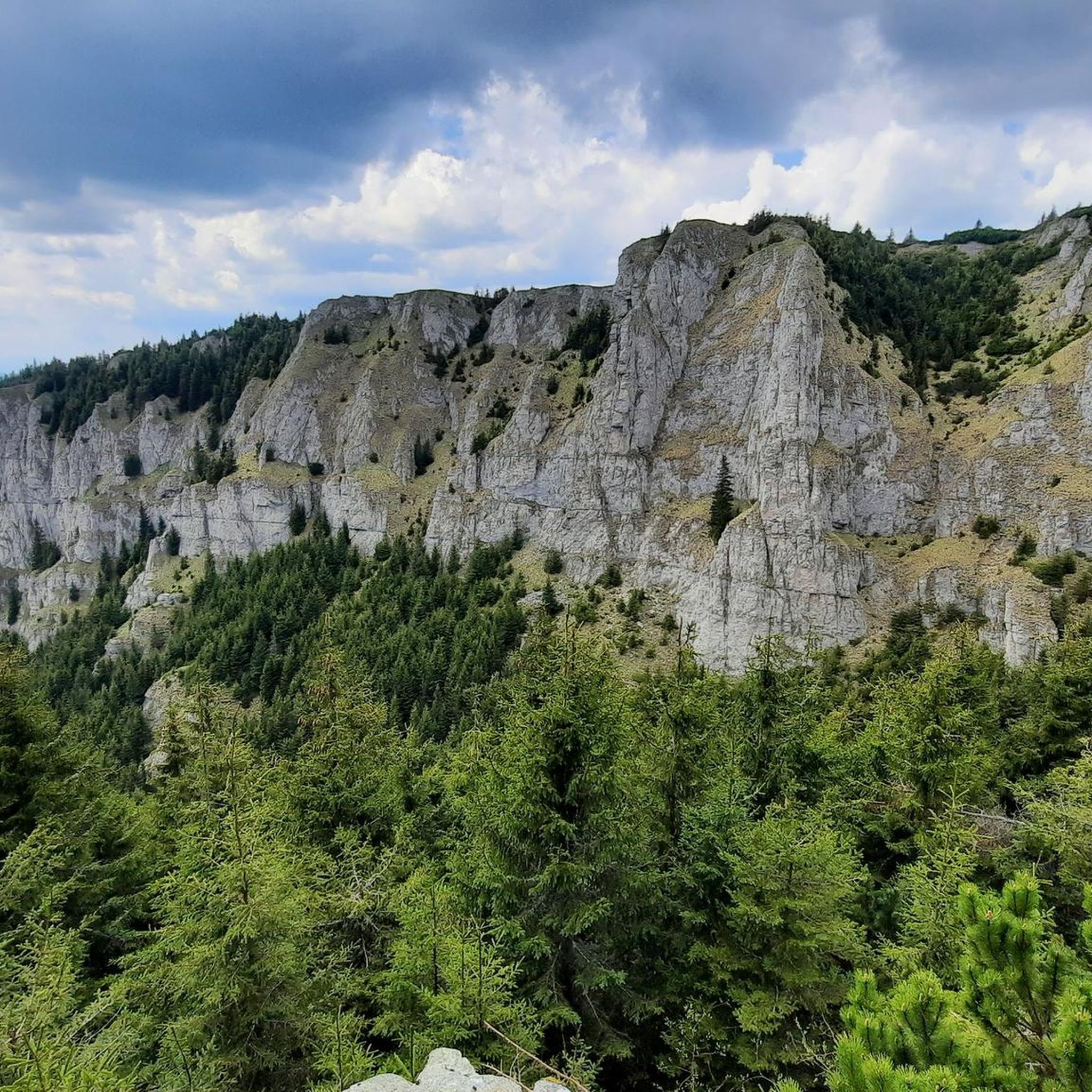
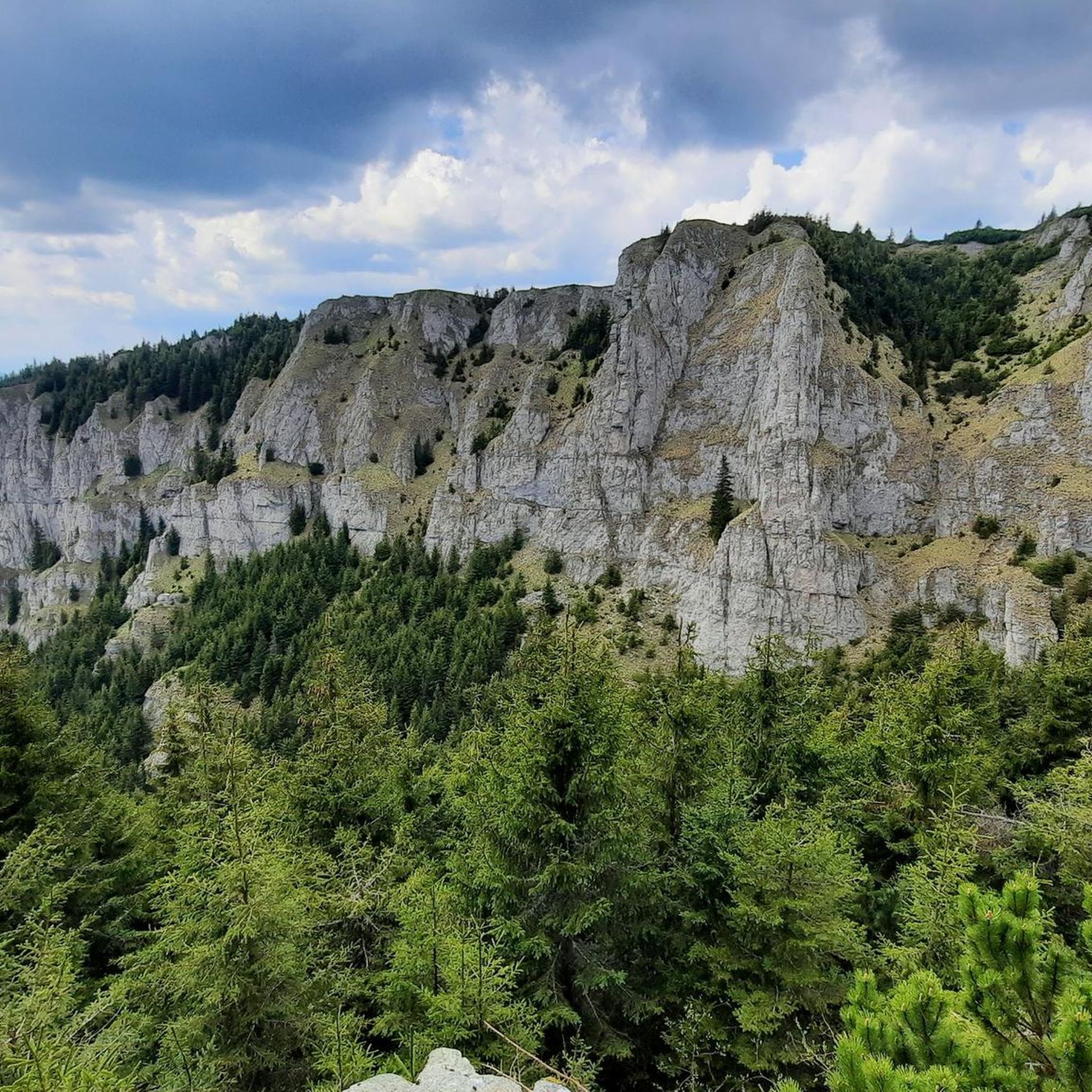
Toaca Peak
Highlight • Summit
Tip by

Ceahlău National Park
Highlight • Natural Monument
Translated by Google •
Tip by

Sign up now to discover places like this
Get recommendations on the best single tracks, peaks, & plenty of other exciting outdoor places.
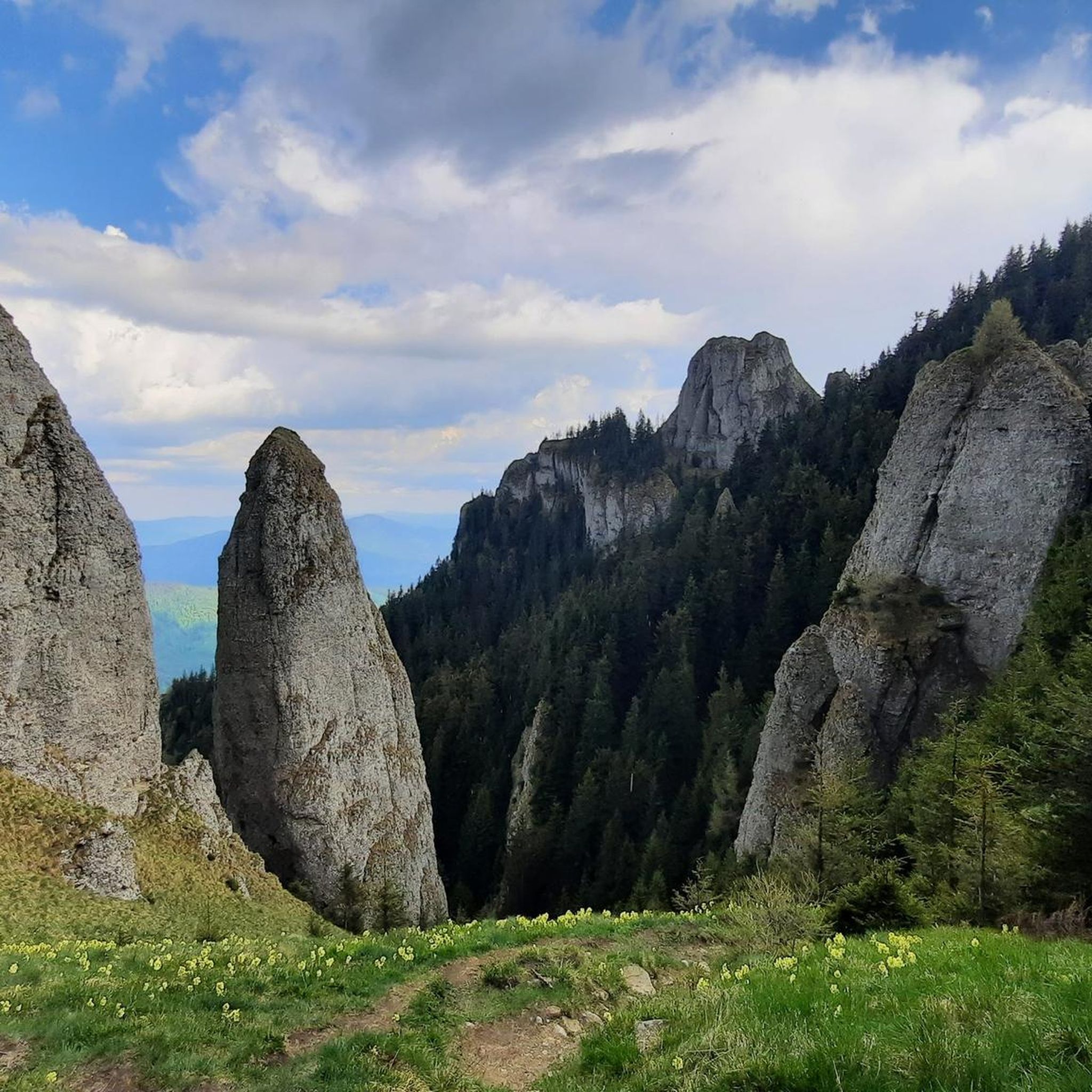
Căciula Dorobanțului Rock Formation
Highlight • Natural Monument
Translated by Google •
Tip by

Stănile Meadow and St. Anthony's Chapel
Highlight • Viewpoint
Tip by

Start today with a free account
Your next adventure awaits.
Tips from the Community


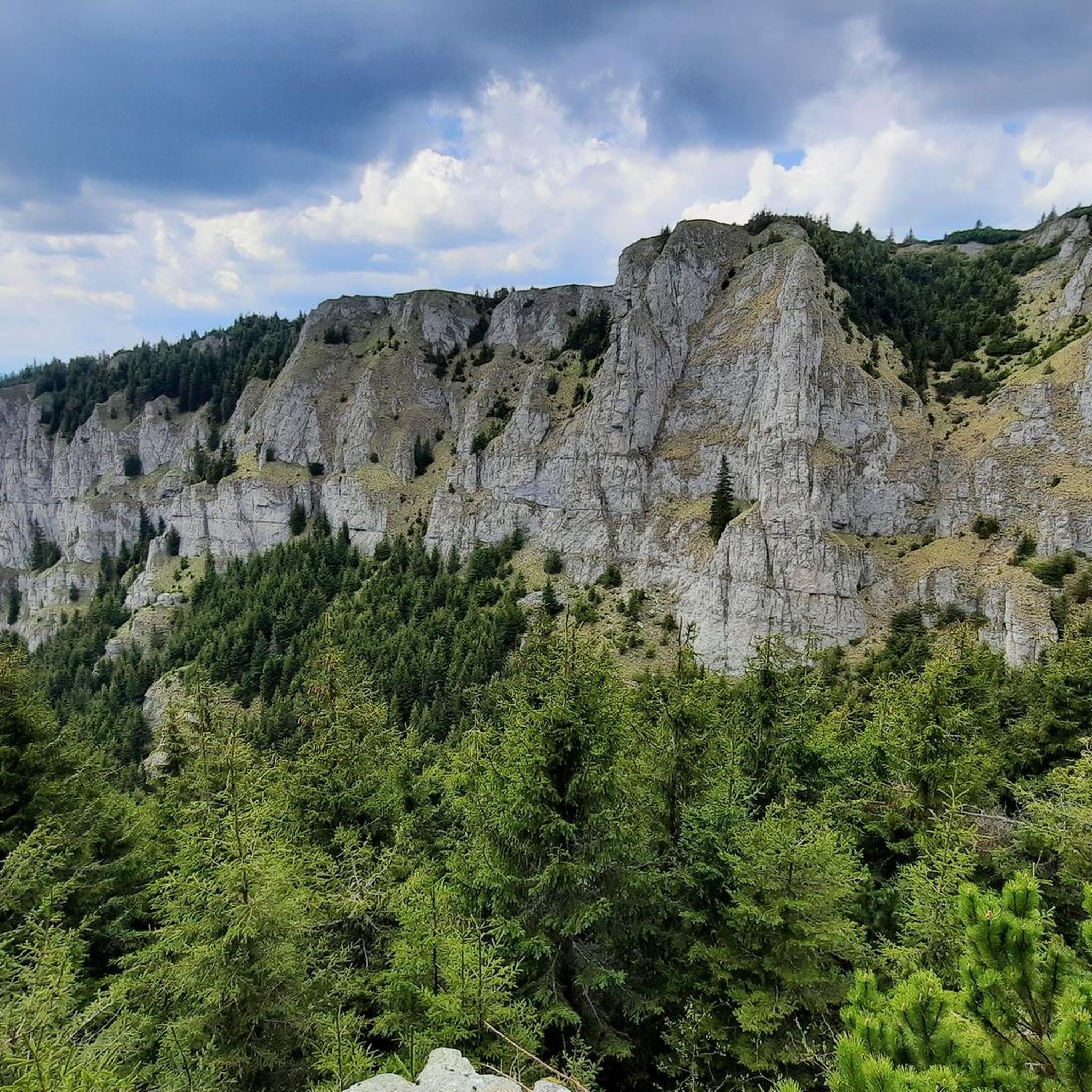
Ceahlău National Park (Romanian: Parcul Național Ceahlău) is an IUCN Category II protected area located in the Ceahlău Mountains, Neamț County, in north-eastern Romania. Ceahlău National Park covers an area of 8,396 hectares and is home to a diverse range of flora and fauna.
0
0

Is just awesome to climb and to downhill.
0
0

Welcome to an unforgettable adventure for bike lovers! Discover a cyclist's paradise where you cycle through extensive vineyards and the sun accompanies every pedal stroke. Here you will be welcomed by warm and hospitable locals who want to offer you the best experiences. With excellent wines to pamper your senses and the unique hospitality, you will return home with unforgettable memories and a warm heart. It is a place where adventure meets the refined taste of wine and the warmth of the people.
1
1

Viewpoint towards Izvorul Muntelui, Izvorul Muntelui Lake
0
0

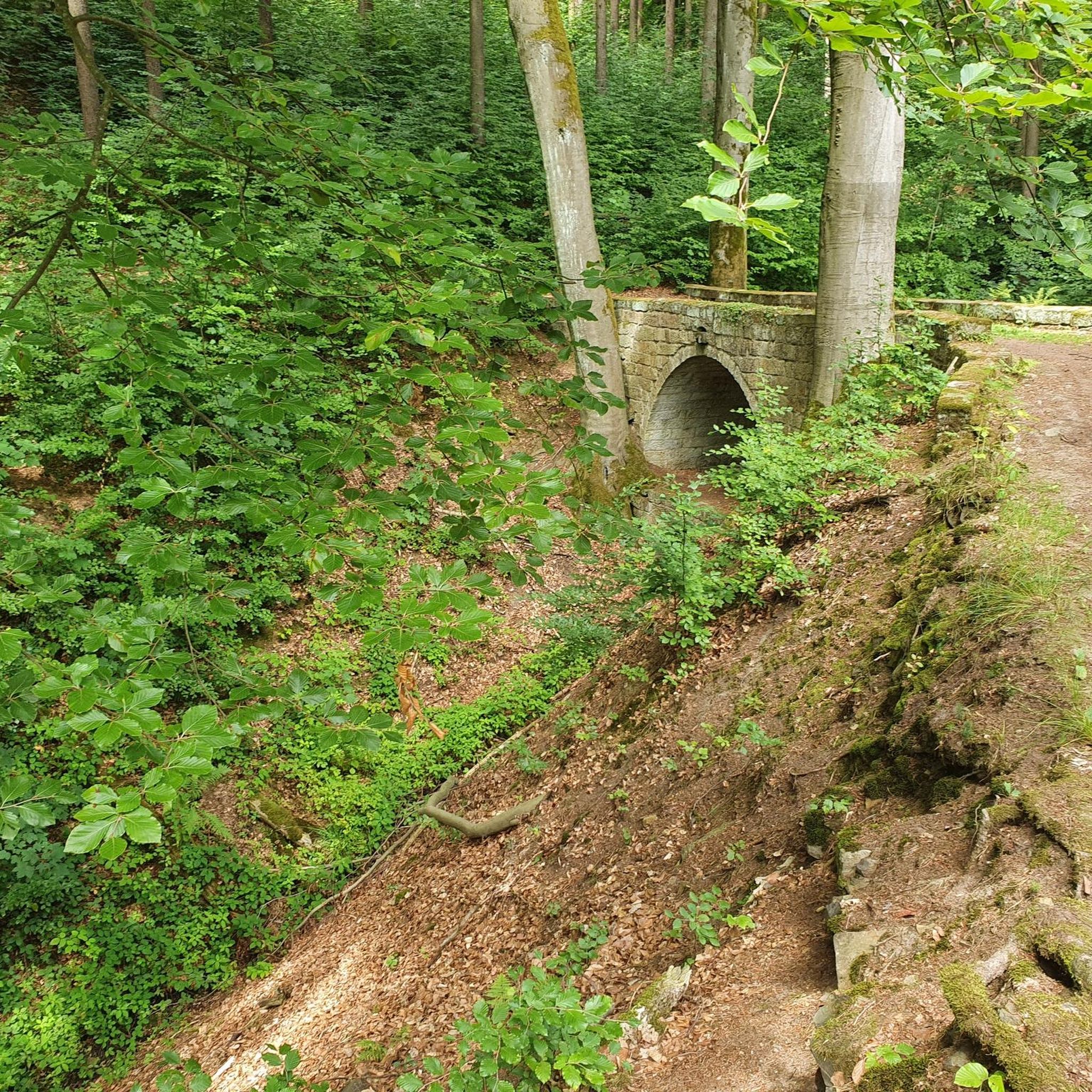
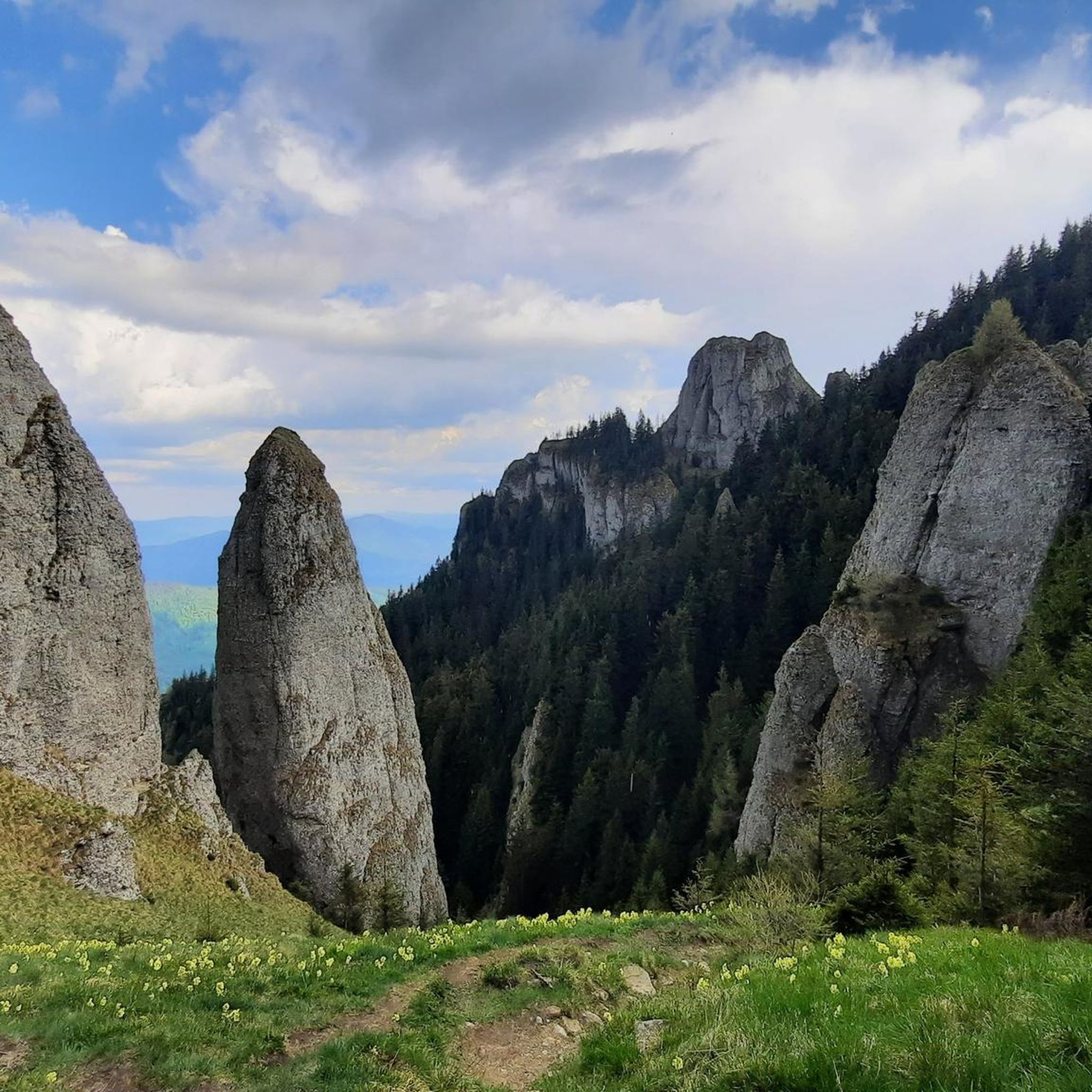
In the Poiana Stanile there is also the St. Anthony's Chapel, a special sketch that seems to embellish you at rest and contemplation of the surrounding beauty. Then, the forest road continues to a meadow where there is also a terrace dug in the mountainside. From this place begins the path that climbs to the plateau on Ceahlau. After a short climb through the fir forest the first bushes of juniper trees appear, after which the path follows a level curve in the middle of the slope until you reach the mouth of the trough, on the top of the Schiop Foot. Like the other Ceahlau rocks, Stanila's rocks also carry their legend. The locals tell of a poor shepherd who, in ancient times, populated these lands with his sheep. Chipes and truffles at the port, he had heard that here are the richest pastures in the greenery of the whole Moldova, but also the mildest sun left by God on earth. One day, when Stanila was with the sheep grazing in the brains of the mountains, she met Maria, in front of the richest boat from those parts. This was a very beautiful pastorita that Stanila fell in love with. Because Stanila was a poor shepherd and did not have many sheep, Mary did not want to hear from him, although he had a heart of gold. Annoyed, poor Stanila searched for the highest rocks in those places and threw himself from them. Since then, those rocks have been named.
2
0

Frequently Asked Questions
What are the most prominent natural monuments to visit in Ceahlău National Park?
Ceahlău National Park is home to several impressive natural monuments. Among the most popular are Toaca Peak, known for its panoramic views after a climb of over 500 stairs, and the unique Căciula Dorobanțului Rock Formation, which offers views towards Izvorul Muntelui Lake and opportunities for climbing. The park itself, covering 8,396 hectares, is considered a natural monument due to its diverse flora and fauna.
Are there any challenging hikes to natural monuments in Ceahlău National Park?
Yes, for those seeking a challenge, the ascent to Toaca Peak involves climbing over 500 stairs to reach its 1,904-meter summit. This challenging climb rewards hikers with spectacular panoramic views of the surrounding mountains and valleys. The highest peak, Ocolașul Mare (1,907 meters), also offers a challenging experience.
What kind of unique geological formations can I expect to see?
Ceahlău National Park is renowned for its unique geological formations, often referred to as the 'Yosemite of Romania.' You can find impressive rock formations like Dochia Rock and Cusma Dorobantului, which are steeped in local legends. The massif features distinctive towers, needles, calcareous ridges, and karst relief with sharp peaks, creating a dramatic landscape.
What kind of wildlife and plant species are protected in Ceahlău National Park?
Ceahlău National Park is a biodiversity hotspot, protecting a wide array of plant and animal species. Notable flora includes the iconic Edelweiss, the rare Liverwort (Hepatica transsilvanica Fuss), and the beautiful Martagon Lily. The park's fauna includes protected species such as the Chamois, lynx, wolf, brown bear, and capercaillie.
Are there any waterfalls to visit within the park?
Yes, the Duruitoarea Waterfall (Cascada Duruitoarea) is a major attraction within the park. It's known for its impressive cascade and the 'roaring' sound it creates. The trail leading to the waterfall passes through lush forests, making the journey itself a rewarding experience.
What are some family-friendly activities or trails near the natural monuments?
While some trails can be challenging, there are options for families. The general area of Ceahlău National Park offers intermediate trails through its forests. For specific easy hikes, you can explore routes like the 'Fântânele Cabin loop from Stațiunea Durău' or 'Toaca Peak – View from Cabana Dochia loop from Parcul Național Ceahlău' which are listed as easy in the Easy hikes in Ceahlău National Park guide.
What outdoor activities can I do near these natural monuments?
Beyond hiking to the natural monuments, Ceahlău National Park offers various outdoor activities. You can find cycling routes, such as those detailed in the Cycling in Ceahlău National Park guide, including loops around Lake Izvorul Muntelui. There are also specific waterfall hikes available.
What is the best time of year to visit Ceahlău National Park for its natural monuments?
The best time to visit Ceahlău National Park generally depends on your preferred activities. For hiking and enjoying the flora, late spring to early autumn (May to October) offers pleasant weather. Edelweiss, for example, can be found on rocky ridges in July and August, while Liverwort blooms from February to May. Winter offers a different, more challenging experience for experienced hikers.
Are there any viewpoints that offer expansive vistas of the region?
Absolutely. Toaca Peak provides spectacular panoramic views. The Căciula Dorobanțului Rock Formation also serves as a viewpoint towards Izvorul Muntelui Lake. Additionally, Stănile Meadow and St. Anthony's Chapel offer a special spot for contemplation with views of the surrounding beauty.
What do visitors enjoy most about the natural monuments in Ceahlău National Park?
Visitors frequently highlight the breathtaking panoramic views from summits like Toaca Peak, the unique shapes and legends associated with rock formations such as Căciula Dorobanțului, and the overall natural beauty and diverse ecosystems of the park. The opportunity for challenging climbs and the serene contemplation offered by spots like Stănile Meadow are also highly appreciated.
Is there a specific rock formation known for climbing opportunities?
Yes, the Căciula Dorobanțului Rock Formation is known for offering climbing opportunities, in addition to providing excellent views towards Izvorul Muntelui Lake.
Are there any historical or religious sites near the natural monuments?
Yes, near some natural monuments, you can find sites with historical or religious significance. For instance, Stănile Meadow and St. Anthony's Chapel is a special spot where visitors can rest and contemplate the surrounding beauty, and it is associated with local legends.
Most popular routes in Ceahlău National Park
Most popular attractions in Ceahlău National Park

Get inspired with the komoot mobile app


Explore more
Extend your search for the best caves by checking out these guides of the top ones in Ceahlău National Park:
