Top 4 Natural Monuments around Ferrandina
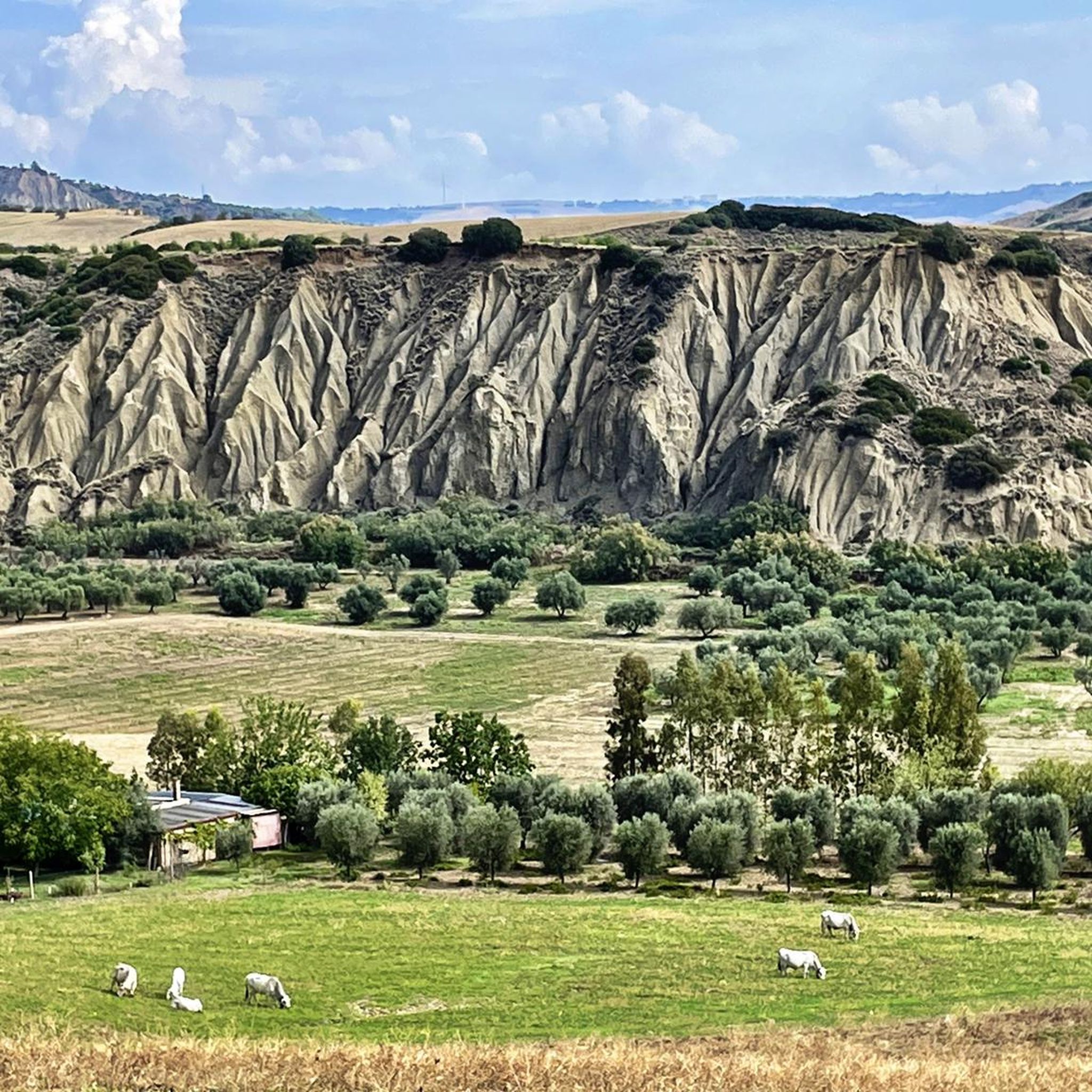
Best natural monuments around Ferrandina are characterized by a distinctive landscape shaped by extensive olive groves, the panoramic Basento Valley, and unique geological formations. The region is known for its rolling hills, particularly those covered with ancient Maiatica olive trees, which contribute to a rich agricultural heritage. Ferrandina's elevated position offers expansive views over the Basento River valley, providing diverse terrain for outdoor activities. The surrounding area also features striking calanchi, or badlands, formed by intense erosion of clay soils.
…Last updated: June 28, 2026
Lake San Giuliano
Highlight • Lake
Translated by Google •
Tip by

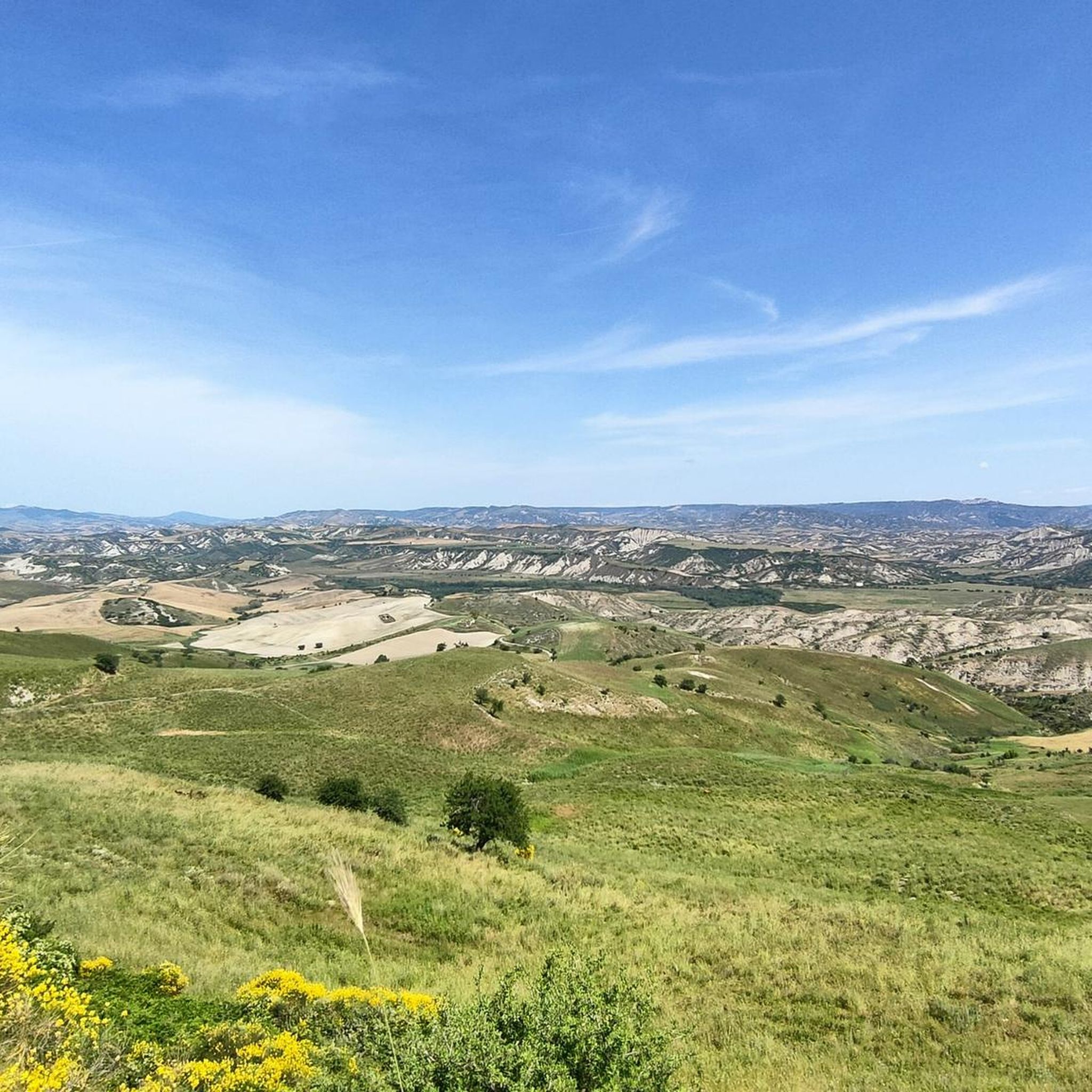
View of Lake San Giuliano and the San Giuliano Dam
Highlight • Lake
Translated by Google •
Tip by

Sign up now to discover places like this
Get recommendations on the best single tracks, peaks, & plenty of other exciting outdoor places.
Sign up for free
San Giuliano Lake Nature Reserve
Highlight • Lake
Translated by Google •
Tip by

Manferrara Pond
Highlight • Lake
Translated by Google •
Tip by

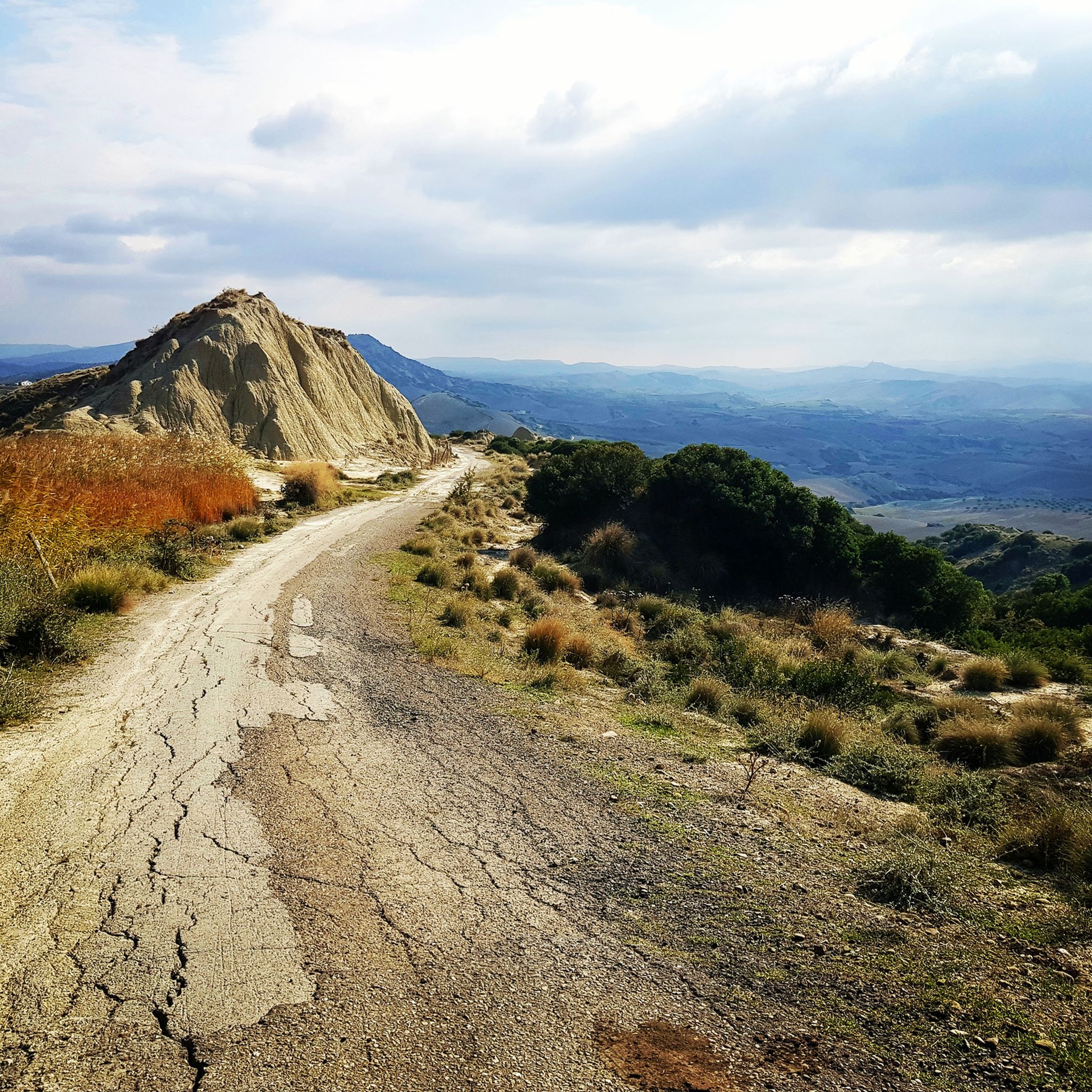
View of the rocky cliff near Sant'Arcangelo
Highlight • Viewpoint
Tip by

Start today with a free account
Your next adventure awaits.
Login or Signup
Tips from the Community

The Bradano flows into the lake from the northwest and leaves it in the southeast.
0
0

Located in the San Giuliano regional reserve, which is a protected area located between the municipalities of Matera, Miglionico and Grottole, the dam on the Bradano river was created in the 1950s and is clearly visible from this point. The lake has become an oasis managed by the WWF since the end of the 1980s, while in 2006 part of the fossil skeleton of a whale dating back to the Pleistocene was found on its banks. The lake itself extends for almost ten square kilometers.
2
0

Inside the Manferrara Forest not far from Pomarico it is possible to stop in a picnic area next to a pretty lake. A refueling fountain is also available.
1
0
Pure Relaxation - It presents indications of a hypothetical cycle/pedestrian route, but with sections that are actually not very practicable and cared for. MTB advice.
2
0

Wildlife oasis and excellent place to rest after a few kilometers of cycling.
2
0

Lake San Giuliano has an extension of 2500 hectares. It represents a naturalistic oasis of the WWF Matera, one of the most important in all of Basilicata.
0
0

The San Giuliano reserve is a protected natural area, including the municipalities of Matera, Miglionico and Grottole
1
0

The San Giuliano regional reserve is a protected natural area located in the municipalities of Matera, Miglionico and Grottole. The reserve occupies an area of 1000 hectares. The history of the Oasi San Giuliano Oriented Nature Reserve is linked to the birth of the homonymous artificial reservoir created for irrigation purposes by the damming of the Bradano river in the years between 1950 and 1957 thanks to the economic aid program of the Marshall Plan. The presence of the lake has attracted numerous species of aquatic birds right from the start, making initiatives aimed at protecting the area necessary. Thus in 1976 the lake of San Giuliano became an oasis for the protection of fauna, and the following year the landscape restriction was affixed. In 1989, the WWF Italy obtained, through an agreement with the Consorzio di Bonifica di Bradano and Metaponto, concessionaire of the area, the naturalistic management, establishing an oasis.[2] Since 1991, the section of the Bradano ravine located downstream of the reservoir has become part of the Murgia Materana Park and therefore a UNESCO World Heritage Site. In August 2006, a fossil skeleton of a whale dating back to the Pleistocene,[4][5][6] about 27 meters long, was found on the shores of the lake. In the following years the fossil was recovered and transferred to a laboratory of the Superintendence for the historical, artistic and demo-anthropological heritage, waiting to be exhibited in the Domenico Ridola national archaeological museum in Matera [7], the last finds were collected in 2011, and are found locked up in wooden crates placed in the garden of the Museum, by the Superintendency for cultural heritage, waiting for them to be given an exhibition arrangement with a timeline not yet defined. The presence of birdlife within the reserve is of great importance especially during wintering and migrations. There are in fact about 180 species of birds, many of which are classified as rare species. Among the aquatic species there are gray herons, egrets, grebes, coots. In winter, the great white heron, the cormorant, the pochard, the widgeon, the shelduck, the wild goose and the rare ferruginous duck appear. Among the birds of prey, the red kite, the black kite, the buzzard, some specimens of osprey and some Egyptian vultures are common. Among the passerines it is worth mentioning the pendulum, symbol of the WWF oasis. Finally, among the mammals there are porcupines, badgers, wild cats and stone martens, as well as some specimens of otters.
0
1
Frequently Asked Questions
What are the main natural features to explore around Ferrandina?
Ferrandina's natural beauty is characterized by its extensive olive groves, particularly the ancient Maiatica variety, the panoramic Basento Valley, and the striking geological formations known as calanchi. These features offer diverse landscapes for exploration, from tranquil walks among olive trees to dramatic badlands.
Are there any significant natural monuments or reserves near Ferrandina?
Yes, the most prominent natural monument nearby is the San Giuliano Lake Nature Reserve. This protected area, managed by WWF, is an important oasis for aquatic birds and other wildlife, formed by the damming of the Bradano river. You can also find Lake San Giuliano and a viewpoint overlooking the lake and dam within this reserve.
What kind of wildlife can be observed at the San Giuliano Lake Nature Reserve?
The San Giuliano Lake Nature Reserve is a significant wildlife oasis, especially for birds. You can observe around 180 species, including gray herons, egrets, grebes, and coots. In winter, great white herons, cormorants, and rare ferruginous ducks appear. Birds of prey like red kites and ospreys are also present, alongside mammals such as porcupines, badgers, and even otters.
Are there family-friendly natural areas or walks around Ferrandina?
Absolutely. The San Giuliano Lake Nature Reserve is considered family-friendly, offering opportunities to observe wildlife. Additionally, Manferrara Pond, located within the Manferrara Forest, provides a pleasant picnic area next to a lake, suitable for families.
What outdoor activities can I do near these natural monuments?
The area around Ferrandina and its natural monuments is excellent for cycling and hiking. You can find numerous routes for touring bikes and road bikes, with options like the 'Miglionico, Grottole, and Lake San Giuliano Loop' or routes exploring the hills. For more details on cycling, check out the Traffic-free bike rides around Ferrandina guide.
Where can I experience the unique 'calanchi' badlands formations?
The dramatic calanchi, or badlands, are characteristic geological formations found in the landscape surrounding Ferrandina. These visually striking features, created by the erosion of clay soils, offer a unique, lunar-like scenery. While not a single highlight, they are visible throughout the region and can be explored on various routes, such as the 'Pisticci and Craco Calanchi Loop' for road cycling.
What is the best time of year to visit the natural monuments around Ferrandina?
The region's natural monuments are enjoyable throughout much of the year. Spring and autumn offer pleasant temperatures for outdoor activities like hiking and cycling. Summer can be warm, but the olive groves provide some shade, and the lakes offer refreshing views. The olive groves are particularly picturesque during harvest season in late autumn.
Are there any natural viewpoints offering panoramic vistas?
Yes, Ferrandina itself is strategically positioned on a ridge, providing expansive views over the Basento Valley and often the distant Ionian coast. For a specific highlight, the View of Lake San Giuliano and the San Giuliano Dam offers excellent panoramic views of the lake and its surroundings. Another notable viewpoint is the View of the rocky cliff near Sant'Arcangelo, which requires a short climb for the full vista.
Can I learn about local agriculture and culinary heritage through the natural landscape?
Yes, the extensive olive groves around Ferrandina are central to the region's agricultural and culinary heritage. They are renowned for the Maiatica olive, an ancient local variety used for high-quality extra virgin olive oil and dried table olives. These groves offer opportunities for tranquil walks and often include guided tours and olive oil tastings, connecting visitors to the traditional farming practices and the Slow Food Presidium status of the Maiatica olive.
Are there any natural attractions further afield but still accessible from Ferrandina?
Beyond Ferrandina's immediate vicinity, you can explore other natural attractions in the broader Basilicata region. These include the Gallipoli Cognato Piccole Dolomiti Lucane Regional Park, known for its unique rock formations, and the suggestive natural environment surrounding the ghost town of Craco, where houses appear to cling to the rock.
Most popular attractions around Ferrandina

Get inspired with the komoot mobile app


Explore more
Extend your search for the best caves by checking out these guides of the top ones around Ferrandina:
