Top 7 Natural Monuments around Villaricca
Best natural monuments around Villaricca are found within the Metropolitan City of Naples, in the Campania region. This area is characterized by its volcanic landscape, including active and extinct craters, volcanic lakes, and coastal features. Villaricca serves as a base for exploring these geological formations and natural areas. The region offers diverse natural monuments, from volcanic fields to scenic lakes, providing varied outdoor experiences.
Best natural monuments around Villaricca
- The most popular natural monuments is Lake Avernus, a lake…
Last updated: October 28, 2026
Lake Avernus
Highlight • Lake
It is possible to walk around its perimeter with a pleasant walk.
Translated by Google •
Tip by

Lake Avernus
Highlight • Lake
Translated by Google •
Tip by

Sign up now to discover places like this
Get recommendations on the best single tracks, peaks, & plenty of other exciting outdoor places.
Lake Lucrino
Highlight • Lake
Translated by Google •
Tip by
Singletrack Along the Edge of the Astroni Crater
Highlight • MTB Park
Translated by Google •
Tip by

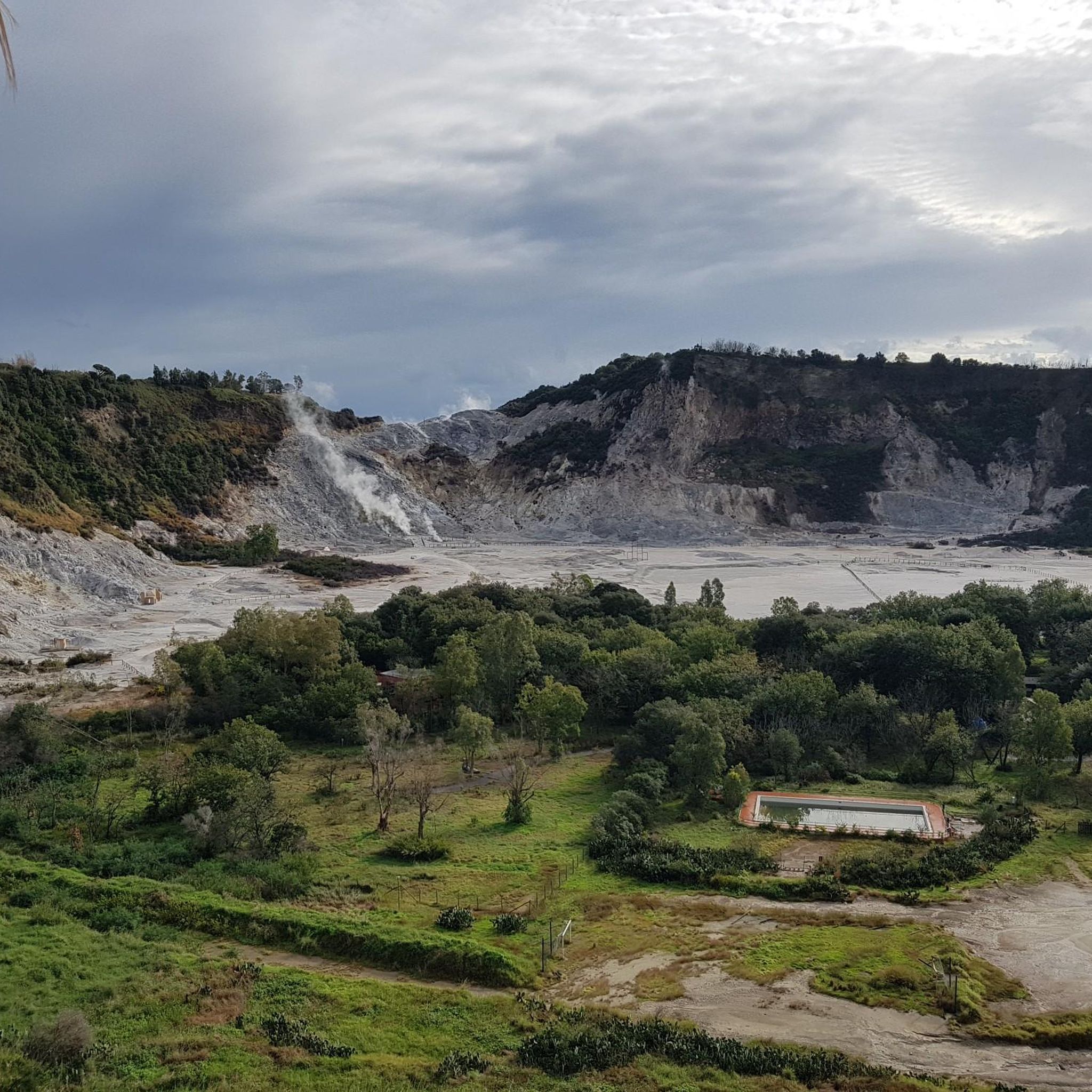
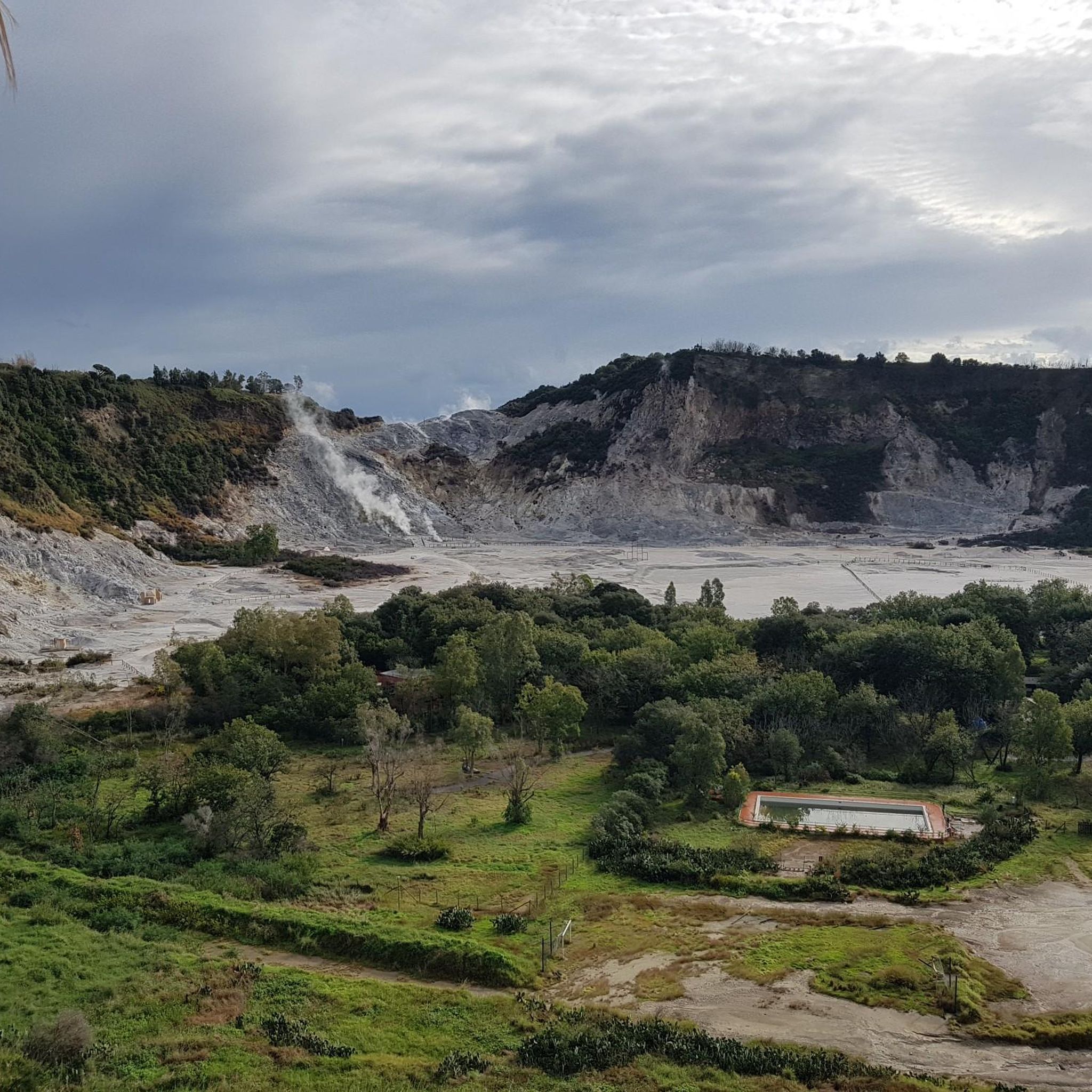
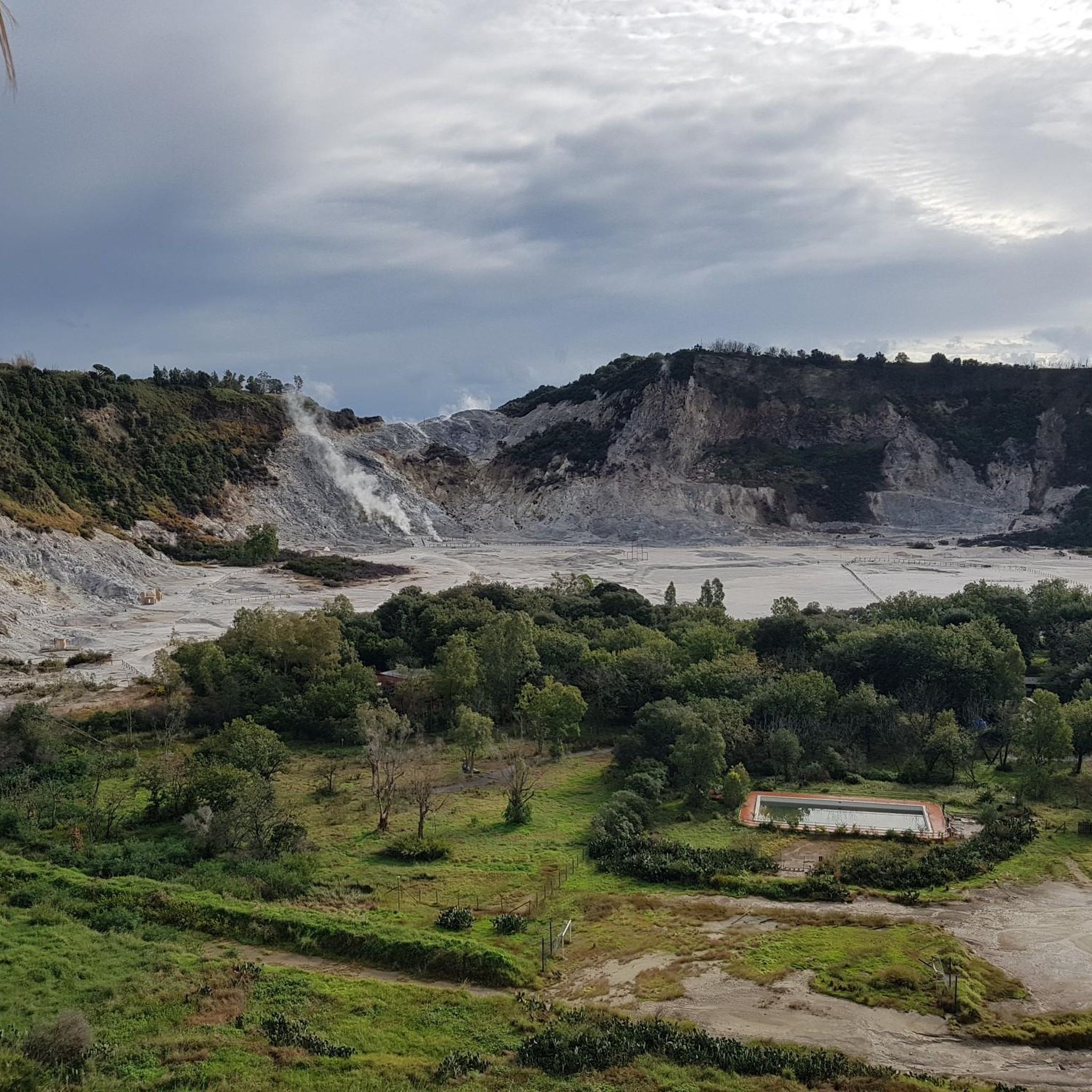
Solfatara Crater
Highlight • Volcano
Translated by Google •
Tip by

Sign up for free to discover even more natural monuments around Villaricca.
Already have an account?
Start today with a free account
Your next adventure awaits.

Tips from the Community

I recommend parking the car in the space outside the Monte Nuovo oasis, crossing the oasis and then going down towards Lake Averno, along this lake there are farmhouses and restaurants
1
0

A walk among nature and wild animals, between dirt roads and cobblestone pavements, not to be missed in any season.
1
0

Beautiful volcanic lake with a very simple and comfortable circular tour, during which it is possible to admire local fauna and flora. I recommend it together with the circular tour of Monte Nuovo to have a view of the volcanic panorama of the Campi Flegrei area.
1
0
Tranquility and beauty of the landscape in contact with nature.
2
0

Lago d'Averno is an easy biking destination on usually quiet rural roads. The volcanic lake in the Avernus crater is around 4 kilometres west of Pozzuoli. Along the way you can pass the volcanic field known as the Phlegraean Fields (Campi Flegrei) and see part of the wider Campanian volcanic arc. The road around the lake is roughly circular: the lake measures two kilometres in circumference and is up to 60 metres deep.
2
0

Lake Lucrino is a natural basin located on the coast of the Campi Flegrei, a short distance from Lake Averno.
0
0

When the weather is good you can see the sulfur vapor rising here
0
0

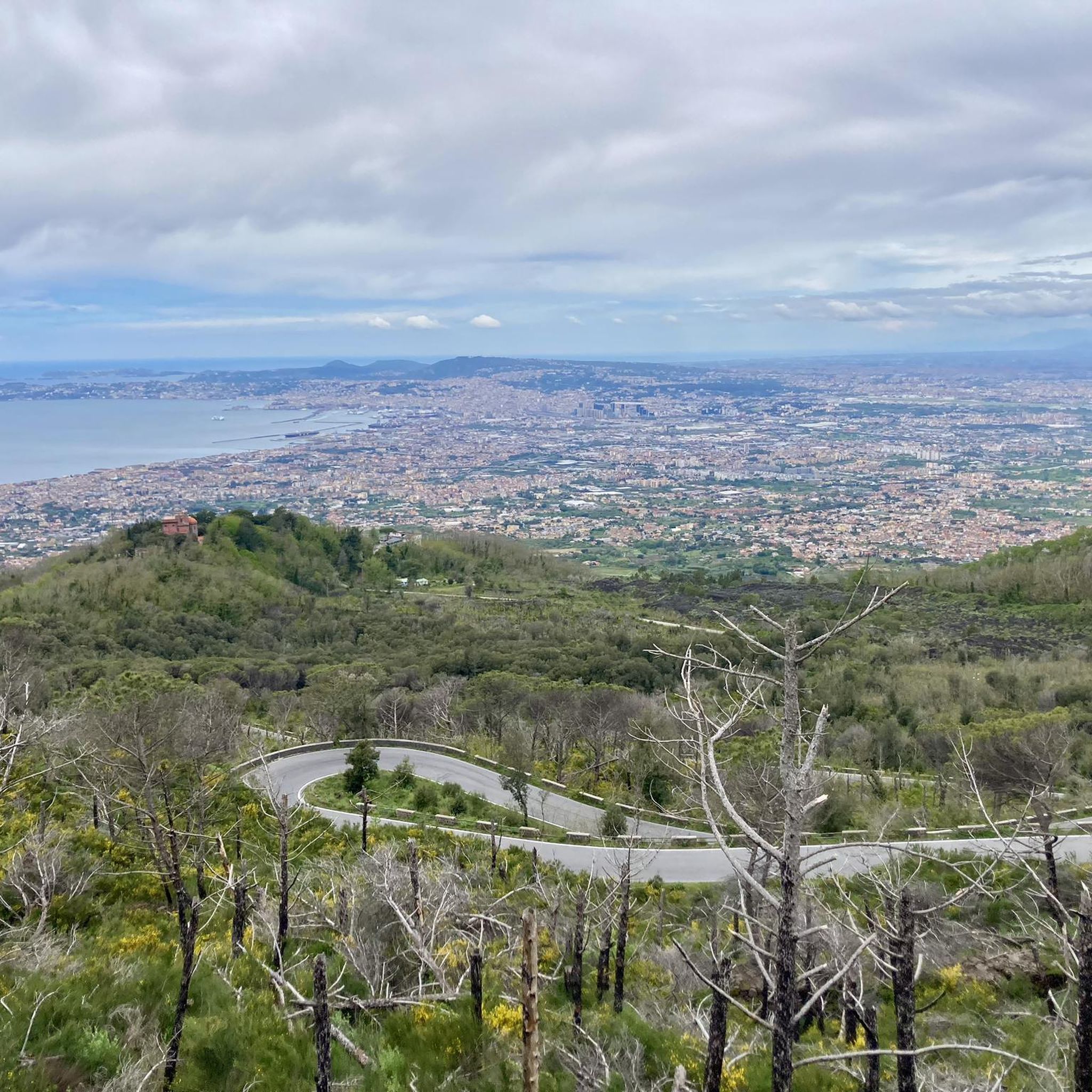
In good conditions this stretch is passable
0
0
Frequently Asked Questions
What are the most notable natural monuments accessible from Villaricca?
While Villaricca itself doesn't have prominent natural monuments, it's a great base for exploring the rich natural wonders of the Metropolitan City of Naples. Key attractions include the active volcanic area of Campi Flegrei, home to sites like Lake Avernus and Solfatara Crater. You can also visit Lake Lucrino, known for its historical significance, and the Cratere degli Astroni Nature Reserve, which features trails like the Singletrack Along the Edge of the Astroni Crater.
Are there family-friendly natural monuments near Villaricca?
Yes, several natural monuments are suitable for families. Lake Avernus and Lake Lucrino are both categorized as family-friendly, offering pleasant walks around their perimeters. Additionally, Parco Virgiliano in Naples provides expansive green spaces, walking trails, and playgrounds with spectacular views, making it ideal for families.
What kind of outdoor activities can I do near these natural monuments?
The region around Villaricca offers diverse outdoor activities. You can enjoy hiking, cycling, and mountain biking. For hiking, explore trails in the Capodimonte Wood or around the volcanic lakes. Cycling enthusiasts can find numerous routes, including those around Lake Lucrino and Lake Patria. Mountain biking is particularly popular around the Astroni Crater, with trails like the Singletrack Along the Edge of the Astroni Crater. For more detailed routes, check out the Hiking around Villaricca, Road Cycling Routes around Villaricca, and Cycling around Villaricca guides.
Are there hiking trails around the natural monuments?
Yes, there are several hiking opportunities. You can walk around the perimeter of Lake Avernus, which offers a pleasant and relatively easy path. The Vesuvius National Park also features hiking trails that lead to the crater's edge, providing panoramic views. For more options, explore the Hiking around Villaricca guide, which includes trails in the Capodimonte Wood and other areas.
What is the best season to visit the natural monuments around Villaricca?
The best seasons to visit are generally spring (April to June) and autumn (September to October). During these times, the weather is typically mild and pleasant, making outdoor activities like hiking and cycling more enjoyable. Summers can be very hot, especially in July and August, while winters are cooler and can be rainy.
What unique natural features can I expect to see?
The region is characterized by its volcanic landscape. You can witness active volcanic phenomena at Solfatara Crater with its sulfurous fumes and mud pools. Volcanic lakes like Lake Avernus and Lake Lucrino offer serene natural beauty within ancient craters. The Vesuvius National Park provides opportunities to see lava flows, volcanic rocks, and diverse flora and fauna within an active volcano's ecosystem.
Are there any natural monuments with historical significance?
Absolutely. Lake Avernus is famously known in ancient Greek and Roman religion as an access point to the Underworld. Its name, meaning 'without birds,' refers to the gases believed to prevent birds from flying over it. Lake Lucrino was historically important for fish farming and oyster cultivation by the Romans. Mount Vesuvius itself is a monumental historical site, known for its 79 AD eruption that buried Pompeii and Herculaneum.
What do visitors enjoy most about the natural monuments in this area?
Visitors frequently appreciate the unique blend of natural beauty and historical context. Many enjoy the pleasant walks around the volcanic lakes, the panoramic views from crater edges, and the opportunity to witness active volcanic phenomena. The scenic beauty, especially views of the Bay of Naples and surrounding islands, is also a major highlight, as are the diverse outdoor activity options.
How long does it typically take to explore these natural monuments?
The time required varies by site. A walk around Lake Avernus can take a couple of hours. Visiting the Solfatara Crater might take 1-2 hours. Exploring Vesuvius National Park, including a hike to the crater, can be a half-day to full-day excursion. Parco Virgiliano can be enjoyed for a few hours or a full afternoon. It's best to plan based on the specific sites you wish to visit.
Can I spot wildlife at these natural monuments?
Yes, especially in protected areas. Vesuvius National Park is home to 227 animal species, including various birds, reptiles, and small mammals. The Cratere degli Astroni Nature Reserve is also a protected area known for its unique flora and fauna within the volcanic landscape. Around the lakes, you might spot various bird species, including ducks.
Are there any hidden natural gems or lesser-known spots worth visiting?
While the main attractions are well-known, the entire Campi Flegrei area is a complex geological wonder with many smaller, fascinating volcanic edifices. Exploring the less-trafficked paths within this region can reveal unique geological formations and quiet natural spots. The Cratere degli Astroni Nature Reserve, while mentioned, offers a more secluded experience within an ancient volcanic crater compared to the more popular Vesuvius.
What should I wear when visiting the natural monuments, especially in spring?
In spring, layers are advisable as temperatures can vary. Comfortable walking shoes or hiking boots are essential, especially if you plan to explore trails or volcanic terrain. A light jacket or sweater is recommended for cooler mornings or evenings, and sun protection like a hat and sunscreen is always a good idea. For active volcanic sites like Solfatara, be prepared for sulfurous fumes.
Most popular attractions around Villaricca

Get inspired with the komoot mobile app


Explore more
Extend your search for the best caves by checking out these guides of the top ones around Villaricca:
