Top 15 Natural Monuments around Capestrano
Natural monuments around Capestrano are located in Italy's Abruzzo region, bordering the Gran Sasso e Monti della Laga National Park. The area features diverse landscapes, including rugged mountains, high-altitude plateaus, and clear waterways. This region offers a variety of natural attractions, from historical sites integrated into the landscape to unique geological formations.
Best natural monuments around Capestrano
- The most popular natural monuments is Rocca Calascio Castle, a castle that is one of the highest in Italy, situated at an…
Last updated: June 28, 2026
Rocca Calascio Castle
Highlight • Castle
Translated by Google •
Tip by

Capo la Serra Pass
Highlight • Mountain Pass
Translated by Google •
Tip by

Sign up now to discover places like this
Get recommendations on the best single tracks, peaks, & plenty of other exciting outdoor places.
Sign up for free
Lake Capodacqua
Highlight • Lake
Translated by Google •
Tip by

Gran Sasso Plateau
Highlight • Natural Monument
Translated by Google •
Tip by

Mount Cappucciata
Highlight • Summit
Translated by Google •
Tip by

Sign up for free to discover even more natural monuments around Capestrano.
Sign up for free
Already have an account?
Start today with a free account
Your next adventure awaits.
Login or Signup
Popular around Capestrano
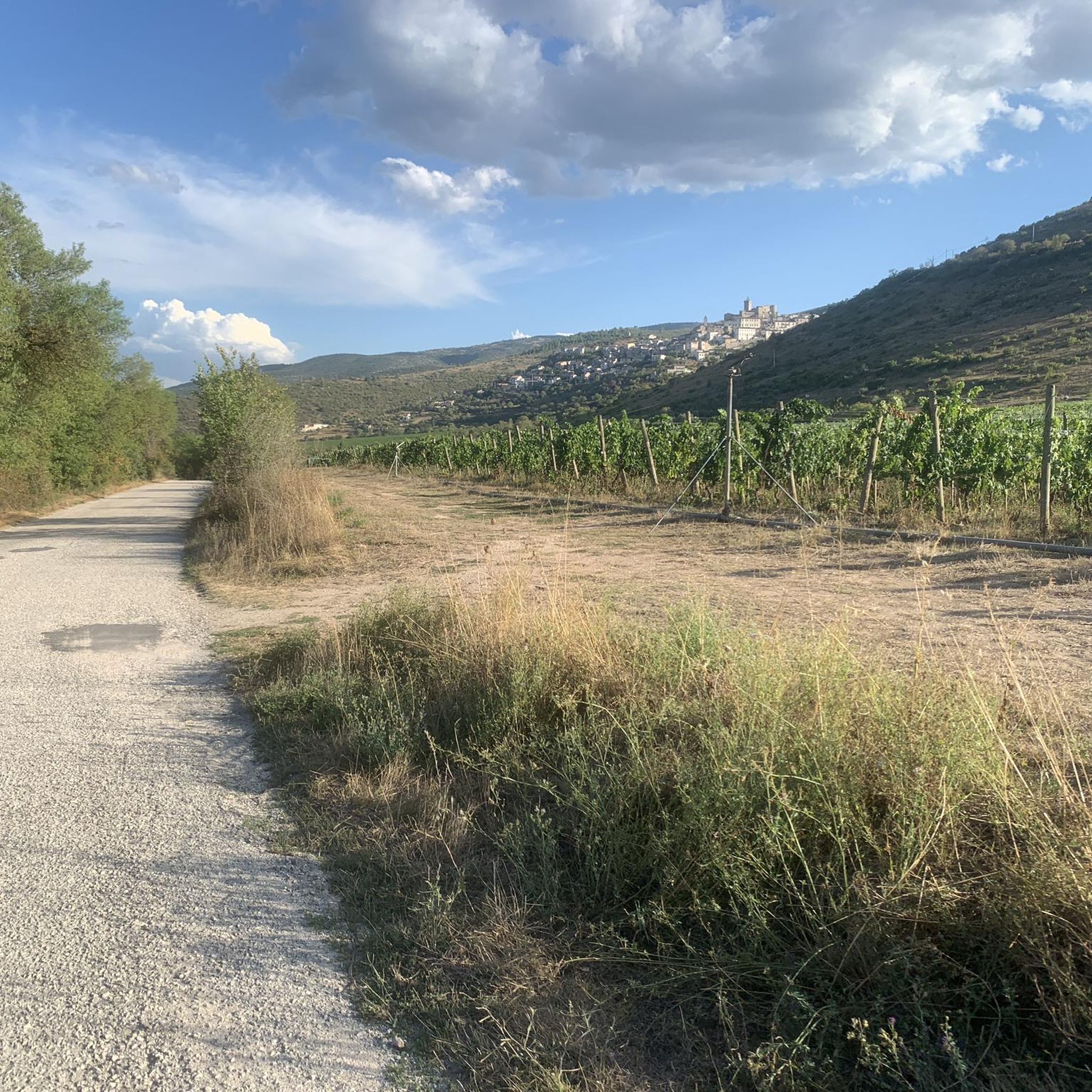
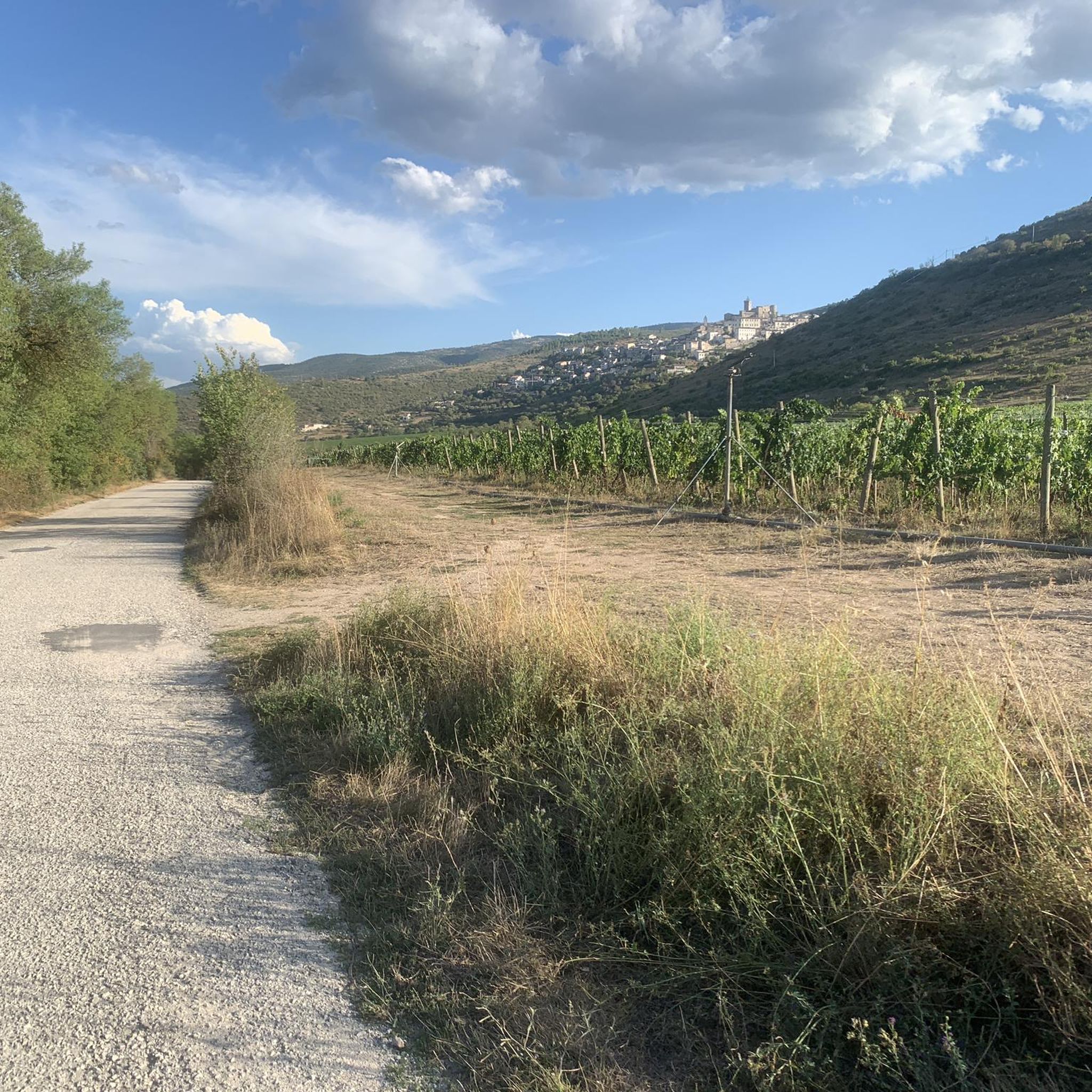



Tips from the Community

It will be my next destination
2
0

what beautiful places to cycle
0
0

It connects the Campo Imperatore plateau with the mountain centers of Castel del Monte, Calascio and Santo Stefano di Sessanio, and is dominated to the east by Monte Capo di Serre and to the west by Monte Bolza.
0
0

The environmental protection provided by the park prohibits snorkeling and even just bathing, the only activity allowed is the diving organized by the Atlantide diving school, the only holder of the authorizations for guided diving and which manages the lake and guarantees a lower impact on the tranquility of the fauna that comes to winter in the lake during migrations.
0
0

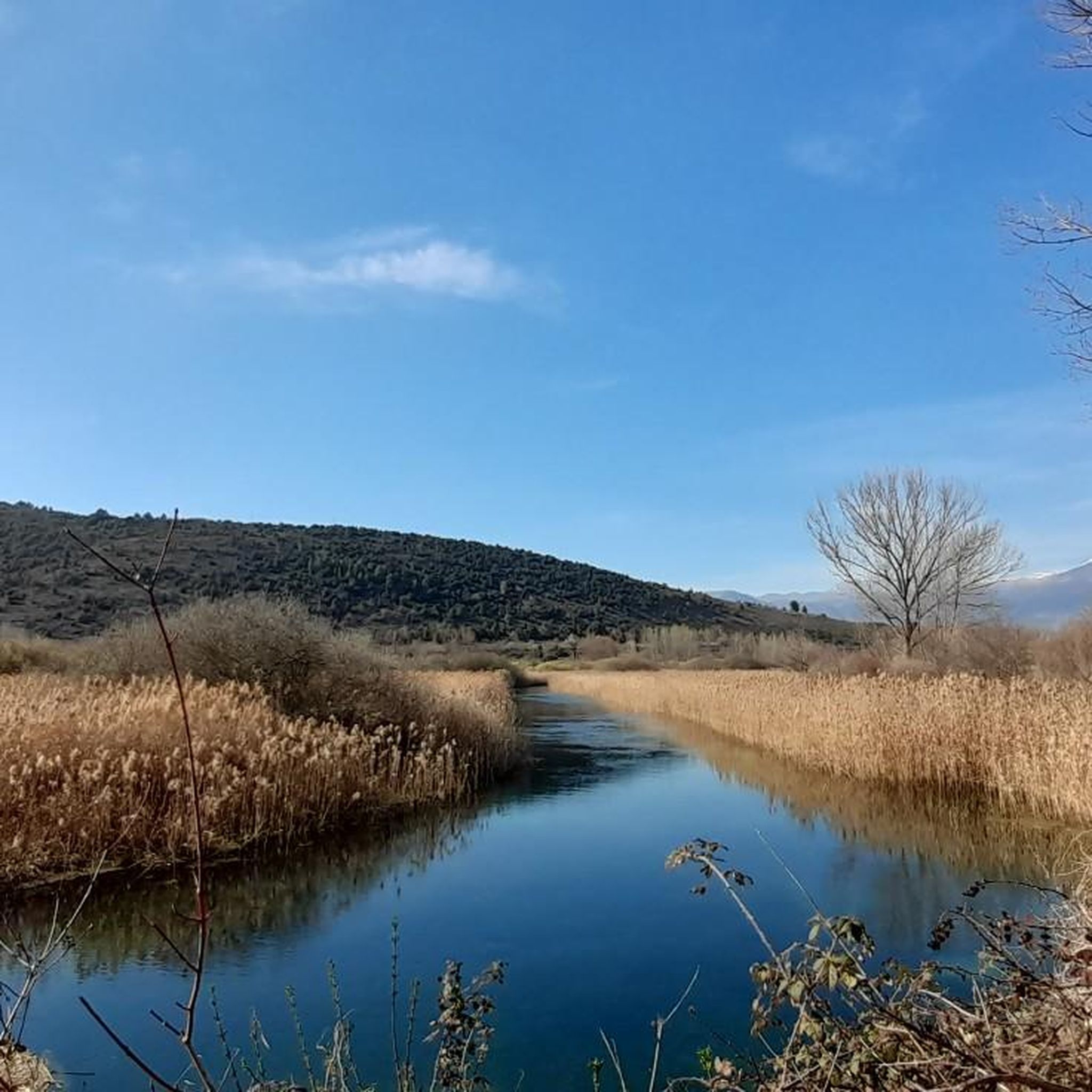
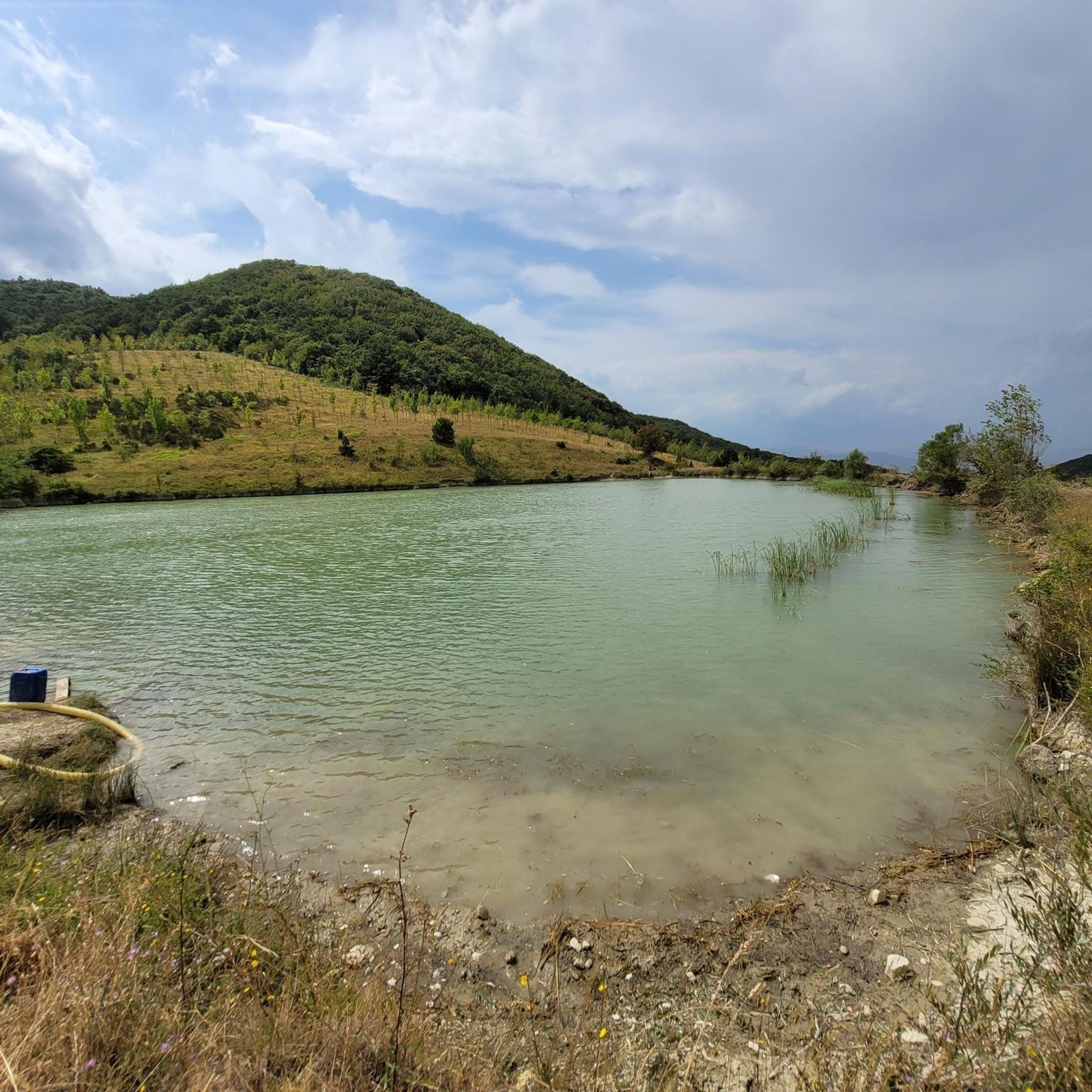
The picturesque lake of Capodacqua, an artificial jewel of Abruzzo, originates from the spring of the same name, one of the three sources that feed the Tirino river. A landscape gem that testifies to the beauty and majesty of nature in this region.
1
0
The Capo di Serre pass, located at 1,600 meters above sea level, is a mountain pass in the Abruzzo Apennines, overlooking the southern slope of the Gran Sasso massif of Italy. This pass connects the Campo Imperatore plateau to the mountain centers of Castel del Monte, Calascio and Santo Stefano di Sessanio. Its position is dominated to the east by Monte Capo di Serre and to the west by Monte Bolza. A breathtaking vantage point that offers the chance to explore the surrounding natural beauty.
1
0

Monte Cappucciata is one of the peaks that make up the Gran Sasso massif, located in the Gran Sasso and Monti della Laga National Park.
0
0

The artificial lake from which the Tirino river originates is easily accessible at any time of the year, preferably from spring onwards when it is possible to make excursions on the lake by boat Calipso to admire its backdrop.
0
0
Frequently Asked Questions
What unique natural features can I explore around Capestrano?
The Capestrano area, bordering the Gran Sasso e Monti della Laga National Park, offers diverse natural features. You can discover the vast plains and mountainous landscapes of the Gran Sasso Plateau, or visit the exceptionally clear waters of the Tirino River, ideal for canoeing and kayaking. Another unique spot is Lake Capodacqua, known for its submerged medieval mills and crystal-clear waters, offering a unique diving experience.
Are there family-friendly natural monuments to visit near Capestrano?
Yes, several natural monuments are suitable for families. Lake Capodacqua is considered family-friendly, offering opportunities to view its unique submerged structures, possibly via glass-bottom boat tours. The Zompo Lo Schioppo Nature Reserve, with its impressive waterfalls and well-marked trails, is also an excellent choice for family outings and nature walks.
What kind of outdoor activities can I do near Capestrano's natural monuments?
The region around Capestrano is excellent for outdoor activities. You can enjoy gravel biking on routes like the 'Campo Imperatore Plateau – Campo Imperatore loop' or 'Along the Tirino River – Lake Capodacqua loop'. Cycling enthusiasts can explore routes such as the 'Campo Imperatore Plateau – Campo Imperatore Plateau loop from Capestrano'. For runners, there are trails like the 'Rocca Calascio and Monte delle Croci Loop'. You can find more details on these activities in the Gravel biking around Capestrano, Cycling around Capestrano, and Running Trails around Capestrano guides.
When is the best time to visit the natural monuments in the Capestrano area?
The natural monuments around Capestrano are generally best visited from spring onwards. This period allows for pleasant excursions, especially around places like Lake Capodacqua where boat trips are possible. For hiking and exploring mountainous areas like the Gran Sasso, late spring, summer, and early autumn offer the most favorable weather conditions.
Are there any historical or cultural sites among the natural monuments?
Yes, the region beautifully blends natural beauty with historical significance. Rocca Calascio Castle is a prominent example, a medieval fortress situated at 1460 meters within the Gran Sasso and Monti della Laga National Park. Lake Capodacqua also holds historical interest, as its clear waters submerge ancient structures, including two medieval mills.
What are some notable viewpoints for scenic panoramas?
For breathtaking views, consider visiting Capo la Serra Pass, located at 1600 meters above sea level. It offers stunning vistas of the Gran Sasso massif and marks the watershed between the Campo Imperatore plateau and Castel del Monte. Mount Cappucciata, at 1800 meters, also provides an expansive panorama including the Gran Sasso, Sirente-Velino, and La Majella massifs.
What is the difficulty level of trails around Capestrano's natural monuments?
The trails around Capestrano's natural monuments vary in difficulty. Many highlights, such as Rocca Calascio Castle, Capo la Serra Pass, and Gran Sasso Plateau, are categorized as intermediate. Some, like Rocca Calascio Castle and Mount Cappucciata, also have challenging sections, indicating varied terrain suitable for different experience levels.
Are there dog-friendly trails or areas within the natural monuments?
While specific regulations for dog-friendly trails within each natural monument can vary, the Gran Sasso e Monti della Laga National Park generally welcomes dogs on trails, often requiring them to be on a leash. It's always advisable to check local signage or park guidelines for specific areas like the Zompo Lo Schioppo Nature Reserve or around the Tirino River to ensure compliance.
What are the parking options for visiting natural monuments in the Capestrano area?
Parking availability varies by location. For popular sites like Rocca Calascio Castle, there are usually designated parking areas near the base or access points. For other natural monuments, parking might be available at trailheads or nearby villages. It's recommended to research specific locations in advance, especially during peak seasons.
Can I reach the natural monuments using public transport?
Public transport options to reach some of the more remote natural monuments, especially within the Gran Sasso e Monti della Laga National Park, can be limited. While some larger towns near the park might have bus services, accessing specific trailheads or natural sites often requires a car. It's best to plan your journey and check local bus schedules if relying on public transport.
What do visitors enjoy most about the natural monuments around Capestrano?
Visitors frequently praise the stunning natural beauty and the sense of tranquility. Many are captivated by the unique landscapes of the Gran Sasso Plateau, describing it as feeling like 'another world'. The historical charm of Rocca Calascio Castle and the clear waters of the Tirino River and Lake Capodacqua are also highly appreciated for their unique experiences and photographic opportunities.
Are there any hidden gems or less-known natural monuments worth exploring?
While the main highlights are well-known, the Zompo Lo Schioppo Nature Reserve, though mentioned, is a fantastic 'hidden gem' for its impressive waterfalls and rich biodiversity, offering a serene escape. The exceptionally clear Tirino River, while popular for activities, still offers tranquil spots along its banks that feel secluded and pristine.
Most popular routes around Capestrano
Most popular attractions around Capestrano

Get inspired with the komoot mobile app


Explore more
Extend your search for the best caves by checking out these guides of the top ones around Capestrano:
