Top 12 Natural Monuments around Atri
Best natural monuments around Atri are found in a landscape characterized by unique geological formations and diverse natural environments. Atri, located in the Abruzzo region of Italy, is known for its dramatic clay formations, particularly the Calanchi, which are the result of millennia of erosion. The area encompasses a varied terrain, including badlands, streams, and wooded sections, providing habitats for diverse flora and fauna. This region offers opportunities to explore geological marvels and natural reserves.
Best natural monuments around Atri
…Last updated: October 1, 2026
Atri Calanchi Cycle Route
Highlight • Cycleway
Breathtaking panorama that covers fatigue and sweat and caresses the fantastic descent with the wind
Translated by Google •
Tip by

Fonte dell'Accolle
Highlight • Monument
Translated by Google •
Tip by

Sign up now to discover places like this
Get recommendations on the best single tracks, peaks, & plenty of other exciting outdoor places.
Casa Mataloni (Borsacchio Nature Reserve)
Highlight • Historical Site
Translated by Google •
Tip by

Borsacchio Guided Nature Reserve
Highlight • Natural
Translated by Google •
Tip by

Calanchi di Atri Regional Nature Reserve
Highlight • Natural Monument
Translated by Google •
Tip by

Sign up for free to discover even more natural monuments around Atri.
Already have an account?
Start today with a free account
Your next adventure awaits.
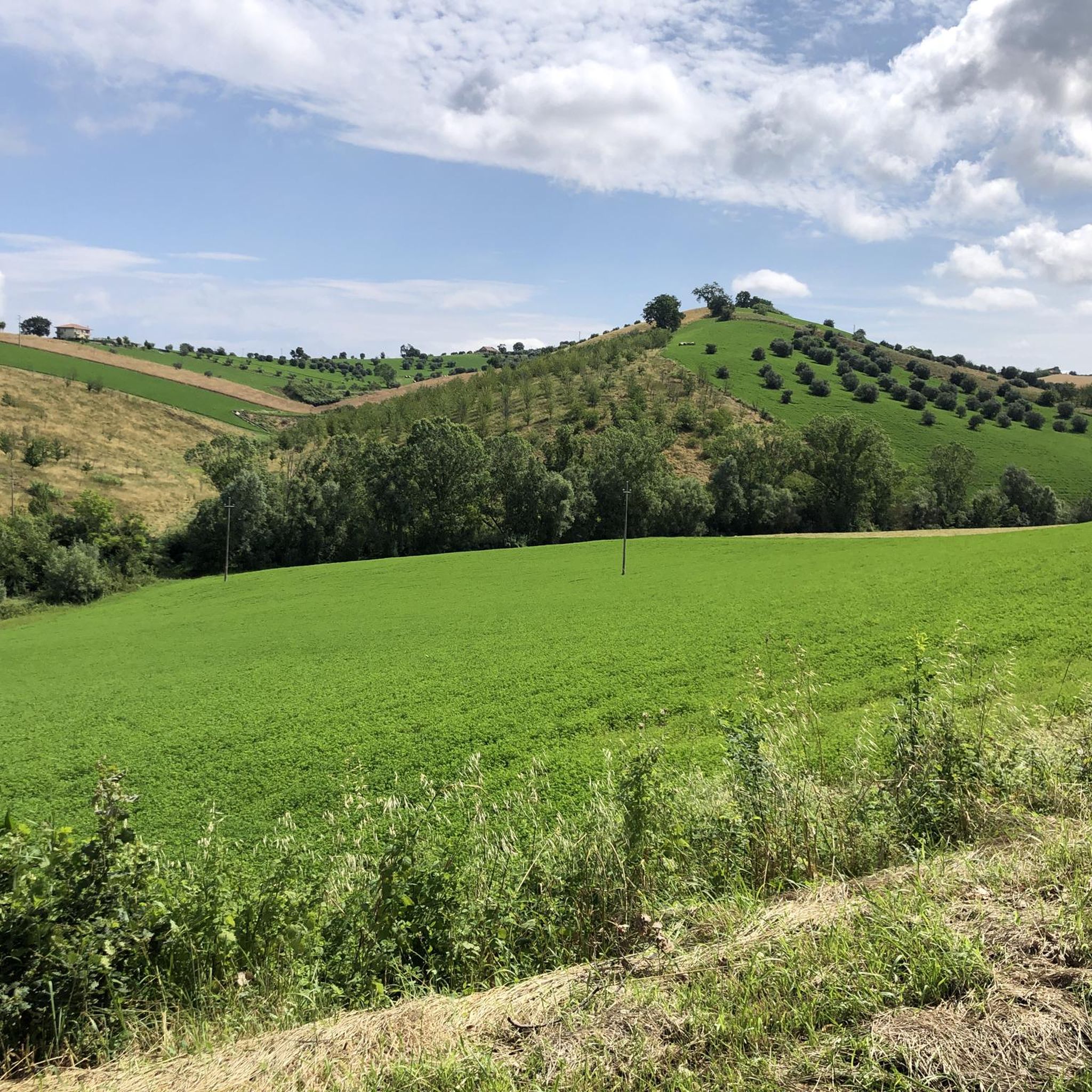
Tips from the Community

Sandy beach great nature definitely take sunscreen with you
0
0

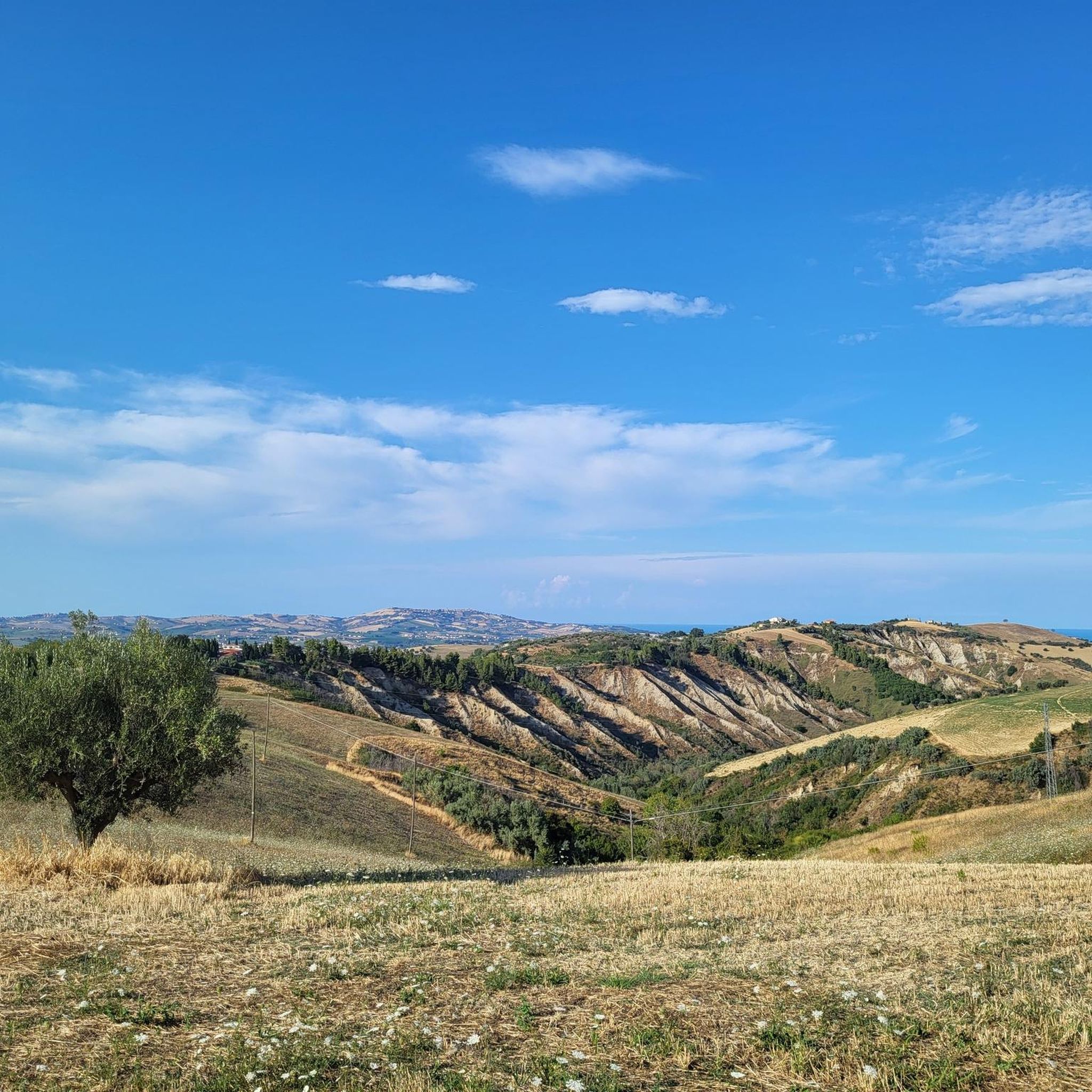
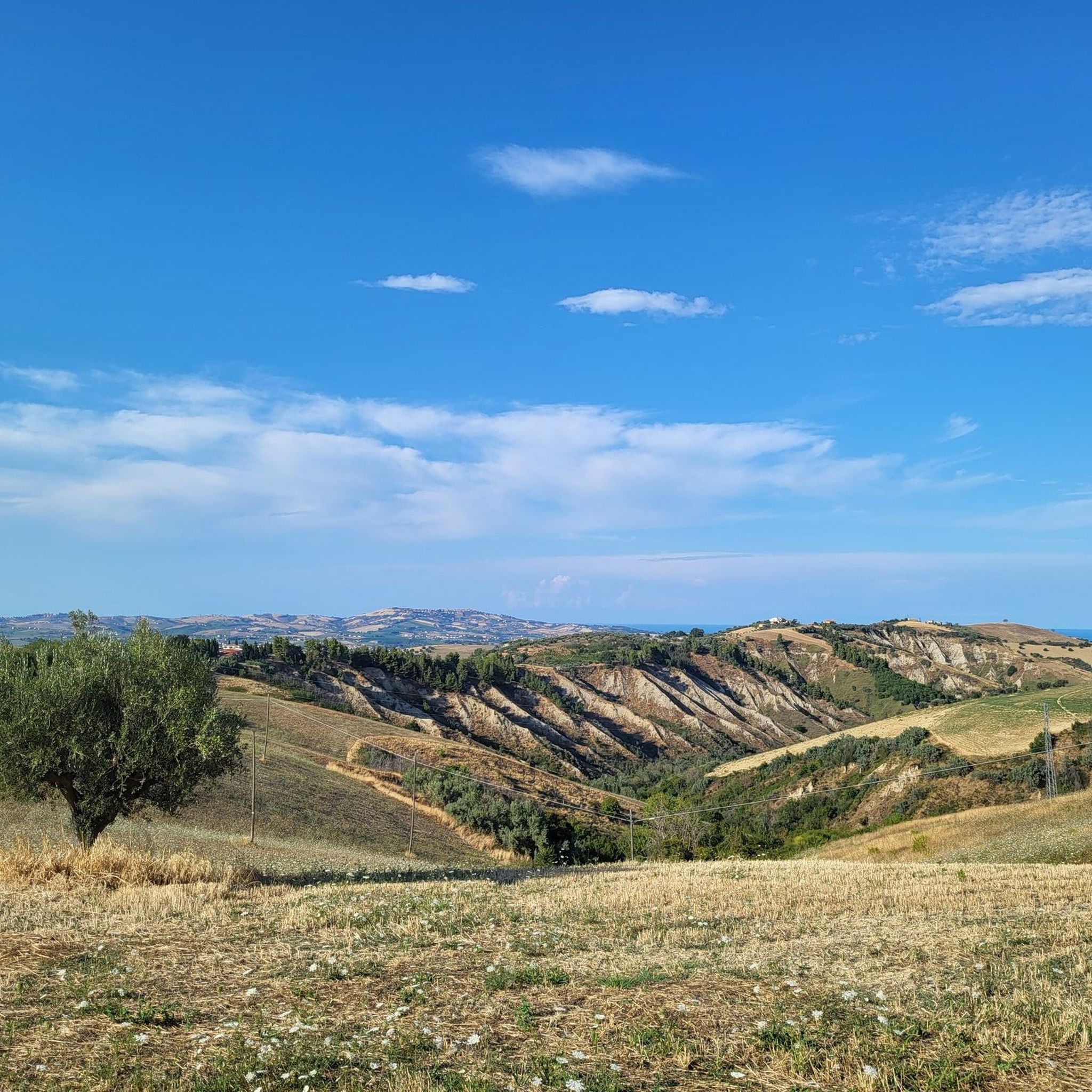
A beautiful circular hike in the Calanchi di Atri Regional Nature Park. The reserve is always open and free of charge. You can admire various rock formations created by the action of water on the clay soil.
0
0

This path leads from the natural beach, very beautiful and quiet
0
0
Natural beach with great sea
0
0

A unique location; the reserve is crossed by a very dusty cycle path (perfect for gravel), surrounded by vegetation, and with little to no view of the sea except at this point, where the semi-ruined house contributes to the picturesque panorama. Beware of illegal e-bikes, which use this road as an alternative to the roads open to traffic at breakneck speeds.
1
0

Fonte D’Accolle is located on the hill at the foot of Montepagano. It can be reached by car from Roseto Sud via Via Accolle or from Montepagano, or on foot from Montepagano itself and Colle Patito. Spring water flows from Fonte d’Accolle. The date of construction of the work is not certain, there are documents dating back to around 1820 that refer to renovation and maintenance work. There is a concrete probability that the source was already used around the 11th century during the phase of the castle that led to the birth of Montepagano. Villages were built where there were water sources. Fonte d’Accolle is a perfect example of a smart city as it is composed of three main parts, each intended for a specific use: the first fountain from the left for drinking water, then a drinking trough for livestock placed in a niche and the washhouse composed of a covered stone basin where women did their laundry. The one that goes from Roseto to Montepagano passing through the Fonte d’Accolle is just one of the ancient routes of the Roseto territory. Many initiatives take place in this place, which is so suitable for hosting artistic, historical and environmental events, thanks to the large square in front of the fountain. Like every fascinating place, its history is accompanied by a nice legend. It is said that women who were unable to have children, after going to the source, miraculously, thanks to the intercession of a Saint, became pregnant. For this reason it is also called Fontana del Santo. Andreina Moretti, a well-known writer from Roseto, wrote the short story “La Fontana del Santo” whose story takes place at the Accolle fountain. A dialect musical was also based on the short story. (c) https://www.guidedellariservaborsacchio.it/fonte-dellaccolle/?doing_wp_cron=1743862249.0334219932556152343750
0
0

Atri and its gullies
0
1

The Borsacchio Reserve is located in the municipality of Roseto degli Abruzzi and was established in 2005. It includes a stretch of beach between the hamlet of Cologna and Roseto Nord and the hills above. The area is approximately 1100 hectares. There are numerous species of plants and animals present. The Reserve is managed by the Borsacchio Reserve Guides association. An environmental heritage to be protected.
0
0
Frequently Asked Questions
What are the main natural features to explore in the Atri area?
The Atri area is dominated by the spectacular Calanchi di Atri (Atri Badlands), a Regional Natural Reserve. These unique clay formations, often described as a 'lunar landscape,' are the result of millennia of erosion. Beyond the badlands, the reserve features a diverse landscape including ditches, streams, small lakes, wooded areas, and cultivated fields. You can experience these dramatic formations up close, for example, along the Atri Badlands or the Atri Calanchi Cycle Route.
Are there hiking trails suitable for exploring the natural monuments around Atri?
Yes, the Calanchi di Atri reserve offers over 28 km of hiking paths and trails, suitable for various levels of difficulty. These trails allow you to explore the diverse landscapes, from the iconic badlands to wooded sections and stream valleys. For a specific hiking route, consider the 'Calanchi di Atri Loop' which is a moderate 6.2 km hike. You can find more hiking options in the area on the Hiking around Atri guide.
What is the best time of year to visit the natural monuments in Atri?
The naturalistic paths in the Calanchi di Atri are always open, with no entrance tickets or fixed visiting hours. However, it is advisable to visit during milder months to avoid extreme heat, or in the early morning/late afternoon during hotter periods due to sun exposure. Spring and autumn generally offer the most pleasant weather for exploration.
Are there any family-friendly natural monuments or activities in the Atri region?
Yes, the region offers options suitable for families. The Borsacchio Guided Nature Reserve, located between the sea and the hills, is noted as family-friendly and offers excursions by bike or on foot, with guided tours also organized. Additionally, the Fonte dell'Accolle, a historical spring, is also listed as family-friendly and offers a glimpse into local history and tradition.
What kind of wildlife and plant life can be observed in the Calanchi di Atri?
Despite their seemingly arid appearance, the Calanchi di Atri are a 'miracle of biodiversity.' The reserve is home to a variety of flora, including wild gladiolus, capers, licorice, willows, and elder. Fauna includes birds of prey like buzzards and kestrels, as well as foxes, badgers, porcupines (the park's mascot), and the rare European green toad. The presence of sea snails, shells, and ocean fossils also testifies to the area's ancient marine history.
Can I cycle through the natural monuments around Atri?
Yes, cycling is a popular way to explore the area. The Atri Calanchi Cycle Route offers stunning views of the majestic natural architectures. The reserve features paths suitable for cycling, and you can find various cycling routes, including the 'Calanchi di Atri Loop' (44.2 km, difficult) in the Cycling around Atri guide.
Are there any historical or cultural sites near the natural monuments?
Yes, the natural monuments are intertwined with local history. The nearby Colle della Giustizia, within the Calanchi di Atri reserve, hosts a necropolis dating back to the 5th century B.C. The town of Atri itself has a rich history, having been an important seaport in ancient times. Additionally, the Fonte dell'Accolle is a historical spring with origins potentially dating back to the 11th century, and Casa Mataloni (Borsacchio Nature Reserve) is a semi-ruined historical house offering a picturesque view.
What are the parking and public transport options for visiting the Calanchi di Atri?
While specific parking areas are not detailed, the naturalistic path is always open, suggesting accessibility. For public transport, information is limited within the guide data. It is generally advisable to check local transport schedules to Atri and then consider local options or a short drive to reach the reserve's access points.
What makes the Calanchi di Atri unique compared to other natural areas?
The Calanchi di Atri stand out due to their dramatic and extensive clay formations, which create a 'lunar landscape' unlike many other natural areas. These 'natural architectures' are a spectacular example of geological erosion. The area's designation as a WWF Oasis also highlights its significant biodiversity, making it a unique blend of geological marvel and ecological richness.
Are there any guided tours available for the natural monuments?
Yes, specifically for the Borsacchio Guided Nature Reserve, guided tours are organized. This can be a great way to learn more about the local flora, fauna, and the unique ecosystem of the reserve.
What kind of views can I expect when visiting the natural monuments around Atri?
Visitors can expect breathtaking panoramic views, especially from viewpoints overlooking the Calanchi. The Atri Calanchi Cycle Route offers majestic natural architectures, also known as 'Dante's bolge.' The town of Atri itself, romantically situated on a ridge, provides an overwhelming view of the landscape, including the imposing erosion phenomena of the Atri Badlands.
Are there any specific challenges or tips for exploring the Calanchi di Atri trails?
Some trails, like the circular tour through the Atri Badlands, involve ascents and descents. After rainy days, it's common to encounter mud and puddles in the lower parts of the trails, so appropriate footwear is recommended. Visitors might also encounter shepherd dogs guarding flocks in the area, particularly in the badlands. It's always wise to carry water, especially during warmer months, as sun exposure can be significant.
Most popular attractions around Atri

Get inspired with the komoot mobile app


Explore more
Extend your search for the best caves by checking out these guides of the top ones around Atri:
