Top 5 Natural Monuments around Vallo Di Nera
Best natural monuments around Vallo Di Nera are found within the Valnerina, a region characterized by its rugged mountains and the winding Nera River. This area in Umbria, Italy, offers diverse landscapes, from dense forests to cultivated areas, with hilltop villages and ancient structures integrated into the terrain. The natural environment provides opportunities for outdoor activities and scenic views, making it a destination for nature exploration.
Best natural monuments around Vallo Di Nera
- The most popular natural monuments is Clitunno…
Last updated: July 11, 2026
Clitunno Springs
Highlight • Lake
Dream apartments, treat yourself to the relaxation you deserve.
A gastronomic experience in the Parco della Poesia and a garden with …
Translated by Google •
Tip by

Scoglio di Santa Rita
Highlight • Religious Site
Translated by Google •
Tip by

Sign up now to discover places like this
Get recommendations on the best single tracks, peaks, & plenty of other exciting outdoor places.
Sign up for free
Monte Serano
Highlight • Summit
Translated by Google •
Tip by

Lu Cugnuntu Waterfall
Highlight • Waterfall
Translated by Google •
Tip by

Colle Martorello (1374 m)
Highlight • Summit
Translated by Google •
Tip by

Sign up for free to discover even more natural monuments around Vallo Di Nera.
Sign up for free
Already have an account?
Start today with a free account
Your next adventure awaits.
Login or Signup
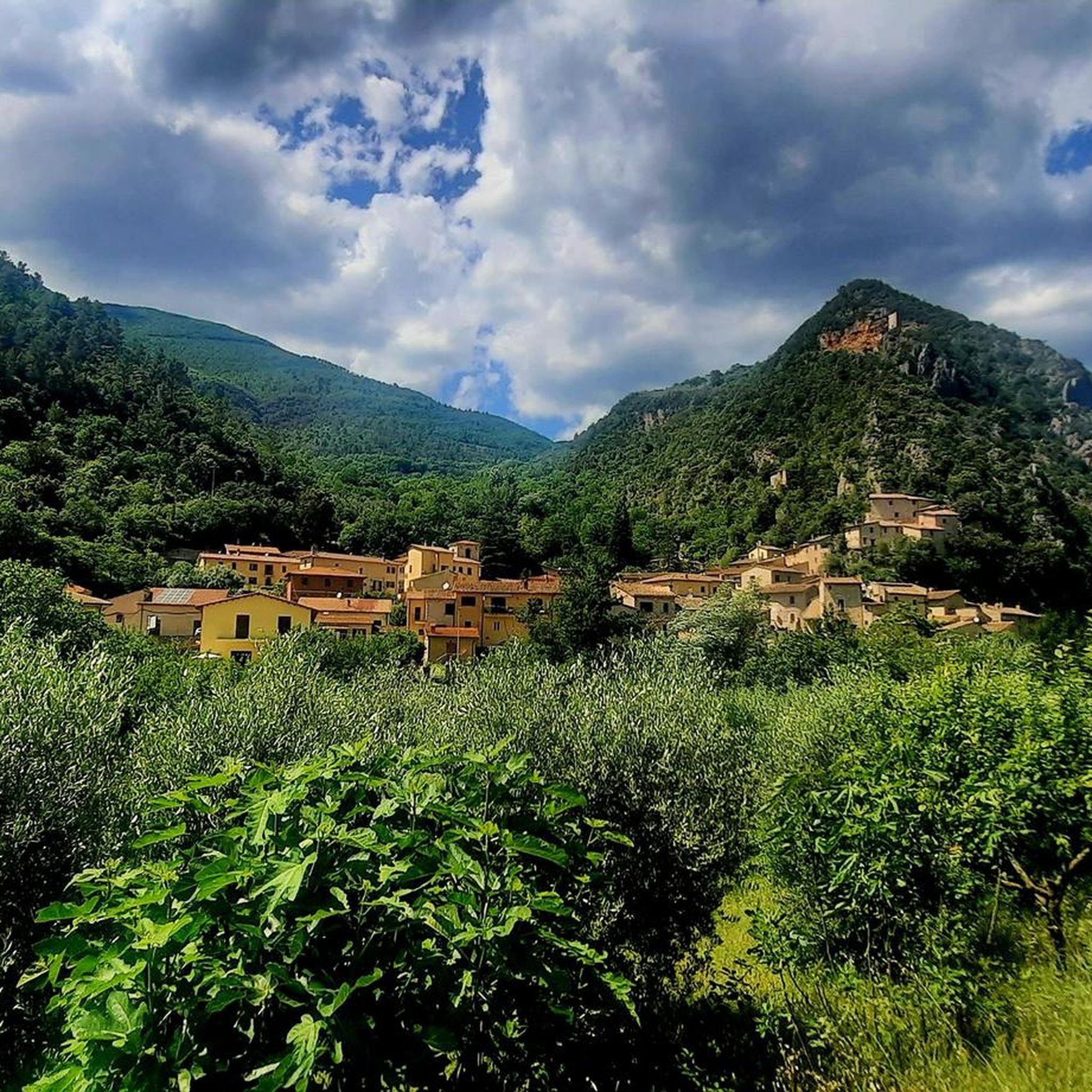
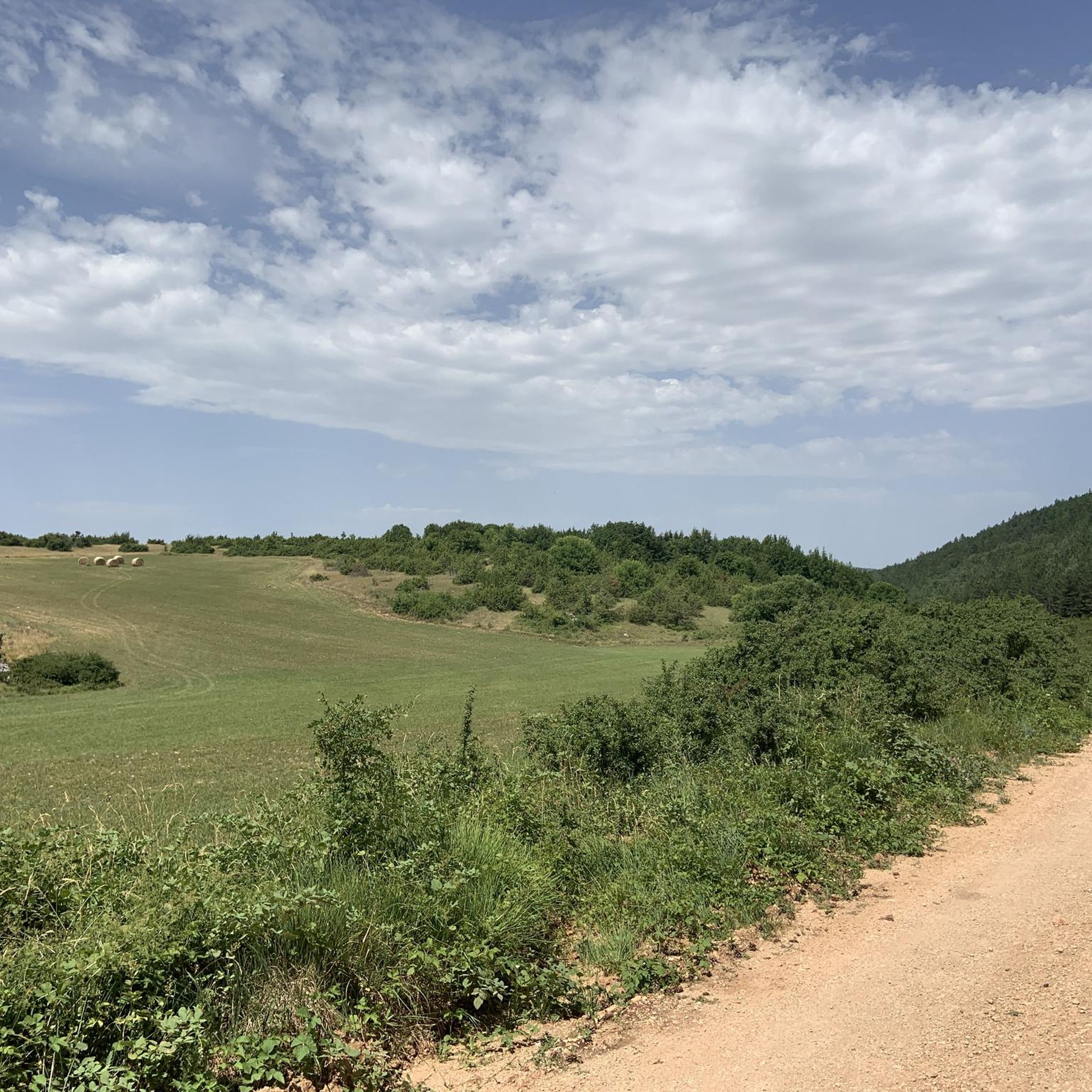
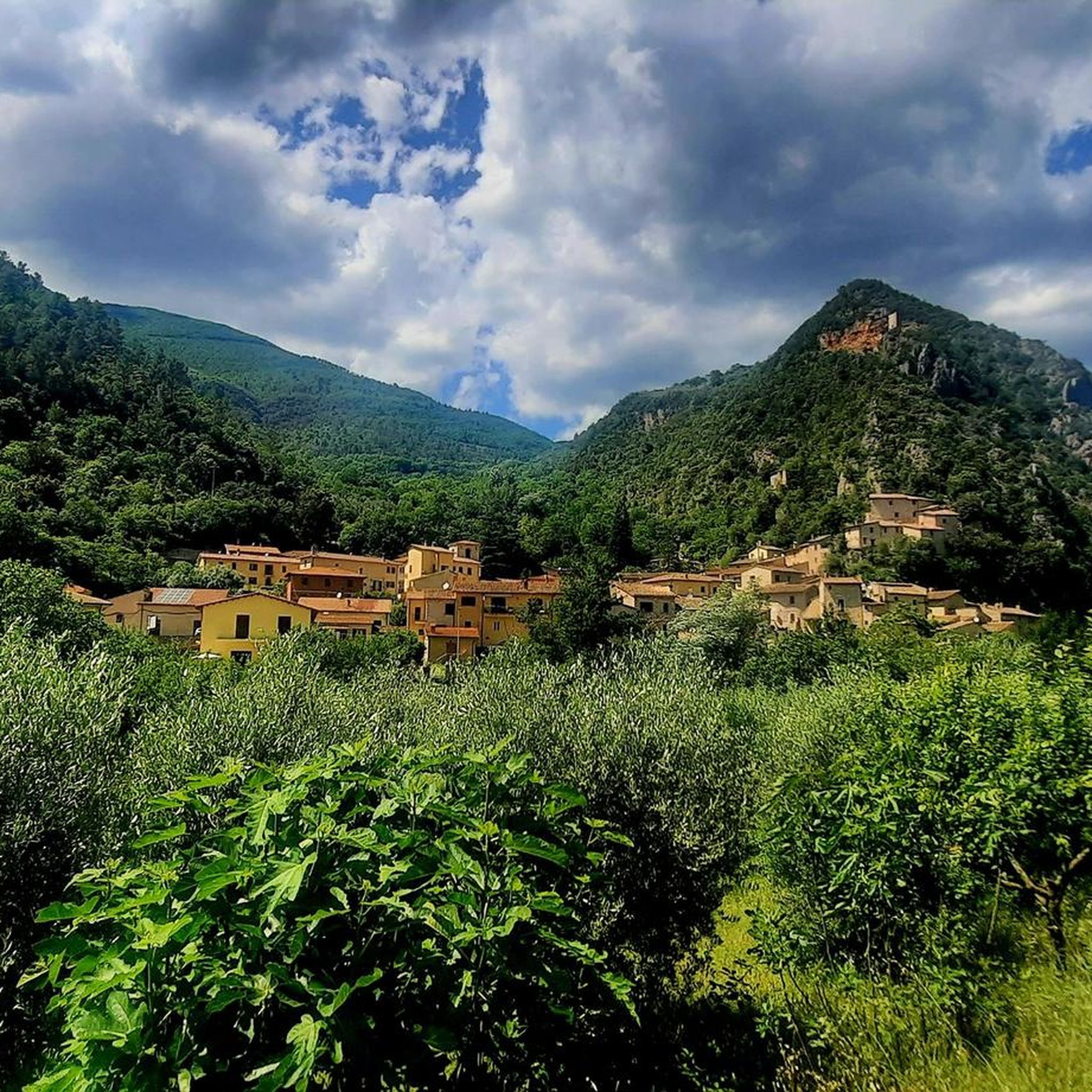
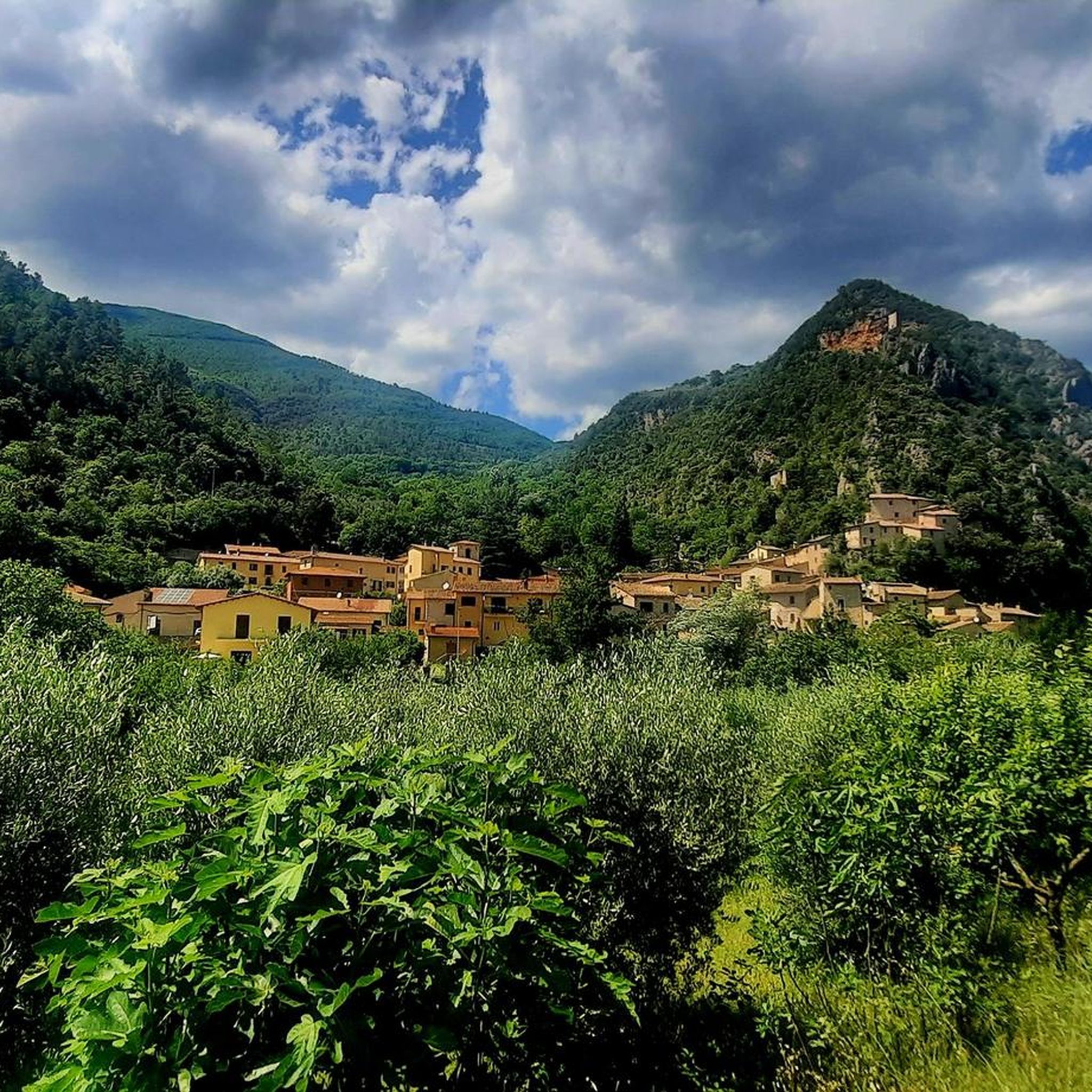

Tips from the Community

The 40 m ascent and descent are somewhat underestimated. The altitude difference is 120 m, but with slow walking and not too hot weather, they are achievable even with less fitness.
0
0

The Park - Fonti del Clitunno, Ristorante Pizzeria, Campello Sul Clitunno A body of water with a circumference of just over 400 meters and an area of almost 10,000 square meters, this small lake is home to numerous plant species that contribute to the fame of the Fonti del Clitunno. Moss, seagrass, water horsetail, sedge, curled brosca, giant shrimp, marsh forget-me-not, and water nasturtium, also known as watercress, are just some of the plants found in the pond. Around the banks are the trees that characterize the surroundings, most notably the cypress poplar, covered in dense foliage in summer. Then there's the weeping willow, whose spread dates back to the fashion that spread this plant in Paris in the 1840s, which is said to have shaded Napoleon's tomb on Saint Helena. Text / Source: Fonti del Clitunno - Ristorante Pizzeria, Campello Sul Clitunno https://www.fontidelclitunno.it/
14
0
Fonti del Clitunno - Ristorante Pizzeria, Campello Sul Clitunno Dream apartments, treat yourself to the relaxation you deserve. A gastronomic experience in the Parco della Poesia and a garden with tables for pampering yourself. From here, O Clitumnus, the white herds and the bull, the greatest holocaust, have repeatedly dipped into your sacred waters, bringing Roman triumphs to the temples of the gods. History Have you ever seen the Fonti del Clitunno? If not, and I don't think so, otherwise you would have told me about it, go and see. "I saw it recently and regret having done it too late." Thus wrote Pliny the Younger to a friend, and his advice still holds true today. The Fonti del Clitunno as we see them today are different from those of the first century, during Pliny's time. A violent earthquake in 444 AD changed the face of the area and was likely the cause of the narrowing of the Clitunno River, which had previously been navigable. The layout of the Clitunno springs as we see them today is thanks to the patient work of Paolo Campello della Spina, who, between 1860 and 1865, removed the earth to make room for the pond and encouraged the growth of vegetation that still characterizes the Clitunno springs today. A few years later, Giosue Carducci wrote the barbaric ode "Alle Fonti del Clitunno." Text/Source: Fonti del Clitunno - Ristorante Pizzeria, Campello Sul Clitunno https://www.fontidelclitunno.it/
14
0

brilliant light, great view, a bit thirsty.
0
0

Access to the park costs €3 (worth the stay)
1
0

Sources of the Clitunno were, in Roman times, considered sacred springs, places of worship dedicated to the God Jupiter Clitunno, personification of the river of the same name, in whose name several small temples were built. In the 5th century AD a serious earthquake destroyed part of the Springs, reducing the huge original water supply. However, the Park took on its current appearance only in the second half of the nineteenth century, through the work of Count Paolo Campello della Spina, who reorganized the spaces, introduced animals into the Park and created the magical pond.
1
0

The view from the summit is beautiful!!!
0
0

The Scoglio di Santa Rita is also known as the Scoglio di Roccaporena. 827 meters high, the "Rocca del Barone" once stood on its top, a late Roman watchtower which was later replaced with the small church which can be reached by walking along the stepped path. The church dates back to 1919: it was restored in 1941 and in 1979 it was completely rebuilt following the violent earthquake of that year.
2
0
Frequently Asked Questions
What natural features define the Vallo di Nera region?
The Vallo di Nera region is primarily defined by the Valnerina, or Nera River Valley. This area is characterized by rugged mountains, deep gorges, and the winding Nera River itself. You'll find diverse landscapes ranging from dense forests to cultivated areas, with hilltop villages and ancient structures integrated into the terrain. Majestic mountains like Monte Coscerno and Monte Maggiore form an imposing natural backdrop.
Are there family-friendly natural monuments around Vallo di Nera?
Yes, several natural monuments are suitable for families. The Clitunno Springs are particularly family-friendly, offering a serene lake environment with clear waters and diverse plant life, surrounded by cypress poplars and weeping willows. It's a pleasant spot for a leisurely visit.
What kind of outdoor activities can I do near these natural monuments?
The Vallo di Nera region offers a wide range of outdoor activities. The Valnerina is a paradise for hiking, trekking, and cycling. The Nera River is popular for water sports such as rafting and canyoning. You can find numerous trails for these activities, including hiking trails, MTB trails, and running routes.
What are some notable mountain peaks or viewpoints in the area?
The region boasts several impressive peaks and viewpoints. Monte Serano offers beautiful panoramic views and features a lovely beech forest. Another significant peak is Colle Martorello (1374 m), known for its enchanting ridge landscape where sheep and cows graze freely. For expansive views, the Scoglio di Santa Rita, an 827-meter-high rock formation, provides stunning vistas and has historical significance with a small church accessible via a stepped path.
Are there any waterfalls or unique geological features to explore?
Yes, the region features unique water formations. The Lu Cugnuntu Waterfall is a notable natural monument, though reaching it can be challenging and may require waterproof boots, trekking poles, and a helmet. Additionally, the Fosso di Roccagelli (Roccagelli Stream) within the Valnerina is known for its small waterfalls and a series of 'salts' (drops), making it an exciting location for river activities like canyoning.
What is the best time of year to visit the natural monuments around Vallo di Nera?
The Valnerina region, including Vallo di Nera, is beautiful throughout much of the year. Spring and autumn generally offer the most pleasant weather for outdoor activities like hiking and cycling, with comfortable temperatures and vibrant natural colors. Summer is also popular, especially for water sports on the Nera River, though it can be warmer.
Can I cycle through the natural landscapes of Vallo di Nera?
Absolutely. A unique way to experience the Valnerina's natural beauty is by cycling along the former Spoleto-Norcia Railway Line. This disused railway has been repurposed into a stunning cycle and pedestrian path, stretching about 44.5 km. It features numerous tunnels and viaducts, traversing varied natural landscapes and offering an adventurous journey through dense forests. You can find more cycling options in the MTB Trails around Vallo di Nera guide.
What do visitors enjoy most about the natural monuments in Vallo di Nera?
Visitors frequently appreciate the panoramic views and the serene natural environment. For instance, the view from Monte Serano is often highlighted as beautiful. The overall tranquility and the opportunity to immerse oneself in Umbria's verdant landscapes, engage in outdoor activities, and explore historical sites integrated into nature are highly valued by the komoot community, as evidenced by over 90 photos and 65 upvotes shared by visitors.
Are there opportunities for water sports on the Nera River?
Yes, the Nera River is a central natural feature of the Valnerina and is ideal for various water sports. Its course varies from calm stretches to more forceful currents, making it suitable for activities such as rafting, canyoning, and even boat trips. The Fosso di Roccagelli, a stream feeding into the Nera, is particularly noted for its suitability for river water sports.
What kind of wildlife can I expect to see in the natural monuments area?
The diverse ecosystems of the Valnerina, including its forests and mountains like Monte Coscerno, support a variety of flora and fauna. While specific wildlife sightings can vary, the area is home to typical Apennine wildlife. Hikers and nature lovers might encounter various bird species, small mammals, and insects. The presence of sheep and cows grazing freely, especially around Colle Martorello, also adds to the pastoral charm.
Are there any historical or cultural sites integrated with the natural monuments?
Yes, the Valnerina region is known for its unique balance between human presence and nature. You'll find hilltop villages, ancient bridges, and monasteries integrated into the rocky terrain. The Scoglio di Santa Rita, for example, is an 827-meter-high rock formation with a small, historically significant church accessible via a stepped path. The former Spoleto-Norcia Railway Line, now a cycle path, also features viaducts and tunnels of architectural value amidst natural landscapes.
What should I wear when visiting the natural monuments in Vallo di Nera?
Given the varied terrain and outdoor activities available, it's advisable to wear comfortable, layered clothing suitable for hiking or cycling. Sturdy walking shoes or hiking boots are recommended, especially if you plan to explore trails or mountainous areas. For challenging routes like the Lu Cugnuntu Waterfall, waterproof boots and potentially a helmet are suggested.
Most popular routes around Vallo Di Nera
Most popular attractions around Vallo Di Nera

Get inspired with the komoot mobile app


Explore more
Extend your search for the best caves by checking out these guides of the top ones around Vallo Di Nera:
