Top 14 Natural Monuments around Castellina Marittima
Best natural monuments around Castellina Marittima include diverse natural landscapes and unique geological features. This Tuscan region is characterized by extensive wooded areas, scenic trails, and a rich connection to alabaster quarries. The natural environment offers opportunities to explore local flora and fauna, alongside significant natural reserves. The area provides a blend of natural beauty and historical significance for outdoor enthusiasts.
Best natural monuments around Castellina Marittima
- The most popular natural monuments is The Yellow Caves, a cave that features Etruscan tombs dating back to the 4th and 5th centuries. These calcarenite rocks, an ancient seabed, have a unique 'rabbit ear' conformation and V-shaped chambers.
- Another must-see spot is Lake Santa Luce, a lake and important wetland for numerous aquatic birds. This nature reserve, managed by Lipu, is perfect for birdwatching and offers an oasis of peace surrounded by unspoiled nature.
- Visitors also love Tomboli di Cecina Nature Reserve, a forest and nature reserve extending for 15 kilometers. It features long dune cords covered in dense vegetation, acting as a natural defense against sea winds, and is home to diverse flora and fauna.
- Castellina Marittima is known for its forests, lakes, and caves. The region offers a variety of natural monuments to see and explore, from coastal reserves to inland geological formations.
- The natural monuments around Castellina Marittima are appreciated by the komoot community, with more than 160 upvotes and over 50 photos shared.
Last updated: July 11, 2026
Tomboli di Cecina Nature Reserve
Highlight • Forest
Translated by Google •
Tip by

Lake Santa Luce
Highlight • Lake
Translated by Google •
Tip by

Sign up now to discover places like this
Get recommendations on the best single tracks, peaks, & plenty of other exciting outdoor places.
Sign up for free
Fonte dell'Aldente, Guardistallo
Highlight • Natural Monument
Translated by Google •
Tip by

The Yellow Caves
Highlight • Cave
Translated by Google •
Tip by

Calanchi delle Malemacchie
Highlight • Natural Monument
Translated by Google •
Tip by

Sign up for free to discover even more natural monuments around Castellina Marittima.
Sign up for free
Already have an account?
Start today with a free account
Your next adventure awaits.
Login or Signup

Tips from the Community

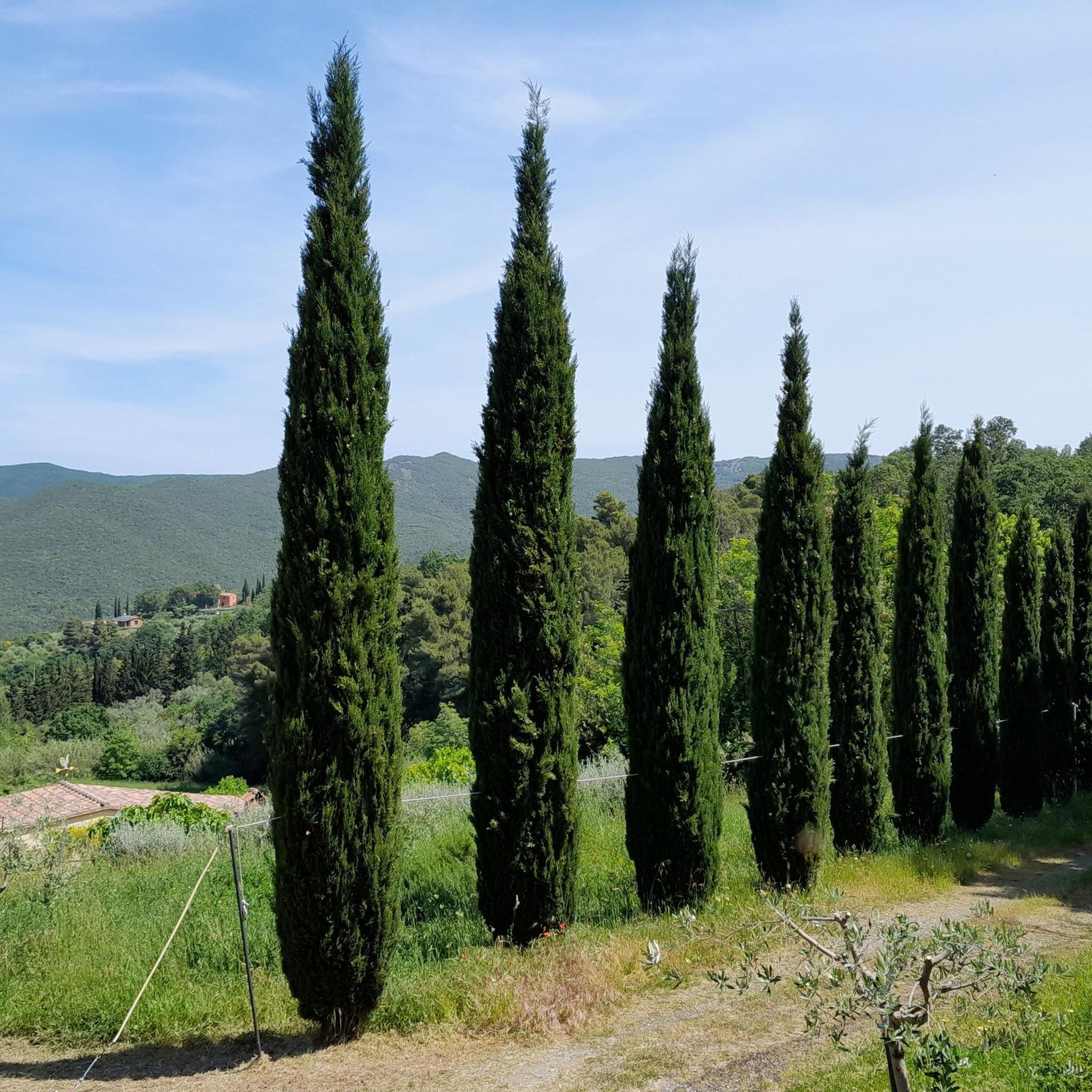
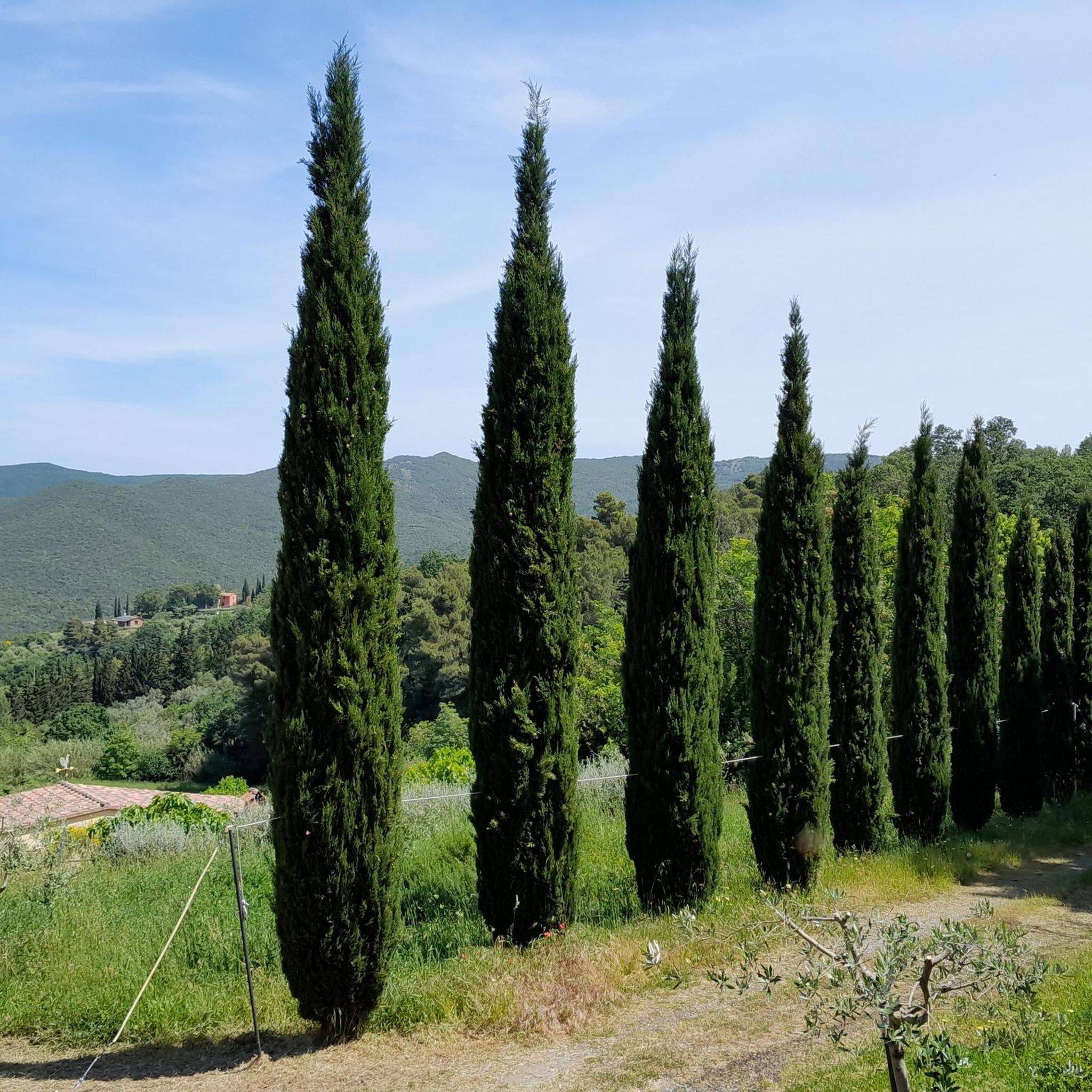
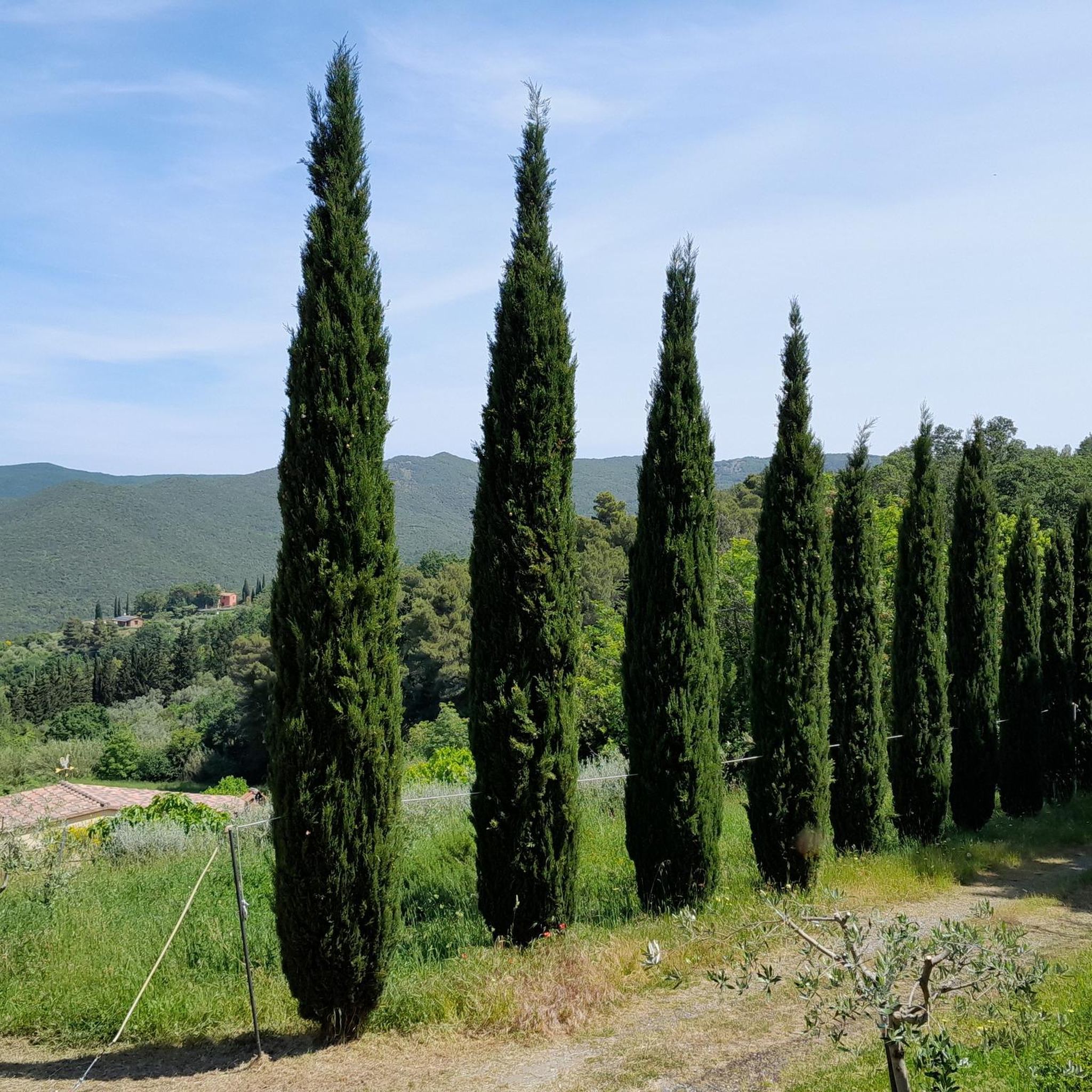
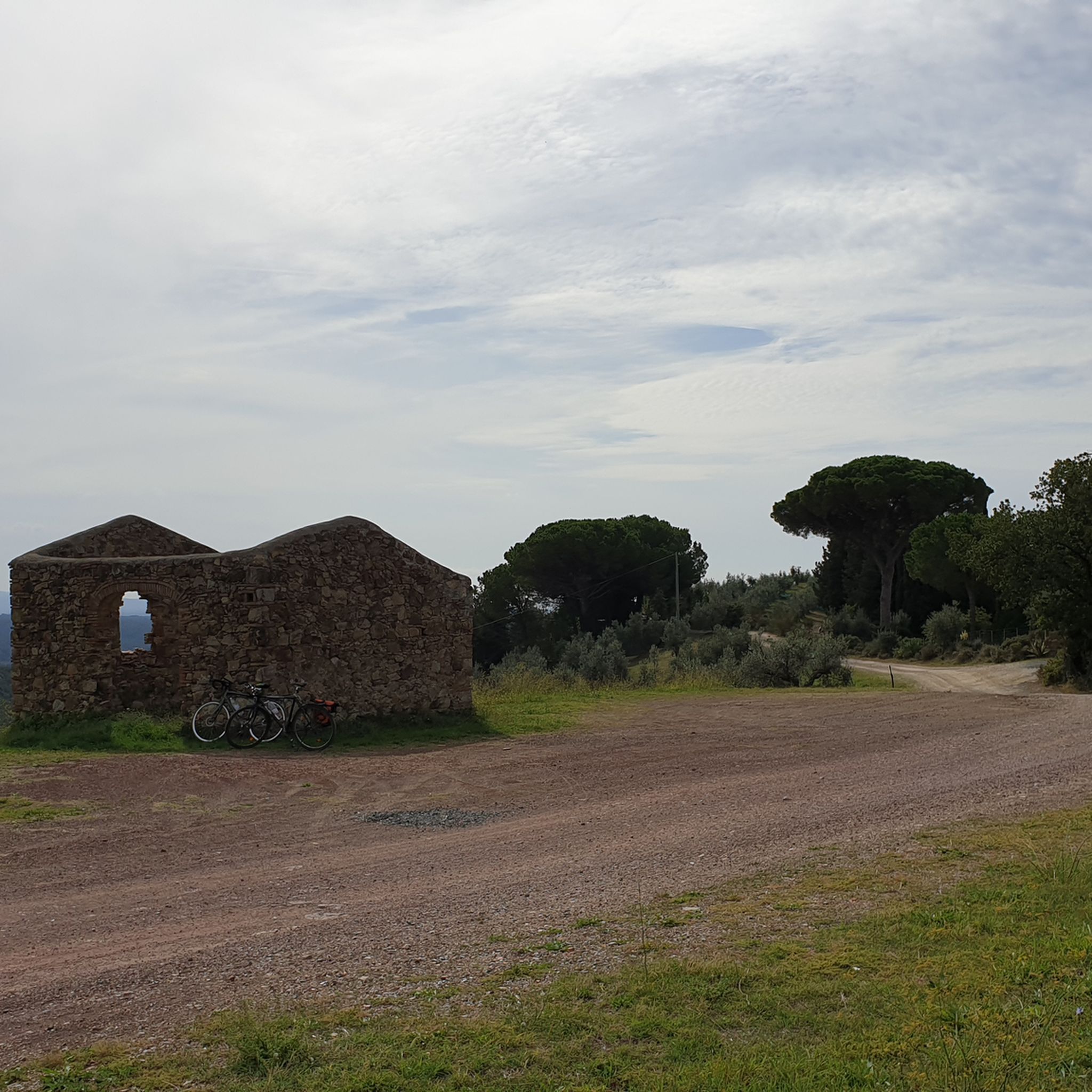
passing through my stretch for Rome, I fell in love with it; a wonderful place and in the summer period decidedly cool and pleasant to cycle
0
0

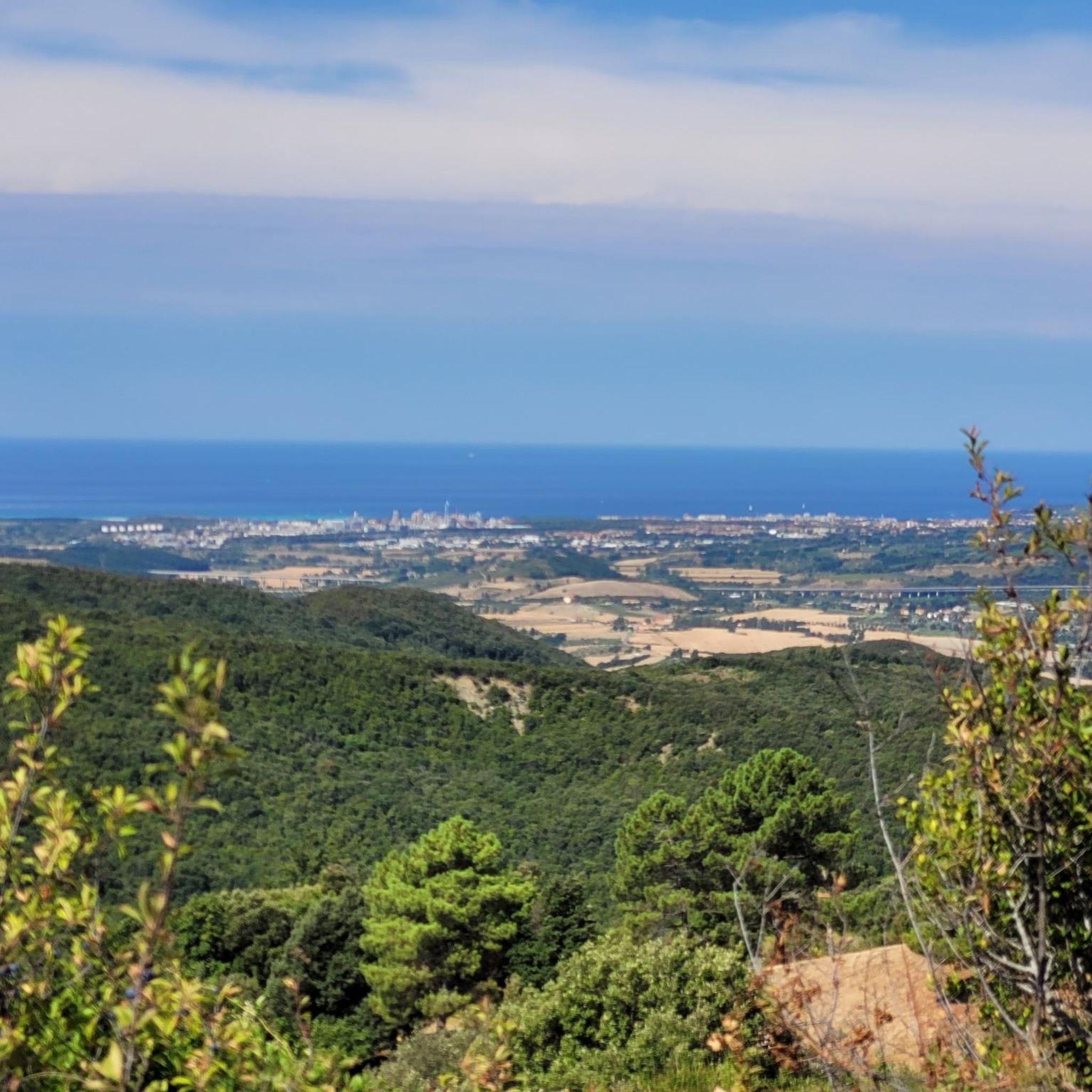
Beautiful pine forest with a maze of paths and truly splendid sea views.
0
0

I do not recommend visiting this place! We came from above. The path is already difficult to find there and partially blocked by branches. Miraculously, we found the exit at the gate on the SP57. 🥴
1
0

The descent after the town of St. Luce is awesome! Good asphalt, nice curves and always full throttle.
0
0

Unfortunately, the path from the Strada Provinciale 57 has been closed after a few meters by the owner, as the area is privately owned 🤬
1
0
Beautiful views and white roads in the Tuscan countryside overlooking Lake Santa Luce, a natural oasis.
1
0

An oasis of peace surrounded by unspoiled nature. Perfect for walking, cycling and bird watching.
2
0
The first settlement of Guardistallo dates back to the Neolithic, according to the findings preserved at the Archaeological Museum of Florence. While on the one hand an Etruscan settlement is probable, on the other a Lombard presence is certain. The toponym derives in fact from the Germanic Wardan (guard) and Stall (place). After being subjected to the Della Gherardesca and the Pisan Republic, it ended up under Florence. In 1447 the troops of the king of Naples, Alfonso of Aragon, destroyed its houses and buildings, but that was not the only devastation that struck the town. The violent earthquake of 1846 destroyed most of the houses and the castle. The subsequent reconstruction saw the birth of the small and charming Marchionneschi Theater, wanted by the most influential local family to demonstrate the wealth of the town, renamed in the area "little Paris". Another tragedy struck Guardistallo in 1944: the Nazi army killed 63 civilians, in response to partisan actions. An oasis of peace and flavors In the surrounding area, the Monastery of Nostra Signora in Valserena is worth a visit, belonging to the nuns of the Cistercian order who for years have produced and sold cosmetics based on olive oil grown in the convent's fields. Due to its location and pleasant climate, Guardistallo is a sought-after vacation spot, from which it is easy to reach the coast and cities of art such as Pisa or Volterra. The surrounding countryside is full of olive groves that produce a prized extra virgin olive oil extracted from lazzare olives, celebrated every spring with the crogiantina festival (another name for bruschetta with oil). And speaking of festivals, a traditional event is in October with polenta, given that Guardistallo is part of the National Association of Polenta Makers of Italy.
0
0
Frequently Asked Questions
What kind of natural features can I explore around Castellina Marittima?
The region around Castellina Marittima is characterized by diverse natural landscapes. You can explore extensive wooded areas with marked trails, scenic viewpoints like Sassi Bianchi and Poggio Pianacce, and significant natural reserves. Notable features include the unique geological formations of The Yellow Caves, the tranquil Lake Santa Luce, and the coastal Tomboli di Cecina Nature Reserve.
Are there good hiking opportunities near Castellina Marittima's natural monuments?
Yes, the area is rich in hiking trails. The region surrounding Castellina Marittima boasts about 30 km of marked trails maintained by the CAI (Italian Alpine Club), offering opportunities to discover local flora and fauna. Specific scenic areas for hiking include Sassi Bianchi and Poggio Pianacce. For more detailed routes, you can find various options in the Hiking around Castellina Marittima guide, including easy trails like the 'View of Pietragosta' loop.
What unique historical or cultural connections do these natural sites have?
Castellina Marittima has a deep historical connection to alabaster. The "Bianco di Castellina" alabaster was mined here, with some historians suggesting Etruscan origins. While not a natural monument itself, the Ecomuseum of Alabaster in Castellina Marittima preserves this history, and one of the last existing "Scaglione" galleries along the Marmolaio torrent is accessible to tourists. Additionally, The Yellow Caves are Etruscan tombs dating back to the 4th and 5th centuries, carved into ancient seabed calcarenite rocks.
Can I go birdwatching or observe wildlife in the area?
Absolutely. Lake Santa Luce, managed by Lipu, is an important wetland and resting place for numerous aquatic birds, making it perfect for birdwatching. The Tomboli di Cecina Nature Reserve is also a haven for various animals, including wild rabbits, foxes, weasels, porcupines, roe deer, badgers, and numerous bird species like turtle doves and hoopoes.
Are there any family-friendly natural attractions around Castellina Marittima?
Yes, several natural attractions are suitable for families. Tomboli di Cecina Nature Reserve offers easy paths through its pine forest, ideal for walks and biking. Lake Santa Luce is also considered family-friendly, providing a peaceful environment for walks and birdwatching. The wooded areas around Castellina Marittima with marked trails are generally accessible for family outings.
What is the Tomboli di Cecina Nature Reserve and what can I see there?
The Tomboli di Cecina Nature Reserve is a significant natural attraction near Castellina Marittima, extending for 15 kilometers. It features "tomboli," which are long dune cords covered in dense vegetation that protect inland areas from sea winds. You can observe diverse flora, including beach lilies, sea poppies, junipers, holm oaks, and pine trees. It's also home to various wildlife like wild rabbits, foxes, and numerous bird species, making it excellent for hiking and biking.
What kind of cycling routes are available near these natural monuments?
The region offers various cycling opportunities. For road cycling, you can explore routes like the 'Via Aurelia Coastal Road – Calafuria Tower loop' or the 'Santa Luce — Village and Lake – Climb to Chianni loop'. If you prefer gravel biking, options include the 'Tree Tunnel – Viale dei Cipressi loop' or routes around Lake Santa Luce. You can find more details in the Road Cycling Routes around Castellina Marittima and Gravel biking around Castellina Marittima guides.
What is special about Lake Santa Luce?
Lake Santa Luce is an important regional nature reserve and wetland, managed by Lipu. It serves as a crucial resting place for over 180 species of migratory aquatic birds, making it an unmissable attraction for birdwatchers. Originally an artificial lake created in the 1960s, it has become an oasis of peace surrounded by unspoiled nature, perfect for walking, cycling, and enjoying beautiful views of the Tuscan countryside.
Are there any hidden gems or less-known natural spots worth visiting?
While not a hidden gem in the traditional sense, the accessible "Scaglione" gallery along the Marmolaio torrent, related to the alabaster mining history, offers a unique natural setting shaped by human endeavor. For tranquil walks amidst nature, the areas of Sassi Bianchi and Poggio Pianacce provide beautiful views, including glimpses of the sea, and are less frequented than major reserves.
What kind of wildlife can I expect to see in the wooded areas around Castellina Marittima?
The extensive wooded areas around Castellina Marittima are home to various local flora and fauna. Hikers might encounter foxes, roe deer, and different species of birds of prey. The nearby Tomboli di Cecina Nature Reserve specifically mentions wild rabbits, weasels, porcupines, badgers, and numerous bird species like turtle doves and green woodpeckers.
What is the best time of year to visit the natural monuments around Castellina Marittima?
The region enjoys a pleasant climate, making it suitable for visits across many seasons. Spring and autumn are ideal for hiking and cycling, with milder temperatures and vibrant natural colors. Summer offers warm weather, perfect for enjoying the coastal aspects of the Tomboli di Cecina Nature Reserve, though the pine forest provides cooling shade. Even winter walks can be enjoyable, especially in the tranquil wooded areas.
Is there a natural monument with historical significance related to Etruscans?
Yes, The Yellow Caves are Etruscan tombs, dating back to the 4th and 5th centuries. These unique calcarenite rock formations, which were once an ancient seabed, feature a distinctive 'rabbit ear' conformation and V-shaped chambers, offering a fascinating glimpse into ancient history within a natural setting.
Most popular routes around Castellina Marittima
Most popular attractions around Castellina Marittima

Get inspired with the komoot mobile app


Explore more
Extend your search for the best caves by checking out these guides of the top ones around Castellina Marittima:
