Top 8 Natural Monuments around Gattatico
Best natural monuments around Gattatico are found in the Po River Valley, north of Reggio Emilia, characterized by significant natural areas, particularly its system of springs and wetlands. The region is known for its unique hydrological features, including extensive spring systems and riverine environments. These areas are crucial for preserving diverse ecosystems and offer opportunities to observe local flora and fauna. The landscape provides a blend of protected wetlands and traditional agricultural fields.
Best natural monuments around Gattatico
- The most…
Last updated: June 28, 2026
Fontanili di Corte Valle Re Nature Reserve
Highlight • Natural Monument
Translated by Google •
Tip by

Fontana del Trianon
Highlight • Monument
The green gradually overgrows the entire work of art. Pruning would be desirable.
Translated by Google •
Tip by

Sign up now to discover places like this
Get recommendations on the best single tracks, peaks, & plenty of other exciting outdoor places.
Sign up for free
Monumental Plane Tree
Highlight • Natural Monument
Translated by Google •
Tip by
Fountain of the Three Religions
Highlight • Monument
It represents the union of the three symbols of monotheistic religions: the cross (Christianity), the Star of David (Judaism), and the crescent moon (Islam)
Showing Translation
Tip by

Monumental Fountain of Barriera Repubblica
Highlight • Monument
Translated by Google •
Tip by

Sign up for free to discover even more natural monuments around Gattatico.
Sign up for free
Already have an account?
Start today with a free account
Your next adventure awaits.
Login or Signup

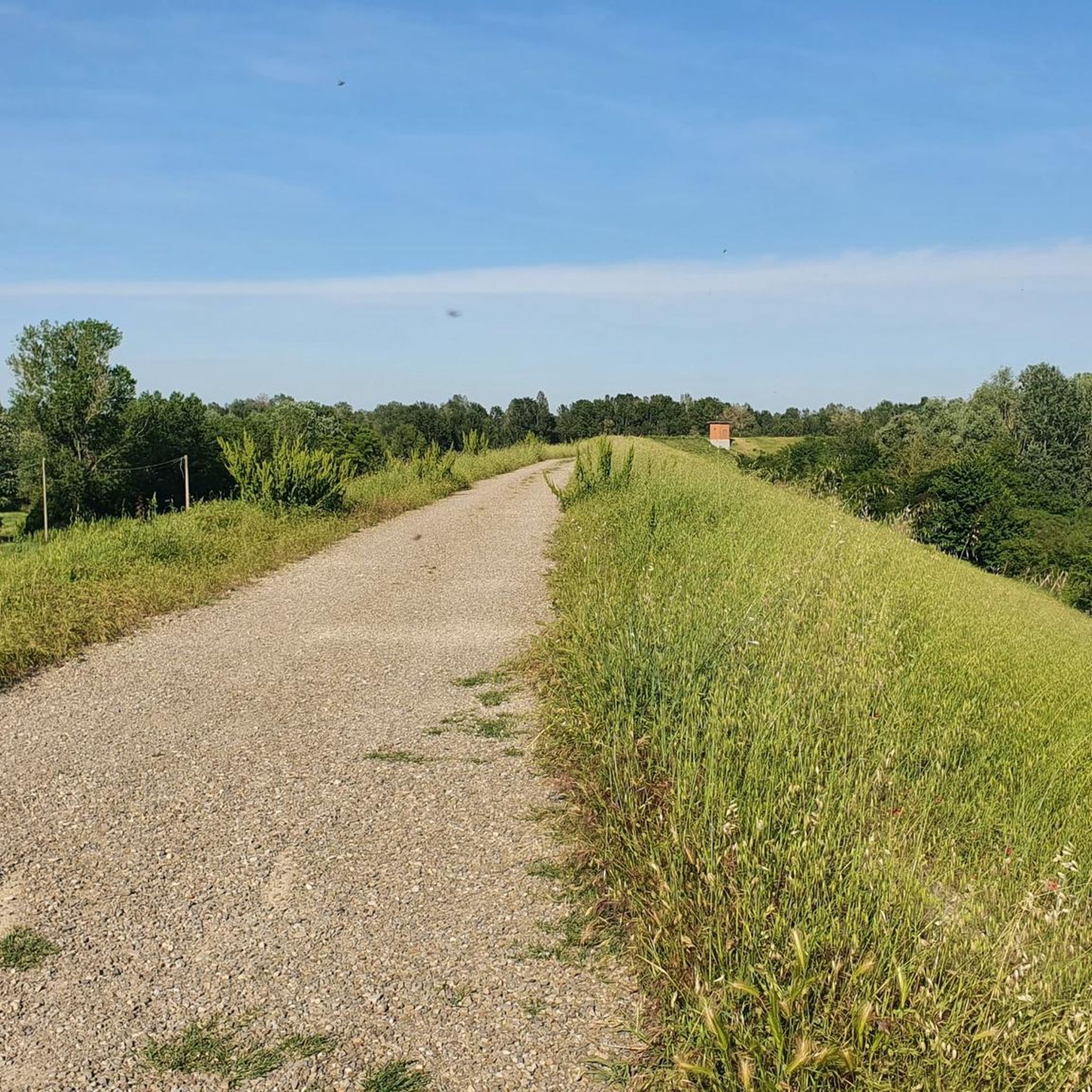
Tips from the Community

The Fountain of the Three Religions in Parma is the work of sculptor Pietro Cascella. It represents the union of the three symbols of monotheistic religions: the cross (Christianity), the Star of David (Judaism), and the crescent moon (Islam)
1
0

“The Fountain of the Three Religions – explained the First Citizen, Federico Pizzarotti – was recovered by the Municipality, after a long period in which it remained dismantled in the warehouses of the Municipality itself, to be placed, not by chance, in this place where it conveys a message of civilization and brotherhood, in a time in which religions are often used in an instrumental way. It is a symbol of community and inclusion”. The widow of the sculptor Pitro Cascella, the sculptor Cordelia von de Steinen, focused on the meaning of the work. “My husband had conceived the idea of a sculpture dedicated to the Three Religions since the 1990s. Today, more than then, this fountain is current, for the meanings it implies: the basin represents the Mediterranean Sea into which the jets of water from the symbols of the Three Religions pour, each of which has contributed and contributes to its life”. The fountain represents the symbols of the three monotheistic religions: Christianity, represented by a cross; Judaism, represented by the Star of David; the crescent moon representing the Islamic world and Muslims. The choice to place the fountain near the Duc stems from the fact that it is a very popular space in today's increasingly cosmopolitan world. Situated, therefore, in a sort of pedestrian crossroads, it is an expression of the different cultural and religious realities of the world: a symbol, therefore, of social cohesion and intercultural dialogue. The fountain was included in the plan for the redevelopment, recovery and re-functionalization of the spaces outside Duc A and Duc B, which form a green strip between Viale Mentana and the two buildings that house the citizen counters, various offices, and public utility services. This closes the story linked to the fountain, which was commissioned in 2008 by the then Municipal Administration. Initially it should have been placed where the fountain is today, also by Cascella, located in the center of the roundabout of Strada Elevata (intersection of Via Zarotto, Mantova, Via Emilia). This was not the case, as a new one was commissioned, again by Pietro Cascella. The new fountain, at the intersection of Strada Elevata, was inaugurated, shortly after the artist's death, in October 2008. Subsequently, between 2008 and 2009 the idea was to mount the fountain of the Three Religions in the area where the EFSA is located, but the idea was then abandoned. The fountain of the Three Religions was preserved for years, dismantled, in the warehouses of the Municipality in Via Spezia. Hence the intention of the current Administration to recover it, enhancing it and inserting it into a new urban context. SOURCE: https://www.nonsoloeventiparma.it/curiosita-tradizioni-e/curiosita-articchie/parma-fontana-delle-tre-religioni-opera-dello-scultore-pietro-cascella
0
0
In December 2025, the monumental fountain of Barriera Repubblica returned to gush with water games and lights of different colors. The intervention was desired by the municipal administration as a sign of good wishes to the city on the occasion of Christmas. SOURCE: https://parma.bologna.repubblica.it/cronaca/2015/12/24/foto/parma_a_barriera_repubblica_si_riaccende_la_fontana-130089239/1/
0
0

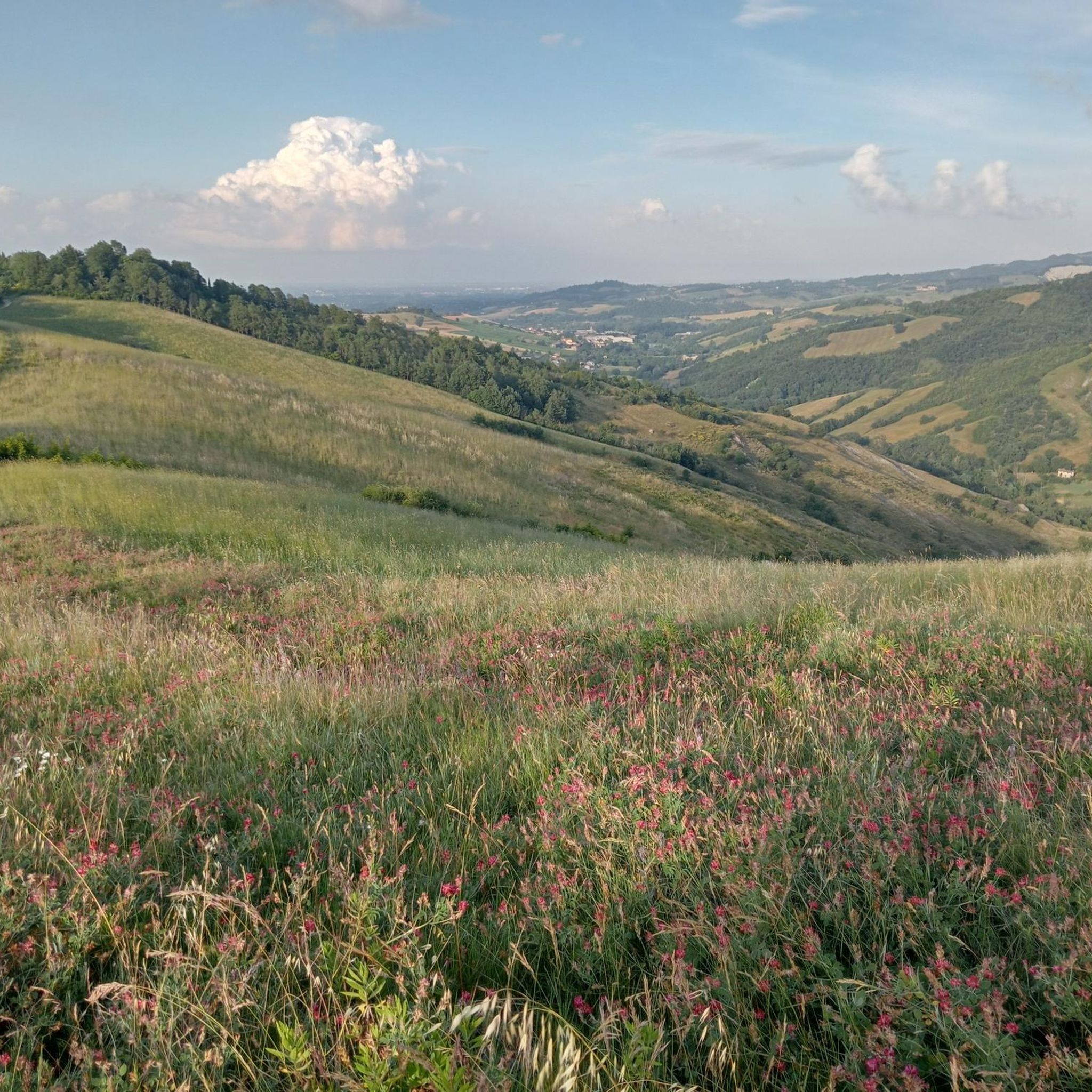
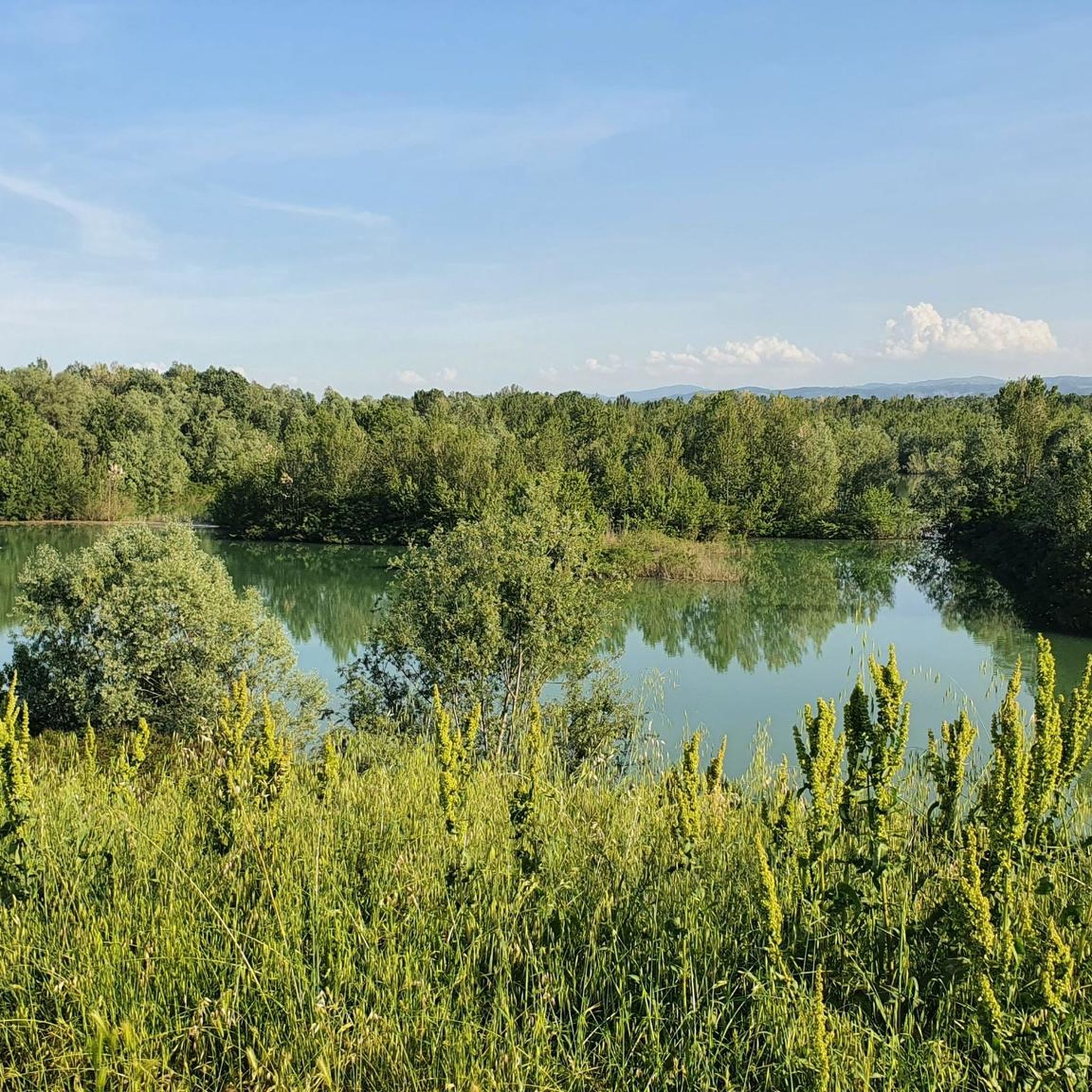
An oasis of peace surrounded by nature
0
0

Beautiful to look at but difficult to reach. The green gradually overgrows the entire work of art. Pruning would be desirable.
6
0
Old trees in the park provide protection in all weather conditions. The ages of the trees inspire confidence. Sit down and enjoy beautiful crowns.
6
0

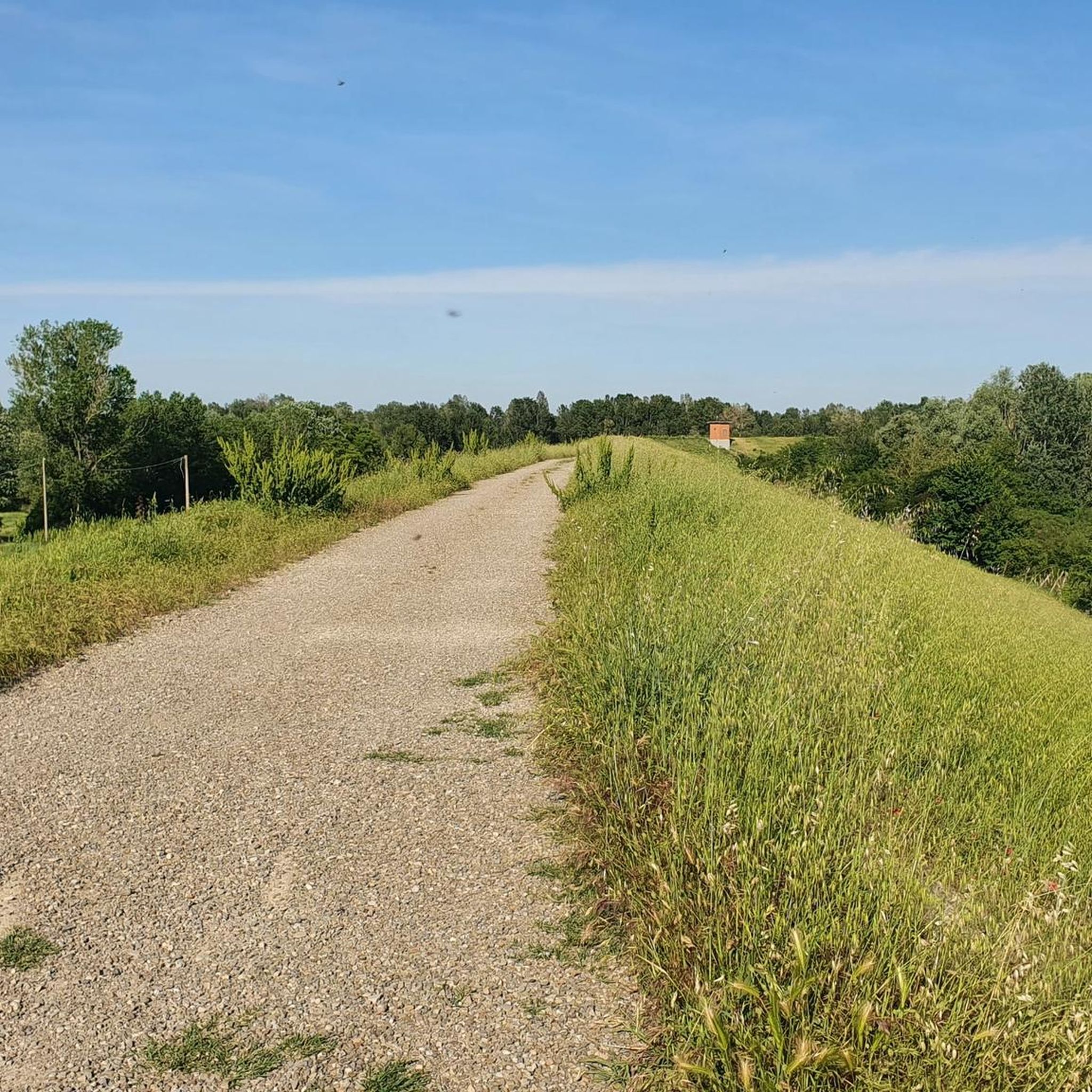
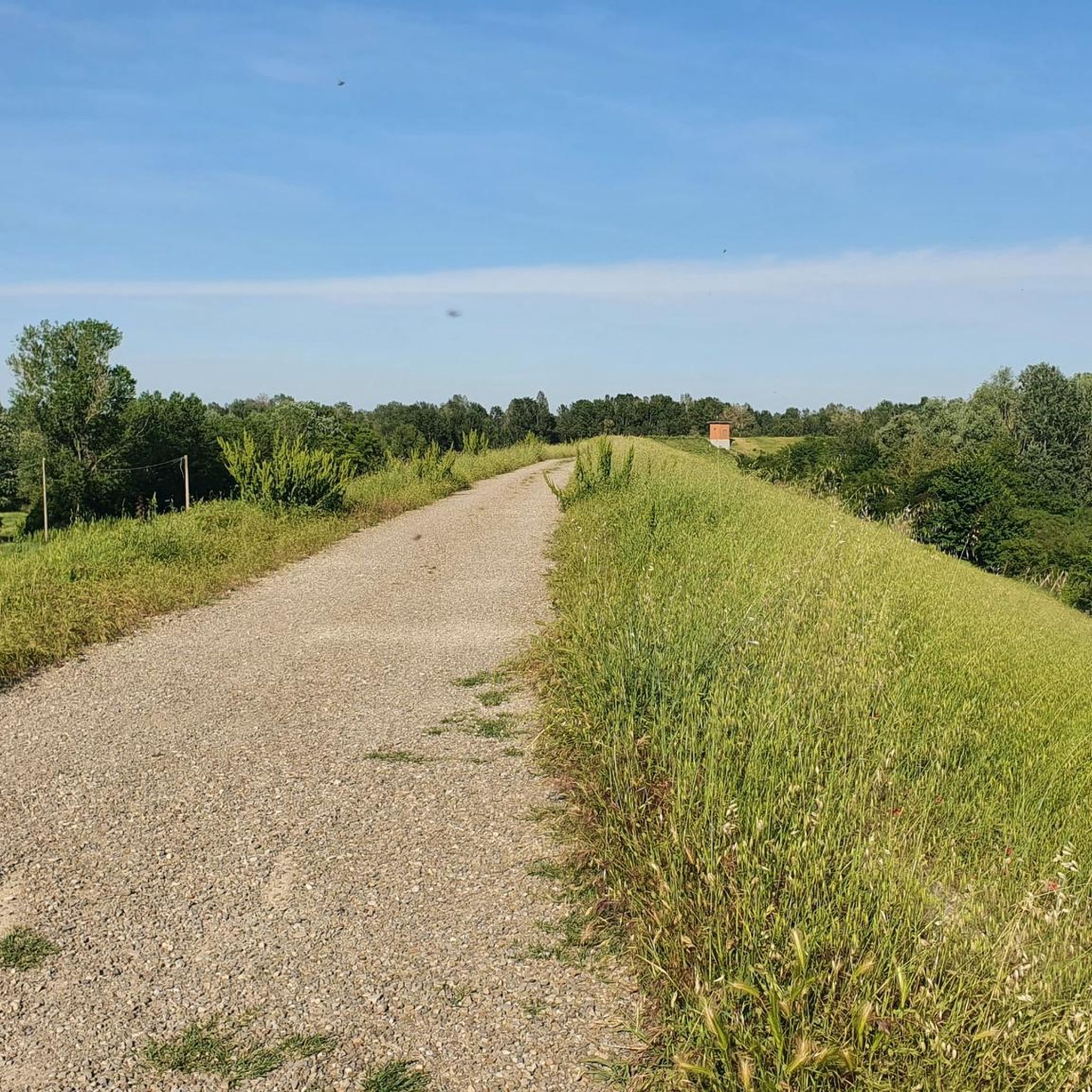
always open area, it is advisable to follow it when the ground is dry.
1
0
interesting protected area, with nice trails inside
1
0
Frequently Asked Questions
What are the most significant natural monuments to visit around Gattatico?
The most significant natural monuments around Gattatico are the Fontanili di Gattatico e fiume Enza and the Fontanili di Corte Valle Re Nature Reserve. Both are extensive spring systems recognized for their rich biodiversity and unique wetland ecosystems in the Po River Valley.
What kind of natural features can I expect to see at these monuments?
You can expect to see extensive systems of perennial and seasonal springs, riparian forests of poplars and willows, traditional agricultural fields, and diverse aquatic and riparian plant species. These areas are crucial for preserving wetland ecosystems.
Are there opportunities for wildlife observation at the natural monuments?
Yes, the natural monuments around Gattatico are excellent for wildlife observation. The Fontanili di Gattatico e fiume Enza is a haven for 36 species of birds, including the little bittern and common kingfisher, along with amphibians and fish. The Fontanili di Corte Valle Re Nature Reserve also hosts nutria, roe deer, herons, and various fish species.
What outdoor activities can I do near the natural monuments in Gattatico?
You can enjoy various outdoor activities. For hiking, explore trails like the 'Il Pantaro di Sopra and Il Pantaro di Sotto – loop tour' or 'Pantaro di Sopra loop from Gattatico'. Cyclists can find routes such as 'Scenic Curve loop from Praticello'. There are also several running loops available. Find more details on hiking, road cycling, and running guides for Gattatico.
Are there family-friendly natural monuments in the area?
Yes, the Fontanili di Corte Valle Re Nature Reserve is considered family-friendly, offering nice trails for exploration. The Monumental Plane Tree also provides a peaceful spot in a park, suitable for families to enjoy.
What is the best time to visit the natural monuments around Gattatico?
The spring systems maintain a constant temperature, allowing vegetation to flourish even in winter. However, for comfortable exploration and optimal wildlife viewing, especially birdwatching, spring and autumn are generally ideal. For the Fontanili di Corte Valle Re Nature Reserve, it is advisable to visit when the ground is dry.
Can I find easy hiking trails near the natural monuments?
Yes, there are easy hiking options. For instance, the 'Hiking loop from Praticello' and 'Pantaro di Sopra loop from Gattatico' are considered easy trails, perfect for a relaxed walk to experience the natural surroundings. You can find more hiking routes in the hiking guide for Gattatico.
What do visitors appreciate most about the natural monuments in Gattatico?
Visitors appreciate the tranquility and natural beauty of the area. The Fontanili di Corte Valle Re Nature Reserve is described as an 'oasis of peace surrounded by nature' with interesting protected areas and nice trails. The Monumental Plane Tree is valued for its age and beautiful crown, offering a peaceful spot.
Are there any specific trees or plant species of note in the natural monuments?
Yes, the Fontanili di Gattatico e fiume Enza features riparian forests of poplars and willows, along with rare plants like *Berula erecta*, *Leucojum aestivum*, and *Nasturtium officinale*. The Monumental Plane Tree is a notable ancient tree in a park, admired for its size and beauty.
Is there a natural monument that offers a good viewpoint?
The Monumental Plane Tree, while not a panoramic viewpoint, offers a peaceful spot to sit and enjoy the surrounding park and the impressive canopy of the ancient tree itself.
How can I access the Fontanili di Corte Valle Re Nature Reserve?
The Fontanili di Corte Valle Re Nature Reserve is an always open area. It is located in the neighboring municipality of Campegine but is easily accessible from Gattatico. It's recommended to visit when the ground is dry for the best experience on its trails.
Are the natural monuments suitable for dog walking?
While specific dog-friendly policies for each natural monument are not detailed, many natural areas in Italy allow dogs on leash. It's generally advisable to keep dogs on a leash to protect the local wildlife, especially in sensitive wetland and reserve areas like the Fontanili systems.
Most popular routes around Gattatico
Most popular attractions around Gattatico

Get inspired with the komoot mobile app


Explore more
Extend your search for the best caves by checking out these guides of the top ones around Gattatico:
