Top 20 Natural Monuments around Villaga
Natural monuments around Villaga showcase the diverse landscape of the Colli Berici, a region known for its karstic caves and panoramic viewpoints. The area features a variety of natural attractions, from historical sites nestled in rock formations to serene waterfalls. Villaga tourism focuses on these natural features, providing opportunities for exploration and appreciation of the local environment.
Best natural monuments around Villaga
- The most popular natural monument is Rocca of Monte Pendice, a historical site with a summit viewpoint…
Last updated: May 16, 2026
Rocca of Monte Pendice
Highlight • Historical Site
Translated by Google •
Tip by

Caves of the Hermitage of San Donato
Highlight • Cave
I would like to point out that in the second part of the descent from Monte Tondo the …
Translated by Google •
Tip by

Sign up now to discover places like this
Get recommendations on the best single tracks, peaks, & plenty of other exciting outdoor places.
Sign up for free
Grotta di Santa Felicita
Highlight • Cave
Translated by Google •
Tip by
Schivanoia Waterfall
Highlight • Waterfall
Translated by Google •
Tip by

San Bernardino Cave
Highlight • Cave
Translated by Google •
Tip by

Sign up for free to discover even more natural monuments around Villaga.
Sign up for free
Already have an account?
Start today with a free account
Your next adventure awaits.
Login or Signup
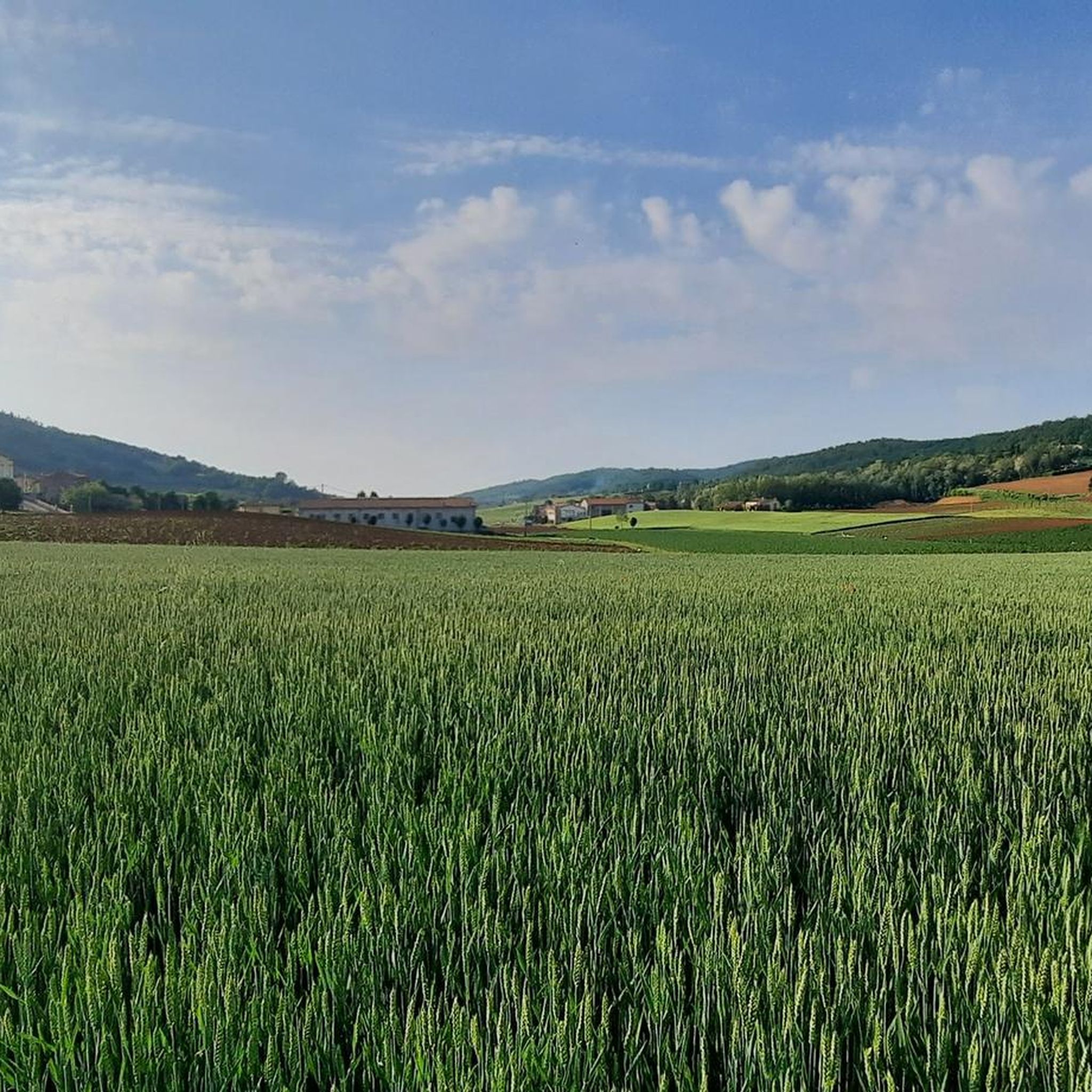
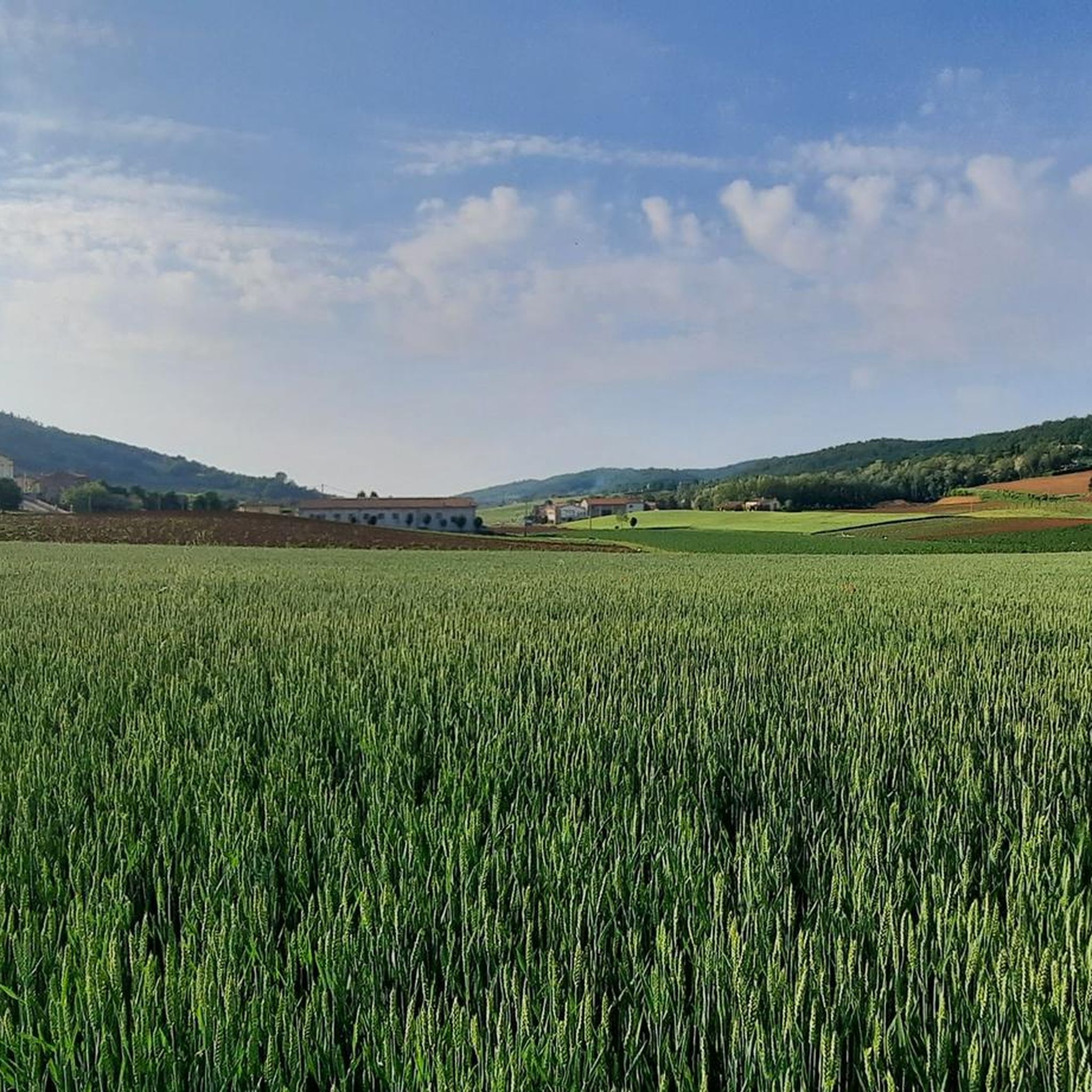
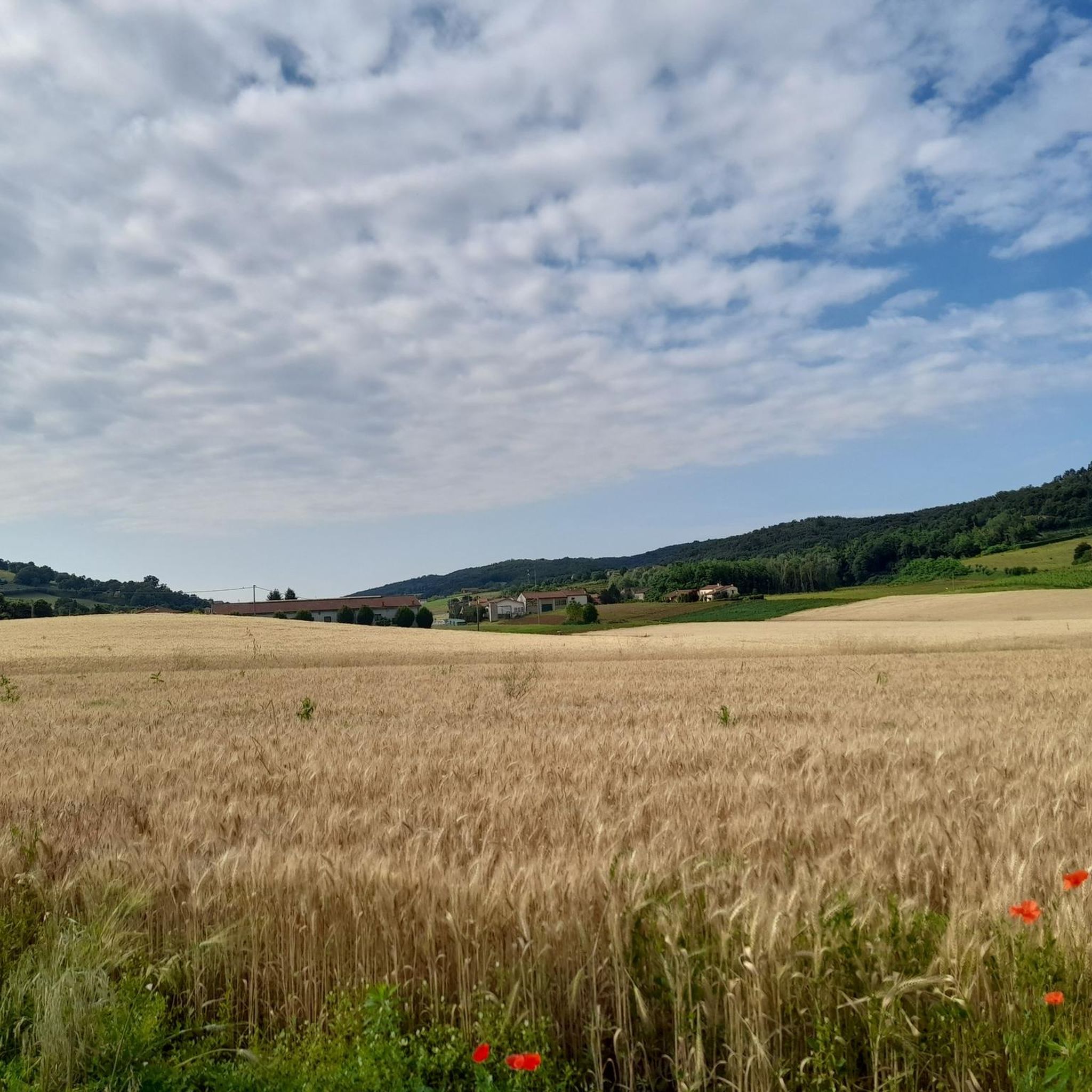
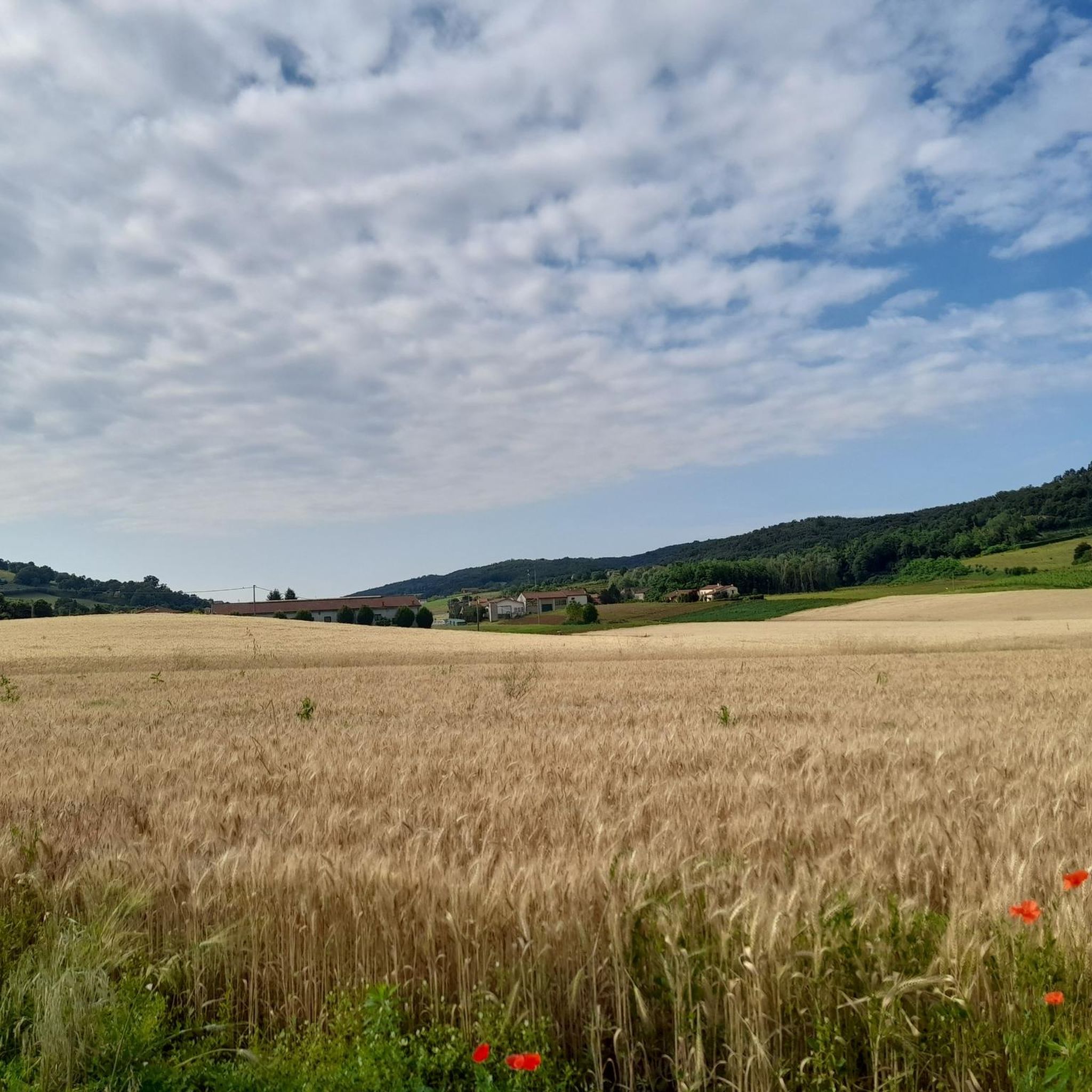

Tips from the Community

The Castle of Speronella was a military fortification erected in the 10th century near the summit of Monte Pendìce (300 m a.s.l.): the height, due to its isolated and overhanging morphology, offered a strategic position from which to control both slopes of the hills, the valleys, and the plain. In 1320 it was besieged by the Scaligeri but resisted, earning the reputation of an impregnable fortress; later it was used as a prison and finally as a holiday resort for the Orologio family. The story of Speronella Dalesmanini, between legend and reality, dates back to the medieval period: she was a fifteen-year-old girl who had captured the fancy of the imperial vicar, who had her locked up here; but her family incited the people to a revolt that led to the girl's liberation and the defeat of the representative of Emperor Frederick Barbarossa, thus declaring the birth of the free commune of Padua. Today, ruins remain of the fortress: traces of walls and a scenic window overlooking the Euganean Hills. https://www.visitteolo.it/it/castelli/ruderi-castello-speronella-rocca-pendice-colli-euganei/
0
0

The Grotto of Santa Felicita is located in Teolo, on the southern slope of Monte della Madonna, within the Euganean Hills Regional Park. It is a place shrouded in mystery and spirituality, closely linked to the figure of the saint who, according to tradition, retired there as a hermit between the 8th and 9th centuries. The grotto is a natural cavity located right next to the small church of Sant'Antonio Abate. Inside, it holds one of the highest water springs in the hills, once considered miraculous. The site, surrounded by Mediterranean vegetation where the dwarf prickly pear grows spontaneously, emanates an atmosphere of absolute peace. Reachable by an easy walk, the grotto represents one of the most evocative stops for those exploring the trails of Teolo, combining the charm of volcanic geology with the popular devotion that still sees this cave as a symbol of rebirth and contemplation.
0
0

At this time of year the place is rich in water
0
0
The Grotta di San Bernardino is a small and fascinating medieval hermitage, nestled at the base of a ten-meter-high limestone pinnacle (the only rock tower in the entire Berici Hills). The building's façade encloses a karst cavity about thirty meters long and ten meters wide. An evocative and mysterious setting. According to tradition, the name derives from the shelter it provided to Saint Bernardino of Siena, who preached in these areas in the 15th century. In the early 16th century, this cave, like others in the Berici Hills, was adapted as a temporary refuge for the local populations, while the Venetian plain was subjected to enemy raids. The oldest prehistoric remains in the Vicenza area (tools and animal bones dating back 200,000 years) were found inside the cave: it was likely used by Neanderthals as a hunting base. Interesting fact: the abundance of animal bones was the main cause of soil removal and the resulting significant impoverishment of San Bernardino's paleontological heritage. In fact, in 1890, the Camerini family, owners of the site, had the rich phosphate material excavated from the cave. It was transported downstream by cableway and used as fertilizer for the fields! The cave is occasionally open to the public, with guided tours organized by the Mossano Tourist Board (Pro Loco), which you can contact for details. http://www.tuttoberici.it/arte/S-Bernardino-Grotta-Mossano.htm https://www.archeoveneto.it/portale/wp-content/filemaker/stampa_scheda_estesa.php?recid=189
1
0

Thanks for the information
2
1
Nice place to reach via the well-identified path immersed in the woods. Compact terrain but in some places slippery due to the slope. It can also be done on a mountain bike with care. Great to do on foot.
1
0

magical! especially after a period of rain to have the maximum flow rate of the waterfall. The path is not for bicycles, it is better on foot but the more complicated sections can be done with bike in hand and priority always given to pedestrians. ok with a good gravel or mtb
0
0

Natural caves near the church of San Donato. Beautiful view of the plain and the Euganei.
0
0
Frequently Asked Questions
What types of natural monuments can I explore around Villaga?
The natural monuments around Villaga primarily feature karstic caves, serene waterfalls, and panoramic viewpoints. You can discover sites like the Caves of the Hermitage of San Donato, the tranquil Schivanoia Waterfall, and the unique rock formation of Rocca of Monte Pendice.
Are there any notable caves or grottoes to visit in the Colli Berici near Villaga?
Yes, the Colli Berici region is known for its karstic caves. Two significant ones are the Caves of the Hermitage of San Donato, which feature natural cavities at the base of a rocky wall, and the San Bernardino Cave, a fascinating medieval hermitage nestled in a limestone pinnacle, known for its historical and paleontological significance.
Where can I find the best panoramic viewpoints near Villaga?
For wide views, consider visiting the Caves of the Hermitage of San Donato, which offer extensive vistas of the plain and the Euganean Hills. Another excellent spot is the Rocca of Monte Pendice, providing beautiful views of the Euganean Hills from its summit.
Do any of the natural monuments around Villaga have historical significance?
Several natural monuments in the area are also historical sites. The Caves of the Hermitage of San Donato include remains of an ancient convent. The Rocca of Monte Pendice is a historical site with a unique rock formation. Additionally, the San Bernardino Cave served as a medieval hermitage and holds prehistoric remains, indicating its long history of human use.
What outdoor activities can I do near the natural monuments around Villaga?
The area around Villaga offers various outdoor activities. You can find numerous routes for road cycling, running, and general cycling. For example, there are Road Cycling Routes around Villaga, Running Trails around Villaga, and Cycling routes around Villaga, catering to different difficulty levels.
Are there family-friendly natural monuments or trails suitable for children?
While specific 'family-friendly' designations are not detailed for all monuments, the Schivanoia Waterfall is found along a path in the woods, described as a 'nice path' and 'simple walk' with the right shoes, which might be suitable for families looking for a gentle natural experience.
What is the best time to visit the natural monuments around Villaga?
Generally, spring and autumn offer pleasant weather for exploring the natural monuments and trails around Villaga, with milder temperatures and beautiful scenery. Summer can also be enjoyable, especially in forested areas or near waterfalls, but be prepared for warmer conditions.
What should I wear or bring when visiting natural monuments in this region?
When exploring the natural monuments around Villaga, it's advisable to wear appropriate footwear, especially for trails that can be uneven or steep, such as those leading to the Schivanoia Waterfall or the Rocca of Monte Pendice. Layers of clothing are recommended to adapt to changing weather conditions, and bringing water is always a good idea.
Are there any challenging trails or natural monuments for experienced hikers?
Yes, some trails in the area are considered challenging. The Underwood Trail and Carved Face is described as a 'challenging' trail with steep climbs and tight ups and downs. The path to the Rocca of Monte Pendice can also be challenging at times, immersed in the green of the hills.
What do visitors enjoy most about the natural monuments around Villaga?
Visitors frequently appreciate the wide views, especially from sites like the Caves of the Hermitage of San Donato and the Rocca of Monte Pendice. The historical aspects of places like the San Donato Hermitage and San Bernardino Cave are also highly valued, along with the peaceful natural settings such as the Schivanoia Waterfall.
Can I find any unique natural features or 'hidden gems' near Villaga?
The San Bernardino Cave, with its medieval hermitage nestled at the base of a ten-meter-high limestone pinnacle, is a unique natural and historical feature. It's considered the only rock tower in the entire Berici Hills and offers an evocative, mysterious setting.
Most popular routes around Villaga
Most popular attractions around Villaga

Get inspired with the komoot mobile app


Explore more
Extend your search for the best caves by checking out these guides of the top ones around Villaga:
