Top 20 Natural Monuments around Cerro Veronese
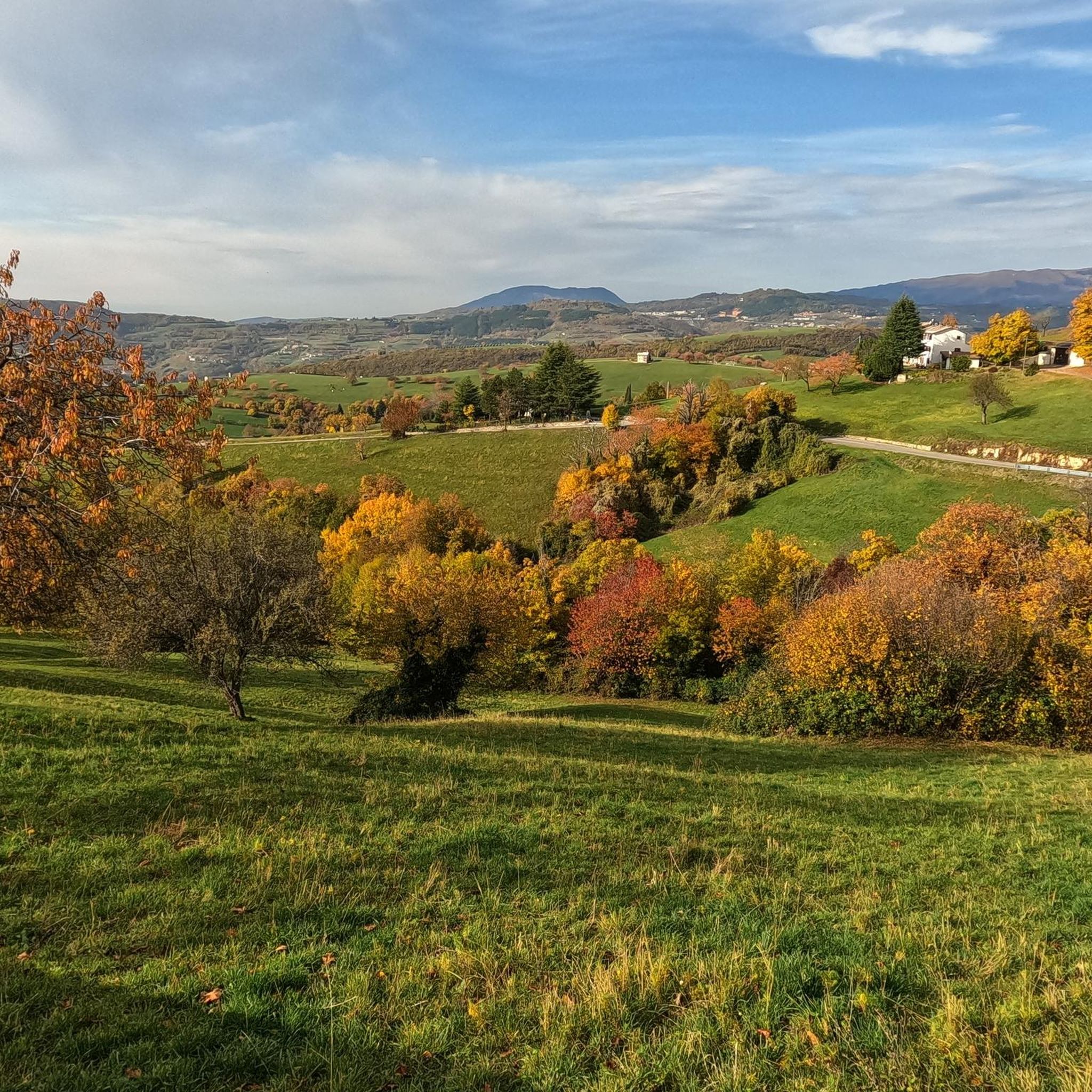
Best natural monuments around Cerro Veronese are found in the municipality of Cerro Veronese, located in the Province of Verona, Italy. This area is nestled within the Lessinia region, offering a blend of geological interest and opportunities for outdoor exploration. The landscape features ancient geological formations, prehistoric sites, and panoramic viewpoints.
Best natural monuments around Cerro Veronese
- The most popular natural monuments is Molina Waterfalls, a waterfall that features 13 waterfalls if the longer route is taken. Visitors are…
Last updated: June 28, 2026
Molina Waterfalls
Highlight • Waterfall
Translated by Google •
Tip by

Piloton of Montorio
Highlight • Monument
Translated by Google •
Tip by

Sign up now to discover places like this
Get recommendations on the best single tracks, peaks, & plenty of other exciting outdoor places.
Sign up for free
Veja Bridge
Highlight • Natural Monument
Translated by Google •
Tip by

Valley of the Sphinxes
Highlight • Natural Monument
Translated by Google •
Tip by

Salto del Covolo Tondo
Highlight • Gorge
Translated by Google •
Tip by
Sign up for free to discover even more natural monuments around Cerro Veronese.
Sign up for free
Already have an account?
Start today with a free account
Your next adventure awaits.
Login or Signup

Tips from the Community

The Salto del Còvolo Tondo is the point where the wild and evocative Valle Borago makes an unexpected and impassable vertical drop of 24 meters: a rocky alcove closed at 270°, created by water erosion over millions of years, when the gorge was crossed by an ancient, abundant, and impetuous river. Today the stream bed is generally dry, but in case of abundant rainfall, a waterfall can temporarily form. The Vajo Borago (and the path that runs through it) seems to abruptly end with this monumental natural wall, but it actually continues to the village of Montecchio: the Salto can only be overcome thanks to a dizzying metal staircase clinging to the cliff face and a series of short but steep ramps, A spectacular setting!
0
0

The "Vajo del Bruto" or Valle delle Buse di Sopra, more simply known as the Valle delle Sfingi, is located in the contrada del Brutto or malga Buse di Sotto in Camposilvano. It is a particular valley, about 800 meters long, which has large monoliths regularly spaced from each other and which recall the Egyptian sphinxes, from which it takes its name. These particular rocks are the result of the karst erosion of two different rock formations, the Rosso Ammonitico and the Oolite di San Vigilio. The Valle delle Sfingi is a magical place, full of stories and legends, such as the one linked to the particular mushroom-shaped rock, also known as "el sengio de l'orco". According to tradition, in fact, this mushroom was brought here by an ogre to allow the fade (magical creatures) to tie a rope end to it to hang out the laundry. Or like the "Fò della Pace", a large tree isolated from the others and so called because under its shade disputes were resolved and contracts were drawn up.
0
0

Already done it's beautiful. It's not difficult, just a little attention
0
2


Monolith and crossroads of various paths
0
0

Very beautiful park with 13 waterfalls if you take the black route. I would recommend that everyone wear decent shoes. The paths are uneven and sometimes muddy. Great route, it doesn't get boring. Check the opening times before your visit. They vary a lot from winter to summer.
7
1

Very suggestive place due to the presence of these rock formations, typical of Lessinia (they are also seen in other parts but here they are concentrated in a particular way, with the formations that stand out from the ground giving the idea of the Sphinxes)
0
0
Great route, exciting and incredibly beautiful. You do need a bit of "faith in God" for the stairs. So, pull yourself together and go 😉! It'll be fine 🤞... it held for us too 😜
9
1
Frequently Asked Questions
What unique natural formations can I explore near Cerro Veronese?
The Lessinia region, surrounding Cerro Veronese, offers several unique natural formations. You can visit the Valley of the Sphinxes, known for its large, regularly spaced monoliths resembling Egyptian sphinxes, formed by karst erosion. Another impressive site is the Veja Bridge, a massive natural rock bridge that also holds archaeological significance.
Are there any significant waterfalls in the area around Cerro Veronese?
Yes, the Molina Waterfalls are a highly recommended natural attraction within the Lessinia region. The park features up to 13 waterfalls if you take the longer 'black route'. Visitors often praise its beauty, but it's advised to wear appropriate footwear due to uneven and potentially muddy paths. You should check opening times before your visit, as they vary seasonally.
What natural monuments have historical or archaeological significance near Cerro Veronese?
Several natural monuments in the area boast rich history. The Veja Bridge is not only a geological wonder but also an archaeological site with caves that served as refuge for prehistoric humans. Additionally, the Còale del Mondo is a prehistoric karst cave near Cerro Veronese with archaeological findings indicating human habitation dating back to the Upper Paleolithic age. The Piloton of Montorio is another ancient megalith with historical and astronomical significance.
Are there family-friendly natural monuments to visit around Cerro Veronese?
Yes, several natural monuments are suitable for families. The Valley of the Sphinxes is easily accessible and walkable for everyone. The Molina Waterfalls park is also considered suitable for children, though sturdy shoes are recommended. The Veja Bridge area is also family-friendly, with an adventure park nearby for added fun.
Where can I find panoramic views of the Lessinia region near Cerro Veronese?
For splendid panoramic views, consider a short walk from Cerro Veronese town center to the Cappella del Redentore (Chapel of the Redeemer) on Monte della Croce. This hill offers a 360-degree vista over Lessinia and the Padana region, ideal for scenic contemplation and photography. The Piloton of Montorio also offers great viewpoints.
What kind of outdoor activities can I do near the natural monuments?
The area around Cerro Veronese is excellent for various outdoor activities. You can find numerous hiking trails, such as the 'Springs Trail' or loops around the 'Coàle del Mondo Cave'. For cycling enthusiasts, there are many road cycling and gravel biking routes available. You can explore more options for hiking, road cycling, and gravel biking in the region.
Are there challenging natural monuments or trails for experienced hikers?
Yes, for those seeking a more challenging experience, the Val Sorda Gorge and Waterfalls offer a demanding but rewarding adventure. The trails here are marked as suitable for 'Expert Hikers' (EE) due to significant elevation differences, requiring sure-footedness, sturdy shoes, and no fear of heights. It features narrow gorges, small waterfalls, caves, and natural pools.
What is the significance of the Historical Oak in Piazza della Chiesa?
The Historical Oak in Piazza della Chiesa in Cerro Veronese is considered a natural monument due to its age and symbolic value. It is believed to have given the town its current name, making it a significant historical and cultural landmark within the town center.
What geological features are prominent in the Lessinia region around Cerro Veronese?
The Lessinia region is characterized by its fascinating karst geology. Prominent features include the unique rock formations of the Valley of the Sphinxes, which are a result of karst erosion. The Veja Bridge is another prime example of natural rock formations shaped by geological processes, and the Còale del Mondo is a significant karst cave.
What do visitors enjoy most about the natural monuments around Cerro Veronese?
Visitors frequently praise the natural beauty and unique geological formations. Many enjoy the magical atmosphere of the Valley of the Sphinxes and the impressive scale of the Veja Bridge. The Molina Waterfalls are loved for their picturesque trails and numerous cascades. The blend of natural wonder, historical significance, and opportunities for outdoor exploration makes these sites highly appreciated.
Are there any caves to explore near Cerro Veronese?
Yes, the Còale del Mondo is a significant prehistoric karst cave located near Cerro Veronese, offering insights into ancient history and geology. Additionally, the Veja Bridge features numerous shelters and five large caves beneath its immense vault, which were used by prehistoric humans.
What is the best time to visit the natural monuments around Cerro Veronese?
While specific recommendations vary by site, generally, spring and autumn offer pleasant weather for exploring the natural monuments and hiking trails in the Lessinia region. During these seasons, the temperatures are mild, and the natural landscapes are particularly vibrant. It's always advisable to check the specific opening times for attractions like the Molina Waterfalls, as they can change seasonally.
Most popular routes around Cerro Veronese
Most popular attractions around Cerro Veronese

Get inspired with the komoot mobile app


Explore more
Extend your search for the best caves by checking out these guides of the top ones around Cerro Veronese:
