Top 20 Natural Monuments around Volano
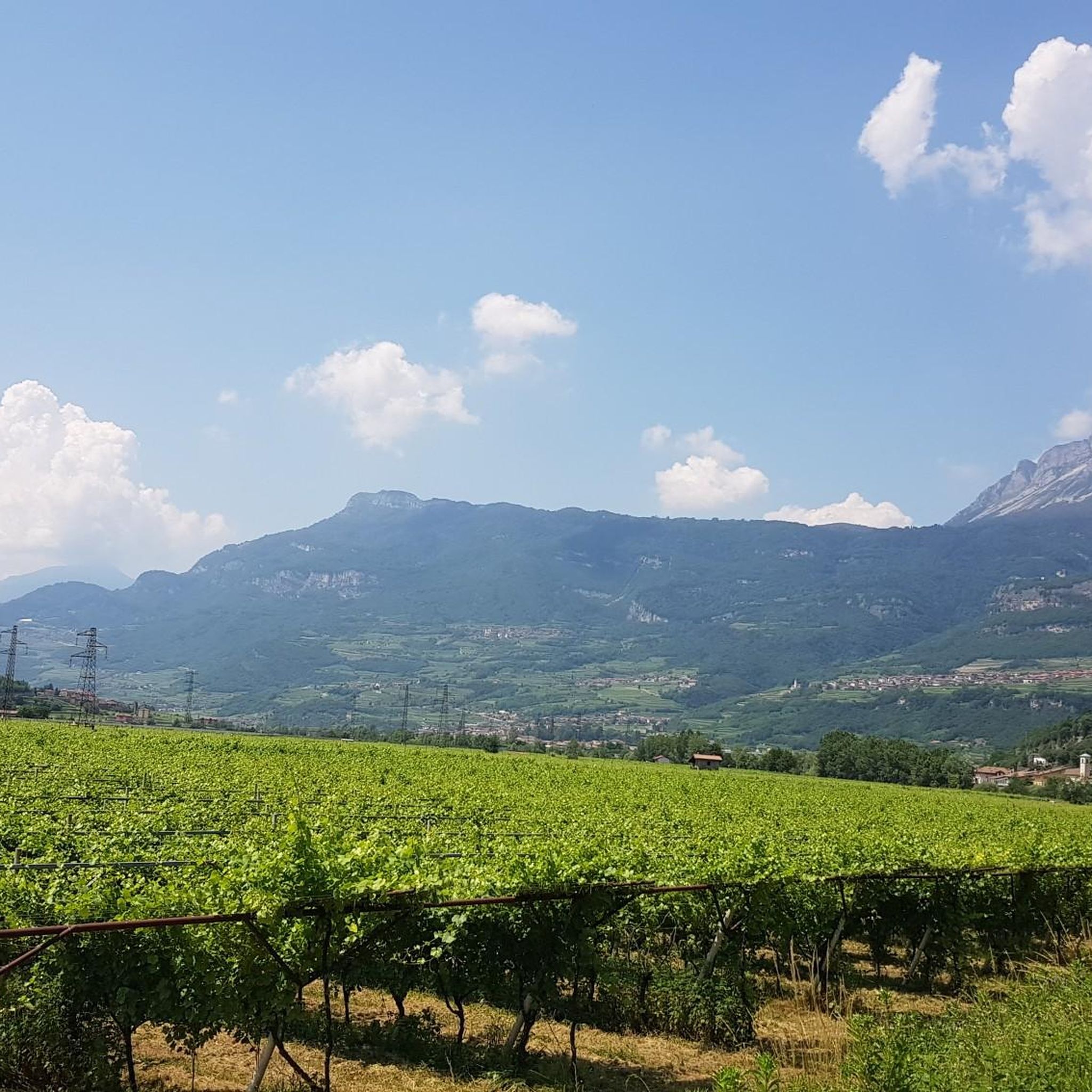
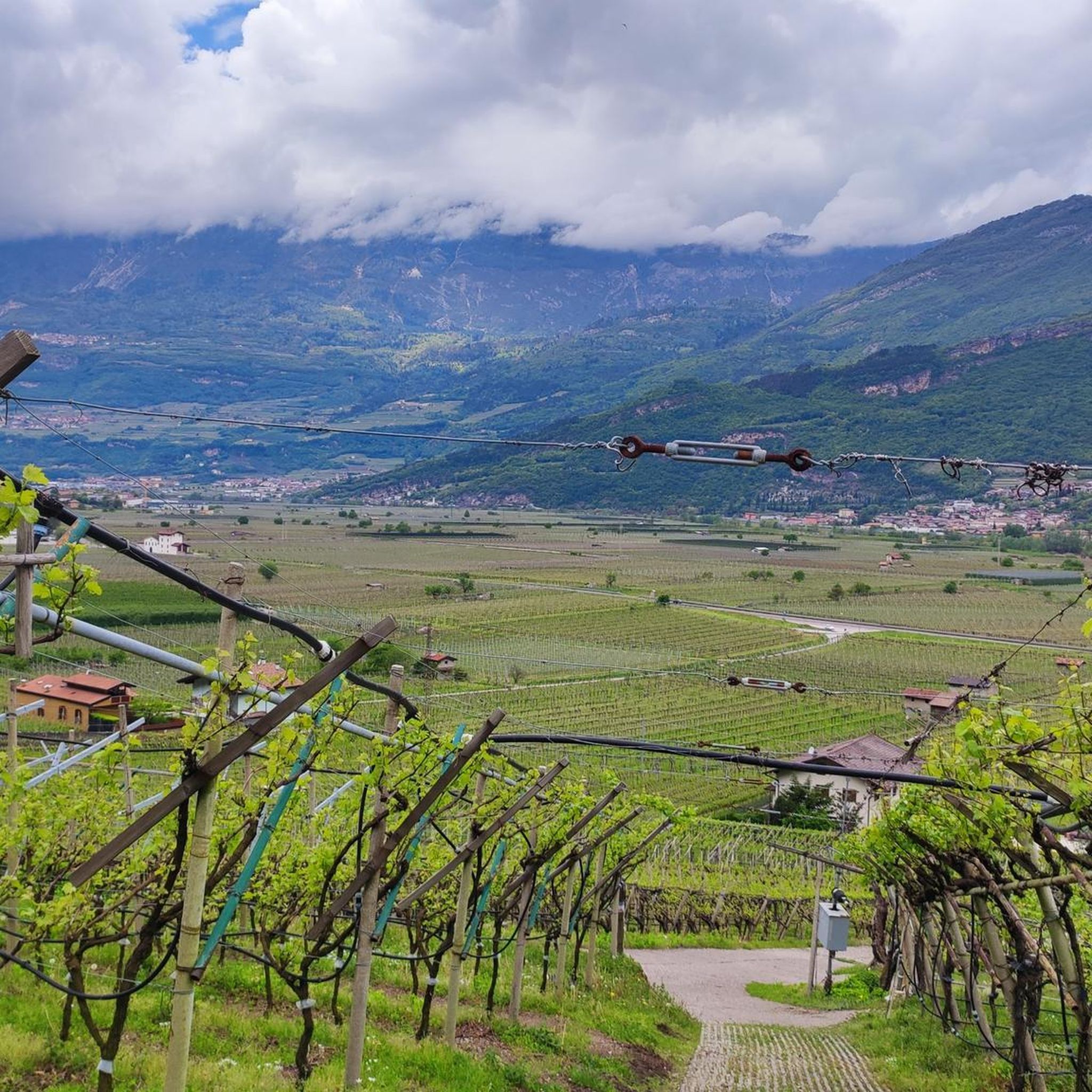
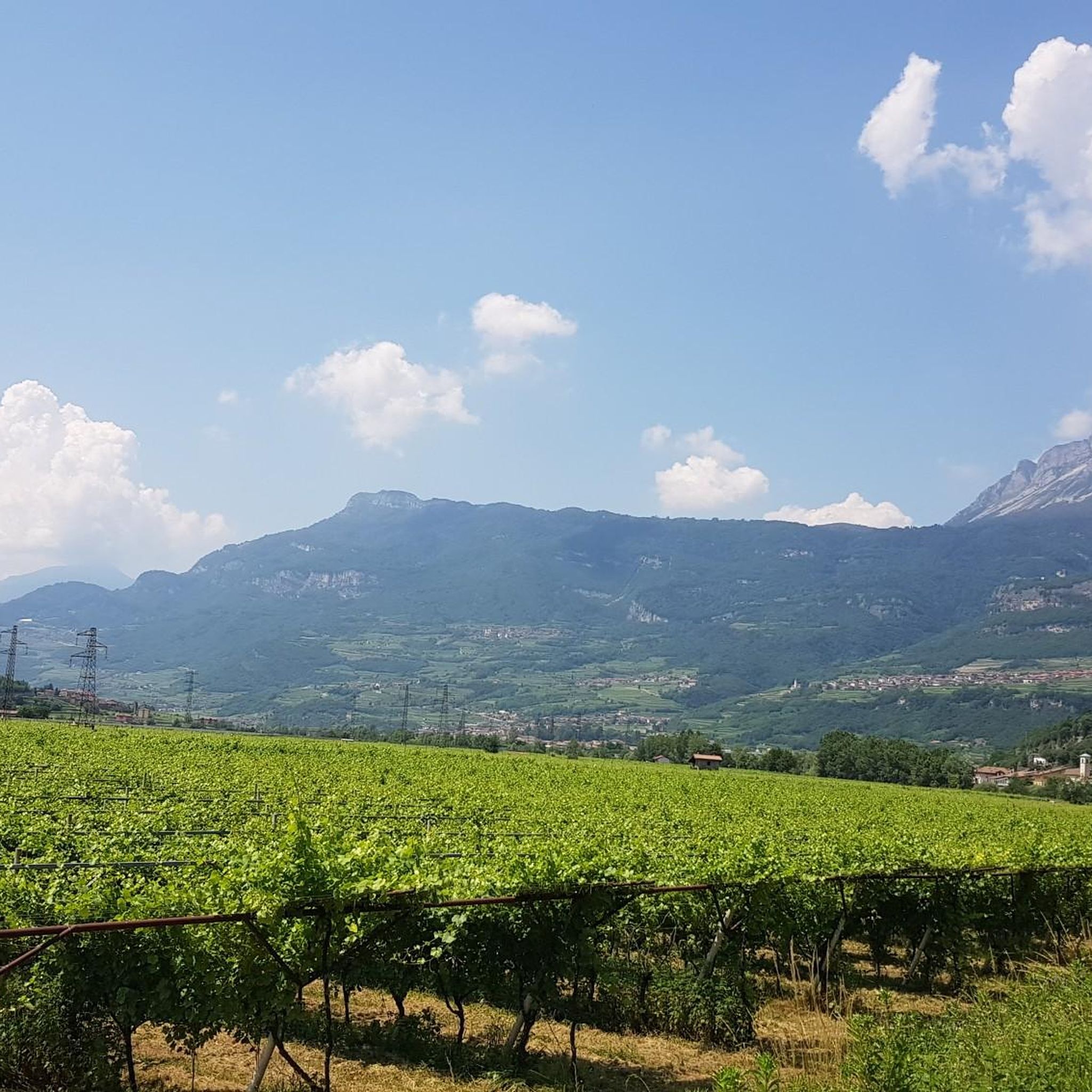
Best natural monuments around Volano are characterized by a landscape shaped by agriculture, featuring extensive vineyards and fruit orchards. The area's terraced terrain offers views of the surrounding countryside. Volano serves as a convenient base for exploring the wider Trentino region, which includes diverse natural attractions. Its natural appeal lies in its picturesque rural environment and proximity to significant natural features.
Best natural monuments around Volano
- The most popular natural monuments is Forra del Lupo – World War I Trench…
Last updated: August 21, 2026
Forra del Lupo – World War I Trench
Highlight • Historical Site
Translated by Google •
Tip by

Monte Cornetto summit (2,178 m)
Highlight • Summit
Translated by Google •
Tip by

Sign up now to discover places like this
Get recommendations on the best single tracks, peaks, & plenty of other exciting outdoor places.
Sign up for free
Corno Battisti
Highlight • Summit
Translated by Google •
Tip by

Zambèl Waterfall
Highlight • Waterfall
Translated by Google •
Tip by
Cima Verde (2,102 m)
Highlight • Summit
Translated by Google •
Tip by
Sign up for free to discover even more natural monuments around Volano.
Sign up for free
Already have an account?
Start today with a free account
Your next adventure awaits.
Login or Signup


Tips from the Community

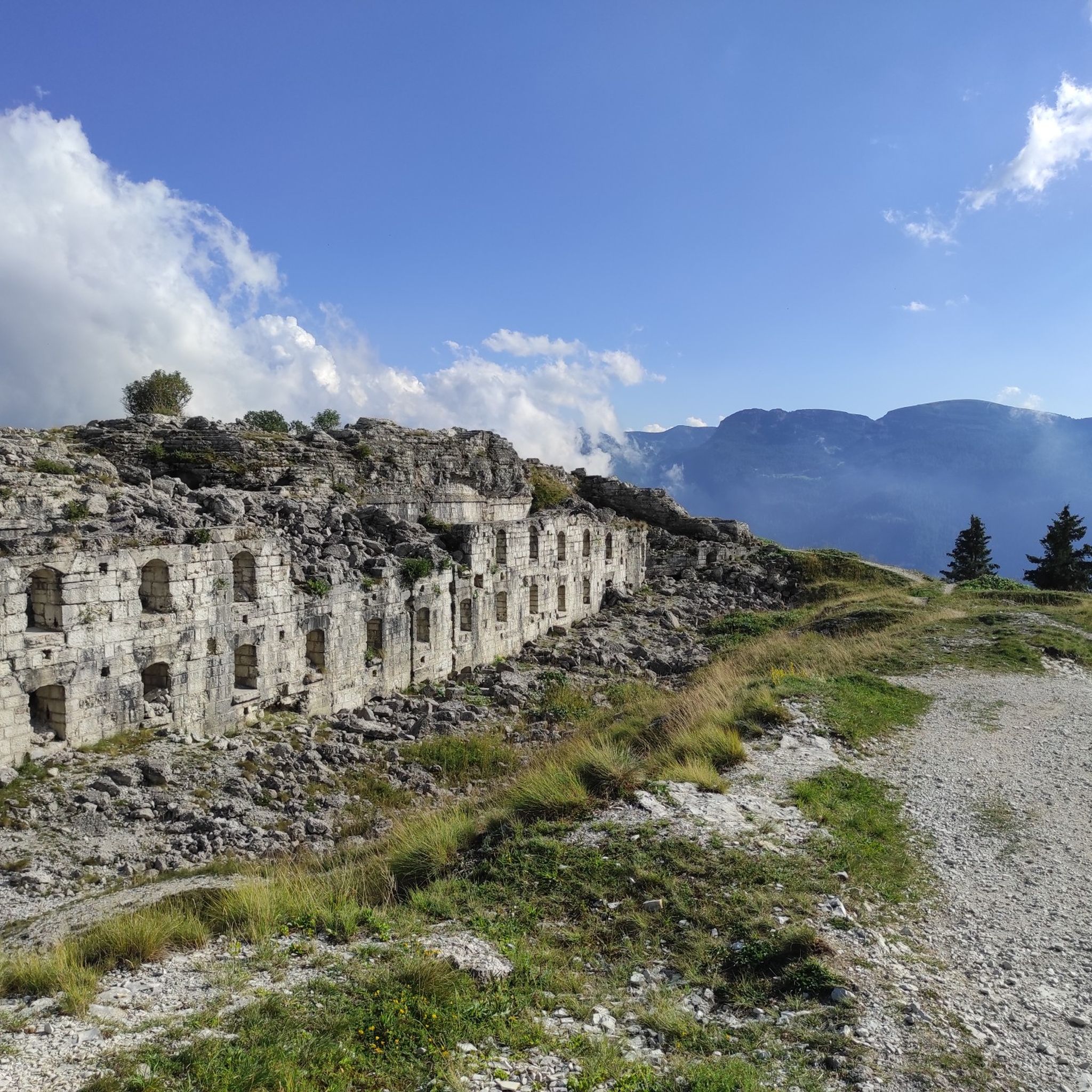
Beautiful thematic route related to the First World War. It is a long Austro-Hungarian trench entirely dug into the rock that can be easily walked. Also suitable for children and teenagers. No strollers!
0
0

The strategic position of Corno Battisti was the source of bloody battles for its possession during the Great War. To this end, it was equipped with numerous tunnels dug into the rock, with three separate entrances and numerous firing positions. The tunnels can be accessed with great caution, with a torch and preferably a via ferrata kit. Currently (2025), the upper entrance is closed.
0
0

Cima Verde (2,102 m), along with Monte Cornetto and Dos d'Abramo, is one of the peaks that make up the famous "Tre Cime del Bondone." Its summit is marked by a striking grassy pulpit with a small summit cross.
1
0
Monte Cornetto, along with Cima Verde and Dos d'Abramo, is one of the peaks that make up the famous "Tre Cime del Bondone"; it's probably the one with the best panoramic views. From here, the view opens up to a 360° panorama of the Brenta Dolomites, Adamello, Paganella, the Lessinia Mountains, the Garda Prealps, Carega, and the Lagorai mountain range. The climb to the summit cross features easy rock sections, but requires hands.
1
0

Wolf's Gorge Trench
0
0

Beautiful and interesting, not only from a naturalistic point of view, but also from a historical one
0
0

Corno Battisti, an isolated rocky bastion of the Pasubio Group, overlooking the Vallarsa Valley, offers a spectacular view of the long valley and the surrounding mountains: Pasubio, Sengio Alto, Carega, and Monte Zugna. Precisely because of its strategic position, it was fiercely contested during the First World War: the ability to monitor all troop and supply movements along the valley floor from up there made Corno a crucial point to be occupied and defended at all costs... it was in fact nicknamed "the eye of Pasubio" or "the spy of Vallarsa." At the beginning of the conflict, it was a garrison of the Italian army, but with the Strafexpedition of 1916, it was occupied by the Austro-Hungarians. Unable to recapture it, the Italians dug a mine tunnel from below to pierce the Corno and blow up the summit; the Imperials, in turn, dug a countermine tunnel from above. Everything was ready for the detonation, but a coup by a few brave men allowed the peak to be retaken by the Royal Army, which held it until the end of the war. The Austro-Hungarian observatory still survives at the summit. The bowels of the promontory are instead carved out by a surprising and easily navigable labyrinth of dark, damp tunnels with steep steps (EE). In 1916, near the summit, the Austro-Hungarians captured the irredentists Cesare Battisti and Fabio Filzi. They were immediately taken to Trento and hanged at Buonconsiglio Castle as traitors. For this reason, the peak, known at the time as 'Corno della Vallarsa', was renamed 'Corno Battisti' after the war. https://it.wikipedia.org/wiki/Monte_Corno_Battisti https://www.esercito.difesa.it/storia/pagine/monte-corno.aspx
3
0

beautiful walk
0
0
Frequently Asked Questions
What kind of natural features can I expect to see around Volano?
While Volano itself is known for its picturesque agricultural landscapes, including extensive vineyards and fruit orchards, the wider region offers diverse natural features. You can explore dramatic canyons like the Forra del Lupo – World War I Trench, enjoy panoramic views from summits such as Monte Cornetto summit (2,178 m) and Corno Battisti, and discover enchanting waterfalls like the Zambèl Waterfall.
Are there historical sites integrated with the natural monuments in the Volano area?
Yes, several natural monuments around Volano have significant historical connections, particularly from World War I. The Forra del Lupo – World War I Trench is a unique route through a narrow passage with preserved military structures. Both Monte Cornetto summit (2,178 m) and Corno Battisti feature battlements, tunnels, and fortifications from the war, offering both natural beauty and historical insight.
What are some popular hiking routes near Volano's natural monuments?
The area around Volano offers a variety of hiking experiences. For mountain hikes, you can find routes like the 'Scenic balcony – Montalbano Sanctuary loop from Mori' or the 'View of Lake Garda – Rifugio Stivo "P. Marchetti" loop from Ronzo-Chienis'. You can explore more options and detailed routes on the Mountain Hikes around Volano guide.
Are there any family-friendly natural monuments or walks around Volano?
The Zambèl Waterfall is generally considered an enchanting and accessible spot. It can be reached via an easy path from Calliano, making it suitable for families. The cool, clear water and natural pool offer a pleasant environment, especially after rainy days.
What is the best time of year to visit the natural monuments around Volano?
The best time to visit depends on your preferred activity. Spring and autumn offer pleasant temperatures for hiking and exploring the agricultural landscapes, with vineyards and orchards in bloom or harvest. Summer is ideal for enjoying the cooling effects of waterfalls like Zambèl. For historical sites, most are accessible year-round, though some higher-altitude trails might be affected by snow in winter.
Can I find viewpoints with scenic vistas near Volano?
Absolutely. Summits like Monte Cornetto summit (2,178 m) provide wonderful views of the surrounding mountains. Corno Battisti also offers a spectacular panorama of the Vallarsa Valley and nearby peaks like Pasubio and Carega. The Hermitage of San Colombano, while a religious building, is perched on a cliff and offers impressive views of the valley below.
What other outdoor activities are available near Volano's natural monuments?
Beyond hiking, Volano's surroundings are great for various outdoor sports. You can find numerous running trails, such as the 'Adige Valley loop from Volano', detailed in the Running Trails around Volano guide. For mountain biking enthusiasts, there are challenging routes like the 'Finonchio Meadows – Church of San Rocco in Volano loop from Volano', available in the MTB Trails around Volano guide.
Are there any unique natural monuments that combine natural beauty with human ingenuity?
Yes, the Hermitage of San Colombano is a remarkable example. This religious building is boldly built halfway up a 120-meter rock face, protected by a natural rock roof. It features a stairway of 102 steps carved directly into the rock, showcasing an incredible blend of natural setting and historical construction.
What do visitors particularly enjoy about the natural monuments in this region?
Visitors frequently praise the unique combination of natural beauty and historical significance, especially at sites like the Forra del Lupo – World War I Trench, which is described as a 'stunning route' and 'unique and evocative'. The panoramic views from summits like Monte Cornetto summit (2,178 m) are also highly appreciated, offering 'wonderful views of the surrounding mountains'.
Is it possible to explore caves or tunnels within the natural monuments?
Yes, Corno Battisti is known for its surprising and easily navigable labyrinth of dark, damp tunnels with steep steps, carved into the promontory. A flashlight is essential for exploring these historical underground passages.
What should I wear for hiking to natural monuments around Volano?
Given the varied terrain, which can range from easy paths to challenging mountain trails and historical sites with steep steps, it's advisable to wear sturdy hiking boots. Layers of clothing are recommended to adapt to changing weather conditions, especially when ascending to higher elevations or exploring canyons. For tunnels and caves, a headlamp or flashlight is crucial.
Are there any natural monuments that are particularly good for photography?
Many sites offer excellent photographic opportunities. The Zambèl Waterfall, with its stream plunging between high rock walls and creating evocative beams of light and rainbows, is a favorite. The dramatic landscapes of the Forra del Lupo – World War I Trench and the panoramic views from Corno Battisti also provide stunning backdrops.
Most popular routes around Volano
Most popular attractions around Volano

Get inspired with the komoot mobile app


Explore more
Extend your search for the best caves by checking out these guides of the top ones around Volano:
