Top 20 Natural Monuments around San Michele all'Adige
Best natural monuments around San Michele all'Adige are situated in a region characterized by the Adige River valley and surrounding mountain landscapes. This area offers a diverse range of natural features, from geological formations to serene lakes and extensive nature parks. The natural environment provides opportunities for outdoor activities and observation of local flora and fauna. These specific natural features San Michele all'Adige contribute to the region's ecological and geological significance.
Best natural monuments around San Michele all'Adige
- The most…
Last updated: July 11, 2026
Segonzano Pyramids
Highlight • Natural Monument
Translated by Google •
Tip by

Lamar Lake
Highlight • Lake
Translated by Google •
Tip by

Sign up now to discover places like this
Get recommendations on the best single tracks, peaks, & plenty of other exciting outdoor places.
Sign up for free
Lake Santa Colomba
Highlight • Lake
Tip by

Giovanelli Gorge Via Ferrata
Highlight • Climb
Showing Translation
Tip by

Adige Cycle Path at the Mouths of the Avisio
Highlight (Segment) • Cycleway
Otherwise, the path is very much the same for many kilometers. You have to be careful not to get bored.
Translated by Google •
Tip by

Sign up for free to discover even more natural monuments around San Michele all'Adige.
Sign up for free
Already have an account?
Start today with a free account
Your next adventure awaits.
Login or Signup
Popular around San Michele all'Adige

Tips from the Community

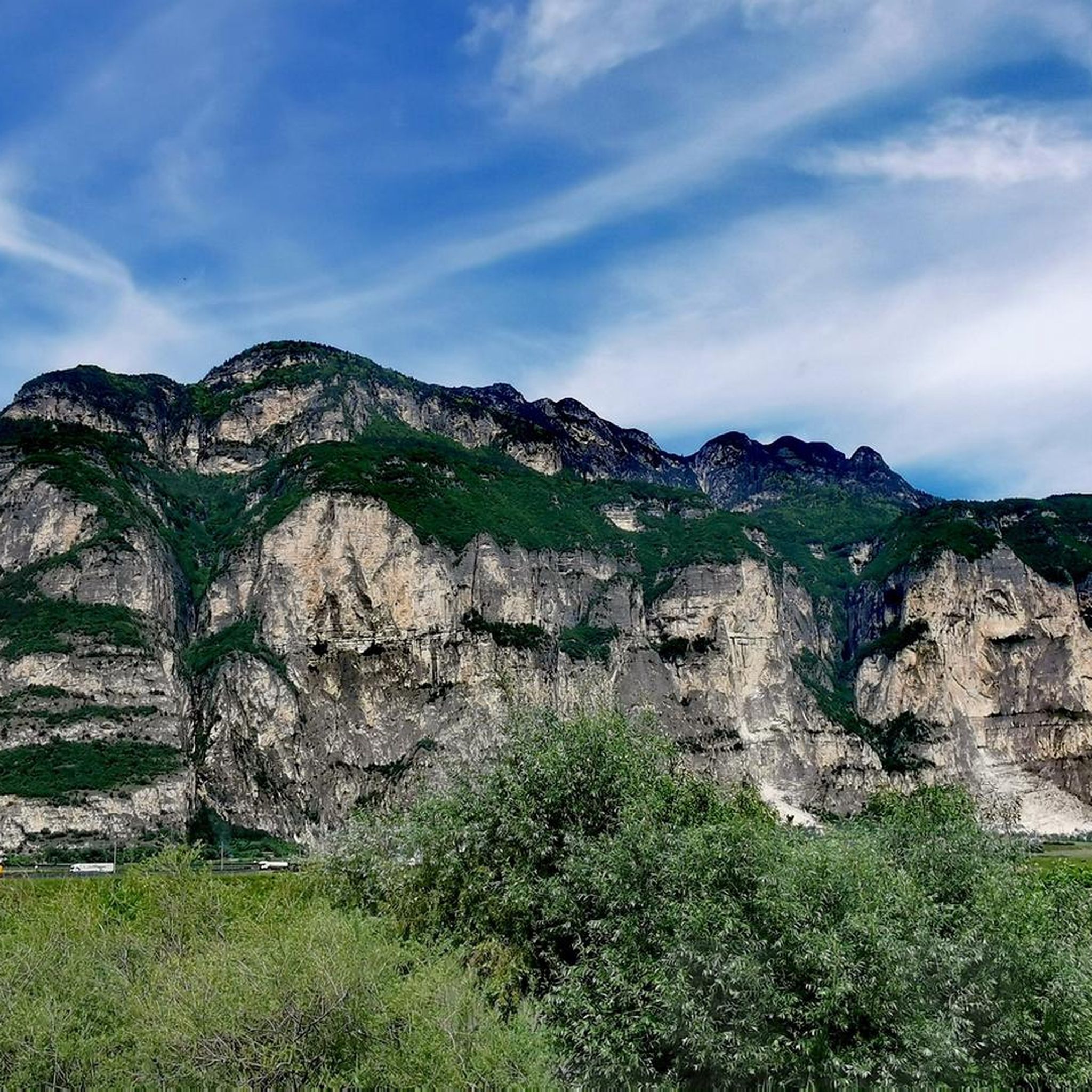
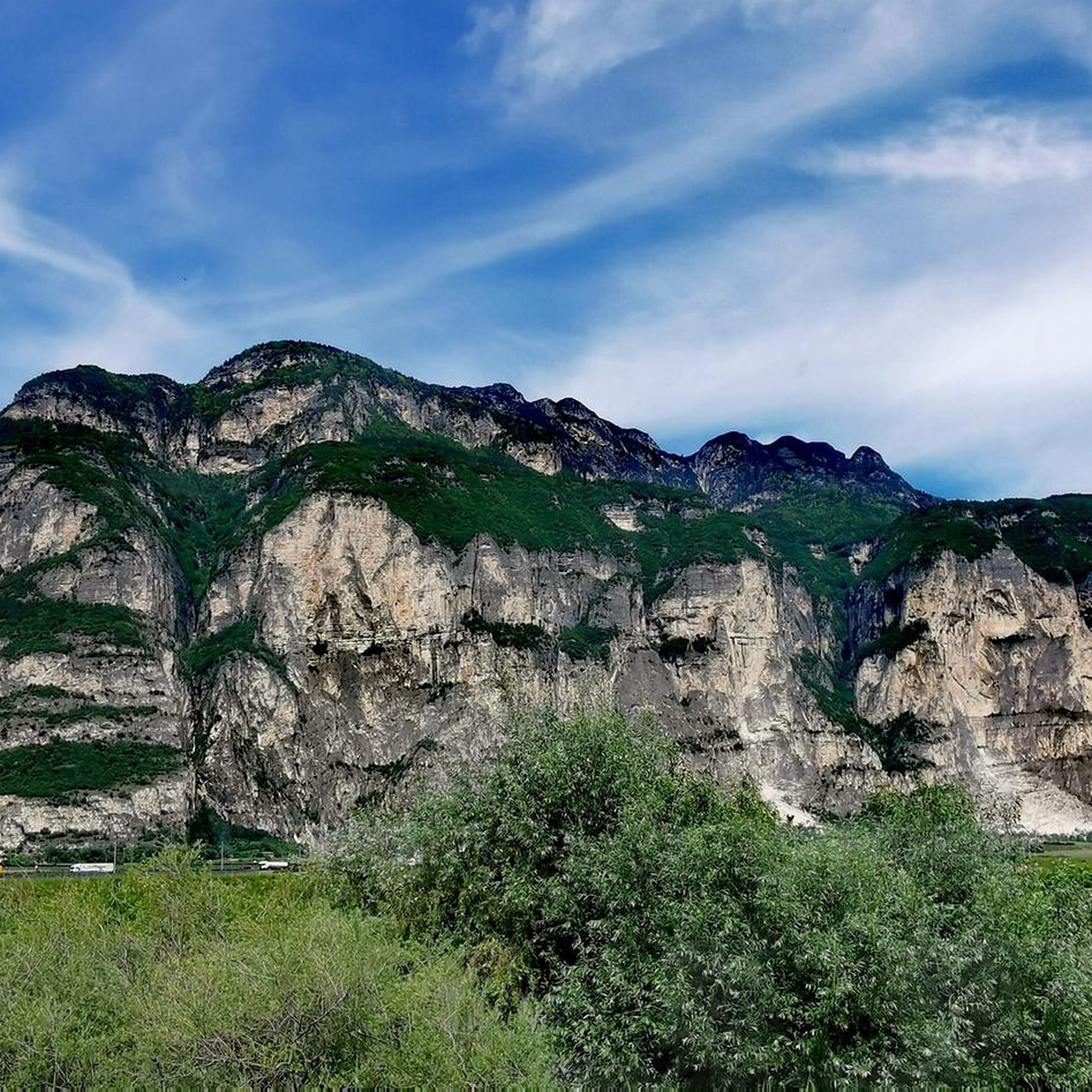
Rather easy via ferrata through an impressive karst gorge with many altitude meters.
7
0

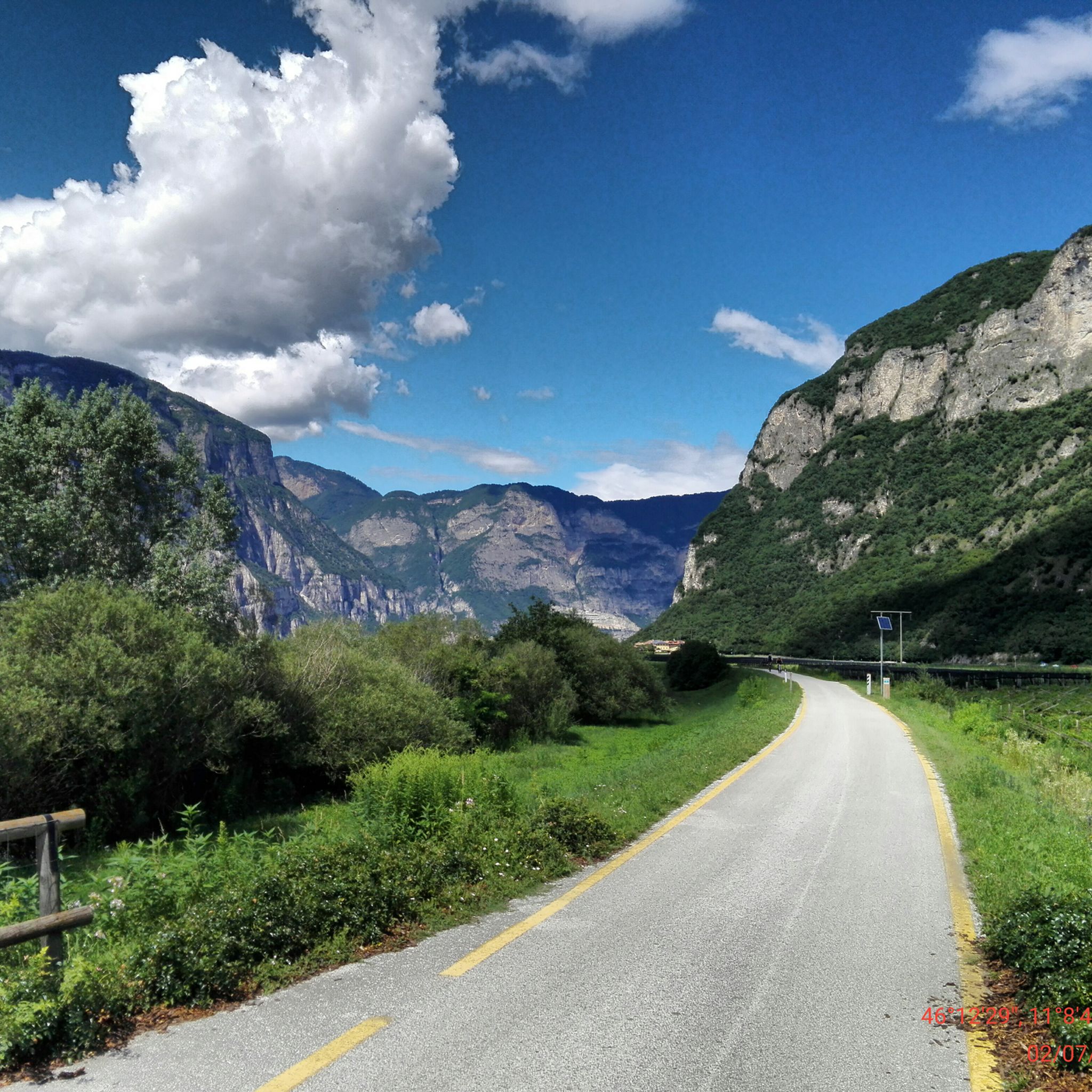
Also ideal for gravel bikers! More tips for gravel bike adventures in the area at https://graveldeluxe.com or in my Komoot profile https://www.komoot.de/user/graveldeluxe
0
0

Passage to avoid the state road
0
0

Nestled in the mountains of Trentino, Lake Lamar is an oasis of peace that can be reached via paths that wind through coniferous forests. Its clear waters surrounded by rocky walls and woods offer the ideal setting for a regenerating break.
0
0

Impressive erosion
0
0

An integral part of the Argentario Ecomuseum, this body of water is located in a wooded basin at almost 1000 m above sea level, in the southern part of the Cembra Valley. Despite not having significant dimensions (it measures 310 m in length, 120 m in width, and a maximum depth of 8 metres) it represents an element of great landscape importance and a place of incredible naturalistic importance. The geological interest of the basin is given by its location on a fault that separates lava rocks (quartz porphyries) from sedimentary rocks (Calisio limestones). Its origin is very particular: the basin was certainly "worked" by glaciers, as is evident from the smoothing of the large rocks located on the north bank, today characterized by the presence of a dense reed thicket. Tufts of sedges grow almost everywhere, while its waters are surrounded by lush forests of Scots pine. In spring, the wonderful white-pink inflorescences of the fibrino clover emerge in the shallow water areas. Today the ichthyofauna guarantees a high level of fish in the lake, which has at least 10 confirmed species. Mallard ducks, coots and moorhens nest in the reed thicket in spring. But the faunal importance of the lake and the swamp is above all due to the amphibians, which come here in spring from the surrounding areas to mate and lay their eggs: as many as 6 species have been observed to date.
1
0

Beautiful alpine lake where you can enjoy the coolness in summer
0
0

The Lamar lakes are two small basins of Alpine origin, separated by a landslide. Lake Santo, located further south, is smaller than the northern basin. The latter is Lake Lamar which is able to seduce you with its turquoise waters and its banks rich in vegetation. This is a great place to stop for a refreshing break during your ride.
3
1
Frequently Asked Questions
What are some unique natural features around San Michele all'Adige?
The region boasts diverse natural features. You can explore the striking Segonzano Pyramids, a geological phenomenon of earth pillars formed by erosion. The nearby Lamar Lake offers turquoise waters and lush vegetation, while the Adige River provides a significant natural corridor with its scenic cycle path.
Are there family-friendly natural monuments to visit?
Yes, several natural monuments are ideal for families. The Segonzano Pyramids feature a nature trail suitable for all ages. Lamar Lake and Lake Santa Colomba are great for relaxed outings, and the flat Adige Cycle Path is perfect for family bike rides. Further afield, the Monte Corno Nature Park offers visitor centers with interactive exhibits and guided walks, and the Bletterbach Gorge provides an educational geological experience with guided tours.
What kind of outdoor activities can I do near these natural monuments?
The area around San Michele all'Adige is excellent for various outdoor activities. You can enjoy mountain biking on trails like the 'Lago Santo – giro ad anello parco della Trodena' or 'Foci dell'Avisio Biotope – Cathedral Square, Trento loop'. Running enthusiasts can explore routes such as 'Laghetto del Sole – Laghetto di Ischia loop'. For road cycling, the 'Mendola Pass and Val di Non - ring tour' or the 'Adige Valley Cycle Path' offer scenic rides. Find more details on these activities in the MTB Trails, Running Trails, and Road Cycling Routes guides.
Are there hiking opportunities near the natural monuments?
Yes, hiking is a popular activity. The Segonzano Pyramids have a dedicated nature trail. The Monte Corno Nature Park, located south of South Tyrol, offers numerous hiking trails like the Trodena Legend Trail and the Anterivo Legend Trail, allowing you to immerse yourself in its rich biodiversity. The Bletterbach Gorge also provides trails for exploring its unique geological formations.
What is the Bletterbach Gorge and why is it significant?
The Bletterbach Gorge, a UNESCO World Heritage site, is a spectacular canyon often described as an 'open book' of geological history. Located at the foot of Mount Corno Bianco, it reveals millions of years of rock formations and geological processes. It's an incredible place to literally walk through geological time, observe striking rock formations, and even find small fossils, making it a unique natural classroom for all ages.
What can I expect to see at Monte Corno Nature Park?
Monte Corno Nature Park is known for its exceptional biodiversity, spanning sub-Mediterranean to alpine climates. You can expect to see a wide array of flora and fauna, including rare plants like sundew and various wildlife. The park features diverse landscapes, from sub-alpine spruce woods to wetlands like the White Lake, where dragonflies are common. Numerous hiking trails offer opportunities to explore these varied environments.
What do visitors enjoy most about the natural monuments in this area?
Visitors particularly appreciate the diverse outdoor experiences. The Lamar Lake is loved for its refreshing stop during rides and opportunities for swimming. The Segonzano Pyramids are considered a 'masterpiece of nature' and a 'fascinating natural phenomenon' by many. The scenic views and peaceful paths around Lake Santa Colomba are also highly rated.
Is the Adige Cycle Path considered a natural monument?
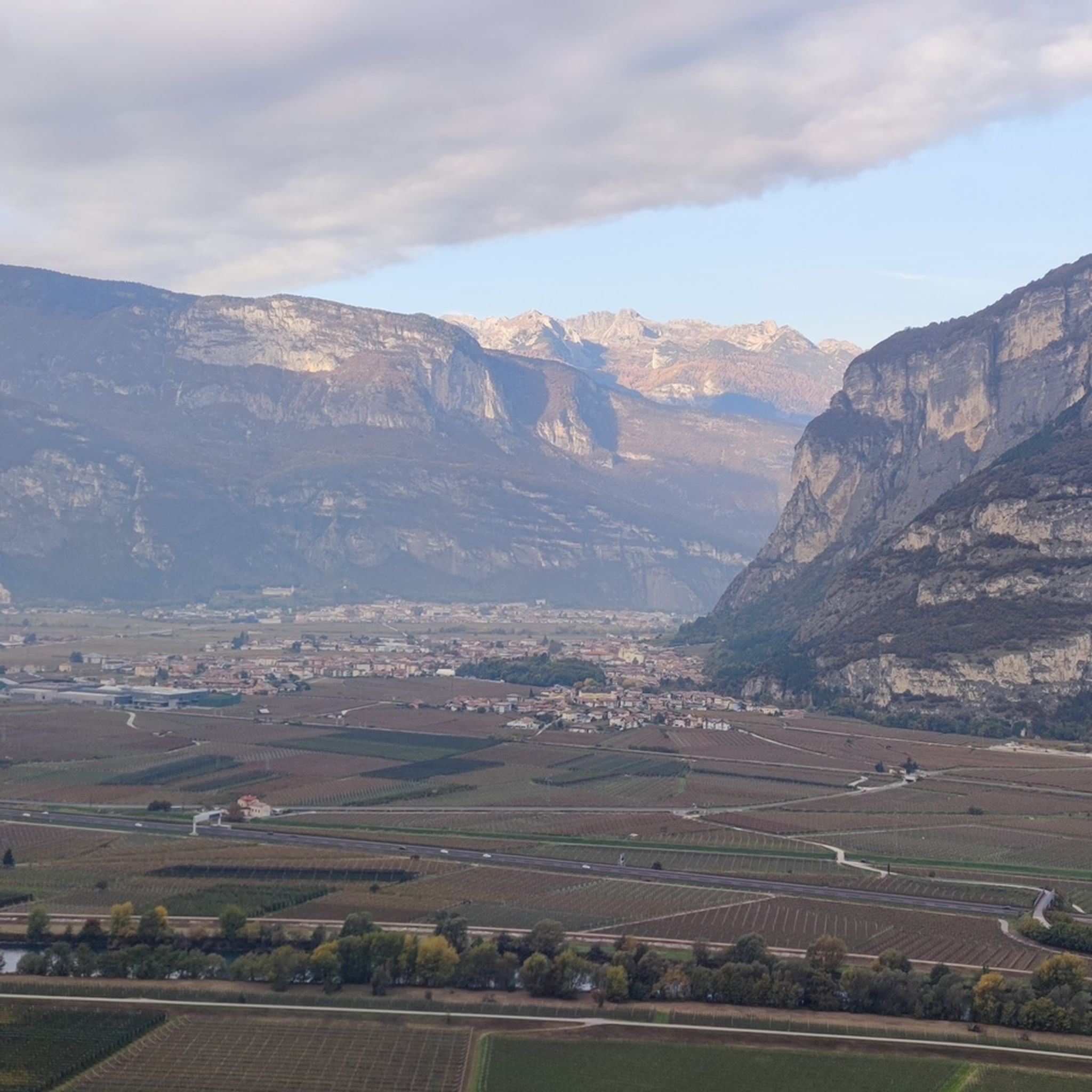
While not a 'natural monument' in the same geological sense as a park or gorge, the Adige River environment, particularly the Adige Cycle Path, provides a significant natural corridor. It offers a flat and panoramic route along Italy's second-longest river, allowing visitors to appreciate the local flora and fauna, vineyards, and surrounding mountains in a relaxed way. It's a popular way to experience the region's natural landscape.
What is the best time of year to visit the natural monuments around San Michele all'Adige?
The best time to visit largely depends on your preferred activities. Spring, summer, and autumn are ideal for hiking and cycling, offering pleasant weather and vibrant landscapes. The Monte Corno Nature Park's diverse climate makes it interesting across seasons. For specific activities like winter skating, Lake Santa Colomba can be a unique destination during colder months.
Are there any natural monuments suitable for dog walking?
Many outdoor areas in the region are generally dog-friendly, but it's always recommended to check specific regulations for each natural monument or park. For instance, the numerous hiking trails in Monte Corno Nature Park and the paths around the lakes are often suitable for dogs on a leash. Always ensure to clean up after your pet and respect local guidelines.
Can I find scenic viewpoints among the natural monuments?
Absolutely. The View of the Segonzano earth pyramids offers a panoramic perspective of these unique formations. Many points along the trails in Monte Corno Nature Park and the Bletterbach Gorge provide stunning vistas of the diverse landscapes and geological features. The lakes, such as Lamar Lake and Lake Santa Colomba, also offer beautiful scenic views.
What are the 'òmeni' mentioned in relation to the Segonzano Pyramids?
The 'òmeni' are the local dialect term for the earth pyramids of Segonzano. This name is used because of their resemblance to human figures. These unique geological formations, with their towers, ridges, and high columns topped by porphyry masses, were formed by the erosive action of water on the ground over approximately 50,000 years.
Most popular routes around San Michele all'Adige
Most popular attractions around San Michele all'Adige

Get inspired with the komoot mobile app


Explore more
Extend your search for the best caves by checking out these guides of the top ones around San Michele all'Adige:
