Top 11 Natural Monuments around Molfetta
Best natural monuments around Molfetta are found in this coastal city in Southern Italy's Puglia region. The area is characterized by unique geological formations, including karstic depressions and "lame," which are natural channels connecting the Murgia plateau to the sea. These natural features offer insights into the region's geology, history, and biodiversity. The landscape provides opportunities to explore ancient sites and diverse natural habitats.
Best natural monuments around Molfetta
- The most popular natural monuments is Grotta del Finestrino, a…
Last updated: June 28, 2026
Dolmen of La Chianca
Highlight • Historical Site
Translated by Google •
Tip by

Antignano Olive Tree
Highlight • Natural Monument
Translated by Google •
Tip by
Sign up now to discover places like this
Get recommendations on the best single tracks, peaks, & plenty of other exciting outdoor places.
Sign up for free
Dolmen of San Silvestro
Highlight • Historical Site
Tip by
Dolmen Frisari
Highlight • Historical Site
It can be …
Translated by Google •
Tip by

Grotta del Finestrino
Highlight • Cave
Translated by Google •
Tip by

Sign up for free to discover even more natural monuments around Molfetta.
Sign up for free
Already have an account?
Start today with a free account
Your next adventure awaits.
Login or Signup

Tips from the Community

Cave with an opening through which you can see outside (window)
0
0

Impressive megalithic structure from the Middle Bronze Age (16th and 15th century BC), explored at the beginning of the 20th century, in the area surrounding the homonymous Frisari farmhouse. Unfortunately, the monument, which is very reminiscent of the more famous Dolmen della Chianca, is not in a good state of conservation.
0
0

It is accessed by taking the Giovinazzo – Terlizzi provincial road (SP 107) and passing the motorway overpass, continuing until you find the complex on the left.
0
0

Magical place in the Santa Croce area, to the right of a monumental cross visible from the road
0
0

The indicated position of the Window Cave is incorrect.. the correct position is the one indicated by Google Maps on the same side of the Cross
0
0

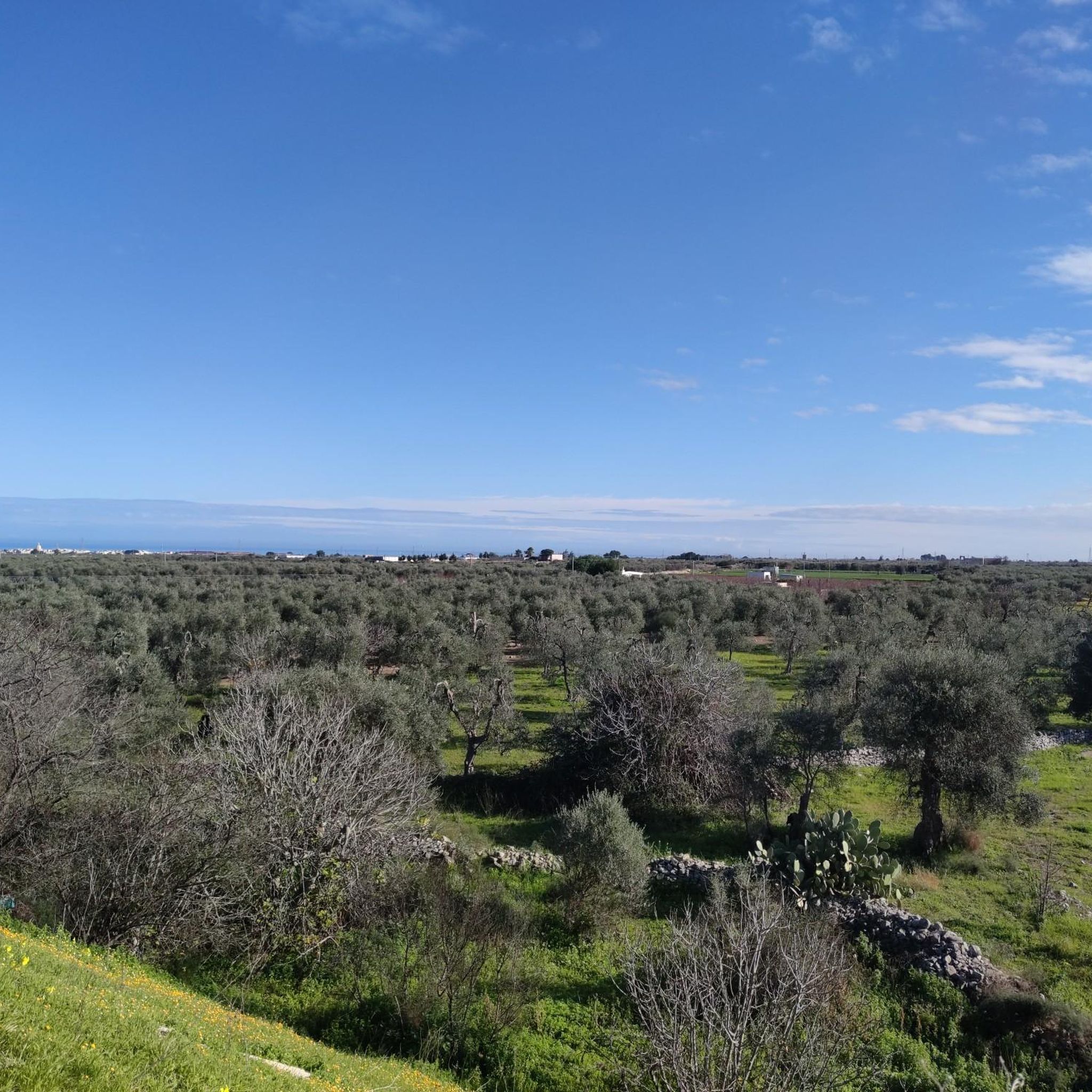
Large Dolmen from the Bronze age in the beautiful olive groves of Bisceglie
0
0

The Dolmen la Chianca is a prehistoric megalithic monument, dating back to the Bronze Age and discovered in 1909 near Bisceglie. The dolmen consists of a quadrangular cell, formed by three vertical stone slabs and one horizontal roof, and an open-air corridor. It is always possible to visit it, with a racing bike it is better to walk the last stretch of the path up to the Dolmen.
1
0
Frequently Asked Questions
What are some of the most notable natural monuments around Molfetta?
Molfetta is home to several unique natural monuments. Among the most popular are the Grotta del Finestrino, a cave with a Neolithic deposit, and the ancient Antignano Olive Tree, a centuries-old tree with a diameter of about 600 cm. The region also features significant karstic depressions like the Pulo di Molfetta and geological formations known as "lame," such as Lama Martina.
What kind of geological features can I expect to see in Molfetta's natural areas?
Molfetta's natural areas are characterized by unique geological formations. You can explore karstic depressions, most notably the Pulo di Molfetta, which is a massive sinkhole formed from a collapsed cave system. The region also features "lame," which are natural channels connecting the Murgia plateau to the sea, like Lama Martina. These formations offer insights into the area's hydrogeology and ancient landscapes.
Are there historical or archaeological sites integrated with the natural monuments?
Yes, many natural monuments in Molfetta have significant historical and archaeological importance. The Grotta del Finestrino, for instance, includes a Neolithic deposit. The Pulo di Molfetta is recognized as an important Neolithic site with evidence of continuous habitation. Additionally, you can visit megalithic monuments like the Dolmen della Chianca and Caves of Santa Croce, which show human activity over various periods.
What outdoor activities can I do near Molfetta's natural monuments?
The area around Molfetta offers various outdoor activities. You can find numerous routes for mountain biking, such as those detailed in the MTB Trails around Molfetta guide, including routes near the Dolmen of La Chianca. There are also running trails, like the "Lama Martina Nature Park loop," which you can explore in the Running Trails around Molfetta guide. For gravel biking, routes like the "Antignano Olive Tree – Jazzo del Demonio loop" are available in the Gravel biking around Molfetta guide.
What is the Pulo di Molfetta and why is it significant?
The Pulo di Molfetta is a large karstic depression, or sinkhole, located near the city. It measures about 170 meters in diameter and 30-35 meters in depth, formed by the collapse of an underground cave system. It's significant for its dramatic geological formation and its rich history, being one of the most important Neolithic sites in southern Italy with evidence of human use since prehistoric times. It also hosts diverse fauna and wildlife.
What is Lama Martina and what can I see there?
Lama Martina is a naturalistic oasis in Molfetta, representing a typical "lama" formation – a natural channel connecting the Murgia plateau to the sea. It's valued for preserving natural habitats within an urban context. In spring, it transforms into a vibrant display of wildflowers, including freesias, irises, and wild orchids. Wooden pathways have been installed to allow for peaceful walks and appreciation of its ecological significance.
Are there family-friendly natural attractions in Molfetta?
Yes, several natural monuments are suitable for families. The Antignano Olive Tree is an impressive sight for all ages. The Pulo di Molfetta offers free guided tours on weekends, providing interesting facts about its history and geology, which can be engaging for children. Exploring Lama Martina's pathways and wildflowers can also be a pleasant family activity.
What is the best time of year to visit Molfetta's natural monuments?
While natural monuments can be visited year-round, spring is particularly rewarding for places like Lama Martina, when it's vibrant with wildflowers. Generally, the milder temperatures of spring and autumn are ideal for exploring outdoor sites and trails. Summer can be hot, but coastal areas and early morning visits can still be enjoyable. Winter offers a quieter experience, though some flora might be less prominent.
Can I find ancient megalithic structures among the natural monuments?
Yes, Molfetta and its surroundings are known for ancient megalithic structures. The Dolmen della Chianca and Caves of Santa Croce is a notable example, discovered in 1909 in an area rich with caves. Another significant site is the Dolmen of San Silvestro, a Bronze Age collective tomb that was once covered by a large stone mound.
What do visitors enjoy most about the natural monuments in Molfetta?
Visitors often appreciate the blend of natural beauty and historical depth. The sheer size and geological wonder of sites like the Pulo di Molfetta, combined with its ancient history, are frequently highlighted. The tranquility and diverse flora of places like Lama Martina also receive positive feedback. The ancient olive trees and dolmens offer a unique glimpse into the region's past and natural heritage.
Are there any other significant dolmens in the Molfetta area besides Dolmen della Chianca and San Silvestro?
Yes, another important megalithic monument in the vicinity is the Dolmen Frisari. Dating back to the Bronze Age, it is located in the territory of Bisceglie, not far from the Dolmen della Chianca. It was discovered in 1909, though it was partially damaged at the time of its discovery.
Most popular routes around Molfetta
Most popular attractions around Molfetta

Get inspired with the komoot mobile app


Explore more
Extend your search for the best caves by checking out these guides of the top ones around Molfetta:
