Top 12 Natural Monuments around San Quirino
Best natural monuments around San Quirino include diverse geological features and significant natural areas. The region in Italy features expansive green spaces, river systems, and unique karst formations. These natural landmarks provide opportunities for exploring the local environment and its distinct characteristics. The landscape offers a variety of natural monuments for visitors to discover.
Best natural monuments around San Quirino
- The most popular natural monuments is Ford on the Meduna River, a river that precedes the ford on the…
Last updated: October 1, 2026
Cellina River Levee in Magredi del Cellina
Highlight • River
Translated by Google •
Tip by

Inscriptions of the Deserter Giovanni Celli
Highlight • Historical Site
Translated by Google •
Tip by

Sign up now to discover places like this
Get recommendations on the best single tracks, peaks, & plenty of other exciting outdoor places.
Livenza Spring
Highlight (Segment) • River
Road without difficulty, you pass through the woods until you reach the center …
Translated by Google •
Tip by

Ford on the Meduna River
Highlight • River
Translated by Google •
Tip by

Magredi Biotope of San Quirino
Highlight • Natural Monument
Translated by Google •
Tip by
Sign up for free to discover even more natural monuments around San Quirino.
Already have an account?
Start today with a free account
Your next adventure awaits.
Tips from the Community

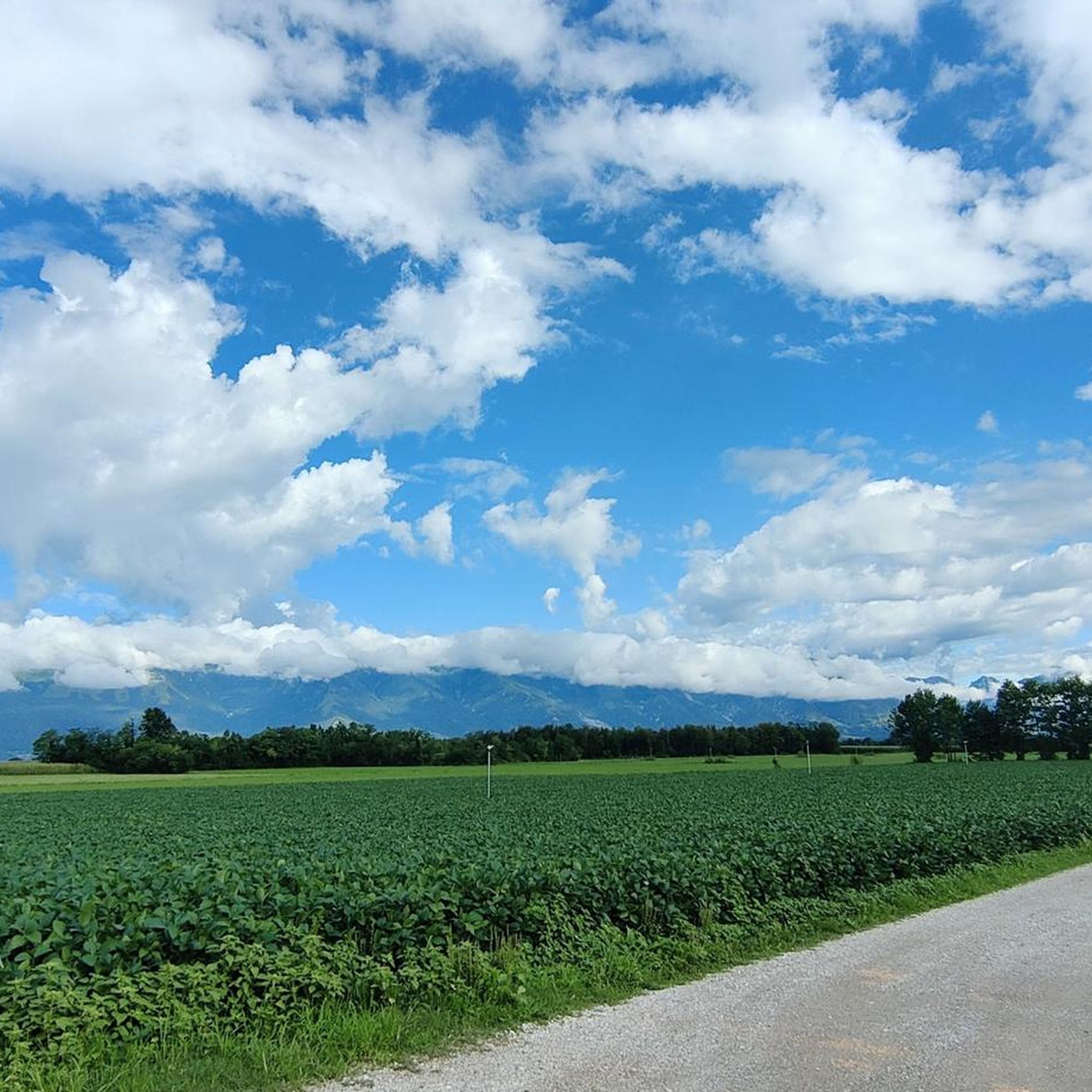
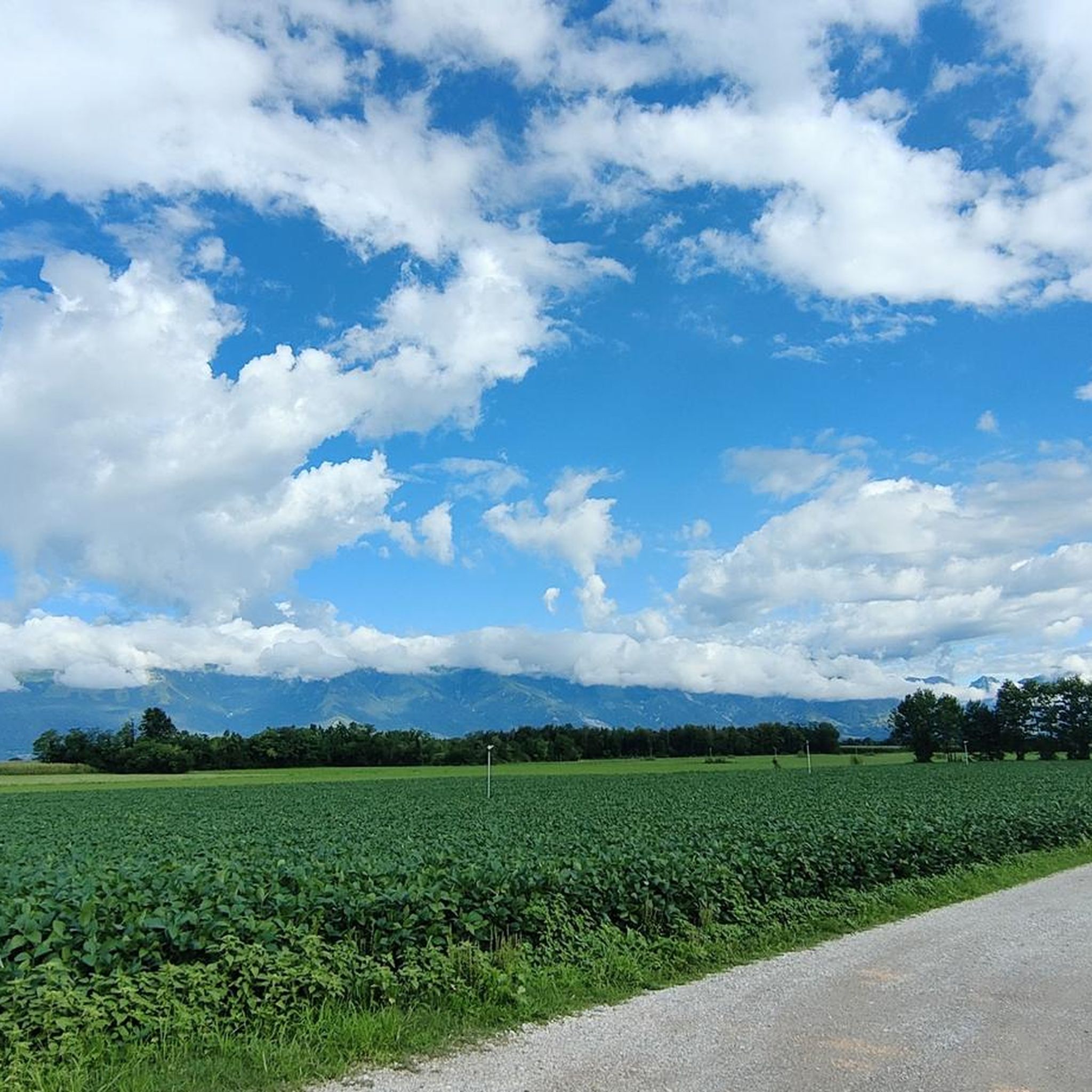
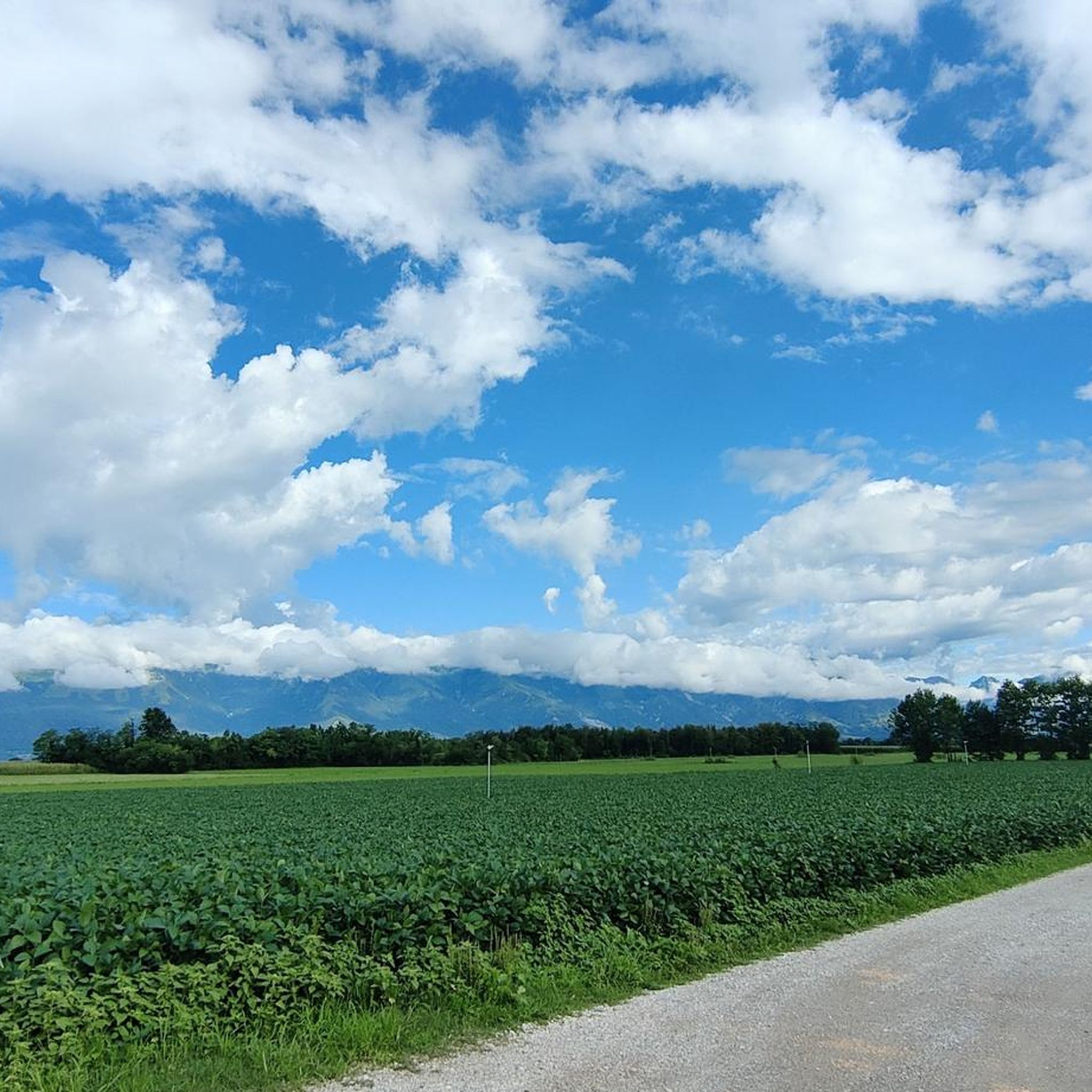
At this point, "dam cycling" is the order of the day. The dam regulates any flooding of the Cellina River and is approximately 5 meters high. The width at the dam is about that of a car and has one or two rutted tracks. Cycling side by side is not recommended due to the risk of slipping, so for me it's an easy, flat single trail. From the dam, there are views to the right and left of the expansive Magredi.
0
0

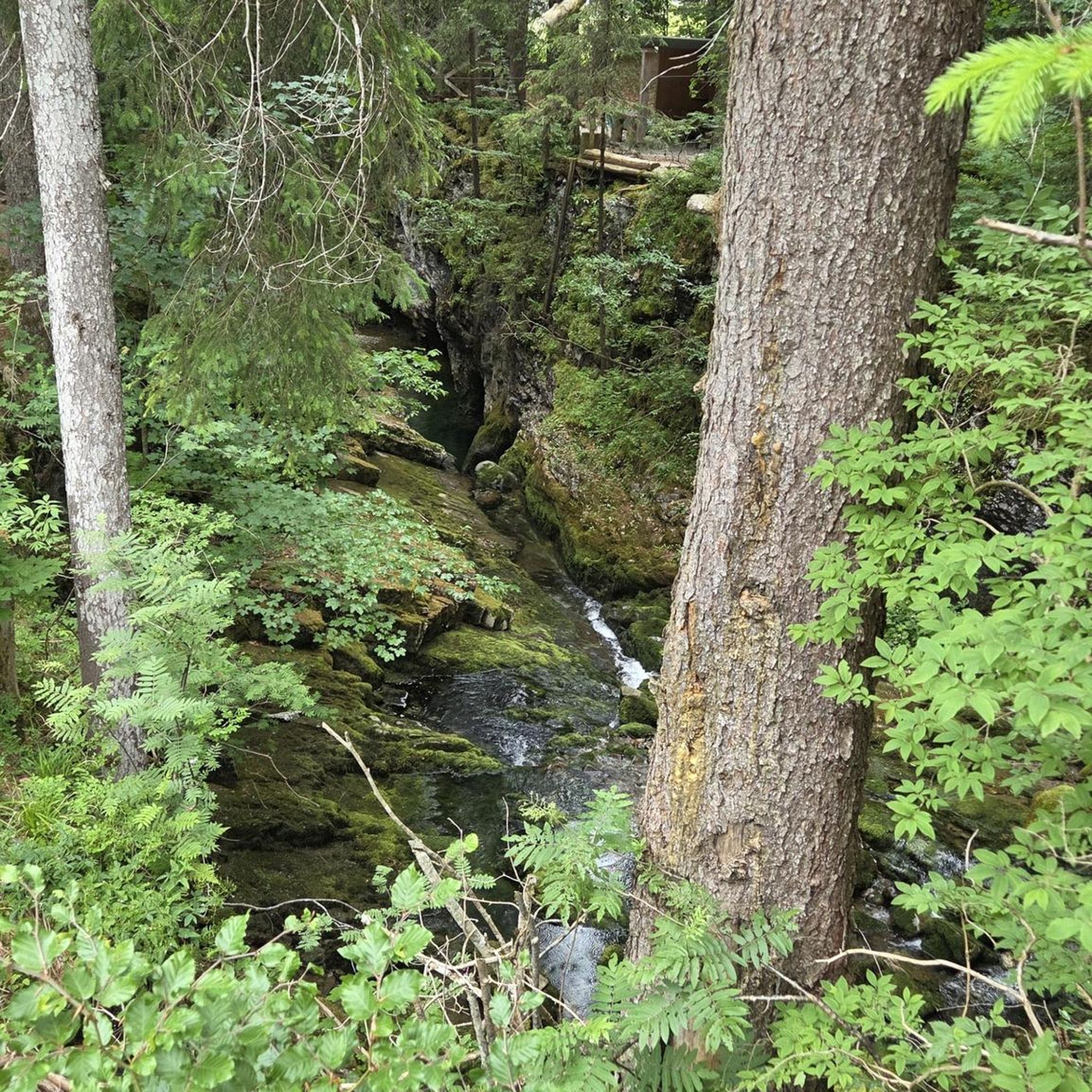
Combined with the Caneva Castle (another highlight) this proposal takes you around the source of the Livenza. Road without difficulty, you pass through the woods until you reach the center of Polcenigo, a very beautiful town with historic streets that survived the earthquake of 1976. You go back under the slopes of Cansiglio until you skirt the Livenza resurgence. I recommend entering the small road of the resurgence, passing in front of the church, taking the time to enjoy the freshness of the place and perhaps returning for a local walk. Worth it, mystical place.
0
0

The deserter military man was called Giovanni Celli. Born in 1889, he was born in Venice but resided in the Municipality of Aviano. Looking at his matriculation role, it is clear that between the period of conscription in peacetime (1909 - 1911), the Italian-Turkish War (1911 - 1912), neutrality and the First World War (1914 - 1918) he collected several convictions for desertion / abandonment of the post and multiple periods of imprisonment, up to the death sentence pronounced against him in absentia under the date of August 14, 1918 (as a result of the desertion which took place on September 26, 1916, while his unit - almost certainly a marching team or a unit of discipline pertaining to the 71st Infantry - he was starting from the Tarcento field). At the time of desertion, the Celli was registered in the roles of the 71st Infantry Regiment of the Puglie Brigade, which had its own march / complementary departments and a depot at Tarcento (its operational departments were in line in the Pasubio - Vallarsa sector ; the seat of the regiment in times of peace was in Venice). In any case, Giovanni Celli managed to survive the conflict, remaining hidden from September 1916 to the first post-war period, when his problems were at least partially amnestied. He later emigrated to Romania, where he remained until the end of his days. The matriculation role testifies how, in conjunction with the call of conscription (1909), he practiced the profession of bricklayer. His epigraphs confirm great skill in the use of the chisel and in stone carving.
3
0

The Cellina stream originates in Margons, a town in the municipality of Claut, at an altitude of about 650 m asl. It runs through the Valcellina for about thirty kilometers and at the exit from the valley its waters infiltrate a large crosses another, the one that has swallowed the river Meduna. The waters of the two streams will reappear on the surface in the resurgence area, in the territory of Cordenons, and then descend until they flow into the Livenza river.
4
0

Valvasone, one of the most beautiful villages in Italy !!! During the month of September the town evokes the Middle Ages, a must see !!!
1
0

The magredi biotope of San Quirino is a protected natural area of Friuli-Venezia Giulia established in 1997. It occupies an area of about 20 ha in the province of Pordenone. It is an area mainly made up of arid meadows and groves. Spontaneous flowers abound in the meadows; flora and fauna express themselves in a wild and enchanting way.
1
0
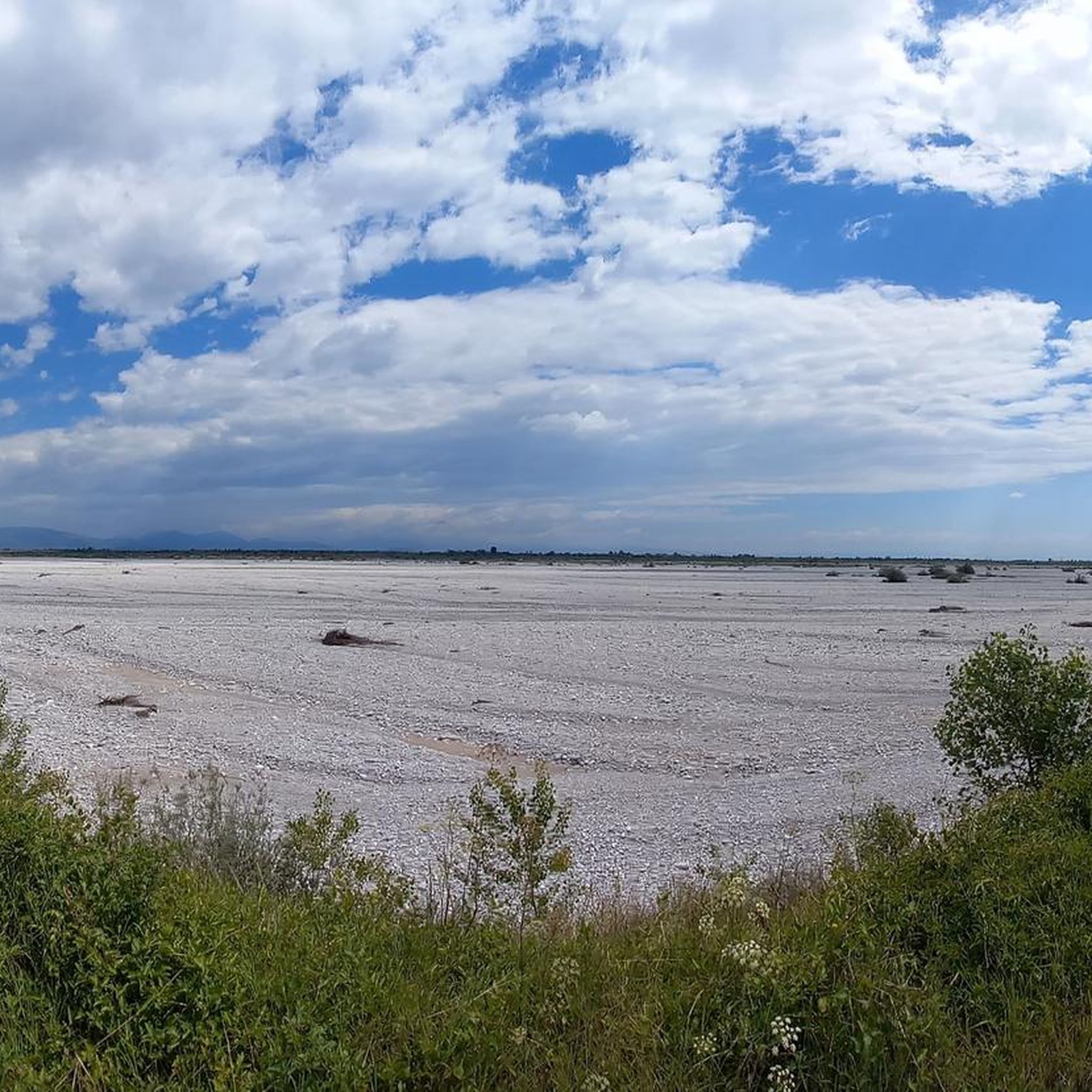
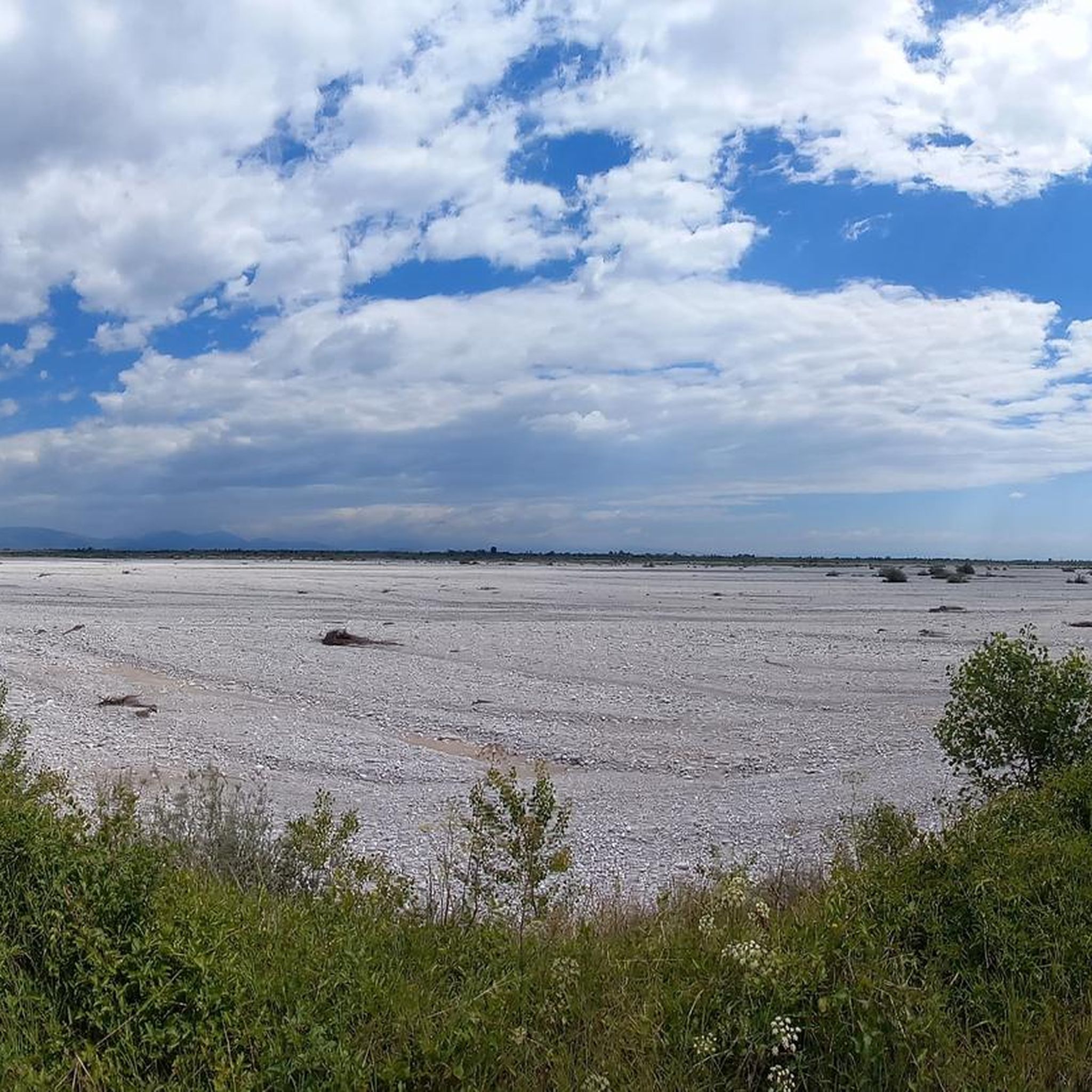
The ford on the Meduna river precedes, coming from the east, the ford on the Cellina river. The flat morphology, the typology of the stony ground and the almost absent vegetation characterize the bed of the two rivers.
2
0
Frequently Asked Questions
What unique natural features can I explore around San Quirino?
San Quirino offers diverse natural features, including significant river systems like the Ford on the Meduna River and the Cellina River Levee in Magredi del Cellina. You can also discover unique geological formations such as karst sinkholes nestled within beautiful beech forests beyond Casera Barzan, and expansive green spaces like the Parco del Seminario.
Are there any protected natural areas near San Quirino?
Yes, the Magredi Biotope of San Quirino is a protected natural area established in 1997. It features arid meadows and groves, rich in spontaneous flowers, flora, and fauna. Additionally, the Parco del Seminario, a thirty-hectare green space along the Noncello river, is a significant natural heritage site.
What are the most popular natural monuments around San Quirino?
Among the most appreciated natural monuments are the Ford on the Meduna River, known for its flat, stony riverbed, and the Cellina River Levee in Magredi del Cellina, which offers views of the expansive Magredi. Visitors also enjoy the unique Dwarf Monument in the Stump, a man-made carving along a scenic trail.
Are there family-friendly natural monuments around San Quirino?
The Magredi Biotope of San Quirino is categorized as family-friendly, offering an accessible natural environment to explore. The Parco del Seminario, with its tranquil atmosphere and well-tended lawns, also provides a substantial public green space ideal for families.
What outdoor activities can I do near these natural monuments?
The area around San Quirino is excellent for various outdoor activities. You can find numerous routes for hiking, including moderate loops like the 'Hiking loop from Biotopo Magredi di San Quirino'. There are also options for gravel biking and running, with routes passing by many natural sights.
Can I go hiking near the natural monuments?
Absolutely. There are several hiking trails available. For example, you can explore the 'Hiking loop from Biotopo Magredi di San Quirino' which is a moderate 9.4 km route. For more options, refer to the hiking guide for San Quirino.
What is the Ford on the Meduna River like?
The Ford on the Meduna River is characterized by its flat morphology, stony ground, and minimal vegetation. It's a distinctive natural monument that precedes the ford on the Cellina river when approaching from the east.
What is the Cellina River Levee in Magredi del Cellina?
The Cellina River Levee in Magredi del Cellina is an approximately 5-meter-high levee designed to regulate potential flooding of the Cellina River. It offers expansive views of the Magredi landscape and is often used for cycling, though it can be a rutted single trail.
Are there any historical natural monuments in the area?
Yes, the Inscriptions of the Deserter Giovanni Celli is a unique site. While a man-made monument, it's categorized as a natural monument due to its integration with the landscape. These inscriptions were carved by Giovanni Celli, a deserter military man from the early 20th century, showcasing his skill in stone carving.
What are the karst sinkholes near San Quirino?
Beyond Casera Barzan, on the way to Casera del Medico and Casera Caseratte, you can find characteristic karst sinkholes. These are natural depressions in the terrain, formed by the dissolution of soluble bedrock, and are nestled within a beautiful beech forest, offering a unique geological experience for hikers.
Is there a large public park in San Quirino?
Yes, the Parco del Seminario (Seminary Park) is an expansive public green space covering approximately thirty hectares. Located alongside the Noncello river, it features well-tended lawns and a tranquil atmosphere, making it ideal for relaxation and enjoying nature.
When is the best time to visit the natural monuments around San Quirino?
Spring and autumn generally offer pleasant weather for exploring the natural monuments and engaging in outdoor activities like hiking and cycling. During summer, the Parco del Seminario's lawns are utilized for forage, and the tranquil atmosphere can be enjoyed. Always check local conditions before your visit.
Most popular routes around San Quirino
Most popular attractions around San Quirino

Get inspired with the komoot mobile app


Explore more
Extend your search for the best caves by checking out these guides of the top ones around San Quirino:
