Top 6 Natural Monuments around Farra D'Isonzo
Best natural monuments around Farra D'Isonzo are found within the unique Karst (Carso) landscape of the Friuli-Venezia Giulia region in Italy. This area is characterized by distinctive geological formations, including caves and fluctuating lakes. Farra D'Isonzo serves as a gateway to explore these natural attractions, offering a blend of geological wonders and historical significance. The region provides opportunities to experience diverse natural environments, from underground chambers to wetland ecosystems.
Best natural monuments around Farra D'Isonzo
- The most popular natural monuments is Summit 3 of Monte San Michele, a viewpoint that offers panoramic views of the Isonzo valley. This location is significant for its historical context during the First World War and features various paths for exploration.
- Another must-see spot is Sabotin Peace Park Bunkers and Caves, a historical site featuring preserved bunkers, ditches, and caverns. Visitors can expect an open-air museum of the Great War and extensive views from the Sabotin ridge.
- Visitors also love Monument to Filippo Corridoni, a man-made monument that is 23 meters high. This historical site is visible from a distance and commemorates a figure from the First World War.
- Farra D'Isonzo is known for its viewpoints, historical sites, and river landscapes. The area offers a variety of natural monuments to see and explore, often combining geological features with cultural heritage.
- The natural monuments around Farra D'Isonzo are appreciated by the komoot community, with over 300 upvotes and more than 230 photos shared by visitors.
Last updated: June 28, 2026
Summit 3 of Monte San Michele
Highlight • Viewpoint
Translated by Google •
Tip by

Sabotin Peace Park Bunkers and Caves
Highlight • Historical Site
More info: sabotin-parkmiru.si/?option=com_content&view=article&layout=edit&id=5
The view in front of the hut takes us from the Dolomites, Carniola and Julian Alps to Goriška Brda and the Italian plain all the way to the Adriatic Sea.
Translated by Google •
Tip by

Sign up now to discover places like this
Get recommendations on the best single tracks, peaks, & plenty of other exciting outdoor places.
Sign up for free
Monument to Filippo Corridoni
Highlight • Monument
Translated by Google •
Tip by

Isonzo River
Highlight • River
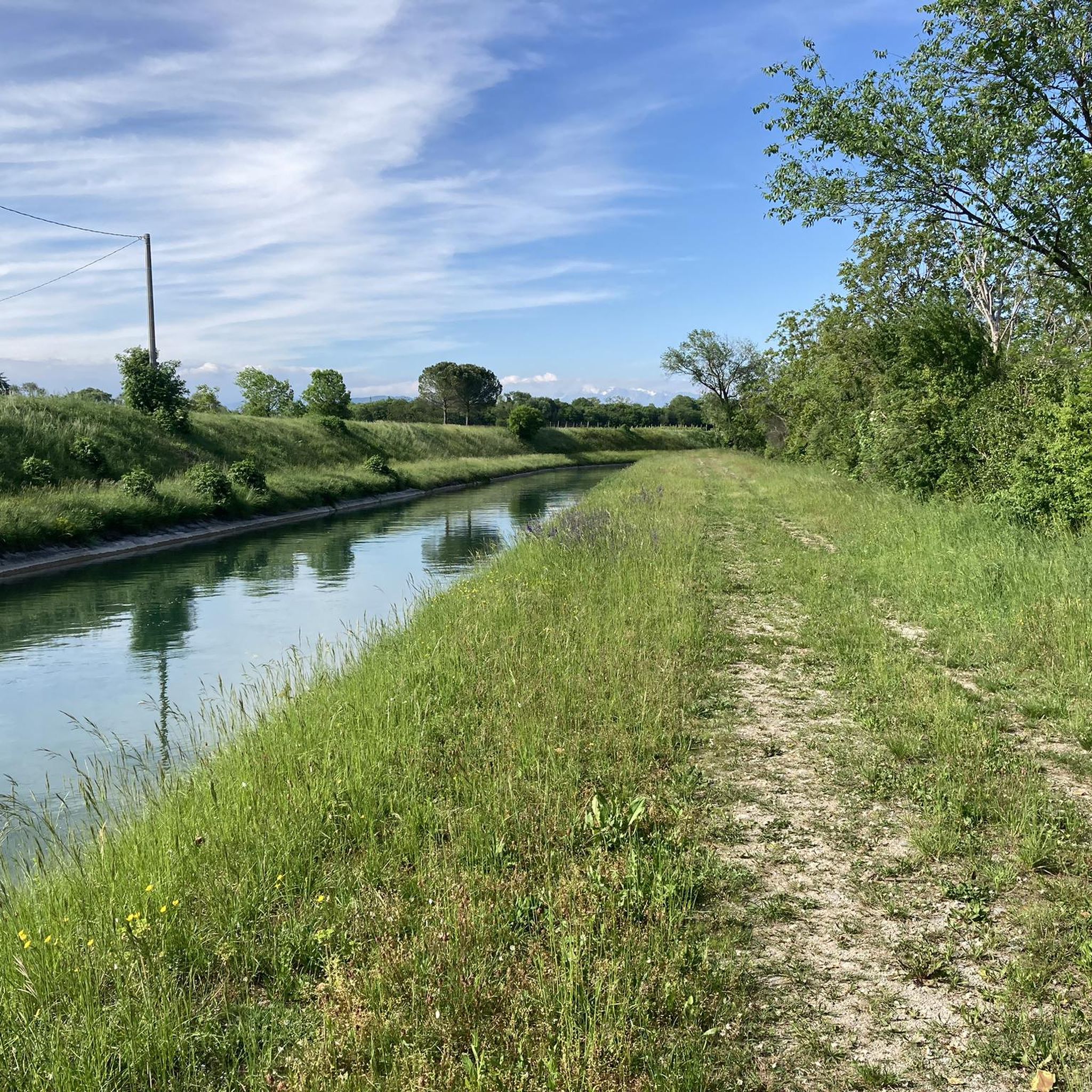
In Italy, however, there are not many accessible stretches: the park on the Isonzo in Piuma is very beautiful, while in Sant'Andrea the park is left a bit to itself also due to the banks of the river that always take on different contours.
Always on the orographic left we can enjoy the Isonzo in Savogna, while continuing south we find the castle of Sagrado.
Translated by Google •
Tip by
Kremenjak Hill Panoramic Viewpoint
Highlight • Viewpoint
Detailed description of the itinerary: isontinoinbici.it/ValichiDelCarso/mtb-carso-vallone-kremenjak-nova-vas.html
Photo Gallery: photos.app.goo.gl/wkVf9vi2vseroihM9
This itinerary straddles the boundary line that runs high and parallel to the state road 55, known as the "Vallone", which connects Gorizia to Monfalcone.
The layout is feasible only after Slovenia has entered the Schengen area (21-12-2007). Before this historic date, in the area affected by the route, the only entry gate to Slovenia was the 2nd category Devetachi pass, manned by the Italian Guardia di Finanza and the Slovenian Police and usable only by cross-border commuters with a special permit (even today it remains the only passable by car). Our itinerary today instead crosses the border line in 4 different points, on paths, dirt roads or agricultural paths.
The main feature of this route, without taking anything away from the beauties offered by the karst territory (autumn is a kaleidoscope of bright colors), is precisely this continuous entering and exiting freely from one state to another. Doing this before 2007-12-21 meant risking big problems.
Last note: even if there are no longer controls on the border line, don't forget to carry your identity card with you always and everywhere.
Translated by Google •
Tip by

Sign up for free to discover even more natural monuments around Farra D'Isonzo.
Sign up for free
Already have an account?
Start today with a free account
Your next adventure awaits.
Login or Signup
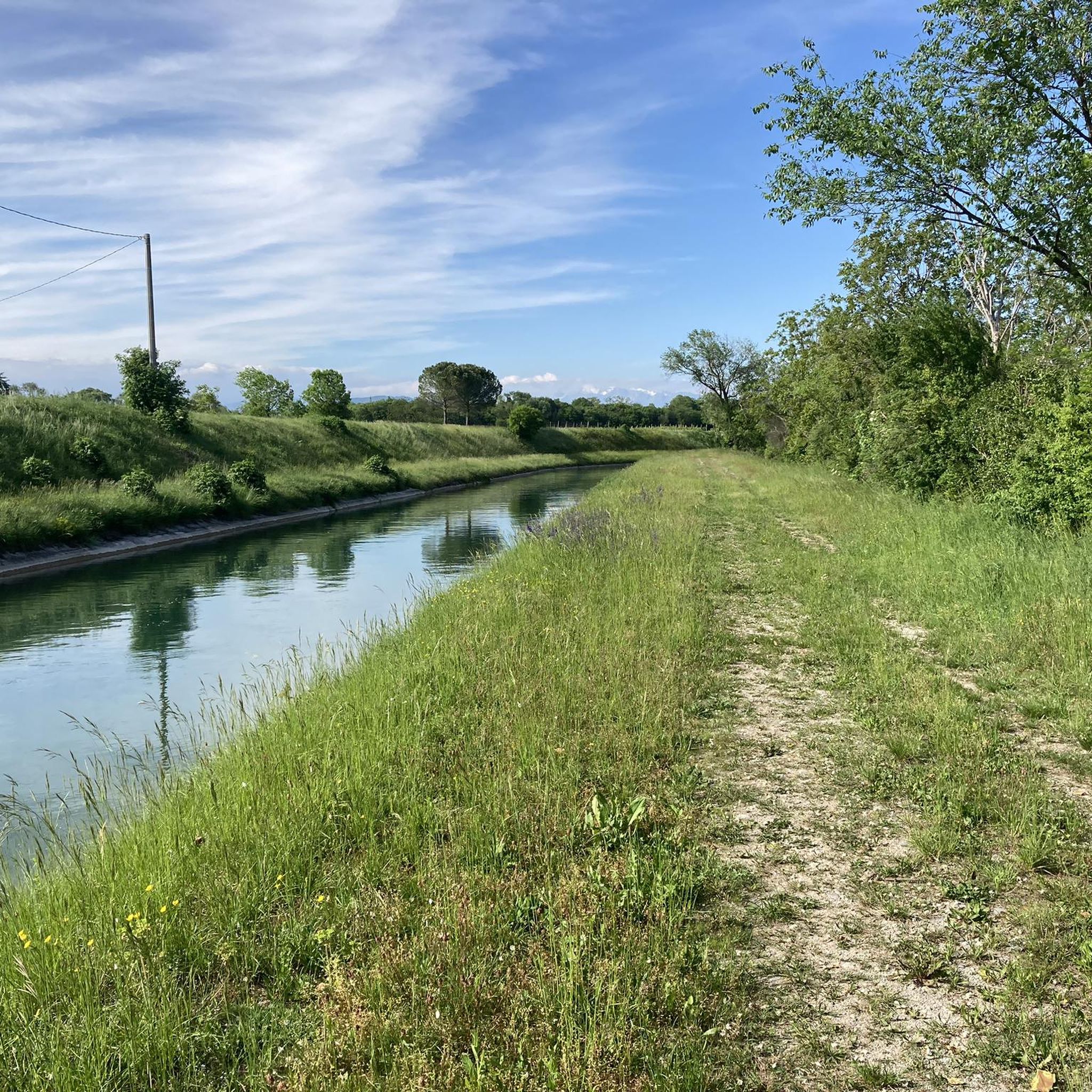
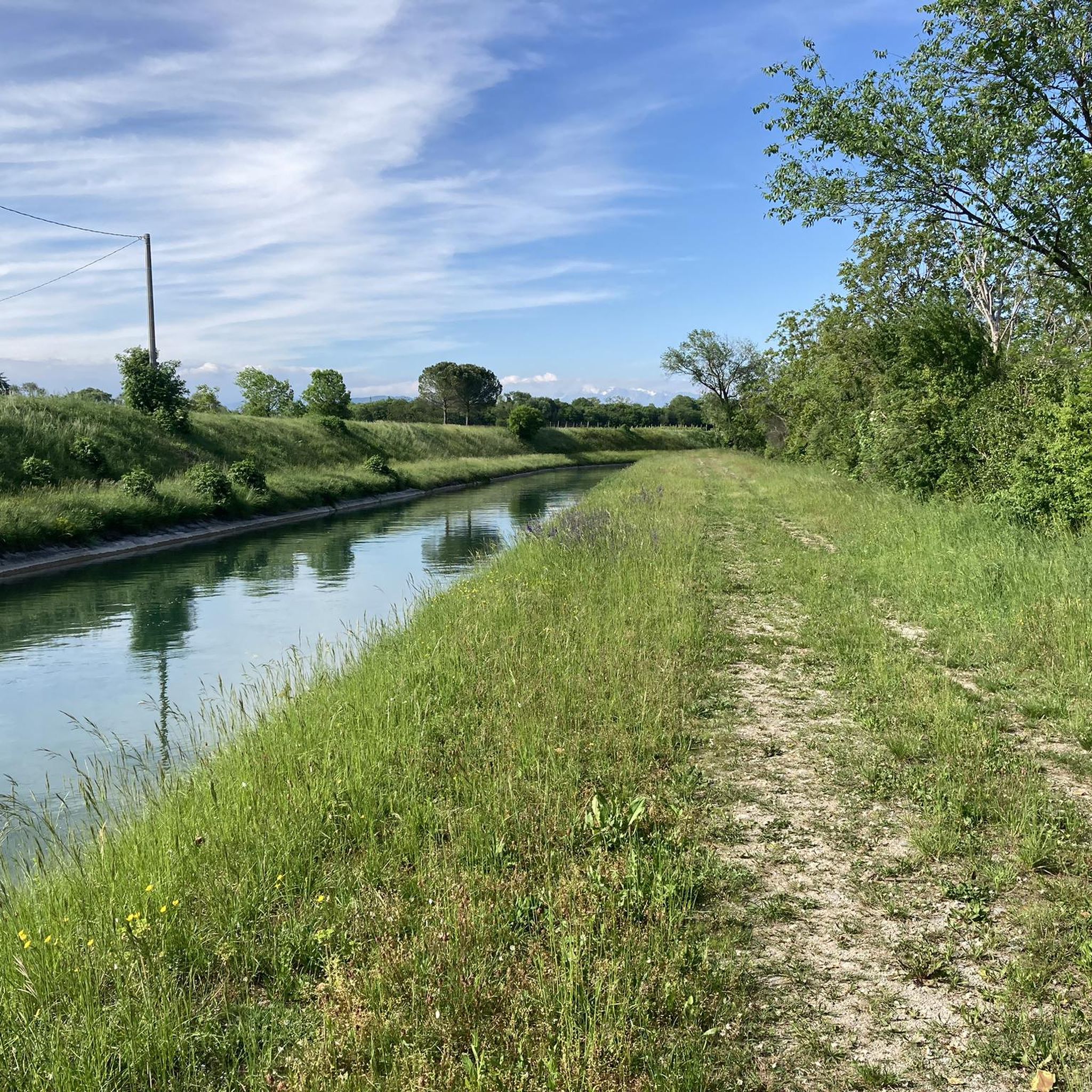
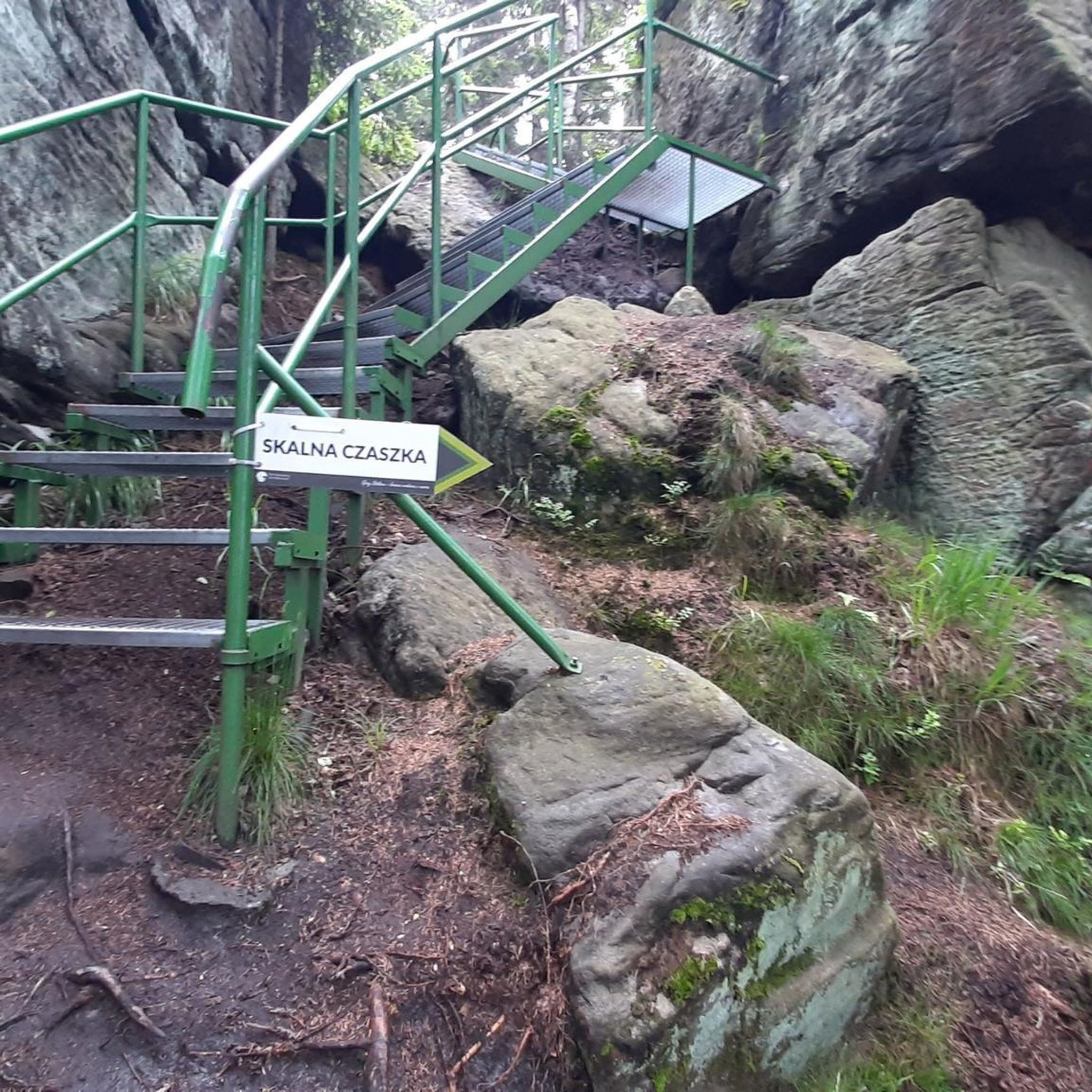
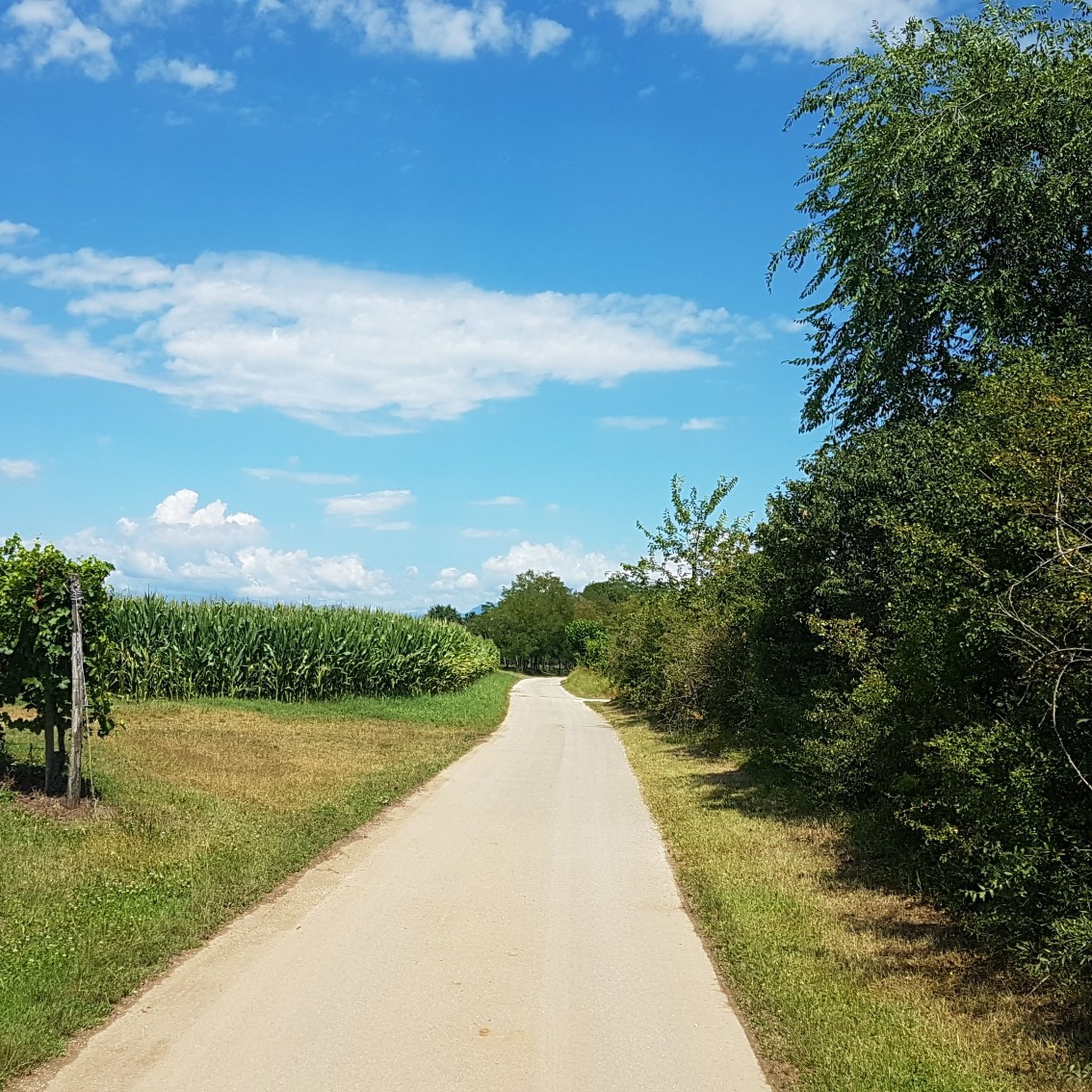
Tips from the Community

Panoramic view of the Gulf of Panzano.
1
0

From this bridge, you can enjoy excellent views of the Soca River and its emerald-green waters, as well as the Sabatino. Depending on the time of day, the Soca River displays stunning reflections.
1
0
A historic peak (World War I) accessible from two sides via paved and gravel roads and forest trails. Presumably a "must-see" for historians. On Monte Sabatino is a cross-border open-air museum of Italy and Slovenia. The starting point is a former barracks, which now serves as an information center and restaurant. Due to its strategic position, the mountain was one of the key battlegrounds during the Battles of the Isonzo in World War I. The museum offers a tour of the second Austro-Hungarian defensive line, which was breached by the Italian Second Army on August 6, 1916, during the Sixth Battle of the Isonzo. Visitors can also see bunkers, fortifications, trenches, a complex tunnel system, caves, and relics of wartime equipment. Source: https://www.turismofvg.it/de/grandeguerra-gorz-isontinischer-karst-und-collio/parco-della-pace-del-monte-sabotino-park-des-friedens?LangSetCMS=de
1
0

A fairly well-kept panoramic area, although with a series of works in progress
1
0

1
0

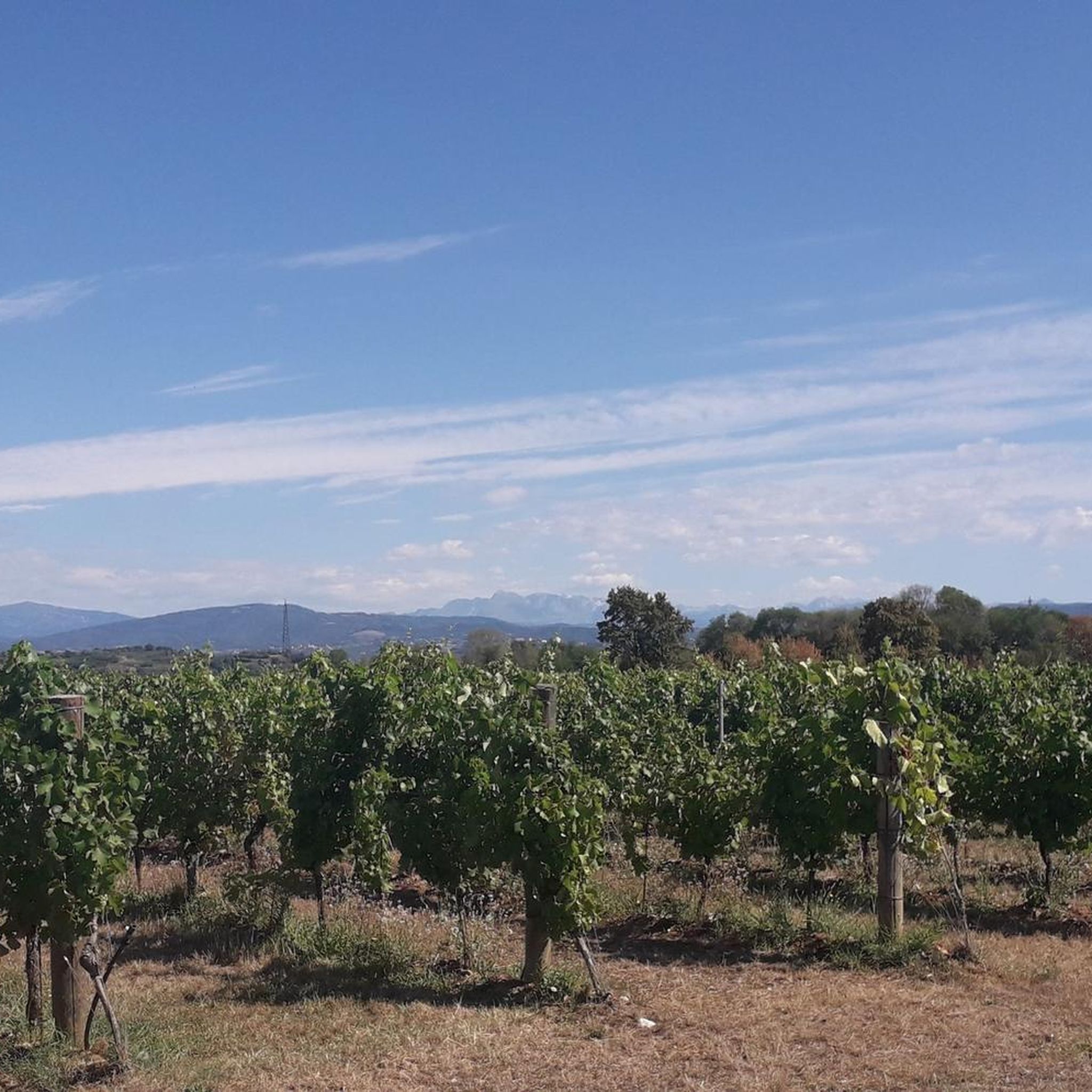
This hill, with remains of the Great War, offers a breathtaking panoramic view of the Carso region, the scene of the 12 battles of the Isonzo. From here you can admire Mount Hermada, Monfalcone, Redipuglia and Mount San Michele. The site, which includes a Cold War casemate, is easily accessible by bike or on foot from Jamiano, ideal for those who love history and landscapes.
1
0


Frequently Asked Questions
What unique geological features can I explore near Farra d'Isonzo?
The region around Farra d'Isonzo is part of the distinctive Karst landscape, known for its unique geological formations. You can explore the colossal Grotta Gigante, a single-chamber cave holding a Guinness World Record, featuring impressive stalactites and stalagmites. Another highlight is the Riserva Naturale dei Laghi di Doberdò e Pietrarossa, home to Lake Doberdò, a rare Karst lake with fascinating fluctuating water levels.
Are there any significant historical natural monuments in the area?
Yes, several natural monuments around Farra d'Isonzo are deeply intertwined with history, particularly the First World War. You can visit Summit 3 of Monte San Michele, a viewpoint with significant historical context from the Battles on the Isonzo. Another notable site is Kremenjak Hill Panoramic Viewpoint, which features remains from the Great War and offers extensive views of the Karst region. The Sabotin Peace Park Bunkers and Caves also provides insight into the area's wartime past with preserved bunkers and caverns.
What kind of outdoor activities can I do around the natural monuments?
The area offers a variety of outdoor activities. You can find numerous hiking trails, such as the route from Poggio III Armata to San Martino del Carso, or a loop around Monte San Michele. For cyclists, there are routes like the Spessa Castle and Vineyards loop, and gravel biking options including the G1 Isonzo Cycle Route. You can find more details and routes for hiking, cycling, and gravel biking around Farra d'Isonzo.
Is the Grotta Gigante suitable for all visitors?
The Grotta Gigante involves a guided tour that descends deep into the earth, covering approximately 850 meters and reaching a depth of 100 meters. There are numerous steps, so comfortable shoes are essential. The internal temperature remains a constant 11°C year-round, so bringing a jacket is recommended. While generally accessible, visitors should be prepared for the physical demands of the tour.
What makes the Riserva Naturale dei Laghi di Doberdò e Pietrarossa special?
This nature reserve is exceptional for its unique hydrological characteristics, particularly Lake Doberdò, which is a rare example of a Karst lake in Europe with significantly fluctuating water levels. It boasts remarkable biodiversity, contrasting wetland ecosystems with the arid Karst landscape. You can observe rare wildlife, including various birds and mammals, and explore an archaeological site with a Bronze Age fortified village.
Are there family-friendly natural monuments or activities in the area?
Yes, several natural monuments offer family-friendly experiences. The Isonzo River area provides accessible sections and viewpoints. The Riserva Naturale dei Laghi di Doberdò e Pietrarossa has a visitor center (Centro Visite Gradina) with a museum itinerary designed for both children and adults, offering educational activities and walking trails suitable for families. Summit 3 of Monte San Michele also offers paths suitable for family exploration.
What is the best time to visit the natural monuments around Farra d'Isonzo?
The natural monuments can be enjoyed throughout the year, but specific times offer unique experiences. The Riserva Naturale dei Laghi di Doberdò e Pietrarossa is particularly beautiful in autumn, with an explosion of colors from the shrubs surrounding the lakes. For the Grotta Gigante, the constant 11°C temperature makes it a good option even on warmer days. Generally, spring and autumn offer pleasant temperatures for outdoor exploration and hiking.
Can I find scenic viewpoints to appreciate the landscape?
Absolutely. The region is known for its stunning viewpoints. Summit 3 of Monte San Michele offers panoramic views of the Isonzo valley. Kremenjak Hill Panoramic Viewpoint provides breathtaking views of the Karst region, including Mount Hermada and Monfalcone. The Isonzo River also has beautiful viewpoints overlooking the river and Mount Sabotino.
What should I wear when visiting the natural monuments, especially caves or nature reserves?
For the Grotta Gigante, a jacket is essential due to the constant 11°C temperature, and comfortable shoes are recommended for the numerous steps. When visiting nature reserves like the Riserva Naturale dei Laghi di Doberdò e Pietrarossa or hiking trails, wear appropriate footwear for walking on varied terrain. Layers are always a good idea, as weather conditions can change, especially in the Karst region.
Are there any man-made monuments that are considered significant in the natural landscape?
Yes, the Monument to Filippo Corridoni is a prominent man-made monument, standing 23 meters high and visible from a distance. While man-made, its scale and historical significance within the landscape make it a notable point of interest, commemorating a figure from the First World War.
What do visitors enjoy most about the natural monuments around Farra d'Isonzo?
Visitors frequently appreciate the combination of natural beauty and historical significance. The panoramic views from spots like Monte San Michele and Kremenjak Hill are highly praised. The unique geological formations of the Karst, such as the Grotta Gigante and the fluctuating Doberdò Lake, offer a sense of wonder. Many also value the opportunity to explore the open-air museum of the Great War, which is integrated into the natural landscape.
Most popular routes around Farra D'Isonzo
Most popular attractions around Farra D'Isonzo

Get inspired with the komoot mobile app


Explore more
Extend your search for the best caves by checking out these guides of the top ones around Farra D'Isonzo:
