Top 20 Natural Monuments around Artogne
Best natural monuments around Artogne are found within a region characterized by its natural landscapes in the province of Brescia, Lombardy. The area offers diverse geological features, including dolomitic limestone formations and karstic caves. Visitors can explore various natural attractions, from mountain summits to regional forests, providing opportunities for outdoor activities and panoramic views. This setting makes Artogne a base for discovering the natural heritage of the Lombardy Prealps.
Best natural monuments around Artogne
- The most popular natural monuments is…
Last updated: November 11, 2026
Monument to the Redeemer on Monte Guglielmo
Highlight • Monument
Translated by Google •
Tip by

Mount Colombina
Highlight • Summit
Translated by Google •
Tip by
Sign up now to discover places like this
Get recommendations on the best single tracks, peaks, & plenty of other exciting outdoor places.
Pass of the Seven Crosses
Highlight • Mountain Pass
Translated by Google •
Tip by

Val Grigna Regional Forest
Highlight • Forest
Translated by Google •
Tip by

Monte Ario
Highlight • Summit
Translated by Google •
Tip by

Sign up for free to discover even more natural monuments around Artogne.
Already have an account?
Start today with a free account
Your next adventure awaits.
Tips from the Community

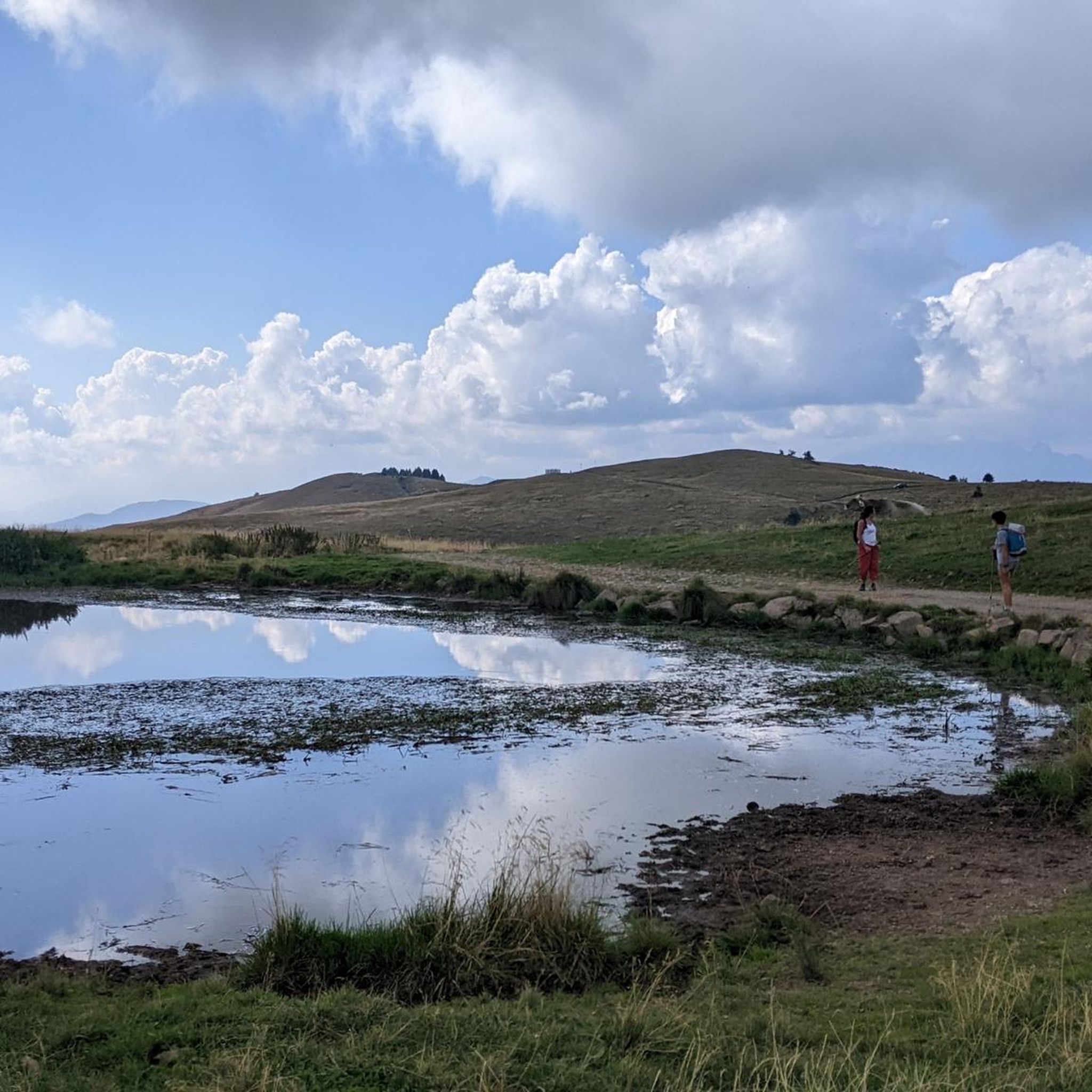
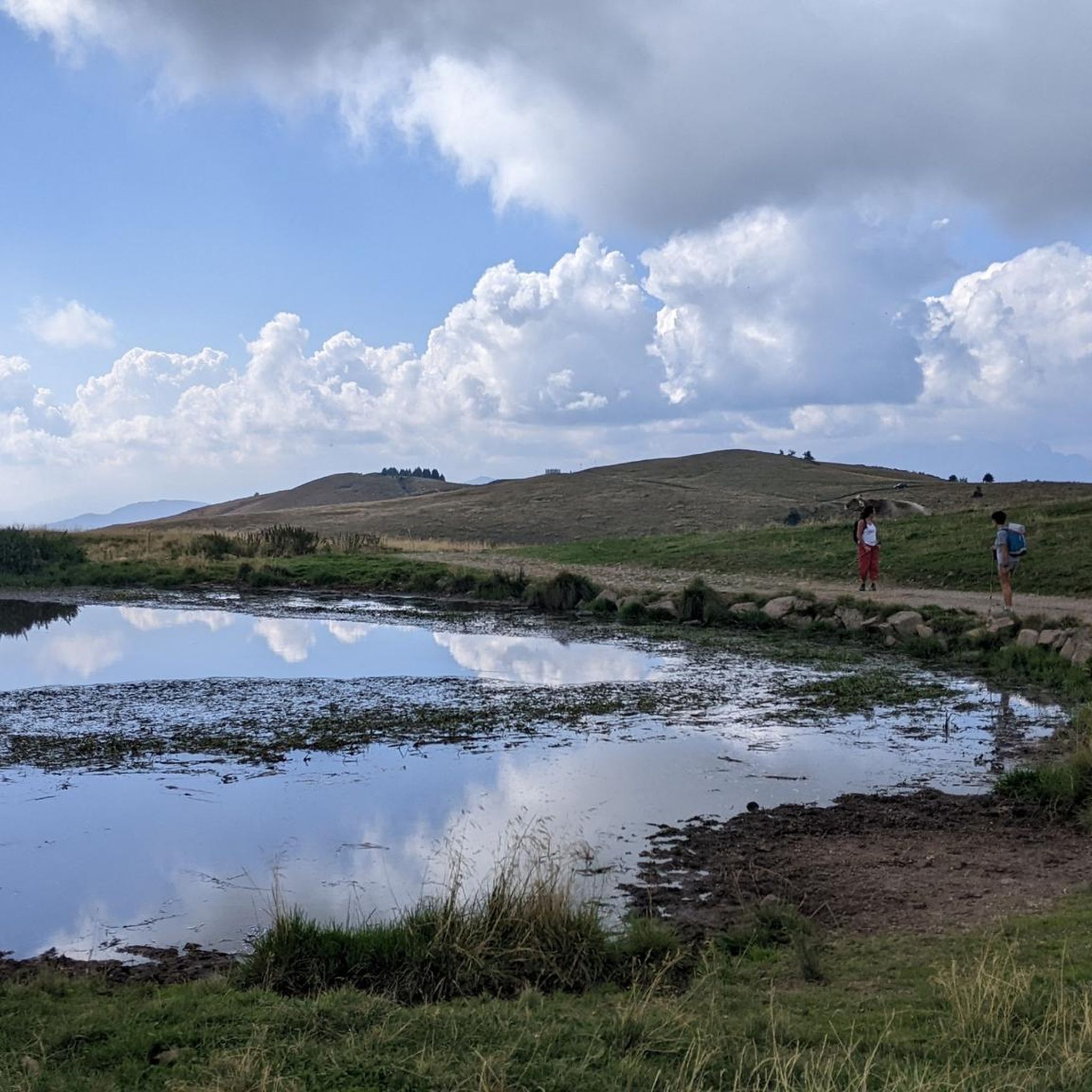
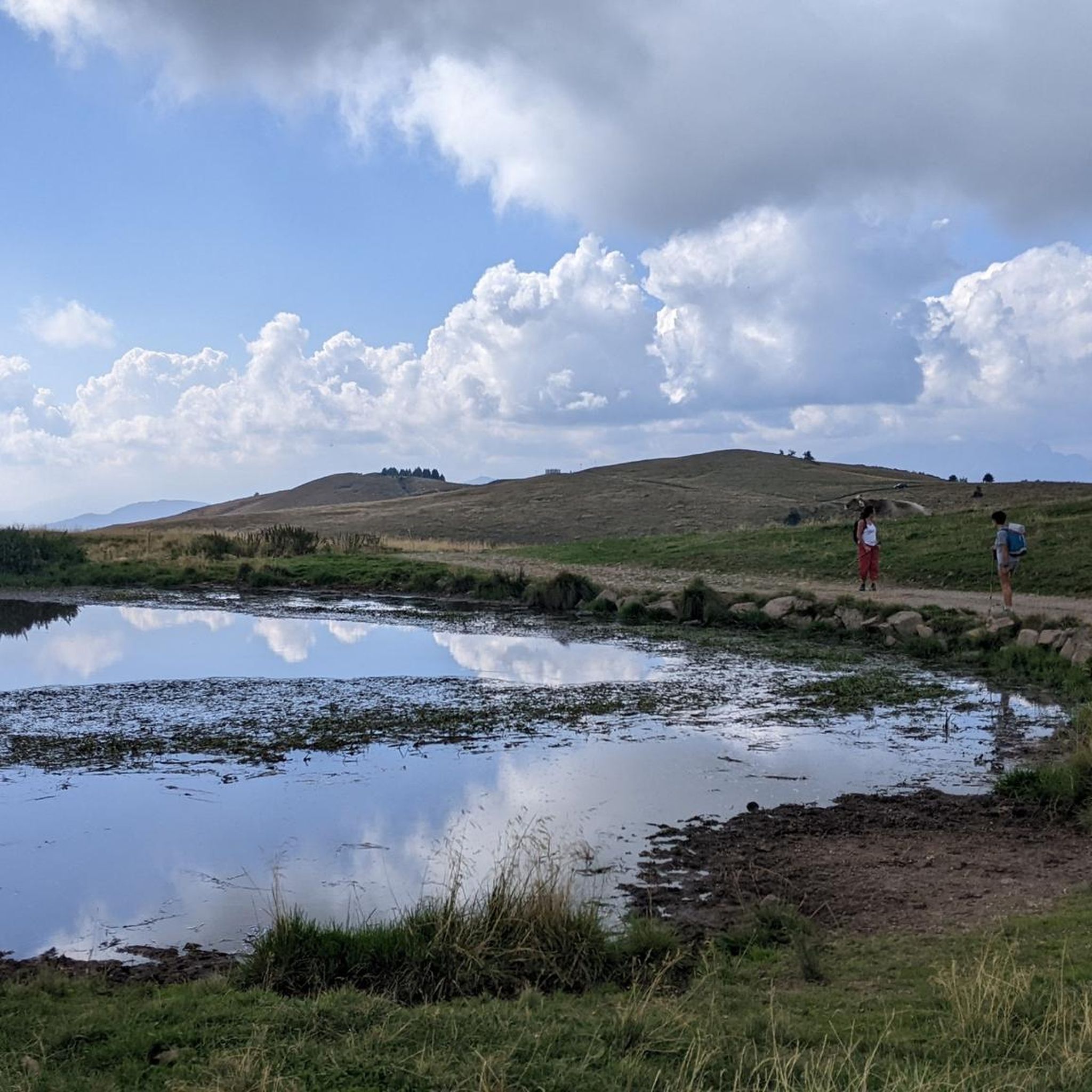
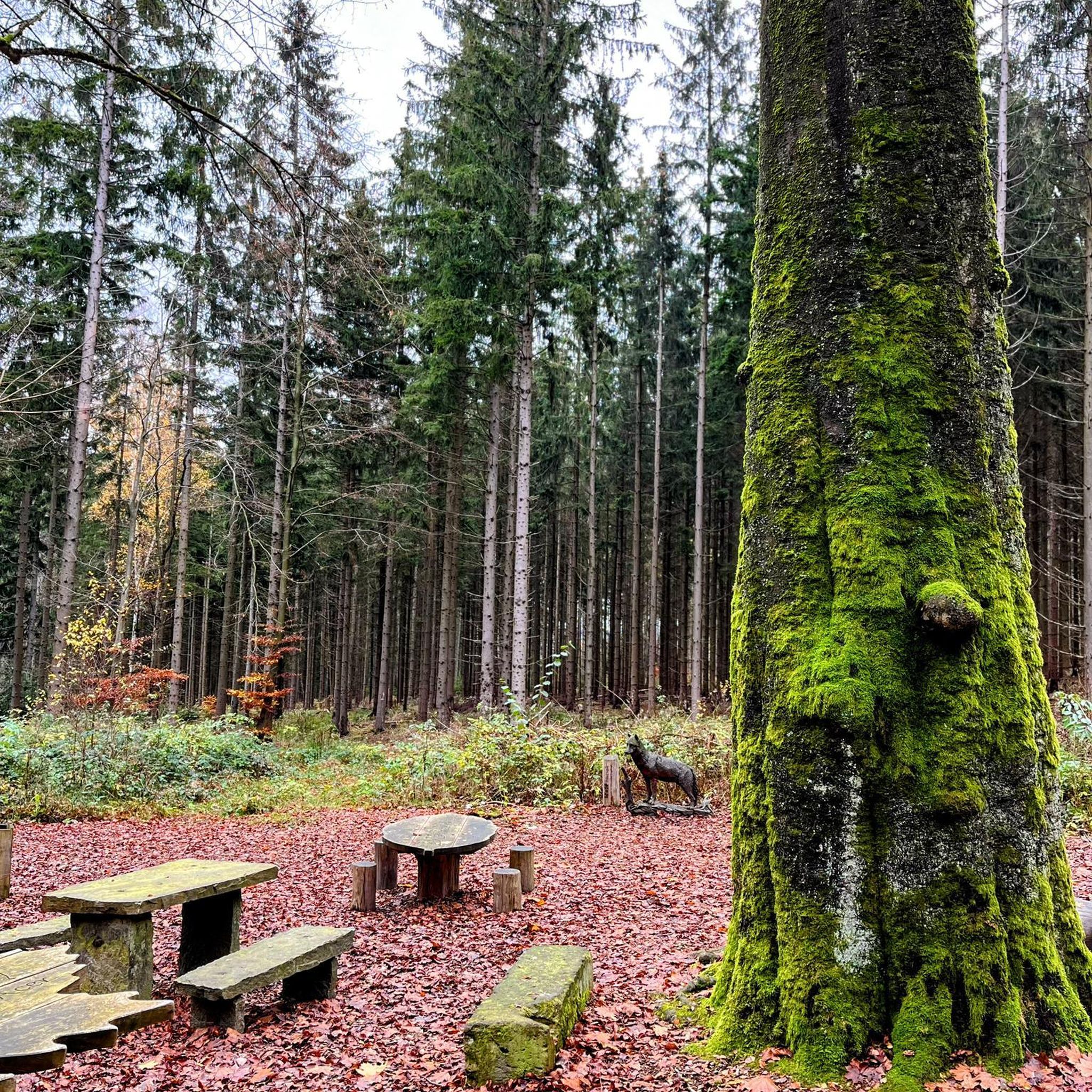
The Val Grigna Regional Forest is a protected natural area located between Val Camonica and Val Trompia. The landscape is typically mid-mountain with wooded slopes mainly composed of Norway spruce and larch, interspersed with wide pasture clearings. Once famous for its Roman-era copper mines and later for turpentine, the famous molten gold. Now, primarily pasture for herds of cows for the production of Silter DOP. The place is very quiet and offers a beautiful panorama and several ups and downs, there are various very interesting information signs, including the one related to the rock of money. I recommend a walk with a picnic to get to know and enjoy the beauties of the area.
0
0


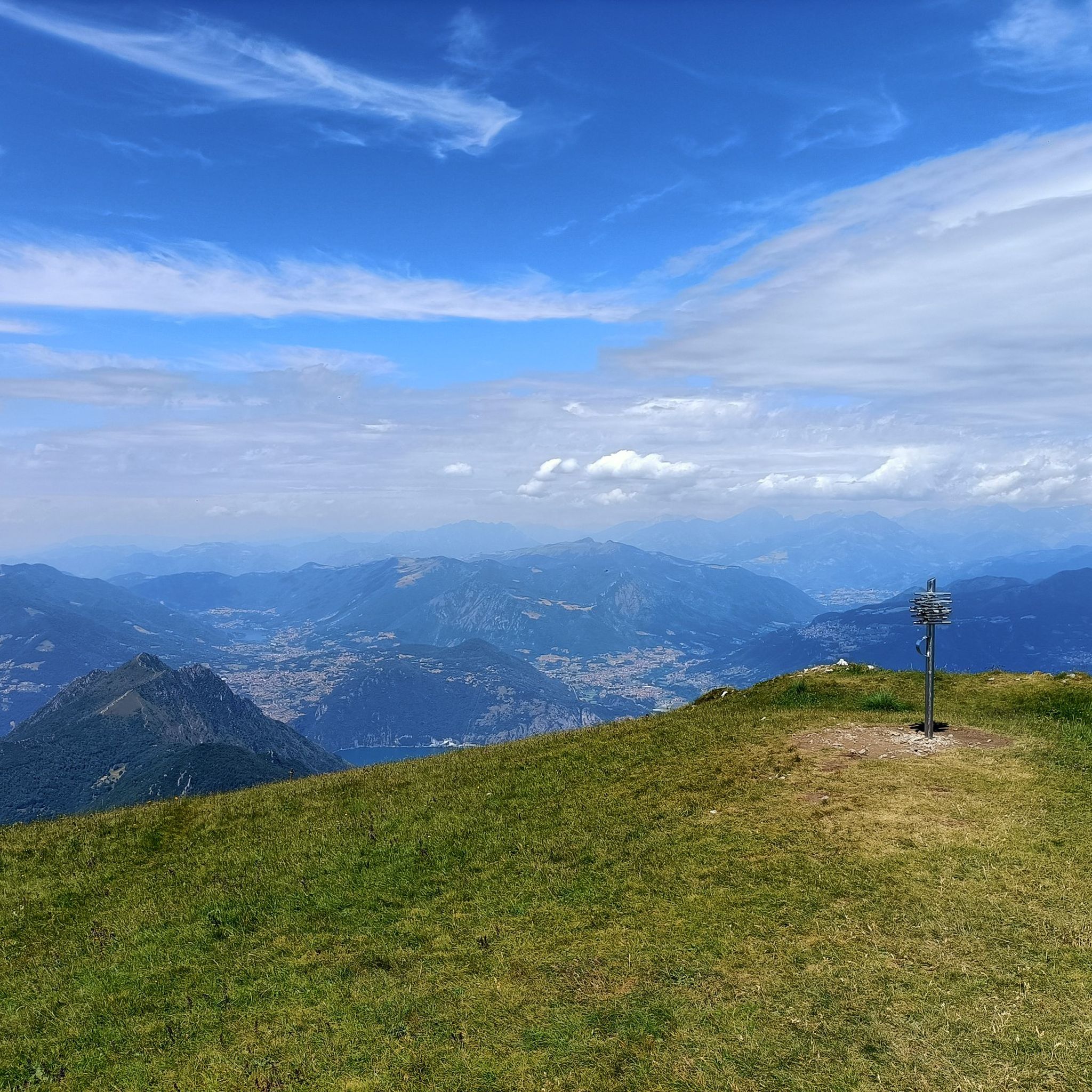
wonderful view of the valley below
0
0

Beautiful summit with rest area and great panorama
0
0

We walked up the ridge from the South (marked as potentially dangerous) and it was fine on a clear July day
0
0

Beautiful mountain from which to admire the beauty of Lake Iseo. Happy to have seen that the real top of the mountain is marked by Tibetan flags and that the cross is a little lower.
0
0
What a nice surprise to reach the summit of Colombina and find that the true summit is marked by these little flags and not by the classic cross.
0
0
Frequently Asked Questions
What unique natural monuments can I explore near Artogne?
Artogne offers a variety of natural monuments with unique characteristics. You can visit the Monument to the Redeemer on Monte Guglielmo, which stands on a summit known for its geological history as a coral atoll and offers extensive panoramic views. Another interesting spot is the Pass of the Seven Crosses, a mountain pass with an ancient road and historical charm.
What kind of panoramic views can I expect from the natural monuments around Artogne?
Many natural monuments near Artogne are renowned for their spectacular vistas. From the summit of Monte Guglielmo, you can enjoy 360-degree views encompassing the Po Valley, Lake Iseo, Lake Garda, and distant mountain ranges like the Orobie and Adamello. Similarly, Monte Ario, despite its lower altitude, also provides a splendid panorama of the Valle Trompia, Passo della Maniva, and even parts of Lake Garda on clear days.
Are there any natural monuments with historical or cultural significance in the area?
Yes, the region combines natural beauty with historical elements. The Monument to the Redeemer on Monte Guglielmo is a significant cultural landmark, being one of twenty such monuments built on Italian peaks in the early 20th century. The Pass of the Seven Crosses is another site steeped in history, featuring an ancient road, a dry stone wall, and legends linked to its past.
What geological features are prominent among Artogne's natural monuments?
The natural monuments around Artogne showcase fascinating geological features. Monte Guglielmo, for instance, is the remnant of a vast coral atoll, composed of dolomitic limestone. This geological history has led to the formation of numerous karstic caves and the presence of fossil deposits, offering insights into the region's ancient past.
What outdoor activities can I do near these natural monuments?
The natural monuments around Artogne are excellent starting points for various outdoor activities. You can find numerous opportunities for hiking, trekking, and cycling. For detailed routes and options, explore the Mountain Hikes around Artogne, Hiking around Artogne, and Gravel biking around Artogne guides.
Are there specific hiking trails recommended for exploring the natural monuments?
Absolutely. For a challenging mountain experience, consider the 'Pozza dell'Angelo – Monte Guglielmo loop from Croce di Marone' which takes you to the iconic Monument to the Redeemer on Monte Guglielmo. If you're interested in forests and historical paths, the 'Statue Dedicated to Pantani – Val Grigna Regional Forest loop from Plan di Montecampione' is a moderate option. You can find more trails in the Hiking around Artogne guide.
Can I go cycling or mountain biking near Artogne's natural monuments?
Yes, the area offers great opportunities for cycling and mountain biking. Routes like the 'Pass of the Seven Crosses – Maniva Pass loop from Bovegno' allow you to explore mountain passes and scenic landscapes. For more options, check out the Gravel biking around Artogne guide.
What is the best time of year to visit the natural monuments around Artogne?
The best time to visit largely depends on the activity. Spring and autumn offer pleasant temperatures for hiking and cycling, with vibrant foliage or blooming wildflowers. Summer is ideal for higher altitude excursions, though it can be busier. Winter provides opportunities for ski mountaineering on peaks like Monte Guglielmo, but requires appropriate gear and experience.
Are there family-friendly natural monuments or trails suitable for children near Artogne?
While specific 'family-friendly' categories aren't always explicit, many trails leading to viewpoints or through forests can be adapted for families. The lower sections of trails leading to Monte Guglielmo or within the Val Grigna Regional Forest offer gentler paths. It's always recommended to check the difficulty and length of a specific route before heading out with children.
What wildlife might I encounter when visiting the natural monuments?
The diverse ecosystems around Artogne, particularly in areas like the Val Grigna Regional Forest and the broader Adamello Park, are home to various wildlife. You might spot deer, chamois, and black grouse. The Adamello Park is also known for larger species like brown bears, wolves, red deer, and golden eagles, though these are rarer sightings.
What makes the Val Grigna Regional Forest a notable natural monument?
The Val Grigna Regional Forest is significant for its extensive area of 2,847.50 hectares, covering a wide altitude range from 1,000 meters up to Monte Crestoso at 2,207 meters. It features beautiful spruce fir and larch woods, interspersed with pastures, and is rich in biodiversity. It also has a network of ancient pedestrian paths, making it excellent for hiking and exploring.
Can I find accommodation or places to eat near the natural monuments?
Yes, the region has various structures, some originally linked to alpine farming, that have been transformed into bivouacs, refuges, and agritourisms. These often offer both accommodation and dining options. Villages surrounding the natural monuments, such as those near Monte Guglielmo, also provide cafes and pubs.
What is the significance of Monte Muffetto as a natural monument?
Monte Muffetto summit is a peak over two thousand meters high, offering splendid panoramic views of the Montecampione plain, the Bassinale valley, Lake Sebino, the Camonica Valley, and the Trompia Valley. Its grassy, rounded summit is a popular destination for hikers seeking expansive mountain vistas.
Most popular routes around Artogne
Most popular attractions around Artogne

Get inspired with the komoot mobile app


Explore more
Extend your search for the best caves by checking out these guides of the top ones around Artogne:
