Top 6 Natural Monuments around Tromello
Best natural monuments around Tromello offer opportunities to explore the natural beauty of the Lombardy plain in the province of Pavia, Italy. The region features a landscape shaped by rivers and agricultural land, providing green spaces and riparian habitats. Visitors can engage with the natural environment through activities like hiking and observing local flora and fauna. The area is characterized by its flat countryside, interspersed with unique geological formations and significant natural features.
Best natural monuments around Tromello
- The most…
Last updated: October 1, 2026
Dosso of Lomellina
Highlight • Natural Monument
Translated by Google •
Tip by

Stork Nests in Cascina Venara, Zerbolò
Highlight • Natural Monument
Translated by Google •
Tip by

Sign up now to discover places like this
Get recommendations on the best single tracks, peaks, & plenty of other exciting outdoor places.
Ticino River in the Lombardy Park of the Ticino Valley
Highlight • River
Tip by

Portalupa Heronry
Highlight • Natural Monument
Translated by Google •
Tip by

Agogna Waterfalls
Highlight • Waterfall
Translated by Google •
Tip by
Sign up for free to discover even more natural monuments around Tromello.
Already have an account?
Start today with a free account
Your next adventure awaits.
Tips from the Community

The village and surrounding area are home to a sedentary colony of white storks. The nests are visible in some parts of the city and surrounding areas (for example: at the entrance to the village, for those coming from Gropello Cairoli or Bereguardo, or at the A7 exit of Gropello Cairoli on the left), but in the particularly they are concentrated in the area of Cascina Venara in Zerbolò (signs in the city center). The Cascina is also home to a hostel. For several years, the number of nesting storks has stabilized in about ten pairs that breed and guarantee a good number of newborns every year. Since the species tends to live in groups, the presence of the sedentary colony forces storks, engaged in migration, to stop and, in most cases, to nest and reproduce. (Wikipedia)
6
0

Beware of sand on the path and some fallen trees and branches
2
0
Rocky banks of the path on the Ticino where there are also swans
2
0

Excellent tour that can be done easily with trekking bikes with even not very agile ratios.
2
0

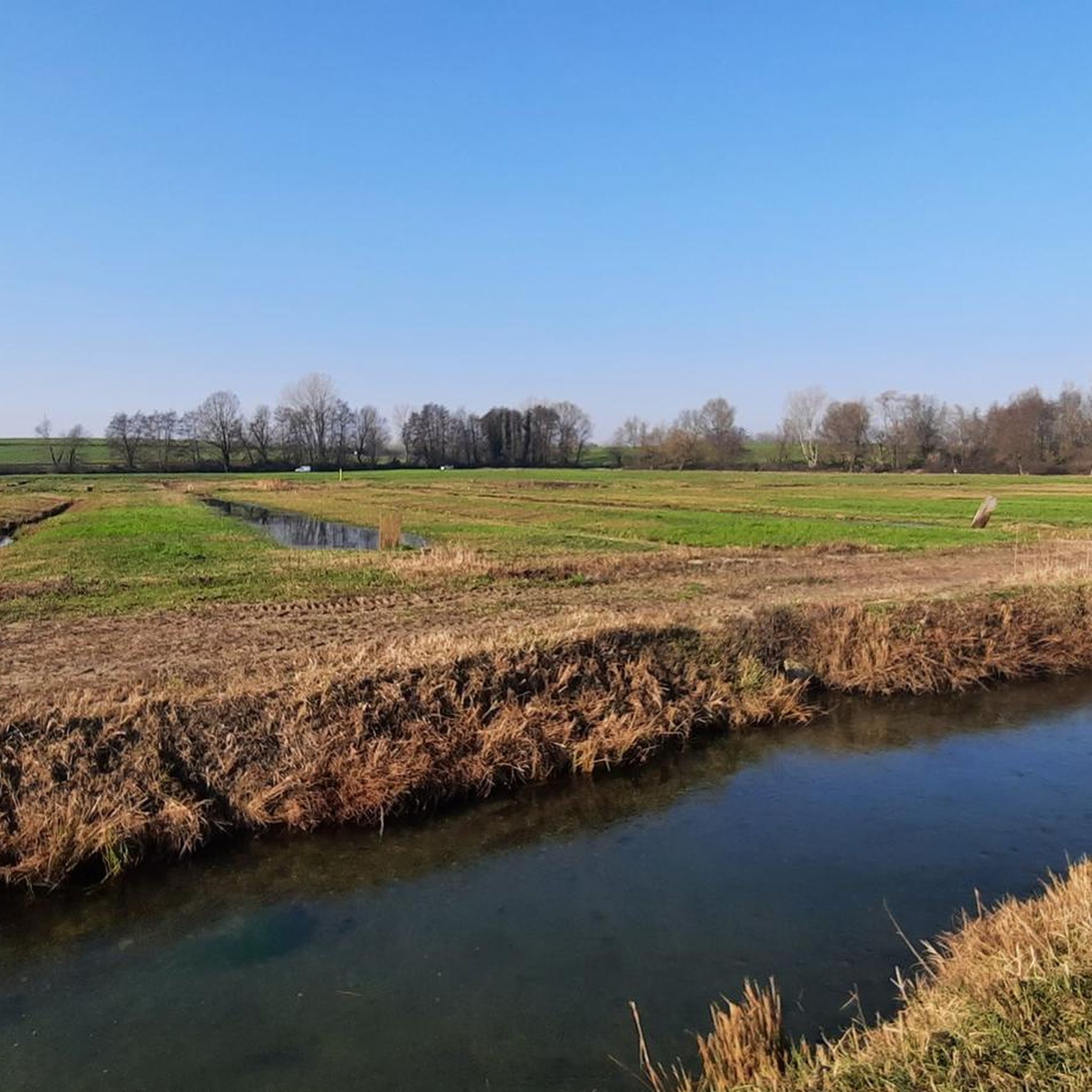
The oxbow lake of Bernate and along Ticino, magical, wild, each time is a new discovery.
2
0

Here they come back every year and are part of the village!
2
0

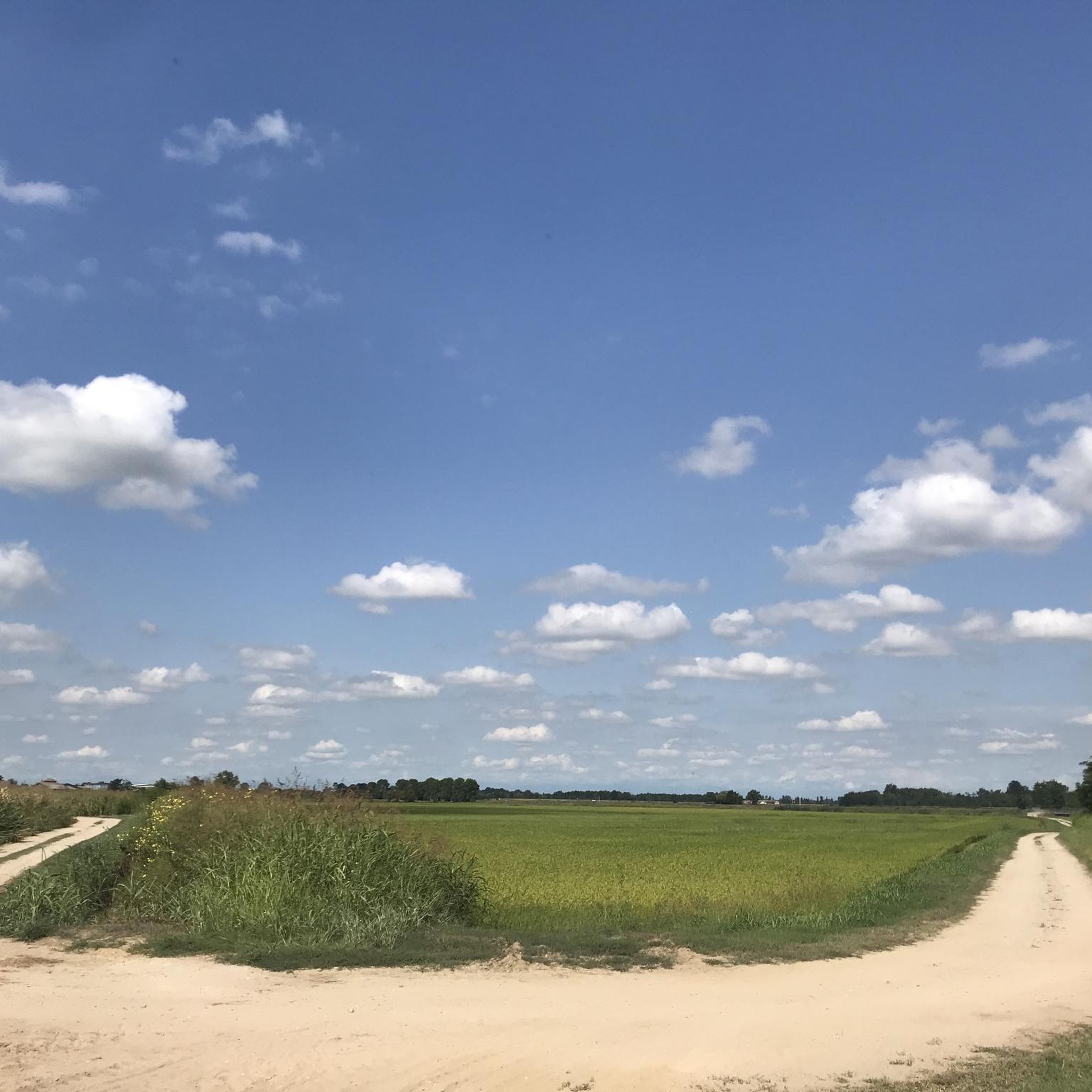
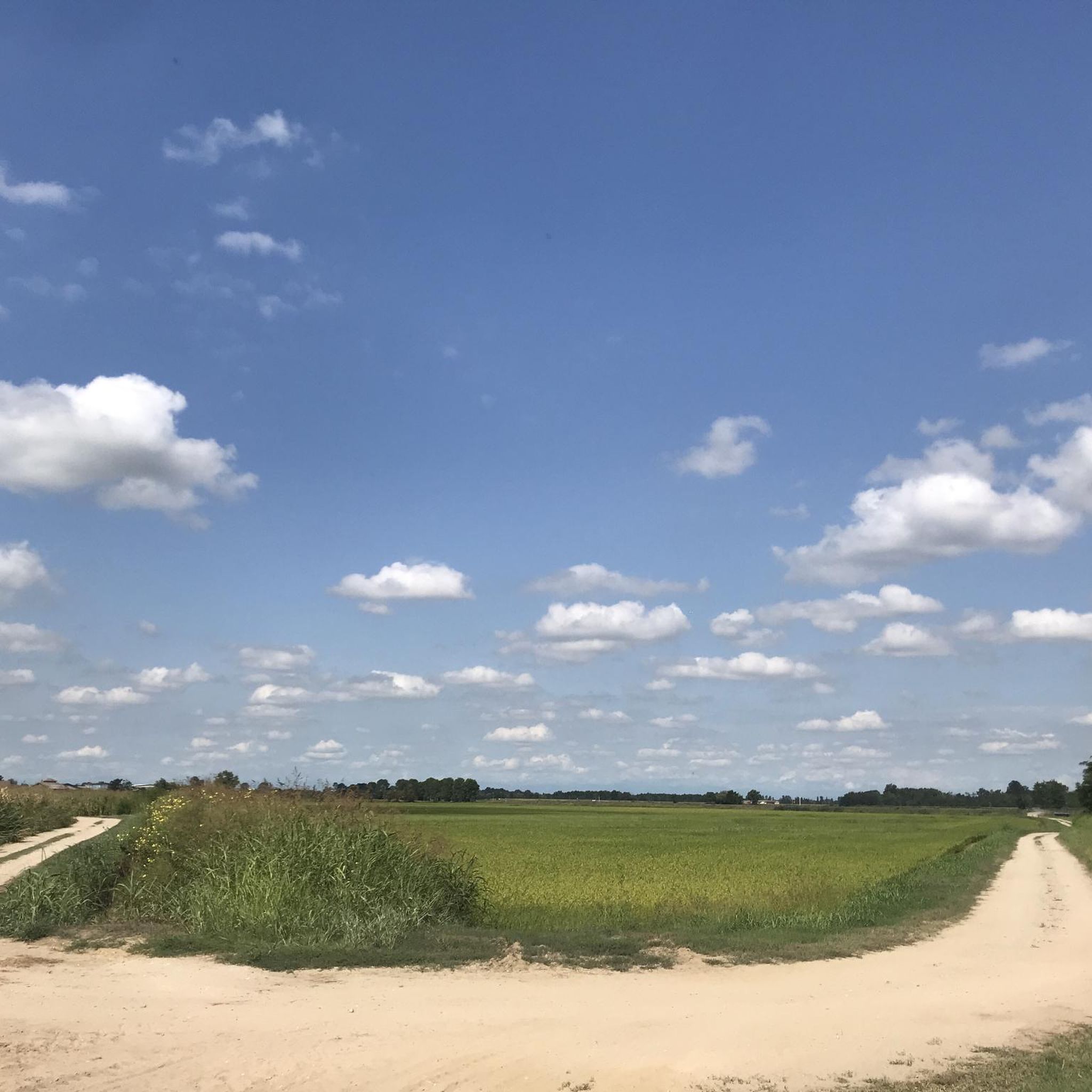
The bumps are tiny hills, generally sandy, which until a few decades ago characterized the landscape of our Lomelline countryside. Most of these very modest reliefs have been leveled to make way for poplar groves and rice fields and the only testimony that remains of them is, in many cases, the ups and downs of the country roads which gives those who walk them the amazement of finding some meters above the level of the cultivated countryside. In the area of the bumps, the alternation of hollows and ridges is visible which testifies to how the surface of our plain has been shaped by the continuous changes in the paths of the rivers, by the incessant work of streams, as well as by the erosion caused by atmospheric agents. Those who pass through Lomellina, after having crossed long stretches of very flat countryside, are pleasantly surprised to discover, in the heart of these centers, small hills flanked by old houses or ancient churches overlooking gently sloping churchyards.
51
0
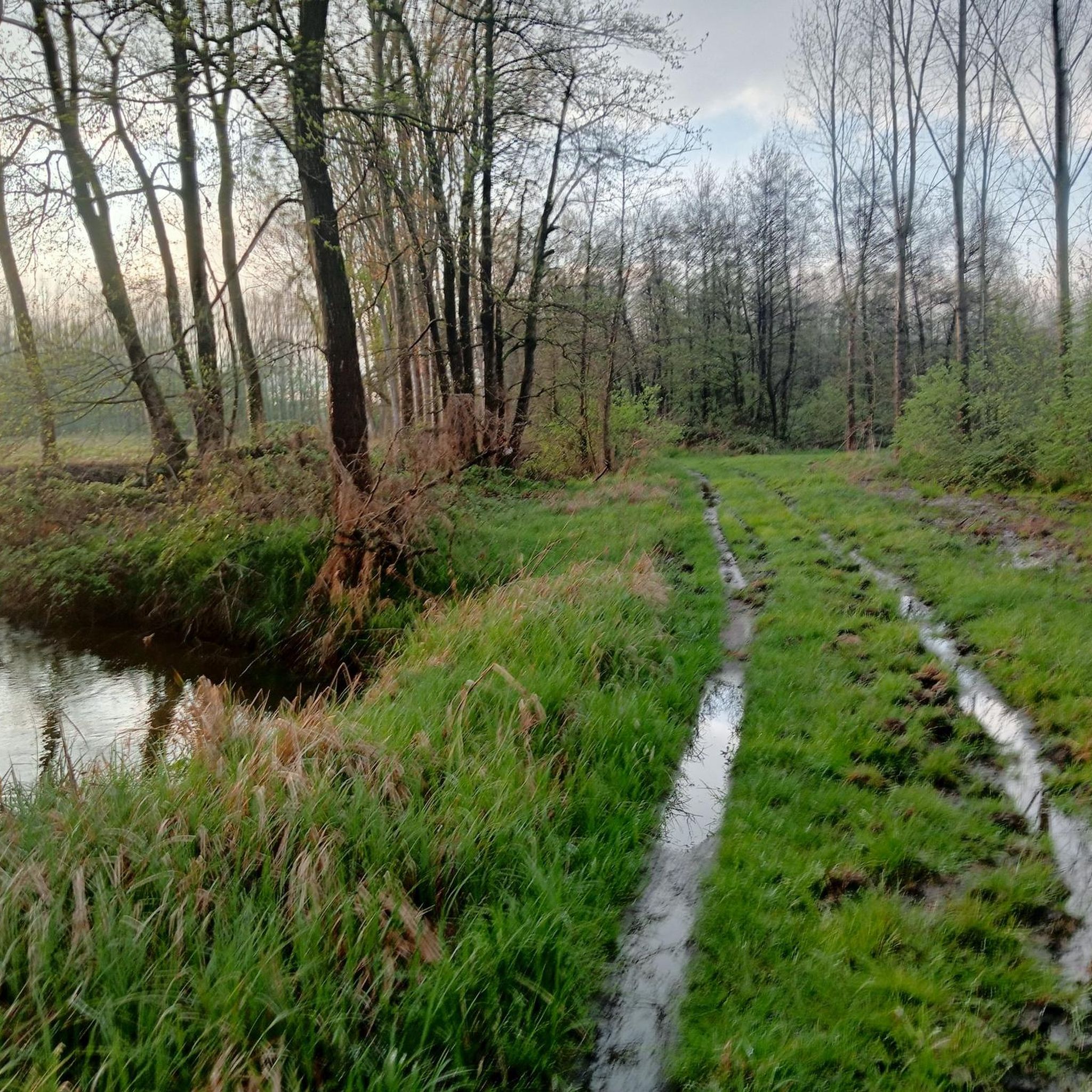
Once at the foot of these waterfalls two beached beaches emerged on both banks of the stream, unfortunately a flood occurred in 2003 irreparably changed the course of the stream by destroying and modifying its conformation, after these events it took human intervention to secure the whole area.
18
0
Frequently Asked Questions
What unique natural features can I discover around Tromello?
The region around Tromello offers several distinct natural features. You can explore the Dosso of Lomellina, which are small, sandy hills representing remnants of ancient river landscapes. Another unique spot is the Stork Nests in Cascina Venara, Zerbolò, where you can observe a sedentary colony of white storks. Additionally, the Agogna Waterfalls provide a scenic river feature.
Are there any significant rivers or water features to explore near Tromello?
Yes, the Ticino River in the Lombardy Park of the Ticino Valley is a prominent natural monument offering easy trails and peaceful surroundings. You can also visit the Agogna Waterfalls and the Portalupa Heronry, which is situated along a river and is known for its birdlife.
What kind of wildlife can I observe in the natural areas around Tromello?
The area is particularly notable for its birdlife. At the Stork Nests in Cascina Venara, Zerbolò, you can observe a thriving sedentary colony of white storks. The Portalupa Heronry is another excellent spot for birdwatching, where you might see herons and other aquatic birds.
What is the best time of year to visit the natural monuments around Tromello?
The best time to visit the natural monuments around Tromello for outdoor activities like hiking and cycling is generally during spring (April-June) and autumn (September-October) when the weather is mild and pleasant. These seasons offer comfortable temperatures for exploring the flat countryside and observing wildlife. Summer can be warm, while winter might be chilly, though the flat terrain generally remains accessible.
Are the natural monuments around Tromello suitable for families with children?
Many of the natural monuments are family-friendly. The Ticino River in the Lombardy Park of the Ticino Valley offers easy trails suitable for all ages. The Dosso of Lomellina and the Stork Nests in Cascina Venara, Zerbolò are also great for families, providing unique sights and opportunities for gentle exploration and wildlife observation.
What outdoor activities can I do near the natural monuments around Tromello?
The flat terrain around Tromello is ideal for various outdoor activities. You can find numerous routes for hiking, running, and mountain biking. For example, there are easy to moderate running trails like the 'Gravel road along the irrigation canals' and hiking routes such as the 'Bosco del Vignolo Oasis loop'. You can explore more options on the Hiking around Tromello, Running Trails around Tromello, and MTB Trails around Tromello guide pages.
Can I go cycling near these natural monuments?
Absolutely! The province of Pavia, including the area around Tromello, offers excellent opportunities for cycling. You can find various MTB trails, including routes like 'Bereguardo Pontoon Bridge – Covered Bridge of Pavia loop' and 'Wooden Bridge over the Ticino loop'. The flat landscape is also suitable for leisurely rides. Check the MTB Trails around Tromello guide for detailed routes.
Are there historical or cultural sites integrated with the natural monuments?
Yes, the Portalupa Heronry is listed as both a natural monument and a historical site, offering a blend of nature and heritage. Additionally, the ancient Via Francigena pilgrimage route passes through the wider Pavia province, providing a historical context to many natural landscapes you might encounter.
What do visitors enjoy most about the natural monuments around Tromello?
Visitors appreciate the peaceful and natural surroundings. For instance, the Ticino River is described as a 'very beautiful and peaceful place' with 'suggestive glimpses of the river'. The Dosso of Lomellina surprises visitors with its 'tiny hills' in an otherwise flat landscape, offering a unique topography. The presence of storks at Cascina Venara is also a beloved highlight.
Can I bring my dog to the natural areas around Tromello?
While specific regulations for each natural monument may vary, generally, dogs are welcome in many outdoor natural areas around Tromello, especially on trails and in parks, provided they are kept on a leash and owners clean up after them. It's always a good idea to check local signage or specific park rules before visiting.
How can I reach the natural monuments around Tromello using public transport?
While direct public transport to every single natural monument might be limited, the province of Pavia is committed to providing access to its natural areas. You can often reach nearby towns by bus or train, and from there, some natural sites might be accessible via local transport or a short walk/cycle. For detailed information on public transport options within the Pavia province, you might find resources on the VisitPavia website helpful.
Where can I find parking when visiting these natural monuments?
Parking availability varies by location. For popular natural areas like those within the Ticino Park, designated parking areas are often available near trailheads or access points. For smaller or more remote natural monuments, you might find roadside parking or small lots in nearby villages. It's advisable to check maps or local information for specific parking instructions for your chosen destination.
Most popular routes around Tromello
Most popular attractions around Tromello

Get inspired with the komoot mobile app


Explore more
Extend your search for the best caves by checking out these guides of the top ones around Tromello:
