Top 16 Natural Monuments around Pollina
Natural monuments around Pollina showcase the region's diverse geology and landscapes within the Madonie Mountains of Sicily. This area is characterized by prominent peaks, ancient geological formations, and significant historical sites. Visitors can explore a variety of natural features, from high-altitude karst landscapes to dramatic river gorges. The natural monuments offer insights into the region's unique biodiversity and geological history.
Best natural monuments around Pollina
- The most popular natural monument is Pizzo Carbonara (1,979 m), a summit that is…
Last updated: October 1, 2026
Pizzo Carbonara (1,979 m)
Highlight • Summit
Translated by Google •
Tip by

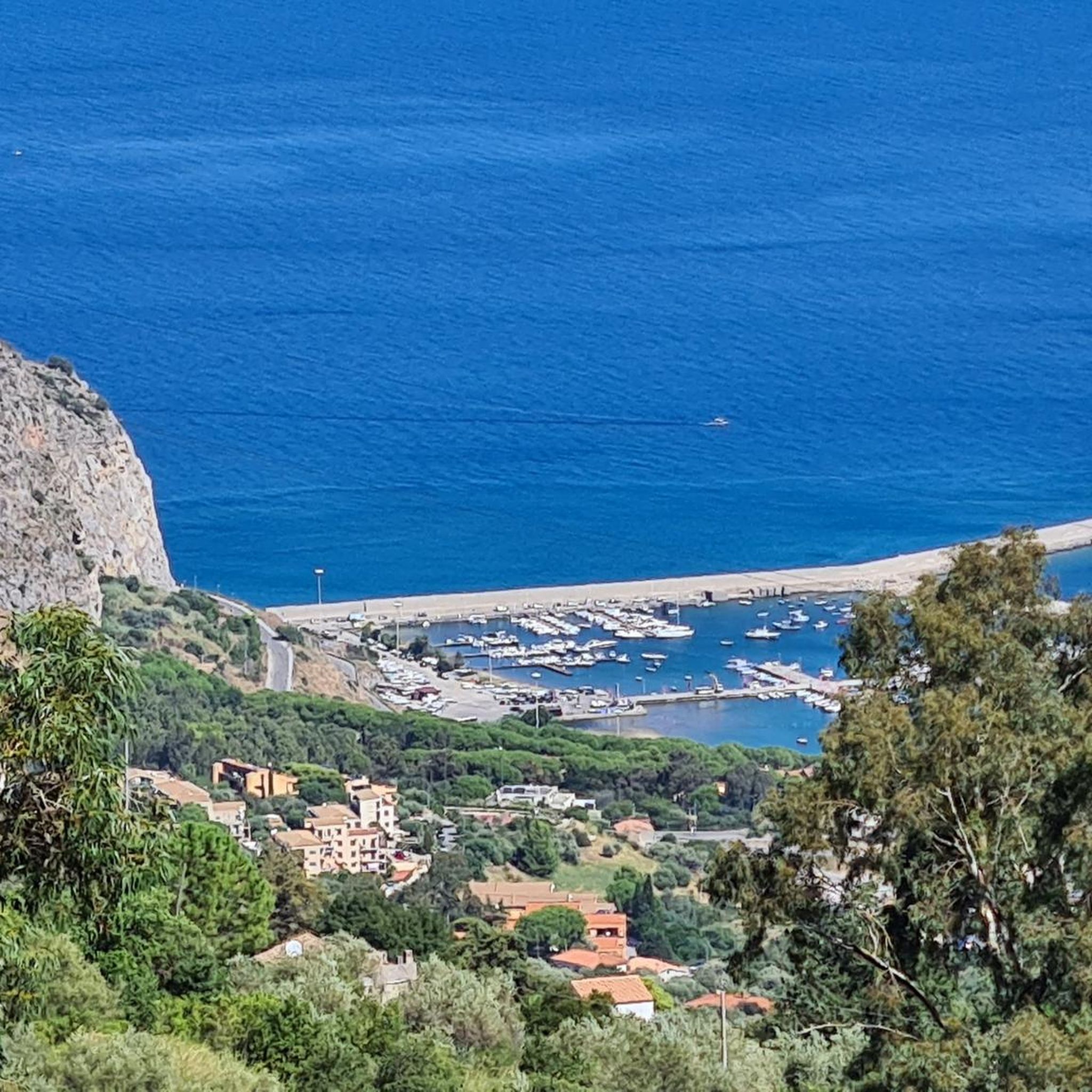
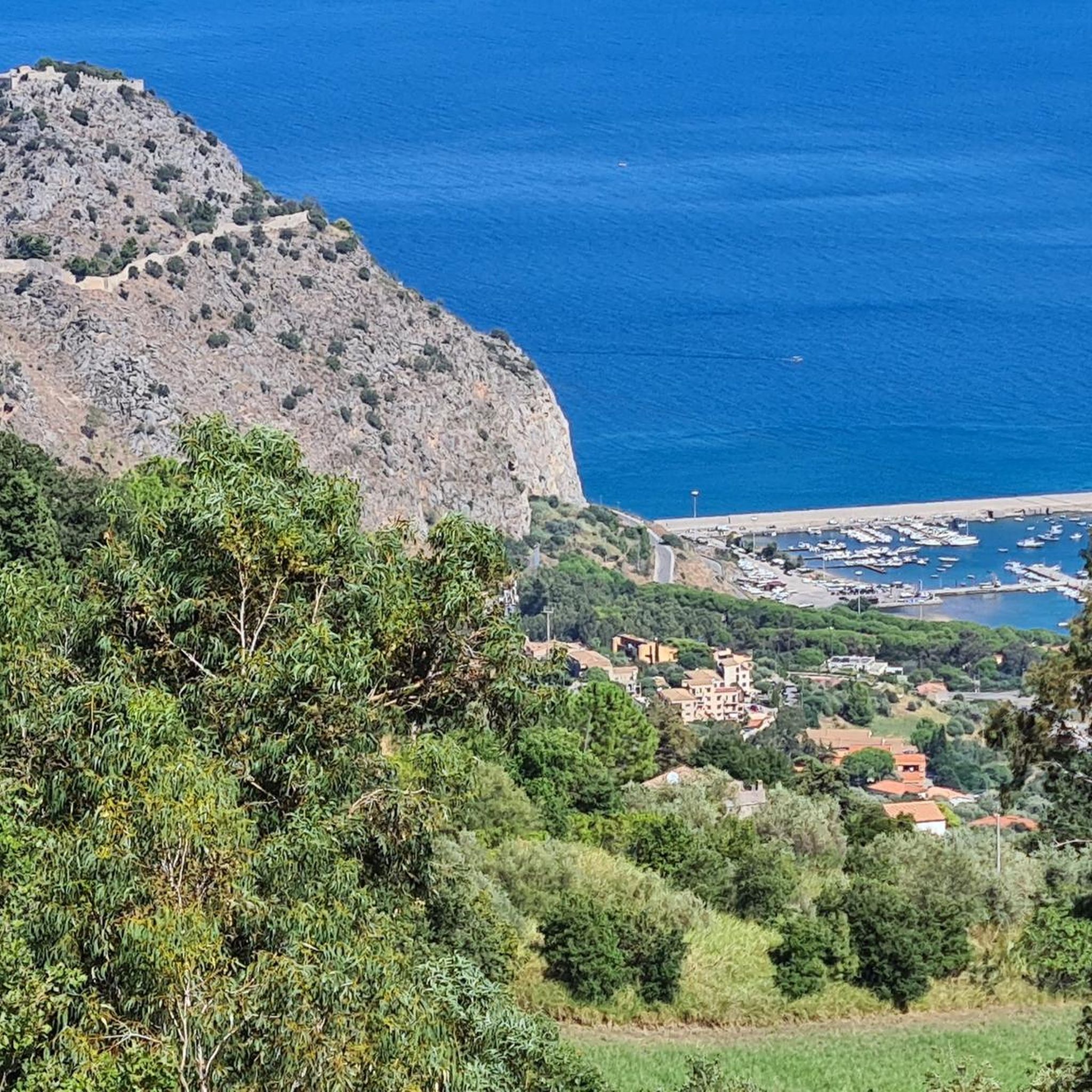
View of Cefalù from the cross on La Rocca
Highlight • Viewpoint
Translated by Google •
Tip by

Sign up now to discover places like this
Get recommendations on the best single tracks, peaks, & plenty of other exciting outdoor places.
Temple of Diana and Church of Sant'Anna
Highlight • Historical Site
Tip by

Cozzo Luminario Summit (1,512 m)
Highlight • Summit
Translated by Google •
Tip by

Grattara Cave
Highlight • Cave
Translated by Google •
Tip by

Sign up for free to discover even more natural monuments around Pollina.
Already have an account?
Start today with a free account
Your next adventure awaits.
Tips from the Community

Nice terrace
0
0

A large metal summit cross, easy access from Ref. Crispi, wonderful landscape in the Parco delle Madonie, views in all directions, the most spectacular certainly to Castelbuono towards the sea (N)...it's worth it...also later on the stop at the CAS hut Ref. Crispi
0
0
What a fantastic view from up here! (360°). A wooden sign marks the summit (Sicily's second highest!). The path is steep on all sides but always easy to walk, never really exposed; only loose rocks could pose a problem. The area was apparently quite busy in the past (ski lifts, etc.), but nature is slowly reclaiming the infrastructure...great beech "groves"!
1
0

The temple of Diana is a megalithic structure dating back to the ninth century BC that is located on a cliff north of the town of Cefalù. Probably destined to the cult of pagan divinity. In the antiquity it has been built in several phases with blocks of rock squared.
2
0

A megalithic structure and an early medieval church
1
0
Beautiful old town of Cefalu seen from above.
0
0

View of the beautiful old town
0
0

Here we come across the remains of a temple to “DIANA”, who was best known in Roman mythology as the goddess of the hunt and the moon. Dating back to ancient pre-Christian times, the deities of Roman and Greek legends in particular have been preserved in the collective memory of people in Europe to this day. Throughout art history they have repeatedly been designed as motifs in paintings or as statues.
1
0
Frequently Asked Questions
What unique geological features can I explore around Pollina?
The natural monuments around Pollina offer diverse geological wonders. You can explore the spectacular karst limestone formations of Pizzo Carbonara (1,979 m), which create an almost 'lunar' landscape with sinkholes and beech forests. The Gole del Tiberio (Tiberius Gorges), a UNESCO Geopark, features Mesozoic limestone outcrops, ancient gastropod fossils, and unique formations like 'u Miricu' carved by the Pollina river. Additionally, the Grotta Grattara (Grattara Cave) showcases limestone rock craters and various karst phenomena, including a natural spring that has formed a distinctive 'crater' basin.
Are there family-friendly natural monuments to visit near Pollina?
Yes, several natural monuments around Pollina can be enjoyed by families. The path leading to the Grotta Grattara (Grattara Cave) winds through a lush pine forest, offering wonderful panoramic views and a chance to see swallows nesting. The Gole del Tiberio (Tiberius Gorges) offers activities like rubber dinghy excursions and river trails, which can be a fun and engaging experience for families. For an easier walk with great rewards, the View of Cefalù from the cross on La Rocca provides beautiful views after a relatively easy hike.
What kind of hiking trails are available near Pollina's natural monuments?
The region around Pollina offers a variety of hiking trails. For instance, Pizzo Carbonara (1,979 m) has well-marked circular hiking trails from Piano Battaglia, suitable for trekkers. You can find more hiking options, including routes like 'Pizzo Sant'Angelo from Gibilmanna Sanctuary Trail' and 'Margherita Square, Castelbuono – Castelbuono Historic Center loop from Castelbuono', by exploring the Hiking around Pollina guide.
What historical or cultural sites are integrated with the natural monuments?
The natural monuments around Pollina often blend natural beauty with rich history. The Gole del Tiberio (Tiberius Gorges) contains ancient rock carvings and a natural bridge once used by brigands. Near Cefalù, the Temple of Diana and Church of Sant'Anna is a historical site featuring megalithic structures dating back to the ninth century BC and an early medieval church, preserving ancient pre-Christian history. The Grotta Grattara (Grattara Cave) is also deeply intertwined with local folklore, believed to be the home of La Befana.
When is the best time to visit the natural monuments around Pollina?
The Madonie Mountains, where many of these natural monuments are located, offer cooler temperatures even in summer, making it a good time for hiking, especially at higher elevations like Pizzo Carbonara (1,979 m). Spring and autumn generally provide pleasant weather for exploring the gorges and caves, with lush vegetation and comfortable temperatures. Winter can offer unique experiences, such as seeing sheep sheltering in Grotta Grattara, but some trails might be more challenging due to weather conditions.
Can I find panoramic viewpoints among the natural monuments?
Absolutely. Pizzo Carbonara (1,979 m) offers breathtaking panoramic views of the entire Sicilian Apennines, the Tyrrhenian coast, and the Madonie Mountain range on clear days. The View of Cefalù from the cross on La Rocca provides extensive views over Cefalù. Additionally, the path to Grotta Grattara and higher elevations like Pizzo di Pilo offer wonderful panoramic vistas, and Cozzo Luminario Summit (1,512 m) is known for its great views in all directions.
What outdoor activities are possible in the Gole del Tiberio (Tiberius Gorges)?
The Gole del Tiberio (Tiberius Gorges) is an excellent spot for various outdoor activities. You can enjoy rubber dinghy excursions, river trails, rafting, hiking, climbing, and birdwatching. Its scenic beauty, diverse flora and fauna, and unique geological formations make it a captivating destination for adventure and nature enthusiasts.
What makes Pizzo Carbonara a significant natural monument?
Pizzo Carbonara (1,979 m) is the second-highest peak in Sicily and a prominent natural monument within the Madonie Mountains. It's characterized by superb karst limestone formations, expansive beech forests, and is home to rare endemic vegetation like the Nebrodi Violet and mountain Linen. It also offers unparalleled panoramic views and is a place where wild deer can be spotted.
Are there opportunities for mountain biking near Pollina's natural monuments?
Yes, the area around Pollina provides opportunities for mountain biking. You can find routes like 'Cefalù Cathedral – Gibilmanna Sanctuary loop from Cefalù' and 'Pollina Castle and Old Town loop from Cefalù'. For more detailed information and additional routes, refer to the MTB Trails around Pollina guide.
What do visitors enjoy most about the natural monuments around Pollina?
Visitors frequently praise the breathtaking panoramic views, especially from summits like Pizzo Carbonara (1,979 m) and View of Cefalù from the cross on La Rocca. The unique geological formations, such as the karst landscapes and river gorges, are also highly appreciated. Many enjoy the diverse hiking opportunities and the blend of natural beauty with historical and cultural significance, like the ancient structures at the Temple of Diana and Church of Sant'Anna.
Can I find less crowded natural monuments for a quieter experience?
While popular sites attract many, exploring areas slightly off the main tourist paths can offer a quieter experience. The Grotta Grattara (Grattara Cave), though known for its folklore, might offer a more serene visit compared to the more active Gole del Tiberio. Similarly, exploring the trails around Cozzo Luminario Summit (1,512 m) or Pizzo Sant'Angelo Summit can provide peaceful moments amidst stunning natural landscapes.
Are there any specific wildlife or plant species to look out for?
Yes, the Madonie Mountains are rich in biodiversity. Around Pizzo Carbonara (1,979 m), you might spot wild deer and encounter rare endemic vegetation such as the Nebrodi Violet and mountain Linen. The Gole del Tiberio (Tiberius Gorges) is also known for its diverse flora and fauna, making it a good spot for birdwatching. At Grotta Grattara, thousands of swallows nest in its crevices, and sheep often seek shelter there during winter.
Most popular attractions around Pollina

Get inspired with the komoot mobile app


Explore more
Extend your search for the best caves by checking out these guides of the top ones around Pollina:
