Top 4 Natural Monuments around Trappeto
Best natural monuments around Trappeto include coastal features, geological formations, and elevated viewpoints. Trappeto, a coastal town in Sicily, offers diverse natural attractions both within its borders and in its immediate vicinity. The area features protected marine environments, hills with hiking trails, and unique geological sites like lava-formed caves. These locations provide opportunities for exploring marine life, scenic walks, and observing varied ecosystems.
Best natural monuments around Trappeto
- The most popular natural monument is Antenne di Montagnalonga – View of…
Last updated: June 28, 2026
Lake Poma
Highlight • Lake
Translated by Google •
Tip by

Grotta Perciata
Highlight • Cave
Translated by Google •
Tip by

Sign up now to discover places like this
Get recommendations on the best single tracks, peaks, & plenty of other exciting outdoor places.
Sign up for free
Antenne di Montagnalonga – View of the Gulf of Castellammare and Carini
Highlight • Viewpoint
Translated by Google •
Tip by

Capo Rama Nature Reserve
Highlight • Natural Monument
Tip by

Trappeto Fountain
Highlight • Natural Monument
but we made it,
we are already thinking about the next ride
Translated by Google •
Tip by

Start today with a free account
Your next adventure awaits.
Login or Signup
Tips from the Community

At certain times it can be busy, even with heavy vehicles.
0
0

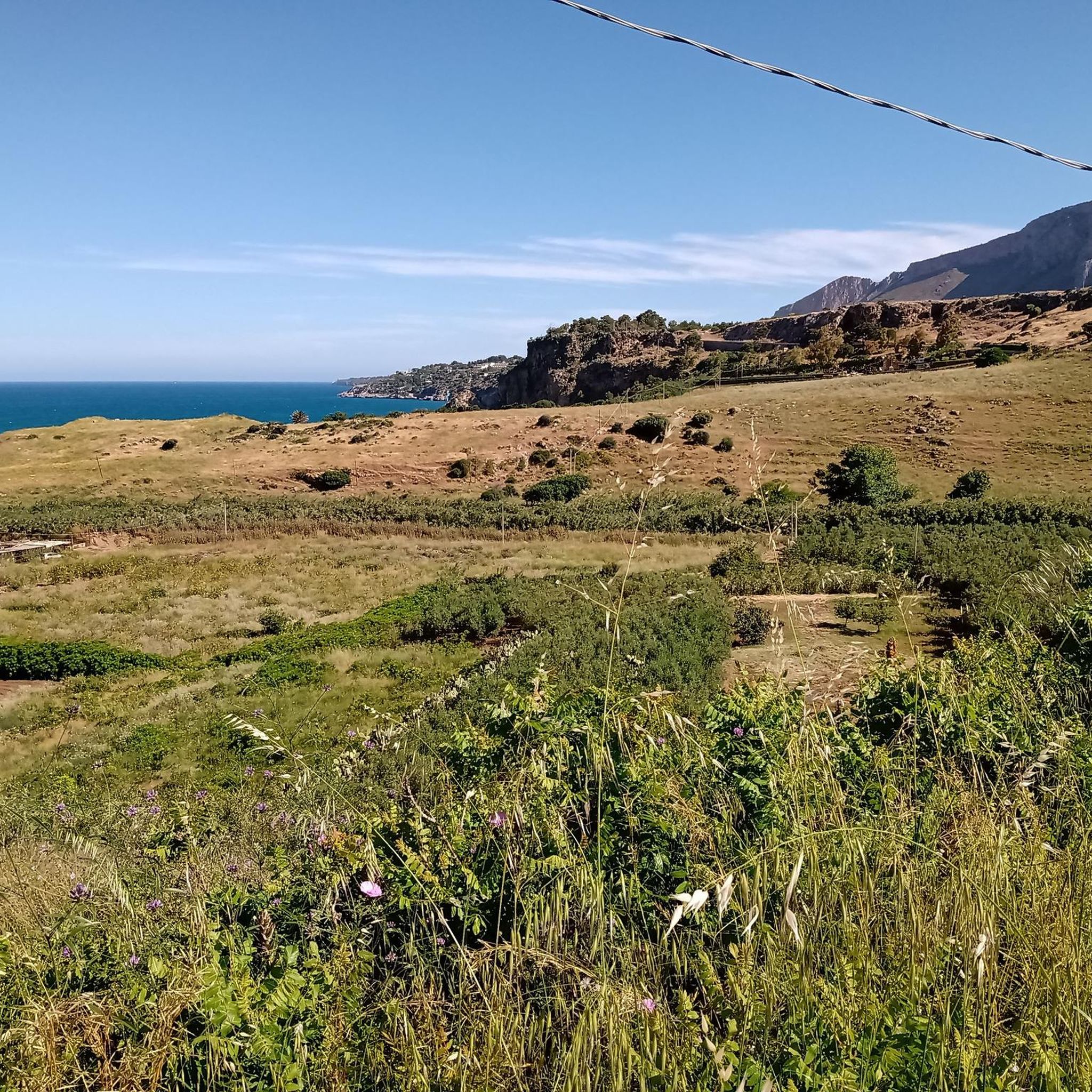
The Capo Rama National Park is a beautiful place with a grate seascapes, historical artefacts, awesome flora and fauna.
0
0

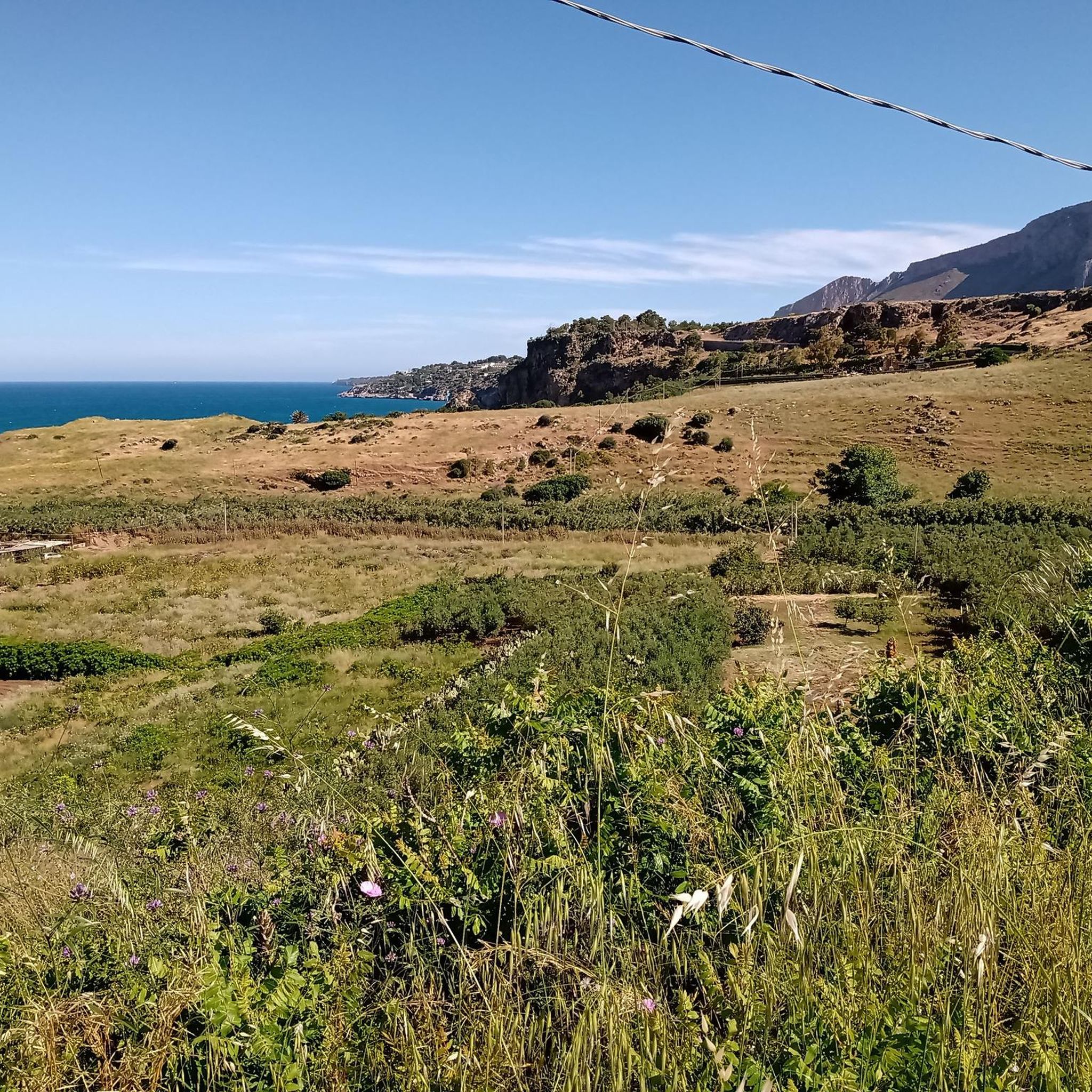
Completely surrounded by nature, this cave is located at the bottom of a small mountain. Very relaxing and isolated, an excellent destination for those who want to establish contact with nature
0
0

Located just outside Trappeto, it is strategic for stocking up on water and/or for cooling off on hot summer days
0
0
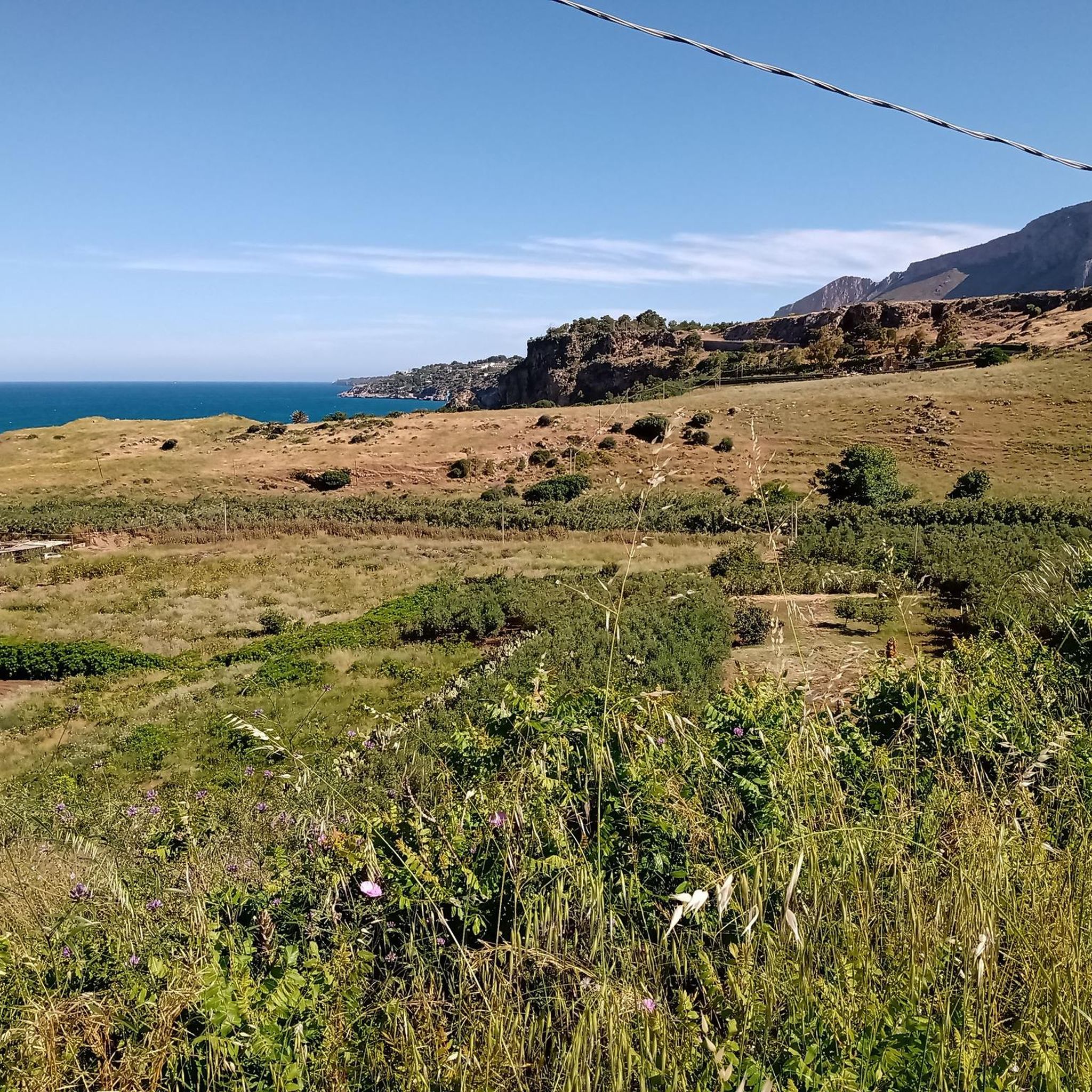
Lake Poma is an artificial lake located about 5 km from Partinico (PA), created by building a dam on the Jato river. In 1994 the area was identified as a protection oasis and wildlife refuge. Hunting is prohibited in the oasis, although poaching is sometimes reported. The flora, thanks also to the reforestation carried out in recent years, consists of: eucalyptus, ash, dwarf palm, wild pear, wild olive, Aleppo pine, domestic pine, rush, reed and black poplar. The avifauna is home to numerous species such as: the wigeon, the mallard, the pintail, the teal, the wild goose, the coot, the gray heron, the little egret, the white heron and many others. Among the birds of prey we find the peregrine falcon, the buzzard and the kestrel. During the migrations you can observe the white stork, the osprey, the glossy ibis and the cattle egret. In winter, the trees on the shores of the lake are often used as a roost for the cormorants, which return to their places of origin the following morning.
0
0

A cave/grotto where you are offered a spectacle of the forces of nature.
1
0

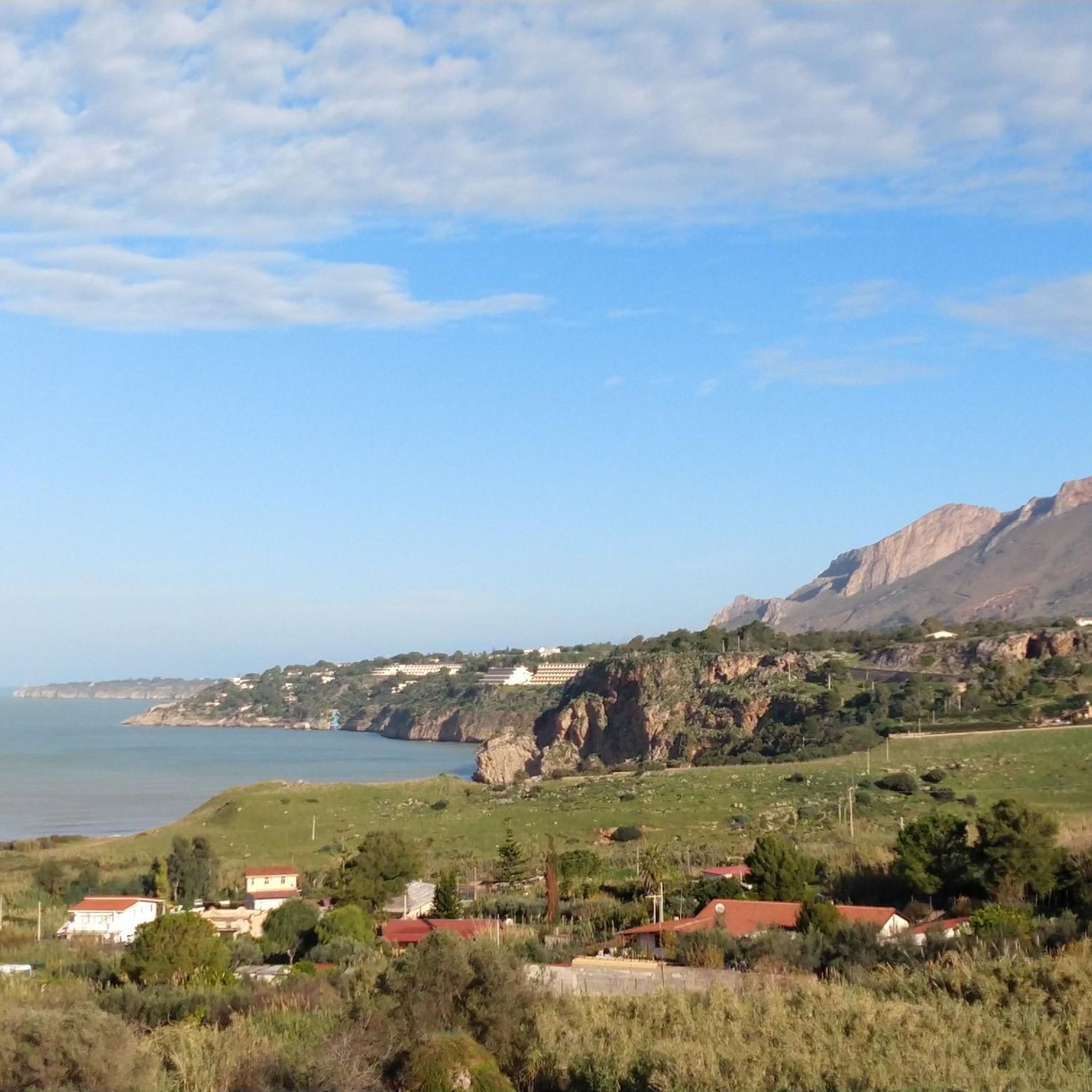
Breathtaking view from Montagna Longa
0
0

Infinite ascent the sun beat down hard, but we made it, we are already thinking about the next ride
0
0
Frequently Asked Questions
What are some of the most popular natural monuments to visit around Trappeto?
Visitors frequently enjoy the panoramic vistas from Antenne di Montagnalonga – View of the Gulf of Castellammare and Carini, which offers an evocative and silent experience. Another popular spot is Grotta Perciata, a cave known for showcasing the forces of nature in a relaxing, isolated setting. Lake Poma, an artificial lake and wildlife refuge, is also a favorite for its diverse flora and avifauna.
Are there any family-friendly natural monuments or activities near Trappeto?
Yes, several natural monuments are suitable for families. Lake Poma is identified as family-friendly, offering a chance to observe diverse wildlife. The Trappeto Marine Reserve, though not a specific highlight in the guide, is known for its calm waters and abundant marine life, making it ideal for family activities like snorkeling and glass-bottom boat tours. The hills surrounding Trappeto also offer gentle hiking trails suitable for families.
What kind of geological features can I expect to see in the natural monuments around Trappeto?
The region boasts diverse geological features. The Grotta Perciata is a cave demonstrating natural forces. The nearby Grotta delle Colombe is a fascinating lava-formed cave, approximately 100 meters long, with a floor made of fused lava fragments and walls adorned with lichens and mosses due to an internal water source. The Capo Rama Nature Reserve is particularly significant for its limestone rocks dating back 200 million years, rich in fossils of ancient marine organisms, and numerous caves formed by marine erosion and karst dissolution.
Are there hiking trails associated with these natural monuments?
Yes, the hills surrounding Trappeto offer various hiking trails that wind through the Sicilian countryside and coastline, providing stunning views. For specific routes, you can explore the Hiking around Trappeto guide, which includes trails near natural sites like the Torre di Capo Rama and Grotta Perciata.
What outdoor activities can I do near the natural monuments in Trappeto?
Beyond exploring the monuments themselves, you can enjoy various outdoor activities. The Trappeto Marine Reserve is excellent for snorkeling and glass-bottom boat tours. For land-based activities, there are numerous options for hiking, cycling, and running in the surrounding areas, with routes catering to different difficulty levels.
Is the Capo Rama Nature Reserve worth visiting, and what makes it unique?
The Capo Rama Nature Reserve is highly recommended for its beautiful seascapes, rich biodiversity, and historical significance. It's unique for its ancient limestone cliffs, which contain 200-million-year-old fossils. The reserve is home to diverse flora, including dwarf palms, and various fauna, such as endemic lizards and migratory birds. You can also find an ancient circular watchtower, Torre di Capo Rama, on the promontory, adding a historical dimension to the natural beauty. For more detailed information, you can visit Visit Italy's page on the reserve.
What is the best season to visit the natural monuments around Trappeto?
The natural monuments around Trappeto can be enjoyed throughout much of the year. Spring and autumn offer pleasant temperatures ideal for hiking and exploring the coastal and inland areas. Summer is perfect for marine activities like snorkeling in the Trappeto Marine Reserve, though it can be quite warm for extensive hiking. Winters are generally mild, allowing for continued outdoor exploration, though some services might be reduced.
Are there any natural monuments that offer historical insights?
Yes, the Capo Rama Nature Reserve features the Torre di Capo Rama, an ancient circular watchtower that was part of Sicily's historical coastal defense system. Additionally, the Grotta delle Colombe is steeped in local legends, such as those of the mythical lovers Aci and Galatea or the nymph Ionia, adding a layer of folklore to its natural beauty.
What can I expect to see at Lake Poma?
Lake Poma is an artificial lake created by a dam on the Jato river, designated as a protection oasis and wildlife refuge. It features a diverse flora, including eucalyptus, ash, dwarf palm, and wild olive trees. The avifauna is particularly rich, with numerous bird species such as wigeons, mallards, gray herons, and little egrets. During migrations, you might even spot white storks or ospreys, making it a great spot for birdwatching.
Is there a natural monument where I can easily access water or cool off?
Yes, the Trappeto Fountain, located just outside the town, is a strategic spot for stocking up on water or cooling off, especially on hot summer days. While not a natural monument in the traditional sense, it provides a practical natural amenity for visitors.
What makes the Grotta delle Colombe a unique natural attraction?
The Grotta delle Colombe, also known as 'a rutta ri palummi' by locals, is a unique lava-formed cave located between Trappeto and Terrasini. It's approximately 100 meters long with a seven-meter-high vault. Its floor is a mosaic of fused lava fragments, and a natural water source inside fosters lichens and mosses, painting the walls in muted greens. A series of steps leads down to the sea, creating a picturesque and almost cinematic setting, often reached by a short walk from San Cataldo beach.
Are there any viewpoints that offer extensive scenic views?
Absolutely. Antenne di Montagnalonga – View of the Gulf of Castellammare and Carini is the highest part of Montagnalonga and provides breathtaking panoramic vistas of both the Gulf of Castellammare del Golfo and the Gulf of Carini. It's an evocative and silent area, perfect for enjoying expansive views.
Most popular attractions around Trappeto

Get inspired with the komoot mobile app


Explore more
Extend your search for the best caves by checking out these guides of the top ones around Trappeto:
